
The Role of Gratitude in Counteracting EcoAnxiety


Welcome to Mind Care Guide.
Feeling overwhelmed by the state of our planet? You're not alone. Ecoanxiety is a growing concern, and we understand the weight it carries. But what if there was a powerful, accessible tool to help you navigate these anxieties? Dive into our article, "The Role of Gratitude in Counteracting EcoAnxiety," and discover how cultivating gratitude reduces ecoanxiety significantly, offering a path towards hope and resilience. Curious to learn more? Let's explore together.
The Role of Gratitude in Counteracting Eco-Anxiety
- Understanding Eco-Anxiety and its Impact on Mental Well-being
- How Gratitude Can Reduce Eco-Anxiety Significantly
- Practical Ways to Cultivate Gratitude to Combat Climate Anxiety
- Integrating Gratitude into Daily Life for Long-Term Eco-Anxiety Management
- Gratitude as a Tool for Climate Resilience and Hope
- Seeking Professional Support for Eco-Anxiety and Developing a Gratitude-Based Coping Strategy
- Conclusion: Embracing Gratitude for a Healthier Planet and Mind
-
Frequently Asked Questions
- What is EcoAnxiety and how is it connected to mental well-being?
- How can practicing gratitude help in managing EcoAnxiety?
- What are some practical ways to cultivate gratitude in the context of environmental concerns?
- Are there any scientific studies that support the link between gratitude and reduced anxiety levels, specifically related to environmental worries?
- Where can I find more resources and support if I'm struggling with EcoAnxiety despite practicing gratitude?
- Final Reflection: Cultivating Gratitude, Cultivating Hope in the Face of Climate Change
- Cultivate Your Gratitude Garden: Nurture Your Well-being and the Planet
Understanding Eco-Anxiety and its Impact on Mental Well-being
Defining Eco-Anxiety: Fear and Worry in the Face of Climate Change
Eco-anxiety is a term used to describe the chronic fear of environmental doom. It's a form of anxiety specifically related to concerns about the current and future state of the planet, particularly in the face of climate change, biodiversity loss, and other ecological crises. Unlike general anxiety, eco-anxiety is directly tied to observable environmental threats and the perceived inability of humanity to adequately address them. It's a rational response to a real and significant threat, yet its chronic nature can be debilitating, leading to feelings of helplessness and despair.
This pervasive sense of dread is increasingly common, especially among younger generations who face the long-term consequences of environmental degradation. A 2021 study involving 10,000 young people across 10 countries found that 75% of respondents believed "the future is frightening" due to climate change, and 45% reported that their feelings about climate change negatively affected their daily lives. This highlights the widespread nature of eco-anxiety and its tangible impact on mental health globally.
The Psychological Effects of Climate Change Concerns
The psychological toll of worrying about climate change is significant and varied. It can manifest as heightened stress levels, persistent worry, difficulty sleeping, and even symptoms akin to post-traumatic stress disorder, particularly for those directly affected by climate-related disasters like floods, wildfires, or extreme heatwaves. The constant barrage of negative environmental news can create a feeling of being overwhelmed and powerless, eroding one's sense of security and optimism about the future.
Beyond individual distress, climate change concerns can strain social relationships and impact daily functioning. Individuals might experience conflict with others over differing views on environmental issues, struggle with decisions about family planning due to worries about the future world their children will inherit, or feel paralyzed when it comes to taking action. This complex interplay of personal distress and societal challenges underscores the need for effective coping strategies to navigate the emotional landscape of the climate crisis.
Recognizing the Symptoms of Eco-Anxiety: Anxiety, Hopelessness, and Climate Grief
Recognizing the symptoms of eco-anxiety is the first step toward managing it. Common emotional signs include persistent worry or fear about environmental issues, feelings of helplessness, sadness, anger, and even guilt about one's own environmental footprint. Physically, symptoms can mirror general anxiety, such as increased heart rate, difficulty breathing, fatigue, and trouble concentrating.
A particularly potent symptom is "climate grief," a form of sorrow experienced in response to ecological losses, whether it's the destruction of natural habitats, the extinction of species, or the perceived loss of a stable future. This grief is profound and can be difficult to process in a world that often doesn't fully acknowledge or validate these feelings.
For instance, communities witnessing the erosion of coastlines or the disappearance of glaciers experience a tangible form of climate grief that impacts their cultural identity and sense of place. Understanding these varied manifestations is crucial for providing appropriate support and developing strategies like cultivating gratitude to help reduce eco-anxiety significantly.
How Gratitude Can Reduce Eco-Anxiety Significantly
The Science Behind Gratitude and Mental Health
The practice of gratitude has a solid foundation in psychological and neurological research demonstrating its profound benefits for mental well-being. Studies have shown that regularly practicing gratitude can lead to increased feelings of happiness, reduced symptoms of depression and anxiety, and improved overall life satisfaction. From a neurochemical perspective, gratitude is associated with activity in brain regions like the medial prefrontal cortex, which is linked to positive emotions and social bonding.
Moreover, expressing and receiving gratitude can influence the release of neurotransmitters such as dopamine and serotonin, often referred to as "feel-good" chemicals. For example, research published in journals like the Journal of Personality and Social Psychology has provided evidence that keeping a gratitude journal for just a few weeks can lead to measurable increases in optimism and reductions in physical symptoms. This scientific backing suggests that leveraging gratitude could offer a powerful tool for managing difficult emotional states, including those triggered by environmental concerns.
Eco-anxiety is characterized by overwhelming negative emotions like fear, helplessness, anger, and despair. Gratitude works by actively shifting focus away from perceived threats and losses towards appreciation for what is positive and enduring. By consciously acknowledging the good things that still exist – the beauty of nature, the efforts of environmental activists, supportive communities, or even simple daily comforts – individuals can create emotional space that counteracts the dominance of negative feelings.
Consider the feeling of helplessness when faced with the scale of climate change. Practicing gratitude for the small-scale positive actions being taken, whether by individuals, local groups, or innovative companies, can help restore a sense of agency and hope. Instead of dwelling solely on what is being lost, focusing on what is being protected or restored, and being grateful for those efforts, can interrupt the cycle of despair. This redirection of attention is a key mechanism by which gratitude helps to reduce eco-anxiety significantly.
Can Cultivating Gratitude Help with Eco-Anxiety? Exploring the Connection
Exploring the connection between gratitude and eco-anxiety reveals a compelling potential for therapeutic intervention. While eco-anxiety focuses on threats, deficits, and future dangers, gratitude centers on appreciation, abundance, and present or past positives. By intentionally cultivating a grateful perspective, individuals can build psychological resilience, making them less susceptible to being overwhelmed by climate change concerns.
For example, someone feeling despair over habitat destruction might feel a sense of gratitude for a local park that is being preserved, or for the efforts of a conservation group they support. This shift in focus doesn't negate the reality of the threat but provides an emotional counterbalance, fostering hope and motivation rather than paralysis. Integrating gratitude into daily life can therefore act as a powerful psychological buffer, demonstrating how gratitude reduces eco-anxiety significantly by fostering a more balanced and resilient emotional state.
Practical Ways to Cultivate Gratitude to Combat Climate Anxiety
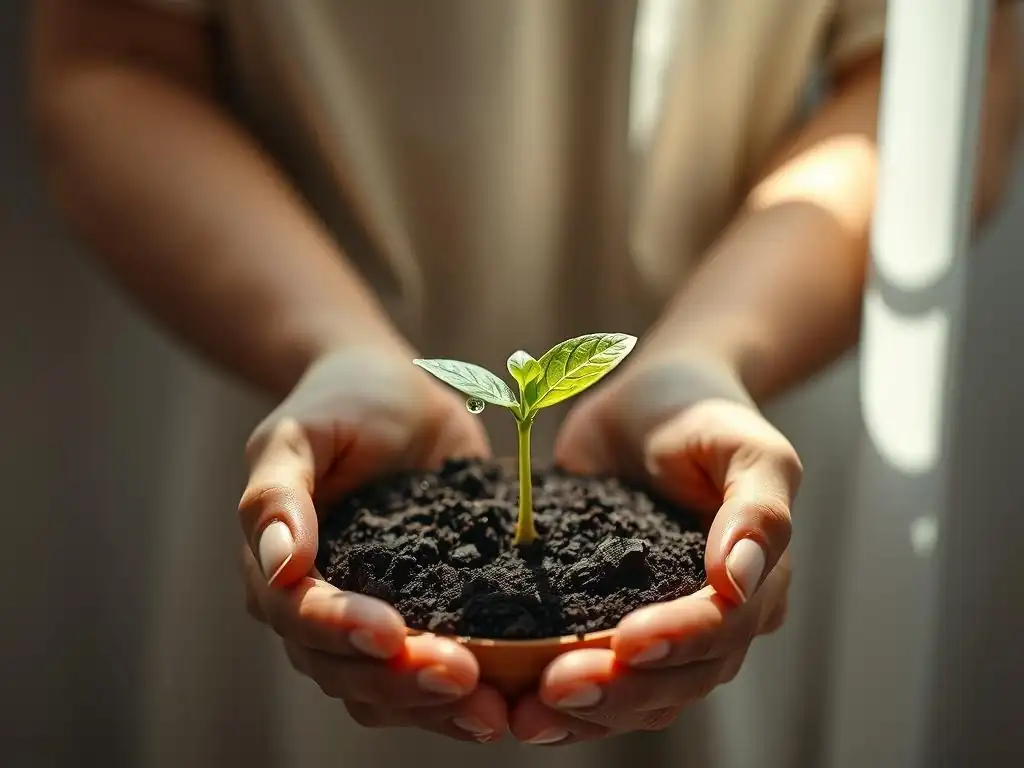
Gratitude Journaling for Eco-Anxiety Relief: A Step-by-Step Guide
Gratitude journaling is a widely recommended practice for enhancing well-being, and it can be particularly effective for managing eco-anxiety. The process involves regularly writing down things you are grateful for. For eco-anxiety, this can be tailored to include environmental aspects.
Here's a simple guide:
- Choose a time: Dedicate 5-10 minutes each day or a few times a week.
- Find a journal: Any notebook or digital document will work.
- Reflect: Think about things you appreciate. For eco-anxiety, consider:
- Aspects of nature you enjoy (a sunset, a sturdy tree, the rain).
- Environmental efforts you've witnessed or participated in.
- People working towards sustainability.
- Resources that help you cope (information, support groups).
- Moments of beauty or peace in your environment.
- Write it down: List 3-5 specific things you are grateful for. Be detailed – why are you grateful for this particular thing?
- Feel it: Take a moment to truly feel the emotion of gratitude.
Gratitude Journal Prompt Examples:
- What specific natural beauty did I witness today that I am grateful for?
- What environmental action, big or small, am I grateful is happening in the world?
- Who is someone working for a better planet that I appreciate?
- What resource related to climate action or coping am I thankful for?
- What simple, sustainable habit did I engage in today that I feel good about?
Regularly engaging in this practice helps retrain your brain to notice the positive aspects of your relationship with the environment and the world, offering a tangible way that gratitude reduces eco-anxiety significantly over time.
Expressing Gratitude Through Environmental Action
Gratitude doesn't have to be purely internal; it can also be expressed through action. Taking steps to protect the environment can be a powerful way to show appreciation for the planet and its resources. This could involve simple actions like reducing waste, conserving water, or supporting local conservation efforts.
Engaging in environmental action driven by gratitude shifts the motivation from fear or guilt to appreciation and care. For example, instead of feeling guilty about consumption, you might feel grateful for the resources you have and express that gratitude by repairing items instead of discarding them.
Participating in a community cleanup because you are grateful for a local park, or supporting sustainable businesses because you appreciate their efforts, are all forms of active gratitude. This proactive approach not only contributes to positive environmental change but also empowers individuals, counteracting the helplessness often associated with eco-anxiety and reinforcing how gratitude helps reduce eco-anxiety significantly.
Mindful Appreciation of Nature: Connecting with the Earth
Mindfulness and gratitude are deeply intertwined, and practicing mindful appreciation of nature offers a direct way to combat climate anxiety. This involves intentionally engaging your senses to connect with the natural world around you, no matter how small or urban your environment might be. It could be feeling the sun on your skin, listening to bird songs, observing the intricate patterns of a leaf, or smelling the earth after rain.
By slowing down and mindfully noticing the details of nature, you foster a sense of connection and wonder. This connection can evoke feelings of awe and appreciation for the complex systems that sustain life.
Taking just a few minutes each day to step outside and mindfully appreciate a tree, a flower, or even the clouds can ground you in the present moment, reducing the pull of future-oriented worries. This simple yet profound practice nurtures a grateful relationship with the Earth, which in turn helps gratitude reduces eco-anxiety significantly by strengthening your appreciation for the world you are trying to protect.
The Power of Gratitude Walks: Experiencing Nature with Thankfulness
Combining physical activity with mindful appreciation and gratitude can amplify the benefits for eco-anxiety. A gratitude walk involves going for a walk specifically with the intention of noticing things in nature or your environment for which you feel grateful. This could be the resilience of urban plants, the beauty of a park, the availability of clean air to breathe, or the simple fact of being able to move your body in nature.
During the walk, actively look for things to appreciate. When you notice something, pause for a moment and acknowledge the feeling of gratitude. This practice helps to anchor your mind in the positive aspects of the environment rather than dwelling on threats. It transforms a simple walk into a therapeutic exercise that connects you more deeply with the world around you and reinforces a positive emotional state, illustrating another way gratitude helps reduce eco-anxiety significantly through embodied experience.
Integrating Gratitude into Daily Life for Long-Term Eco-Anxiety Management
Building a Gratitude Practice: Consistency is Key
Integrating gratitude into your daily routine is crucial for experiencing its long-term benefits in managing eco-anxiety. Like any skill, cultivating gratitude requires consistent effort. It's not about forcing yourself to feel grateful constantly, but about creating small, regular habits that encourage an appreciative mindset.
Consistency could look like spending two minutes each morning thinking of three things you're grateful for before starting your day, or making it a point to notice one beautiful or resilient aspect of nature during your commute. The key is to make it a regular, almost automatic part of your life. Research suggests that consistent gratitude practices can rewire neural pathways over time, making it easier to access positive emotions and perspectives even when faced with challenging information about climate change. This consistent effort is fundamental to how gratitude reduces eco-anxiety significantly over the long haul.
Gratitude and Community: Sharing Appreciation for a Sustainable Future
Sharing gratitude within a community can amplify its effects and foster collective resilience against climate anxiety. Discussing what you appreciate about the environment or the efforts of others working towards sustainability can strengthen social bonds and create a supportive network. This could be as simple as thanking someone for an environmentally conscious choice they made, or sharing a beautiful nature photo with a friend and expressing your appreciation for it.
Participating in community-based environmental projects, such as gardening, cleanup drives, or advocacy groups, also provides opportunities to experience shared gratitude for collective action and progress. Witnessing and contributing to positive change alongside others can counteract feelings of isolation and helplessness.
For instance, studies on community resilience in the face of environmental challenges often highlight the importance of social connection and shared purpose. This demonstrates how collective gratitude, focused on shared values and actions for a sustainable future, can be a powerful antidote to the isolating effects of climate anxiety, further proving how gratitude helps reduce eco-anxiety significantly within a social context.
Using Gratitude to Reframe Negative Thoughts about Climate Change
Eco-anxiety often involves catastrophic thinking and a focus on worst-case scenarios. Gratitude provides a powerful tool for reframing these negative thought patterns. It's not about denying the reality of climate change, but about balancing the difficult truths with appreciation for what is still good, what is being done, and the potential for positive change.
When a negative thought about climate change arises (e.g., "It's hopeless, nothing will change"), you can consciously counter it with a thought rooted in gratitude (e.g., "I am grateful for the scientists working tirelessly on solutions," or "I am grateful for the community garden down the street that shows local resilience"). This cognitive reframing doesn't eliminate the original concern but provides a more balanced perspective, reducing the intensity of the negative emotion.
By intentionally practicing this reframing, individuals can build mental habits that reduce the debilitating impact of climate anxiety and reinforce how gratitude reduces eco-anxiety significantly by fostering a more hopeful and action-oriented mindset.
Gratitude as a Tool for Climate Resilience and Hope
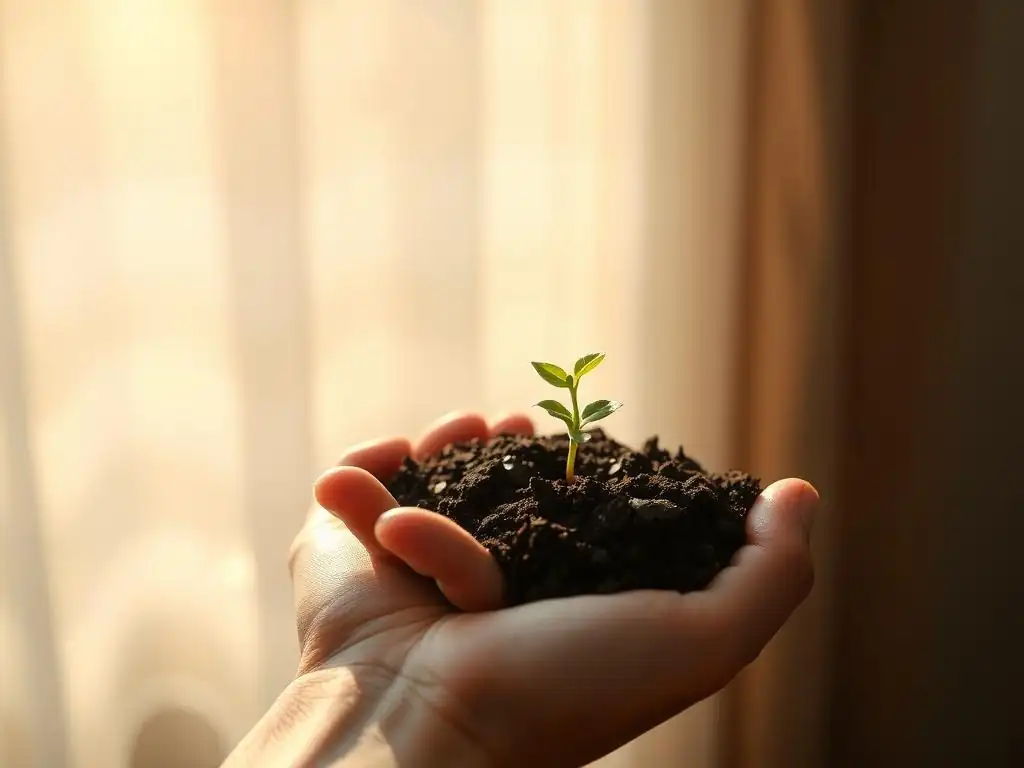
Finding Hope in Action: Gratitude for Positive Change
While climate change presents immense challenges, focusing solely on the problems can lead to despair. Gratitude helps cultivate hope by highlighting the positive actions and progress being made. Expressing gratitude for the efforts of environmental organizations, policy makers implementing sustainable solutions, technological innovations reducing emissions, or even local initiatives like recycling programs, shifts the focus from overwhelming threat to active response.
Consider the rapid growth of renewable energy technologies; being grateful for the ingenuity and effort behind these developments can inspire hope. Or appreciating the dedication of activists pushing for policy changes, which can foster a sense of possibility. By intentionally noticing and appreciating these positive developments, individuals can build a more resilient mindset that acknowledges the difficulties but remains open to the potential for meaningful change. This focus on positive action, fueled by gratitude, is a vital component of how gratitude reduces eco-anxiety significantly by fostering hope.
Shifting Focus: From Fear to Appreciation for the Planet
Eco-anxiety is rooted in fear for the future of the planet. Gratitude offers a way to shift the emotional center from fear to appreciation. Instead of primarily seeing the planet as something fragile and threatened, cultivate gratitude for its incredible resilience, beauty, and the life-sustaining services it provides unconditionally – clean air, fresh water, fertile soil, diverse ecosystems.
This shift in perspective doesn't mean ignoring the threats, but it changes the emotional relationship with the Earth. Approaching environmental issues from a place of love and appreciation, rather than just fear, can be a more sustainable and motivating emotional stance for engaging with the climate crisis. For instance, feeling deep gratitude for the intricate web of life in a forest might motivate you to protect it more effectively than simply fearing its destruction. This fundamental shift in perspective underscores the profound way gratitude helps reduce eco-anxiety significantly by transforming fear into a protective appreciation.
Gratitude and Sustainable Living: A Symbiotic Relationship
Gratitude and sustainable living share a symbiotic relationship. A grateful mindset can naturally lead to more sustainable behaviors. When you truly appreciate the resources the Earth provides, you are more likely to use them mindfully and avoid waste. Gratitude for the natural world can inspire a desire to live in harmony with it, leading to choices that reduce your environmental footprint.
Conversely, practicing sustainable habits can foster gratitude. For example, growing some of your own food can lead to a deeper appreciation for the processes of nature and the effort involved in food production. Using reusable items might foster gratitude for the reduction in waste you achieve.
This reciprocal relationship means that incorporating sustainable living practices can reinforce a grateful perspective, creating a positive feedback loop that strengthens both your connection to the Earth and your ability to manage eco-anxiety. This connection highlights how adopting sustainable practices out of gratitude further helps gratitude reduces eco-anxiety significantly by aligning values with actions.
Seeking Professional Support for Eco-Anxiety and Developing a Gratitude-Based Coping Strategy
When to Seek Professional Help for Eco-Anxiety
While cultivating gratitude can be a powerful coping mechanism, it's important to recognize when eco-anxiety symptoms are severe enough to warrant professional help. If your climate concerns are significantly interfering with your daily life, relationships, work, or sleep, or if you are experiencing symptoms of depression, panic attacks, or suicidal thoughts related to environmental worries, seeking support from a mental health professional is crucial.
A therapist can help you process difficult emotions, develop effective coping strategies tailored to your specific needs, and address any underlying mental health conditions that may be exacerbated by eco-anxiety. They can provide a safe space to explore your feelings of grief, fear, and helplessness without judgment. Ignoring severe symptoms can lead to burnout and further distress, hindering your ability to engage constructively with both your emotional well-being and environmental issues. Approximately 50% of young people surveyed in some studies report that their climate anxiety impacts their daily functioning, indicating a significant need for accessible support.
Integrating Gratitude Exercises into Therapy for Climate Anxiety
Therapy for eco-anxiety can often integrate practical coping strategies, including gratitude exercises. A therapist might guide you through mindfulness practices focused on nature, help you identify sources of gratitude in your life (both environmental and otherwise), or assign gratitude journaling as homework. They can help you understand how your thought patterns contribute to anxiety and how shifting your focus through gratitude can create emotional relief.
For example, a therapist might use Cognitive Behavioral Therapy (CBT) techniques to challenge catastrophic thinking related to climate change, and then introduce gratitude as a tool to build alternative, more balanced perspectives. They can also help you differentiate between productive concern that motivates action and unproductive worry that leads to paralysis. Incorporating gratitude into therapy provides a structured way to leverage its benefits alongside other therapeutic interventions, reinforcing how gratitude reduces eco-anxiety significantly as part of a comprehensive treatment plan.
Finding Climate-Aware Therapists
As eco-anxiety becomes more recognized, a growing number of therapists are specializing in or becoming "climate-aware." These professionals have specific training or understanding of the psychological impacts of climate change and can provide more targeted support. They are equipped to validate your feelings about the climate crisis and help you navigate the complex emotions it evokes.
Resources like the Climate Psychology Alliance or directories focused on environmental psychology can help you find therapists who are knowledgeable in this area. Don't hesitate to ask potential therapists about their experience with climate-related distress. Finding a therapist who understands the unique nature of eco-anxiety is key to receiving effective support that can help you process your feelings, build resilience, and integrate coping mechanisms like gratitude effectively into your life, thereby helping gratitude reduces eco-anxiety significantly when combined with professional guidance.
Conclusion: Embracing Gratitude for a Healthier Planet and Mind
Eco-anxiety is a valid and increasingly common response to the realities of climate change and environmental degradation. It brings with it a heavy burden of fear, helplessness, and grief. While the challenges are immense and require significant collective action, individuals can cultivate powerful internal resources to navigate this emotional landscape. Gratitude stands out as a particularly effective tool.
By intentionally shifting focus from what is being lost or threatened to what is still beautiful, resilient, and worth protecting, gratitude helps to counteract the debilitating effects of climate anxiety. Whether through journaling, mindful appreciation of nature, expressing gratitude through action, or integrating it into therapeutic approaches, practicing gratitude helps reduce eco-anxiety significantly.
It fosters hope, builds resilience, and strengthens our connection to the planet we are striving to protect. Embracing gratitude does not diminish the urgency of the climate crisis, but it equips us with the emotional strength and perspective needed to face it with greater resilience and a renewed sense of purpose.
Frequently Asked Questions
What is EcoAnxiety and how is it connected to mental well-being?
EcoAnxiety is a form of anxiety rooted in concerns about the environmental crisis and its impact. It significantly impacts mental well-being by causing stress, fear, and a sense of helplessness.
How can practicing gratitude help in managing EcoAnxiety?
Gratitude shifts focus to the positive aspects of life and the environment, counteracting the negative thoughts associated with EcoAnxiety. It fosters a sense of appreciation and hope, reducing feelings of despair.
What are some practical ways to cultivate gratitude in the context of environmental concerns?
One can cultivate gratitude by reflecting on nature's beauty, appreciating sustainable practices, or expressing thanks for environmental advocates. Keeping a gratitude journal focused on environmental positives can also be effective.
While direct studies focusing solely on gratitude reducing ecoanxiety are emerging, research shows gratitude decreases general anxiety. This principle can be applied to ecoanxiety reduction by shifting focus from negative environmental worries.
Where can I find more resources and support if I'm struggling with EcoAnxiety despite practicing gratitude?
Mind Care Guide offers comprehensive resources and information on mental well-being and environmental concerns. You can also seek support from therapists specializing in climate psychology and environmental anxiety.
Final Reflection: Cultivating Gratitude, Cultivating Hope in the Face of Climate Change
The urgent need to address climate change is undeniable, yet the weight of this crisis often leads to crippling eco-anxiety. The overwhelming scale of the problem can feel insurmountable, leaving individuals feeling powerless and hopeless. This article has explored the powerful antidote offered by gratitude – a simple yet profound practice that can significantly mitigate the negative emotional impacts of environmental concerns.
The cultivation of gratitude, as explored throughout this piece, is not merely a feel-good exercise; it's a vital tool for navigating the complex emotional landscape of climate change. It shifts our focus from the overwhelming negativity to the beauty and resilience still present in the world. It fosters a sense of connection, reminding us of the interconnectedness of all living things and the importance of our role within this intricate web. Gratitude makes sense of our past, brings peace for today, and creates a vision for tomorrow.
– Melody Beattie. This quote perfectly encapsulates the transformative power of gratitude in the face of anxieties about the future of our planet.
Now, consider your own life. What small acts of gratitude can you integrate into your daily routine? Perhaps it's taking a moment to appreciate the warmth of the sun on your skin, the beauty of a blooming flower, or the simple act of breathing fresh air. By consciously cultivating gratitude, you not only alleviate your own eco-anxiety but also empower yourself to engage more effectively with the challenges ahead. Let gratitude be your compass, guiding you toward a more hopeful and sustainable future, one mindful breath at a time.
Cultivate Your Gratitude Garden: Nurture Your Well-being and the Planet
Thanks for taking the time to explore the powerful connection between gratitude and combating eco-anxiety. We hope you've found practical ways to shift your perspective and find solace amidst environmental concerns. Now, let's take this a step further!
- Start a Gratitude Journal: Dedicate just five minutes each day to writing down three things you're grateful for, focusing on both big and small aspects of nature and your life. This simple act can significantly impact your emotional well-being.
- Share Your Gratitude: Tell someone you care about what you're grateful for – it's a wonderful way to spread positivity and strengthen connections. Consider sharing your experiences and insights from this article on social media too!
- Take Action for the Planet: Choose one small, sustainable action this week—even something as simple as using a reusable water bottle. Small actions, powered by gratitude, can make a big difference.
Ready to cultivate a more grateful and resilient you? What small act of gratitude will you incorporate into your daily routine today?