
Berries: Little Fruits, Big Impact on Your Brain and Mood


Welcome to Mind Care Guide.
Are you searching for natural ways to boost your mood and sharpen your mind? You're not alone. We understand the challenges of maintaining mental well-being. In this article, we delve into the surprisingly powerful berry brain health benefits, exploring how these little fruits can contribute to a healthier, happier you. Curious to discover the sweet secret to a better brain? Let's explore!
Berries: Little Fruits, Big Impact on Your Brain and Mood
- Introduction: Unlocking the Power of Berries for Mental Wellness
- Berry Brain Health Benefits: A Deep Dive
- The Best Berries for Brain and Mood: A Nutritional Powerhouse
- How to Incorporate Berries into Your Diet for Optimal Brain Health
- Potential Downsides and Considerations
- Conclusion: Embracing the Power of Berries for a Healthier Mind
-
Frequently Asked Questions
- What are the main berry brain health benefits discussed in the article?
- How do berries contribute to berry brain health benefits related to mood?
- What types of berries offer the most significant berry brain health benefits?
- How frequently should I consume berries to experience berry brain health benefits?
- Besides direct consumption, are there other ways to obtain berry brain health benefits?
- Final Reflection: The Tiny Powerhouse of the Berry
- Unlock Your Brain's Berry Power!
Introduction: Unlocking the Power of Berries for Mental Wellness
The Link Between Diet and Mental Health: Setting the Stage
The connection between what we eat and how we feel, both mentally and emotionally, is becoming increasingly clear. Nutritional neuroscience is a rapidly growing field demonstrating that dietary patterns significantly influence brain structure and function, impacting everything from cognitive performance to mood regulation.
A diet rich in processed foods, high in sugar and unhealthy fats, has been linked to an increased risk of depression and anxiety, while diets emphasizing whole foods, fruits, vegetables, lean proteins, and healthy fats are associated with better mental health outcomes. This intricate relationship highlights the importance of mindful eating as a fundamental component of a holistic approach to mental well-being.
Understanding this link empowers individuals to make conscious choices about their food intake, recognizing it not just as fuel for the body, but as nourishment for the mind. Specific nutrients, including omega-3 fatty acids, B vitamins, antioxidants, and minerals like zinc and magnesium, play crucial roles in neurotransmitter synthesis, reducing inflammation, and protecting brain cells from damage.
By focusing on nutrient-dense foods, we can actively support brain health and resilience, potentially mitigating the impact of stress and improving overall emotional stability. This foundational understanding sets the stage for exploring how specific food groups, like berries, offer powerful benefits for cognitive and emotional health.
Why Berries Stand Out in Brain-Boosting Foods
Berries are often hailed as superfruits, and their reputation is well-deserved, especially when it comes to their impact on the brain and mood. What makes berries particularly stand out are their exceptionally high levels of antioxidants, especially anthocyanins, which give them their vibrant colors. These compounds are powerful protectors against oxidative stress and inflammation, two key factors implicated in age-related cognitive decline and mood disorders. Unlike many other fruits, berries tend to be lower in sugar while providing significant amounts of fiber, which supports gut health—another system increasingly linked to brain function via the gut-brain axis.
Beyond their antioxidant power, berries contain a complex mix of vitamins, minerals, and other phytonutrients that work synergistically to support neural pathways. For instance, they provide Vitamin C, essential for neurotransmitter synthesis, and various polyphenols that can cross the blood-brain barrier to exert direct effects on brain cells. The unique combination of low sugar content, high fiber, and a rich profile of brain-protective compounds makes berries a particularly effective and accessible dietary intervention for promoting mental well-being and reaping significant berry brain health benefits.
Berry Brain Health Benefits: A Deep Dive
Cognitive Enhancement: How Berries Sharpen Your Mind
Berries possess remarkable capabilities when it comes to enhancing cognitive function. Their rich concentration of flavonoids, particularly anthocyanins, has been shown to improve communication between brain cells, enhance neurogenesis (the growth of new neurons), and increase blood flow to the brain. Improved blood flow ensures that brain cells receive adequate oxygen and nutrients, which is vital for optimal performance, including focus, processing speed, and executive functions like planning and problem-solving. Regular consumption of berries can contribute to sharper thinking and better mental agility throughout life.
The protective effects of berry compounds against oxidative damage and inflammation are also central to their cognitive benefits. Chronic inflammation in the brain is a major contributor to cognitive impairment and neurodegenerative diseases. By neutralizing free radicals and reducing inflammatory markers, the powerful antioxidants in berries help preserve the integrity and function of neurons. This protective action is crucial for maintaining cognitive vitality and supporting the brain's complex operations over the long term, highlighting the significant berry brain health benefits.
Improved Memory and Learning: The Science Behind Berry Benefits
Numerous studies have explored the impact of berry consumption on memory and learning. Research suggests that the flavonoids in berries, particularly anthocyanins, accumulate in areas of the brain critical for memory, such as the hippocampus. Here, they can enhance signaling pathways involved in learning and memory consolidation.
One study, such as the one by Miller, M. G., et al. published in Applied Physiology, Nutrition, and Metabolism in 2010, found that older adults who consumed blueberries showed improvements in object recognition memory. This indicates that incorporating berries into the diet can have a tangible positive effect on specific types of memory function, particularly in aging populations.
Further research supports these findings, showing that regular berry intake can lead to improvements in both short-term and long-term memory. The ability of berry compounds to stimulate the production of brain-derived neurotrophic factor (BDNF), a protein crucial for neuron growth, survival, and plasticity, also plays a role. Increased BDNF levels are associated with enhanced learning capabilities and memory formation, providing a biological mechanism for the observed cognitive benefits. These findings underscore the potential of berry consumption as a simple yet effective strategy for supporting memory and learning processes.
Protecting Against Cognitive Decline: Berries as a Shield
As we age, the brain becomes more susceptible to oxidative stress and inflammation, which are key drivers of age-related cognitive decline and neurodegenerative diseases like Alzheimer's and Parkinson's. The powerful antioxidant and anti-inflammatory properties of berries offer a protective shield against these processes. The flavonoids in berries help to reduce the accumulation of harmful proteins and cellular debris that can impair neuronal function and contribute to cognitive decline.
Long-term observational studies have linked higher berry consumption with a slower rate of cognitive decline in older adults. For instance, some large-scale studies have shown that women who consumed the most berries over several years experienced a delay in cognitive aging by up to two and a half years compared to those who ate the fewest.
While more research is always ongoing, the consistent findings across various studies suggest that the cumulative effect of regular berry intake can provide significant protection, helping to maintain cognitive function and quality of life as individuals age. This protective effect is a cornerstone of the celebrated berry brain health benefits.
Mood Regulation: Berries and Emotional Well-being
The impact of berries extends beyond cognitive function to influence mood and emotional well-being. The same antioxidant and anti-inflammatory properties that benefit the brain's structure and function also play a crucial role in regulating mood. Chronic inflammation is increasingly recognized as a factor in the development and severity of mood disorders such as depression and anxiety. By helping to quell systemic inflammation, the compounds found in berries can contribute to a more balanced and stable emotional state.
Furthermore, the gut-brain axis is a bidirectional communication pathway between the gut microbiota and the brain, profoundly influencing mood. Berries, being rich in fiber, act as prebiotics, nourishing beneficial gut bacteria. A healthy gut microbiome is associated with improved mood and reduced risk of mental health issues. The interplay between the anti-inflammatory effects and the support for a healthy gut microbiome makes berries a valuable dietary component for fostering positive emotional well-being and leveraging their inherent berry brain health benefits for mood.
Lowering Stress and Anxiety: Berry Compounds at Work
Stress and anxiety are often accompanied by increased oxidative stress and inflammation in the body and brain. The potent antioxidants in berries, particularly Vitamin C and various polyphenols, help combat these physiological responses. Vitamin C, for example, is an essential nutrient for the adrenal glands, which produce stress hormones like cortisol. Adequate Vitamin C levels can help regulate the body's stress response.
Moreover, certain compounds in berries may influence neurotransmitters like serotonin and dopamine, which are key players in mood regulation and stress response. While direct mechanisms are still being researched, the overall reduction in oxidative load and inflammation provided by berry consumption creates a more favorable environment for the brain to manage stress and anxiety effectively. Incorporating berries regularly can be a simple, natural way to support the body's resilience against daily stressors.
Boosting Positive Emotions: The Role of Berries in Mood Enhancement
Beyond reducing negative states like stress and anxiety, berries may also contribute to boosting positive emotions. The impact on neurotransmitters, coupled with the overall improvement in brain health and reduced inflammation, can lead to a general sense of improved well-being. A systematic review and meta-analysis published in Nutrients in 2019 by Grosso, G., et al., explored the association between berry consumption and symptoms of depression. While findings can vary, some studies included in such analyses have suggested a potential inverse relationship between berry intake and depressive symptoms, meaning higher consumption might be associated with lower symptom severity.
The pleasure derived from eating delicious berries can also have a psychological uplift. Choosing nutrient-dense foods that you enjoy contributes to a positive relationship with food, which is an important aspect of self-care and mental wellness. While not a standalone cure, integrating berries into a balanced diet supports the complex biological systems that underpin emotional resilience and can contribute to a brighter outlook.
The Best Berries for Brain and Mood: A Nutritional Powerhouse
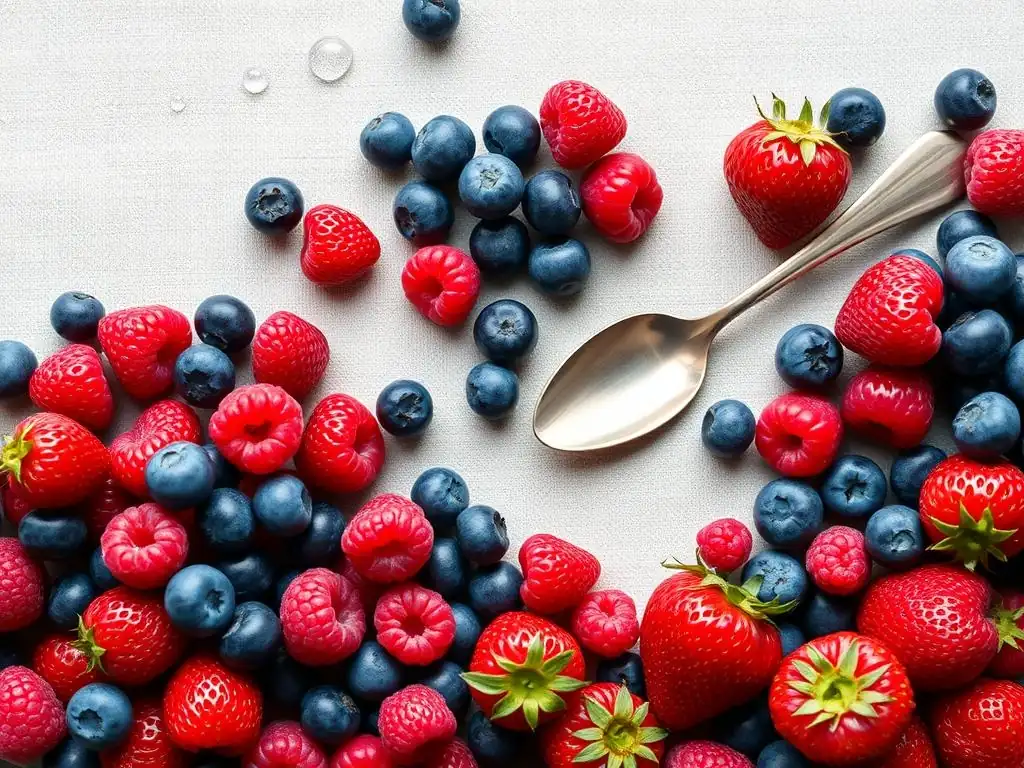
Blueberries: The King of Brain Berries
Blueberries are often considered the superstar of brain-boosting foods, and for good reason. They are exceptionally high in a specific type of flavonoid called anthocyanins, which are responsible for their deep blue-purple color. These powerful antioxidants are particularly effective at crossing the blood-brain barrier and accumulating in brain regions vital for cognition and memory. Their impact on memory and learning has been specifically studied, with research indicating tangible improvements in cognitive tasks following blueberry consumption.
Beyond anthocyanins, blueberries provide Vitamin C, Vitamin K, and manganese, contributing to overall brain health. Their ability to protect against oxidative stress and inflammation makes them a cornerstone fruit for anyone looking to support long-term cognitive function and capitalize on significant berry brain health benefits. Regular consumption, even just a small amount daily, has been associated with measurable improvements in cognitive performance.
Anthocyanins: The Key to Blueberry's Brain-Boosting Power
Anthocyanins are the primary bioactive compounds credited with many of blueberries' brain benefits. These pigments act as potent antioxidants, scavenging free radicals that can damage brain cells. They also possess strong anti-inflammatory properties, helping to reduce the chronic inflammation that can impair cognitive function and contribute to neurodegenerative diseases. Studies suggest that anthocyanins can enhance signaling between neurons and stimulate the growth of new brain cells, processes crucial for learning and memory.
Research like the 2010 study by Miller, M. G., et al. on older adults consuming blueberries and showing improved object recognition memory directly points to the effects of these compounds. The concentration and specific types of anthocyanins in blueberries appear to be particularly effective in targeting brain tissue and promoting neuroprotection and cognitive enhancement. This makes anthocyanins a key component behind the powerful berry brain health benefits offered by blueberries.
Strawberries: Sweet Support for Mental Clarity
Strawberries are not only delicious but also offer substantial benefits for brain health and mental clarity. They are an excellent source of Vitamin C, providing more than 100% of the daily recommended intake in a single serving. Vitamin C is a crucial antioxidant that protects brain cells from damage and is also necessary for the synthesis of certain neurotransmitters that regulate mood.
In addition to Vitamin C, strawberries contain a variety of other antioxidants, including ellagic acid and different flavonoids. These compounds work together to reduce oxidative stress and inflammation throughout the body, including the brain. Their contribution to overall antioxidant defense supports cognitive function and may help reduce the risk of cognitive decline over time. The sweet flavor makes them an easy and enjoyable addition to any diet aiming for better mental well-being.
Vitamin C and Antioxidants: Strawberry's Contribution
Strawberries are particularly rich in Vitamin C, a powerful antioxidant that plays a vital role in brain health. Vitamin C helps protect brain cells from damage caused by free radicals and is involved in the synthesis of neurotransmitters like norepinephrine, which affects mood, focus, and stress response. Adequate Vitamin C levels are linked to improved mood and cognitive performance.
The array of other antioxidants in strawberries, such as anthocyanins (though less concentrated than in blueberries) and ellagic acid, further boosts their brain-protective qualities. These compounds help reduce inflammation and oxidative stress, creating a healthier environment for brain cells to function optimally. The combined effect of Vitamin C and other antioxidants makes strawberries a valuable fruit for supporting mental clarity and leveraging berry brain health benefits. Research, including reviews like the one by Grosso, G., et al. in Nutrients (2019) looking at berry consumption and depression, supports the potential mood-enhancing aspects associated with fruits high in antioxidants like strawberries.
Raspberries: A Flavorful Path to Mental Wellness
Raspberries are another nutritional powerhouse that contributes significantly to mental wellness. They are particularly high in fiber, which is beneficial for gut health, and contain a rich profile of polyphenols, including anthocyanins, ellagitannins, and flavonoids. This unique combination offers both direct effects on the brain and indirect benefits through supporting a healthy gut-brain axis.
The high fiber content in raspberries helps promote a diverse and balanced gut microbiome. A healthy gut is linked to reduced inflammation and the production of beneficial compounds that can positively influence brain function and mood. The antioxidants in raspberries protect against cellular damage and inflammation, further supporting cognitive health and emotional stability. Their delightful flavor makes them a versatile addition to a brain-healthy diet.
Fiber and Polyphenols: Raspberry's Unique Benefits
Raspberries stand out due to their exceptional fiber content, offering about 8 grams per cup. This dietary fiber is crucial for feeding beneficial gut bacteria, which produce short-chain fatty acids (SCFAs) like butyrate. SCFAs have anti-inflammatory properties and can influence brain function and mood via the gut-brain axis. A robust gut microbiome supported by fiber is increasingly recognized as vital for mental well-being.
In addition to fiber, raspberries are packed with a diverse range of polyphenols. Studies, such as the one by Rendeiro, C., et al. published in Nutritional Neuroscience in 2009, have investigated the effects of dietary red raspberry on cognitive and motor performance, showing improvements in aged rats. This research suggests that the compounds in raspberries can have a positive impact on neural function and performance, potentially through their antioxidant and anti-inflammatory actions, and influence on brain signaling pathways. These benefits highlight the unique contribution of raspberries to berry brain health benefits.
Other Beneficial Berries: Exploring the Variety
While blueberries, strawberries, and raspberries are perhaps the most studied, many other berries offer significant brain and mood benefits. Exploring a variety of berries ensures a broader spectrum of nutrients and antioxidants.
Blackberries: Rich in Antioxidants for Brain Protection
Blackberries are another excellent source of anthocyanins and other powerful antioxidants. Their deep purple-black color is indicative of their high antioxidant content, similar to blueberries. These compounds help protect brain cells from oxidative stress and inflammation, which are key factors in age-related cognitive decline. Regular consumption of blackberries can contribute to preserving cognitive function and supporting overall brain health by neutralizing harmful free radicals. They also provide fiber and Vitamin C, further enhancing their nutritional value for the brain.
Cranberries: Supporting Cognitive Function Through Gut Health [Explain Gut-Brain Axis]
Cranberries, known for their tartness, also offer berry brain health benefits, partly through their unique impact on gut health and the gut-brain axis. The gut-brain axis is a complex bidirectional communication system linking the central nervous system with the enteric nervous system of the gut. It involves direct and indirect pathways, including nerves like the vagus nerve, the immune system, hormones, and metabolic products of gut bacteria.
A healthy gut microbiome can influence the production of neurotransmitters, reduce inflammation, and improve mood and cognitive function. Cranberries contain proanthocyanidins (PACs) and other polyphenols that can influence the composition of the gut microbiome, promoting beneficial bacteria and inhibiting the growth of harmful ones. By positively impacting the gut environment, cranberries indirectly support brain health and cognitive function through this vital connection.
How to Incorporate Berries into Your Diet for Optimal Brain Health
Adding berries to your diet is both easy and delicious, offering numerous ways to reap their berry brain health benefits.
Simple Ways to Add Berries to Your Daily Meals
Integrating berries into your daily routine doesn't require drastic changes. Start small and find ways that naturally fit into your existing eating habits. The key is consistency to allow the beneficial compounds to exert their effects over time.
Berry-Packed Breakfast Ideas
Breakfast is an ideal time to enjoy berries. Sprinkle a handful of fresh or frozen berries over your oatmeal, yogurt, or cereal. Mix them into pancake or waffle batter for a burst of flavor and nutrients. You can also create a simple fruit salad with berries as the star ingredient. Adding berries to your morning meal provides a dose of antioxidants and fiber to start your day, setting a positive tone for cognitive function.
Berry-Infused Snacks for Mental Energy
Berries make a perfect snack for sustained mental energy without the sugar crash associated with processed options. Enjoy a bowl of mixed berries on their own, or pair them with a source of healthy fat or protein like a handful of nuts, seeds, or a dollop of Greek yogurt. These snacks provide antioxidants to protect your brain while offering fiber for satiety and stable blood sugar levels, supporting focus and concentration throughout the day.
Berry-licious Desserts for a Mood Boost
You don't have to give up dessert to eat for brain health. Berries can be incorporated into healthier dessert options. Make a simple berry compote to top whole-wheat toast or yogurt. Bake berries into muffins or crumbles using whole-grain flour and reduced sugar. A simple bowl of fresh berries with a drizzle of honey or a sprinkle of cinnamon can be a satisfying and mood-boosting end to a meal, providing antioxidants even in your sweet treats.
Berry Smoothies and Juices: A Quick and Easy Boost
Smoothies and juices offer a convenient way to consume a large quantity of berries quickly. A berry smoothie blended with spinach, banana, and a liquid base like almond milk or water is a nutrient-dense powerhouse. Juicing removes the fiber, so smoothies are generally preferred as they retain the beneficial fiber that supports gut health and blood sugar control.
When making juices, consider combining berries with vegetables like kale or cucumber to balance the natural sugars. While juices provide concentrated antioxidants, the fiber in whole berries or smoothies offers added benefits for satiety and the gut microbiome. This makes smoothies a particularly excellent vehicle for delivering berry brain health benefits on the go.
Choosing Fresh vs. Frozen Berries: What's Best for Brain Health?
Both fresh and frozen berries are excellent choices for reaping berry brain health benefits. Frozen berries are typically flash-frozen shortly after harvesting, which helps preserve their nutrient content, including antioxidants. They are often more affordable and available year-round, making them a convenient option. Frozen berries work perfectly in smoothies, baked goods, and compotes.
Fresh berries are wonderful for snacking, salads, and garnishes. While some delicate nutrients might slightly degrade over time after picking, fresh berries consumed reasonably soon after purchase retain high levels of beneficial compounds. The best approach is to use a combination of both, depending on availability, cost, and intended use, ensuring a consistent supply of these brain-boosting fruits in your diet.
Potential Downsides and Considerations

While berries are overwhelmingly beneficial, it's important to be aware of potential considerations for certain individuals.
Allergies and Sensitivities: Knowing Your Body
Like any food, berries can cause allergic reactions in some people. While less common than allergies to nuts or dairy, berry allergies do occur. Symptoms can range from mild itching or hives to more severe reactions. Individuals with known allergies to specific fruits should exercise caution.
Some people may also experience sensitivities, such as digestive discomfort, particularly if consuming a large quantity of berries due to their fiber content. It's important to pay attention to your body's signals and consult with a healthcare professional or registered dietitian if you suspect an allergy or experience persistent digestive issues after eating berries.
Sugar Content: Balancing the Benefits
While berries are lower in sugar compared to many other fruits, they still contain natural sugars. For individuals managing blood sugar levels, such as those with diabetes, it's important to be mindful of portion sizes and carbohydrate counting when incorporating berries into their diet.
Pairing berries with sources of protein or healthy fats, as suggested for snacks (e.g., with yogurt or nuts), can help slow down the absorption of sugar and minimize blood sugar spikes. Overall, the significant fiber content in berries helps mitigate the impact of their natural sugars compared to processed sweets, but moderation remains key within a balanced dietary plan.
Interactions with Warfarin: Consult a Healthcare Professional
Certain berries, particularly those rich in Vitamin K like blueberries and cranberries, could potentially interact with anticoagulant medications like warfarin (Coumadin). Vitamin K plays a role in blood clotting, and significant fluctuations in Vitamin K intake can affect the effectiveness of warfarin.
While the amount of Vitamin K in typical serving sizes of berries is generally not considered high enough to cause major interactions for most people on stable warfarin doses, individuals taking this medication should maintain a consistent intake of Vitamin K-rich foods and discuss any significant dietary changes, including adding large amounts of berries, with their healthcare provider or prescribing physician. They can monitor INR levels and adjust medication dosages if necessary, ensuring safety while still allowing for the inclusion of these healthy fruits.
Conclusion: Embracing the Power of Berries for a Healthier Mind
Recap of Berry Brain Health Benefits
Berries are truly remarkable fruits offering profound benefits for both brain health and mood. Their exceptional concentration of antioxidants, particularly anthocyanins, provides robust protection against oxidative stress and inflammation, key drivers of cognitive decline and mood disorders. We've seen how berries can sharpen cognitive function, improve memory and learning, and act as a shield against age-related cognitive impairment. Furthermore, their impact on the gut-brain axis and potential influence on neurotransmitters contribute to lowering stress and anxiety while potentially boosting positive emotions.
Specific berries like blueberries, strawberries, and raspberries stand out for their unique nutrient profiles, whether it's the anthocyanin power of blueberries, the Vitamin C boost from strawberries, or the fiber and polyphenol richness of raspberries. Even less common berries like blackberries and cranberries offer valuable contributions, highlighting the importance of dietary diversity. The evidence consistently points to berries as a delicious and effective way to support mental well-being across the lifespan, making their berry brain health benefits undeniable.
Making Berries a Part of Your Mental Wellness Routine
Incorporating berries into your daily routine is a simple yet impactful step towards nurturing a healthier mind. Whether you choose fresh or frozen, add them to your breakfast, enjoy them as snacks, blend them into smoothies, or include them in healthier desserts, consistency is key. Start by aiming for at least a half to one cup of mixed berries most days of the week.
Think of berries not just as a treat, but as a deliberate investment in your cognitive and emotional health. Alongside other pillars of mental wellness like regular exercise, sufficient sleep, stress management, and social connection, nutrition plays a foundational role. By making berries a regular part of your diet, you are actively supporting your brain's resilience and contributing to a brighter, clearer, and more emotionally stable state. Embrace the power of these little fruits and unlock their big impact on your brain and mood.
Frequently Asked Questions
What are the main berry brain health benefits discussed in the article?
The article focuses on berries improving cognitive function, enhancing memory, and potentially reducing the risk of neurodegenerative diseases.
Berries contain compounds that can help regulate neurotransmitters related to mood, potentially alleviating symptoms of depression and anxiety.
What types of berries offer the most significant berry brain health benefits?
While many berries are beneficial, the article likely emphasizes blueberries, strawberries, and raspberries due to their high levels of antioxidants and polyphenols.
How frequently should I consume berries to experience berry brain health benefits?
Consistent, moderate consumption is key. Incorporating berries into your diet several times a week can contribute to improved brain health.
Besides direct consumption, are there other ways to obtain berry brain health benefits?
Yes, berries can be added to smoothies, yogurt, or baked goods. Supplements containing berry extracts are also an option, but consult with a healthcare professional first.
Final Reflection: The Tiny Powerhouse of the Berry
The vibrant hues of berries belie their potent impact on brain health and mood; these tiny fruits are not just a delicious treat, but a powerful ally in our pursuit of cognitive well-being. The research highlighted throughout this article underscores the significant role antioxidants, vitamins, and other beneficial compounds in berries play in protecting against age-related cognitive decline and boosting overall mental clarity. This isn't just about preventing disease; it's about actively nurturing a sharper, healthier mind.
The pervasive influence of fast food and processed diets has undeniably overshadowed the importance of nutrient-rich foods like berries in our daily lives. We've become disconnected from the simple power of nature's bounty, often overlooking the profound impact these small fruits can have on our mental and emotional state. The food you eat can be either the safest and most powerful form of medicine or the slowest form of poison.
- Ann Wigmore. This quote rings truer than ever when considering the stark contrast between the nutrient density of berries and the empty calories of many processed alternatives.
Consider the simple act of adding a handful of blueberries to your breakfast, or incorporating a strawberry smoothie into your daily routine. These small changes can accumulate into significant improvements in your cognitive function and mood over time. You have the power to cultivate a healthier, more vibrant mind, one berry at a time. Take the time to appreciate the incredible potential of these little fruits, and make a conscious effort to integrate them into your diet. Your brain will thank you for it.
Unlock Your Brain's Berry Power!
Thanks for taking the time to explore the amazing benefits of berries for your brain and mood! We hope you've discovered some delicious and effective ways to boost your cognitive function and overall well-being. Ready to take the next step?
- Start incorporating berries into your daily diet: Begin with a simple swap – add a handful of blueberries to your breakfast cereal or blend some raspberries into your smoothie. Even small changes can make a big difference!
- Share this article with a friend: Let them in on the secret to a brighter, sharper mind – and a tastier diet!
- Challenge yourself to try a new berry recipe this week: Explore the endless culinary possibilities of these amazing fruits. From berry-infused oatmeal to homemade berry jam, the options are limitless!
What's your favorite way to enjoy the power of berries? Let's share our delicious discoveries in the comments below!