
Cultivating Grit: How to Teach Your Child Perseverance and Passion


Welcome to Mind Care Guide, a sanctuary for your mental well-being.
Feeling overwhelmed by the pressures of modern parenting? It's natural to want the best for your children. But what if the best isn't about shielding them from hardship, but empowering them through it? This week, we delve into raising resilient, passionate children tips, offering practical strategies to cultivate grit, foster perseverance, and ignite their inner spark. Discover how to nurture their passions and equip them to navigate life's inevitable challenges. Eager to learn the secrets to building a resilient foundation for your child's future? Read on to unlock the power of perseverance and passion!
Cultivating Grit: How to Teach Your Child Perseverance and Passion
- Introduction: The Importance of Grit in Raising Resilient Children
- Understanding Your Child's Passions: The First Step to Cultivating Grit
- Strategies for Teaching Perseverance: Building Resilience in Children
-
Practical Tips for Raising Passionate Children
- Providing Opportunities for Exploration: Expanding Horizons and Discovering New Interests
- Encouraging Curiosity and Questioning: Fostering a Love of Learning
- Supporting Independent Thinking and Problem-Solving: Empowering Children to Find Their Own Way
- Creating a Supportive Environment: Where Children Feel Safe to Take Risks
- Overcoming Common Challenges in Cultivating Grit
- The Role of Parents in Fostering Resilience and Passion
- Raising Resilient, Passionate Children Tips: A Summary
- Frequently Asked Questions
- Final Reflection: The Enduring Power of Grit in Raising Resilient Children
- Ignite Your Child's Inner Fire: Cultivate Grit Today!
Introduction: The Importance of Grit in Raising Resilient Children
Welcome to a guide focused on nurturing two powerful traits in your child: perseverance and passion, collectively known as grit. In an ever-changing world, the ability to stick with challenging tasks and pursue long-term goals is arguably more valuable than innate talent alone. Understanding how to foster these qualities is fundamental to raising resilient, passionate children who can navigate life's inevitable obstacles with confidence and determination. This article delves into practical strategies and insights to help you embark on this crucial parenting journey.
Building grit in children is not about pushing them relentlessly towards achievement, but about equipping them with the inner strength and drive to pursue their own meaningful endeavors. It's about fostering a mindset where challenges are seen as opportunities for growth, and effort is valued as much as outcome. By focusing on cultivating perseverance and passion, parents lay a strong foundation for their child's future well-being and success, preparing them to thrive both academically and personally.
Why Grit Matters: Setting the Foundation for Lifelong Success
Grit is a significant predictor of success and well-being across various life domains, from academic performance to career satisfaction and even personal relationships. It's the quality that allows individuals to maintain effort and interest over years, despite experiencing failure, adversity, and plateaus in progress. Research, notably highlighted by psychologist Angela Duckworth, suggests that grit can be a stronger indicator of long-term achievement than IQ or talent alone.
For instance, studies among West Point cadets and National Spelling Bee finalists indicated that grit scores were more predictive of who would persist through challenging programs or competitions than their initial aptitude or test scores. This demonstrates the real-world impact of sustained effort and dedication towards distant goals.
Furthermore, cultivating grit helps children develop crucial coping mechanisms. When faced with a difficult math problem, striking out in baseball, or not getting a lead role in a school play, a gritty child is more likely to view these setbacks as temporary challenges to overcome rather than insurmountable barriers. They learn valuable lessons about resilience, adaptability, and problem-solving.
This ability to bounce back from disappointment and maintain a positive outlook is vital for mental health, reducing vulnerability to anxiety and depression later in life. Teaching children the value of sustained effort in the face of difficulty equips them with an essential toolkit for navigating the complexities of adulthood, making them more capable and confident individuals.
Defining Grit: Perseverance and Passion for Long-Term Goals
Grit, in essence, is the tendency to sustain interest in and effort toward very long-term goals. It's not just about working hard; it's about working hard consistently on something you care deeply about, even when it's difficult, boring, or frustrating. The two core components are perseverance and passion. Perseverance is the steadfastness in doing something despite difficulty or delay in achieving success – the sheer refusal to give up easily.
Passion, in this context, is not fleeting excitement but a deep, enduring commitment and interest in a particular area or goal. It's the fuel that powers the long-term effort. For example, a child passionate about playing the violin might spend hours practicing scales and difficult pieces over several years, enduring frustration and repetitive work because of their deep interest and commitment to becoming a better musician.
Understanding grit as a combination of these two elements is crucial for parents. It means that simply pushing a child to persist at something they have no interest in is unlikely to build true grit; it might build compliance or resentment, but not the internal drive that characterizes gritty individuals.
Similarly, having many fleeting interests without the willingness to push through challenges won't lead to the development of grit. The synergy between sustained effort (perseverance) and deep interest (passion) is what allows individuals to pursue goals that take years, even decades, to achieve, such as mastering a skill, completing a challenging degree, or contributing significantly to a field.
Understanding Your Child's Passions: The First Step to Cultivating Grit
Before you can teach your child perseverance towards a goal, you need to help them discover what goals are truly meaningful to them. Passion isn't something you can force; it's something that emerges from within through exploration, exposure, and experience. The journey of cultivating grit begins with helping your child identify and connect with activities, subjects, or endeavors that genuinely spark their interest and curiosity. This foundational step provides the necessary motivation for them to later apply perseverance when the inevitable challenges arise.
Engaging with your child to understand what excites them requires active listening and observation. Pay attention to what activities they gravitate towards during free time, what topics they talk about enthusiastically, or what questions they frequently ask. Sometimes, a child's passion might not be immediately obvious or might manifest in unexpected ways.
It could be a fascination with dinosaurs, a love for building with blocks, an interest in how things work, or a joy in helping others. Recognizing and acknowledging these early signs of interest is key to helping them explore these areas more deeply and potentially uncover a lasting passion.
Identifying your child's interests involves providing them with diverse experiences and observing their reactions. Exposing children to a wide range of activities – sports, arts, music, science experiments, reading different genres, visiting museums, spending time in nature – allows them to discover what resonates with them. A child who shows sustained attention and enthusiasm when building intricate Lego structures might have an interest in engineering or design. One who spends hours sketching or painting might have a talent for visual arts. Another who asks endless questions about stars and planets might be budding astronomer. These observations are valuable clues.
Beyond observation, direct conversation is essential. Ask your child open-ended questions about what they enjoy, what makes them feel excited, or what they would do if they had unlimited free time. Avoid leading questions that suggest what you think they should be interested in. For example, instead of asking "Do you like playing soccer?
", try "What activities make you feel happy or excited?". Encourage them to talk about why they enjoy certain things. Understanding the underlying drive – whether it's creativity, problem-solving, connecting with others, physical challenge, or intellectual curiosity – helps you support their exploration in meaningful ways. Remember, interests can evolve, so this is an ongoing process of discovery.
Nurturing Intrinsic Motivation: Fueling the Fire Within
Intrinsic motivation is the drive to engage in an activity because it is inherently enjoyable or satisfying, rather than for external rewards or pressure. This is the type of motivation that fuels true passion and sustains effort over the long haul. To nurture intrinsic motivation, focus on fostering a sense of autonomy, competence, and relatedness in your child's pursuits.
Autonomy means giving children choices and a sense of control over their activities. For instance, letting them choose which instrument to learn (rather than assigning one) or how to approach a school project within given parameters can significantly boost their internal drive.
Competence comes from feeling effective and capable. Provide opportunities for your child to build skills and experience success, but also support them through the learning process when they struggle. Breaking down complex tasks into smaller, manageable steps can help them feel a sense of progress and build confidence.
Relatedness involves feeling connected to others, whether it's through shared interests with family, participation in a team, or a sense of belonging in a class or club. Sharing their excitement, celebrating their efforts, and connecting them with peers or mentors who share their passion can significantly enhance their motivation. Avoid relying solely on external rewards like stickers or praise for effortless success; instead, praise the process, the effort, and the learning that occurs, regardless of the immediate outcome.
Strategies for Teaching Perseverance: Building Resilience in Children

Once a child has identified an area they are passionate about, the next step is helping them develop the perseverance needed to navigate the challenges that come with pursuing any meaningful goal. Perseverance isn't an innate trait that some children have and others don't; it's a skill that can be taught and developed through practice, guidance, and a supportive environment. It involves learning to tolerate frustration, manage disappointment, and maintain effort even when progress is slow or setbacks occur.
Teaching perseverance requires patience and intentionality from parents. It's about creating opportunities for children to experience productive struggle and helping them develop strategies for overcoming difficulties. This might involve guiding them through a challenging homework assignment without giving them the answers, encouraging them to keep practicing a difficult piece of music, or supporting them as they work to improve a skill in a sport. By focusing on the process of overcoming obstacles, you help your child build the mental toughness and resilience necessary to pursue their passions with determination.
Embracing Failure as a Learning Opportunity: Shifting the Mindset
Failure is an inevitable part of any worthwhile pursuit, yet many children develop a fear of failure that paralyzes their willingness to try challenging things. Teaching children to embrace failure as a valuable learning opportunity is fundamental to building perseverance. This involves shifting the mindset from viewing failure as a reflection of their inherent ability (or lack thereof) to seeing it as a temporary outcome that provides information for improvement. For example, a child who fails a math test might feel discouraged.
Instead of saying "Maybe you're just not good at math," an empathetic and informative approach would be "Okay, that test didn't go as planned. Let's look at which questions were tricky. What can we learn from this to prepare differently for the next one?"
Share examples from your own life or from well-known figures where failure was a stepping stone to success. Thomas Edison famously said he didn't fail 10,000 times in inventing the light bulb; he just found 10,000 ways that wouldn't work. This perspective reframes failure not as an endpoint, but as part of the iterative process of learning and innovation.
Encourage your child to analyze what went wrong, identify what they could do differently next time, and view setbacks as feedback rather than final judgment. This attitude fosters a growth mindset, where abilities are seen as developed through dedication and hard work, rather than fixed traits.
Setting Realistic Goals and Expectations: Avoiding Overwhelm and Discouragement
Setting realistic goals and expectations is crucial for maintaining motivation and preventing discouragement, especially when cultivating perseverance in children. Goals that are too ambitious or vague can feel overwhelming and unattainable, leading children to give up before they even truly start. Help your child break down large, long-term goals into smaller, more manageable steps.
For instance, if a child wants to learn to play a difficult song on the piano, the long-term goal might be performing it fluently. Shorter-term, realistic goals could be mastering one line of the music this week, practicing for 20 minutes each day, or perfecting a specific technical passage.
This process of setting incremental goals provides a roadmap and allows the child to experience regular successes, which boosts confidence and reinforces the value of their effort. It also makes the overall task feel less daunting. It's also important for parents to manage their own expectations.
Avoid projecting your unfulfilled ambitions onto your child or expecting them to achieve milestones at the same pace as others. Focus on their individual progress and celebrate the effort they put in, regardless of how quickly they reach a particular benchmark. Realistic expectations, both for the child and from the parent, create a supportive environment where perseverance can flourish without the crushing weight of perfectionism.
The Power of Effort and Hard Work: Emphasizing Process Over Outcome
In a society often focused on results, teaching children the power of effort and hard work is vital for cultivating grit. Shift the emphasis from solely celebrating achievement to praising the process – the dedication, the practice, the willingness to try again after a mistake. When a child receives a good grade, acknowledge the studying they put in. When they perform well in a sport, commend their consistent practice.
This reinforces the understanding that success is often a result of sustained effort, not just innate talent. For example, telling a child "You worked really hard on that project, and your effort shows!" is more effective than simply saying "Great job on your project!"
Help children understand that challenging tasks require significant effort, and that feeling challenged is a sign they are learning and growing. Encourage them to embrace difficulty rather than avoid it. This mindset helps them persevere when tasks become tough, understanding that the struggle is part of the journey towards mastery. By valuing and acknowledging effort, you teach children that their own agency and hard work are powerful tools they can use to improve and overcome obstacles, laying a strong foundation for raising resilient, passionate children who understand that dedication is key to achieving their goals.
Modeling Perseverance: Leading by Example as a Parent
Children are keen observers, and they learn a great deal by watching their parents. One of the most powerful ways to teach perseverance is to model it in your own life. Talk openly with your child about challenges you face, whether it's a difficult project at work, learning a new skill, or overcoming a personal obstacle. Share your struggles, your frustrations, and importantly, how you are working through them. For instance, if you're training for a race, learning a new language, or tackling a home renovation project, let your child see your effort, setbacks, and continued dedication.
When you encounter a difficulty, avoid expressing helplessness or giving up easily in front of your child. Instead, demonstrate a problem-solving approach. Say things like, "This is really tough, but I'm going to try tackling it this way," or "I didn't get it right the first time, so I'm going to practice more." Showing your child that perseverance is a necessary part of adult life and that you value effort and resilience provides a powerful real-world example. Your willingness to persist through challenges will speak louder than any lecture about the importance of not giving up.
Practical Tips for Raising Passionate Children
Nurturing passion in children is about creating an environment where their natural curiosity and interests can flourish. It involves providing opportunities for exploration, encouraging their questions, supporting their independent thinking, and ensuring they feel safe to pursue their interests, even if those interests seem unconventional or challenging. Passion is the intrinsic fuel for grit, providing the deep-seated motivation needed to sustain effort over time.
These practical tips focus on creating the conditions necessary for passion to ignite and grow. It's not about forcing a child into a specific activity, but about helping them discover what lights them up inside. This requires patience, openness, and a willingness to follow your child's lead, providing support and resources as they explore different avenues and potentially find a lifelong passion.
Providing Opportunities for Exploration: Expanding Horizons and Discovering New Interests
Exposure is key to discovering interests. Provide your child with a wide range of experiences to help them find what sparks their curiosity. This doesn't necessarily require expensive activities; it can be as simple as visiting the local library to explore different types of books, trying out a new recipe together, exploring a nearby park or nature trail, watching documentaries on various topics, or engaging in simple science experiments at home. Sign them up for introductory classes or workshops in areas that seem to pique their interest – be it coding, pottery, a specific sport, or drama.
The goal is breadth initially. Let them try different things without pressure to commit long-term. The more diverse experiences they have, the greater the chance they will stumble upon something that truly captivates them. For example, a child who tries a robotics club might discover a passion for engineering, or one who volunteers at an animal shelter might find a deep interest in veterinary science or animal welfare. These exploratory phases are crucial for identifying potential areas where passion and grit can be cultivated.
Encouraging Curiosity and Questioning: Fostering a Love of Learning
Curiosity is the engine of learning and a significant driver of passion. Encourage your child to ask questions about everything and create an environment where questioning is welcomed and celebrated. Respond to their "Why?" and "How?" questions with genuine interest, and if you don't know the answer, embark on the journey of finding it together. This could involve looking it up online, going to the library, or asking someone knowledgeable. This process teaches them how to seek information and validates their natural inclination to understand the world around them.
Foster their curiosity by introducing them to new concepts, ideas, and perspectives. Read together, visit museums, watch educational programs, and discuss current events in an age-appropriate way. Encourage them to explore topics that interest them deeply, even if they fall outside the standard school curriculum. A child fascinated by ancient Egypt could be encouraged to read books, watch documentaries, and even try to build a model pyramid. This deep dive into a topic of their choosing fuels intrinsic motivation and lays the groundwork for developing perseverance in learning.
Supporting Independent Thinking and Problem-Solving: Empowering Children to Find Their Own Way
Passion often involves pursuing unique interests or approaching challenges in novel ways. Support your child's independent thinking and problem-solving skills, allowing them the space to figure things out for themselves. When they face a challenge, resist the urge to immediately jump in and fix it for them. Instead, ask guiding questions to help them think through the problem: "What have you tried so far? ", "What else could you do? ", "Where could you find information to help you?". This empowers them to develop their own strategies and builds confidence in their ability to handle difficulties.
Allowing children to make choices and experience the natural consequences (within safe limits) is also part of fostering independence. If they choose to spend their allowance on one toy, they learn they won't have money for another. If they choose not to practice an instrument, they might not progress as quickly. These experiences, guided by supportive parenting, teach responsibility and the connection between choices, effort, and outcomes. Empowering children to navigate challenges independently is a key component in raising resilient, passionate children who are capable of pursuing their goals autonomously.
Creating a Supportive Environment: Where Children Feel Safe to Take Risks
A crucial element in cultivating both passion and perseverance is creating a safe and supportive environment where children feel comfortable taking risks, making mistakes, and being vulnerable. Children are more likely to explore new interests and persist through challenges if they know they have a safety net of unconditional love and acceptance, regardless of the outcome. This means celebrating their efforts and intentions, not just their successes.
Ensure your child knows that it's okay to try something new and discover they don't like it, or to attempt a difficult task and not succeed the first time. Avoid overly critical reactions to mistakes or failures. Instead, offer empathy and encouragement. A supportive environment is one where laughter is common, where feelings are acknowledged, and where the child feels seen and heard. This emotional security is the bedrock upon which the confidence to take risks and the resilience to persevere are built.
Overcoming Common Challenges in Cultivating Grit
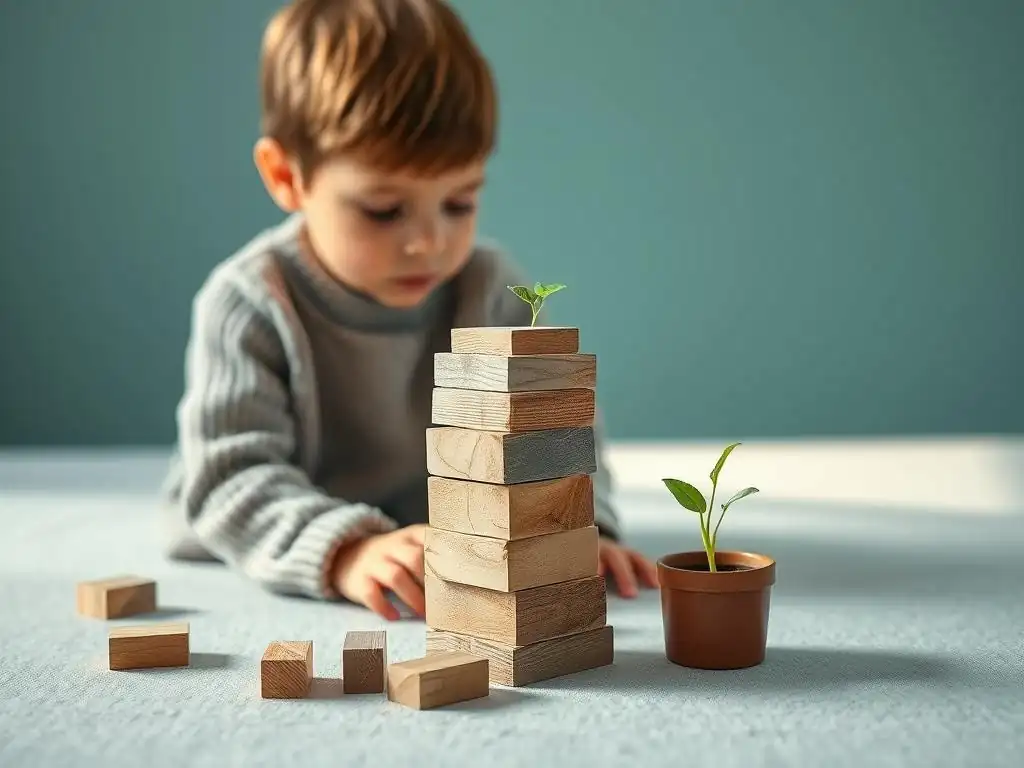
Raising resilient, passionate children isn't always a smooth path. Parents often encounter challenges such as dealing with a child's frustration, managing their anxiety about performance, or finding the right balance between offering support and encouraging independence. Recognizing these common hurdles and having strategies to navigate them is essential for successfully cultivating grit.
Addressing these challenges requires patience, understanding, and a willingness to adapt your approach based on your child's individual needs and personality. It's about teaching them healthy coping mechanisms and modeling balanced perspectives on achievement and effort.
Dealing with Setbacks and Disappointments: Teaching Coping Mechanisms
Setbacks and disappointments are inevitable when pursuing challenging goals, and a child's reaction to them is a critical moment for building perseverance. Teach your child healthy coping mechanisms for dealing with frustration and disappointment. Instead of minimizing their feelings ("It's not a big deal"), validate them ("I understand you're feeling really disappointed right now"). Help them articulate their emotions. Then, guide them towards constructive responses.
This might involve teaching them calming strategies like deep breathing, encouraging them to talk about their feelings, or helping them find a healthy outlet for their frustration, such as physical activity or creative expression. Once they have processed the initial emotion, guide them in analyzing the setback: "What happened? ", "What did you learn? ", "What's one small thing you could try differently next time?".
This process helps them move from emotional reactivity to proactive problem-solving, reinforcing the idea that setbacks are temporary and manageable. For example, a child who doesn't make the sports team might feel crushed. Validating their sadness and then helping them identify areas to improve for the next tryouts ("Maybe practicing dribbling more?" or "Let's work on your speed") teaches them resilience.
Managing Perfectionism and Anxiety: Promoting a Healthy Approach to Achievement
Perfectionism and anxiety can be significant barriers to cultivating grit. Children who fear making mistakes or who feel intense pressure to be perfect may avoid challenging tasks altogether or give up easily when things aren't effortless. Help your child understand that perfection is an unrealistic standard and that growth comes from making mistakes and learning from them. Share your own imperfections and the lessons you've learned from your errors.
Focus praise on effort and progress rather than flawless execution. For a child struggling with anxiety about a performance or test, help them focus on the preparation process rather than solely on the outcome. Break down the task into smaller, less intimidating steps. Teach relaxation techniques or mindfulness exercises to help manage anxiety.
Encourage them to view challenges through a growth mindset lens: "This is hard, but I can improve with practice." If anxiety is severe, consider seeking professional support from a child therapist, who can provide specific strategies and interventions. Promoting a balanced perspective on achievement, where learning and effort are valued over flawless performance, is key for raising resilient, passionate children free from the constraints of excessive anxiety.
Balancing Support and Independence: Knowing When to Step In and When to Step Back
Finding the right balance between offering support and allowing your child the independence to struggle and learn is one of the trickiest aspects of parenting for grit. Over-involvement (helicopter parenting) can prevent children from developing problem-solving skills and resilience, while too little support can leave them feeling overwhelmed and abandoned. The key is to provide scaffolding – support that is gradually removed as the child becomes more capable.
When your child faces a challenge, offer initial support and guidance, but then step back and allow them to attempt to solve it themselves. Be available to answer questions or offer encouragement, but resist the urge to take over the task. For example, if they are struggling with a puzzle, you might offer a hint or show them a technique, but let them complete it.
If they forget their homework, let them experience the consequences (like a lower grade), rather than rushing to deliver it, while discussing strategies to remember next time. This teaches responsibility and builds confidence in their ability to handle difficulties independently. As they grow, gradually increase the level of independence and decrease direct intervention, trusting in the skills you have helped them develop.
The Role of Parents in Fostering Resilience and Passion
As parents, you are the primary architects of your child's environment and a powerful influence on their development. Your attitudes, behaviors, and interactions play a critical role in whether your child develops the perseverance and passion that define grit. Building a strong, trusting relationship with your child is the foundation upon which all other efforts to cultivate these traits rest.
Your active involvement, empathetic communication, and consistent encouragement are invaluable. It's not about being a perfect parent, but about being present, supportive, and intentional in your interactions, guiding your child with patience and understanding as they navigate the path of growth and discovery.
Building a Strong Parent-Child Relationship: The Foundation of Trust and Support
A secure and loving parent-child relationship is the most critical factor in fostering resilience and passion. When children feel deeply loved, accepted, and safe, they are more willing to explore, take risks, make mistakes, and persevere through challenges. This strong bond provides the emotional security needed to face difficulty head-on. Spend quality time with your child, engaging in activities they enjoy, listening attentively to their thoughts and feelings, and showing genuine interest in their world.
This relationship is the primary source of support when they face setbacks. Knowing they can come to you with their failures, disappointments, or fears without judgment allows them to process these experiences in a healthy way and learn from them. A trusting relationship makes them receptive to your guidance and encouragement when you are teaching them strategies for perseverance or helping them explore new interests. It creates a safe space where they feel empowered to be themselves and pursue what truly matters to them.
Communicating Effectively with Your Child: Fostering Openness and Understanding
Open and effective communication is vital for cultivating grit. Talk with your child, not just to them. Listen actively when they speak, showing empathy and understanding. Encourage them to express their feelings, frustrations, and triumphs. Ask open-ended questions that encourage deeper thinking and sharing. For example, instead of asking "Did you have fun? ", ask "What was the most interesting thing you did today?" or "What was something that was challenging? ".
When discussing challenges or setbacks, focus on understanding their perspective. Help them articulate what was difficult and how they felt. Share your own experiences of overcoming difficulties, normalizing struggle as part of life. Discuss the value of effort, learning from mistakes, and the importance of not giving up on things that matter to them. Effective communication builds trust, helps children develop emotional intelligence, and provides a platform for teaching the values and skills associated with grit.
Celebrating Small Wins and Progress: Reinforcing Positive Behaviors
Cultivating grit is a long-term process, and progress often comes in small increments. Celebrate your child's small wins and acknowledge their effort and progress along the way. This reinforces the positive behaviors associated with perseverance and helps maintain motivation, especially when the ultimate goal is still far off. For example, if a child is learning to ride a bike, celebrate the first time they pedal a few feet, not just when they can ride perfectly. If they are working on a difficult academic subject, acknowledge their dedicated study time or their improvement on a specific type of problem.
Specific praise is more effective than general praise. Instead of "Good job," try "I noticed how you kept practicing that difficult piano piece even when you were frustrated – that shows real perseverance!" or "You didn't understand that math problem at first, but you stuck with it and figured it out – that's great problem-solving!" Celebrating effort and progress reinforces the idea that persistence pays off and builds a positive association with challenging work. This positive reinforcement is essential for raising resilient, passionate children who feel capable and motivated to tackle future challenges.
Raising Resilient, Passionate Children Tips: A Summary
Raising children with grit – the combination of perseverance and passion – is one of the most valuable gifts you can give them. It equips them with the internal strength and drive to pursue meaningful goals, overcome obstacles, and lead fulfilling lives. This journey involves understanding their unique interests, teaching them the value of effort and resilience, and creating a supportive environment where they feel safe to explore and grow.
By implementing the strategies discussed – from embracing failure as a learning opportunity to modeling perseverance and celebrating small wins – you actively contribute to building their capacity for grit. Remember, cultivating grit is a marathon, not a sprint, requiring ongoing patience, consistency, and unwavering support.
Key Takeaways: Instilling Grit for a Brighter Future
Here are some key takeaways for raising resilient, passionate children:
- Grit (Perseverance + Passion) is crucial for long-term success and well-being.
- Help your child discover their genuine interests and passions through diverse exposure and active listening.
- Nurture intrinsic motivation by fostering autonomy, competence, and relatedness in their chosen pursuits.
- Teach children to view failure as a valuable learning opportunity, not a reflection of their worth.
- Set realistic, incremental goals to make challenges manageable and build confidence.
- Emphasize and praise effort and the learning process over outcomes alone.
- Model perseverance in your own life, showing how you handle challenges.
- Create a supportive, safe environment where children feel free to take risks and make mistakes.
- Teach healthy coping mechanisms for dealing with frustration and disappointment.
- Help children manage perfectionism and anxiety by promoting a healthy, growth-oriented mindset.
- Balance support with fostering independence, allowing children to solve problems themselves.
- Build a strong, trusting parent-child relationship as the foundation for resilience.
- Communicate openly and empathetically, encouraging them to share their experiences.
- Celebrate effort, progress, and small wins to reinforce positive behaviors.
These tips for raising resilient, passionate children provide a roadmap for nurturing the qualities that will serve them well throughout their lives.
Resources for Parents: Further Support and Guidance on Cultivating Grit
Cultivating grit in children is an ongoing process, and there are many resources available to provide further support and guidance.
- Explore books and articles by experts in the field of grit and growth mindset, such as Angela Duckworth and Carol Dweck.
- Seek out parenting workshops or courses focused on fostering resilience and emotional intelligence in children.
- Connect with other parents to share experiences and strategies. Online communities or local parenting groups can be valuable resources.
- If your child is struggling significantly with anxiety, perfectionism, or handling setbacks, consider consulting with a child psychologist or counselor for professional support tailored to their specific needs.
- Look for educational resources or programs that specifically incorporate principles of growth mindset and project-based learning, which naturally encourage perseverance and problem-solving.
Utilizing these resources can provide deeper insights and practical tools to support you in the rewarding journey of raising resilient, passionate children equipped with the power of grit.
Frequently Asked Questions
How can I help my child develop grit?
Focus on fostering a growth mindset, encouraging effort over outcome, and providing opportunities for them to overcome challenges independently.
What is the difference between resilience and passion in children?
Resilience is the ability to bounce back from adversity, while passion is a strong enthusiasm or desire for something. Both are crucial for well-being.
Are there specific activities that can help build perseverance?
Yes! Activities like long-term projects, learning a musical instrument, or participating in team sports can teach perseverance and commitment.
How do I avoid pushing my child too hard in the name of building resilience?
It's vital to balance challenge with support, allowing for failure and learning from mistakes. Listen to your child's needs and avoid excessive pressure.
How can I model grit and passion for my children?
Children learn by example. Show them your own dedication to goals, your ability to handle setbacks, and your enthusiasm for your own passions.
Final Reflection: The Enduring Power of Grit in Raising Resilient Children
The ability to cultivate grit in our children is not merely a parenting trend; it's a crucial life skill that directly impacts their future success and well-being. In a world increasingly characterized by rapid change and complex challenges, fostering perseverance and passion is no longer a luxury, but a necessity for equipping our children to navigate the inevitable setbacks and triumphs that life presents. The lessons learned about embracing challenges, maintaining effort, and sustaining hope are invaluable assets that extend far beyond the classroom or sports field.
The impact of instilling grit extends far beyond individual achievement; it shapes the very fabric of our society. By nurturing resilient and passionate individuals, we contribute to a more innovative, empathetic, and problem-solving-oriented world. As the renowned psychologist Angela Duckworth states, Grit is living life like it's a marathon, not a sprint.
This perspective, instilled in our children, fosters a long-term vision and a commitment to growth that transcends immediate gratification, building character and resilience in the face of adversity. This resonates deeply with me, as I've witnessed firsthand the transformative power of perseverance in shaping not only my own life, but also the lives of those around me.
Consider the lessons shared within this article – from fostering a growth mindset to celebrating effort over outcome – and reflect on how you can integrate them into your parenting style. You are the architect of your child's future, and by nurturing their grit, you are empowering them to build a life filled with purpose, resilience, and unwavering passion. Embrace the journey of cultivating grit, not as a burden, but as an opportunity to shape not only your child's future, but also the future of our world. Begin today, and watch the remarkable transformation unfold.
Ignite Your Child's Inner Fire: Cultivate Grit Today!
Thanks for taking the time to explore the power of grit in raising resilient and passionate children! You've gained valuable insights into nurturing perseverance – now it's time to put them into action.
Here's how to start igniting that inner fire:
- Implement one new "grit-building" activity this week. Focus on a challenge your child can tackle, whether it's mastering a new skill, overcoming a fear, or persisting through a difficult task. Even small steps make a difference.
- Share this article with other parents – let's build a community of support around raising strong, determined kids!
- Consider journaling about your child's progress and challenges. Reflecting on growth fosters a deeper understanding of grit's development.
What small step will you take today to help your child cultivate their own unique brand of grit?