
Taming the Amygdala: Strategies to Calm Your Brain's Fear Center

Welcome to Mind Care Guide, your sanctuary for understanding and nurturing your mental well-being.
Ever feel overwhelmed by sudden waves of anxiety? Perhaps you've wondered about the root of intense fear responses. Taming the Amygdala: Strategies to Calm Your Brain's Fear Center delves into the neuroscience behind these experiences, offering practical techniques to calm amygdala fear response and regain control. Curious to learn how this tiny brain region can have such a profound impact on your life, and more importantly, what you can do about it? Let's explore together...
Taming the Amygdala: Strategies to Calm Your Brain's Fear Center
- Understanding the Amygdala and Its Role in Fear
- Recognizing Amygdala Hijack: Symptoms and Triggers
- Practical Strategies to Calm the Amygdala Fear Response
- Long-Term Strategies for Amygdala Regulation and Emotional Well-being
- Calming the Amygdala: A Summary of Key Techniques for Managing Fear and Anxiety
-
Frequently Asked Questions
- What exactly is the amygdala, and what role does it play in fear?
- How does the amygdala contribute to anxiety disorders?
- What are some effective strategies to calm the amygdala's fear response?
- Can lifestyle changes impact the amygdala and reduce anxiety?
- Are there any professional treatments available to help "tame" the amygdala?
- Final Reflection: Finding Peace in the Storm of the Amygdala
- Unleash Your Inner Calm: Practical Steps to Manage Anxiety
Understanding the Amygdala and Its Role in Fear
What is the Amygdala and Where is it Located?
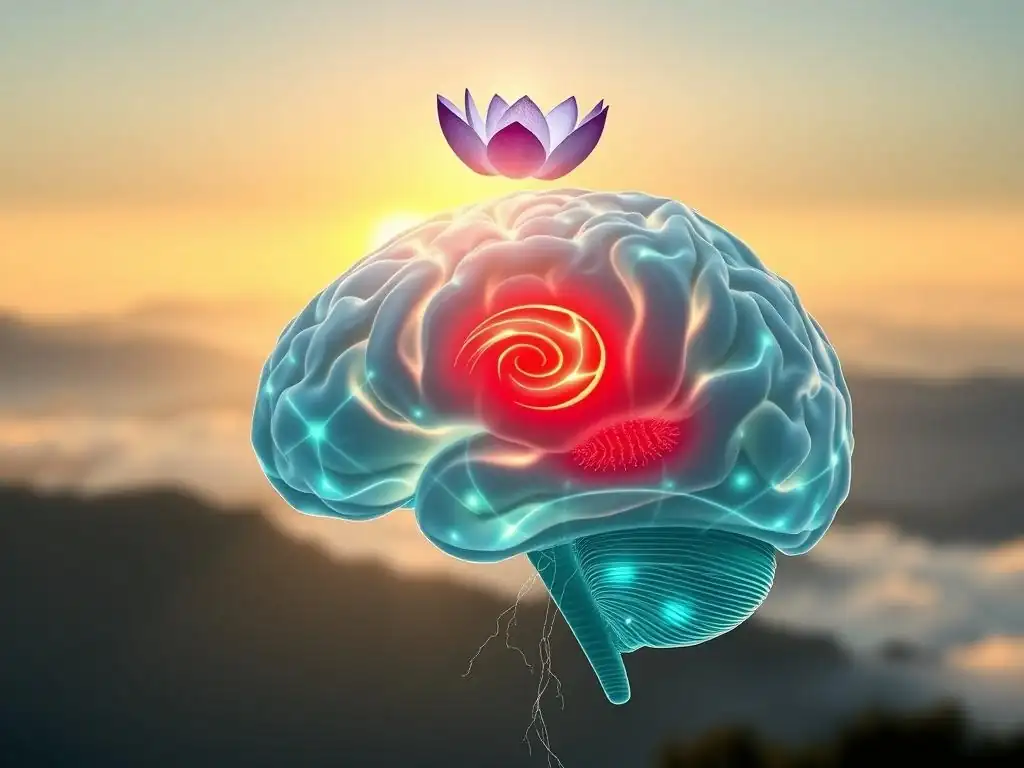
The amygdala is a small, almond-shaped structure deep within the brain, part of the limbic system. Humans have two amygdalae, one on each side of the brain, nestled near the hippocampus, the area crucial for memory formation. These structures are ancient in evolutionary terms, reflecting their fundamental role in survival. While small, roughly the size of a large bean or almond, the amygdala's influence on our emotional lives, particularly fear and anxiety, is profound and far-reaching. Its strategic location allows it to quickly process sensory information and communicate with other brain regions involved in cognition, memory, and physiological responses.
This critical component of the brain acts as a central hub for processing emotional information, especially fear and threat. It receives input from various sensory organs and other brain areas, enabling it to quickly assess potential dangers. Think of it as the brain's alarm system, constantly scanning the environment for anything that might pose a threat.
Its close ties to areas involved in memory mean it can quickly recall past experiences associated with danger, enhancing its ability to react swiftly to similar situations in the future. Understanding its position and primary function is the first step in learning how to calm the amygdala fear response.
The Amygdala's Function: Processing Emotions and Fear Responses
The primary function of the amygdala is to process emotions, particularly those related to survival, such as fear, anger, and pleasure. It plays a crucial role in the formation of emotional memories, which is why certain smells, sounds, or sights can instantly trigger strong emotional reactions based on past experiences.
When the amygdala detects a potential threat, it initiates a cascade of responses throughout the body, preparing the individual to confront or escape the perceived danger. This rapid processing is essential for survival, allowing for quick, instinctive reactions before the conscious, rational parts of the brain have fully processed the situation.
Beyond immediate threat detection, the amygdala is also involved in social processing, evaluating the emotional significance of facial expressions and social cues. However, its role in fear is perhaps the most well-known. It helps us learn to fear things that are genuinely dangerous, like a venomous snake, through a process called fear conditioning.
Conversely, it's also involved in the extinction of fear, helping us learn when something is no longer a threat, like realizing a rustling sound was just the wind. Properly regulating this fear processing is key to managing anxiety and distress and learning to calm the amygdala fear response.
How the Amygdala Triggers the Fight-or-Flight Response
When the amygdala perceives a threat, it sends signals to the hypothalamus, another brain region that acts as the control center for the body's autonomic nervous system. This interaction triggers the sympathetic nervous system, initiating the well-known fight-or-flight response. Hormones like adrenaline and cortisol are rapidly released into the bloodstream, causing a surge of physiological changes designed to maximize immediate survival chances. Heart rate and breathing accelerate, diverting blood flow to muscles, heightening senses, and shutting down non-essential functions like digestion. This response is incredibly effective in genuinely life-threatening situations, providing the strength and speed needed to escape danger.
However, in modern life, the amygdala can be triggered by non-life-threatening stressors, such as public speaking, a challenging deadline, or even a stressful email. When the fight-or-flight response is activated frequently or by disproportionate triggers, it can lead to chronic stress and anxiety.
The body remains in a state of high alert, which can have detrimental effects on physical and mental health over time. Learning strategies to effectively signal to the amygdala that there is no real danger is fundamental to reducing unnecessary physiological arousal and achieving a calmer state, helping to calm the amygdala fear response when it's overactive.
Recognizing Amygdala Hijack: Symptoms and Triggers

Identifying the Signs of an Amygdala Hijack
An "amygdala hijack" is a term coined by psychologist Daniel Goleman to describe an immediate, overwhelming emotional response that is disproportionate to the situation. It occurs when the amygdala reacts to a perceived threat before the prefrontal cortex, the brain's rational decision-making center, has time to fully process the information. Signs of an amygdala hijack are primarily physiological and behavioral. Physiologically, you might experience a sudden increase in heart rate, rapid breathing, sweating, muscle tension, or a feeling of butterflies in your stomach. These are direct manifestations of the fight-or-flight response being instantly activated.
Behaviorally, an amygdala hijack can manifest as an impulsive, often regrettable, reaction. This could be snapping angrily at someone, fleeing a situation prematurely, freezing up completely, or experiencing intense panic. The reaction feels automatic and outside of conscious control because the amygdala has bypassed the slower, more deliberate processing pathways. For example, someone might receive constructive criticism at work and react with intense defensiveness or tears, feeling overwhelmed by emotion rather than being able to process the feedback rationally. Recognizing these sudden, intense, and often disproportionate emotional surges is key to identifying when your amygdala has taken temporary control.
Common Triggers of an Overactive Amygdala
An overactive amygdala, one that is easily and frequently triggered, can be set off by a wide range of stimuli, both internal and external. External triggers can include specific situations (like crowded places, heights, or social events), sensory input (loud noises, certain smells), or interactions with others (conflict, criticism, perceived rejection). For someone with a history of trauma, even seemingly innocuous stimuli that resemble aspects of the traumatic event (a specific sound, smell, or feeling) can act as powerful triggers, causing the amygdala to react as if the original threat were present.
Internal triggers can include negative thoughts, worries about the future, physical sensations (like a racing heart that is misinterpreted as a sign of impending doom), or even memories. Chronic stress is a major contributor to an overactive amygdala; prolonged exposure to stress hormones can make the amygdala more reactive and less able to return to a calm state. Lack of sleep, poor nutrition, and substance use can also lower the threshold for amygdala activation. Understanding these common triggers is vital for developing strategies to anticipate and manage the reactions and ultimately calm the amygdala fear response.
The Connection Between Amygdala Dysregulation and Anxiety Disorders
Dysregulation of the amygdala is strongly implicated in the development and maintenance of various anxiety disorders. In conditions like Generalized Anxiety Disorder (GAD), the amygdala may show heightened activity even in response to ambiguous or minor stimuli, leading to chronic worry and a persistent state of alert.
For individuals with Panic Disorder, the amygdala can trigger intense panic attacks based on internal sensations (like a slight increase in heart rate) that are misinterpreted as life-threatening. Studies using fMRI have shown that people with anxiety disorders often exhibit exaggerated amygdala responses when exposed to fearful or negative stimuli compared to those without these conditions.
Furthermore, Post-Traumatic Stress Disorder (PTSD) involves significant amygdala dysregulation. The amygdala in individuals with PTSD often remains hyperactive, leading to exaggerated startle responses, intrusive memories (flashbacks), and a constant feeling of being under threat. Simultaneously, the prefrontal cortex, which helps regulate the amygdala, may show reduced activity.
This imbalance makes it difficult for the brain to differentiate between past trauma and present safety, leaving the individual perpetually on edge. Targeting the amygdala's activity and its interaction with other brain regions is a primary focus of therapies aimed at managing these debilitating conditions and helping individuals calm the amygdala fear response.
Practical Strategies to Calm the Amygdala Fear Response
Mindfulness and Meditation for Amygdala Regulation
Mindfulness and meditation are powerful tools for learning to calm the amygdala fear response by fostering present-moment awareness and reducing reactivity. Regular practice helps to strengthen the connection between the prefrontal cortex (the rational, executive part of the brain) and the amygdala.
This enhanced communication allows the prefrontal cortex to exert more top-down control over the amygdala's reactions, preventing automatic fight-or-flight responses to non-threatening stimuli. Research, including studies using neuroimaging techniques like fMRI, has shown that consistent mindfulness practice can lead to structural changes in the brain, including decreased gray matter density in the amygdala and increased density in areas associated with attention and self-awareness.
The core of mindfulness involves paying attention to thoughts, feelings, and bodily sensations without judgment. This practice helps individuals become more aware of their emotional triggers and physical stress responses as they are happening, rather than being immediately swept away by them.
By observing these reactions with curiosity rather than fear, the individual creates a psychological distance from the intense emotion, giving the prefrontal cortex a chance to assess the situation more rationally. This shift from automatic reaction to mindful response is fundamental in retraining the brain and reducing the frequency and intensity of amygdala hijacks, effectively helping to calm the amygdala.
Practicing Mindfulness to Reduce Reactivity
Practicing mindfulness involves intentionally bringing your attention to the present moment, observing your thoughts, feelings, and physical sensations without judgment. A simple way to start is through mindful breathing: focus on the sensation of your breath entering and leaving your body. When your mind inevitably wanders to worries or planning, gently bring your attention back to the breath.
This repeated act of returning attention strengthens the neural pathways associated with focus and emotional regulation. Even just a few minutes of this practice daily can begin to shift your brain's default mode from constant vigilance to a state of greater calm.
Another technique is the body scan, where you systematically bring attention to different parts of your body, noticing any sensations without trying to change them. This helps ground you in the present and increases awareness of physical tension, often a sign of amygdala activation. By becoming aware of these physical cues early, you can intervene before the fear response escalates.
Regular mindfulness practice builds your capacity to observe emotional storms without being consumed by them, teaching your amygdala that not every uncomfortable sensation or thought is a signal of imminent danger. This consistent practice is a key strategy to calm the amygdala fear response over time.
Guided Meditation Techniques for Calming the Amygdala
Guided meditations can be particularly helpful for beginners or those who find it difficult to focus on their own. These meditations, often available through apps, websites, or classes, provide instructions on where to place your attention, such as focusing on the breath, body sensations, or a specific mantra or image.
Some guided meditations are specifically designed for stress reduction, anxiety relief, or cultivating compassion, all of which can indirectly help regulate the amygdala. For instance, loving-kindness meditation, which involves sending wishes of well-being to oneself and others, has been shown in studies to increase positive emotions and potentially reduce amygdala reactivity to negative stimuli.
Visualizations are another form of guided meditation that can be effective. Imagining a calm, safe place can activate different neural circuits and help soothe the nervous system, counteracting the amygdala's alarm signals. The key is consistency; like exercising a muscle, the benefits of meditation accumulate over time. Aiming for even 10-15 minutes of guided meditation daily can significantly impact your ability to manage stress and reduce the automaticity of your fear responses, making it easier to calm the amygdala in challenging situations.
Cognitive Behavioral Therapy (CBT) Techniques for Amygdala Control
Cognitive Behavioral Therapy (CBT) is a widely-used therapeutic approach that directly addresses the link between thoughts, feelings, and behaviors. It operates on the principle that our thoughts significantly influence our emotions and actions. For individuals with an overactive amygdala leading to anxiety, CBT helps identify and challenge the distorted thinking patterns that fuel fear responses. By learning to recognize and modify these negative thought cycles, individuals can change their emotional reactions and behaviors, thereby influencing the amygdala's activity. Numerous studies have demonstrated CBT's effectiveness in reducing anxiety and modulating brain regions involved in fear, including the amygdala.
CBT provides practical tools and strategies for managing anxiety-provoking situations. It teaches individuals how to evaluate the evidence for their fearful thoughts ("Is this thought based on fact or feeling? "), consider alternative, more realistic interpretations, and test out their beliefs through behavioral experiments.
For example, someone afraid of social judgment might believe "everyone thinks I'm incompetent" (a thought likely triggering their amygdala). CBT helps them question this thought, consider alternatives ("Maybe some people do, but most are focused on themselves," or "I have skills that others value"), and then perhaps intentionally participate in a social situation to test the prediction (a behavioral experiment). This process of challenging and restructuring thoughts directly impacts the signals sent to the amygdala, helping to calm its fear response.
Identifying and Challenging Negative Thought Patterns
A core technique in CBT is thought monitoring and restructuring. This involves becoming aware of the automatic negative thoughts (ANTs) that pop into your head, especially in triggering situations. ANTs are often distorted, overly negative, or catastrophic. Examples include 'all-or-nothing' thinking, 'catastrophizing,' or 'mind-reading.' Once identified, you learn to challenge these thoughts by asking questions like: "What is the evidence for this thought?
", "What is the evidence against it? ", "Is there another way to look at this situation? ", "What's the worst that could realistically happen, and could I cope with it? ", or "What would I tell a friend who had this thought? ".
By systematically evaluating your thoughts, you dismantle their power and replace them with more balanced, realistic perspectives. This cognitive shift directly influences your emotional state. Instead of the amygdala receiving a signal that confirms a catastrophic threat ("Yes, everyone thinks I'm incompetent, panic! "), it receives a more nuanced signal ("This is an uncomfortable situation, but my thought isn't entirely accurate, and I can handle this"). Over time, this practice weakens the neural pathways associated with the negative thought-amygdala link and strengthens those associated with rational assessment, helping to calm the amygdala fear response.
Exposure Therapy: Gradually Facing Fears
Exposure therapy is a powerful CBT technique specifically designed to help individuals confront their fears in a safe, controlled environment. The principle is based on fear extinction – the process by which the brain learns that a previously feared stimulus is actually safe. When you repeatedly encounter a feared object or situation without the feared outcome occurring, the amygdala's learned fear response gradually diminishes.
This is done systematically, starting with situations that provoke only mild anxiety and gradually moving towards more challenging ones. For example, someone with social anxiety might start by making eye contact with strangers, then progress to having short conversations, and eventually give a presentation.
The key to exposure therapy is remaining in the situation long enough for the anxiety to naturally decrease, which is known as habituation. This process sends a powerful signal to the amygdala that the perceived threat is not real, effectively retraining its response. While challenging, exposure therapy is highly effective for phobias, social anxiety, panic disorder, and PTSD. It directly targets the overactive amygdala and helps rewire its associations, leading to a significant reduction in fear and avoidance behaviors and proving to be a direct method to calm the amygdala fear response.
Breathing Exercises for Immediate Amygdala Calming
Breathing exercises are among the most accessible and immediate tools for calming the amygdala fear response. When the amygdala triggers the fight-or-flight response, breathing becomes shallow and rapid (hyperventilation). Consciously slowing and deepening your breath sends a signal to your brain, specifically through the vagus nerve, that the immediate danger has passed. This activates the parasympathetic nervous system, the body's "rest and digest" system, which counteracts the effects of the sympathetic nervous system (fight-or-flight). This physiological shift can quickly lower heart rate, reduce muscle tension, and create a sense of calm, interrupting the amygdala's alarm cycle.
Practicing controlled breathing techniques provides an anchor in the present moment, pulling your attention away from fearful thoughts and physical sensations driven by the amygdala. It's a portable, discreet technique you can use anywhere, anytime you feel anxiety or panic starting to rise. Regular practice makes these techniques more effective; the more you use them when you're calm, the easier it is to deploy them when you're feeling overwhelmed. Incorporating just a few minutes of focused breathing into your daily routine can build your resilience to stress and enhance your ability to quickly calm the amygdala when needed.
Diaphragmatic Breathing: A Simple Technique
Diaphragmatic breathing, also known as belly breathing, is a fundamental technique for stress reduction. It involves breathing deeply into your abdomen rather than shallowly into your chest. To practice: find a comfortable position, sitting or lying down. Place one hand on your chest and the other on your belly just below your rib cage. Inhale slowly through your nose, feeling your belly rise while your chest remains relatively still. Exhale slowly through your mouth, feeling your belly fall. The exhale should ideally be longer than the inhale.
Focus your attention entirely on the sensation of your breath moving in and out and the rise and fall of your belly. Try counting as you breathe, perhaps inhaling for a count of four and exhaling for a count of five or six. This slow, deep breathing pattern directly stimulates the vagus nerve, signaling the parasympathetic nervous system to become active. Practicing diaphragmatic breathing for just 5-10 minutes can significantly reduce physiological arousal and help calm the amygdala's immediate reaction.
Box Breathing for Stress Reduction
Box breathing, also known as square breathing, is another effective technique for regulating the nervous system and calming the amygdala. It involves breathing in a specific, rhythmic pattern: inhaling, holding, exhaling, and holding, each for the same count, typically four seconds. To practice: Exhale completely to a count of four. Hold your breath for a count of four. Inhale slowly through your nose to a count of four. Hold your breath at the top of the inhale for a count of four. Repeat this cycle.
The rhythmic pattern and brief pauses help to regulate the breath and focus the mind, interrupting the stress response cycle. This controlled, deliberate breathing pattern is particularly useful in moments of acute stress or panic. By engaging your conscious mind in the counting and timing, you divert attention from fearful thoughts and activate the parasympathetic response, providing a rapid method to calm the amygdala fear response.
Lifestyle Changes to Support Amygdala Health
Beyond specific techniques, overall lifestyle choices play a critical role in regulating amygdala activity and reducing chronic anxiety. The amygdala is influenced by the body's overall state, including hormonal balance, energy levels, and inflammatory processes. Chronic poor sleep, inadequate nutrition, and lack of physical activity can all contribute to an overactive stress response system, making the amygdala more reactive to perceived threats. Conversely, adopting healthy habits can create a more stable internal environment, providing a foundation for better emotional regulation and a calmer amygdala.
Making sustainable changes to your daily routine can have a profound, long-term impact on your brain health, including the function of your amygdala. These changes aren't just about feeling better physically; they directly support the neural pathways responsible for managing stress and fear. Prioritizing these aspects of self-care is an essential component of any comprehensive plan to manage anxiety and promote a calm amygdala fear response.
The Importance of Sleep for Amygdala Function
Adequate, quality sleep is crucial for optimal brain function, including the regulation of the amygdala. Studies have shown that sleep deprivation can significantly increase amygdala reactivity to negative stimuli and reduce connectivity between the amygdala and the prefrontal cortex. This means that when you're sleep-deprived, your amygdala is more likely to overreact to perceived threats, and your brain's ability to regulate that reaction is impaired. Just one night of poor sleep can make you more emotionally volatile and susceptible to stress the following day.
Aim for 7-9 hours of quality sleep per night. Establish a regular sleep schedule, even on weekends, to help regulate your body's internal clock. Create a relaxing bedtime routine and ensure your sleep environment is dark, quiet, and cool. Prioritizing sleep is not a luxury; it's a necessity for maintaining a healthy, less reactive amygdala and building resilience against anxiety and fear. Consistently getting enough rest directly supports your ability to calm the amygdala fear response.
Nutrition and Diet's Impact on Anxiety and Fear
What you eat can influence your mood and anxiety levels, indirectly affecting amygdala activity. A diet high in processed foods, sugar, and unhealthy fats can contribute to inflammation and blood sugar fluctuations, which can exacerbate anxiety and irritability. Conversely, a balanced diet rich in whole foods, lean protein, healthy fats, complex carbohydrates, and plenty of fruits and vegetables provides the nutrients necessary for optimal brain health. Omega-3 fatty acids, found in fatty fish like salmon, are particularly important for brain structure and function and have been linked to reduced anxiety.
Certain nutrients like magnesium, zinc, and B vitamins play a role in neurotransmitter production and stress response regulation. Gut health is also increasingly recognized as influencing mental well-being via the gut-brain axis; consuming probiotic-rich foods (like yogurt and sauerkraut) and prebiotic fiber can support a healthy gut microbiome, which may positively impact mood and reduce anxiety. Limiting caffeine and alcohol, especially if you're prone to anxiety, can also help stabilize your mood and reduce triggers for amygdala activation. Nourishing your body supports a calmer nervous system and helps manage the amygdala fear response.
Exercise and Physical Activity for Stress Relief
Regular physical activity is a powerful stress reliever and can significantly help regulate the amygdala. Exercise reduces levels of stress hormones like cortisol and adrenaline and stimulates the production of endorphins, natural mood boosters. It also provides a healthy outlet for pent-up energy associated with the fight-or-flight response. Engaging in physical activity can help discharge the physiological arousal triggered by the amygdala, preventing it from becoming chronic. Furthermore, regular exercise can improve sleep quality and boost self-esteem, both of which contribute to reduced anxiety.
Aim for at least 150 minutes of moderate-intensity aerobic exercise or 75 minutes of vigorous-intensity exercise per week, plus muscle-strengthening activities. Find activities you enjoy, whether it's walking, running, swimming, dancing, or yoga. Even short bursts of activity, like a brisk 10-minute walk, can provide immediate stress relief. Making exercise a regular part of your routine helps to build resilience to stress, reduce overall amygdala reactivity, and is a fundamental strategy to calm the amygdala fear response.
Long-Term Strategies for Amygdala Regulation and Emotional Well-being

Building Resilience to Stress and Trauma
Building resilience is about developing the capacity to adapt well in the face of adversity, trauma, tragedy, threats, or significant sources of stress. It's not about avoiding difficulty, but about developing the skills to navigate challenges effectively, which directly impacts how your amygdala responds to stressors. Resilient individuals are better able to regulate their emotions, maintain perspective during crises, and bounce back from setbacks.
This capacity is not fixed; it can be learned and strengthened over time through conscious effort and practice. Key components of building resilience include fostering positive relationships, maintaining a positive self-view, developing coping skills, and having realistic plans and the confidence to carry them out.
Developing resilience involves cultivating a growth mindset, viewing challenges as opportunities for learning rather than insurmountable obstacles. It also means practicing self-compassion, recognizing that it's okay to struggle and that setbacks are part of life. Engaging in activities that bring joy and purpose, setting achievable goals, and celebrating small victories all contribute to a stronger sense of self-efficacy and well-being. By strengthening your overall psychological and emotional foundation, you equip your brain, including the amygdala, to handle stress more effectively, reducing the likelihood of overreactions and promoting a calmer state.
Developing Healthy Coping Mechanisms
Effective coping mechanisms are essential tools for managing stress and anxiety in the moment, preventing the amygdala from becoming chronically activated. Unhealthy coping strategies, such as avoiding problems, excessive alcohol or substance use, or overeating, might provide temporary relief but ultimately exacerbate anxiety and stress in the long run.
Healthy coping mechanisms, on the other hand, help you process difficult emotions and navigate challenging situations constructively. These can include journaling about your feelings, talking to a trusted friend or family member, engaging in creative activities like painting or playing music, spending time in nature, or practicing relaxation techniques like progressive muscle relaxation.
It's important to have a diverse toolkit of coping strategies so you can choose the most appropriate one for a given situation. Experiment to find what works best for you. For example, deep breathing might be ideal for an immediate panic response, while journaling or talking might be better for processing chronic stress. Regularly practicing these healthy coping skills strengthens your ability to manage emotional distress without resorting to maladaptive behaviors, providing your brain with reliable ways to downregulate the stress response and support a calm amygdala fear response.
While self-help strategies can be highly effective, there are times when the support of a mental health professional is necessary and beneficial. If your anxiety or fear response is significantly interfering with your daily life, relationships, work, or physical health, it may be time to seek professional help.
This includes experiencing frequent or intense panic attacks, persistent and excessive worry, debilitating phobias, or difficulty recovering from traumatic experiences. Therapists, particularly those trained in CBT, Exposure Therapy, or other trauma-informed therapies like EMDR (Eye Movement Desensitization and Reprocessing), have specialized knowledge and techniques to help you understand and regulate your amygdala's activity.
A therapist can provide personalized strategies based on your specific history, triggers, and challenges. They can help you identify deeply ingrained thought patterns, process past traumas, and develop robust coping mechanisms in a safe and supportive environment. Don't view seeking therapy as a sign of weakness, but rather as a proactive step towards taking control of your mental well-being. Professionals are equipped to guide you through the process of retraining your brain and effectively learning to calm the amygdala fear response, leading to lasting change and improved quality of life.
Calming the Amygdala: A Summary of Key Techniques for Managing Fear and Anxiety
Calming the amygdala and managing your fear response is a process that involves understanding its function, recognizing its triggers, and implementing practical strategies. The amygdala, your brain's fear center, is designed for survival but can become overactive in response to modern stressors, leading to anxiety and distress. By consciously engaging techniques that signal safety and promote rational processing, you can retrain your brain and reduce the intensity and frequency of unwanted fear reactions.
Key strategies discussed include:
- Mindfulness & Meditation: Cultivating present-moment awareness to observe thoughts and feelings without judgment, thereby reducing reactivity.
- CBT Techniques: Identifying and challenging negative thought patterns and gradually facing fears through exposure to build new associations.
- Breathing Exercises: Utilizing techniques like diaphragmatic or box breathing for immediate physiological calming.
- Lifestyle Changes: Prioritizing sleep, nutrition, and exercise to create a stable foundation for emotional regulation.
- Building Resilience: Developing coping skills and psychological strength to navigate stress effectively.
- Seeking Professional Help: Consulting a therapist for personalized guidance and support when needed.
Implementing a combination of these approaches creates a powerful toolkit for managing your amygdala and fostering greater emotional well-being.
Implementing a Personalized Amygdala Regulation Plan
Creating a personalized plan to calm your amygdala involves assessing your specific needs and integrating the strategies that resonate most with you. Start by identifying your common triggers and how your amygdala hijack typically manifests. Are you prone to catastrophic thinking? Do you experience intense physical symptoms? Are certain situations consistently overwhelming? Understanding your unique patterns is the first step in tailoring your approach.
Next, select a few strategies from the ones discussed that you feel are most accessible and potentially impactful for you. Perhaps start with incorporating 10 minutes of daily mindfulness or meditation, practicing diaphragmatic breathing whenever you feel stress rising, and identifying one negative thought pattern you want to challenge using CBT principles. Gradually integrate these practices into your routine.
Be patient and compassionate with yourself; learning to regulate the amygdala takes time and consistent effort. Track your progress – notice how these practices affect your reactions and overall anxiety levels. If certain strategies aren't working, try others, or consider seeking guidance from a therapist to help you build a comprehensive plan tailored to your journey towards a calmer amygdala fear response and greater peace of mind.
- Identify your top 3-5 personal anxiety triggers.
- Choose 1-2 breathing techniques to practice daily, even when calm.
- Select 1-2 mindfulness or meditation techniques to try for 5-10 minutes each day.
- Pick one negative thought pattern you frequently experience and practice challenging it daily.
- Determine specific, achievable goals for improving sleep, diet, and exercise this week.
- Schedule time for enjoyable activities that help you relax and cope.
- Consider if professional help is needed and research local therapists or resources.
- Review your plan weekly and adjust as needed.
Frequently Asked Questions
What exactly is the amygdala, and what role does it play in fear?
The amygdala is a small, almond-shaped structure in the brain responsible for processing emotions, particularly fear and threat detection. It triggers the fight-or-flight response when it perceives danger.
How does the amygdala contribute to anxiety disorders?
In anxiety disorders, the amygdala can become overactive or hypersensitive, leading to an exaggerated fear response to non-threatening situations. This can result in panic attacks, phobias, and chronic worry.
What are some effective strategies to calm the amygdala's fear response?
Mindfulness meditation, deep breathing exercises, and cognitive restructuring techniques can help regulate the amygdala's activity. These methods promote a sense of calm and safety, reducing the intensity of fear reactions.
Can lifestyle changes impact the amygdala and reduce anxiety?
Yes, a healthy lifestyle including regular exercise, a balanced diet, and sufficient sleep can significantly impact the amygdala. These factors contribute to overall brain health and reduce the likelihood of heightened fear responses.
Are there any professional treatments available to help "tame" the amygdala?
Cognitive Behavioral Therapy (CBT) and Exposure Therapy are evidence-based treatments that help individuals understand and manage their fear responses. In some cases, medication may also be prescribed to regulate brain activity.
Final Reflection: Finding Peace in the Storm of the Amygdala
Understanding and managing our amygdala's response to fear is not just a psychological exercise; it's a crucial skill for navigating the complexities of modern life. The anxieties of a rapidly changing world, coupled with the constant barrage of information, place unprecedented demands on our emotional resilience. Mastering techniques to calm this powerful brain region is no longer a luxury, but a necessity for maintaining mental well-being.
The impact of unchecked amygdala hijacking is profound, rippling through our personal relationships, professional lives, and even our physical health. The constant state of fight-or-flight can lead to chronic stress, impacting everything from sleep quality to immune function. As the Dalai Lama wisely stated, Fear is the path to the dark side. Fear leads to anger. Anger leads to hate. Hate leads to suffering.
This quote underscores the far-reaching consequences of failing to address our amygdala's responses, highlighting the importance of proactive strategies for managing fear.
You now possess the tools to begin taming your amygdala. This isn't about eliminating fear entirely – fear serves a vital protective function – but about learning to respond to it with awareness and composure. Take a moment to reflect on the strategies discussed in this article. Which resonate most with you?
Which are you willing to incorporate into your daily life? Begin small, practice consistently, and watch as you cultivate a greater sense of inner peace and resilience in the face of life's inevitable challenges. The journey to a calmer, more centered self begins with a single, mindful breath.
Unleash Your Inner Calm: Practical Steps to Manage Anxiety
Thanks for taking the time to explore ways to tame your amygdala and reduce anxiety! We hope you found valuable strategies within this article to help you manage your fear response. Now, it’s time to put your newfound knowledge into action.
- Prioritize one calming technique: Choose one of the relaxation techniques discussed (deep breathing, mindfulness meditation, or progressive muscle relaxation) and practice it daily for at least 10 minutes. This is your key to building a consistent calming habit.
- Share your journey: Tell a friend or family member about a technique you’re trying. Sharing your experience can increase accountability and provide a supportive network.
- Experiment with a new sensory experience: Try a sensory grounding exercise – focus intently on something you can see, smell, touch, hear, or taste. This simple act can be remarkably effective in bringing you back to the present moment.
So, what small step will you take today to cultivate a calmer, more resilient you?