
Your Personal Calm Kit: Essential Mindfulness Tools for Anxiety

Welcome to Mind Care Guide, where your journey towards mental well-being begins! In a world bustling with distractions and stressors, finding your inner peace can feel like an elusive dream. That's why we've curated a rich tapestry of insights and resources to support you in overcoming the challenges you face.
In our featured article, "Your Personal Calm Kit: Essential Mindfulness Tools for Anxiety," we delve into transformative mindfulness tools that can significantly reduce anxiety and enhance your emotional resilience. Are you ready to discover the calming strategies that will empower you to take charge of your mental health? Let’s embark on this enlightening exploration together!
Your Personal Calm Kit: Essential Mindfulness Tools for Anxiety
- Understanding Anxiety and the Power of Mindfulness
- Building Your Personal Calm Kit: Essential Mindfulness Practices
- Advanced Mindfulness Techniques for Managing Anxiety
- Creating a Sustainable Mindfulness Practice for Long-Term Anxiety Relief
- Long-Term Benefits of Using Mindfulness Tools to Reduce Anxiety
-
Frequently Asked Questions
- What exactly are mindfulness tools, and how can they help with anxiety?
- How quickly can I expect to see results from using mindfulness tools for anxiety?
- Are there different types of mindfulness tools that work better for specific types of anxiety?
- Can I use mindfulness tools in conjunction with other treatments for anxiety, such as therapy or medication?
- Where can I find reliable resources to learn more about mindfulness tools and how to use them effectively?
- Final Reflection: Cultivating Inner Peace in a Turbulent World
- Unlock Your Inner Peace: Build Your Personalized Calm Kit Today!
Understanding Anxiety and the Power of Mindfulness
What is Anxiety and How Does it Affect You?
Anxiety is a common human experience, often described as a feeling of unease, worry, or fear. While a normal response to stress or danger, for many, anxiety becomes chronic and overwhelming, interfering with daily life. It can manifest physically through symptoms like a racing heart, shortness of breath, muscle tension, and digestive issues. Mentally, it often involves persistent negative thoughts, difficulty concentrating, irritability, and a sense of impending doom. This pervasive state can significantly impact relationships, work, sleep, and overall quality of life, making simple tasks feel monumental.
Understanding anxiety is the first step towards managing it. It's not a sign of weakness, but rather a complex response involving the brain's amygdala, which is responsible for processing fear and triggering the "fight or flight" response. In chronic anxiety, this system can become overactive, reacting to perceived threats even when none exist. This constant state of alert is exhausting and depleting, highlighting the need for effective strategies to calm the nervous system and regain control over one's reactions. Recognizing your personal signs of anxiety is crucial for implementing coping mechanisms proactively.
The Science Behind Mindfulness for Anxiety Relief
Research consistently demonstrates the effectiveness of mindfulness practices in mitigating anxiety symptoms. Studies using fMRI scans show that regular mindfulness meditation can lead to structural changes in the brain, specifically decreasing gray matter density in the amygdala (the fear center) and increasing it in the prefrontal cortex, which is associated with higher-order functions like self-awareness and emotional regulation. This suggests that mindfulness doesn't just temporarily mask anxiety; it can fundamentally alter how the brain processes stress and fear over time, helping to build resilience.
Furthermore, mindfulness helps regulate the body's stress response system, including the hypothalamic-pituitary-adrenal (HPA) axis. Chronic anxiety is linked to elevated levels of stress hormones like cortisol. Mindfulness practices have been shown to lower cortisol levels, reducing the physiological effects of stress and promoting a state of calm. By training the mind to observe thoughts and feelings without judgment, individuals learn to break the cycle of worry that fuels anxiety, developing a greater capacity to cope with stressful situations and using mindfulness tools to reduce anxiety effectively.
Why Mindfulness Tools are Effective for Calming Anxiety
Mindfulness tools work by shifting your attention from anxious thoughts about the past or future to the present moment. Anxiety often thrives on rumination and anticipation of potential problems. By focusing on sensory experiences, the breath, or body sensations, mindfulness interrupts this cycle, grounding you in what is happening now, which is often less threatening than the scenarios your anxious mind creates. This present-moment focus provides immediate relief from overwhelming worry and allows the nervous system to settle.
Moreover, mindfulness cultivates a non-judgmental attitude towards thoughts and feelings. Instead of getting caught up in or fearing anxious thoughts, you learn to observe them as temporary mental events that do not define you. This detachment reduces the power thoughts have over your emotional state.
For example, instead of thinking "I'm having a panic attack and something terrible will happen," you might observe, "I am noticing a rapid heart rate and thoughts of fear." This subtle shift in perspective, facilitated by mindfulness tools, creates space between you and your anxiety, enabling a more measured and less reactive response to distress.
Building Your Personal Calm Kit: Essential Mindfulness Practices
The Foundation: Breath Awareness for Immediate Anxiety Reduction
Breath awareness is perhaps the most accessible and immediate mindfulness tool available. Your breath is always with you, providing a constant anchor to the present moment. When anxiety strikes, breathing often becomes shallow and rapid, exacerbating physical symptoms like dizziness and chest tightness. Consciously shifting your attention to your breath and regulating it can quickly counteract these physiological responses, signaling to your nervous system that you are safe and reducing the intensity of the anxiety response.
Focusing on the breath provides an immediate point of focus away from racing thoughts. Simple techniques like counting breaths or simply observing the natural inhale and exhale can interrupt the cycle of worry. This fundamental practice is the cornerstone of many mindfulness tools used to reduce anxiety, offering a portable and discreet way to find calm anytime, anywhere.
Diaphragmatic Breathing: A Simple Technique
Diaphragmatic breathing, also known as belly breathing, encourages full oxygen exchange and slows the heart rate. To practice:
- Find a comfortable position, sitting or lying down.
- Place one hand on your chest and the other just below your rib cage.
- Inhale slowly through your nose, feeling your abdomen expand (the hand on your belly should rise, while the hand on your chest remains relatively still).
- Exhale slowly through pursed lips, gently drawing your abdomen inward.
- Repeat for several minutes, focusing on the sensation of the breath filling and leaving your body.
This technique activates the parasympathetic nervous system, promoting relaxation. Practicing this for even 5-10 minutes can significantly lower heart rate and reduce the physical manifestations of anxiety. It's a powerful, yet simple, addition to your calm kit, readily available whenever you feel overwhelmed.
Box Breathing for Focused Calm
Box breathing is a simple, rhythmic technique favored by first responders and military personnel for its effectiveness in quickly calming the nervous system and improving focus under stress. It involves inhaling, holding, exhaling, and holding again, all for the same count, typically four.
1. Inhale deeply for a count of 4.
2. Hold your breath for a count of 4.
3. Exhale slowly for a count of 4.
4. Hold your breath again for a count of 4.
5. Repeat the cycle.
This method not only regulates breathing but also requires concentration, diverting attention from anxious thoughts. The symmetrical nature of the counts creates a sense of balance and control, which can be incredibly grounding during moments of high anxiety. Box breathing is a practical mindfulness tool to reduce anxiety quickly and effectively.
Cultivating Present Moment Awareness: Body Scan Meditation
Body scan meditation is a practice of bringing mindful attention sequentially to different parts of the body. It encourages awareness of physical sensations without judgment, helping to release tension and ground yourself in the present. Anxiety often causes physical symptoms like muscle tension, headaches, or stomach upset; a body scan helps you notice these sensations with curiosity rather than fear, reducing their power.
This practice enhances interoceptive awareness – the ability to perceive internal bodily states. Studies suggest that improved interoceptive awareness can be linked to better emotional regulation. By regularly scanning your body, you become more attuned to the subtle physical signs of anxiety as they arise, allowing you to intervene with other mindfulness tools before the anxiety escalates.
How to Perform a Body Scan Meditation
Find a quiet place where you can lie down comfortably, or sit if preferred. Close your eyes gently. Begin by bringing your attention to your breath for a few moments. Then, systematically move your awareness through your body, starting perhaps with the toes of your left foot. Notice any sensations there – tingling, warmth, pressure, absence of sensation. Simply observe without trying to change anything.
Slowly move your attention up through your foot, ankle, lower leg, knee, thigh, hip, and then repeat on the right side. Continue moving through your torso (pelvis, abdomen, lower back, upper back, chest, shoulders) and down your arms to your fingertips. Finally, bring awareness to your neck, head, and face. If your mind wanders, gently guide it back to the part of the body you intended to focus on.
Benefits of Body Scan for Anxiety Management
The body scan is a powerful mindfulness tool to reduce anxiety because it teaches you to inhabit your physical self rather than being lost in anxious thoughts. By systematically paying attention to different body parts, you interrupt the cycle of worry and ground yourself in the immediate physical reality. This practice helps release stored tension, which is often held in the body due to chronic stress and anxiety.
Regular body scan practice increases your awareness of how anxiety manifests physically in your body. This heightened sensitivity allows you to recognize the early warning signs of rising anxiety, such as tension in the shoulders or a knot in the stomach. With this awareness, you can then consciously apply other calming techniques, preventing anxiety from becoming overwhelming. It's a foundational practice for developing a deeper connection with your inner experience.
Guided Meditations for Anxiety: Finding Your Inner Peace
Guided meditations are audio or video recordings led by an instructor who guides you through a mindfulness practice. They can be particularly helpful for beginners or when feeling overwhelmed by anxiety, as the guidance provides structure and support. The voice of the instructor can be soothing and helps keep the mind from wandering, making it easier to stay present and engaged in the practice.
There are guided meditations specifically designed for anxiety relief, focusing on themes like calming the nervous system, cultivating self-compassion, or releasing worry. These resources make mindfulness accessible and offer a structured way to practice when you might find it difficult to initiate a self-guided session. Many people find that the gentle direction helps them relax more deeply than they can achieve on their own initially.
Choosing the Right Guided Meditation for Your Needs
Selecting a guided meditation depends on your current state and what you hope to achieve. If you are experiencing acute anxiety, look for meditations specifically labeled for "anxiety relief" or "calming." If you are trying to fall asleep, choose one for "sleep." Pay attention to the length – start with shorter sessions (5-10 minutes) if you are new to meditation or short on time, and gradually increase duration as you feel comfortable.
Consider the instructor's voice and style. Some prefer a gentle, soothing voice, while others might prefer a more direct approach. Experiment with different teachers and platforms to find what resonates with you. The goal is to find a guide that helps you feel safe, supported, and able to relax into the practice, making the guided session an effective mindfulness tool to reduce anxiety for you.
Specific Guided Meditation Techniques
Many guided meditations for anxiety incorporate variations of core mindfulness techniques. Some focus heavily on breath awareness, guiding you to observe the sensation of breathing in different parts of the body. Others might lead you through a body scan, bringing attention to physical sensations throughout the body to release tension.
Another common technique is visualizing a calm place or feeling, such as picturing a peaceful garden or imagining a soothing color washing over you. Some guided meditations also incorporate affirmations or phrases of self-compassion, encouraging kind thoughts towards yourself, which is often difficult during moments of anxiety. Finding a few different guided meditations that you like can provide variety in your calm kit.
Mindful Movement: Yoga and Gentle Stretching for Anxiety
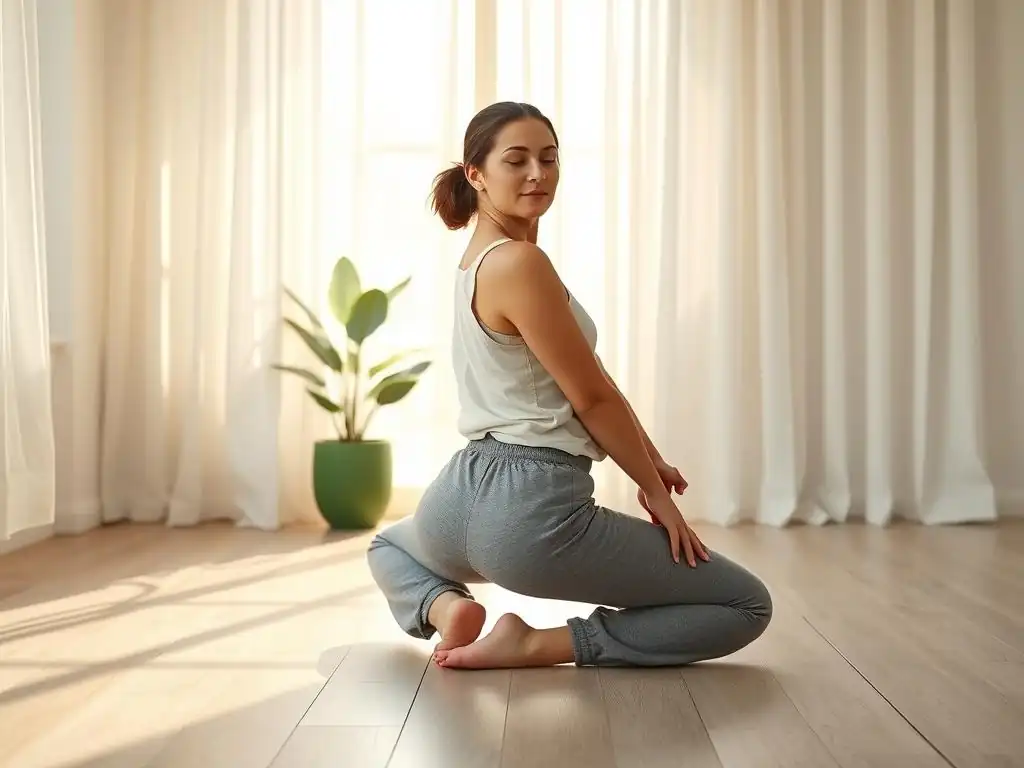
Mindful movement, such as yoga or gentle stretching, is a powerful way to combine physical activity with mindfulness. It involves paying attention to the sensations in your body as you move, coordinating breath with movement, and observing thoughts and feelings without judgment. This practice helps release physical tension, which is often a major component of anxiety, while simultaneously grounding you in the present moment.
Unlike purely physical exercise, mindful movement emphasizes awareness over intensity or achieving specific poses perfectly. The focus is on the experience of moving your body and noticing how different postures or stretches feel. This integration of mind and body helps to quiet the anxious mind by giving it a focal point – the physical sensations of movement – and facilitates the release of stress hormones.
Yoga Poses for Anxiety Reduction
Certain gentle yoga poses are particularly beneficial for calming the nervous system. Forward folds, like Child's Pose or Seated Forward Bend, can be very grounding and soothing. Poses that open the chest and shoulders, such as Gentle Backbends or Cow Face Pose (Gomukhasana) arms, can help counteract the hunched posture often associated with anxiety and promote deeper breathing.
Restorative poses, using props like blankets or bolsters to support the body, are also excellent for anxiety. Legs-Up-the-Wall pose is known for its calming effect on the nervous system. The key is to choose poses that feel comfortable and allow you to focus on your breath and the sensations in your body, using these poses as mindfulness tools to reduce anxiety through physical release and presence.
The Mind-Body Connection and Anxiety Relief
The mind-body connection is profound, and anxiety is a prime example of how mental and physical states are intertwined. Anxious thoughts trigger physical stress responses, and physical tension can exacerbate feelings of anxiety. Mindful movement works by addressing both aspects simultaneously. As you move mindfully, you release physical tension while also training your mind to stay present with bodily sensations rather than getting lost in worry.
This integrated approach helps to break the feedback loop between anxious thoughts and physical symptoms. By consciously moving and breathing, you send signals of safety and calm to your brain, helping to regulate the nervous system. Regularly incorporating mindful movement into your routine can significantly reduce overall anxiety levels and improve your ability to cope with stressful situations.
Sensory Awareness: Engaging Your Senses to Reduce Anxiety
Engaging your five senses is a simple yet effective mindfulness technique for grounding yourself in the present moment, especially when anxiety makes your thoughts race. By deliberately focusing on what you see, hear, smell, taste, or touch, you pull your attention away from internal worries and anchor it to the external world. This immediate focus on sensory input can quickly interrupt the cycle of anxious rumination.
This technique is often used in Dialectical Behavior Therapy (DBT) as a distress tolerance skill. It's a practical mindfulness tool to reduce anxiety in the moment, requiring no special equipment and usable in almost any situation. Simply choose one sense and focus on it intently for a minute or two. What are five things you can see? Four things you can touch? Three things you can hear? Two things you can smell? One thing you can taste?
Mindful Eating: Savoring Each Bite
Mindful eating involves paying full attention to the experience of eating. Instead of rushing through a meal or eating distractedly, you focus on the sensory details: the colors and textures of the food, the aroma, the taste on your tongue, the feeling of chewing, and the sensation of swallowing. This practice slows down the eating process and brings awareness to the present moment, turning a routine activity into a calming practice.
Beyond just reducing anxiety during the meal itself, mindful eating can improve your relationship with food and your body. It encourages you to notice hunger and fullness cues more accurately, potentially reducing stress related to eating habits. Taking just a few minutes at the start of a meal to pause and focus on the sensory experience can be a simple yet powerful act of mindfulness.
Nature Walks: Grounding Yourself in the Environment
Spending time in nature and mindfully observing your surroundings is a powerful way to reduce anxiety. A mindful nature walk involves paying deliberate attention to the sensory details of the natural world: the feel of the ground under your feet, the sounds of birds or wind, the sight of leaves rustling, the smell of damp earth or flowers. This immersion in nature helps to quiet the internal chatter of the anxious mind.
Research suggests that spending time in green spaces can lower cortisol levels and reduce feelings of stress and anxiety. Combining this with mindfulness enhances the effect, allowing you to fully absorb the calming benefits of the environment. Even a short 15-minute walk in a park, focusing on your senses, can be a highly effective mindfulness tool to reduce anxiety and promote a sense of peace.
Using Aromatherapy for Relaxation
Certain scents have been shown to have calming effects on the nervous system. Using essential oils like lavender, chamomile, or bergamot as part of a mindfulness practice can enhance relaxation and reduce anxiety. This could involve diffusing the oil, adding a few drops to a warm bath, or placing a drop on your wrists to inhale periodically.
When using aromatherapy mindfully, take a moment to consciously inhale the scent and notice its effect on your body and mind. Pair it with deep breathing or another calming technique. The pleasant aroma serves as an anchor to the present moment and reinforces the intention to relax, making it a sensory-based mindfulness tool to reduce anxiety when incorporated thoughtfully into your routine.
Advanced Mindfulness Techniques for Managing Anxiety
Loving-Kindness Meditation: Cultivating Self-Compassion
Loving-Kindness Meditation (Metta) is a practice that involves directing feelings of warmth, compassion, and kindness towards oneself and others. It typically involves repeating phrases such as "May I be happy, may I be healthy, may I be safe, may I live with ease." While initially directed towards oneself, it can expand to loved ones, neutral people, difficult people, and all beings. This practice directly counteracts the self-criticism and negative self-talk that often accompany anxiety.
For individuals with anxiety, cultivating self-compassion is particularly important. Anxiety can lead to harsh self-judgment ("Why am I so anxious? I should be able to handle this!"). Loving-Kindness meditation helps soften this inner critic, fostering a more gentle and accepting relationship with oneself. Research indicates that regular Metta practice can increase positive emotions and reduce symptoms of anxiety and depression.
How to Practice Loving-Kindness Meditation
Find a comfortable seated position. Close your eyes or soften your gaze. Begin by bringing awareness to your breath for a few moments to settle your mind. Then, silently or softly repeat phrases of loving-kindness, directing them towards yourself. For example: "May I be free from suffering. May I be at peace. May I be happy." Repeat these phrases slowly, allowing their meaning to sink in.
Once you feel a sense of warmth or kindness towards yourself, you can extend these phrases outwards: first to someone you love, then to a neutral person (like someone you encounter briefly), then to a difficult person, and finally to all beings. The practice is not about feeling the kindness intensely at first, but about the intention to cultivate it. Over time, this practice can significantly shift your internal landscape.
Overcoming Resistance to Self-Compassion
Many people, especially those struggling with anxiety and self-criticism, find it challenging to direct kindness towards themselves. You might feel like you don't deserve it, or the phrases feel awkward or insincere. This resistance is normal. Acknowledge it without judgment. Think of it as a mental habit you are working to change.
Start small. Even a few minutes of directing kind intentions towards yourself can be beneficial. If the standard phrases feel inauthentic, adapt them to something that resonates more, like "May I be okay in this moment" or "May I treat myself with kindness." Be patient and persistent; cultivating self-compassion is a process, and simply showing up for the practice, even with resistance, is a step towards using mindfulness tools to reduce anxiety by changing your inner dialogue.
Acceptance and Commitment Therapy (ACT) and Mindfulness
Acceptance and Commitment Therapy (ACT) is a type of psychotherapy that incorporates mindfulness as a core component. ACT's central aim is to increase psychological flexibility, which is the ability to be present with difficult thoughts and feelings while moving towards your values. It doesn't aim to eliminate anxiety, but rather to help you live a rich and meaningful life with anxiety present, rather than letting anxiety dictate your actions.
Mindfulness in ACT involves learning to observe your thoughts and feelings from a distance, without getting entangled in them or taking them literally. This is often referred to as "cognitive defusion." Instead of trying to control or get rid of anxious thoughts, you learn to simply notice them as thoughts, separate from reality. This shift in perspective, combined with clarifying your core values, empowers you to make choices based on what matters to you, even when anxiety shows up.
Core Principles of ACT
ACT operates on six core processes, often represented by the acronym ACCEPTANCE:
- Acceptance: Actively embracing thoughts and feelings without trying to change them.
- Choosing valued directions: Identifying what truly matters to you in life.
- Commitment: Taking action towards your values, even in the face of discomfort.
- Engaging in the present moment: Practicing mindfulness to stay grounded.
- Psychological flexibility: The ability to shift between these processes as needed.
- Transcendence (or Self-as-Context): Seeing yourself as the observer of your thoughts and feelings, not defined by them.
These principles work together to help individuals develop a more functional relationship with their internal experiences. By accepting difficult emotions (like anxiety) and committing to values-driven action, individuals can reduce the impact anxiety has on their behavior and well-being.
Using ACT Techniques to Manage Anxiety
ACT offers practical mindfulness tools to reduce anxiety's impact. Cognitive defusion techniques, such as repeating an anxious thought until it loses its power or imagining thoughts floating away on leaves in a stream, help you unhook from distressing mental content. Instead of being consumed by the thought "I'm going to fail," you might observe "I'm having the thought that I'm going to fail."
Another key ACT technique is clarifying your values. What kind of person do you want to be? What is truly important to you? When faced with anxiety, you can ask yourself, "What action can I take right now that aligns with my values, even with this anxiety present?" For example, if connection is a value, you might choose to call a friend even if anxiety tells you you'll be a burden. This values-driven action, taken mindfully, weakens the hold of anxiety on your behavior over time.
Dealing with Difficult Emotions Mindfully
Mindfulness provides a framework for approaching difficult emotions, including anxiety itself, with greater skill and less reactivity. Instead of avoiding, suppressing, or being overwhelmed by intense feelings, mindfulness encourages you to acknowledge them, observe them non-judgmentally, and understand them as temporary states. This practice can significantly reduce the secondary suffering that often arises from our reaction to the emotion, rather than the emotion itself.
When you feel anxiety rising, the mindful approach is not to try and push it away, which often makes it stronger. Instead, it's about turning towards the experience with gentle curiosity. Where do you feel it in your body? What thoughts are present? What is the quality of the sensation? By observing the emotion without getting lost in the story about the emotion, you create distance and reduce its intensity.
Recognizing and Acknowledging Your Feelings
The first step in dealing with difficult emotions mindfully is simply recognizing and acknowledging that they are present. This might sound obvious, but often, particularly with anxiety, we try to push feelings away or distract ourselves. Mindfulness encourages you to pause and say to yourself, "Ah, anxiety is here," or "I am noticing a feeling of fear."
This act of acknowledging validates your experience and brings it into conscious awareness, rather than letting it operate on an unconscious level. You don't need to understand why the feeling is there initially, just notice that it is there. This simple act of recognition is a powerful way to interrupt automatic reactions and choose a more skillful response.
Letting Go of Judgment and Self-Criticism
Anxiety is often accompanied by a harsh inner critic. We judge ourselves for feeling anxious ("I shouldn't be feeling this way"), criticize our reactions, and fear that others will judge us too. Mindfulness helps us cultivate a non-judgmental stance towards our emotions and ourselves. It teaches us to observe thoughts like "I'm such a mess" simply as thoughts, without believing them or beating ourselves up for having them.
Practicing self-compassion alongside mindfulness is crucial here. Treat yourself with the same kindness and understanding you would offer a friend who is struggling. Recognize that having difficult emotions is part of the human experience. By reducing judgment and self-criticism, you lessen the intensity and duration of the emotional distress, making it easier to navigate feelings of anxiety and use mindfulness tools to reduce anxiety's hold on your life.
Creating a Sustainable Mindfulness Practice for Long-Term Anxiety Relief
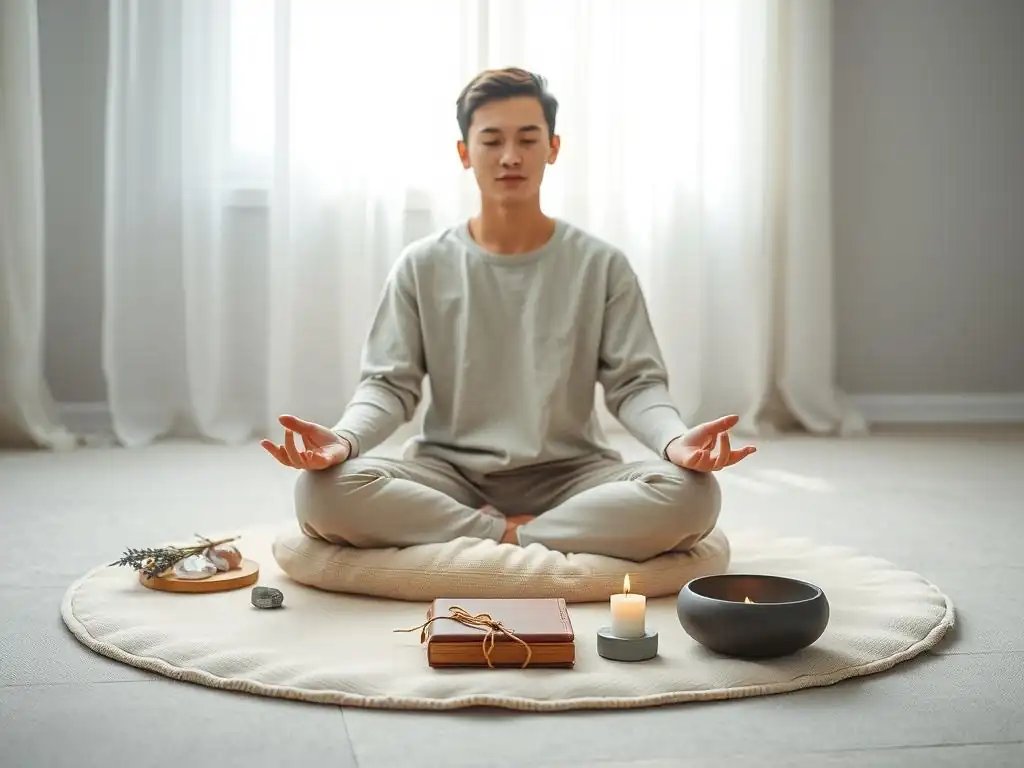
Building a sustainable mindfulness practice is key to experiencing its long-term benefits for anxiety. It's not about achieving perfection or never feeling anxious again, but about consistently showing up for the practice, even on challenging days. Like building any new habit, it requires intention, consistency, and patience. Think of it as training a muscle – the more you use it, the stronger it becomes.
A sustainable practice is one that fits into your life and feels manageable. It's better to practice for 5-10 minutes consistently each day than to attempt an hour-long session once a week and feel discouraged. The cumulative effect of regular, shorter practices is often more beneficial in the long run for managing anxiety than infrequent, lengthy ones.
Setting Realistic Goals for Your Mindfulness Journey
When starting out, set small, achievable goals. Aim to practice for 5 minutes each morning, for example. As that feels comfortable, you can gradually increase the duration. Don't aim for a perfectly quiet mind; the mind wanders, and the practice is about noticing when it does and gently bringing it back. Recognize that some days will be easier than others.
- Start with short durations (5-10 minutes).
- Choose a specific time of day that works for you.
- Decide on a specific practice (e.g., breath awareness, guided meditation).
- Track your progress in a journal or app if helpful.
- Be kind to yourself if you miss a day; simply start again the next.
Setting realistic expectations prevents discouragement. The goal is progress, not perfection. Consistency is far more important than duration or perceived quality of any single session when using mindfulness tools to reduce anxiety over time.
Integrating Mindfulness into Your Daily Routine
Mindfulness doesn't have to be limited to formal meditation sessions. You can weave mindful moments throughout your day. This 'informal mindfulness' can be incredibly effective in managing anxiety.
- Mindful morning routine: Pay attention to the sensations of brushing your teeth or taking a shower.
- Mindful commuting: Notice the sights and sounds around you without judgment.
- Mindful eating: As discussed earlier, savor your meals.
- Mindful walking: Pay attention to the feeling of your feet on the ground.
- Mindful breaks: Take a few moments to focus on your breath between tasks.
Look for opportunities to bring awareness to everyday activities. These small moments of presence can help ground you and prevent anxiety from building throughout the day. Integrating mindfulness into your routine makes using mindfulness tools to reduce anxiety a natural part of your life, not just a separate task.
Overcoming Challenges and Maintaining Your Practice
Challenges are inevitable when building any new habit, and mindfulness is no exception. You might face a wandering mind, boredom, frustration, or the feeling that "it's not working." Recognize these as normal parts of the process.
- Wandering mind: It's okay! Gently guide your attention back to your chosen anchor (breath, body). This is the practice.
- Boredom/Frustration: Acknowledge these feelings with curiosity. Can you be present with them?
- Feeling it's not working: Mindfulness isn't a quick fix. The effects are often subtle and cumulative. Trust the process and acknowledge small shifts.
- Lack of time: Even 1-2 minutes of focused breathing can be beneficial. Find micro-moments for mindfulness.
Consider joining a mindfulness group, using guided meditation apps, or working with a therapist who incorporates mindfulness to support your practice. Having support can make a significant difference in maintaining consistency and overcoming obstacles.
Resources for Further Mindfulness and Anxiety Support
Accessing reliable resources can greatly support your journey with mindfulness for anxiety. There are numerous books, apps, websites, and courses available. Look for resources developed by qualified mindfulness instructors or mental health professionals.
Recommended Resources
While specific links cannot be provided here, searching for terms like "mindfulness apps for anxiety," "mindfulness books for anxiety," or "online mindfulness courses" will yield many options. Look for apps that offer a variety of guided meditations and tracking features. Seek out books that provide clear explanations of mindfulness principles and practical exercises. Consider reputable organizations that offer mindfulness-based programs like MBSR (Mindfulness-Based Stress Reduction) or MBCT (Mindfulness-Based Cognitive Therapy), which have strong evidence bases for reducing anxiety. Remember to consult with a healthcare professional for personalized advice and support for managing your anxiety.
Long-Term Benefits of Using Mindfulness Tools to Reduce Anxiety
The benefits of a consistent mindfulness practice extend far beyond immediate anxiety relief. Over time, these tools can fundamentally change your relationship with stress, emotions, and yourself, leading to lasting improvements in well-being. Research consistently points to several key long-term advantages.
One significant benefit is the development of greater emotional resilience. By learning to observe thoughts and feelings without getting overwhelmed, you become better equipped to navigate life's challenges with more ease and less reactivity. The practice of using mindfulness tools to reduce anxiety builds an inner capacity to weather emotional storms rather than being swept away by them.
Improved Sleep Quality through Mindfulness Practice
Anxiety is a major contributor to sleep problems, including difficulty falling asleep, staying asleep, and experiencing restless sleep. The racing thoughts and physical tension associated with anxiety make it hard to relax and quiet the mind at bedtime. Mindfulness practices can significantly improve sleep quality by addressing these underlying issues.
Techniques like body scan meditation or mindful breathing before bed can help calm the nervous system and prepare the body for rest. By focusing on physical sensations or the breath, you divert attention from anxious thoughts that keep you awake. Studies have shown that participants in mindfulness programs report fewer symptoms of insomnia and improved overall sleep satisfaction, highlighting the power of mindfulness tools to reduce anxiety's impact on sleep.
Enhanced Emotional Regulation with Mindfulness
Emotional regulation is the ability to understand and manage your emotional responses. Individuals with anxiety often struggle with this, experiencing intense emotions that feel overwhelming and difficult to control. Mindfulness enhances emotional regulation by increasing awareness of emotions as they arise and fostering a non-judgmental attitude towards them.
Instead of reacting automatically to an anxious feeling, mindfulness teaches you to pause, notice the emotion, and choose a more skillful response. This involves recognizing the emotion without identifying as the emotion ("I am feeling fear" vs. "I am a fearful person") and understanding that emotions are temporary states. This practice builds the capacity to sit with discomfort without needing to immediately fix or avoid it, leading to more balanced and less reactive emotional responses.
Increased Resilience to Stress and Anxiety
Perhaps the most profound long-term benefit of using mindfulness tools to reduce anxiety is the development of increased resilience. Resilience is the ability to bounce back from adversity and cope effectively with stress. Mindfulness cultivates this resilience by changing your relationship with challenging experiences.
Regular practice trains your mind to stay present during difficult moments, whether they are stressful events or uncomfortable internal states like anxiety. It helps you see thoughts and feelings as transient rather than permanent truths, reducing their power to overwhelm you. This shift in perspective, combined with a greater capacity for emotional regulation and self-compassion, equips you with the inner strength to face future stressors with more calm, clarity, and confidence.
Frequently Asked Questions
What exactly are mindfulness tools, and how can they help with anxiety?
Mindfulness tools are techniques that help you focus on the present moment without judgment. They can help reduce anxiety by interrupting anxious thought patterns and promoting a sense of calm.
How quickly can I expect to see results from using mindfulness tools for anxiety?
The timeline varies, but many people experience noticeable reductions in anxiety within a few weeks of consistent practice. Remember, patience and consistency are key.
Are there different types of mindfulness tools that work better for specific types of anxiety?
Yes, different tools resonate with different people. For instance, guided meditation might be helpful for general anxiety, while grounding exercises can be effective during panic attacks.
Can I use mindfulness tools in conjunction with other treatments for anxiety, such as therapy or medication?
Absolutely! Mindfulness tools are often a complementary approach that enhances the effectiveness of other treatments. Always consult with a mental health professional about your treatment plan.
Where can I find reliable resources to learn more about mindfulness tools and how to use them effectively?
Websites like Mind Care Guide offer information, support, and resources. Additionally, many mental health apps and local therapists can provide guidance and instruction.
Final Reflection: Cultivating Inner Peace in a Turbulent World
The pursuit of calm amidst the chaos of modern life is not a luxury, but a necessity. The tools and techniques explored in this article – from mindful breathing to nature immersion – are not merely trendy self-help strategies; they are vital resources for navigating the anxieties that permeate our daily experiences. The increasing prevalence of stress and anxiety underscores the urgent need for accessible and effective coping mechanisms, and the practices outlined here offer a powerful pathway to reclaiming inner peace.
The impact of mindfulness on our collective well-being is profound and far-reaching. It's not just about managing individual stress; it's about fostering a culture of self-compassion and resilience. By prioritizing mental wellness, we create a ripple effect, influencing our relationships, our productivity, and ultimately, the overall health of our communities. As Thich Nhat Hanh wisely said, Peace is not merely the absence of war, but the presence of justice, compassion, and understanding.
This sentiment encapsulates the transformative power of mindfulness, extending beyond personal tranquility to encompass a broader vision of societal harmony.
Now, consider your own journey toward inner peace. What resonates most deeply from the tools discussed? Which practices will you integrate into your daily routine? This isn't about achieving perfect serenity; it's about cultivating a consistent practice of self-awareness and self-care. Begin today. Choose one technique, even a small one, and commit to it. Observe the subtle shifts in your perspective, your energy, and your overall well-being. The path to calm is a journey, not a destination, and every step you take is a step toward a more peaceful, fulfilling life.
Unlock Your Inner Peace: Build Your Personalized Calm Kit Today!
Thanks for taking the time to explore practical mindfulness techniques for managing anxiety. We hope you found valuable tools to build your own personal calm kit! Now, let's put that knowledge into action.
- Craft your personal calm kit: Identify 3-5 techniques from the article that resonated most with you and create a personalized list to keep handy. This could be a physical note or a digital document.
- Share your calm kit essentials: Discuss your favorite mindfulness strategies with a friend or family member. Sharing your journey can be incredibly supportive and may even inspire others to build their own kits.
- Experiment and adapt: Try a new mindfulness technique each week, even if it's just for five minutes. Notice how different practices affect you and adjust your kit accordingly.
Ready to embrace a calmer, more centered you? What's the first step you'll take to build your personalized calm kit?