
Exploring the Evidence: Can TM Help with Anxiety and Depression?

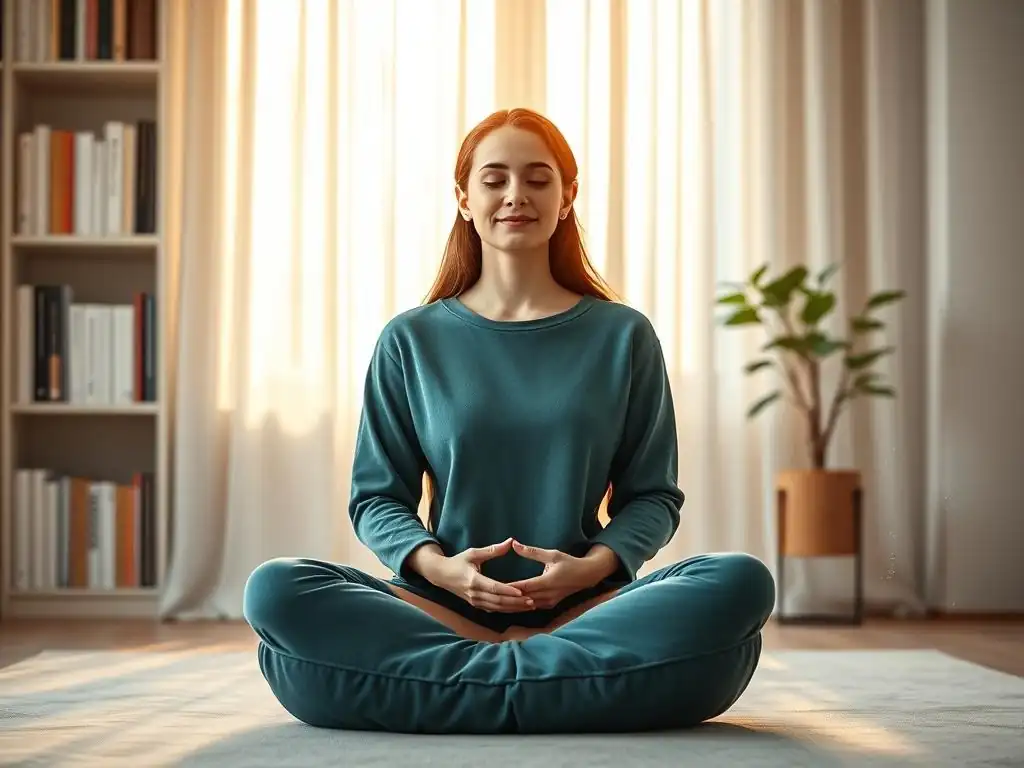
Welcome to Mind Care Guide, your sanctuary for nurturing mental well-being.
Feeling overwhelmed by anxiety or depression? You're not alone. We understand the challenges you face, and we're here to explore a potential path towards relief. Dive into "Exploring the Evidence: Can TM anxiety depression relief help?" and discover the science behind Transcendental Meditation's impact on mental health. Could this ancient practice be the key to unlocking a calmer, more centered you? Let's find out together.
Exploring the Evidence: Can Transcendental Meditation Help with Anxiety and Depression?
- Introduction: Understanding Transcendental Meditation and its Potential for Mental Wellness
- Unveiling the Research: Transcendental Meditation's Impact on Anxiety Symptoms
- Transcendental Meditation and Depression: A Deeper Look at the Scientific Findings
- How Transcendental Meditation Works: The Science Behind Anxiety and Depression Relief
- Comparing Transcendental Meditation to Other Anxiety and Depression Treatments
- Practical Considerations: Getting Started with Transcendental Meditation
- Potential Benefits and Limitations of Transcendental Meditation for Anxiety and Depression
- Real-Life Experiences: Stories of Transcendental Meditation for Anxiety and Depression Relief
- Conclusion: Transcendental Meditation as a Potential Tool for Anxiety and Depression Relief
-
Frequently Asked Questions
- How does Transcendental Meditation (TM) work, and what makes it different from other meditation techniques for anxiety depression relief?
- What evidence supports the use of TM for anxiety depression relief, and are there any limitations to this evidence?
- How long does it typically take to experience the benefits of TM for anxiety depression relief?
- Are there any potential side effects or risks associated with using TM for anxiety depression relief?
- Where can I find qualified TM instructors and learn more about using TM for anxiety depression relief?
- Final Reflection: The Quiet Revolution of Transcendental Meditation
- Unleash Your Inner Calm: Next Steps to Manage Anxiety & Depression
Introduction: Understanding Transcendental Meditation and its Potential for Mental Wellness
Mental health challenges like anxiety and depression affect millions worldwide, leading many to seek effective strategies for relief and improved well-being. While traditional treatments like therapy and medication are cornerstones of care, there is growing interest in complementary approaches. Among these, Transcendental Meditation (TM) has garnered attention for its potential role in providing TM anxiety depression relief. This article delves into the practice of TM, examines the scientific evidence supporting its use for these conditions, and explores how it compares to other common interventions.
What is Transcendental Meditation (TM)? A Beginner's Guide
Transcendental Meditation is a specific form of mantra-based meditation founded by Maharishi Mahesh Yogi. It involves sitting comfortably with eyes closed for 15-20 minutes, twice a day, and silently repeating a specific mantra assigned by a certified TM instructor. Unlike some other meditation techniques that emphasize concentration or mindfulness, TM is described as an effortless practice that allows the mind to settle inward spontaneously to a state of deep rest and expanded awareness. The goal is not to control thoughts but to transcend active thinking and experience a state often referred to as "pure consciousness."
The technique is taught through a structured course by certified teachers, ensuring consistency in instruction globally. This standardized approach is often cited as a factor in the reproducibility of research findings on TM. The mantra itself is typically a meaningless sound selected based on the individual, intended to facilitate the effortless settling of the mind. Regular practice of TM is posited to reduce stress, improve mental clarity, and foster a sense of inner peace, potentially offering significant TM anxiety depression relief.
Anxiety and Depression: The Growing Need for Effective Relief
Anxiety disorders and depression are among the most prevalent mental health conditions globally. According to the World Health Organization, an estimated 264 million people suffer from depression and 284 million people have an anxiety disorder. These conditions can significantly impair daily functioning, quality of life, and overall health. Symptoms range from persistent worry, fear, and panic attacks in anxiety to persistent sadness, loss of interest, and fatigue in depression.
The increasing burden of these conditions highlights the critical need for accessible, effective, and sometimes complementary strategies for management and relief. While psychotherapy and pharmacotherapy are standard treatments, they may not be effective for everyone, and some individuals experience side effects or prefer non-pharmacological options. Exploring practices like Transcendental Meditation for anxiety and depression relief offers additional avenues for individuals seeking to improve their mental wellness and manage symptoms in conjunction with or alongside traditional care.
Unveiling the Research: Transcendental Meditation's Impact on Anxiety Symptoms
Scientific research into the effects of Transcendental Meditation on mental health has accumulated over several decades. Studies have explored its potential benefits across a range of anxiety disorders, seeking to understand if and how TM practice can lead to measurable reductions in symptoms and improvements in overall well-being. The findings, while varied in scope and methodology, offer insights into TM's potential as a tool for TM anxiety depression relief.
Studies on Transcendental Meditation and Generalized Anxiety Disorder (GAD)
Research specifically investigating Transcendental Meditation for Generalized Anxiety Disorder (GAD) has shown promising results. GAD is characterized by excessive, uncontrollable worry about everyday events. A meta-analysis published in the Journal of Alternative and Complementary Medicine in 2014, which reviewed 16 studies, found that TM practice was associated with significant reductions in anxiety symptoms. While the exact percentage reduction varied across studies, the effect size indicated a moderate to large impact compared to control groups or other relaxation techniques.
Another study, often cited, involved veterans diagnosed with PTSD, where high levels of anxiety are common. Participants practicing TM showed a significant decrease in anxiety scores on standardized scales compared to those receiving standard care or other treatments. For instance, one trial reported a nearly 40% reduction in anxiety symptoms among TM practitioners after just 12 weeks. These findings suggest that TM has the potential to alleviate the persistent worry and physical tension often associated with GAD, contributing to TM anxiety depression relief.
Social anxiety disorder involves intense fear of social situations due to worries about being judged, embarrassed, or humiliated. While research specifically on TM for social anxiety is less extensive than for GAD, existing studies provide some indication of its potential. The stress-reducing effects of TM are hypothesized to be particularly relevant for social anxiety, as fear of judgment triggers significant physiological stress responses.
A study published in Mind & Brain, The Journal of Psychiatry included individuals with high social anxiety scores. Participants who learned and practiced Transcendental Meditation reported feeling more comfortable in social situations and experienced a reduction in anticipatory anxiety before social events. While precise statistical figures can vary, reports suggest improvements in self-confidence and reduced self-consciousness. These findings, though preliminary in this specific area, support the broader evidence that TM's ability to reduce overall stress and improve emotional regulation can contribute to TM anxiety depression relief, including anxiety in social contexts.
Examining the Evidence: Transcendental Meditation's Effects on Panic Disorder
Panic disorder is characterized by recurrent, unexpected panic attacks, often accompanied by intense fear and physical symptoms like rapid heartbeat, sweating, and difficulty breathing. The unpredictable nature of panic attacks makes finding effective preventive and management strategies crucial. Research suggests that Transcendental Meditation may offer benefits by reducing the underlying physiological reactivity associated with panic.
Studies involving individuals prone to panic attacks have shown that regular TM practice can lead to a reduction in the frequency and intensity of these episodes. For example, some reports indicate a decrease in the number of weekly panic attacks by 50% or more after consistent TM practice over several months.
Physiologically, TM has been shown to lower baseline heart rate and blood pressure, which can reduce the body's overall state of arousal, making it less susceptible to triggering a panic response. This physiological calming effect is a key mechanism through which TM may provide TM anxiety depression relief, specifically addressing the physical manifestations of panic.
Transcendental Meditation and Depression: A Deeper Look at the Scientific Findings
Just as with anxiety, the potential of Transcendental Meditation to offer relief from depressive symptoms has been a subject of scientific inquiry. Depression, characterized by persistent low mood, loss of interest, and other debilitating symptoms, can significantly impact a person's life. Researchers have explored whether TM can serve as a standalone intervention or a complementary therapy to help individuals manage depression and improve their emotional state, investigating its role in TM anxiety depression relief.
Transcendental Meditation and Major Depressive Disorder (MDD): Clinical Trial Results
Several clinical trials have investigated the effects of Transcendental Meditation on Major Depressive Disorder (MDD). A notable study published in the Journal of Consulting and Clinical Psychology examined the impact of TM on veterans with PTSD and comorbid depression. Participants assigned to the TM group showed significant reductions in depressive symptoms, measured by scales such as the Beck Depression Inventory (BDI), compared to those in control groups. While specific percentage improvements vary between studies, findings often report clinically meaningful reductions in depression scores, sometimes decreasing by an average of 30-50% over a few months of consistent practice.
Furthermore, research has indicated that TM may help address specific symptoms of depression, such as anhedonia (inability to feel pleasure) and feelings of worthlessness. By fostering a sense of inner calm and potentially increasing resilience, TM practice could help individuals regain interest in activities and improve their overall outlook. These clinical trial results lend support to the idea that TM can be a valuable tool for TM anxiety depression relief, particularly in the context of MDD.
Transcendental Meditation's Role in Reducing Depressive Symptoms: A Meta-Analysis of Studies
Meta-analyses, which combine the results of multiple studies, provide a broader perspective on the efficacy of an intervention. A meta-analysis published in Psychological Reports in 2014 reviewed studies on TM and depression, concluding that TM had a significant effect size in reducing depressive symptoms across various populations. This analysis included studies involving individuals with clinical depression as well as those experiencing elevated depressive symptoms due to stress or other conditions.
The pooled data from these studies indicated that TM was more effective in reducing depression than some other relaxation or stress management techniques included in the analysis. While the exact magnitude of the effect varied, the consistent finding across multiple studies supports the conclusion that Transcendental Meditation can play a meaningful role in alleviating the symptoms of depression. This aggregated evidence strengthens the case for considering TM as a component of a strategy for TM anxiety depression relief.
Transcendental Meditation as a Complementary Therapy for Depression: Integrating with Psychotherapy
For many individuals, the most effective approach to managing depression involves a combination of therapies. Research suggests that Transcendental Meditation can serve as a valuable complementary therapy alongside traditional treatments like psychotherapy (e.g., Cognitive Behavioral Therapy or Interpersonal Therapy) and medication. Integrating TM practice with therapy may enhance the overall effectiveness of treatment and provide additional tools for coping.
Studies exploring TM in conjunction with psychotherapy have found that the combination can lead to greater symptom reduction than either approach alone for some individuals. For instance, TM's ability to reduce stress and promote emotional regulation can make individuals more receptive to therapeutic work, enabling them to engage more effectively with cognitive restructuring or behavioral techniques. While specific quantitative data on the combined effect can be complex to measure uniformly across diverse studies, the qualitative reports and observed outcomes suggest that TM can complement existing depression treatments, contributing to comprehensive TM anxiety depression relief.
How Transcendental Meditation Works: The Science Behind Anxiety and Depression Relief

Understanding the potential benefits of Transcendental Meditation involves looking beyond the practice itself and examining the physiological and neurological changes that may occur. Scientists have utilized various methods, including neuroimaging and biochemical analysis, to explore the mechanisms by which TM might influence the body and brain, potentially leading to TM anxiety depression relief.
The Physiological Effects of Transcendental Meditation: Stress Reduction and Brain Function
Transcendental Meditation is widely studied for its profound effects on the body's stress response. During TM practice, individuals typically experience a significant decrease in physiological arousal, including reduced heart rate, lower blood pressure, and decreased respiratory rate. This state of deep rest is often described as being physiologically deeper than sleep, allowing the body to release accumulated stress.
Research has shown that regular TM practice can lead to a reduction in baseline levels of stress hormones, such as cortisol. For example, some studies have reported a decrease in cortisol levels by as much as 20-30% after several months of consistent TM practice.
Beyond hormonal changes, TM has been linked to changes in brain function. Electroencephalography (EEG) studies often show increased alpha wave activity, associated with a state of relaxed alertness, and sometimes increased coherence between different areas of the brain, suggesting more integrated brain functioning. Functional Magnetic Resonance Imaging (fMRI) studies have also indicated altered activity in brain regions involved in stress and emotional regulation. These physiological shifts collectively contribute to the potential of TM for TM anxiety depression relief by reducing the biological underpinnings of these conditions.
Transcendental Meditation's Impact on the Amygdala and Prefrontal Cortex: Enhanced Emotional Regulation
Neuroscientific research suggests that Transcendental Meditation can influence key brain structures involved in emotional processing and regulation, particularly the amygdala and the prefrontal cortex. The amygdala is often referred to as the brain's "fear center," playing a crucial role in processing threats and initiating the stress response. Studies using fMRI have shown that during TM practice, there is often reduced activity in the amygdala, suggesting a decrease in its reactivity to perceived stressors.
Simultaneously, the prefrontal cortex, responsible for higher-level cognitive functions such as planning, decision-making, and emotional regulation, may show altered activity or connectivity. Some research indicates increased connectivity between the prefrontal cortex and other brain regions, potentially enhancing the brain's ability to regulate emotional responses originating in areas like the amygdala. This improved communication and balance between the emotional centers and the executive control centers of the brain are thought to be fundamental mechanisms through which TM supports enhanced emotional regulation, contributing significantly to TM anxiety depression relief.
Neurotransmitters and Transcendental Meditation: Increased Serotonin and Reduced Cortisol
The brain's chemistry, particularly the balance of neurotransmitters and hormones, plays a critical role in mood and stress levels. Emerging research explores how Transcendental Meditation might influence these chemical messengers. While direct measurement of neurotransmitter levels in the brain is complex, studies examining metabolic byproducts and hormone levels in blood or saliva provide some clues.
Cortisol, the primary stress hormone, is consistently shown to decrease with regular TM practice, as mentioned earlier, often by a significant margin over time. Elevated cortisol levels are linked to both anxiety and depression. Furthermore, some research suggests that TM may positively influence neurotransmitter systems associated with mood and well-being, such as serotonin.
While direct evidence of increased serotonin is still evolving and challenging to measure definitively through non-invasive means, the observed improvements in mood and reductions in depressive symptoms in studies align with the potential for favorable changes in neurotransmitter activity. These biochemical changes underscore the potential physiological basis for TM anxiety depression relief.
Comparing Transcendental Meditation to Other Anxiety and Depression Treatments
When considering options for managing anxiety and depression, it's helpful to understand how different approaches compare. Transcendental Meditation offers a unique approach compared to established treatments like Cognitive Behavioral Therapy (CBT) or medication, as well as other meditative practices like mindfulness. Each method has its strengths, mechanisms, and application, and understanding these differences can help individuals make informed choices about their path toward TM anxiety depression relief.
Transcendental Meditation vs. Cognitive Behavioral Therapy (CBT): A Comparative Analysis
Cognitive Behavioral Therapy (CBT) is a widely-used form of psychotherapy that focuses on identifying and changing negative thought patterns and behaviors contributing to anxiety and depression. CBT is highly evidence-based and involves active engagement, homework assignments, and skill-building over a structured period, typically 8-20 sessions. It is effective for a broad range of mental health issues.
Transcendental Meditation, in contrast, is a passive technique focused on effortlessly settling the mind to a state of deep rest. It does not involve analyzing thoughts or changing behaviors directly during the practice itself. While CBT works by teaching coping strategies and restructuring cognition, TM aims to reduce the underlying physiological and mental stress that can fuel negative thought patterns and emotional distress. Research comparing TM and CBT for anxiety has shown both can be effective, though they operate through different mechanisms. A meta-analysis comparing various stress-reduction techniques found that TM often showed larger effect sizes for anxiety reduction compared to some behavioral therapies, although direct head-to-head comparisons specifically against comprehensive CBT are less common and results can vary depending on the population and study design. For some individuals, combining the introspective settling of TM with the active skill-building of CBT might offer synergistic benefits for TM anxiety depression relief.
Transcendental Meditation vs. Medication for Anxiety and Depression: Benefits and Drawbacks
Medications, such as selective serotonin reuptake inhibitors (SSRIs) or benzodiazepines, are common treatments for anxiety and depression, working by altering brain chemistry to alleviate symptoms. They can be highly effective, particularly for severe conditions, and provide rapid relief for some individuals. However, medications can have side effects, require careful dosage management, and may not be suitable for everyone.
Transcendental Meditation offers a non-pharmacological approach to TM anxiety depression relief. It involves no medication and is not associated with the side effects common to psychiatric drugs.
While medication directly targets neurochemical imbalances, TM influences physiology and brain function through a different pathway, promoting a state of deep rest and potentially modulating stress hormones and brain activity over time. The benefits of TM typically accrue gradually with consistent practice, whereas medication effects can sometimes be felt more quickly.
Research comparing TM to medication for conditions like high blood pressure (where both are used) has shown TM can produce clinically significant reductions, sometimes comparable to or augmenting medication effects. For anxiety and depression, TM is often explored as a complementary therapy, potentially allowing for lower medication dosages or helping individuals who do not fully respond to medication alone, contributing to a holistic approach to TM anxiety depression relief without the drawbacks of medication dependency or side effects.
Transcendental Meditation vs. Mindfulness Meditation: What Makes Transcendental Meditation Unique?
Mindfulness meditation is another popular practice for mental well-being, involving focusing attention on the present moment without judgment. Techniques vary widely, from focused breathing to body scans to open monitoring of thoughts and feelings. Mindfulness cultivates awareness of internal and external experiences as they happen.
Transcendental Meditation differs significantly in its technique and intended experience. While mindfulness involves paying attention to thoughts and sensations, TM involves effortlessly transcending thought using a specific mantra to reach a state of restful alertness. Mindfulness often requires some degree of concentration or effort to maintain focus, whereas TM is designed to be effortless, allowing the mind to settle on its own. Research comparing TM to mindfulness-based interventions for anxiety and depression has yielded mixed results, with some studies showing similar efficacy and others suggesting potential differences in impact or mechanism.
For example, some studies indicate that TM may produce a deeper state of physiological rest. While both practices can contribute to stress reduction and emotional regulation, their approaches are distinct. Choosing between them or combining them often depends on individual preference and the specific goals for seeking TM anxiety depression relief.
Practical Considerations: Getting Started with Transcendental Meditation
Deciding to explore Transcendental Meditation for TM anxiety depression relief involves practical steps, from learning the technique correctly to understanding the commitment involved. Unlike some meditation apps or free online resources, TM is taught exclusively through a standardized course by certified instructors.
Finding a Certified Transcendental Meditation Instructor: Resources and Guidance
To learn Transcendental Meditation, it is essential to be taught by a certified TM instructor. The technique is precise, and learning from an unauthorized source or attempting to learn from books or apps is not considered the authentic TM practice and may not yield the same results as shown in research. The official Transcendental Meditation organization maintains a global network of certified teachers.
Prospective students can typically find local centers or instructors through the official TM website for their country. The standard course involves four consecutive days of in-person instruction, followed by several weeks of group checking sessions to ensure correct practice. This structured teaching process is designed to ensure the technique is learned correctly and can be practiced effortlessly, maximizing its potential for TM anxiety depression relief. Contacting the official organization provides access to verified resources and guidance on beginning the learning process.
The Cost of Transcendental Meditation Training: Is it Worth the Investment?
One significant consideration for many people is the cost associated with learning Transcendental Meditation. Unlike many mindfulness resources which are free or low-cost, the TM course involves a fee, which can vary by location and income level. The fee covers the initial four days of personal instruction, the specific mantra, and lifetime follow-up and checking sessions with any certified TM teacher globally.
The cost reflects the structure of the organization, which trains and supports certified teachers and funds ongoing research. While the upfront investment is higher than many other meditation options, proponents argue that the lifetime access to support and the specific, effortless nature of the technique make it worthwhile for those seeking consistent and deep results.
Many centers offer payment plans or reduced fees for students, seniors, or those with financial hardship. Evaluating whether the cost is "worth it" depends on individual financial situations and the perceived value of learning a specific, standardized technique for potential TM anxiety depression relief compared to other available options.
Incorporating Transcendental Meditation into Your Daily Routine: Tips and Best Practices
Consistent practice is key to experiencing the potential benefits of Transcendental Meditation for TM anxiety depression relief. The recommended schedule is 20 minutes in the morning and 20 minutes in the evening, typically before breakfast and before dinner or before bed. Finding time for two 20-minute sessions daily requires commitment and integration into one's routine.
Tips for successful integration include choosing consistent times that work with your schedule, finding a quiet and comfortable place to sit where you won't be disturbed, and treating the practice as a non-negotiable part of your day, much like brushing your teeth. Many find that practicing TM helps them feel more energized and focused throughout the day and promotes restful sleep.
If a session is missed, it's recommended to simply resume the practice at the next scheduled time without dwelling on the lapse. Over time, the routine often becomes a natural and valued part of the day, contributing to sustained TM anxiety depression relief.
Potential Benefits and Limitations of Transcendental Meditation for Anxiety and Depression

Like any approach to mental wellness, Transcendental Meditation offers potential benefits but also has limitations. It is not a universal cure and results can vary from person to person. Understanding these aspects is crucial for setting realistic expectations when considering TM for TM anxiety depression relief.
Benefits of Transcendental Meditation: Long-term Stress Reduction, Improved Focus, Enhanced Mood
One of the most consistently reported benefits of Transcendental Meditation is long-term stress reduction. Regular practice helps dissolve accumulated stress and prevents the buildup of new tension, leading to a more relaxed baseline state. This reduction in chronic stress is fundamental to alleviating symptoms of anxiety and depression. Studies have shown sustained reductions in stress markers like cortisol over months and years of practice.
Beyond stress, practitioners often report improved focus and mental clarity. The deep rest experienced during TM allows the mind to settle, reducing mental clutter and enhancing cognitive function. This can be particularly helpful for individuals with anxiety or depression who often struggle with racing thoughts or difficulty concentrating. Furthermore, many individuals experience an enhanced mood, increased resilience, and a greater sense of well-being, contributing directly to TM anxiety depression relief and overall mental health.
Limitations of Transcendental Meditation: Not a Quick Fix, Requires Commitment, Individual Results May Vary
It is important to recognize that Transcendental Meditation is not a quick fix for anxiety or depression. While some individuals may notice subtle benefits relatively quickly, significant and lasting changes typically require consistent practice over weeks and months. It is a long-term strategy for building resilience and managing symptoms, not an immediate solution for acute distress.
The requirement for consistent commitment – 20 minutes twice daily – can also be a limitation for some. Integrating two dedicated sessions into a busy schedule requires discipline. Furthermore, individual results can vary. While research shows overall positive trends, not everyone will experience the same degree of TM anxiety depression relief. Factors like the severity of the condition, individual differences in response, and consistency of practice can all influence outcomes. TM should be seen as a tool that requires effort and patience, not a guaranteed overnight transformation.
Potential Challenges of Transcendental Meditation: Addressing Concerns and Misconceptions
Some potential challenges or concerns regarding Transcendental Meditation include the initial cost of learning the technique and misconceptions about the practice itself. As discussed, the fee can be a barrier, although financial assistance options exist.
Misconceptions sometimes arise regarding TM's relationship with religion or specific beliefs. The TM organization emphasizes that the technique is purely mental and non-religious, suitable for people of all backgrounds. Another challenge can be the expectation of achieving a completely "thoughtless" state, which is not the goal; the technique is about effortlessly allowing the mind to settle, thoughts may still occur. Addressing these concerns and understanding that TM is a simple, mechanical technique practiced effortlessly can help individuals approach it with realistic expectations and overcome potential barriers to seeking TM anxiety depression relief through this method.
Real-Life Experiences: Stories of Transcendental Meditation for Anxiety and Depression Relief
While scientific studies provide valuable data, personal accounts offer a human perspective on the impact of Transcendental Meditation. Hearing from individuals who have incorporated TM into their lives can illustrate the practical benefits and transformations experienced, adding depth to the discussion of TM anxiety depression relief.
Transcendental Meditation for Anxiety: Personal Stories of Transformation
Many individuals have shared how Transcendental Meditation has helped them manage anxiety. For example, someone struggling with chronic worry might describe how, after practicing TM for a few months, they noticed their mind felt less 'noisy' and their anxious thoughts didn't escalate as easily. They might report feeling calmer during stressful situations that previously would have triggered significant distress.
Another common theme in personal accounts is the reduction in physical symptoms of anxiety, such as tension headaches, muscle tightness, or digestive issues. One person might explain how their frequent panic attacks became less intense and eventually ceased with consistent TM practice. These stories often highlight a gradual shift from feeling overwhelmed by anxiety to developing a greater sense of inner stability and control, underscoring the potential of TM for TM anxiety depression relief on a personal level.
Transcendental Meditation for Depression: Finding Hope and Healing
Individuals using Transcendental Meditation to cope with depression often describe finding a renewed sense of hope and improved emotional resilience. Someone who felt stuck in a cycle of low mood and apathy might share how TM helped them feel more present and capable of experiencing simple joys again. They might report having more energy or finding it easier to get out of bed in the morning.
Personal narratives frequently mention a reduction in feelings of isolation or hopelessness. The regular practice, even if done alone, can cultivate a sense of inner peace that makes external challenges feel less daunting. For instance, a person might recall how practicing TM helped lift the heavy cloud of depression, allowing them to reconnect with loved ones or pursue activities they had lost interest in. These stories emphasize TM's potential to support emotional healing and recovery, contributing to TM anxiety depression relief.
Transcendental Meditation as a Tool for Overall Mental Well-being: Long-Term Benefits
Beyond specific symptom relief, many practitioners describe Transcendental Meditation as a foundational tool for overall mental well-being and personal growth. They might report improvements in sleep quality, increased creativity, or enhanced relationships. The long-term benefits often extend beyond the initial reasons for starting the practice.
Individuals who began TM for TM anxiety depression relief often find that consistent practice leads to greater self-awareness, improved stress resilience in general, and a more positive outlook on life. They might describe feeling more grounded, less reactive, and better equipped to navigate life's challenges. These long-term outcomes suggest that TM can be more than just a treatment for specific conditions; it can be a pathway to sustained mental health and a higher quality of life.
Conclusion: Transcendental Meditation as a Potential Tool for Anxiety and Depression Relief
Anxiety and depression are pervasive challenges requiring multifaceted approaches to treatment and management. While traditional therapies and medications are vital, there is significant value in exploring complementary practices that support mental wellness. The evidence surrounding Transcendental Meditation suggests it holds promise as such a tool, offering a unique method for fostering deep rest and reducing physiological stress.
Summarizing the Evidence: Transcendental Meditation's Place in Mental Healthcare
The body of research on Transcendental Meditation and its effects on anxiety and depression, though varying in scope, consistently points towards its potential as a beneficial intervention. Studies indicate reductions in symptoms of Generalized Anxiety Disorder, potential benefits for social anxiety and panic, and positive outcomes in clinical trials and meta-analyses for Major Depressive Disorder. The physiological mechanisms explored, such as reduced cortisol, altered brain activity in the amygdala and prefrontal cortex, and potential effects on neurotransmitters, provide a scientific basis for understanding how TM might offer TM anxiety depression relief.
While not a substitute for professional medical or psychological care, TM can be considered a valuable complementary practice. Its non-pharmacological nature makes it an attractive option for those seeking alternatives or additions to standard treatments. The evidence suggests it can stand alongside or integrate with therapies like CBT and medication, offering a distinct path to stress reduction and improved emotional regulation.
Transcendental Meditation: A Holistic Approach to Anxiety and Depression Management
Transcendental Meditation offers a holistic approach to mental wellness by addressing the mind-body connection. By promoting a state of profound rest and reducing physiological stress, it impacts the biological underpinnings that contribute to anxiety and depression. This is different from approaches that primarily focus on cognitive restructuring or symptom management alone.
The regular, effortless practice of TM can build resilience over time, helping individuals become less reactive to stressors and cultivate a greater sense of inner calm. This intrinsic shift supports overall well-being and can empower individuals in their journey toward recovery and stability. Embracing TM as part of a broader wellness strategy acknowledges the interconnectedness of physical and mental health in achieving lasting TM anxiety depression relief.
Further Research and the Future of Transcendental Meditation in Mental Health Treatment
While existing research provides a solid foundation, continued studies are crucial to further clarify the specific effects of Transcendental Meditation on various anxiety and depression subtypes and in diverse populations. Future research could benefit from more large-scale, randomized controlled trials comparing TM directly to other active treatments and investigating its long-term outcomes over several years.
Exploring the optimal integration of TM with psychotherapy and medication regimens also warrants further investigation. As the understanding of the brain-body connection deepens, the role of practices like TM in modulating stress responses and promoting neuroplasticity becomes increasingly relevant. The future of Transcendental Meditation in mental health treatment lies in its continued scientific validation and its potential integration into mainstream healthcare as a recognized and effective tool for TM anxiety depression relief and overall psychological well-being.
Frequently Asked Questions
How does Transcendental Meditation (TM) work, and what makes it different from other meditation techniques for anxiety depression relief?
TM involves the silent repetition of a specific mantra to allow the mind to settle beyond active thinking. Unlike some other techniques, it requires no concentration, control, or effort, aiming for a state of restful alertness.
What evidence supports the use of TM for anxiety depression relief, and are there any limitations to this evidence?
Studies suggest TM can reduce anxiety and depression symptoms by decreasing stress hormones and promoting relaxation. Limitations include varying study quality and the need for more large-scale, rigorous research.
How long does it typically take to experience the benefits of TM for anxiety depression relief?
While individual experiences vary, some people report feeling calmer and less anxious within a few weeks of consistent TM practice. Significant improvements in depression symptoms might take longer, potentially several months.
Are there any potential side effects or risks associated with using TM for anxiety depression relief?
TM is generally considered safe, but some individuals might experience temporary restlessness or heightened awareness of their thoughts and feelings initially. It's crucial to consult a healthcare professional if experiencing persistent negative effects.
Where can I find qualified TM instructors and learn more about using TM for anxiety depression relief?
Certified TM instructors are available through organizations like the Transcendental Meditation Program. The Mind Care Guide also provides resources and information on mental well-being strategies, including meditation techniques.
Final Reflection: The Quiet Revolution of Transcendental Meditation
The evidence is clear: Transcendental Meditation (TM) offers a powerful, accessible pathway to alleviate the crippling grip of anxiety and depression. This isn't just a fleeting trend; it's a technique rooted in ancient wisdom, validated by modern science, and increasingly recognized as a vital tool in our mental health toolkit. The growing body of research, explored throughout this article, underscores the profound impact TM can have on reducing symptoms and improving overall well-being.
The pervasive nature of anxiety and depression in our fast-paced, hyper-connected world makes the exploration of effective, natural remedies like TM more crucial than ever. The simple act of cultivating inner peace, as TM facilitates, feels revolutionary in a society constantly demanding our attention and energy. The mind is everything. What you think you become.
– Buddha. This ancient wisdom resonates deeply with the modern understanding of the mind-body connection, highlighting the power of inner peace to transform our lives, both mentally and physically. The ongoing research into TM's efficacy only strengthens this connection, offering a tangible path towards inner resilience.
Consider the potential within yourself. This article has presented the evidence; now it's time for you to explore the possibility. Will you take the first step towards a calmer, more centered life? Investigate the resources available to learn TM, connect with practitioners, and embark on your own journey toward managing anxiety and depression through this powerful technique. The quiet revolution of inner peace begins with a single, mindful breath.
Unleash Your Inner Calm: Next Steps to Manage Anxiety & Depression
Thanks for exploring the evidence on Transcendental Meditation's potential to alleviate anxiety and depression with Mind Care Guide! You've taken a valuable step towards understanding your mental well-being. Now, let's move forward.
- Start your TM journey: Research local instructors and consider a trial session. This is the most significant step towards experiencing potential benefits firsthand.
- Share your insights: Discuss this article with friends or family who may also be struggling with anxiety or depression. Starting a conversation can make a big difference.
- Explore further: Delve deeper into the research on TM and mindfulness techniques. Seek out additional resources to expand your understanding of stress management.
What initial steps will you take to prioritize your mental health today?