
Lift Your Spirits: Meditation's Uplifting Effect on Mood and Happiness

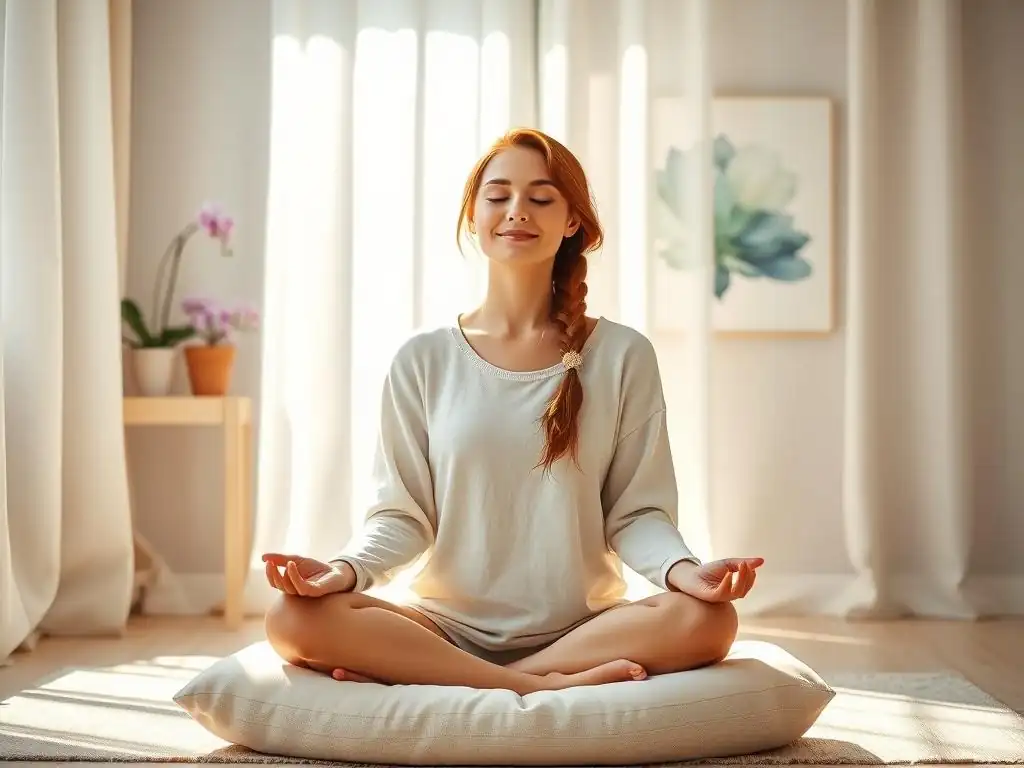
Welcome to Mind Care Guide, a space dedicated to nurturing your mental well-being. Feeling overwhelmed or simply seeking a brighter outlook? You're not alone. Dive into our latest article where we explore how Meditation boost mood happiness, unlocking the potential for a more joyful and balanced you. Curious to discover the simple yet powerful techniques that can transform your day? Let's begin your journey to inner peace and lasting happiness...
- Cultivating Inner Peace: Meditation's Impact on Mental Well-being - A Mind Care Guide
- Meditation Techniques to Enhance Well-being and Foster Inner Peace
- The Benefits of Meditation for Sustained Mental Well-being and Emotional Resilience
- Integrating Meditation into Your Daily Life for Enhanced Well-being
- Addressing Challenges and Optimizing the Mental Well-being Effects of Meditation
- Meditation vs. Other Mental Well-being Practices: A Comparative Perspective
- Real-World Examples: Meditation's Positive Influence on Mental Well-being
- Resources for Further Learning About Meditation and Mental Well-being
-
Frequently Asked Questions
- How does meditation specifically contribute to boosting mood and happiness?
- What types of meditation are most effective for improving mood and happiness?
- How often should I meditate to experience a noticeable boost in mood and happiness?
- Are there any potential downsides or challenges to using meditation for mood enhancement?
- Where can I find reliable resources and support for learning and practicing meditation for mental well-being?
- Final Reflection: Cultivating Inner Peace for a Happier You
- Unleash Your Inner Calm: Start Your Meditation Journey Today!
Cultivating Inner Peace: Meditation's Impact on Mental Well-being - A Mind Care Guide
Exploring the Neuroscience Behind Meditation and Emotional Regulation
Meditation, a practice rooted in ancient traditions, has gained significant traction in modern science for its profound effects on the brain, particularly in areas associated with emotional regulation and stress response. Neuroscientific studies utilizing fMRI scans have shown that regular meditation can lead to structural and functional changes in the brain. For instance, research indicates a reduction in the size and activity of the amygdala, the brain region primarily responsible for processing fear and stress responses. This reduction in amygdala activity helps individuals react less intensely to stressors, fostering a greater sense of calm and resilience.
Furthermore, meditation practice has been linked to increased grey matter density in areas of the brain crucial for self-awareness, compassion, and introspection, such as the prefrontal cortex and the insula. The prefrontal cortex, specifically, is involved in executive functions like decision-making, attention, and emotional regulation. Strengthening this area through meditation can enhance one's ability to manage difficult emotions more effectively and make more conscious responses rather than reactive ones. This neurological shift contributes significantly to the Meditation boost mood happiness effect, allowing individuals to experience less emotional volatility and a more stable, positive state of mind.
How Meditation Influences Brain Activity for Improved Mental Health
Beyond structural changes, meditation directly impacts brainwave patterns and neural connectivity, influencing mood and overall mental health. Studies have observed shifts from beta waves (associated with active, often anxious thinking) towards alpha and theta waves during meditation, indicative of a more relaxed yet alert state. This shift promotes a sense of tranquility and mental clarity. Additionally, research suggests that meditation strengthens the connectivity between the prefrontal cortex and other brain regions, such as the limbic system (involved in emotions).
This enhanced connectivity allows for better top-down regulation of emotional responses, meaning the rational, executive part of the brain gains more influence over impulsive emotional reactions. For someone struggling with anxiety or depression, this can be transformative, helping to break cycles of negative rumination. Regular meditation practice essentially trains the brain to be less reactive to negative stimuli and more receptive to positive experiences, directly supporting how Meditation boost mood happiness by fostering a more positive cognitive bias and emotional landscape.
Meditation Techniques to Enhance Well-being and Foster Inner Peace
Breath Awareness Meditation for Stress Reduction and Calm
Breath awareness meditation is one of the most accessible and fundamental techniques, focusing simply on the sensation of breathing. The core practice involves finding a comfortable posture and gently bringing your attention to the natural rhythm of your breath – the inhale, the exhale, the slight pause between. When the mind inevitably wanders (which it will), the practice is simply to notice the thought without judgment and gently guide the attention back to the breath. This repetitive act of returning to the breath trains the mind to become less attached to distracting thoughts, particularly those fueling stress and anxiety.
This technique is highly effective because the breath is intimately connected to the nervous system. Slowing and regulating the breath through mindful awareness can directly activate the parasympathetic nervous system, counteracting the "fight or flight" response. Just a few minutes of focused breath awareness can lower heart rate, reduce muscle tension, and create an immediate sense of calm. Consistent practice over time builds a greater capacity to remain grounded and centered, even amidst challenging circumstances, making it a powerful tool for stress reduction and contributing to overall Meditation boost mood happiness.
Body Scan Meditation: Cultivating Present Moment Awareness and Relaxation
Body scan meditation involves systematically bringing mindful attention to different parts of the body, noticing physical sensations without judgment. Starting typically from the toes and moving up through the legs, torso, arms, neck, and head, the practitioner observes feelings like warmth, tingling, pressure, or absence of sensation. The goal is not to change anything, but simply to acknowledge what is present in the moment. This practice helps to anchor awareness in the physical body, pulling the mind away from worries about the past or future.
Beyond cultivating present moment awareness, the body scan is a powerful tool for identifying and releasing physical tension that often accompanies stress and emotional distress. By mindfully observing areas of tightness, individuals can learn to consciously relax those muscles. This technique can be particularly helpful for those who tend to intellectualize their stress; it brings awareness to the physical manifestation of their mental state. Regular body scanning fosters a deeper connection with one's physical self and promotes profound relaxation, significantly aiding in stress reduction and contributing to the positive effects of Meditation boost mood happiness.
Visualization Meditation for Emotional Balance and Positive Self-Image
Visualization meditation involves creating mental images or scenes to evoke specific feelings or states of being. This can range from picturing a peaceful place, like a serene beach or a quiet forest, to visualizing oneself successfully navigating a challenging situation or embodying desired qualities like confidence or compassion. The key is to engage the senses within the visualization – not just seeing, but feeling the warmth of the sun, hearing the sounds, smelling the air.
By intentionally focusing on positive imagery and associated feelings, visualization can help shift emotional states and counteract negative thought patterns. For example, visualizing a peaceful scene can trigger relaxation responses in the body, while visualizing success can build self-efficacy and optimism. This technique leverages the mind's powerful ability to influence the body and emotions. Practicing visualization regularly can help cultivate a more positive mindset, improve self-esteem, and foster emotional balance, directly contributing to how Meditation boost mood happiness by actively shaping one's internal experience.
The Benefits of Meditation for Sustained Mental Well-being and Emotional Resilience

Managing Stress and Anxiety Through Consistent Meditation
Consistent meditation practice is a cornerstone for effectively managing stress and anxiety in the long term. While short-term practice can provide immediate relief, regular engagement builds resilience. Research has demonstrated that individuals who meditate regularly experience lower levels of stress hormones like cortisol. For instance, studies have shown reductions in cortisol levels by 10-15% in experienced meditators compared to non-meditators under stress. This physiological change contributes significantly to a reduced overall stress burden.
Moreover, consistent meditation trains the mind to observe stressful thoughts and feelings without getting overwhelmed by them. Instead of being swept away by anxious rumination, the meditator learns to recognize these thoughts as temporary mental events, separate from their core self. This detachment provides a crucial buffer, allowing individuals to respond to stressors more calmly and thoughtfully. Over time, this leads to a sustained reduction in general anxiety levels and an increased capacity to navigate life's challenges with greater ease, reinforcing how Meditation boost mood happiness by mitigating the debilitating effects of chronic stress.
Meditation for Enhanced Self-Awareness and Emotional Intelligence
Meditation is a powerful vehicle for cultivating self-awareness, the ability to recognize and understand one's own emotions, thoughts, and values. Through practices like mindful observation, individuals become more attuned to their internal landscape. They begin to notice patterns in their thinking, triggers for certain emotions, and habitual reactions. This heightened awareness is the first step towards gaining control over one's inner world rather than being controlled by it.
Enhanced self-awareness directly contributes to improved emotional intelligence – the capacity to understand and manage one's own emotions and recognize and influence the emotions of others. By becoming more familiar with their own emotional states through meditation, individuals become better equipped to identify and empathize with the feelings of others. This not only improves interpersonal relationships but also enhances one's ability to navigate social situations and make more considered responses, fostering a greater sense of connection and contributing to overall well-being and happiness. The self-understanding gained through meditation is fundamental to the Meditation boost mood happiness effect.
Improving Sleep Quality with Meditation: A Foundation for Mental Health
Sleep is critically important for mental health, and meditation has been shown to significantly improve sleep quality. Many individuals struggling with anxiety or stress also experience insomnia or disrupted sleep patterns. The racing thoughts and physical tension associated with these states make it difficult to fall asleep and stay asleep. Meditation techniques, particularly those focused on relaxation and breath awareness, can calm the nervous system and quiet the mind, creating a more conducive state for sleep.
Specific practices like body scan meditation or guided relaxation before bedtime can help release accumulated physical and mental tension, making it easier to drift off. Studies have shown that regular meditation can reduce sleep disturbances and increase total sleep time. For example, one study found that mindfulness meditation improved sleep quality and reduced insomnia symptoms in older adults. Better sleep, in turn, has a cascading positive effect on mood, cognitive function, and emotional resilience, providing a vital foundation upon which other benefits of Meditation boost mood happiness can thrive.
Integrating Meditation into Your Daily Life for Enhanced Well-being
Establishing a Consistent Meditation Practice and Environment
Consistency is more important than duration when it comes to reaping the benefits of meditation for mental well-being. Aim for a regular time each day, even if it's just 5-10 minutes initially. Choose a time that works best for you – perhaps first thing in the morning to set a positive tone for the day, during a lunch break to reset, or before bed to unwind. Establishing a routine helps turn meditation from a chore into a habit.
Creating a dedicated space, even a small corner, can also support consistency. This space doesn't need to be elaborate; it just needs to be relatively quiet and free from distractions. Having a comfortable cushion or chair and perhaps a few calming elements like a candle or plant can make the space feel more inviting and signal to your mind that it's time to practice. Over time, this consistent practice in a dedicated space helps solidify meditation as a regular part of your self-care routine, essential for experiencing how Meditation boost mood happiness over the long haul.
Simple Meditation Techniques for Beginners to Promote Mental Calm
Starting meditation doesn't require complex techniques or hours of practice. Beginners can start with very simple methods. One easy approach is 1-minute mindful breathing: simply set a timer for 60 seconds and focus entirely on the sensation of one breath after another. Another is mindful walking: pay attention to the feeling of your feet on the ground, the movement of your legs, and the rhythm of your steps as you walk.
Another accessible technique is focusing on a single object, like a candle flame or a stone, simply observing its details without getting lost in thought. The key is gentle focus and non-judgment. When the mind wanders, which it will constantly, simply notice without frustration and gently guide your attention back to the chosen anchor (breath, body, object). Starting small and keeping it simple makes meditation less intimidating and more sustainable for beginners seeking to experience how Meditation boost mood happiness.
Tracking Progress and Maintaining Consistency in Your Meditation Journey
Maintaining consistency in meditation, like any new habit, can be challenging. Tracking your progress can provide motivation and insight. This doesn't need to be complicated; a simple journal or a meditation app can help you log your sessions. Note the date, duration, and perhaps a brief reflection on how the practice felt or any insights gained. This record can help you see your progress over time, noticing shifts in your ability to focus or manage emotions.
Don't be discouraged by missed days or sessions where your mind felt particularly restless. View these as part of the process. If you miss a day, simply start again the next. Reflecting on challenges can also help you adjust your approach – maybe you need to change the time of day, the location, or the duration of your practice. Celebrating small wins, like completing a week of consistent practice, can also help maintain motivation and reinforce the positive impact of meditation on your well-being.
- Task: Log meditation sessions daily.
- Task: Reflect on practice experience weekly.
- Task: Adjust practice time or location if needed.
Addressing Challenges and Optimizing the Mental Well-being Effects of Meditation
It's common to encounter difficulties when starting or maintaining a meditation practice. One of the most frequent challenges is a restless or "busy" mind. Beginners often feel they are "failing" because their mind is full of thoughts. However, noticing thoughts is not a failure; it is the practice itself – recognizing where the mind has gone and gently bringing it back. It's like training a puppy; it will wander, and your job is to patiently guide it back.
Another challenge can be physical discomfort, whether it's aches from sitting or restlessness in the body. Experimenting with different postures, using cushions for support, or trying walking meditation can help. Impatience or the expectation of immediate results can also be a hurdle. Meditation is a cumulative practice; the benefits, particularly the deeper effects on mood and resilience, unfold over time. Approaching the practice with self-compassion and patience is key to overcoming these common obstacles and allowing Meditation boost mood happiness to become a sustained experience.
Strategies for Deepening Your Meditation Practice for Enhanced Mental Clarity
Once you've established a consistent basic practice, there are strategies to deepen your experience and enhance mental clarity. Extending the duration of your sessions gradually can be beneficial – perhaps increasing from 10 to 15 or 20 minutes. Exploring different types of meditation, beyond basic breath awareness, can also offer new perspectives and benefits. For example, metta (loving-kindness) meditation can cultivate compassion and positive emotions, directly impacting mood.
Integrating mindfulness into daily activities outside of formal sitting practice can also deepen its impact. Paying full attention while eating, walking, or doing chores trains the mind to be present throughout the day, not just during meditation sessions. Seeking guidance from experienced teachers, whether through classes, retreats, or online resources, can provide valuable insights and support for navigating challenges and refining your technique. These steps help solidify the foundation for profound mental clarity and reinforce how Meditation boost mood happiness on a deeper level.
Block Quote Example:
<q>The purpose of meditation is not to stop thinking, but to notice our thoughts without judgment, creating space between us and our reactions.</q> - A common meditation teaching.
Progressive Muscle Relaxation Meditation for Anxiety and Tension Relief
Progressive Muscle Relaxation (PMR) is a technique often used alongside or integrated with meditation, specifically targeting physical tension which is closely linked to anxiety. This practice involves systematically tensing and then releasing different muscle groups in the body. Starting from the toes and moving up, you might tense the muscles in your feet tightly for a few seconds, then consciously release the tension, noticing the difference between the tense and relaxed states.
By bringing deliberate awareness to physical tension and actively releasing it, PMR helps individuals become more aware of where they hold stress in their bodies and provides a method for letting go. This physical release has a direct calming effect on the mind, reducing feelings of anxiety and promoting a state of relaxation. Practicing PMR regularly can improve body awareness, reduce chronic muscle tension, and serve as an effective tool for managing acute anxiety, complementing the mental benefits of other meditation forms and enhancing the overall Meditation boost mood happiness effect.
Meditation vs. Other Mental Well-being Practices: A Comparative Perspective
Meditation and Mindfulness: Synergistic Approaches to Mental Health
While often used interchangeably, mindfulness is essentially the quality of being present and aware, while meditation is a set of practices that cultivate mindfulness. Meditation techniques like breath awareness or body scan are formal ways to train the mind to be mindful. However, mindfulness can also be practiced informally throughout the day – by paying attention while brushing your teeth, listening fully to a conversation, or savoring a meal.
Meditation and mindfulness are highly synergistic in promoting mental health. Formal meditation practice builds the foundational capacity for focused attention and non-judgmental awareness. This capacity then makes it easier to bring mindfulness into daily life, allowing individuals to navigate challenging situations with greater presence and less reactivity. Integrating both formal meditation sessions and informal mindfulness throughout the day provides a comprehensive approach to mental well-being, amplifying the positive influence of Meditation boost mood happiness by extending its principles beyond the cushion.
Meditation and Cognitive Behavioral Therapy: Integrating Techniques for Optimal Outcomes
Cognitive Behavioral Therapy (CBT) is a widely used therapeutic approach that focuses on identifying and changing negative thought patterns and behaviors that contribute to mental health issues like depression and anxiety. While CBT works directly with the content of thoughts, meditation often focuses on changing one's relationship to thoughts – observing them without necessarily engaging with or trying to change their content initially.
Integrating meditation and CBT can offer a powerful combined approach. Meditation can help individuals develop the self-awareness needed to identify their negative thought patterns (a key step in CBT) and cultivate the emotional regulation skills to pause before reacting to them. Conversely, CBT can provide specific strategies for challenging and restructuring those negative thoughts once they are identified through mindful awareness.
This combination leverages the strengths of both approaches, offering a robust pathway to improved mental well-being and leveraging the insights gained from meditation to enhance therapeutic outcomes. For individuals seeking comprehensive strategies, this integrated approach can significantly amplify how Meditation boost mood happiness and overall resilience.
Real-World Examples: Meditation's Positive Influence on Mental Well-being
Meditation for Managing PTSD Symptoms
Meditation, particularly Mindfulness-Based Stress Reduction (MBSR) and Trauma-Sensitive Mindfulness, has shown promise in helping individuals manage symptoms of Post-Traumatic Stress Disorder (PTSD). PTSD can involve intrusive thoughts, hyperarousal, anxiety, and difficulty with emotional regulation. Traditional treatments are effective, but complementary practices like meditation can offer additional support.
Mindfulness helps individuals with PTSD develop the capacity to observe distressing thoughts and memories without being overwhelmed or re-traumatized by them. By focusing on the present moment through breath or body sensations, they can find moments of grounding and safety amidst internal turmoil. While not a standalone cure, studies have shown that regular meditation can lead to reductions in symptom severity, including decreased anxiety and avoidance behaviors, improving overall quality of life. This demonstrates a significant real-world application of how Meditation boost mood happiness and emotional stability even in the context of severe trauma.
Meditation for Enhancing Focus and Reducing Stress in Students
Students often face significant academic pressure, leading to stress, anxiety, and difficulty concentrating. Meditation practices offer practical tools to address these challenges. Simple techniques like mindful breathing or short body scans before studying or exams can help calm exam nerves and improve focus.
Research conducted in educational settings has indicated that students who participate in mindfulness or meditation programs report lower stress levels and improved attention spans. For example, some studies show improvements in test performance and reduced self-reported stress among students practicing meditation regularly. By training the mind to stay present and less distracted by worries, meditation helps students manage academic stress more effectively and enhances their cognitive performance, clearly illustrating how Meditation boost mood happiness and academic success go hand-in-hand.
Resources for Further Learning About Meditation and Mental Well-being
Recommended Books and Apps for Meditation and Mental Health
For those interested in delving deeper into meditation and its impact on mental health, numerous resources are available. Books offer comprehensive guidance and explore the philosophy and practice in detail. Titles like "Wherever You Go, There You Are" by Jon Kabat-Zinn or "10% Happier" by Dan Harris provide accessible introductions and practical advice. These resources can illuminate the path towards incorporating meditation into daily life and understanding its benefits.
Meditation apps have become incredibly popular tools for guided practice, offering sessions of varying lengths and focusing on different goals, such as stress reduction, sleep, or focus. Apps like Calm, Headspace, or Insight Timer provide structured courses, guided meditations, and tracking features that can support a consistent practice. While not a substitute for professional help when needed, these books and apps can serve as valuable entry points and ongoing aids in your journey towards using Meditation boost mood happiness and cultivate inner peace.
Online Resources and Communities for Meditation Support
The internet offers a wealth of resources for learning about and practicing meditation. Many reputable organizations dedicated to mindfulness and meditation provide free articles, videos, and guided practices on their websites. These platforms often cover various techniques, address common questions, and offer insights into the science behind meditation.
Joining online communities or forums focused on meditation can also provide valuable support. Connecting with others who are also practicing can offer encouragement, shared experiences, and a sense of accountability. While engaging online, it's important to seek out communities associated with established meditation centers or teachers to ensure the information and support are grounded in sound principles. These online resources and communities help make meditation accessible and provide ongoing support for individuals committed to using Meditation boost mood happiness and improve their mental well-being.
Frequently Asked Questions
How does meditation specifically contribute to boosting mood and happiness?
Meditation helps by reducing stress hormones like cortisol and increasing neurotransmitters associated with well-being, such as serotonin and dopamine. This shift in brain chemistry naturally leads to a more positive emotional state.
What types of meditation are most effective for improving mood and happiness?
While many types can help, mindfulness meditation and loving-kindness meditation are particularly effective. Mindfulness fosters awareness of present moment experiences, while loving-kindness cultivates feelings of compassion and positivity.
How often should I meditate to experience a noticeable boost in mood and happiness?
Consistency is key. Aim for at least 10-15 minutes of meditation several times a week. Even short, regular sessions can have a significant impact on your overall mood and sense of happiness.
Are there any potential downsides or challenges to using meditation for mood enhancement?
While generally safe, some individuals may experience increased anxiety initially, especially when confronting difficult emotions. It's important to start slowly and consider seeking guidance from a qualified meditation teacher if needed.
Where can I find reliable resources and support for learning and practicing meditation for mental well-being?
Mind Care Guide offers a comprehensive collection of articles, tips, and guided meditations. You can also explore resources from reputable mental health organizations and meditation centers.
Final Reflection: Cultivating Inner Peace for a Happier You
The pursuit of happiness is a universal human desire, and the simple practice of meditation offers a powerful, accessible pathway to achieving a more consistently positive and fulfilling life. In a world increasingly characterized by stress and anxiety, the ability to cultivate inner peace is not a luxury, but a vital skill for navigating modern challenges and thriving amidst adversity. The evidence presented throughout this article strongly suggests that incorporating even short periods of daily meditation can significantly impact our mood and overall sense of well-being.
The transformative power of meditation extends far beyond the individual; its ripple effect touches our relationships, our communities, and ultimately, the collective human experience. The ability to manage our emotions and cultivate a sense of calm radiates outwards, influencing how we interact with the world and those around us. As the Dalai Lama wisely stated, The time to repair the roof is when the sun is shining.
This perfectly encapsulates the proactive and preventative nature of meditation – building resilience and emotional strength before life's inevitable storms arrive.
Now, consider your own life. What small step can you take today to incorporate the benefits of meditation into your daily routine? Perhaps it's just five minutes of quiet reflection before bed, or a guided meditation app during your lunch break. Don't underestimate the power of even these small acts of self-care. By prioritizing your mental and emotional well-being through mindful practices like meditation, you are not only investing in your own happiness, but also cultivating a more peaceful and compassionate world, one mindful breath at a time.
Unleash Your Inner Calm: Start Your Meditation Journey Today!
Thanks for taking the time to explore the powerful connection between meditation and happiness. We hope you've gained valuable insights into how this practice can transform your well-being. Now it's time to put your knowledge into action!
- Begin your daily meditation practice: Even 5 minutes a day can make a significant difference. Find a quiet space, close your eyes, and focus on your breath. Start small and build consistency.
- Share your experience: Let your friends and family know about the positive impact of meditation. Inspire others to discover the joy of inner peace.
- Explore different meditation techniques: There's a style for everyone! Experiment with guided meditations, mindfulness exercises, or even mindful movement to discover what resonates most with you.
Ready to cultivate a more joyful and peaceful you? What simple step will you take today to prioritize your inner calm?