
EcoAnxiety: More Than Just Worry – Recognizing the Deeper Impact


Welcome to Mind Care Guide, a safe space for your mental well-being.
Feeling overwhelmed by the state of our planet? You're not alone. Many are experiencing Ecoanxiety, a very real and impactful feeling. This article delves into Ecoanxiety coping strategies resources, offering practical guidance to navigate these complex emotions. Discover how to transform your worry into positive action and reclaim your inner peace. Let's explore this emerging mental health issue together and find pathways to resilience.
Eco-Anxiety: Recognizing and Addressing Climate-Related Distress
- Understanding Eco-Anxiety: Defining Climate Change Distress
- The Psychological Impact of Climate Change Distress
- Identifying the Root Causes of Eco-Anxiety
- Eco-Anxiety Coping Strategies: Resources and Techniques for Managing Climate Distress
- Resources for Eco-Anxiety Support and Management
- Supporting Young People Experiencing Climate Change Anxiety
- Long-Term Strategies for Addressing Eco-Anxiety
- Cultivating Hope and Meaning in the Context of Climate Change
-
Frequently Asked Questions
- How does EcoAnxiety differ from regular worry or concern about the environment?
- What are some common symptoms of EcoAnxiety that I should be aware of?
- Where can I find Ecoanxiety coping strategies resources to help manage my feelings?
- What are some practical steps I can take to reduce my EcoAnxiety on a daily basis?
- How can I differentiate between healthy concern for the environment and EcoAnxiety that might require professional help?
- Final Reflection: Embracing Hope in the Face of Eco-Anxiety
- Unleash Your Eco-Action Plan: Take Charge of Your Future
Understanding Eco-Anxiety: Defining Climate Change Distress
What is Eco-Anxiety and How Does it Relate to Mental Well-being?
Eco-anxiety is broadly defined as chronic fear of environmental doom. It's a form of psychological distress related to observing or learning about the negative impacts of climate change and other environmental issues, such as biodiversity loss, pollution, and natural disasters. Unlike general worry about the future, eco-anxiety is specifically tied to concerns about the health of the planet and humanity's role in its degradation.
This distress can manifest in various ways, impacting an individual's emotional state, thought patterns, and daily behaviors, significantly affecting their overall mental well-being. It reflects a growing awareness of the scale and urgency of ecological threats, leading to feelings of helplessness, grief, and fear for the future.
Research indicates a significant prevalence of eco-anxiety, particularly among younger generations who anticipate living through the worst effects of climate change. A 2021 survey published in The Lancet Planetary Health, involving 10,000 young people across ten countries, found that 59% were very or extremely worried about climate change, and 84% were at least moderately worried. Furthermore, 45% reported that their feelings about climate change negatively affected their daily life and functioning. This highlights that eco-anxiety is not merely an abstract concern but a tangible mental health issue requiring attention and effective ecoanxiety coping strategies resources.
Distinguishing Eco-Anxiety from General Environmental Awareness
While general environmental awareness involves understanding ecological issues and perhaps feeling a sense of responsibility, eco-anxiety represents a deeper, more pervasive emotional and psychological response. Environmental awareness might motivate action or concern, but it typically doesn't disrupt daily functioning or cause significant personal distress. For example, someone might be aware of plastic pollution and choose to recycle more, feeling satisfied with their contribution. This is environmental awareness.
Eco-anxiety, conversely, involves intense worry, fear, or even panic attacks triggered by thoughts of climate change. It can lead to avoidance behaviors (like not watching climate news), sleep disturbances, or feelings of despair that make it hard to engage with life. The key difference lies in the level of distress and functional impairment. Eco-anxiety moves beyond intellectual understanding or moderate concern into a realm where the threat feels overwhelming and personally impacting, necessitating specific ecoanxiety coping strategies resources to manage the emotional burden.
The Psychological Impact of Climate Change Distress
Exploring the Symptoms of Eco-Anxiety: Emotional, Cognitive, and Behavioral Manifestations
The symptoms of eco-anxiety are diverse and can affect multiple aspects of an individual's life. Emotionally, people may experience persistent feelings of sadness, grief (often termed 'eco-grief' or 'solastalgia' for the loss of a sense of place), anger, guilt, shame, and profound helplessness. These feelings can range from mild unease to debilitating despair. Cognitively, symptoms include obsessive thoughts about climate change, difficulty concentrating on other tasks, catastrophic thinking about the future, and a sense of existential dread. Individuals might constantly monitor environmental news, leading to information overload and heightened anxiety.
Behaviorally, eco-anxiety can manifest as changes in lifestyle aimed at reducing one's carbon footprint, which can be positive, but also as avoidance behaviors, such as withdrawing from social situations or refusing to discuss climate change to escape distress. Some individuals might experience physical symptoms akin to other anxiety disorders, including restlessness, fatigue, difficulty sleeping, or even panic attacks when confronted with climate-related information. Recognizing these varied manifestations is the first step in seeking effective ecoanxiety coping strategies resources.
How Climate Change Information and Events Trigger Eco-Anxiety
Exposure to information and real-world events related to climate change serves as a primary trigger for eco-anxiety. News reports detailing rising global temperatures, melting ice caps, or species extinction can induce significant distress. Witnessing or experiencing extreme weather events, such as prolonged heatwaves, devastating floods, or intense wildfires, can be particularly traumatic, creating a direct, visceral connection to the impacts of climate change. For instance, residents of areas repeatedly hit by hurricanes or wildfires often report heightened levels of anxiety and trauma symptoms directly linked to these environmental disasters.
Furthermore, the constant stream of information available through social media and 24/7 news cycles means individuals are frequently confronted with alarming data and predictions, making it difficult to escape the perceived threat. This perpetual exposure, often without accompanying narratives of hope or solutions, can create a sense of impending doom and powerlessness, intensifying feelings of eco-anxiety. Understanding these triggers is crucial for developing effective ecoanxiety coping strategies resources.
The Interplay Between Eco-Anxiety and Existing Mental Health Challenges
Eco-anxiety does not exist in isolation; it frequently interacts with and can exacerbate pre-existing mental health conditions. Individuals already managing anxiety disorders, depression, or obsessive-compulsive disorder (OCD) may find that climate concerns amplify their existing symptoms. For example, someone with generalized anxiety might find their worries fixated on climate catastrophes, while someone with OCD might develop compulsions related to reducing their environmental impact.
Conversely, existing mental health challenges can make individuals more vulnerable to experiencing severe eco-anxiety. Those with a history of trauma might be particularly sensitive to the threat posed by climate change, which can feel like a global, uncontrollable trauma. Recognizing this interplay is vital for mental health professionals and individuals alike when developing tailored ecoanxiety coping strategies resources that address both the climate-specific distress and underlying conditions.
Identifying the Root Causes of Eco-Anxiety
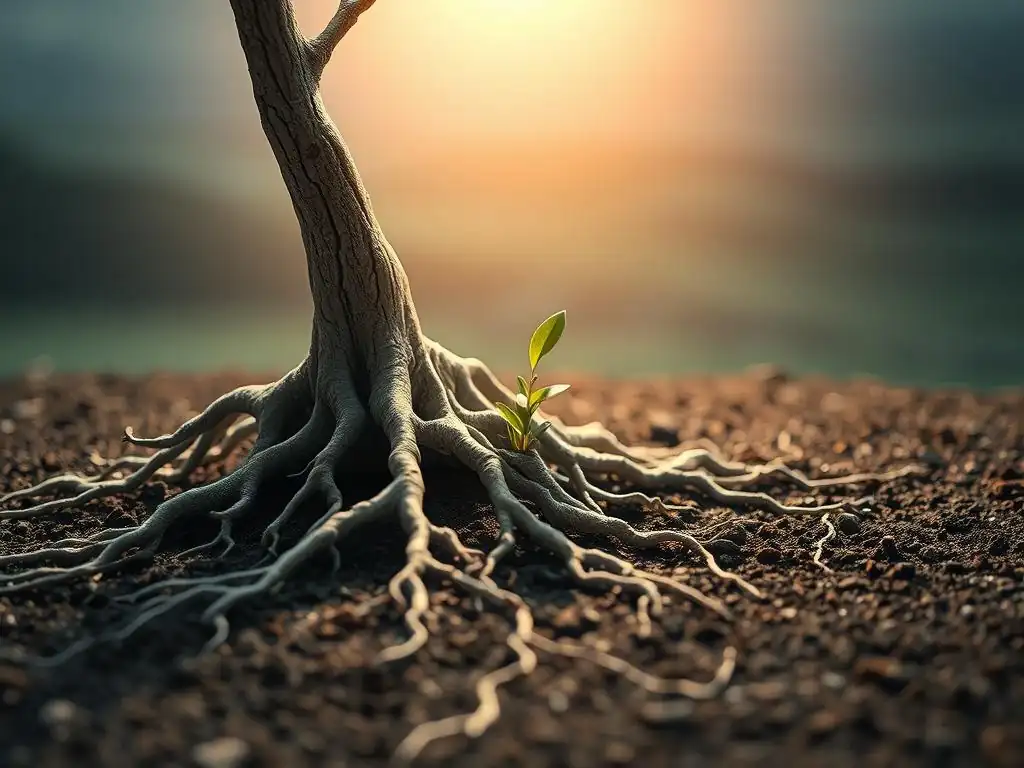
Personal Experiences and Their Role in Shaping Climate Concerns
Personal experiences with environmental changes or disasters play a significant role in shaping the intensity of eco-anxiety. Growing up in an area prone to droughts, experiencing the loss of a home due to wildfires, or witnessing the degradation of a beloved natural space can transform abstract worries about climate change into deeply personal and emotionally charged concerns. These direct encounters create a heightened sense of vulnerability and immediacy regarding environmental threats.
For example, studies among populations affected by Superstorm Sandy or Hurricane Katrina showed increased rates of anxiety, depression, and PTSD years after the events. While not always explicitly labeled "eco-anxiety," this trauma is intrinsically linked to climate-related disasters and fuels a fear of future occurrences. These personal connections underscore why generic advice is often insufficient and highlight the need for personalized ecoanxiety coping strategies resources.
The Influence of Media Exposure and Information Overload on Eco-Anxiety
The way climate change is portrayed in the media profoundly influences public perception and anxiety levels. Sensationalized headlines, apocalyptic narratives, and a constant focus on negative impacts without balancing stories of progress or solutions can contribute to feelings of hopelessness and overwhelm. The sheer volume of information, often conflicting or difficult to verify, creates a state of information overload, making it hard for individuals to process the issue constructively.
Social media platforms further amplify this effect, creating echo chambers where alarming information spreads rapidly and unchallenged. The constant exposure to worst-case scenarios, often presented without context or nuance, can make the threat feel more immediate and insurmountable than it might be, contributing significantly to eco-anxiety. Navigating this information landscape is a key challenge addressed by effective ecoanxiety coping strategies resources.
Systemic and Socio-Political Factors Contributing to Eco-Anxiety
Beyond personal experiences and media, systemic and socio-political factors are fundamental contributors to eco-anxiety. Feelings of powerlessness often stem from perceiving a lack of effective action from governments and corporations to address climate change on the necessary scale. Observing political inaction, corporate lobbying against environmental regulations, or the slow pace of international agreements can lead to frustration, anger, and despair about the future.
Moreover, the unequal distribution of climate impacts, where marginalized communities often bear the brunt of environmental degradation and disasters, can create feelings of injustice and moral distress among those who are more privileged but aware of the inequities. This awareness of systemic failures and injustices adds another layer to eco-anxiety, highlighting the need for ecoanxiety coping strategies resources that acknowledge these broader societal dimensions.
Eco-Anxiety Coping Strategies: Resources and Techniques for Managing Climate Distress
Practical Coping Mechanisms for Eco-Anxiety: A Comprehensive Guide
Managing eco-anxiety involves a combination of internal psychological techniques and external action. Effective ecoanxiety coping strategies resources focus on building resilience and reducing the overwhelming feelings associated with climate concerns. It's not about ignoring the problem, but about finding healthy ways to process the emotions and engage constructively. A multi-faceted approach is often most effective.
These strategies range from immediate techniques to calm the nervous system to longer-term approaches that foster a sense of purpose and agency. Finding the right mix of strategies is a personal journey, and exploring different ecoanxiety coping strategies resources can help individuals discover what works best for them in navigating their climate distress.
Mindfulness and Grounding Techniques for Anxiety Reduction
Mindfulness practices can be powerful tools for managing the immediate symptoms of eco-anxiety. Techniques such as deep breathing, meditation, and body scans help bring awareness to the present moment, interrupting the cycle of anxious thoughts about the future. For example, practicing mindful breathing for just a few minutes can lower heart rate and calm the nervous system during moments of heightened worry triggered by climate news.
Grounding techniques help anchor an individual in the present reality when feeling overwhelmed. Simple exercises like the "5-4-3-2-1" method (identifying 5 things you see, 4 things you can touch, 3 things you can hear, 2 things you can smell, and 1 thing you can taste) can pull someone out of catastrophic thinking and back into their immediate environment. These techniques are fundamental ecoanxiety coping strategies resources for managing acute distress.
Action-Oriented Strategies: Engaging in Meaningful Climate Action
Taking action, no matter how small, can significantly reduce feelings of helplessness and build a sense of agency. Engaging in climate-friendly behaviors, such as reducing energy consumption, supporting local sustainable businesses, or participating in community clean-up efforts, provides a tangible way to contribute to solutions. Joining local environmental groups or advocating for policy change can channel anxiety into positive, collective action.
Even small steps, like starting a compost pile or choosing public transport, can provide a sense of control and purpose. Research suggests that active participation in environmental initiatives can reduce feelings of despair and increase hope. Finding avenues for meaningful action is a key component of effective ecoanxiety coping strategies resources.
Seeking Support: Connecting with Community and Shared Experiences
Connecting with others who share similar concerns can alleviate feelings of isolation and validate one's emotions. Talking about eco-anxiety with friends, family, or support groups creates a space for shared understanding and mutual support. Hearing that others experience similar fears can normalize the feelings and reduce shame.
Joining climate action groups or online communities focused on eco-anxiety provides opportunities to connect with like-minded individuals, share coping strategies, and work together towards solutions. This sense of community and shared purpose is a vital part of building resilience and accessing collective ecoanxiety coping strategies resources.
Building Resilience Against Climate Change Distress
Resilience against climate change distress involves developing psychological strength and flexibility to navigate the challenges posed by environmental threats. It's about cultivating an inner capacity to cope with uncertainty and maintain hope, rather than succumbing to despair. Building resilience is a long-term process that complements immediate coping techniques.
Developing resilience involves shifting perspectives, empowering oneself, and focusing on achievable progress. These elements work together to foster a more adaptive response to climate concerns, making them essential ecoanxiety coping strategies resources.
Cognitive Reframing: Challenging Unhelpful Thoughts About the Future
Cognitive reframing involves identifying and challenging negative or catastrophic thought patterns related to climate change. Instead of dwelling on worst-case scenarios, individuals can learn to consider alternative perspectives or focus on aspects within their control. For example, reframing the thought "We are doomed" to "The situation is serious, but there are actions we can take, and many people are working towards solutions" can reduce feelings of hopelessness.
This doesn't mean denying the severity of the crisis, but rather finding a more balanced and constructive way of thinking about it. Learning to differentiate between realistic concerns and anxious rumination is a key skill in building psychological resilience and is a core element of many ecoanxiety coping strategies resources.
Cultivating a Sense of Agency and Personal Empowerment
Cultivating a sense of agency involves believing in one's ability to make a difference, even in the face of large-scale problems. This is closely linked to taking action but also involves an internal shift in mindset. Recognizing that individual choices and collective efforts contribute to the larger picture, however small, can combat feelings of powerlessness.
Focusing on what can be done, rather than what cannot, empowers individuals. This might involve making personal lifestyle changes, participating in local politics, or supporting organizations working on climate solutions. Fostering this belief in one's capacity to act is a critical component of building resilience through effective ecoanxiety coping strategies resources.
Focusing on Achievable Goals and Incremental Progress
Addressing a problem as vast as climate change can feel overwhelming. Breaking down the challenge into smaller, achievable goals can make it feel less daunting and foster a sense of progress. This could involve setting personal goals for reducing waste, participating in a specific local environmental campaign, or dedicating a certain amount of time each week to climate action.
Celebrating small victories and acknowledging incremental progress in both personal efforts and the broader climate movement helps maintain motivation and hope. Focusing on what has been achieved and the steps being taken, rather than solely on the remaining challenges, is a vital resilience-building practice and a practical application of ecoanxiety coping strategies resources.
Resources for Eco-Anxiety Support and Management
Numerous online platforms and social media groups have emerged as valuable ecoanxiety coping strategies resources. These communities provide a space for individuals experiencing climate distress to connect, share their feelings, and offer mutual support. Examples include Facebook groups, online forums, and dedicated websites focused on climate psychology and emotional support.
These platforms often facilitate discussions about coping mechanisms, share information about climate action, and organize virtual or in-person meetups. While not a substitute for professional help, they offer a sense of belonging and validation, which can be incredibly helpful in managing feelings of isolation associated with eco-anxiety.
Mental Health Professionals with Expertise in Eco-Anxiety
Seeking support from mental health professionals who understand eco-anxiety is a crucial resource. Therapists specializing in climate-aware therapy or environmental psychology can provide tailored support and guidance. They can help individuals process complex emotions like grief and fear, develop coping strategies, and integrate their climate concerns into their overall mental health framework.
While not all therapists explicitly market themselves as eco-anxiety specialists, many are becoming more aware of this issue and integrating it into their practice. Looking for therapists with experience in anxiety, trauma, or grief can also be beneficial, as they possess skills transferable to addressing climate distress. Consulting with a professional is one of the most effective ecoanxiety coping strategies resources available.
Books, Articles, and Reputable Websites Offering Guidance on Coping with Eco-Anxiety
A wealth of information and guidance is available through books, articles, and reputable websites dedicated to climate change and mental health. Publications by climate psychologists and environmental writers offer insights into the nature of eco-anxiety and practical strategies for coping. Many non-profit organizations focused on climate action or mental health also provide valuable online resources.
Examples include websites from organizations like the American Psychological Association's Climate Change Task Force, the Climate Psychology Alliance, or publications like "Active Hope" by Joanna Macy and Chris Johnstone. These resources offer psychoeducation, practical exercises, and perspectives that can empower individuals in managing their eco-anxiety and provide a broad range of ecoanxiety coping strategies resources.
Supporting Young People Experiencing Climate Change Anxiety

Communicating with Young People About Climate Change in an Accessible Way
Young people are particularly susceptible to eco-anxiety, given their future is most impacted by climate change. Communicating with them about this complex issue requires honesty, empathy, and age-appropriateness. Avoiding overly technical jargon or purely catastrophic narratives is essential. Instead, focus on facts presented clearly, acknowledge their feelings, and validate their concerns without minimizing the seriousness of the situation.
Encourage open dialogue and create a safe space for them to express their fears and questions. Sharing stories of both challenges and progress can provide a more balanced perspective. Empowering communication is a vital first step in providing young people with effective ecoanxiety coping strategies resources.
Empowering Youth to Participate and Contribute to Solutions
One of the most effective ways to support young people is by empowering them to take action and contribute to solutions. Providing opportunities for them to get involved in school environmental clubs, community projects, or youth climate movements can channel their anxiety into constructive engagement. This fosters a sense of agency and control over a situation that can otherwise feel overwhelming.
Supporting their initiatives, whether it's organizing a recycling program or participating in a climate strike, shows that their voices and actions matter. Feeling like they are part of the solution is a powerful antidote to the helplessness that often accompanies eco-anxiety, making empowerment a key ecoanxiety coping strategies resource for youth.
Nurturing Hope and Resilience for the Future
Cultivating hope is crucial when discussing climate change with young people. This doesn't mean offering false reassurances, but rather focusing on the potential for positive change and the many individuals and groups working towards a sustainable future. Highlight technological advancements, policy initiatives, and the growth of the global climate movement.
Help them develop resilience by teaching coping skills, encouraging healthy lifestyle habits, and fostering strong social connections. Emphasize that their generation has the power to shape the future and that collective action can make a significant difference. Nurturing this sense of possibility and resilience is fundamental to providing effective ecoanxiety coping strategies resources for young minds.
Long-Term Strategies for Addressing Eco-Anxiety
Advocacy and Collective Action: Channeling Anxiety into Positive Change
Transforming eco-anxiety into motivation for advocacy and collective action is a powerful long-term strategy. Engaging with political processes, supporting environmental legislation, and participating in peaceful protests or campaigns allows individuals to channel their distress into efforts aimed at systemic change. This shifts the focus from individual helplessness to collective power.
Joining or supporting organizations working on climate solutions amplifies individual efforts and fosters a sense of solidarity. Advocacy can take many forms, from contacting elected officials to participating in local planning meetings. This active engagement is not only a way to work towards solutions but also a significant component of long-term ecoanxiety coping strategies resources.
Embracing Sustainable Practices and Lifestyles
Adopting sustainable practices in daily life, such as reducing consumption, conserving energy, and supporting renewable resources, is another long-term strategy. While individual actions alone won't solve climate change, they contribute to the larger effort and provide a tangible way for individuals to align their values with their actions. This consistency can reduce feelings of guilt and helplessness.
Making conscious choices about transportation, diet, and purchasing can foster a sense of integrity and purpose. These lifestyle changes, when viewed as part of a broader movement, reinforce a commitment to a sustainable future and serve as practical, ongoing ecoanxiety coping strategies resources.
Promoting Mental Health Integration in Climate Action Initiatives
Integrating mental health considerations into climate action initiatives is essential for long-term well-being. This involves recognizing that addressing climate change is also a mental health issue and ensuring that support for climate-related distress is available within environmental organizations and movements. Creating supportive spaces within climate action groups can prevent burnout and foster sustained engagement.
Advocating for mental health support to be part of climate adaptation and disaster preparedness plans is also crucial. As climate impacts worsen, psychological support will be increasingly needed. Promoting this integration ensures that ecoanxiety coping strategies resources are widely accessible and considered a vital part of the response to the climate crisis.
Cultivating Hope and Meaning in the Context of Climate Change
Connecting with Nature and Finding Restoration in the Natural World
Spending time in nature has well-documented benefits for mental health, including reducing stress and anxiety. For those experiencing eco-anxiety, connecting with the natural world can be a source of solace, inspiration, and restoration. Engaging with nature, whether through hiking, gardening, or simply spending time in a park, can foster a deeper appreciation for the environment and provide a reminder of its beauty and resilience.
This connection can also reinforce the motivation to protect nature and provide moments of peace amidst the worry. Nature serves as a powerful, inherent resource for psychological well-being and is a fundamental element within ecoanxiety coping strategies resources.
Practicing Gratitude and Appreciating the Present
In the face of future uncertainties, cultivating gratitude for the present moment and the positive aspects of life can be a grounding practice. Focusing on what is good, beautiful, and resilient, both in the natural world and in human communities, can counteract feelings of despair. Keeping a gratitude journal or simply taking time each day to appreciate small things can shift perspective away from catastrophic thinking.
Acknowledging the beauty that still exists and the efforts being made to protect it provides a necessary balance to the focus on threats. Practicing gratitude helps build emotional resilience and is a simple yet effective component of ecoanxiety coping strategies resources.
Fostering a Sense of Purpose and Meaning in a Changing World
Finding purpose and meaning in the context of climate change is perhaps the most profound long-term strategy for managing eco-anxiety. This involves aligning one's values with actions that contribute to a better future, whether through direct climate action, supporting affected communities, or simply living a life that reflects environmental stewardship. Identifying what truly matters and dedicating energy to those areas can provide a strong sense of direction.
This purpose can be found in contributing to solutions, fostering community resilience, or simply finding joy and connection in the present. Cultivating meaning allows individuals to live fully and engage constructively, even while acknowledging the challenges ahead, making it a vital aspect of effective ecoanxiety coping strategies resources.
Frequently Asked Questions
How does EcoAnxiety differ from regular worry or concern about the environment?
Ecoanxiety is more than just worry; it involves a deeper emotional impact including feelings of helplessness, grief, and fear stemming from the climate crisis. It can significantly affect your daily life and mental well-being.
What are some common symptoms of EcoAnxiety that I should be aware of?
Common symptoms include persistent anxiety, panic attacks, sleep disturbances, and feelings of guilt or anger related to environmental issues. You might also experience difficulty concentrating and a sense of hopelessness about the future.
Where can I find Ecoanxiety coping strategies resources to help manage my feelings?
Mind Care Guide offers a variety of ecoanxiety coping strategies resources, including articles, guides, and links to support organizations. You can also find helpful information on mindfulness techniques and community engagement.
What are some practical steps I can take to reduce my EcoAnxiety on a daily basis?
Focus on taking meaningful action, such as reducing your carbon footprint, supporting environmental initiatives, and connecting with like-minded individuals. Mindfulness and self-care are also crucial for managing anxiety levels.
How can I differentiate between healthy concern for the environment and EcoAnxiety that might require professional help?
Healthy concern motivates action, while ecoanxiety can be debilitating and interfere with your daily life. If your anxiety is persistent, overwhelming, and impacting your well-being, seeking professional mental health support is recommended.
Final Reflection: Embracing Hope in the Face of Eco-Anxiety
The climate crisis is not just an environmental issue; it's a profound psychological one. The weight of impending ecological collapse is felt deeply by many, manifesting as eco-anxiety – a legitimate response to a very real threat. This article has explored the multifaceted nature of this anxiety, moving beyond simple worry to acknowledge its pervasive impact on mental and emotional well-being.
Eco-anxiety's influence on our cultural landscape is undeniable, shaping everything from political discourse to artistic expression. We are witnessing a growing awareness of the interconnectedness between our mental health and the planet's health. This shift is crucial, as it allows us to move beyond individualistic coping mechanisms and towards collective action. The greatest threat to our planet is the belief that someone else will save it.
– Robert Swan. This quote underscores the urgent need for shared responsibility and proactive engagement.
You, the reader, now hold the power to transform this anxiety into action. Don't let the enormity of the challenge paralyze you. Instead, channel your concern into positive change. Explore the resources mentioned in this article, connect with like-minded individuals, and advocate for policies that prioritize environmental sustainability. Your voice matters, your actions count, and your contribution to a healthier planet is essential, not just for future generations, but for your own well-being too. Start small, build momentum, and become part of the solution.
Unleash Your Eco-Action Plan: Take Charge of Your Future
Thanks for taking the time to explore the complexities of eco-anxiety with us. We hope you now have a clearer understanding of its impact and how to navigate it. Ready to move forward? Let's turn awareness into action!
- Prioritize One Sustainable Change: Start small, but start now. Choose one eco-friendly habit (reducing plastic, choosing sustainable transportation, etc.) and commit to it for the next week. Track your progress and celebrate your successes.
- Share Your Journey: Connect with others tackling eco-anxiety by sharing your chosen sustainable action on social media (using #MindCareEcoAction) and inspire them to join you.
- Dive Deeper into Mindful Solutions: Explore the Mind Care Guide website for more resources on mindfulness and eco-conscious living. It's a fantastic step towards holistic well-being.
What's one small step you'll take today to lessen your eco-anxiety and contribute to a healthier planet?