
Beyond the Headlines: The Psychological Aftermath of Pandemics


Welcome to Mind Care Guide, your compassionate companion on the journey to mental well-being.
Feeling overwhelmed by the lingering effects of the pandemic? You're not alone. This guide delves into the postpandemic mental health challenges coping strategies, offering insights and practical tools to navigate the emotional landscape. We understand the struggles, and we're here to help you understand and overcome them. Ready to explore how to heal and rebuild?
Beyond the Headlines: The Psychological Aftermath of COVID-19
- Introduction: Understanding the Long-Term Mental Health Impacts of COVID-19
-
The Landscape of Post-COVID-19 Mental Health Challenges
- Increased Anxiety and Fear: Lingering Effects of the Pandemic
- Depression and Isolation: The Social Disconnect Aftermath
- Post-Traumatic Stress (PTSD): Pandemic-Related Trauma and its Effects
- Grief and Loss: Dealing with Bereavement and COVID-19-Related Losses
- Substance Use Disorders: Coping Mechanisms Turned Problems
-
Specific Populations at Higher Risk for Post-COVID-19 Mental Health Issues
- Healthcare Workers: The Frontline's Mental Health Burden
- Children and Adolescents: The Impact of Disrupted Education and Socialization
- Older Adults: Loneliness and Isolation Amplified
- Individuals with Pre-Existing Mental Health Conditions: Exacerbated Symptoms
- Essential Workers: Stress and Exposure on the Frontlines
- Coping Strategies for Navigating Post-COVID-19 Mental Health Challenges
- Addressing the Stigma Surrounding Mental Health in the Post-COVID-19 World
- Resources and Support for Post-COVID-19 Mental Health Challenges
- The Future of Mental Health Care: Lessons Learned from COVID-19
- Conclusion: Embracing Resilience and Prioritizing Mental Well-being in the Post-COVID-19 Era
-
Frequently Asked Questions
- What are some of the primary postpandemic mental health challenges people are facing?
- How has the pandemic specifically impacted coping mechanisms for existing mental health conditions?
- What are some effective strategies for coping with the unique stressors of the postpandemic world?
- Where can individuals find reliable resources and support for addressing their postpandemic mental health concerns?
- How can employers support their employees' mental well-being in the postpandemic work environment?
- Final Reflection: Echoes of the Pandemic: A Legacy of Resilience and Renewal
- Uncover Your Pandemic Resilience: Take Charge of Your Well-being
Introduction: Understanding the Long-Term Mental Health Impacts of COVID-19
COVID-19 and Mental Well-being: A Comprehensive Overview
The COVID-19 pandemic was a global health crisis that extended far beyond the physical illness it caused. Its ripple effects profoundly impacted mental well-being worldwide. As lockdowns were implemented, social interactions curtailed, and anxieties about health, employment, and the future soared, mental health challenges escalated significantly. Data from various international bodies, including the World Health Organization, indicated a substantial increase in the prevalence of anxiety and depression during the first year of the pandemic alone, with estimates suggesting a 25% rise globally. This surge highlighted the immediate psychological toll.
However, the impact wasn't confined to the initial phase. As the acute crisis subsided and societies began to reopen, a complex landscape of postpandemic mental health challenges emerged. Many individuals continued to grapple with lingering effects of isolation, trauma, grief, and economic instability. The transition back to a semblance of normalcy wasn't always smooth, presenting new stressors and exacerbating existing vulnerabilities. Addressing these ongoing psychological impacts became crucial for individual recovery and societal resilience.
Why Address Post-COVID-19 Mental Health Challenges Now?
While the urgency of the initial pandemic response focused on containing the virus and treating physical illness, the long-term psychological consequences demand sustained attention. Ignoring the persistent postpandemic mental health challenges coping with can lead to chronic conditions, reduced quality of life, and significant societal costs. Many individuals who experienced heightened anxiety, depression, or trauma during the pandemic may find these issues continuing or even worsening without appropriate support and interventions.
Furthermore, understanding and addressing these challenges is vital for building preparedness for future global health crises. The pandemic exposed vulnerabilities in mental healthcare systems and highlighted the interconnectedness of physical and mental health. By focusing on post-COVID mental health challenges now, we can develop more effective strategies, improve access to care, reduce stigma, and equip individuals and communities with the tools needed to navigate future stressors. It's an investment in the long-term well-being of populations.
The Landscape of Post-COVID-19 Mental Health Challenges
Increased Anxiety and Fear: Lingering Effects of the Pandemic
Persistent anxiety and fear are significant components of the postpandemic mental health challenges coping with. Even as the immediate threat of infection receded for many, a baseline level of hypervigilance, health anxiety, and fear of future outbreaks or variants often remained. The constant stream of news, changing guidelines, and personal experiences of illness or loss contributed to this lingering unease. Social anxiety also became more prevalent as individuals navigated returning to crowded spaces, social gatherings, and workplaces after extended periods of isolation, sometimes feeling awkward or fearful in previously normal interactions.
For example, a person who strictly isolated for two years might find re-entering a busy supermarket or taking public transport triggers intense feelings of panic or discomfort. This isn't just shyness; it's a genuine anxiety response learned during a period when social interaction was deemed risky. Studies post-peak pandemic continued to show elevated rates of generalized anxiety disorder and specific phobias related to health and social situations compared to pre-pandemic levels, indicating that these fears were not merely temporary reactions but ingrained challenges requiring dedicated strategies for post-COVID mental health challenges coping.
The forced isolation during lockdowns and the subsequent shifts in work, school, and social dynamics contributed significantly to increased rates of depression and feelings of loneliness. While restrictions eased, many people found their social circles had shrunk, their routines had changed permanently (e.g., continued remote work), and the effort required to reconnect felt overwhelming. This social disconnect is a major factor in postpandemic mental health challenges coping with, particularly for those who lived alone or had limited family support nearby.
Research published in reputable journals like The Lancet estimated that the pandemic led to an additional 53 million cases of major depressive disorder globally in 2020. While these numbers fluctuated, the underlying factors contributing to depression – loss of routine, financial stress, reduced physical activity, and importantly, social isolation – continued to impact individuals long after restrictions were lifted. This lingering sense of isolation is a critical area for intervention in addressing post-COVID mental health challenges.
The pandemic involved numerous potentially traumatic experiences, leading to an increase in post-traumatic stress symptoms and even full-blown PTSD for some individuals. This includes frontline healthcare workers who witnessed widespread suffering and death, individuals who experienced severe COVID-19 illness or saw loved ones become critically ill or die, and those who faced significant economic hardship or instability. The constant threat, uncertainty, and loss of control inherent in the pandemic environment were fertile ground for traumatic stress.
For instance, a nurse working in an overwhelmed intensive care unit during a surge might experience intrusive memories, nightmares, and hypervigilance long after the immediate crisis has passed. Similarly, someone who nearly died from COVID-19 could develop intense fear reactions or avoidance behaviors related to anything that reminds them of their illness. Estimates vary, but studies in high-burden areas suggested that a significant percentage of healthcare workers and COVID-19 survivors showed clinically significant symptoms of PTSD, highlighting this as a serious postpandemic mental health challenge coping requires specific therapeutic approaches.
Grief and loss were pervasive experiences during the pandemic, extending beyond the tragic loss of life. While COVID-19 deaths accounted for millions globally, the pandemic also brought losses of jobs, financial security, educational milestones, social connections, and cherished ways of life. Grieving during the pandemic was often complicated by restrictions on funerals and gatherings, preventing traditional rituals that aid in processing loss. This 'disenfranchised grief' – loss that isn't openly acknowledged or publicly mourned – added another layer of difficulty to the postpandemic mental health challenges coping process.
The sheer scale of death meant many people experienced multiple losses in a relatively short period. Furthermore, the loss of routines, future plans (like postponed weddings or cancelled trips), and a sense of safety and predictability also constituted significant losses that triggered grief responses. Processing this collective and individual grief is an ongoing task, and unresolved grief can manifest as depression, anxiety, or physical health complaints, underscoring its importance in understanding the full spectrum of post-COVID mental health challenges.
Substance Use Disorders: Coping Mechanisms Turned Problems
For some individuals, the stress, anxiety, and isolation of the pandemic led to increased substance use as a coping mechanism, sometimes escalating into substance use disorders. Reports from various countries indicated a rise in alcohol sales and self-reported increases in alcohol and drug consumption during lockdowns. While temporary coping strategies are common, relying heavily on substances to manage difficult emotions or boredom can quickly lead to dependency and addiction, adding another layer to the postpandemic mental health challenges coping with requires professional intervention.
The reasons were varied: using substances to manage pandemic-related anxiety or depression, filling time due to boredom or unemployment, or self-medicating physical discomfort. As the pandemic evolved, so did the challenges; for some, returning to social settings after increased home consumption proved difficult, while others struggled with withdrawal symptoms or maintaining sobriety without their pandemic-era routines. Addressing substance use is intertwined with addressing the underlying mental health stressors that may have triggered it during this period.
Specific Populations at Higher Risk for Post-COVID-19 Mental Health Issues

Healthcare Workers: The Frontline's Mental Health Burden
Healthcare workers bore an immense burden during the pandemic, facing prolonged exposure to illness and death, ethical dilemmas, staffing shortages, and personal risk. This sustained high-stress environment has resulted in significant postpandemic mental health challenges coping with requires targeted support. Studies consistently showed elevated rates of burnout, anxiety, depression, and PTSD among doctors, nurses, paramedics, and support staff compared to the general population. For example, a systematic review published in 2021 found that prevalence of anxiety and depression symptoms among healthcare workers globally ranged from 20% to over 40% in many studies.
Beyond the acute stress, many frontline workers experienced moral injury – the psychological distress that results from actions taken or not taken that violate one's moral code. Witnessing suffering they couldn't alleviate, making difficult allocation decisions, or feeling unsupported contributed to deep emotional scars. Addressing the specific trauma and chronic stress experienced by healthcare professionals is crucial for their well-being and the future of the healthcare system, making this a critical area for post-COVID mental health challenges coping strategies.
The pandemic significantly disrupted the lives of children and adolescents, impacting their education, social development, and mental health. School closures, remote learning, cancellation of extracurricular activities, and reduced peer interaction removed essential structures and support systems. This period coincided with critical developmental stages, and the isolation and uncertainty contributed to rising rates of anxiety, depression, and behavioral issues in this age group, presenting unique postpandemic mental health challenges coping with requires tailored approaches.
Data from organizations like UNICEF highlighted the alarming increase in mental health conditions among young people globally. For example, estimates suggested that more than 1 in 7 adolescents aged 10-19 worldwide was living with a diagnosed mental disorder even before the pandemic, and COVID-19 exacerbated this. The disruption to routines, academic pressure in a new format, and reduced opportunities for physical activity and social connection with peers had a tangible negative effect on their emotional well-being, requiring focused efforts on addressing post-COVID mental health challenges for this vulnerable group.
Older Adults: Loneliness and Isolation Amplified
Older adults faced heightened risks from COVID-19 itself, but also experienced profound social isolation due to necessary precautions. Restrictions on visitors in care homes, reduced family visits, and the cancellation of community programs amplified pre-existing issues of loneliness and contributed to increased rates of depression and cognitive decline. For many, technology was not a sufficient substitute for in-person connection, making the experience of isolation particularly acute and highlighting specific postpandemic mental health challenges coping with requires community-based solutions.
AARP surveys during the pandemic indicated that many older adults reported feeling more isolated than ever before. This isolation not only impacted mood but also had detrimental effects on physical health and cognitive function. Addressing the mental health needs of older adults involves finding ways to safely reconnect them with their communities, family, and friends, and ensuring they have access to mental health support that is accessible and sensitive to their specific needs and the unique post-COVID mental health challenges they face.
Individuals with Pre-Existing Mental Health Conditions: Exacerbated Symptoms
Individuals already managing mental health conditions often found their symptoms exacerbated by the stressors and disruptions of the pandemic. Changes in access to therapy or support groups, increased anxiety about health, financial instability, and the general uncertainty of the period could trigger relapses or worsen existing conditions like bipolar disorder, schizophrenia, or severe anxiety disorders. This group faced a compounded challenge in navigating the postpandemic mental health challenges coping with the 'new normal' while managing pre-existing vulnerabilities.
For example, someone with obsessive-compulsive disorder (OCD) might have found their washing or cleaning compulsions significantly worsened by the intense focus on hygiene during the pandemic. Individuals with severe depression might have found the isolation made it harder to maintain routines or seek help. Ensuring continuity of care, adapting services (like expanding telehealth), and providing targeted support were critical for this population, whose pre-existing conditions made them particularly susceptible to the adverse psychological impacts of the pandemic.
Essential Workers: Stress and Exposure on the Frontlines
Beyond healthcare, essential workers in various sectors – grocery stores, transportation, sanitation, education, etc. – faced unique stressors throughout the pandemic. They often continued working in person, facing potential exposure to the virus while also dealing with increased workload, public interactions (sometimes hostile), and concerns for their own and their family's safety. This sustained pressure contributed to significant postpandemic mental health challenges coping with requires recognition and support beyond the healthcare sector.
These workers often lacked the protective equipment or recognition afforded to healthcare staff, yet they were vital in keeping society functioning. The stress of constant vigilance, long hours, financial worries (if hours were cut or due to illness), and the emotional toll of interacting with a stressed public led to increased rates of anxiety, exhaustion, and symptoms akin to burnout. Recognizing the sacrifices and ongoing psychological impact on essential workers is a key part of comprehensively addressing post-COVID mental health challenges.
Self-Care Practices: Prioritizing Well-being in a New Normal
Prioritizing self-care is a fundamental strategy for navigating postpandemic mental health challenges coping. It involves actively engaging in practices that support physical, emotional, and mental well-being. This isn't a luxury but a necessity for building resilience and managing the lingering effects of stress and disruption. Simple, consistent self-care habits can make a significant difference in mood, energy levels, and overall ability to cope with daily life in the post-pandemic era.
Self-care is highly personal and can include a wide range of activities. The key is to identify what helps you feel grounded, calm, and rejuvenated, and to make time for these activities regularly. This might involve setting boundaries around work, dedicating time for hobbies, spending time in nature, or simply allowing yourself periods of rest without guilt. Integrating self-care into your routine is a proactive step in addressing post-COVID mental health challenges.
Mindfulness and Meditation Techniques for Anxiety Reduction
Mindfulness and meditation are powerful tools for managing anxiety, a common postpandemic mental health challenge. Mindfulness involves paying attention to the present moment without judgment, helping to interrupt cycles of worry about the past or future. Techniques like deep breathing exercises, body scans, or guided meditations can activate the body's relaxation response, reducing physiological symptoms of anxiety such as rapid heart rate or shortness of breath.
Regular practice, even for just a few minutes daily, can train the mind to become less reactive to stressful thoughts and feelings. For someone struggling with health anxiety after the pandemic, mindfulness can help them observe anxious thoughts without getting swept away by them. It provides a sense of control and presence in the face of uncertainty, making it an effective strategy for postpandemic mental health challenges coping, particularly with persistent worry.
Exercise and Physical Activity for Mood Enhancement
Physical activity is a well-established mood enhancer and stress reducer, making it an essential component of postpandemic mental health challenges coping strategies. Exercise releases endorphins, natural mood boosters, and helps to reduce levels of stress hormones like cortisol. Regular physical activity can improve sleep, increase energy, and provide a healthy distraction from negative thoughts.
Whether it's a brisk walk outdoors, a home workout, yoga, or dancing, finding enjoyable ways to move your body can significantly impact your mental state. Aiming for about 150 minutes of moderate-intensity aerobic activity per week, as recommended by health guidelines, can have profound benefits on symptoms of depression and anxiety that may linger after the pandemic. It's a tangible way to take control of your well-being.
Healthy Diet and Sleep Hygiene for Overall Well-being
Nutrition and sleep are foundational to mental health. A balanced diet rich in fruits, vegetables, whole grains, and lean proteins provides the necessary nutrients for brain function and energy levels. Avoiding excessive sugar, caffeine, and alcohol can help stabilize mood and reduce anxiety, which are common postpandemic mental health challenges. Proper hydration is also crucial for cognitive function and overall physical health.
Similarly, consistent, quality sleep is vital for emotional regulation and cognitive repair. Aiming for 7-9 hours of sleep per night and maintaining a regular sleep schedule can significantly impact mood, concentration, and resilience to stress. Establishing a calming bedtime routine and creating a sleep-friendly environment are key components of good sleep hygiene. Addressing diet and sleep are fundamental steps in building the resilience needed for postpandemic mental health challenges coping effectively.
Combating isolation is critical for addressing postpandemic mental health challenges coping, particularly after periods of reduced social contact. Humans are social beings, and meaningful connections provide support, belonging, and perspective. Rebuilding and nurturing social relationships can counteract feelings of loneliness and depression that may have deepened during the pandemic.
This doesn't necessarily mean needing a vast network; even a few close, supportive relationships can make a significant difference. Making an effort to connect with others, whether family, friends, or new acquaintances, is an active step towards improving mental well-being. Social interaction provides emotional support, reduces stress, and offers opportunities for positive experiences, all vital for post-COVID mental health challenges.
Reconnecting with Friends and Family
Actively reaching out to friends and family is a direct way to combat lingering isolation. This could involve scheduling regular phone calls or video chats, planning in-person meetups (when safe and comfortable), or simply sending a text message to check in. Re-establishing these connections can provide a sense of continuity and normalcy that may have been lost during the pandemic.
Sharing experiences and feelings with trusted loved ones can also provide emotional release and validation. Even if conversations aren't explicitly about mental health, simply spending time together and feeling connected can significantly reduce feelings of loneliness and improve mood. Prioritizing these relationships is a powerful strategy for navigating postpandemic mental health challenges coping with the social aftermath.
Joining Support Groups and Communities
Support groups, whether in-person or online, offer a unique form of connection with others who have shared similar experiences. For those struggling with specific postpandemic mental health challenges, such as grief, anxiety, or trauma related to the pandemic, connecting with others facing similar issues can provide immense validation, understanding, and practical coping strategies.
These groups offer a safe space to share feelings without judgment and learn from others' journeys. Finding a community centered around a shared interest or hobby can also provide valuable social connection outside of a therapeutic context. Engaging with others who understand or share your experiences is a vital resource for postpandemic mental health challenges coping and recovery.
Utilizing Technology for Social Interaction
While in-person interaction is often preferred, technology remains a valuable tool for maintaining social connections, particularly for those facing geographical barriers or health concerns. Video calls, social media platforms (used mindfully), online gaming, or virtual group activities can help bridge distances and create opportunities for interaction.
During the height of the pandemic, many adapted to virtual gatherings, from family dinners to book clubs. Continuing to utilize these tools can help maintain connections that might otherwise be difficult to sustain. While not a complete substitute for physical presence, leveraging technology effectively is a practical way to mitigate isolation and support post-COVID mental health challenges coping.
Seeking Professional Help: When and How to Access Mental Health Services
Knowing when and how to seek professional help is a crucial step in addressing significant postpandemic mental health challenges coping with. If symptoms of anxiety, depression, trauma, or substance use are persistent, interfering with daily life, causing significant distress, or feeling unmanageable, reaching out to a mental health professional is recommended. There is no shame in seeking support; it is a sign of strength and self-awareness.
Mental health professionals, such as therapists, counselors, psychologists, or psychiatrists, are trained to provide evidence-based treatments tailored to individual needs. They can help you understand your experiences, develop coping strategies, and work towards recovery. Accessing professional help is a vital part of navigating complex post-COVID mental health challenges.
Therapy and Counseling Options
Therapy and counseling offer structured support for processing emotions, understanding thought patterns, and developing coping skills. Various therapeutic approaches exist, such as Cognitive Behavioral Therapy (CBT), which helps identify and change negative thinking patterns; Dialectical Behavior Therapy (DBT), which focuses on emotional regulation and distress tolerance; or trauma-informed therapies like Eye Movement Desensitization and Reprocessing (EMDR) for pandemic-related trauma.
A therapist can provide a safe and confidential space to explore the specific postpandemic mental health challenges you are facing, whether it's lingering anxiety, grief, or difficulty readjusting. Finding the right therapist and therapeutic approach can be a process, but it is a powerful investment in your long-term well-being and recovery from the pandemic's psychological aftermath.
Medication Management for Mental Health Conditions
For some postpandemic mental health challenges, particularly moderate to severe depression, anxiety disorders, or conditions exacerbated by the pandemic, medication may be a part of the treatment plan. A psychiatrist or other medical doctor specializing in mental health can assess whether medication is appropriate and manage prescriptions. Medication is often used in conjunction with therapy for the most effective outcomes.
Medication does not 'cure' mental health conditions but can help manage symptoms, making it easier to engage in therapy and daily life. It's important to have an open discussion with a healthcare provider about the potential benefits and side effects of medication and to follow their guidance closely. Medication management is one tool available for addressing significant post-COVID mental health challenges.
Telehealth and Online Mental Health Resources
The pandemic significantly expanded the availability and acceptance of telehealth services, making mental healthcare more accessible for many. Telehealth allows individuals to connect with therapists, counselors, or psychiatrists remotely via video calls or phone calls. This removes barriers such as geographical distance, transportation issues, or mobility limitations, making it easier to access support for postpandemic mental health challenges coping.
Numerous online platforms also offer therapy services, support groups, and mental health resources. While it's important to ensure the credibility of online providers, these platforms can be a convenient way to find help. The increased availability of telehealth is a positive development from the pandemic that continues to benefit those seeking support for post-COVID mental health challenges.
Addressing the Stigma Surrounding Mental Health in the Post-COVID-19 World
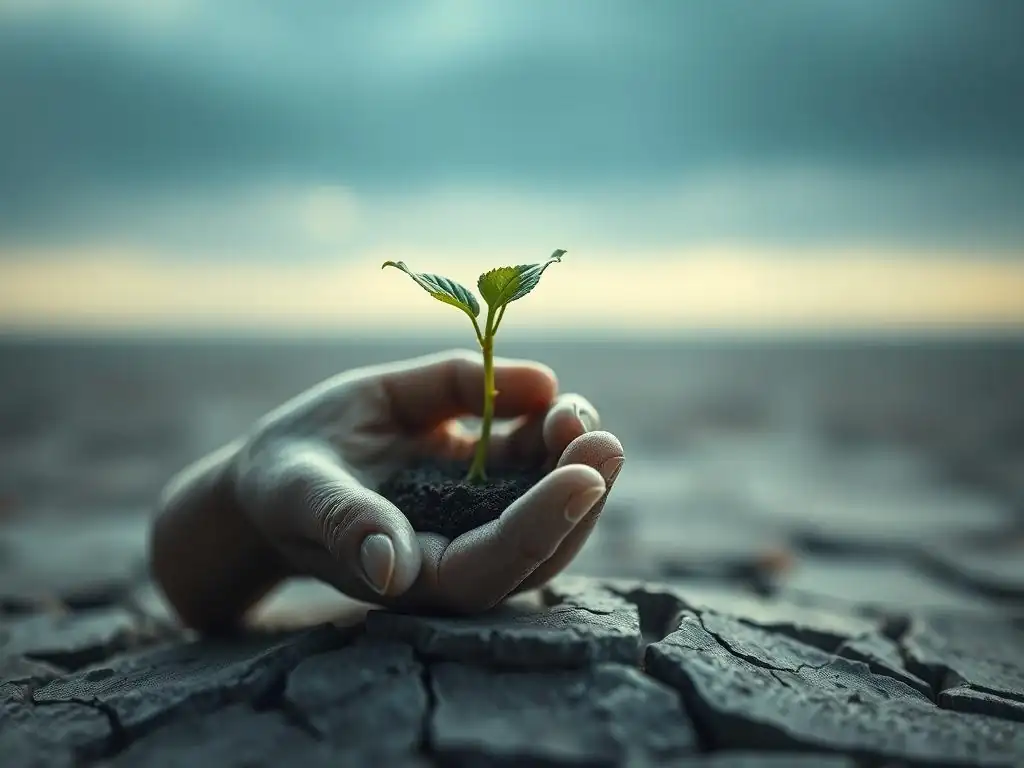
Breaking Down Barriers to Seeking Help
Stigma remains a significant barrier preventing individuals from seeking help for postpandemic mental health challenges coping. Fear of judgment, discrimination, or being seen as weak can lead people to suffer in silence. This internalized and externalized stigma makes it harder for individuals to acknowledge their struggles and reach out for support from friends, family, or professionals.
Breaking down these barriers requires a concerted effort from individuals, communities, and institutions. It involves challenging negative stereotypes about mental illness, promoting understanding that mental health issues are common and treatable, and creating environments where people feel safe to speak openly about their experiences without fear of reprisal. Reducing stigma is essential for improving access to care for post-COVID mental health challenges.
Promoting Open Conversations About Mental Health
Encouraging open and honest conversations about mental health is a powerful way to combat stigma. When individuals, particularly those in positions of influence, share their own experiences or speak openly about the importance of mental well-being, it helps normalize the conversation and reduces the feeling of isolation for those who are struggling.
This can happen in families, workplaces, schools, and public forums. Simple acts like asking someone "How are you, really?" and being prepared to listen, or sharing a credible article about postpandemic mental health challenges, can contribute to a more supportive culture. Open dialogue helps demystify mental health issues and encourages help-seeking behaviors.
Educating Communities About Mental Health Issues
Increased education about mental health is fundamental to reducing stigma and improving understanding of postpandemic mental health challenges coping. Educating communities means providing accurate information about common mental health conditions, their symptoms, causes, and available treatments. This knowledge helps dispel myths and misconceptions that fuel stigma.
Educational initiatives can target specific groups, such as employers, educators, or community leaders, equipping them to recognize signs of distress and respond appropriately. Public health campaigns can also play a role in raising awareness and promoting a message of hope and recovery. A better-informed community is better equipped to support its members facing post-COVID mental health challenges.
Resources and Support for Post-COVID-19 Mental Health Challenges
Local Mental Health Services
Accessing local mental health services is a direct route to getting support for postpandemic mental health challenges coping. These services often include community mental health centers, public health departments, and local non-profit organizations that offer therapy, counseling, support groups, and sometimes crisis intervention.
Finding local resources typically involves contacting your primary care physician, checking your local government's health services website, or searching online directories specific to your region. Local services can provide tailored support that is geographically accessible and often more integrated with community resources.
National Mental Health Organizations
National mental health organizations offer a wealth of information, resources, and support for individuals and families dealing with postpandemic mental health challenges. These organizations often have websites with educational materials, helplines or crisis lines, directories of mental health professionals, and information on advocacy and research.
Examples include organizations focused on specific conditions like anxiety or depression, or broader organizations covering general mental health and well-being. They can be a valuable starting point for understanding symptoms, finding support options, and learning about your rights regarding mental healthcare.
Online Mental Health Support Groups
Online mental health support groups proliferated during the pandemic and continue to be a vital resource for postpandemic mental health challenges coping. These groups connect individuals with others who share similar experiences, providing peer support, understanding, and shared coping strategies from the convenience of home.
Numerous platforms host online support groups for various conditions or specific experiences, such as grief related to COVID-19 loss or anxiety about returning to work. While not a substitute for professional therapy, these groups offer a sense of community and reduced isolation, which can be incredibly beneficial.
The Future of Mental Health Care: Lessons Learned from COVID-19
Increased Accessibility to Mental Health Services
One significant lesson from the pandemic is the critical need for increased accessibility to mental health services. The reliance on telehealth demonstrated that care can be delivered effectively outside traditional clinic settings, reducing barriers like transportation, time off work, and geographical distance. Moving forward, expanding and sustaining telehealth options is crucial for reaching more people, especially those in rural or underserved areas, addressing postpandemic mental health challenges on a broader scale.
Furthermore, the pandemic highlighted the need for integrated care, where mental health support is offered within primary care settings or other community services. Making mental health support a standard part of overall healthcare can help destigmatize it and make it easier for individuals to seek help early. The push for greater accessibility is a direct response to the widespread post-COVID mental health challenges observed.
Integration of Technology in Mental Health Care
The rapid adoption of technology in mental healthcare, primarily through telehealth, is poised to reshape its future. Beyond video therapy sessions, technology offers potential for mental health apps, online monitoring tools, AI-powered support systems, and virtual reality therapy. These tools can complement traditional care, provide support between sessions, and offer alternative avenues for those uncomfortable with face-to-face interactions.
However, equitable access to technology and digital literacy remain challenges that need to be addressed to ensure these advancements benefit everyone. Harnessing technology responsibly and effectively is key to enhancing the delivery of care and supporting individuals navigating complex postpandemic mental health challenges coping.
A Focus on Prevention and Early Intervention
The scale of the mental health impact of COVID-19 underscored the importance of shifting towards a greater focus on prevention and early intervention. Rather than solely treating acute crises, mental healthcare systems need to invest more in promoting mental well-being, building resilience, and identifying issues at their earliest stages, particularly among vulnerable populations like children and essential workers.
This includes implementing school-based mental health programs, workplace wellness initiatives, and public health campaigns promoting psychological literacy and self-care. Addressing the root causes of stress and building protective factors in individuals and communities can help mitigate the impact of future crises and reduce the burden of postpandemic mental health challenges in the long term.
Conclusion: Embracing Resilience and Prioritizing Mental Well-being in the Post-COVID-19 Era
Moving Forward with Hope and Understanding
As we navigate the post-COVID-19 era, it is essential to move forward with both hope and a deeper understanding of the pandemic's lasting psychological impact. Acknowledging the widespread nature of postpandemic mental health challenges coping with, and recognizing that many people are still processing the experiences of the past few years, is the first step towards healing. Hope lies in the knowledge that recovery is possible and that effective strategies and support systems exist.
This period calls for patience, both with ourselves and with others. Understanding that behaviors or emotional responses may be linked to the trauma, stress, and isolation experienced during the pandemic can foster empathy and encourage a more compassionate approach to mental well-being. Embracing this understanding is crucial for individual and collective recovery.
The Importance of Ongoing Mental Health Support
The psychological aftermath of COVID-19 is not a temporary issue that disappears simply because the acute phase of the pandemic has passed. The postpandemic mental health challenges coping with require ongoing attention and support. This means sustaining investment in mental healthcare services, continuing to reduce stigma, and equipping individuals with the skills and resources needed for long-term resilience.
Prioritizing mental well-being means integrating it into all aspects of life – personal, professional, and communal. It involves fostering supportive environments, encouraging help-seeking, and recognizing that mental health is a continuous journey, not a destination. By maintaining a focus on mental health support, we can build stronger, more resilient individuals and communities capable of thriving in the post-COVID world and beyond.
Frequently Asked Questions
What are some of the primary postpandemic mental health challenges people are facing?
Many individuals are experiencing increased anxiety and depression due to economic uncertainties, social isolation impacts, and continued fears related to health.
How has the pandemic specifically impacted coping mechanisms for existing mental health conditions?
The pandemic often disrupted established routines and support systems, making it harder to manage existing conditions and leading to increased symptom severity for some.
What are some effective strategies for coping with the unique stressors of the postpandemic world?
Focus on building resilience through healthy habits like exercise and mindfulness, seek social connection, and consider professional support if needed.
Where can individuals find reliable resources and support for addressing their postpandemic mental health concerns?
Websites like Mind Care Guide and local mental health organizations offer information, counseling services, and support groups to help navigate these challenges.
How can employers support their employees' mental well-being in the postpandemic work environment?
Employers can implement flexible work arrangements, offer mental health benefits, and promote a supportive and understanding company culture to reduce workplace stress.
Final Reflection: Echoes of the Pandemic: A Legacy of Resilience and Renewal
The psychological scars of the pandemic are not merely fading headlines; they represent a profound and ongoing challenge to global mental well-being. The collective trauma experienced worldwide continues to ripple through communities, impacting individuals in ways we are only beginning to understand. This necessitates a sustained and multifaceted approach to addressing the complex web of post-pandemic mental health issues.
The pandemic's influence on our collective psyche is undeniable, reshaping our understanding of vulnerability, resilience, and the importance of community support. It forced a confrontation with mortality, isolation, and uncertainty on an unprecedented scale. This experience has profoundly altered the social landscape, highlighting existing inequalities and creating new challenges for mental health systems worldwide. The greatest glory in living lies not in never falling, but in rising every time we fall.
– Nelson Mandela. This quote resonates deeply, as it encapsulates the spirit of recovery and the ongoing journey towards healing that many are undertaking.
The path to healing is not a linear one, but a journey of self-discovery and collective growth. You, the reader, hold the power to cultivate resilience within yourself and your community. Take time to reflect on your own experiences, seek support when needed, and actively participate in building a more compassionate and understanding world. Let the lessons learned from this unprecedented time guide you towards a future where mental well-being is prioritized, and support systems are robust and accessible to all.
Uncover Your Pandemic Resilience: Take Charge of Your Well-being
Thanks for taking the time to explore the psychological impact of pandemics with us. We hope this article provided valuable insights into navigating this complex landscape. Now, it's time to turn those insights into action.
- Prioritize self-care this week: Schedule at least one activity that nourishes your mind, body, and soul. This could be anything from a long walk in nature to meditating for 15 minutes. This is your primary focus.
- Share this article with someone you care about: Open a conversation about mental well-being and collective resilience.
- Explore additional resources: Search "Mind Care Guide" + "Pandemic Resilience" online to find more tools and techniques.
What small step will you take today to foster your own mental well-being?