
Is Technology Connecting Us or Pushing Us Apart?


Welcome to Mind Care Guide, a safe space to explore the complexities of mental well-being.
Feeling disconnected? In today's hyper-connected world, it's easy to wonder if technology truly brings us closer. We understand. That's why we're diving deep into the social media isolation impact in our latest article: "Is Technology Connecting Us or Pushing Us Apart?". Discover how these digital platforms might be shaping your relationships and emotional health, and explore actionable steps to reclaim genuine connection. Intrigued? Keep reading to understand the subtle shifts and reclaim your well-being.
Is Technology Connecting Us or Pushing Us Apart?
- Introduction: The Double-Edged Sword of Technology and Social Connection
- The Argument for Connection: How Technology Brings Us Together
- The Argument for Isolation: How Technology Can Drive Us Apart
- Understanding the Nuances: It's Not All Black and White
- The Psychological Effects of Social Media Isolation
- Strategies for a Healthier Relationship with Technology
- Combating the Loneliness Epidemic: Reclaiming Social Connection in the Digital Age
- The Future of Technology and Social Connection: A Call for Balance
- Conclusion: Finding Harmony in a Digital World
-
Frequently Asked Questions
- How does social media contribute to feelings of isolation despite its promise of connection?
- What are the specific mental health challenges associated with "social media isolation impact"?
- Can limiting social media use help improve mental well-being and reduce feelings of isolation?
- What are some practical strategies for building genuine connections and combating social media isolation?
- How can "Mind Care Guide" help individuals struggling with the "social media isolation impact"?
- Final Reflection: The Double-Edged Sword of Connection
- Unplug and Reconnect: Strengthen Your Real-World Relationships
Exploring the Paradox: Technology's Promise vs. Reality
Technology burst onto the scene with the promise of a more connected world. Early proponents envisioned a future where geographical barriers dissolved, allowing instant communication and fostering global communities. Indeed, platforms like email, instant messaging, and early social networks made it easier than ever to stay in touch with distant friends and family, share life updates, and discover people with similar interests regardless of location.
This initial wave of digital connection felt revolutionary, offering a sense of expanded social reach and overcoming the limitations of traditional communication methods like letter writing or expensive long-distance calls. It truly seemed like technology was bringing us closer together.
However, the reality has proven more complex and, for many, contradictory. While technology facilitates connection, it also introduces new forms of disconnection and has contributed to what some call a "loneliness epidemic." The curated nature of online profiles, the constant stream of notifications, and the pressure to present an idealized self can paradoxically lead to feelings of inadequacy, social comparison, and a sense of being alone in one's authentic struggles.
Despite having hundreds or even thousands of online "friends," many individuals report feeling more isolated than ever before, highlighting a significant gap between the promise of digital connection and its actual impact on well-being. This duality is at the heart of understanding technology's role in modern social life.
In an era defined by pervasive digital interaction, understanding the nuances of our relationship with technology is crucial for maintaining mental well-being. Mind Care Guide aims to illuminate this complex landscape, providing insights and strategies to help individuals navigate the digital world in a way that supports, rather than undermines, their mental health.
We recognize that technology is an integral part of modern life and cannot simply be ignored; instead, the focus must be on developing mindful and healthy digital habits. This involves recognizing the potential pitfalls, such as the social media isolation impact, while also leveraging technology's benefits for support and positive connection.
Our approach emphasizes empowering individuals with knowledge about how digital platforms can influence mood, self-esteem, and social connections. By exploring topics ranging from digital addiction and cyberbullying to the benefits of online support groups and therapeutic apps, we seek to offer a balanced perspective.
The goal is to equip readers with the tools to critically evaluate their technology use, set healthy boundaries, and cultivate genuine connections both online and offline. Navigating the digital age requires conscious effort, and Mind Care Guide is here to provide the guidance needed to foster resilience and promote mental wellness in an increasingly connected, yet potentially isolating, world.
The Argument for Connection: How Technology Brings Us Together
Bridging Geographical Distances: Maintaining Relationships Online
One of the most undeniable benefits of technology is its capacity to shrink the world and keep people connected across vast distances. Families separated by continents can share daily moments through video calls, grandparents can watch their grandchildren grow up in real-time via shared photos and videos, and long-distance friendships can be maintained with ease through instant messaging and social media updates. Before the widespread adoption of the internet and mobile technology, maintaining such relationships required expensive phone calls, infrequent letters, or rare visits, making it challenging to feel truly connected to those far away.
Consider the impact during times of global crisis, such as the recent pandemic. Technology became a lifeline, enabling people to work remotely, attend virtual school, and perhaps most importantly, stay connected with loved ones they couldn't physically visit. Online platforms hosted virtual family gatherings, birthday parties, and even weddings, providing a vital sense of continuity and togetherness during isolation.
A study by the Pew Research Center in 2020 showed that a significant majority of adults reported using technology more to connect with friends and family during the lockdown, highlighting its crucial role in bridging geographical divides when physical proximity was impossible. This demonstrates technology's powerful potential as a tool for maintaining relationships and mitigating the effects of physical separation.
The internet has revolutionized the way people find and connect with others who share niche interests, hobbies, or identities. Regardless of how unique one's passion might be, it's now possible to find online communities dedicated to everything from obscure historical facts and rare stamp collecting to specific health conditions and support groups for minority experiences. These online spaces provide a sense of belonging and validation that might be difficult to find in one's immediate geographical location, particularly for individuals with less common interests or those living in rural areas.
For example, someone dealing with a rare medical condition might find invaluable support and information in an online forum with others facing similar challenges, sharing coping strategies and emotional support that their local network cannot provide. Similarly, enthusiasts of a particular video game, book series, or craft can connect with fellow fans globally, participating in discussions, sharing creations, and even collaborating on projects.
These online tribes offer a sense of community, reduce feelings of isolation associated with unique circumstances, and foster genuine connections based on shared passions, proving that technology can be a powerful engine for finding and building supportive networks.
Beyond personal connections, technology has become an indispensable tool for organizing, mobilizing, and amplifying voices in social and political movements. Social media platforms, online petition sites, and crowdfunding tools enable individuals and groups to raise awareness about important issues, organize protests, share information rapidly, and garner support from a global audience. This capability empowers ordinary citizens and marginalized groups, providing a platform to challenge established power structures and advocate for change.
Think about movements like the Arab Spring, #BlackLivesMatter, or environmental campaigns; technology played a pivotal role in their spread and impact. A tweet can go viral, sparking international discussion, a Facebook group can coordinate a protest, and an online video can expose injustice to millions. While these platforms can also be used for negative purposes, their capacity to connect like-minded individuals around a cause, facilitate rapid communication, and apply public pressure demonstrates a powerful positive application of technology for social connection aimed at collective action and societal improvement.
The Argument for Isolation: How Technology Can Drive Us Apart
Despite the appearance of being constantly connected, the heavy use of social media is increasingly linked to feelings of loneliness and isolation. The carefully curated highlight reels presented on platforms like Instagram, Facebook, and TikTok often showcase idealized versions of reality – perfect vacations, successful careers, effortless social lives.
This constant exposure to seemingly flawless lives can lead to upward social comparison, where individuals feel their own lives fall short, fostering feelings of inadequacy, envy, and dissatisfaction. This persistent comparison can erode self-esteem and trigger anxiety about missing out (FOMO), paradoxically making individuals feel more alone in their perceived ordinariness or struggles.
Furthermore, the nature of online interactions can be shallow compared to face-to-face relationships. While accumulating hundreds or thousands of followers or "friends" online provides a superficial sense of popularity, these connections often lack the depth, empathy, and reciprocal support found in real-world friendships. Studies have indicated a correlation between increased social media use and higher levels of reported loneliness, particularly among young adults.
For instance, research published in the American Journal of Preventive Medicine in 2017 found that young adults who spent more than two hours a day on social media were twice as likely to report feeling socially isolated compared to those who spent less time. This highlights a significant social media isolation impact, suggesting that the quantity of online connections does not equate to the quality of social support needed for psychological well-being.
Digital Addiction and Its Effects on Real-Life Interactions
Excessive reliance on technology can morph into a behavioral addiction, where individuals feel compelled to constantly check their devices, notifications, and online feeds. This compulsion can displace time and energy that would otherwise be spent on real-world interactions, hobbies, work, or even basic self-care. Someone engrossed in their smartphone during a family dinner or constantly interrupting conversations to check messages is physically present but socially absent, creating a barrier to genuine connection with those around them.
The addictive nature of technology, driven by variable rewards like likes, comments, and notifications, can lead to a neglect of offline relationships. As hours are spent scrolling or gaming, opportunities for face-to-face conversations, shared activities with friends, or quality time with family diminish.
This gradual erosion of real-life social engagement can weaken existing bonds and make it harder to form new ones, contributing significantly to feelings of isolation. The constant pull of the digital world can make individuals less present and engaged in their immediate environment, fostering a subtle but pervasive disconnection from the people physically present in their lives.
The Illusion of Connection: Superficial Relationships and Online Performance
Online platforms often encourage a performance-based approach to social interaction. Users carefully curate their profiles, select flattering photos, and craft witty posts designed to garner likes and positive attention. While this can provide temporary validation, it often involves presenting an idealized or even inauthentic version of oneself. Engaging primarily through these curated personas can prevent the vulnerability and genuine self-disclosure necessary for forming deep, meaningful connections.
The sheer volume of "connections" on social media can also create an illusion of a robust social network that doesn't translate to real-world support. Having 500 online "friends" is different from having a few close confidantes you can rely on in times of need. These superficial online ties often lack the emotional depth, shared history, and mutual commitment that characterize strong, supportive relationships. This discrepancy between the appearance of being highly connected online and the reality of lacking deep, supportive relationships contributes to the social media isolation impact, leaving individuals feeling lonely despite their extensive digital networks.
FOMO, or the Fear of Missing Out, is a psychological phenomenon significantly amplified by social media. Constantly seeing posts about friends' social gatherings, exciting trips, or achievements can trigger anxiety and a sense of being left out or inadequate. This isn't just about missing a specific event; it's the pervasive feeling that others are living more exciting, connected, and fulfilling lives than you are.
This constant exposure to the curated highlights of others' lives fuels social comparison, often leading to negative self-appraisal. Individuals may compare their everyday reality to the peak moments others choose to share online, leading to dissatisfaction with their own lives.
This anxiety-inducing cycle can make people feel more isolated, less content, and even discourage them from engaging in their own real-world activities because they seem less glamorous than what's portrayed online. The pressure to keep up or constantly check feeds to avoid missing something only tightens technology's grip and deepens the potential for negative mental health outcomes, contributing directly to the social media isolation impact.
Understanding the Nuances: It's Not All Black and White
The Importance of Mindful Technology Use
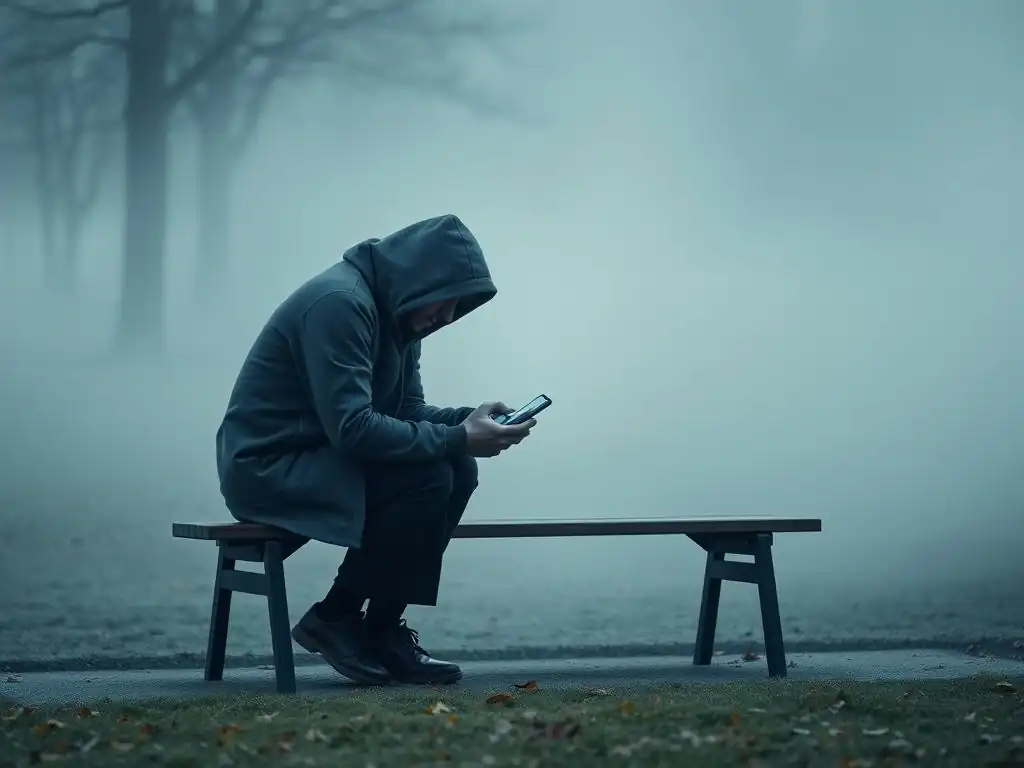
Recognizing that technology's impact is not inherently good or bad, but rather dependent on how it is used, is crucial. Mindful technology use involves being intentional and aware of why, how, and for how long we engage with digital devices and platforms. It means stepping away from passive consumption – endlessly scrolling through feeds – and moving towards active, purposeful engagement, such as using technology to learn a new skill, connect deeply with specific individuals, or participate in a meaningful online community.
Practicing mindfulness with technology also involves being aware of its effects on our mood and behavior. If using social media consistently leaves you feeling anxious, jealous, or inadequate, mindful use means recognizing these patterns and adjusting your behavior – perhaps unfollowing accounts that trigger negative feelings, setting time limits, or taking breaks. It's about gaining control over technology rather than letting it control you, ensuring that your digital habits support your well-being instead of detracting from it.
Beyond personal social connection, social media has undeniably influenced the landscape of political discourse and can contribute to societal divisions. Algorithms are often designed to show users content that aligns with their existing beliefs, creating echo chambers where individuals are rarely exposed to opposing viewpoints. This can reinforce biases, limit exposure to diverse perspectives, and make it harder to engage in civil discourse or find common ground.
This phenomenon contributes to a sense of "us vs. them," where those with differing opinions are not just seen as having different ideas, but as fundamentally wrong or even malicious. While technology can connect people around shared political goals, it can also isolate individuals within ideological bubbles, making it harder to empathize with or even understand those outside their online group. This form of digital isolation, while different from personal loneliness, speaks to a broader societal fragmentation potentially exacerbated by the architecture of online platforms.
An individual's experience with technology and its impact on their social connection is not solely determined by the technology itself, but also significantly influenced by their personality traits and the strength of their existing offline social networks. Extroverted individuals, for instance, might use social media to augment already rich social lives, while introverts might find online interactions less draining than face-to-face ones, using technology to connect in ways that feel more comfortable.
Furthermore, individuals with strong, supportive relationships offline are generally less vulnerable to the negative social media isolation impact. Their sense of belonging and validation comes primarily from real-world interactions, making them less reliant on online validation or less affected by social comparison.
Conversely, someone already struggling with loneliness or social anxiety might be more susceptible to the negative aspects of social media, finding it harder to form genuine connections online and more prone to the feelings of inadequacy fueled by idealized online portrayals. This highlights that technology acts as an amplifier, often magnifying pre-existing social dynamics rather than creating entirely new ones in a vacuum.
Increased Loneliness and Depression
A significant body of research points towards a correlation between high levels of social media use and increased feelings of loneliness and symptoms of depression. While correlation does not equal causation, the mechanisms discussed earlier – social comparison, fear of missing out, the illusion of superficial connection – are plausible pathways through which this impact occurs. For example, seeing friends constantly socializing online can make someone who is feeling lonely feel even more acutely aware of their own lack of social engagement, deepening feelings of sadness and isolation.
Data from various studies support this link. A 2018 study involving 1,787 young adults aged 19-32 found that higher social media use was significantly associated with increased feelings of social isolation. Another meta-analysis reviewing multiple studies concluded that excessive social media use is linked to a higher risk of depression. The constant exposure to idealized lives can lower self-esteem, while the lack of deep, meaningful online interactions fails to provide the emotional support necessary to combat loneliness and low mood, highlighting the concerning psychological effects of social media isolation.
Some concerns have been raised about whether spending extensive time interacting through screens might impact the development or maintenance of empathy and real-world social skills. Face-to-face interactions provide rich non-verbal cues – body language, tone of voice, facial expressions – that are crucial for understanding others' emotions and responding empathetically. Online communication, often relying on text or curated visuals, strips away much of this nuance.
While emoticons and emojis attempt to fill this gap, they are a poor substitute for real human interaction. Spending less time practicing face-to-face communication might lead to a decline in social fluency, making real-world interactions feel more awkward or challenging. Furthermore, the ease of unfollowing, muting, or blocking individuals online, or engaging in aggressive behavior behind a screen, might reduce the need to practice patience, conflict resolution, and understanding differing viewpoints, potentially impacting empathy levels over time.
Impacts on Self-Esteem and Body Image
Social media platforms, particularly image-centric ones, can have a profound negative impact on self-esteem and body image. The prevalence of filtered, photoshopped, and carefully posed images sets unrealistic standards of beauty and lifestyle. Constant exposure to these idealized portrayals can lead individuals to feel inadequate about their own appearance, leading to body dissatisfaction and lower self-esteem.
The pursuit of online validation through likes and comments can also tie self-worth to external approval. If a post doesn't receive the expected level of engagement, it can be interpreted as a personal rejection, negatively impacting how someone feels about themselves. This focus on external metrics of validation, combined with the relentless exposure to unattainable ideals, makes social media a fertile ground for cultivating insecurity and can significantly harm an individual's self-perception and mental health, contributing to the social media isolation impact by making individuals feel less worthy of connection.
Strategies for a Healthier Relationship with Technology
Setting Boundaries and Limiting Screen Time
Establishing clear boundaries around technology use is a fundamental step in mitigating its potential negative impacts. This involves consciously deciding when, where, and for how long you will engage with devices and platforms. Simple rules like "no phones during meals," "no screens in the bedroom before bed," or designating specific "tech-free" hours each day can significantly reduce passive consumption and free up time for other activities and real-world interactions.
Many smartphones and apps now offer built-in tools to track screen time and set limits. Utilizing these features can provide valuable insight into your usage patterns and help you stick to your goals. For instance, aiming to reduce daily social media scrolling by 30 minutes or setting a notification curfew can create healthier habits. Implementing these boundaries requires discipline, but it is essential for reclaiming control over your time and attention.
Prioritizing Real-Life Interactions and Experiences
Consciously making an effort to prioritize face-to-face interactions and real-world experiences over digital ones is crucial for fostering genuine connection and combating social media isolation impact. This means actively scheduling time to meet friends for coffee, having dinner with family, joining a local club, or pursuing hobbies that involve in-person interaction. These activities provide the rich, nuanced social engagement that online platforms often lack.
Making memories and building relationships through shared physical experiences – whether it's hiking, attending a concert, volunteering, or simply having a deep conversation without digital distractions – strengthens social bonds in ways that online likes cannot replicate. It's about ensuring that technology serves as a supplement to, rather than a replacement for, meaningful in-person relationships.
Cultivating Meaningful Online Connections
While being wary of superficial online ties is important, technology can also be used to cultivate genuine, meaningful connections. This involves being intentional about who you connect with and how you interact online. Instead of passively consuming content from hundreds of acquaintances, focus on engaging deeply with a smaller number of people you genuinely care about.
This could involve having longer, more personal conversations via direct messages or video calls, participating actively and supportively in smaller online groups related to a specific interest or support need, or using technology to organize real-world meetups. The key is to move beyond the performance-driven aspects of social media and use platforms as tools for authentic communication and mutual support, fostering connections that have depth and substance.
Practicing Digital Detoxes
Periodically taking intentional breaks from technology, known as digital detoxes, can be incredibly beneficial for mental well-being and for gaining perspective on your digital habits. This could range from a few hours each day to a full weekend or even longer without non-essential devices.
During a digital detox, you create space to engage in activities that technology often displaces – reading a physical book, spending time in nature, focusing on a hobby, or simply being present with your thoughts and surroundings. These breaks can reduce feelings of overwhelm, improve focus, and highlight how much time and mental energy are typically consumed by screens. Regular digital detoxes can help reset your relationship with technology and remind you of the value of offline life.

Building Stronger Offline Relationships
Addressing the loneliness epidemic, partly fueled by the social media isolation impact, requires a conscious effort to invest in and strengthen offline relationships. This involves dedicating time and energy to nurturing connections with family, friends, and community members. It means being present during interactions, actively listening, offering support, and sharing vulnerability.
Strategies include:
- Scheduling regular face-to-face meetups or calls with close friends and family.
- Making an effort to attend social gatherings and events.
- Being available and supportive to those in your immediate social circle.
- Practicing active listening and showing genuine interest in others' lives.
Strong offline relationships provide a buffer against loneliness and offer a sense of belonging and security that superficial online connections cannot replicate.
Engaging in Community Activities and Volunteering
Becoming actively involved in your local community is a powerful way to combat isolation and build new connections based on shared purpose and proximity. Joining clubs, participating in local events, or volunteering for a cause you care about provides opportunities to meet people face-to-face, work towards common goals, and develop a sense of belonging within a physical community.
Volunteering, in particular, offers the dual benefit of connecting with others while contributing to something larger than oneself, which can significantly boost feelings of purpose and well-being. Whether it's helping at a local shelter, joining a community garden, or participating in neighborhood clean-up efforts, these activities foster organic interactions and build a supportive network outside the digital realm.
For individuals struggling with significant digital addiction or chronic feelings of social isolation, seeking professional help is a crucial step. Therapists and counselors can provide strategies for managing problematic technology use, addressing underlying issues contributing to loneliness, and developing healthier coping mechanisms and social skills.
Therapy can offer a safe space to explore the root causes of isolation, such as social anxiety, past trauma, or difficulty forming attachments. Cognitive Behavioral Therapy (CBT) or other therapeutic approaches can help individuals challenge negative thought patterns related to social comparison and self-esteem fueled by social media. Support groups, both online (used mindfully) and offline, can also provide a sense of community and shared experience for those struggling with similar challenges related to technology and isolation.
Developing Technologies that Promote Genuine Connection
As technology continues to evolve, there is a growing recognition of the need to design platforms and applications that prioritize genuine human connection over simply maximizing engagement metrics like screen time and clicks. Future technologies could focus on facilitating deeper interactions, fostering empathy, and supporting real-world relationships.
This might involve developing platforms that encourage smaller, more private group interactions, incorporate features that promote active listening and understanding, or use augmented reality (AR) to enhance face-to-face interactions rather than replace them. The focus could shift from broadcasting curated lives to facilitating authentic sharing and mutual support, potentially mitigating the social media isolation impact by design.
Educating Future Generations on Responsible Technology Use
Equipping children and young people with the knowledge and skills to navigate the digital world responsibly is paramount. Education should go beyond technical literacy to include digital citizenship, media literacy, and an understanding of the psychological impacts of technology use, particularly the potential for social media isolation.
Teaching critical thinking about online content, fostering awareness of privacy and safety, and promoting healthy digital habits from a young age are essential. Schools and parents have a vital role to play in guiding young people towards a balanced relationship with technology, emphasizing the importance of real-world interactions and helping them develop the resilience to withstand the pressures of online comparison and validation-seeking.
Increased Focus on Augmented Reality and its Potential Societal Impact
Augmented Reality (AR) technology, which overlays digital information onto the physical world, presents a fascinating frontier with potential impacts on social connection. Unlike virtual reality (VR), which can immerse users in entirely separate digital worlds, AR keeps users grounded in their physical environment while enhancing it with digital elements.
This could lead to new ways of interacting with others in shared physical spaces, facilitating collaborative activities, or providing contextual information that enhances real-world encounters. However, it also raises questions about potential distractions from the physical present and the blurring lines between the real and digital. Understanding AR's potential to either enhance or detract from genuine social connection will be crucial as the technology becomes more widespread.
Conclusion: Finding Harmony in a Digital World
Re-evaluating Our Relationship with Technology for Mental Well-being
The question of whether technology connects us or pushes us apart has no simple answer; it is a powerful tool with the capacity for both profound connection and significant isolation. The social media isolation impact is a real and growing concern, highlighting the need for conscious, intentional engagement with digital platforms. For the sake of our mental well-being, it is essential to regularly re-evaluate our relationship with technology.
This involves honestly assessing how our digital habits make us feel, identifying patterns of use that contribute to stress, anxiety, or loneliness, and being willing to make changes. It requires recognizing that the digital world is a curated space and that real-world interactions, though sometimes more challenging, are fundamental to human connection and psychological health.
Embrace Technology Mindfully and Prioritize Authentic Human Connection
Ultimately, thriving in the digital age is about finding a balance. It means embracing technology for its incredible capacity to connect, inform, and empower, while simultaneously prioritizing and nurturing authentic human connections in the physical world. It requires using technology as a tool to support a rich, fulfilling life, rather than allowing it to become a substitute for genuine relationships and experiences.
By setting boundaries, practicing mindful use, investing in offline relationships, and seeking support when needed, we can mitigate the negative social media isolation impact and harness technology's power to enhance our lives without letting it erode the foundational human need for real, empathetic connection. The future of our social well-being depends on our ability to navigate the digital world with wisdom, intention, and a steadfast commitment to the value of being truly present with one another.
Frequently Asked Questions
Social media can lead to isolation by fostering superficial connections and promoting social comparison. This can result in feelings of inadequacy and a perceived lack of genuine relationships.
The "social media isolation impact" can contribute to increased anxiety and depression. It can also worsen feelings of loneliness and lead to a lower self-esteem.
Yes, reducing social media usage can improve mental well-being by freeing up time for real-life interactions. It also lessens exposure to unrealistic portrayals of others' lives.
Strategies include joining local groups and clubs, volunteering, and engaging in face-to-face conversations. Prioritizing quality over quantity in relationships is key.
Mind Care Guide offers information and resources on managing mental health challenges. We provide strategies for building healthy relationships and reducing reliance on social media for validation.
Final Reflection: The Double-Edged Sword of Connection
The relentless march of technology continues to reshape our social fabric, leaving us grappling with a profound paradox: are we truly more connected, or increasingly isolated, in our hyper-digital world? This article explored the multifaceted impact of social media, highlighting both its potential to foster community and its capacity to cultivate feelings of loneliness and inadequacy. The evidence presented paints a complex picture, one where the benefits of instant communication and global connection are often overshadowed by the insidious creep of comparison, curated perfection, and the erosion of genuine, face-to-face interaction.
The pervasive nature of social media's influence on our daily lives is undeniable. It shapes our self-perception, influences our relationships, and even dictates how we experience the world around us. The constant stream of curated content can create a distorted sense of reality, leading to feelings of inadequacy and social comparison. As Sherry Turkle poignantly stated, We expect more from technology and less from each other.
This quote perfectly encapsulates the core tension at the heart of our digital age: the very tools designed to connect us often serve to isolate us, creating a sense of superficial connection that lacks the depth and intimacy of real-world relationships.
Consider the impact of this on your own life. Are you truly present in your interactions, or are you constantly distracted by the notifications and updates vying for your attention? Take a moment to reflect on your own relationship with technology. Do you find yourself spending more time scrolling through feeds than engaging in meaningful conversations?
The answer, for many, is a resounding yes. Let this article serve as a call to action: consciously curate your digital experience, prioritize genuine human connection, and strive for a more balanced relationship with technology, one that enriches your life rather than diminishes it. The future of our social landscape depends on it.
Unplug and Reconnect: Strengthen Your Real-World Relationships
Thanks for taking the time to explore the complexities of technology's impact on our connections! We hope this article gave you some food for thought. Now, it's time to put that knowledge into action.
Here's how you can start fostering deeper, more meaningful relationships today:
- Prioritize a tech-free hour each day: Dedicate this time to uninterrupted connection with loved ones, pursuing a hobby, or simply enjoying some quiet reflection. This single step can dramatically shift your focus from the digital world to the real one.
- Schedule a "digital detox" weekend: Challenge yourself and your family to a screen-free weekend! This could involve engaging in outdoor activities, playing board games, or simply spending quality time together without distractions.
- Share your thoughts: Let's discuss! What are your strategies for maintaining healthy relationships in our increasingly digital age? What one thing will you try from this article?
What's one small change you can make this week to prioritize genuine connection?