
Is a Premium Mood Tracking App Worth It? Unpacking the Value

Welcome to Mind Care Guide, a safe space dedicated to nurturing your mental well-being.
Feeling overwhelmed by the sea of mental wellness apps? You're not alone. We understand the search for the right tools can be daunting. That's why we're diving deep into the world of mood tracking, starting with a thorough exploration of the benefits you can unlock with a premium mood tracking app. Curious if the investment is truly worth it? Let's unpack the value together and discover if it's the key to a brighter, more balanced you.
-
Is a Premium Mood Tracking App Worth It? Unpacking the Value: A Mind Care Guide Review
- Introduction: Why Consider a Mood Tracker?
- Understanding the Core Mood Tracking App Benefits & Features
- Essential Features of a Mood Tracking App
- Advanced Features: What Premium Apps Offer
- Personalized Insights
- Integration with Wearable Devices
- Cognitive Behavioral Therapy (CBT) Tools
- Customization Options
- Enhanced Security and Privacy
- Unlimited Entries & Data Storage
- The Pros of Investing in a Premium Mood Tracker: Real-World Benefits
- The Cons: Potential Drawbacks of Premium Mood Tracking Apps
- Real-Life Examples: Premium Mood Tracking App Success Stories
- Alternatives to Premium Mood Tracking Apps: Are Free Options Enough?
- Conclusion: Making the Right Choice for Your Mental Well-being
-
Frequently Asked Questions
- How do premium mood tracking apps differ from free versions?
- What are the potential benefits of using a mood tracking app for mental well-being?
- Can a mood tracking app replace professional mental health support?
- Are premium mood tracking apps secure and private with my personal data?
- What features should I look for in a premium mood tracking app based on the Mind Care Guide review?
- Final Reflection: The Power of Self-Awareness in the Digital Age
- Unlock Your Emotional Wellbeing: Take Control Now!
Introduction: Why Consider a Mood Tracker?
Navigating the complexities of our emotional landscape can be challenging. Mood tracking apps have emerged as valuable digital tools designed to help individuals monitor their feelings, identify patterns, and gain deeper insights into their mental state. By consistently logging how you feel, along with factors like sleep, activity, or social interactions, these apps can reveal correlations that might not be immediately obvious, offering a clearer picture of your emotional triggers and fluctuations.
While basic mood tracking functionalities are available in many free applications, a growing number of developers offer premium versions or dedicated premium mood tracking apps. These paid options often promise a suite of advanced features and enhanced capabilities that go beyond simple logging. The question for many considering this step is whether the added cost of a premium mood tracking app is truly justified by the potential benefits for their mental well-being journey.
Understanding the Core Mood Tracking App Benefits & Features
At its heart, a mood tracking app serves as a personal diary for your emotions. The fundamental benefit lies in creating a historical record of your feelings, allowing you to look back and observe trends over time. This process of externalizing and visualizing your internal state can be incredibly empowering, providing a sense of control and understanding over what might otherwise feel like unpredictable emotional shifts.
Beyond simple logging, even basic mood tracking apps typically offer some form of data visualization, such as charts or graphs, illustrating how your mood has changed day-to-day or week-to-week. This visual overview is a key benefit, making it easier to spot patterns, whether they are daily cycles, responses to specific events, or seasonal changes. As we explore different apps, understanding these core mood tracking app benefits is crucial for any review.
Essential Features of a Mood Tracking App
Any effective mood tracking app, whether free or premium, must provide core functionalities that facilitate consistent and meaningful logging. The most basic feature is the ability to quickly and easily record your current mood, often using a simple numerical scale or a selection of emojis. This needs to be intuitive enough for daily use, even during moments of emotional distress or low energy.
Accompanying the mood entry, essential apps allow users to add notes or tags about what might have influenced their feeling. This contextual information – such as "poor sleep," "meeting with boss," "walk in the park" – is vital for later analysis. Without the ability to add context, the numerical mood rating alone provides limited insight into the "why" behind emotional fluctuations. Basic data display, showing recent entries and perhaps a simple line graph of mood over a short period, rounds out the essential features expected in any mood tracking app review.
Stepping up from the basics, premium mood tracking apps typically bundle a range of advanced features designed to provide deeper insights and more comprehensive support for mental wellness. These features move beyond simple data collection to offer sophisticated analysis, integration with other health data, and access to therapeutic tools. This is where the potential value proposition of a premium mood tracking app truly begins to differentiate itself.
The aim of these advanced functionalities is to transform raw data into actionable intelligence about your emotional health. By leveraging more complex algorithms and incorporating a wider array of data points, premium apps strive to offer personalized insights, identify subtle correlations, and provide resources that can actively support coping strategies and behavioral change. Exploring these features is key to understanding the full spectrum of mood tracking app benefits available in the market today.
Personalized Insights
One of the most significant advantages highlighted in a premium mood tracking app benefits review is the depth of personalized insights offered. Unlike free versions that might only show basic trends, premium apps often employ sophisticated algorithms to analyze your logged data in relation to numerous factors you track, such as sleep duration, exercise, diet, social activity, and even weather patterns. This analysis can uncover highly specific correlations unique to you.
For instance, a premium app might reveal that your mood consistently dips by an average of 15% on days following less than six hours of sleep, or that engaging in a specific hobby correlates with a 20% increase in positive mood over a week. Some apps can even identify potential triggers you might not have consciously recognized, such as specific social interactions or types of work tasks. These granular, data-driven insights empower users to make targeted adjustments to their routines or environment, based on tangible evidence from their own lives.
Integration with Wearable Devices
Seamless integration with wearable health devices (like smartwatches or fitness trackers) is a common feature in premium mood tracking apps, offering a powerful layer of data for analysis. This integration allows the app to automatically pull in data points such as sleep duration and quality, daily step counts, heart rate variability, and physical activity levels. Combining this objective physiological data with subjective mood entries creates a much richer dataset.
For example, the app can analyze how changes in sleep patterns (e.g., shorter REM sleep) correlate with mood fluctuations, or if increased daily activity leads to measurable improvements in emotional state. This kind of cross-referenced analysis provides compelling evidence for the mind-body connection, helping users understand how their physical health directly impacts their mental well-being. A review of mood tracking app benefits often highlights this integration as a key factor for users seeking a holistic view of their health.
Cognitive Behavioral Therapy (CBT) Tools
Many premium mood tracking apps incorporate elements inspired by Cognitive Behavioral Therapy (CBT), offering guided exercises and tools directly within the application. This can include features like thought records, which help users identify negative thought patterns and challenge them, or guided journaling prompts focused on behavioral activation. Some apps even offer short courses or modules based on CBT principles for managing anxiety, depression, or stress.
These integrated CBT tools provide accessible resources that can reinforce therapeutic work or serve as valuable self-help mechanisms. While not a replacement for professional therapy, having these exercises readily available alongside mood tracking data can empower users to practice coping strategies in the moment and observe how these practices impact their mood over time. This blending of tracking and intervention is a significant benefit offered by many premium platforms.
Customization Options
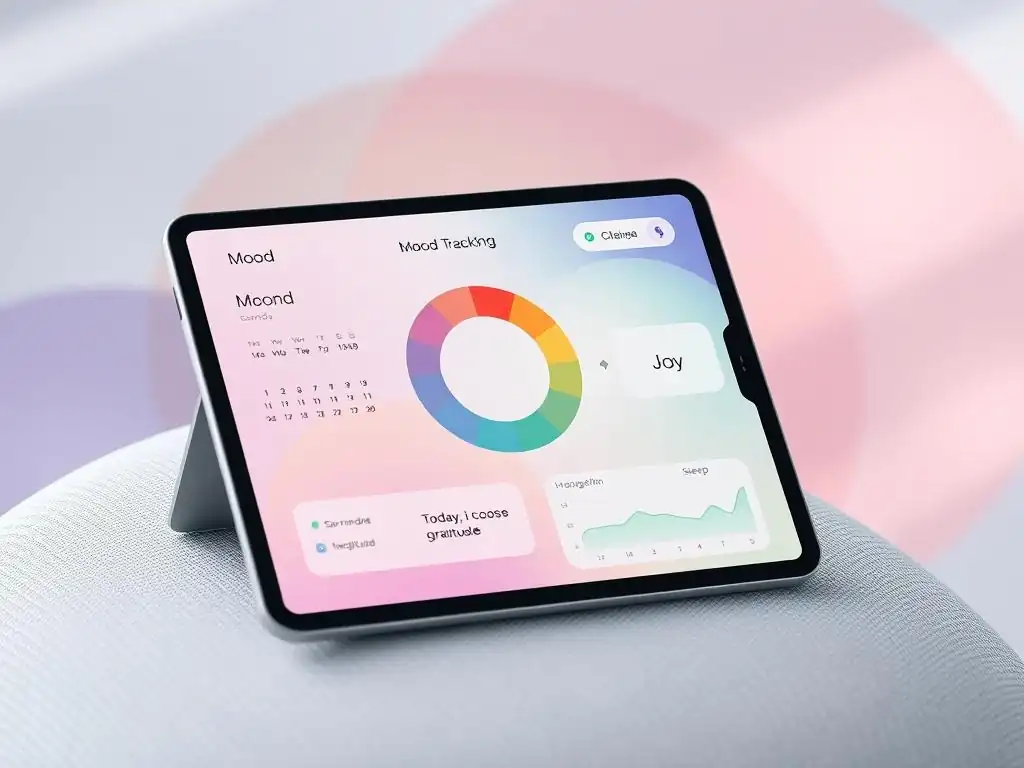
A high degree of customization is a hallmark of premium mood tracking apps, allowing users to tailor the tracking experience precisely to their individual needs and circumstances. This includes the ability to create custom mood scales, add an unlimited number of personalized tags or activities (e.g., specific foods, medications, social contacts, unique stressors), and configure highly specific reminders.
This level of personalization ensures that the app captures the most relevant data points for each user's unique situation, leading to more accurate insights and a more engaging tracking process. For someone managing chronic illness, for example, being able to track specific symptoms alongside mood is crucial. For someone focused on productivity, tracking work tasks and breaks might be more important. Customization makes the app a truly personal tool for well-being.
Enhanced Security and Privacy
Given the highly sensitive nature of the data being logged, enhanced security and privacy features are critical considerations for a premium mood tracking app review. Premium services often invest more heavily in data encryption, secure server infrastructure, and stringent privacy policies compared to their free counterparts, which might rely on data aggregation or advertising revenue.
Users of premium apps typically benefit from end-to-end encryption, secure cloud storage, and clearer policies on how data is handled, anonymized, or potentially used for research (with explicit consent). For individuals tracking sensitive mental health information, the assurance that their personal data is protected with the highest standards is a significant, albeit often unseen, benefit that justifies the premium cost for many.
Unlimited Entries & Data Storage
Free mood tracking apps often impose limitations on the amount of data a user can store or the number of entries they can make over time. This can hinder the ability to identify long-term patterns, which are often the most valuable insights derived from consistent tracking. Premium subscriptions typically remove these restrictions, offering unlimited entries and secure, long-term data storage.
Having access to years of historical mood data allows for comprehensive analysis of seasonal affective disorder, the long-term impact of lifestyle changes, or the effectiveness of treatments over extended periods. For users committed to understanding their mental health journey over months and years, unlimited storage is not just a convenience but a necessity for unlocking the full potential of mood tracking.
Investing in a premium mood tracking app can yield tangible benefits that contribute significantly to improved self-awareness and mental wellness management. The enhanced features discussed previously translate into real-world advantages that can make a noticeable difference in a user's life.
Enhanced Personalization for Better Self-Understanding
Premium apps excel at helping users achieve a profound level of self-understanding by offering highly personalized tracking and analysis. Instead of generic insights, the advanced features allow individuals to pinpoint the unique factors that influence their mood. For instance, a premium app might help someone discover that their irritability consistently spikes on days they skip their morning meditation, or that their energy levels are strongly tied to the specific time they eat dinner.
This granular personalization, often highlighted in a comprehensive mood tracking app benefits review, moves beyond correlation to suggest potential causation based on individual patterns. By understanding these personal dynamics, users are better equipped to proactively manage their mental health, making informed decisions about their daily routines, social interactions, and coping strategies based on data tailored specifically to them.
Deeper Insights Through Advanced Data Analysis
The advanced data analysis capabilities of premium mood trackers provide insights that are simply not possible with basic apps. These platforms can identify complex, multi-factor correlations – perhaps showing that low mood is most likely when both sleep quality is poor and social interaction has been minimal for two consecutive days. They can also present data in more sophisticated visualizations, making it easier to spot subtle trends or cyclical patterns.
For someone managing conditions like depression or anxiety, these deeper insights can be invaluable for identifying early warning signs of a shift in mood or confirming the positive impact of specific interventions. For example, a user might see through the app's analysis that consistently practicing gratitude journaling three times a week correlates with an average 18% improvement in their overall mood score compared to weeks without the practice. This data-driven feedback reinforces positive behaviors and helps users understand what truly works for them.
Beyond tracking and analysis, many premium mood tracking apps offer exclusive access to a library of premium content and guided programs. This can include guided meditations, breathing exercises, mindfulness practices, educational articles on mental health topics, or structured courses on managing stress, improving sleep, or building resilience.
This integrated content provides users with tools and resources that complement their tracking efforts. Instead of just identifying a problem (e.g., high stress levels), the app offers potential solutions and practices within the same platform. This holistic approach, combining self-monitoring with accessible wellness resources, adds significant value and is a key factor considered in a positive mood tracking app benefits review.
Seamless Integration with Other Health & Wellness Platforms
The ability of premium mood tracking apps to integrate seamlessly with other health and wellness platforms extends their utility beyond just mood. By connecting with fitness trackers, nutrition apps, or even certain electronic health records (where supported and secure), users can create a centralized hub for their overall well-being data.
This integration allows for a more comprehensive understanding of how various aspects of health interact. A user might discover, for example, that their anxiety is significantly higher on days they consume excessive caffeine, a correlation made visible by combining data from their mood tracker and a nutrition log. This interconnected view empowers users and their healthcare providers (if data is shared appropriately) to identify complex factors influencing mental health.
While the benefits of premium mood tracking apps are compelling, it's also important to consider the potential drawbacks. Weighing these against the advantages is essential when deciding if a premium option is the right investment for your mental health journey.
Cost Considerations: Is the Price Justified?
The most obvious drawback of a premium mood tracking app is the cost. These apps typically operate on a subscription model, requiring monthly or annual payments. While individual app prices vary, they can range from approximately $5 to $15 per month, or offer discounted annual plans. Over a year, this cost can add up, potentially reaching $60 to $180 or more.
For individuals on a tight budget, or those who find free basic tracking sufficient for their needs, this recurring expense might not feel justified. It's important to compare the subscription cost against the perceived value of the premium features and consider if a free alternative, or other mental wellness resources (like low-cost journaling supplies or free meditation apps), might provide adequate support without the financial commitment. Evaluating this cost against the specific mood tracking app benefits offered is a crucial step.
Learning Curve: Are Advanced Features User-Friendly?
While advanced features offer powerful capabilities, they can also introduce a steeper learning curve for some users. Apps packed with numerous customization options, complex data visualization dashboards, and integrated therapeutic tools might feel overwhelming or confusing to navigate, especially for individuals who are new to mood tracking or less comfortable with technology.
In contrast, basic free apps are often designed for maximum simplicity and ease of use, focusing solely on quick logging. Users who prefer a minimalist approach or are easily intimidated by complex interfaces might find themselves paying for premium features they don't fully understand or utilize, negating the potential benefits and leading to frustration rather than support.
Privacy Concerns: Protecting Sensitive Data
Despite premium apps often advertising enhanced security, the inherent act of logging highly sensitive personal and mental health data into any digital platform carries a degree of risk. Users must trust the app developer's data handling practices, security measures, and privacy policies explicitly. While premium services generally offer better protection than free ones, no system is entirely immune to breaches or misuse.
It is paramount for users considering a premium subscription to conduct thorough research into the app's privacy policy, understanding exactly how their data is stored, anonymized, and if any third parties have access. The potential for sensitive information to be compromised, however small the risk might be with reputable premium apps, is a serious concern that warrants careful consideration before committing to logging deeply personal information.
Subscription Fatigue: Avoiding App Overload
In the current digital landscape, many individuals subscribe to multiple services – streaming platforms, productivity tools, fitness apps, and potentially several wellness apps. Adding another monthly or annual subscription for a premium mood tracker can contribute to "subscription fatigue," where the cumulative cost and management of multiple services become burdensome.
Furthermore, having numerous apps for different aspects of well-being (e.g., one for mood, one for meditation, one for sleep tracking) can feel fragmented and overwhelming. Users might find themselves paying for a premium mood tracker with integrated features (like guided meditations) that they already access through another paid service, leading to redundant expenses and app overload rather than streamlined support for their mental health.

Exploring how individuals have successfully utilized premium mood tracking apps can provide valuable context for the potential benefits. These illustrative cases highlight how advanced features translate into tangible improvements in managing mental health challenges.
Case Study 1: Managing Anxiety
Consider the case of "Sarah," who struggled with chronic anxiety exacerbated by unpredictable panic attacks. She started with a free mood tracker but found it lacked the detail needed to understand her triggers. Switching to a premium mood tracking app, she used its advanced customization to add specific tags for potential anxiety triggers like "public speaking," "tight deadlines," and "caffeine intake." She also utilized the app's integration with her fitness tracker to monitor heart rate variability and sleep patterns.
Over six months, Sarah's premium app provided sophisticated analysis, revealing a strong correlation (approximately 70% likelihood based on her data) between poor sleep quality and subsequent panic attacks, as well as identifying specific work projects that consistently led to elevated anxiety scores (averaging a 3-point increase on her 1-10 anxiety scale). Armed with these personalized insights, she worked with her therapist to implement targeted sleep hygiene strategies and develop specific coping mechanisms for those high-anxiety work projects.
The app's data visualized her progress, showing a gradual decrease in the frequency and intensity of her anxiety spikes over the tracking period, a key outcome in her mood tracking app benefits review.
Case Study 2: Tracking Bipolar Disorder
Another example is "David," who sought better tools to manage the significant mood swings associated with his bipolar disorder. Consistent, detailed tracking is crucial for identifying subtle shifts that might indicate an impending episode. David found that free apps didn't offer the granularity or long-term data analysis required. A premium mood tracking app allowed him to log not just mood, but also energy levels, irritability, sleep hours, medication adherence, and social activity on a detailed scale multiple times a day.
The premium app's advanced charting and pattern recognition features were invaluable. David could see how consistent sleep patterns (logging over 7 hours nightly) correlated with greater mood stability, reducing the likelihood of significant swings by an estimated 20% based on his historical data. The app highlighted early signs of hypomania, such as consistently elevated energy levels and decreased sleep needs logged over several days, allowing him and his care team to intervene sooner.
Conversely, it helped identify depressive patterns linked to inconsistent medication logging. The long-term review of his mood tracking app data provided concrete evidence for treatment adjustments and lifestyle recommendations, contributing to fewer severe episodes over a year.
Given the cost and potential complexity of premium mood trackers, it's natural to consider whether free alternatives or other resources might suffice for your mental wellness goals. The answer depends heavily on individual needs and how deeply you wish to delve into data analysis and integrated features.
Reviewing Free Mood Tracking Apps
Many excellent free mood tracking apps are available that provide the core functionality needed for basic tracking and pattern identification. These apps typically allow users to log their mood daily, add simple notes or tags, and view basic charts showing mood trends over a week or month. For individuals who primarily want to gain a general awareness of their emotional fluctuations or identify obvious triggers, a free app can be perfectly adequate.
A review of mood tracking app benefits in free versions often highlights their accessibility and ease of use. They serve as a low-barrier entry point into the practice of mood tracking. However, they typically lack the advanced analytical capabilities, deep customization, integrated therapeutic tools, and long-term data storage that characterize premium offerings. For basic tracking and initial self-awareness, a free option is a great place to start.
Other Mental Wellness Tools and Resources
Beyond dedicated mood tracking apps, a wide array of other tools and resources can support mental well-being, some of which overlap with the functions of mood trackers. Traditional journaling with pen and paper remains a highly effective method for processing emotions and identifying patterns, offering a level of privacy and tactile experience that digital tools cannot replicate.
Other digital resources include general journaling apps (some with mood tagging features), mindfulness and meditation apps (many with free tiers), and platforms offering access to online therapy or counseling. These tools can complement or, for some individuals, even replace the need for a dedicated mood tracking app, depending on their specific needs and preferences. Exploring this broader landscape of resources is part of a comprehensive approach to mental wellness.
Conclusion: Making the Right Choice for Your Mental Well-being
Deciding whether a premium mood tracking app is worth the investment requires careful consideration of your personal goals, needs, and resources. There is no one-size-fits-all answer; the value is highly subjective and depends on what you hope to gain from the practice of mood tracking.
The primary benefits of premium mood tracking apps lie in their advanced features: deeper, personalized insights through sophisticated data analysis, seamless integration with other health data sources like wearables, access to integrated therapeutic tools (such as CBT exercises), extensive customization options, enhanced data security, and unlimited long-term data storage. These features can lead to a more nuanced understanding of your mental health and provide valuable resources for self-management.
However, these advantages come with potential drawbacks, most notably the recurring subscription cost, which can be a barrier for many. The complexity of advanced features might also present a learning curve, and while security is often enhanced, the inherent privacy concerns of logging sensitive data remain a factor to evaluate. Finally, the risk of subscription fatigue and app overload should be considered in the overall mood tracking app benefits review.
Recommendations: Which App is Right for You?
To determine if a premium mood tracking app is the right choice, start by clarifying your goals. Are you simply curious about your general mood trends, or are you trying to identify specific triggers for a complex condition? If basic awareness is the goal, a free app is likely sufficient. If you require deep analytical insights, integration with health data, or in-app therapeutic tools to support managing a specific mental health challenge, a premium app might be necessary.
Consider your budget and technical comfort level. If cost is a major concern or you prefer simplicity, explore free options or traditional journaling first. Many premium apps offer free trials, which are an excellent way to test the features and user interface before committing to a subscription. Read reviews, compare features across different apps, and see which one aligns best with your needs and preferences.
Final Thoughts: Investing in Your Mental Health is Worth It
Ultimately, the decision to use a mood tracking app – whether free or premium – is an investment in your mental well-being. Consistent mood tracking, in any form, can be a powerful tool for self-discovery, pattern identification, and facilitating more effective conversations with healthcare providers. The key is to choose a tool that you will use consistently and that provides the level of insight and support you require.
Whether you opt for a robust premium platform with all the bells and whistles or a simple free version, the act of paying attention to your emotional landscape is a valuable step. Prioritizing your mental health is always worthwhile, and finding the right tools to support that journey, informed by a thorough review of available options and their mood tracking app benefits, is a commendable act of self-care.
Frequently Asked Questions
Premium apps often offer enhanced features like AI-powered insights, more detailed data analysis, and personalized recommendations that free versions lack. This can lead to a more comprehensive understanding of your mood patterns.
What are the potential benefits of using a mood tracking app for mental well-being?
Using a mood tracking app can help you identify triggers, monitor progress in therapy, and gain self-awareness of your emotional patterns. This can contribute to improved mental health and coping strategies.
Can a mood tracking app replace professional mental health support?
No, a mood tracking app is not a replacement for professional help. It's a supplementary tool to enhance self-awareness and track progress, but professional guidance is crucial for diagnosis and treatment.
Most premium apps prioritize data security and privacy, often using encryption and secure storage. However, always review the app's privacy policy to ensure your sensitive information is protected.
The Mind Care Guide recommends looking for apps with robust data visualization, personalized insights, and the ability to integrate with other health apps. Also, consider user-friendliness and customization options.
Final Reflection: The Power of Self-Awareness in the Digital Age
The pursuit of mental well-being is no longer a luxury; it's a necessity, and technology is increasingly playing a crucial role in this journey. Mood tracking apps, once a niche tool, are becoming mainstream, offering a powerful way to understand and manage our emotional landscapes. This exploration into the value proposition of premium mood tracking apps reveals a compelling truth: the investment in self-knowledge can yield immeasurable returns.
The impact of these apps extends far beyond simple data collection; they foster a culture of self-awareness and proactive mental health management. They empower individuals to identify triggers, understand patterns, and ultimately, take control of their emotional well-being. This shift towards personalized mental health care is profoundly significant. Knowing yourself is the beginning of all wisdom.
- Aristotle. This ancient wisdom finds a modern expression in the rise of these technological tools, enabling us to gain a deeper understanding of our inner selves.
Consider the potential. You, the reader, now possess the knowledge to make an informed decision about whether a premium mood tracking app aligns with your needs. Don't just passively consume information; actively engage with your mental health. Explore the options, weigh the pros and cons, and choose the path that best supports your journey towards a more balanced and fulfilling life. The investment in yourself is always worth it.
Unlock Your Emotional Wellbeing: Take Control Now!
Thanks for diving deep into the world of mood tracking apps with us! We hope you gained a clearer understanding of their potential benefits and considerations. Ready to take the next step toward better emotional health?
- Start your free trial (or explore a paid version) of a mood tracking app today. This is your chance to experience firsthand the power of self-awareness and personalized emotional management. Choose the app that best suits your needs and budget!
- Share your experience! Let us know in the comments which features you found most valuable – or which ones you felt were missing. Let’s build a supportive community!
- Challenge yourself to track your mood for just one week. See what patterns emerge and how this simple practice can impact your daily life. This is a powerful first step towards self-discovery.
Ready to invest in your emotional wellbeing? What's the first step you'll take to improve your mood tracking routine?