
Improve Sleep Naturally with Body Scan Meditation Techniques


Welcome to Mind Care Guide, a space dedicated to nurturing your mental well-being. Feeling restless and struggling to find peaceful sleep? You're not alone. Discover how the power of mindfulness can transform your nights. Dive into our article on Body scan meditation sleep tips to learn simple yet effective techniques for quieting your mind and easing into a restful slumber. Curious to unlock a deeper sense of calm? Let's begin your journey to better sleep, tonight.
Improve Sleep Naturally with Body Scan Meditation Techniques
- Mind Care Guide: Body Scan Meditation for Restful Sleep
-
Body Scan Meditation Sleep Tips: A Step-by-Step Guide
- Preparing for Your Body Scan Meditation Session
- Step 1: Finding a Comfortable Position for Body Scan
- Step 2: Focusing on Your Breath to Calm the Mind
- Step 3: Systematically Scanning Your Body for Tension
- Step 4: Acknowledging Sensations and Letting Go
- Step 5: Returning to Your Breath and Drifting Off to Sleep
- Optimizing Your Body Scan Meditation for Better Sleep
- Advanced Body Scan Meditation Techniques for Sleep
- Troubleshooting Common Body Scan Meditation Sleep Issues
- Body Scan Meditation vs. Other Sleep Aids
- Integrating Body Scan Meditation into Your Daily Routine for Improved Sleep Quality
- Conclusion: Achieving Restful Sleep with Body Scan Meditation
-
Frequently Asked Questions
- What is body scan meditation and how does it relate to sleep?
- How can body scan meditation improve sleep quality?
- How often should I practice body scan meditation for sleep?
- Are there any specific body scan meditation techniques recommended for sleep?
- What are some common challenges when starting body scan meditation, and how can I overcome them?
- Final Reflection: Unlocking the Power of Rest Through Body Scan Meditation
- Unlock Deeper Sleep Tonight: Your Body Scan Meditation Journey Begins Now!
Mind Care Guide: Body Scan Meditation for Restful Sleep
What is Body Scan Meditation? A Beginner's Guide
Body scan meditation is a foundational mindfulness technique that involves systematically bringing awareness to different parts of the body, from head to toe or vice versa. The goal is not to change anything that you notice, but simply to observe sensations – whether pleasant, unpleasant, or neutral – without judgment. This practice helps to anchor your attention in the present moment, drawing it away from worries about the past or future that often interfere with sleep. It cultivates a deep sense of body awareness and can reveal areas where tension is held, allowing for conscious release.
This technique is often introduced early in mindfulness courses and retreats because it effectively teaches the core skill of non-judgmental observation. By focusing on physical sensations, practitioners learn to notice thoughts and feelings as they arise without getting swept away by them. This process of disengagement from mental chatter is crucial for calming the mind, which is a common barrier to falling asleep or staying asleep. Regularly practicing body scan meditation can train your attention, making it easier to settle down at bedtime.
The Science Behind Body Scan Meditation and Sleep
Research into mindfulness practices, including body scan meditation, indicates several physiological and psychological mechanisms that contribute to improved sleep. One key effect is the reduction of activity in the sympathetic nervous system, often referred to as the "fight or flight" response. By promoting relaxation and activating the parasympathetic nervous system, body scan helps lower heart rate, blood pressure, and levels of stress hormones like cortisol. Elevated cortisol levels are known to disrupt sleep patterns, making it harder to initiate and maintain sleep.
Furthermore, studies have shown that regular mindfulness meditation can lead to changes in brain structure and function associated with emotional regulation and attention. For instance, practices like body scan have been linked to increased gray matter density in areas related to self-awareness and compassion. By improving emotional regulation, individuals are better equipped to manage anxiety and worries that might keep them awake. The enhanced ability to focus attention, trained through the systematic scanning process, also helps in redirecting the mind away from sleep-disrupting thoughts, facilitating the transition into sleep.
Benefits of Body Scan Meditation for Sleep Improvement
The primary benefit of incorporating body scan meditation into your routine is a significant improvement in sleep quality and duration for many individuals. By systematically relaxing the body and calming the mind, this practice helps reduce sleep latency – the time it takes to fall asleep. Many practitioners report falling asleep more quickly after practicing body scan meditation compared to nights without it. This is largely due to the reduction in racing thoughts and physical tension.
Beyond just falling asleep faster, body scan meditation can also contribute to more consolidated sleep. It helps decrease the frequency of nighttime awakenings and makes it easier to return to sleep if you do wake up. The cultivated skill of non-judgmental awareness allows you to observe restlessness or discomfort without escalating it into frustration or anxiety, which often prevents returning to sleep. Over time, consistent practice can lead to a more stable and restful sleep architecture, contributing to overall well-being.
Body Scan Meditation Sleep Tips: A Step-by-Step Guide
Preparing for Your Body Scan Meditation Session
Before you begin your body scan meditation for sleep, setting the right environment is crucial. Find a quiet space where you won't be disturbed. Ensure the room is dark or dimly lit, mimicking the conditions conducive to sleep. The temperature should be comfortable – not too hot or too cold. Turn off or silence electronic devices that could distract you. Consider wearing comfortable clothing that doesn't restrict your movement or cause discomfort as you lie or sit still.
Gather any props you might need, such as a mat, blanket, or pillow for support. While body scan for sleep is often done lying down, having a pillow under your knees or head can enhance comfort. The goal is to create a physical environment that supports relaxation and minimizes potential sources of interruption, allowing you to fully immerse yourself in the practice and reap the benefits of these body scan meditation sleep tips.
Step 1: Finding a Comfortable Position for Body Scan
For body scan meditation aimed at improving sleep, the most common and often recommended position is lying down. Find a flat surface, such as your bed or a yoga mat on the floor. Lie on your back with your arms resting comfortably by your sides, palms facing up or down, whichever feels more natural. Allow your legs to extend straight, or if that causes lower back discomfort, place a pillow under your knees.
If lying flat is uncomfortable, you can modify the position. Some people find it helpful to lie on their side with a pillow between their knees. Alternatively, if you prefer or need to sit, choose a comfortable chair that supports your back. Ensure your feet are flat on the floor. The key is to find a position where you can remain relatively still and comfortable for the duration of the practice without feeling the need to fidget or adjust constantly, which is vital for effective body scan meditation sleep tips.
Step 2: Focusing on Your Breath to Calm the Mind
Once you are in a comfortable position, gently close your eyes if that feels safe and natural. Begin by simply noticing your breath. There's no need to change it in any way – just observe the natural rhythm of your inhalation and exhalation. Notice where you feel the breath most prominently in your body: perhaps in the nostrils, the chest, or the abdomen.
Spend a few moments simply following the sensation of each breath as it enters and leaves your body. This initial focus on the breath serves as an anchor, helping to draw your attention away from external distractions and internal mental chatter. It begins the process of calming the nervous system and preparing your mind and body for the systematic scan that follows, enhancing the effectiveness of these body scan meditation sleep tips.
Step 3: Systematically Scanning Your Body for Tension
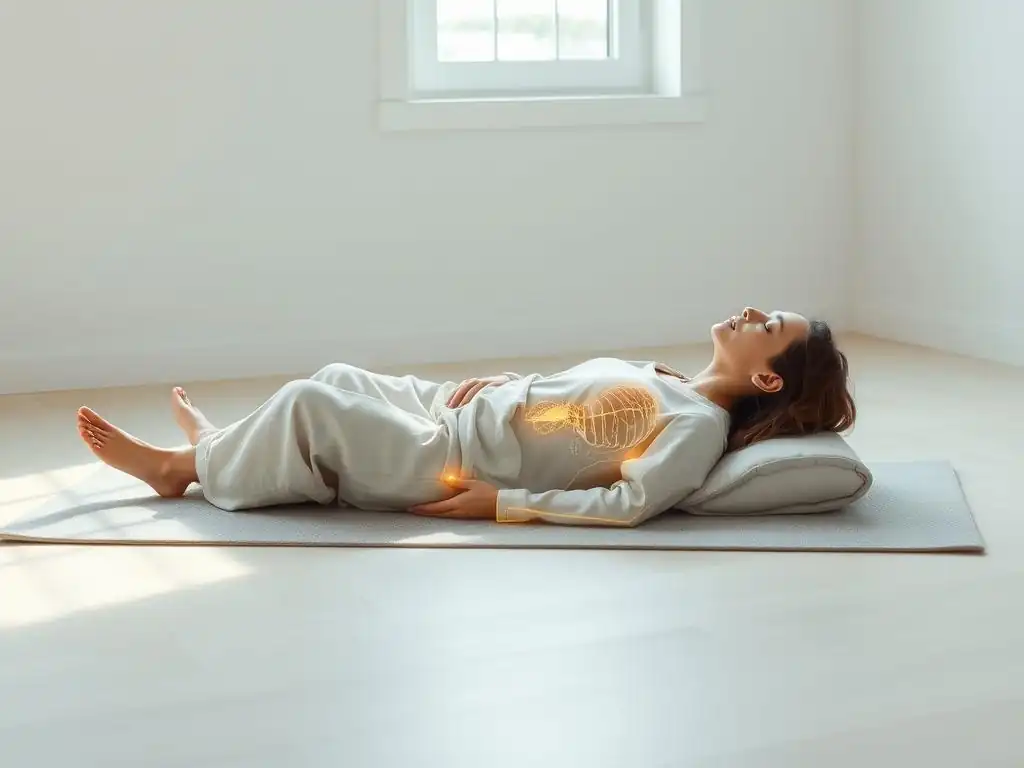
Now, gently bring your awareness to a specific part of your body, typically starting with the toes of one foot. The instruction is to systematically move your attention through your body, section by section. As you focus on each area, simply notice the sensations present there – warmth, coolness, tingling, pressure, absence of sensation, or anything else.
There's no need to judge or analyze the sensations. If you notice tension, simply acknowledge it. The practice is about observation, not about actively doing anything to the sensation. If your mind wanders, which it will, gently guide your attention back to the body part you were focusing on. This systematic approach ensures you cover your entire body, promoting a comprehensive sense of awareness and relaxation, a core element of useful body scan meditation sleep tips.
Starting with Your Toes: Body Scan Meditation Technique
Begin by directing your attention to the toes of your left foot. Imagine shining a spotlight of awareness on each toe individually, or the whole set of toes. Notice any sensations present: the feeling of the blanket or sheet on them, the pressure against the mattress, any warmth or coolness. Spend a moment here, simply observing.
After a minute or so, gently expand your awareness to include the sole of your left foot, then the top of your foot, and finally the ankle. Notice the different textures and sensations in each area. This slow, deliberate movement of attention helps ground you in the present moment and provides a concrete focus, which is particularly effective for body scan meditation sleep tips aimed at quieting a busy mind.
Moving Upward: Legs and Pelvis Body Scan
From your ankle, slowly move your awareness up into your lower leg – your calf and shin. Notice any sensations there. Then, bring your attention to your knee, observing the front, back, and sides. Continue upward to your thigh, scanning the top, bottom, and sides of your upper leg.
Once you have scanned your entire left leg, gently shift your attention to your right foot and repeat the process, moving from toes to ankle, lower leg, and thigh. After scanning both legs individually, bring your awareness to your pelvis and hips. Notice where your body makes contact with the surface beneath you, feeling the weight and support. Observe any sensations in the pelvic area without judgment.
Core and Chest: Releasing Tension with Body Scan
Next, guide your attention to your torso. Begin with your lower back and abdomen. Notice the gentle rise and fall of your belly with each breath. Scan your sides and then move your awareness up to your chest and upper back. Feel the movement of your chest as you breathe.
Many people hold tension in their core and chest areas, often related to stress or anxiety. As you scan these regions, simply observe any tightness or discomfort without trying to force it away. The act of acknowledging the sensation is often the first step towards unintentional release, making this a powerful part of body scan meditation sleep tips.
Arms and Hands: Body Scan Meditation for Relaxation
Now, bring your attention to your arms, starting with one hand. Focus on the fingers, palm, and back of the hand. Notice any tingling, warmth, or coolness. Then, move your awareness up the wrist, forearm, elbow, and upper arm to the shoulder.
Repeat this process for the other arm. As you scan your arms and hands, you might notice sensations related to how they are resting – the pressure against the surface or the feeling of clothing. This detailed focus on the extremities further anchors your awareness in the physical body.
Neck and Head: Gentle Body Scan for Sleep
Finally, guide your attention to your neck and shoulders, areas where tension is commonly held. Gently scan your throat, the back of your neck, and the tops of your shoulders. Notice any tightness or stiffness.
Then, move your awareness to your head. Scan your jaw, mouth, cheeks, eyes, forehead, and scalp. Pay attention to any subtle sensations in these areas. This final stage of the body scan brings your systematic exploration to a close, leaving you with a full-body awareness that is both grounding and deeply relaxing, essential components of effective body scan meditation sleep tips.
Step 4: Acknowledging Sensations and Letting Go
Throughout the body scan, the practice involves simply noticing whatever sensations are present in each area you focus on. This includes physical feelings like warmth, coolness, tingling, pressure, aches, or tension, as well as the absence of sensation. The key is to observe these sensations with an attitude of gentle curiosity and acceptance.
If you encounter an area with strong or unpleasant sensations, resist the urge to recoil or immediately try to change them. Instead, simply acknowledge their presence. Imagine breathing into that area, not to make the sensation disappear, but simply to bring awareness there. This practice of acknowledging and allowing, rather than resisting, helps to release the grip of tension, both physical and mental, making it easier to relax deeply for sleep.
Step 5: Returning to Your Breath and Drifting Off to Sleep
Once you have systematically scanned your entire body, gently broaden your awareness to include your whole body lying there, breathing. Notice the feeling of your body as a whole, supported by the surface beneath you. Spend a few moments simply resting in this state of full-body awareness.
As you continue to breathe naturally, you can gently shift your focus back to the simple sensation of the breath. Allow your awareness to soften. There is nothing more to do. If you feel yourself drifting off to sleep, simply allow it to happen. The body scan has done its work by bringing you into a state of relaxed awareness, making the transition to sleep seamless. If thoughts arise, simply notice them without engaging and return your gentle attention to the breath or the feeling of your body resting.
Optimizing Your Body Scan Meditation for Better Sleep
Creating a Consistent Sleep Meditation Routine
Consistency is paramount when using body scan meditation sleep tips for improving sleep. Aim to practice your body scan meditation at the same time each night, ideally as part of your wind-down routine leading up to bedtime. This regularity helps condition your mind and body to associate the practice with preparing for sleep. Just as you might brush your teeth or read a book before bed, make the body scan a non-negotiable step.
Even practicing for just 10-15 minutes consistently can yield significant results over time. For example, a study published in JAMA Internal Medicine in 2015 found that a mindfulness awareness practices program, which included body scan, improved sleep quality in older adults with moderate sleep disturbances. Participants reported improvements in sleep latency, duration, and overall quality after just six weeks of consistent practice. Building this routine helps reinforce the mind-body connection for relaxation.
Using Guided Body Scan Meditations for Sleep
Especially when starting out, using guided body scan meditations can be incredibly helpful. A guide's voice can keep you focused and lead you systematically through the body, reducing the likelihood of your mind wandering or skipping sections. Many excellent guided meditations are specifically designed for sleep, often with soothing background music or ambient sounds.
You can find guided body scans on various meditation apps, websites, or streaming platforms. Choose a guide whose voice you find calming. The length of guided meditations varies, from short 5-minute sessions to longer 30-minute practices. Experiment to find one that fits comfortably into your pre-sleep routine and helps you achieve the desired state of relaxation. Using guided body scan meditation sleep tips can make the process easier and more effective.
Dealing with Distractions During Body Scan Meditation
Distractions, both internal (thoughts, feelings) and external (noises, physical discomfort), are a natural part of any meditation practice, including body scan meditation for sleep. When you notice your mind wandering, the key is not to get frustrated. This is not a failure; it's an opportunity to practice bringing your attention back gently. Simply acknowledge the distraction ("Ah, thinking about tomorrow's meeting") and then kindly redirect your awareness back to the body part you were scanning or to your breath.
If you experience physical discomfort, gently notice it. You can try slightly adjusting your position if necessary, but often, simply acknowledging the sensation without resistance can lessen its intensity. The practice is about observing reality as it is, moment by moment. Each time you notice a distraction and gently return your focus, you are strengthening the "muscle" of attention, which is vital for managing sleep-disrupting thoughts.
Body Scan Meditation and Insomnia: What to Expect
For individuals struggling with insomnia, body scan meditation can be a powerful tool, but it's important to have realistic expectations. It's not a magic cure that guarantees instant sleep on the first try. Some people might find it initially challenging to lie still or quiet their minds, especially when experiencing sleep anxiety. However, consistent practice can gradually reduce the hyperarousal associated with insomnia.
Studies, such as one published in the journal Sleep in 2014, have shown that mindfulness-based therapies, including body scan, can significantly improve sleep quality and reduce insomnia severity in clinical populations. While individual results vary, many people with chronic insomnia report reduced time awake during the night and less distress about not sleeping after incorporating body scan meditation sleep tips into their routine over several weeks or months. Patience and persistence are key.
Advanced Body Scan Meditation Techniques for Sleep
Deepening Your Body Scan Practice for Enhanced Relaxation
Once you are comfortable with the basic body scan, you can deepen your practice to enhance relaxation for sleep. This might involve spending more time on each body area, exploring the sensations there with greater detail and curiosity. You can also expand your awareness to notice the space around each body part, or the subtle energetic sensations, like pulsing or vibration, in addition to physical feelings.
Another way to deepen the practice is to focus on the breath moving through the body part you are scanning. Imagine inhaling fresh, relaxing energy into the area and exhaling any tension or discomfort. This adds a layer of active release to the passive observation, which some people find particularly effective for letting go of deeply held physical tension that interferes with sleep.
Combining Body Scan with Other Sleep Hygiene Practices
Body scan meditation is most effective when integrated into a comprehensive approach to sleep improvement that includes good sleep hygiene. This means maintaining a consistent sleep schedule, ensuring your bedroom is dark, quiet, and cool, avoiding caffeine and alcohol before bed, and limiting screen time in the hour leading up to sleep.
Combining body scan meditation sleep tips with these practices creates a powerful synergy. For example, doing a body scan after taking a warm bath or reading a physical book can enhance the relaxation effect. The meditation helps quiet the mind and relax the body, while good sleep hygiene sets the stage for sleep success by creating optimal physical conditions.
Progressive Muscle Relaxation Body Scan
A variation that combines elements of body scan and progressive muscle relaxation (PMR) can be particularly helpful for releasing physical tension. In this technique, as you bring your awareness to a body part (e.g., your hand), you would briefly tense the muscles in that area for 5-10 seconds, then consciously release the tension completely as you exhale.
You then move your awareness to the next body part (e.g., forearm), tense and release, and continue this systematic process up the body. This active tensing and releasing helps you become more aware of the difference between tension and relaxation and can facilitate a deeper release, making it a powerful addition to your body scan meditation sleep tips repertoire.
Visualization Enhanced Body Scan
Adding a layer of visualization can enhance the relaxing effects of the body scan for some individuals. As you scan each body part, you might visualize a warm, soothing light or color entering that area with each inhale, melting away any tension or discomfort as you exhale.
Alternatively, you could visualize the tension as a dark cloud or knot that dissolves and floats away with each breath. This adds an imaginative element to the sensory awareness of the body scan and can be particularly helpful for those who respond well to visual cues in their relaxation practices.
Troubleshooting Common Body Scan Meditation Sleep Issues

Difficulty Focusing: Tips for Staying Present
It's completely normal for your mind to wander during body scan meditation, especially when you're tired and hoping to fall asleep. The key is not to judge yourself. Think of returning your attention as the practice itself, not a failure. Each time you notice your mind has drifted (to thoughts about the day, worries, or even just random images), gently acknowledge it without criticism.
Then, with kindness, redirect your attention back to the specific body part you intended to focus on. If it helps, mentally label the distraction, like "thinking" or "planning," before returning to the sensations in your body. Be patient with yourself; this skill improves with practice. Using guided body scan meditation sleep tips can also help maintain focus.
Feeling Restless: Addressing Physical Discomfort
Lying still for an extended period can sometimes lead to physical discomfort or restlessness. First, ensure your initial position is as comfortable as possible using pillows or adjustments. If discomfort arises during the scan, gently bring your awareness to it. Notice the specific sensations of the restlessness or discomfort without trying to push it away.
Sometimes, simply acknowledging the sensation with curiosity can lessen its intensity. If the discomfort is significant and distracting, you can gently adjust your position, doing so mindfully. Then, return to the body scan where you left off. Remember, the practice is about being with your experience as it is, including discomfort, without letting it derail your intention to relax.
Falling Asleep Too Quickly: Maintaining Awareness
While the goal of using body scan meditation sleep tips is to fall asleep, sometimes beginners find themselves drifting off almost immediately, before completing the scan. While this isn't necessarily a problem if you get the sleep you need, the full benefits of the body scan (like enhanced body awareness and stress reduction) come from maintaining some level of awareness throughout the practice.
If you consistently fall asleep within the first few minutes, try practicing the body scan slightly earlier in your evening routine, perhaps sitting up in a chair first, to build the skill of staying present before transitioning to lying down for sleep. Alternatively, you can mentally set the intention to simply notice the sensations for the full duration, accepting sleep if it comes, but prioritizing the awareness practice first.
Body Scan Meditation vs. Other Sleep Aids
Body Scan Meditation vs. Medication for Sleep
Body scan meditation offers a non-pharmacological approach to improving sleep, contrasting sharply with sleep medications. Medications often target specific neurochemical pathways to induce sleep, which can be effective in the short term but may come with side effects such as grogginess, dependency risk, or rebound insomnia upon discontinuation. For example, common sleep aids like zolpidem or benzodiazepines carry risks of addiction and can disrupt natural sleep cycles if used long-term.
In contrast, body scan meditation works by addressing underlying factors that contribute to sleep problems, such as stress, anxiety, and a racing mind. It teaches skills in relaxation, emotional regulation, and attention control. While it may take longer to see significant results compared to medication (weeks or months versus immediate effect), the benefits of body scan meditation for sleep are often sustained and contribute to overall mental and physical well-being without the risk of chemical dependency. It is often recommended as a first-line non-pharmacological intervention for chronic insomnia.
Body Scan Meditation vs. Other Meditation Techniques for Sleep (e.g., Mindfulness Meditation)
Body scan meditation is a specific form of mindfulness meditation, but they differ in their primary focus. General mindfulness meditation often involves bringing awareness to whatever arises in the present moment – thoughts, feelings, sounds, bodily sensations, or breath – without a specific structure for scanning the body. While also beneficial for calming the mind and reducing stress, its focus is broader.
Body scan meditation, however, specifically directs attention systematically through the physical body. This focused, step-by-step approach can be particularly grounding and effective for individuals whose sleep is disrupted by physical restlessness or excessive mental activity. By anchoring attention firmly in bodily sensations, it provides a clear path away from racing thoughts. While other mindfulness techniques like loving-kindness meditation or breath-focused meditation can also aid sleep, the body scan's emphasis on physical awareness makes it a uniquely powerful tool for releasing physical tension and preparing the body for rest, making these specific body scan meditation sleep tips highly relevant.
Integrating Body Scan Meditation into Your Daily Routine for Improved Sleep Quality
Morning Body Scan Practice for Reduced Anxiety
While body scan meditation is often practiced before bed for sleep, incorporating it into your morning routine can also indirectly improve nighttime sleep quality by reducing overall daily anxiety. A brief 10-15 minute body scan in the morning can help you start the day with greater awareness of your physical state and a sense of calm.
This morning practice helps you identify and release tension accumulated overnight or in anticipation of the day's stressors. By cultivating a baseline of reduced physical and mental tension throughout the day, you may find it easier to relax and unwind in the evening, setting a better foundation for sleep.
Afternoon Body Scan Break for Stress Relief
Taking a short body scan break in the afternoon can serve as a powerful antidote to midday stress and fatigue. Even a 5-10 minute mini-body scan, perhaps focusing just on the head, neck, shoulders, and hands, can help release accumulated tension from sitting or working.
This practice interrupts the stress cycle that can build throughout the day and carry over into the evening. By actively letting go of physical and mental tension during the day, you prevent it from becoming a significant barrier to sleep later on. These short, mindful breaks are excellent body scan meditation sleep tips for managing daily stress proactively.
Body Scan Meditation as Part of Your Nighttime Routine
As discussed extensively, the most direct way to use body scan meditation for sleep is to make it a consistent part of your nighttime wind-down routine. Aim to practice it in the hour before your intended bedtime. Lie down comfortably in bed or on a mat.
Follow the steps of the body scan, allowing yourself to relax deeply. The goal is to transition from the mental activity of the day into a state of physical and mental calm conducive to sleep. By signaling to your body and mind that it's time to rest, this practice helps regulate your sleep-wake cycle and prepares you for a restful night.
Conclusion: Achieving Restful Sleep with Body Scan Meditation
The Long-Term Benefits of Body Scan Meditation for Sleep and Overall Well-being
Embracing body scan meditation as a regular practice offers significant long-term benefits for both sleep quality and overall well-being. Consistently practicing these body scan meditation sleep tips helps retrain your nervous system to move away from a state of chronic stress and towards a state of relaxation. Over time, this can lead to more consistent, deeper, and more restorative sleep, reducing the impact of insomnia and other sleep disturbances.
Beyond sleep, the enhanced body awareness cultivated through body scan meditation can help you become more attuned to your body's signals throughout the day, allowing you to recognize and address stress or tension before it becomes overwhelming. This improved self-awareness contributes to better emotional regulation, reduced anxiety, and a greater sense of presence and calm in daily life, fostering holistic well-being.
Resources for Further Exploration of Body Scan Meditation Sleep Tips
To deepen your understanding and practice of body scan meditation for sleep, numerous resources are available. Many mindfulness centers and meditation studios offer introductory courses that teach the body scan technique in detail. There are also countless books, websites, and mobile applications dedicated to mindfulness and meditation that provide guided body scan practices specifically tailored for sleep.
Exploring different guides and resources can help you find approaches that resonate most with you. Look for resources that emphasize a gentle, non-judgmental approach. Consistent engagement with these resources can support your journey towards improving your sleep naturally using effective body scan meditation sleep tips.
Frequently Asked Questions
What is body scan meditation and how does it relate to sleep?
Body scan meditation is a mindfulness practice that involves focusing attention on different parts of the body. It can help reduce stress and promote relaxation, making it easier to fall asleep.
How can body scan meditation improve sleep quality?
By decreasing mental chatter and promoting physical awareness, body scan meditation can alleviate insomnia. It helps you disconnect from racing thoughts and anxieties that often keep you awake.
How often should I practice body scan meditation for sleep?
Ideally, practicing body scan meditation daily or even nightly can yield the best results. Even a short 10-15 minute session before bed can significantly improve sleep.
Are there any specific body scan meditation techniques recommended for sleep?
Focusing on releasing tension in each body part is crucial. Guided meditations specifically designed for sleep can be helpful, as they often incorporate soothing visualizations and breathing exercises.
What are some common challenges when starting body scan meditation, and how can I overcome them?
Distractions are common; gently redirect your attention back to your body. If you find it difficult to stay still, try adjusting your position or focusing on your breath as an anchor.
Final Reflection: Unlocking the Power of Rest Through Body Scan Meditation
The pursuit of restful sleep is a universal human experience, and in our increasingly stressed world, finding natural solutions is more crucial than ever. The simple yet profound practice of body scan meditation offers a powerful pathway to improved sleep, a path paved with self-awareness and mindful relaxation. This isn't just about counting sheep; it's about reclaiming control over your mind and body's natural sleep rhythms.
The impact of body scan meditation extends far beyond the bedroom. By cultivating a deeper connection with our physical sensations, we learn to recognize and release the tension that accumulates throughout the day, a tension that often manifests as racing thoughts and restless nights. The body keeps the score,
as Bessel van der Kolk so eloquently puts it, and by learning to listen to our bodies through mindful practices like body scan meditation, we begin to heal the emotional and physical burdens that disrupt our sleep. This mindful approach to sleep isn't just a trend; it's a fundamental shift in how we approach our well-being.
You now hold the key to unlocking a more restful night's sleep. Don't just read about the benefits of body scan meditation; experience them. Start with just five minutes tonight. Notice the sensations in your body, breathe deeply, and allow yourself to gently release any tension you find. With consistent practice, you'll not only improve your sleep but also cultivate a deeper sense of self-awareness and inner peace that extends far beyond the confines of your bed. Embrace the journey to a more restorative and rejuvenating sleep – your body and mind will thank you for it.
Unlock Deeper Sleep Tonight: Your Body Scan Meditation Journey Begins Now!
Thanks for taking the time to explore the power of body scan meditation for better sleep! We hope you've gained valuable insights into this transformative practice. Now it's time to put your knowledge into action.
- Begin your first body scan meditation tonight. Even 5 minutes can make a significant difference. Find a quiet space, get comfortable, and follow the guided steps you learned.
- Share your experience! Let us know in the comments below how your first body scan felt and what you discovered. We love hearing your stories!
- Explore other Mind Care Guide articles on improving your sleep hygiene for a holistic approach to restful nights.
Ready to experience the tranquility and restorative power of body scan meditation? What small step will you take tonight to prioritize your sleep?