
Quick & Easy AntiInflammatory Meals for Busy Minds


Welcome to Mind Care Guide, your sanctuary for cultivating inner peace and well-being.
Feeling overwhelmed and mentally exhausted? You're not alone. Did you know that what you eat can have a profound impact on your mental clarity and mood? Delve into our guide on Antiinflammatory Meals for Busy Minds, and discover how simple dietary changes can help soothe your mind and nourish your body. Ready to unlock a calmer, more focused you? Let's explore how food can be your ally in the quest for mental wellness...
- Quick & Easy Anti-Inflammatory Meals for Busy Professionals: A Productivity Guide
- Key Ingredients for Anti-Inflammatory Focus and Productivity
- Quick & Easy Anti-Inflammatory Meal Ideas for Time-Crunched Individuals
- Anti-Inflammatory Snacks for Sustained Mental Performance
- Simple Tips for Implementing an Anti-Inflammatory Diet
- Beyond Food: Lifestyle Factors for Reducing Inflammation and Supporting Cognitive Health
- Recipes for Anti-Inflammatory Drinks for Busy Professionals
- Conclusion: Fueling Your Success with Anti-Inflammatory Meals
-
Frequently Asked Questions
- What makes a meal "anti-inflammatory" and why is it important for mental well-being?
- How can anti-inflammatory meals specifically benefit someone with a "busy mind"?
- What are some quick and easy ingredients that are considered anti-inflammatory?
- Can I realistically incorporate anti-inflammatory meals into my diet if I have a very limited amount of time to cook?
- Are there any specific anti-inflammatory meal plans or recipes suitable for individuals with particular dietary restrictions (e.g., vegetarian, gluten-free)?
- Final Reflection: Nourishing the Busy Mind, One Meal at a Time
- Ignite Your Inner Calm: Nourish Your Mind & Body Today!
Quick & Easy Anti-Inflammatory Meals for Busy Professionals: A Productivity Guide
The Link Between Inflammation and Executive Function
Chronic inflammation, often a silent process within the body, has been increasingly linked to impaired cognitive function, particularly affecting the brain's executive functions. These functions include crucial skills like planning, decision-making, working memory, and attention control – precisely the abilities critical for busy professionals navigating demanding careers.
Research indicates that inflammatory molecules, such as cytokines, can cross the blood-brain barrier and interfere with neurotransmitter activity and neuronal communication, potentially slowing down processing speed and reducing mental clarity. For example, studies have shown that individuals with elevated levels of inflammatory markers like C-reactive protein (CRP) may perform less optimally on tasks requiring sustained attention and complex problem-solving compared to those with lower levels.
Furthermore, neuroinflammation can contribute to structural changes in the brain over time. Chronic exposure to inflammatory signals is associated with reduced grey matter volume in areas like the prefrontal cortex and hippocampus, regions vital for executive functions and memory.
This biological impact translates directly into real-world challenges for busy minds, potentially leading to increased difficulty concentrating during long meetings, reduced efficiency in multitasking, and a feeling of mental fatigue or "brain fog" that hinders productivity and makes tackling complex projects feel overwhelming. Addressing this underlying inflammation through diet is a proactive step toward preserving and enhancing cognitive performance under pressure.
Why Anti-Inflammatory Meals Matter for Demanding Careers
For individuals juggling tight deadlines, frequent travel, and high-pressure environments, maintaining peak cognitive function isn't a luxury – it's a necessity. This is where focusing on anti-inflammatory meals for busy minds becomes paramount. These meals provide the brain with the nutrients it needs to function optimally while simultaneously helping to quell systemic inflammation that can derail focus and energy levels. Unlike processed foods or those high in sugar and unhealthy fats, which can trigger inflammatory responses and lead to energy crashes, anti-inflammatory foods offer sustained energy release and contain compounds that actively protect brain cells.
Adopting a diet rich in anti-inflammatory components can lead to tangible benefits for the busy professional. Improved mood stability, enhanced ability to manage stress, and better sleep quality are commonly reported outcomes, all of which directly contribute to higher productivity and resilience. Consider the difference between starting a demanding day fueled by a sugary pastry versus a meal rich in omega-3s and antioxidants.
The latter supports stable blood sugar, reduces inflammatory load, and provides sustained cognitive fuel, enabling sharper focus and greater endurance throughout the workday. Making anti-inflammatory meals for busy minds a priority is an investment in long-term career sustainability and mental well-being.
Key Ingredients for Anti-Inflammatory Focus and Productivity
Top Anti-Inflammatory Foods for Cognitive Enhancement
Incorporating specific nutrient-dense foods into your daily anti-inflammatory meals is a cornerstone for supporting a busy mind. Fatty fish like salmon, mackerel, and sardines are powerhouses of omega-3 fatty acids, particularly DHA, which is a major structural component of brain cell membranes and plays a critical role in anti-inflammatory pathways. Aiming for two to three servings of fatty fish per week can significantly contribute to reducing systemic inflammation.
Berries, such as blueberries, strawberries, and raspberries, are packed with antioxidants, notably anthocyanins, which have been shown in some studies to improve memory and executive function by protecting brain cells from oxidative stress and inflammation. A typical serving of a cup of blueberries provides a substantial dose of these beneficial compounds.
Leafy green vegetables like spinach, kale, and collard greens are rich in vitamins (like vitamin K, lutein, and folate) and antioxidants that have anti-inflammatory properties and are associated with slower cognitive decline. Including a generous portion of these vegetables in your anti-inflammatory meals daily can provide a foundational level of brain support. Nuts and seeds, especially walnuts, almonds, flaxseeds, and chia seeds, offer a combination of healthy fats, fiber, and antioxidants.
Walnuts, for instance, are unique in their high content of alpha-linolenic acid (ALA), a plant-based omega-3 fatty acid. Just a handful (about an ounce) daily can contribute valuable nutrients. These foods, when consistently included in anti-inflammatory meals for busy minds, build a protective shield for your cognitive function.
Incorporating Healthy Fats into Your Diet
Not all fats are created equal, and integrating healthy fats is crucial for creating effective anti-inflammatory meals for busy minds. Monounsaturated fats, found abundantly in olive oil (especially extra virgin), avocados, and nuts, are known to help reduce inflammation and are associated with better cardiovascular health, which in turn supports brain health. Extra virgin olive oil, with its high polyphenol content, offers significant antioxidant and anti-inflammatory benefits.
Using it as the primary cooking oil or in salad dressings is a simple yet impactful dietary change. A tablespoon of extra virgin olive oil typically contains about 14 grams of monounsaturated fats and numerous beneficial compounds.
Omega-3 polyunsaturated fats are arguably the most critical fats for combating inflammation and supporting brain health. As mentioned, fatty fish are excellent sources of EPA and DHA. For those who don't eat fish, supplements can be an option, but dietary sources are preferred.
Plant-based sources like flaxseeds, chia seeds, and walnuts provide ALA, which the body can convert into EPA and DHA, albeit inefficiently for some individuals. Incorporating these seeds into smoothies or using flaxseed oil in dressings adds valuable omega-3s. Avoiding trans fats and reducing saturated fats found in red meat and processed foods is equally important, as these fats can promote inflammation, counteracting the benefits of anti-inflammatory meals busy minds rely on.
The Power of Polyphenols for Brain Protection
Polyphenols are a vast group of plant compounds found in many anti-inflammatory foods, known for their potent antioxidant and anti-inflammatory effects. They work by neutralizing free radicals, reducing oxidative stress, and modulating inflammatory pathways in the body and brain. For a busy mind constantly under stress, these protective compounds are invaluable.
Foods rich in polyphenols include berries, dark chocolate (with a high cocoa content, typically 70% or more), green tea, coffee, nuts, seeds, and many vegetables and fruits. For example, a cup of green tea contains catechins, a type of polyphenol that has been studied for its neuroprotective effects and ability to improve alertness without the jitters of excessive caffeine.
The diversity of polyphenols means that consuming a wide variety of colorful fruits and vegetables in your anti-inflammatory meals provides the broadest spectrum of benefits. Curcumin, the active compound in turmeric, is a well-known polyphenol with powerful anti-inflammatory properties; studies suggest it may help improve memory and mood.
Resveratrol, found in grapes, red wine (in moderation), and peanuts, is another polyphenol linked to brain health and longevity. Incorporating sources of polyphenols into your daily diet, perhaps starting with a handful of berries in the morning or a cup of green tea in the afternoon, significantly boosts the brain-protective power of your anti-inflammatory meals for busy minds.
Quick & Easy Anti-Inflammatory Meal Ideas for Time-Crunched Individuals
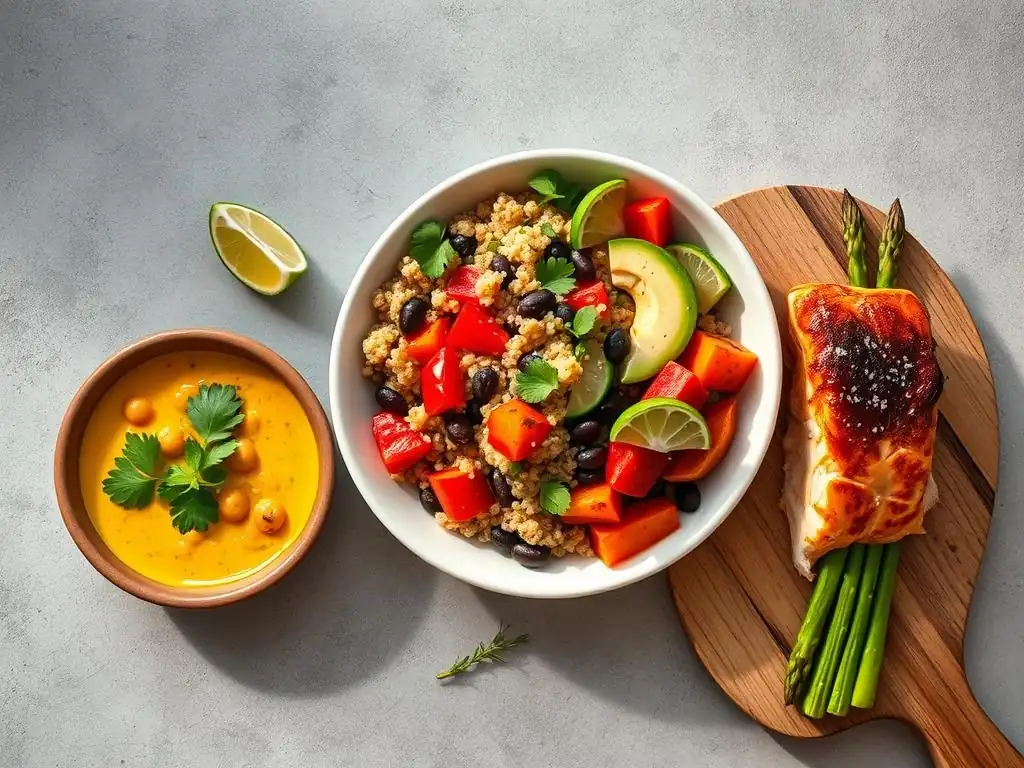
Breakfast: Optimizing Brain Function for the Day Ahead
Starting the day with an anti-inflammatory breakfast sets the stage for sustained focus and energy, crucial for busy professionals. Skipping breakfast or opting for sugary, processed options can lead to blood sugar crashes and increased inflammation, hindering productivity. The goal is to fuel your brain with healthy fats, protein, and complex carbohydrates that release energy slowly and provide essential nutrients to combat inflammation from the outset.
Chia Seed Pudding with Berries and Almonds
This breakfast requires minimal morning prep, making it ideal for busy minds. Chia seeds are packed with omega-3 fatty acids (ALA), fiber, and protein, offering sustained energy and helping reduce inflammation. Berries provide antioxidants and natural sweetness without causing a sugar spike. Preparing the pudding the night before involves simply mixing chia seeds with a liquid base like almond milk or coconut milk, adding a touch of sweetener if desired, and letting it thicken in the fridge overnight. In the morning, top with fresh or frozen berries and a sprinkle of almonds for healthy fats and crunch.
A typical serving (1/4 cup chia seeds, 1 cup milk) can provide around 10-15 grams of fiber and 5-8 grams of omega-3s, depending on the type of milk and added toppings. This high fiber content aids digestion and helps maintain stable blood sugar, preventing the energy dips that can derail a productive morning. It's a simple yet powerful anti-inflammatory meal busy minds can easily incorporate into their routine, providing sustained mental clarity and focus until lunchtime.
Scrambled Eggs with Avocado and Spinach
Eggs are a fantastic source of high-quality protein and choline, a nutrient important for brain health and neurotransmitter synthesis. Paired with anti-inflammatory powerhouses like spinach and avocado, this meal provides a potent dose of nutrients for a busy mind. Sautéing a handful of spinach before adding the eggs takes only a minute or two. Avocado adds healthy monounsaturated fats and fiber, contributing to satiety and supporting brain cell function.
A serving of two eggs provides about 12 grams of protein, while half an avocado adds around 15 grams of healthy fats and 7 grams of fiber. Spinach contributes vitamins A, C, and K, along with folate. This combination ensures a steady release of energy and provides essential building blocks for cognitive function, making it an excellent anti-inflammatory meal busy minds can whip up quickly. The healthy fats from avocado help slow the absorption of carbohydrates, preventing a rapid rise and fall in blood sugar that can impair focus.
Lunch: Maintaining Energy and Focus During Peak Hours
Lunch is critical for sustaining energy and cognitive function through the afternoon slump, often the most demanding part of the day for busy professionals. Anti-inflammatory meals at lunchtime should be balanced, providing protein, healthy fats, fiber, and complex carbohydrates to keep you alert and focused without feeling heavy or sluggish. Planning ahead or utilizing leftovers is key for time efficiency.
Tuna Salad with Olive Oil and Lemon on Whole-Wheat Crackers
Traditional tuna salad often uses mayonnaise, which can be high in less healthy fats depending on the type. Swapping mayonnaise for extra virgin olive oil and fresh lemon juice creates a lighter, more anti-inflammatory version. Canned tuna (preferably skipjack or light tuna for lower mercury content) is a convenient source of protein and some omega-3s. Mix flaked tuna with a generous drizzle of high-quality extra virgin olive oil, fresh lemon juice, chopped celery, red onion, and herbs like parsley or dill.
Serve this tuna salad on whole-wheat crackers or a bed of mixed greens. Whole-wheat crackers provide complex carbohydrates and fiber, releasing energy slowly. This meal offers a good source of protein (around 20-25 grams per serving of tuna) and healthy fats from the olive oil, supporting sustained energy and cognitive function. It's a quick-to-assemble anti-inflammatory meal busy minds can pack for work or prepare rapidly at home.
Leftover Salmon with Mixed Greens and Balsamic Vinaigrette
One of the easiest ways to ensure anti-inflammatory meals for busy minds is to cook extra dinner the night before. Leftover baked or grilled salmon is perfect for a quick lunch salad. Simply flake the cold salmon over a generous bed of mixed greens, which provide a range of vitamins and antioxidants. Add other anti-inflammatory vegetables like cucumber, bell peppers, or cherry tomatoes.
Dress the salad with a simple homemade balsamic vinaigrette using extra virgin olive oil and balsamic vinegar. Salmon provides high-quality protein and ample omega-3 fatty acids (a 3-ounce serving can contain over 1 gram of combined EPA and DHA), directly supporting brain health and reducing inflammation. This lunch is nutrient-dense, satisfying, and requires virtually no cooking during the busy workday, making it an ideal anti-inflammatory meal busy minds can rely on for peak performance.
Dinner: Relaxing and Recharging Your Brain After Work
Dinner should focus on providing nutrients for recovery and preparing your body and mind for rest, crucial for busy professionals. Anti-inflammatory meals in the evening can help calm the nervous system and support cellular repair processes that occur overnight. Aim for a balanced plate with lean protein, plenty of vegetables, and a moderate portion of complex carbohydrates.
Baked Cod with Asparagus and Lemon
Cod is a lean white fish that provides high-quality protein and some minerals important for brain function, like selenium. Baking is a simple, hands-off cooking method perfect for busy evenings. Place cod fillets on a baking sheet with asparagus spears, drizzle with olive oil, season with salt, pepper, and lemon slices. Bake until the fish is opaque and the asparagus is tender-crisp, typically 12-15 minutes at 400°F (200°C).
This meal is light yet satisfying. Asparagus is a good source of folate and vitamins, contributing to overall nutritional intake without adding inflammatory compounds. The olive oil adds healthy fats. A serving of cod provides around 20-25 grams of protein. This simple, clean meal supports the body's natural anti-inflammatory processes and doesn't weigh you down, helping busy minds unwind and prepare for restorative sleep.
Vegetable Curry with Brown Rice
A vegetable-rich curry is an excellent way to pack in multiple anti-inflammatory ingredients, particularly spices like turmeric, ginger, and garlic. Use a base of coconut milk (full-fat or light) and load it with a variety of vegetables such as broccoli, cauliflower, bell peppers, spinach, and chickpeas or lentils for protein and fiber. Cook the vegetables in the spiced coconut milk until tender.
Serve the curry over a moderate portion of brown rice, which provides complex carbohydrates and fiber compared to white rice. This meal is warming, flavorful, and incredibly nutrient-dense. Turmeric, specifically its active compound curcumin, is a potent anti-inflammatory agent that can benefit brain health. A serving can easily provide over 10 grams of fiber and a wide array of vitamins and minerals. It's a comforting yet powerful anti-inflammatory meal busy minds can enjoy while supporting their body's recovery.
Anti-Inflammatory Snacks for Sustained Mental Performance
Healthy Snack Options to Prevent Energy Crashes and Support Cognitive Function
Snacking strategically between meals is vital for busy minds to maintain stable energy levels and focus, preventing the dreaded mid-afternoon slump. Opting for anti-inflammatory snacks over sugary or processed alternatives ensures you're fueling your brain effectively and avoiding spikes and crashes that impair cognitive function. These snacks should ideally combine healthy fats, protein, and fiber for sustained release.
Walnuts and Pumpkin Seeds: A Brain-Boosting Duo
Walnuts are unique among nuts for their high content of omega-3 ALA, making them a top choice for brain health. Pumpkin seeds provide magnesium, zinc, and antioxidants. Combining a small handful of each offers a synergistic blend of nutrients that support cognitive function and reduce inflammation. The healthy fats and protein in this mix provide satiety and stable energy.
An ounce of walnuts contains about 2.5 grams of ALA, while pumpkin seeds add valuable minerals. This snack is incredibly portable and requires no preparation, making it perfect for busy professionals on the go. Keeping a small bag of this mix in your desk drawer or briefcase ensures you always have an anti-inflammatory option readily available to combat hunger and maintain mental sharpness.
Edamame: A Protein-Rich and Fiber-Filled Snack
Steamed edamame (young soybeans) in the pod is a simple, satisfying, and highly nutritious anti-inflammatory snack. It's an excellent source of plant-based protein and fiber, helping you feel full and maintaining stable blood sugar levels. Edamame also contains antioxidants and isoflavones, which have anti-inflammatory properties.
A half-cup serving of shelled edamame provides about 9 grams of protein and 4 grams of fiber. It can be bought frozen and quickly steamed or microwaved in minutes. Eating it from the pod also helps slow down consumption, promoting mindful eating. This snack is easy to prepare in advance and pack, offering a convenient and effective way to incorporate anti-inflammatory foods into a busy schedule.
Simple Tips for Implementing an Anti-Inflammatory Diet
Batch Cooking Strategies for Busy Schedules
One of the biggest hurdles for busy minds adopting an anti-inflammatory diet is lack of time. Batch cooking is a powerful strategy to overcome this. Dedicate a few hours on a less busy day (like a Sunday afternoon) to prepare components for multiple meals. Cook a large batch of brown rice or quinoa, roast a tray of anti-inflammatory vegetables (like broccoli, Brussels sprouts, or bell peppers), and bake or grill a protein source like chicken or salmon.
Having these pre-cooked components ready means you can assemble quick and easy anti-inflammatory meals throughout the week with minimal effort. For example, roasted vegetables and protein can be combined with greens for a salad, added to a grain bowl, or incorporated into a quick stir-fry base. This approach drastically reduces daily cooking time and ensures you have healthy options readily available, making anti-inflammatory meals for busy minds a sustainable reality rather than an aspirational goal.
Creating an Anti-Inflammatory Grocery List
Shopping smart is crucial for successful meal prep and ensuring you have the right ingredients on hand for anti-inflammatory meals. Create a standardized grocery list focusing on the core anti-inflammatory food groups: fatty fish, colorful fruits (especially berries), leafy greens and other vegetables, nuts and seeds, olive oil, and anti-inflammatory spices (turmeric, ginger, garlic). Include items for quick meals like canned tuna (in olive oil or water), eggs, and frozen vegetables or fruits.
Planning your meals for the week, even loosely, before you shop helps you buy only what you need and reduces waste. Stick to the perimeter of the grocery store where fresh produce, lean proteins, and dairy alternatives are typically located, and limit trips down the middle aisles where processed, inflammatory foods often reside. A well-curated anti-inflammatory grocery list simplifies shopping and sets you up for a week of healthy eating without last-minute stress.
Even when trying to eat healthily, busy minds can inadvertently consume inflammatory ingredients hidden in seemingly innocent foods. Common culprits include added sugars (often listed under multiple names like high fructose corn syrup, sucrose, dextrose), refined grains (white flour products), unhealthy fats (trans fats, hydrogenated oils, excessive saturated fats), and artificial additives. Reading food labels is essential.
Pay attention to the ingredients list, not just the nutrition facts panel. Look for whole, recognizable ingredients. Be wary of processed snacks, sauces, dressings, and pre-prepared meals, which often contain high levels of sugar, unhealthy oils (like soybean, corn, or sunflower oil high in omega-6s), and additives. Choosing whole foods and preparing meals yourself, or opting for products with minimal, clean ingredients, significantly reduces your exposure to these hidden inflammatory agents, ensuring your anti-inflammatory meals are truly beneficial for your busy mind.
Beyond Food: Lifestyle Factors for Reducing Inflammation and Supporting Cognitive Health

The Importance of Sleep for Optimal Performance
For busy minds, adequate and quality sleep is not just about feeling rested; it's a fundamental pillar of health that profoundly impacts inflammation and cognitive function. During sleep, the brain clears metabolic waste products, including those associated with inflammation. Chronic sleep deprivation, defined as consistently getting less than 7-9 hours per night, is a known stressor that can increase inflammatory markers in the body. This heightened inflammation can then impair executive functions, memory, and mood regulation – precisely the functions sleep deprivation already compromises.
Prioritizing sleep is as crucial as choosing anti-inflammatory meals for busy minds. Aim for a consistent sleep schedule, create a relaxing bedtime routine, and ensure your sleep environment is dark, quiet, and cool. While demanding schedules can make this challenging, viewing sleep as non-negotiable fuel for your brain rather than a luxury can help shift priorities. Improved sleep quality directly supports the brain's ability to recover and function optimally, enhancing the benefits gained from an anti-inflammatory diet.
Mindfulness Techniques for Reducing Stress
Chronic stress is a significant driver of inflammation in the body. For busy professionals, stress is often an omnipresent factor. Learning and implementing mindfulness techniques can help manage stress levels, thereby reducing stress-induced inflammation and supporting cognitive resilience. Simple practices like deep breathing exercises, short meditation sessions (even just 5-10 minutes daily), or mindful walking can lower cortisol levels and calm the nervous system.
Mindfulness helps busy minds become more aware of their thoughts and feelings without judgment, reducing reactivity to stressors. This practice can improve focus, emotional regulation, and overall mental clarity. While anti-inflammatory meals nourish the body, mindfulness nourishes the mind, creating a powerful synergy for combating inflammation and enhancing cognitive performance. Integrating these practices alongside dietary changes offers a holistic approach to supporting a busy mind under pressure.
The Role of Regular Exercise in Promoting Brain Health
Regular physical activity is a potent anti-inflammatory intervention and a powerful tool for supporting brain health. Exercise helps reduce systemic inflammation by lowering levels of inflammatory markers and promoting the release of anti-inflammatory molecules. It also increases blood flow to the brain, supports the growth of new brain cells (neurogenesis), and improves the production of brain-derived neurotrophic factor (BDNF), a protein crucial for learning, memory, and cognitive function.
Finding time for exercise can be challenging for busy professionals, but even moderate activity yields benefits. Aim for at least 150 minutes of moderate-intensity aerobic exercise or 75 minutes of vigorous-intensity exercise per week, coupled with muscle-strengthening activities twice a week. This could mean taking brisk walks during lunch breaks, using a standing desk, opting for stairs, or scheduling shorter, more frequent workout sessions. Combining regular exercise with anti-inflammatory meals provides a robust defense against inflammation and supports peak cognitive performance for busy minds.
Recipes for Anti-Inflammatory Drinks for Busy Professionals
Beyond meals and snacks, incorporating anti-inflammatory drinks can further support your busy mind throughout the day. These beverages offer hydration and deliver beneficial compounds in an easy-to-consume format, perfect for sipping while working or commuting.
Ginger Tea: A Refreshing and Brain-Boosting Beverage
Ginger is renowned for its powerful anti-inflammatory and antioxidant properties, primarily due to compounds like gingerol. Drinking ginger tea is a simple way to leverage these benefits. It can also help soothe digestion and reduce nausea, common issues exacerbated by stress in busy professionals.
To make ginger tea, simply steep slices of fresh ginger root in hot water for 5-10 minutes. You can add a squeeze of lemon for extra flavor and antioxidants, or a touch of honey if you prefer sweetness. This warm, spiced beverage is a comforting and effective addition to an anti-inflammatory regimen, providing a gentle boost to cognitive function and helping to calm inflammation. It's a simple ritual that busy minds can easily incorporate into their morning or afternoon routine.
Berry Smoothie: A Powerful Antioxidant for Enhanced Cognitive Function
Smoothies are a quick and convenient way to pack multiple anti-inflammatory ingredients into one drink. A berry smoothie is particularly beneficial for busy minds due to the high antioxidant content of berries. Combine a mix of frozen berries (like blueberries, raspberries, strawberries) with a liquid base such as almond milk, coconut milk, or water.
For added anti-inflammatory power and satiety, include a scoop of plant-based protein powder, a tablespoon of chia seeds or flaxseeds (for omega-3s), and a handful of spinach (you won't taste it!). Blend until smooth. This drink provides a concentrated dose of vitamins, minerals, fiber, and antioxidants that combat oxidative stress and inflammation, directly supporting brain health and sustained energy. It's a portable and delicious anti-inflammatory meal busy minds can enjoy on the go.
Conclusion: Fueling Your Success with Anti-Inflammatory Meals
Adopting a diet rich in anti-inflammatory meals is a powerful, practical strategy for busy professionals seeking to optimize their cognitive performance, manage stress, and enhance overall well-being. Understanding the link between chronic inflammation and impaired executive function highlights the critical need to nourish your body and brain with the right foods. By focusing on nutrient-dense ingredients like fatty fish, colorful produce, healthy fats, and potent spices, you actively combat inflammation that can hinder focus, memory, and energy levels.
Implementing simple strategies like batch cooking, mindful grocery shopping, and being aware of hidden inflammatory ingredients makes incorporating anti-inflammatory meals into a demanding schedule achievable. Paired with essential lifestyle factors such as prioritizing sleep, practicing mindfulness, and engaging in regular exercise, an anti-inflammatory diet creates a synergistic effect, building resilience against the stressors of modern professional life. Fueling your success with anti-inflammatory meals busy minds can easily integrate is not just about eating well; it's about empowering yourself with sustained energy, sharper focus, and greater mental capacity to thrive in your career and life.
Frequently Asked Questions
What makes a meal "anti-inflammatory" and why is it important for mental well-being?
Anti-inflammatory meals are rich in antioxidants and healthy fats, helping to reduce inflammation in the body. This is important as chronic inflammation can negatively impact brain function and mental health, contributing to conditions like anxiety and depression.
How can anti-inflammatory meals specifically benefit someone with a "busy mind"?
A busy mind often experiences increased stress and cognitive overload, which can exacerbate inflammation. Anti-inflammatory meals can help reduce these negative effects, improving focus, mood, and overall cognitive performance.
What are some quick and easy ingredients that are considered anti-inflammatory?
Some examples include berries (blueberries, strawberries), leafy greens (spinach, kale), fatty fish (salmon, tuna), nuts (almonds, walnuts), and olive oil. These ingredients are readily available and can be incorporated into simple meals.
Can I realistically incorporate anti-inflammatory meals into my diet if I have a very limited amount of time to cook?
Absolutely! Many anti-inflammatory recipes are designed for quick preparation, like smoothies, salads, or one-pan meals. Focusing on simple recipes with minimal ingredients is key.
Are there any specific anti-inflammatory meal plans or recipes suitable for individuals with particular dietary restrictions (e.g., vegetarian, gluten-free)?
Yes, there are plenty of resources available that cater to various dietary needs. You can find vegetarian or gluten-free anti-inflammatory recipes online or consult with a registered dietitian for personalized meal plans.
Final Reflection: Nourishing the Busy Mind, One Meal at a Time
The pursuit of quick, easy, and anti-inflammatory meals isn't just a trend; it's a vital necessity for navigating the demands of modern life. Our increasingly fast-paced world often leaves us sacrificing our well-being for productivity, but the connection between inflammation and cognitive function is undeniable. Ignoring this link means neglecting a crucial aspect of our mental and physical health.
This exploration of anti-inflammatory eating for busy individuals highlights the powerful synergy between what we consume and how we think. The recipes and strategies presented aren't just about convenience; they're about reclaiming control over our health and well-being. As Hippocrates wisely stated, Let food be thy medicine and medicine be thy food.
This ancient wisdom rings truer than ever in our current context, where chronic inflammation contributes to so many prevalent mental and physical health challenges. The simple act of choosing nutrient-rich ingredients can be a powerful act of self-care.
Now, consider your own relationship with food and your mental state. What small changes can you implement today to incorporate more anti-inflammatory foods into your diet? Perhaps it's swapping one meal a week for a recipe from this article, or simply adding a handful of berries to your breakfast. Every conscious choice, no matter how small, contributes to a healthier, more vibrant you—a you with a clearer, more focused mind ready to tackle the challenges ahead. Start small, build momentum, and nourish your busy mind, one delicious and anti-inflammatory meal at a time.
Ignite Your Inner Calm: Nourish Your Mind & Body Today!
Thank you for taking the time to explore simple ways to fuel your mind and body with anti-inflammatory goodness. We hope you discovered some delicious and practical recipes to incorporate into your busy life!
Ready to take the next step towards a calmer, healthier you? Here's how:
- Prioritize your well-being: Choose one recipe from the article and make it for dinner tonight. See how even small changes can make a big difference in your energy levels and mood.
- Share the love: Forward this article to a friend or family member who might also benefit from these delicious and easy anti-inflammatory meals. Let's spread the word about mindful eating together!
- Explore further: Dive deeper into our Mind Care Guide website (MindCareGuide.org) for more wellness tips and recipes designed to support your mental and physical health.
What simple change will you make today to nourish your mind and body?