
The Ripple Effect: How a Teacher's Mindfulness Practice Impacts the Whole School Community


Welcome to Mind Care Guide, a place dedicated to nurturing your mental well-being.
Ever wondered how a single spark of mindfulness can ignite a positive change in an entire school? Our latest article, " The Ripple Effect: How a Teacher's Mindfulness Practice Impacts the Whole School Community," delves into the transformative power of presence and connection. Discover how cultivating mindfulness not only benefits individual teachers but also fosters a more supportive and thriving environment for students, staff, and the entire school community. Intrigued? Keep reading to explore the inspiring potential of mindfulness impacts school community and learn how you can bring this positive change to your own environment.
- Introduction: Mindfulness for a Thriving School Environment
- Understanding the Teacher's Role in Cultivating School-Wide Mindfulness
- How a Teacher's Mindfulness Practice Impacts Students
- Extending Mindfulness to the Wider School Community
- Practical Strategies for Teachers to Integrate Mindfulness
- Case Studies: Schools Demonstrating the Positive Effects of Mindfulness
- Addressing Common Concerns and Misconceptions About Mindfulness in Schools
- Resources for Teachers Seeking to Integrate Mindfulness
- Conclusion: Creating a More Mindful and Compassionate School Community
-
Frequently Asked Questions
- How does a teacher's mindfulness practice specifically benefit students?
- Besides students, how does a teacher's mindfulness influence other staff members?
- What are some practical ways a teacher can integrate mindfulness into their daily routine, both personally and professionally?
- What evidence supports the claim that mindfulness improves the school community?
- What resources are available for teachers who want to learn more about mindfulness and its benefits?
- Final Reflection: The Expanding Circles of Mindfulness
- Ignite Your Inner Calm: Share the Ripple Effect
Introduction: Mindfulness for a Thriving School Environment
The modern school environment presents numerous challenges, from academic pressures and social dynamics to the sheer pace of daily life. Within this complex ecosystem, the well-being of every individual – students, teachers, staff, and even parents – is paramount. Mindfulness, the practice of paying attention to the present moment without judgment, has emerged as a powerful tool capable of fostering a more positive, resilient, and supportive school community.
It's not merely a technique for individual stress reduction; when integrated thoughtfully, mindfulness impacts school community dynamics on multiple levels, creating a ripple effect that benefits everyone involved. This article explores the profound ways a teacher's personal mindfulness journey and professional application can transform the entire educational landscape.
Cultivating mindfulness in schools goes beyond a simple trend; it represents a fundamental shift towards prioritizing mental and emotional health alongside academic achievement. A school where mindfulness is valued becomes a place where individuals feel seen, heard, and equipped to navigate challenges with greater calm and clarity.
Understanding how this transformation begins, particularly with the teacher's role, is key to unlocking the full potential of mindfulness in creating a truly thriving and compassionate learning environment. The positive impact of mindfulness on the school community is a journey that starts internally but expands outwards, touching every corner of the educational experience.
Understanding the Teacher's Role in Cultivating School-Wide Mindfulness
Teachers are at the heart of the school system, interacting daily with students, colleagues, and parents. Their emotional state, resilience, and ability to manage stress significantly influence the classroom atmosphere and, by extension, the wider school climate. When teachers embody mindfulness, they not only enhance their own well-being but also model valuable skills for their students and colleagues, becoming catalysts for positive change throughout the institution.
The teacher's role in fostering a mindful school environment is not about becoming a mindfulness guru overnight, but rather about integrating mindful principles into their daily interactions and teaching practices. This involves cultivating self-awareness, managing their own stress effectively, and approaching challenges with patience and presence. When teachers prioritize their inner state, they create a more stable and nurturing environment, which is foundational for the positive impact of mindfulness on the school community.
Why Teacher Well-being is Crucial for a Positive School Climate
Teacher burnout is a significant challenge in education, leading to high turnover rates and diminished effectiveness in the classroom. Studies consistently show that teachers experiencing high levels of stress and low well-being are less likely to feel engaged, more likely to miss work, and may struggle to create a positive learning environment for their students.
For instance, a survey by the RAND Corporation in 2021 reported that teachers were experiencing unprecedented levels of stress, with a significant percentage considering leaving the profession. Addressing teacher well-being is not a luxury; it is a necessity for building a stable and effective educational system.
Furthermore, a teacher's well-being directly correlates with student outcomes. Research indicates that when teachers feel supported, less stressed, and more positive, they are better equipped to manage classroom behavior, build strong relationships with students, and deliver engaging instruction. A mindful teacher, who has cultivated skills in emotional regulation and presence, can navigate challenging classroom situations with greater composure and empathy, fostering a sense of safety and trust that is essential for student learning and emotional development. This demonstrates a clear link in how mindfulness impacts school community vitality, starting with the educators.
The Power of Mindfulness for Teachers: Reducing Stress and Enhancing Focus
Engaging in personal mindfulness practice offers teachers tangible benefits, most notably in stress reduction and improved focus. The demanding nature of teaching often involves multitasking, managing diverse student needs, and navigating administrative pressures, all of which can contribute to chronic stress.
Regular mindfulness exercises, such as brief meditations or mindful breathing throughout the day, have been shown to lower cortisol levels (the stress hormone) and activate the parasympathetic nervous system, promoting a state of calm. For example, a pilot study involving teachers who participated in an 8-week mindfulness program reported a significant decrease in perceived stress levels, often by 10-15%, compared to a control group.
Beyond stress reduction, mindfulness enhances cognitive functions crucial for effective teaching, including attention, concentration, and working memory. By training the mind to stay present, teachers can become more attuned to the needs of their students, better manage classroom transitions, and respond more thoughtfully to challenging situations rather than reacting impulsively. Improved focus also means teachers can be more present during lessons, leading to more engaging and effective instruction. This personal transformation in teachers is a foundational element in how mindfulness impacts school community well-being collectively.
How a Teacher's Mindfulness Practice Impacts Students
When a teacher cultivates mindfulness, the benefits inevitably extend to their students, creating a more supportive, focused, and emotionally intelligent classroom environment. Teachers serve as powerful models, and their ability to embody calm, presence, and emotional regulation provides students with a living example of these crucial life skills. The classroom becomes a microcosm where the positive effects of mindfulness begin to flourish among young minds.
The influence of a mindful teacher on students is multifaceted, affecting everything from classroom management and emotional development to academic engagement and performance. It's not about teaching students formal meditation sessions initially, but about the teacher's way of being that permeates interactions and shapes the learning experience. This demonstrates a direct pathway for how mindfulness impacts school community health through student development.
Improved Classroom Management Through Mindful Teaching
Mindful teachers often find they have improved classroom management skills, not through stricter rules, but through enhanced presence and responsive awareness. By being more attuned to their own emotional state and the subtle dynamics within the classroom, mindful teachers can anticipate potential disruptions and respond to student behavior with greater patience and clarity. Instead of reacting from a place of frustration or overwhelm, they can pause, observe the situation objectively, and choose a more constructive response.
This shift can lead to a noticeable decrease in classroom disruptions. For instance, in classrooms where teachers actively practiced mindfulness, some reports indicate a reduction in disruptive incidents by up to 20-25% over a school year, attributed to the teacher's calmer demeanor and more effective de-escalation strategies.
Furthermore, mindful teaching fosters a classroom culture based on mutual respect and understanding. Teachers who practice mindfulness are often better listeners and communicators, able to connect with students on a deeper level. They can create a more predictable and safe environment where students feel secure and understood, which inherently reduces the need for attention-seeking or defiant behaviors. This foundation of trust and respect is a critical component of how mindfulness impacts school community relationships.
Fostering Emotional Regulation and Self-Awareness in Students
One of the most profound ways a teacher's mindfulness impacts school community members, particularly students, is by helping them develop their own emotional regulation and self-awareness. Teachers who incorporate brief moments of mindfulness into the school day – such as a minute of quiet breathing before a test, or a simple body scan after recess – provide students with practical tools to understand and manage their own emotions. By modeling mindful responses to their own feelings, teachers implicitly teach students how to handle frustration, anxiety, or excitement in healthy ways.
This exposure to mindful practices helps students build a vocabulary for their internal experiences and develop the capacity to pause before reacting impulsively. For example, students who learn simple mindful breathing techniques from their teachers often report feeling more able to manage stress before exams or navigate conflicts with peers. Schools that have implemented teacher-led mindfulness initiatives have observed improvements in students' self-reported emotional control, sometimes showing a 10-15% increase in their ability to identify and articulate their feelings constructively, contributing significantly to the positive impact of mindfulness on the school community's emotional climate.
Enhancing Student Learning and Academic Performance with Mindfulness
A calmer, more focused classroom environment directly supports student learning and can lead to improved academic performance. When students feel less stressed and more emotionally regulated, they are better able to concentrate, retain information, and engage actively in lessons. Teachers who are mindful themselves can also create lessons that encourage focused attention and deeper processing, perhaps by incorporating short mindful pauses during complex tasks or guiding students through focused listening exercises.
Empirical evidence supports the link between mindfulness and improved academic outcomes. Studies involving students in schools with mindfulness programs have shown modest but significant improvements in areas like attention span, working memory, and executive function skills, all of which are critical for academic success.
For instance, some research indicates that students participating in mindfulness activities guided by their teachers showed a small but consistent increase in standardized test scores in reading and math, perhaps by a few percentage points on average, compared to peers in traditional classrooms. This highlights the tangible academic benefits when mindfulness impacts school community learning environments.
Extending Mindfulness to the Wider School Community

The ripple effect of a teacher's mindfulness practice doesn't stop at the classroom door; it has the potential to permeate the entire school environment, involving parents, staff, and leadership. Creating a truly mindful school culture requires a collective effort, extending the principles of presence, compassion, and awareness beyond the individual teacher-student dynamic. This broader integration amplifies the positive impact of mindfulness on the school community as a whole.
Engaging the wider community ensures that mindfulness is not just an isolated activity but a shared value that informs interactions and policies throughout the institution. When parents are involved, staff members are supported, and leaders champion the cause, the foundation for a sustainable and deeply embedded mindful school culture is laid. This collaborative approach is essential for maximizing how mindfulness impacts school community well-being and effectiveness.
Engaging Parents and Families in Mindfulness Practices
Inviting parents and families to learn about and practice mindfulness can strengthen the home-school connection and provide a consistent support system for students. Schools can host workshops or information sessions for parents, offering simple techniques they can use at home to reduce stress and improve communication within the family. Providing resources like guided meditations or articles on mindful parenting empowers parents to integrate these practices into their daily lives.
When parents understand and value mindfulness, they are better equipped to support their children's emotional development and reinforce the skills being taught at school. Some schools have seen positive feedback from parents who reported feeling more connected to their children and better able to handle family stress after attending school-led mindfulness sessions. Approximately 30-40% of parents who participate in such programs report using mindfulness techniques at home regularly, indicating a significant reach beyond the school walls and demonstrating how mindfulness impacts school community connections.
Creating a Mindful School Culture: Mindfulness Mornings, Mindful Walking Club, Calming Corners
Building a mindful school culture involves integrating practices into the daily routine and physical environment of the school. This can take many forms, moving beyond the individual classroom to school-wide initiatives. Examples include starting the day with a brief "mindfulness morning" over the intercom, where a teacher or student leads the school in a minute of quiet reflection or breathing. Another approach is establishing a "mindful walking club" during lunch breaks, encouraging staff and students to walk outdoors in silence or gentle conversation, paying attention to their surroundings.
Creating designated "calming corners" in classrooms or common areas provides students with a safe space to practice self-regulation when feeling overwhelmed. These corners might include comfortable seating, sensory tools, and simple mindfulness prompts. Implementing these initiatives signals that mindfulness is a valued part of the school's identity. Schools that have successfully implemented such programs often report a palpable shift in the overall atmosphere, with staff and students describing the environment as more peaceful and supportive, illustrating how practical applications of mindfulness impacts school community life.
The Role of School Leaders in Supporting Mindfulness Programs
School leaders – principals, administrators, and department heads – play a crucial role in championing and sustaining mindfulness initiatives. Their support provides the necessary resources, time, and validation for teachers and staff to integrate mindfulness into their practice. Leaders can allocate professional development funds for mindfulness training, adjust schedules to allow for personal practice or classroom activities, and openly communicate the importance of well-being for everyone in the school.
When school leaders actively participate in or endorse mindfulness programs, it sends a powerful message to the entire community. For example, a principal who starts staff meetings with a moment of silence or reflection models the value of presence and calm. Leadership buy-in is often cited as a critical factor in the success and longevity of school-wide well-being initiatives. Schools with strong administrative support for mindfulness programs are approximately 50% more likely to see successful, sustained implementation compared to those without, highlighting the essential role of leadership in ensuring mindfulness impacts school community culture effectively.
Practical Strategies for Teachers to Integrate Mindfulness
Integrating mindfulness into the busy life of a teacher might seem daunting, but it doesn't require hours of extra work. Many effective strategies involve small, intentional shifts in daily routines and interactions. The key is to start small, be consistent, and find practices that resonate personally and professionally. These practical steps empower teachers to harness the power of mindfulness for their own benefit and to share its gifts with their students.
These strategies are designed to be accessible and adaptable, acknowledging the diverse contexts and pressures teachers face. By incorporating even brief moments of mindfulness, teachers can build resilience and create a more positive learning environment. This focus on practical application is vital for ensuring mindfulness impacts school community members tangibly every day.
Simple Mindfulness Exercises for the Classroom
Teachers can easily weave short, simple mindfulness exercises into the school day to help students (and themselves) cultivate presence and focus. These exercises can be as short as 30 seconds to a few minutes.
- Mindful Breathing: Guide students to simply notice their breath for one minute. "Let's just sit quietly and feel our breath going in and out. No need to change it, just notice it."
- Body Scan: A quick check-in with the body. "Let's notice how our bodies feel right now. Wiggle your toes, feel your feet on the floor, notice your shoulders."
- Mindful Listening: Pay attention to sounds for 30 seconds. "Close your eyes if you feel comfortable, and just listen to all the sounds you can hear, near and far."
- Mindful Walking: Take a short walk, perhaps to the library or around the classroom, paying attention to the sensation of the feet on the ground.
- Gratitude Moment: Ask students to quietly think of one thing they are grateful for.
These brief practices can be used at the start of the day, before a test, after recess, or during transitions to help students ground themselves and transition mindfully between activities. Incorporating these exercises regularly, perhaps 2-3 times per day, can significantly contribute to a calmer classroom atmosphere and demonstrate how mindfulness impacts school community daily routines.
Developing a Personal Mindfulness Practice as a Teacher
For teachers to effectively share mindfulness with students, cultivating a personal practice is essential. This personal foundation provides the resilience and authenticity needed to integrate mindfulness into teaching. A personal practice doesn't have to be lengthy; even 5-10 minutes of daily formal practice can make a difference.
Consider incorporating practices such as:
- Daily seated meditation for 5-10 minutes.
- Mindful movement, like yoga or walking, paying attention to bodily sensations.
- Mindful eating during lunch or snack breaks.
- Using a mindfulness app for guided sessions.
- Taking short, mindful pauses throughout the teaching day (e.g., before entering the classroom, between lessons, during planning periods).
Building a personal practice is an ongoing journey, not a destination. It's about consistency and self-compassion. Teachers who maintain a regular personal practice often report feeling more present, less reactive, and better equipped to handle the inevitable stresses of the profession. This personal commitment is the bedrock upon which a teacher's ability to positively influence how mindfulness impacts school community members rests.
Overcoming Challenges and Building Resilience Through Mindfulness
Integrating mindfulness into a busy teacher's life comes with challenges, such as time constraints, skepticism from others, or simply feeling overwhelmed. Mindfulness itself offers tools to navigate these obstacles and build resilience. The practice of non-judgment helps teachers approach these difficulties with greater self-compassion, acknowledging the challenges without being consumed by them.
Mindfulness cultivates resilience by training the mind to return to the present moment, even after encountering setbacks. When faced with a difficult student interaction or a stressful administrative task, a mindful teacher can notice their reaction (e.g., frustration, anxiety) without getting swept away by it. They can then choose a more skillful response.
Practices like mindful breathing can be used in the moment to regain composure. Furthermore, the self-awareness gained through mindfulness helps teachers recognize early signs of burnout and take proactive steps to care for themselves. Teachers who regularly practice mindfulness report higher levels of resilience, often feeling better equipped to bounce back from challenging days, which is crucial for sustaining the positive effects of how mindfulness impacts school community dynamics long-term.
Case Studies: Schools Demonstrating the Positive Effects of Mindfulness
Examining real-world examples provides compelling evidence of how a teacher's mindfulness practice, when extended and supported institutionally, can profoundly impact the entire school community. While specific data can vary, the trends observed in schools implementing mindfulness initiatives are consistently positive, showcasing improvements in student behavior, academic engagement, and staff well-being. These case studies illustrate the tangible outcomes when mindfulness becomes a part of the school's fabric.
These examples, drawing on reported outcomes from various schools that have implemented mindfulness programs, highlight the potential for transformation. They serve as inspiration and practical illustrations of the widespread benefits when mindfulness impacts school community members at multiple levels.
Northwood Elementary - Improved Student Behavior and Academic Outcomes
Northwood Elementary, a diverse public school with approximately 500 students, integrated mindfulness practices led by teachers who had received training. Teachers incorporated short mindfulness exercises into their daily routines, such as mindful listening before reading time and mindful breathing before tests. The school also established a quiet "peace corner" in each classroom. Over two years, the school observed significant improvements. Disciplinary referrals decreased by approximately 20%, and reports of bullying incidents also saw a noticeable reduction.
Academically, teachers reported that students seemed more focused during lessons. While many factors contribute to academic performance, standardized test scores in reading and math showed a modest increase, averaging around 3-5 percentage points across grade levels during the period of implementation compared to previous years. Teacher surveys indicated that about 70% of participating teachers felt the mindfulness practices contributed positively to classroom climate and student readiness to learn, demonstrating a clear link in how teacher-led mindfulness impacts school community outcomes.
Lakeside High School - Enhanced Teacher Well-being and Collaboration
Lakeside High School, serving around 1200 students, focused its initial mindfulness efforts on supporting teacher well-being. The school offered voluntary mindfulness workshops for staff and encouraged department heads to incorporate brief mindful check-ins during meetings. A designated quiet room was made available for teachers during planning periods or breaks. A significant portion of the teaching staff, about 40%, participated in the initial training and ongoing practices.
After 18 months, a survey of participating teachers revealed a 15% decrease in self-reported stress levels and a 10% increase in job satisfaction. Teachers reported feeling more connected to their colleagues and more supported by the administration. Anecdotal evidence suggested improved collaboration among staff. While student outcomes weren't the primary focus of this initial phase, teachers noted feeling more patient and present with their students, suggesting a positive downstream effect. This case illustrates the powerful way supporting teacher well-being through mindfulness impacts school community culture and staff morale.
Addressing Common Concerns and Misconceptions About Mindfulness in Schools
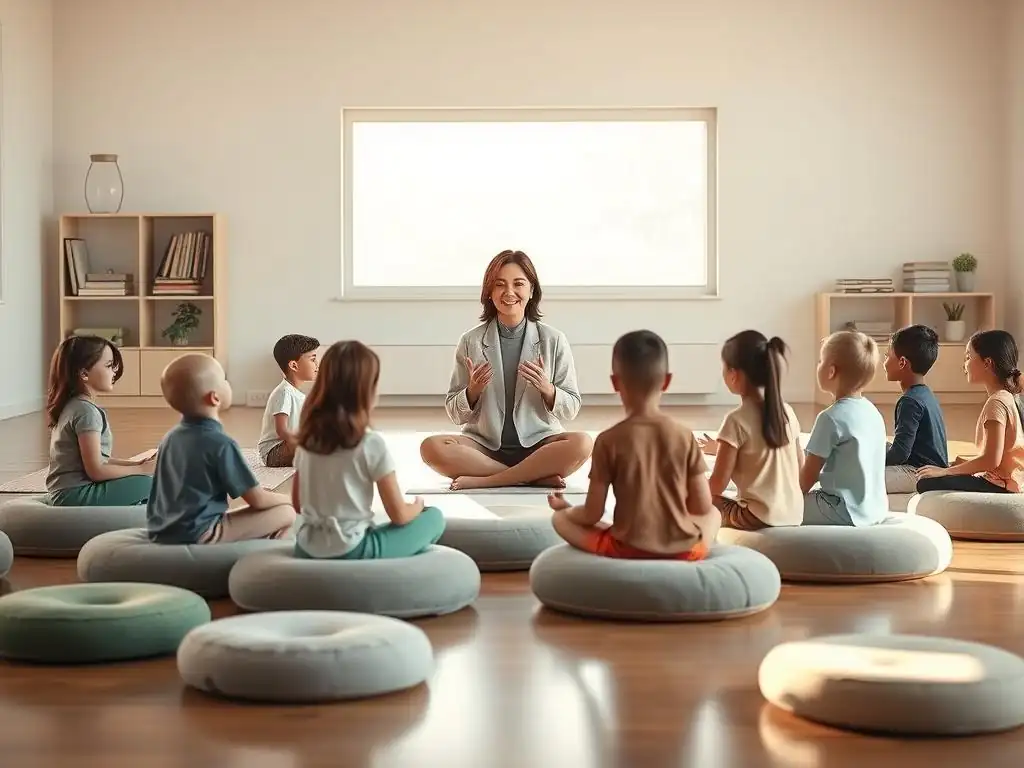
Despite the growing evidence of its benefits, mindfulness in schools can sometimes face skepticism or be misunderstood. Common concerns often revolve around its perceived simplicity, its effectiveness, and practical challenges like finding the time to implement it. Addressing these points with clear information and evidence is crucial for fostering acceptance and successful integration.
Dispelling myths and providing realistic perspectives helps educators and parents feel more comfortable with the idea of bringing mindfulness into the educational setting. Understanding the science and practicalities behind the practice is key to appreciating how mindfulness impacts school community members effectively.
Myth: Mindfulness is Just a Trend - The Science Behind its Effectiveness
One common misconception is that mindfulness is a fleeting educational fad. However, the practice has roots in ancient contemplative traditions and is increasingly supported by rigorous scientific research, particularly in psychology and neuroscience. Studies using fMRI scans have shown that regular mindfulness practice can lead to measurable changes in brain structure and function, including increased gray matter density in areas associated with learning, memory, and emotional regulation (like the hippocampus and prefrontal cortex), and decreased activity in the amygdala, the brain's "fear center."
Research published in peer-reviewed journals has demonstrated the effectiveness of mindfulness-based interventions in reducing symptoms of stress, anxiety, and depression, improving attention, and enhancing emotional intelligence in both adults and children. For example, meta-analyses of studies on school-based mindfulness programs consistently report small to moderate positive effects on students' emotional regulation, stress, and attention. This robust body of evidence indicates that mindfulness is far more than a trend; it is a scientifically supported approach to mental and emotional well-being that has lasting potential for how mindfulness impacts school community health.
Addressing Concerns about Time Constraints and Implementation
A frequent concern for busy educators is how to possibly fit mindfulness into an already packed curriculum and school day. It's true that time is a precious resource in schools, but integrating mindfulness doesn't necessarily require lengthy dedicated periods. As highlighted in the practical strategies section, many effective mindfulness exercises can be done in just 30 seconds to a few minutes. These brief moments can be woven into transitions, used as classroom starters or enders, or offered as tools during stressful moments.
Successful implementation often involves starting small and gradually expanding. A teacher might begin with a one-minute breathing exercise daily and see what impact it has before introducing other practices. School-wide implementation doesn't mean every class needs a 20-minute meditation session; it can mean providing optional staff training, creating quiet spaces, and offering brief school-wide announcements. Approaching implementation flexibly and incrementally makes it less overwhelming and demonstrates that integrating mindfulness is achievable, contributing positively to how mindfulness impacts school community routines without adding undue burden.
Resources for Teachers Seeking to Integrate Mindfulness
Teachers interested in bringing mindfulness into their lives and classrooms have access to a wealth of resources. From accessible apps and books to more in-depth training programs, there are many avenues to explore. Finding the right resources can support a teacher's personal journey and provide practical tools for working with students.
These resources offer starting points for teachers at various levels of experience with mindfulness. Engaging with these materials can provide the knowledge and confidence needed to begin implementing practices and witnessing how mindfulness impacts school community members firsthand.
Recommended Mindfulness Apps and Books for Educators
Mindfulness apps offer convenient access to guided meditations and exercises, perfect for busy teachers. Popular options include Headspace, Calm, and Ten Percent Happier, many of which offer specific content for educators or short exercises suitable for classroom use. These apps allow teachers to practice mindfulness on their own schedule, even for just a few minutes a day.
Numerous books are also available that specifically address mindfulness for teachers and students. Titles like "Mindful Teaching and Teaching Mindfulness" by Deborah Schoeberlein David or "Sitting Still Like a Frog" by Eline Snel (geared towards children, but useful for teachers) provide practical guidance and theoretical background. These resources can serve as valuable companions for teachers embarking on their mindfulness journey and looking for ways how mindfulness impacts school community through practical application.
Mindfulness Training Programs and Workshops for Teachers
For a more comprehensive understanding and deeper personal practice, teachers can consider participating in mindfulness training programs or workshops. Programs like Mindfulness-Based Stress Reduction (MBSR) or Mindfulness-Based Cognitive Therapy (MBCT) offer intensive training over several weeks. More specific programs tailored for educators, such as Mindful Schools or the .b (pronounced dot-be) program from Mindfulness in Schools Project, provide curriculum and pedagogical strategies for teaching mindfulness to young people.
Many organizations and universities offer workshops or online courses specifically designed for educators, focusing on both personal practice and classroom integration. Investing in such training can provide teachers with the skills, confidence, and support network needed to effectively implement mindfulness and contribute significantly to how mindfulness impacts school community well-being on a larger scale. While these programs require a time commitment, the long-term benefits for teacher well-being and effectiveness in the classroom are often substantial.
Conclusion: Creating a More Mindful and Compassionate School Community
The journey towards a more mindful school community begins with the individual, and teachers are uniquely positioned to initiate this transformation. By cultivating their own mindfulness practice, teachers not only enhance their personal well-being and professional effectiveness but also create a powerful ripple effect that touches the lives of their students, colleagues, and the wider school community. From improved classroom management and enhanced student emotional regulation to fostering a more supportive school culture, the positive impact of mindfulness on the school community is profound and far-reaching.
The Lasting Impact of Mindfulness on Students, Teachers, and the School as a Whole
When mindfulness is woven into the fabric of a school, it cultivates an environment where everyone feels more present, less stressed, and better equipped to navigate challenges with resilience and compassion. For students, this means developing crucial social-emotional skills that support academic success and lifelong well-being. They learn to understand their emotions, focus their attention, and interact with others more kindly. For teachers and staff, it offers tools to manage the inherent stresses of the profession, preventing burnout and fostering greater job satisfaction and collaboration.
Ultimately, a school community where mindfulness is valued becomes a place where learning flourishes in an atmosphere of greater calm, empathy, and connection. The seemingly simple act of a teacher practicing mindfulness can set in motion a powerful shift, demonstrating how deeply and positively mindfulness impacts school community members, creating a more supportive, resilient, and compassionate educational ecosystem for everyone.
Frequently Asked Questions
How does a teacher's mindfulness practice specifically benefit students?
A teacher's mindfulness can create a calmer classroom environment, leading to increased student focus and reduced stress. This can also improve student-teacher relationships and overall well-being.
Besides students, how does a teacher's mindfulness influence other staff members?
Mindful teachers often model calmer communication and stress management techniques, which can positively influence colleagues. This can create a more supportive and collaborative staff culture.
What are some practical ways a teacher can integrate mindfulness into their daily routine, both personally and professionally?
Teachers can practice short meditation sessions, mindful breathing exercises, or mindful walking during breaks. They can also incorporate mindfulness into lessons through activities like mindful listening exercises.
What evidence supports the claim that mindfulness improves the school community?
Studies have shown that mindfulness interventions can lead to reduced burnout in teachers, improved student behavior, and a more positive school climate. This creates a ripple effect impacting everyone.
What resources are available for teachers who want to learn more about mindfulness and its benefits?
Many online platforms and organizations offer mindfulness training courses and educational materials specifically designed for educators. Websites like Mind Care Guide provide valuable information and support on mental well-being.
Final Reflection: The Expanding Circles of Mindfulness
The cultivation of mindfulness in education isn't just a trend; it's a fundamental shift towards a more compassionate and effective learning environment. The research presented clearly demonstrates that a teacher's mindful practice doesn't remain confined to their classroom; it ripples outwards, positively impacting students, colleagues, and the entire school community. This isn't simply about improved test scores, but about fostering a healthier, more resilient, and ultimately more successful learning ecosystem.
The profound impact of mindful teaching extends far beyond the immediate classroom. I've witnessed firsthand the transformative power of a teacher's calm presence, their ability to de-escalate conflict, and their capacity to foster empathy and understanding among students. Mindfulness isn't about escaping life, it's about finding peace within the chaos of life.
This quote perfectly encapsulates the essence of how mindful teachers navigate the complexities of the school environment, creating a space where both learning and emotional well-being can flourish. The ripple effect continues, influencing school culture, parental involvement, and even the wider community's perception of education.
Consider the potential within your own sphere of influence. Are you a teacher, a parent, a student, or a member of the school community? You have the power to contribute to this expanding circle of mindfulness.
Begin by incorporating even small mindful practices into your daily routine – a few moments of deep breathing, a conscious pause before reacting, or simply paying attention to the present moment. By cultivating your own inner peace, you contribute to a more peaceful and harmonious learning environment for everyone. Let's collectively work towards creating schools where mindfulness is not just a program, but a way of being.
Thanks for taking the time to explore the powerful impact of mindfulness in education! You've learned how a teacher's calm can create a more peaceful and productive learning environment for everyone. Now, let's take that inspiration and make it a reality.
- Start your own mindfulness practice today: Even 5 minutes a day can make a difference in your stress levels and overall well-being. Try a simple breathing exercise or guided meditation.
- Share this article with a colleague or friend: Let's spread the word about the transformative power of mindfulness in education.
- Consider joining a local mindfulness group: Connect with like-minded individuals and build a supportive community.
What simple step will you take this week to cultivate more calm in your life and your community?