
Mood Tracking Apps That Integrate with Therapy or SelfCare Routines

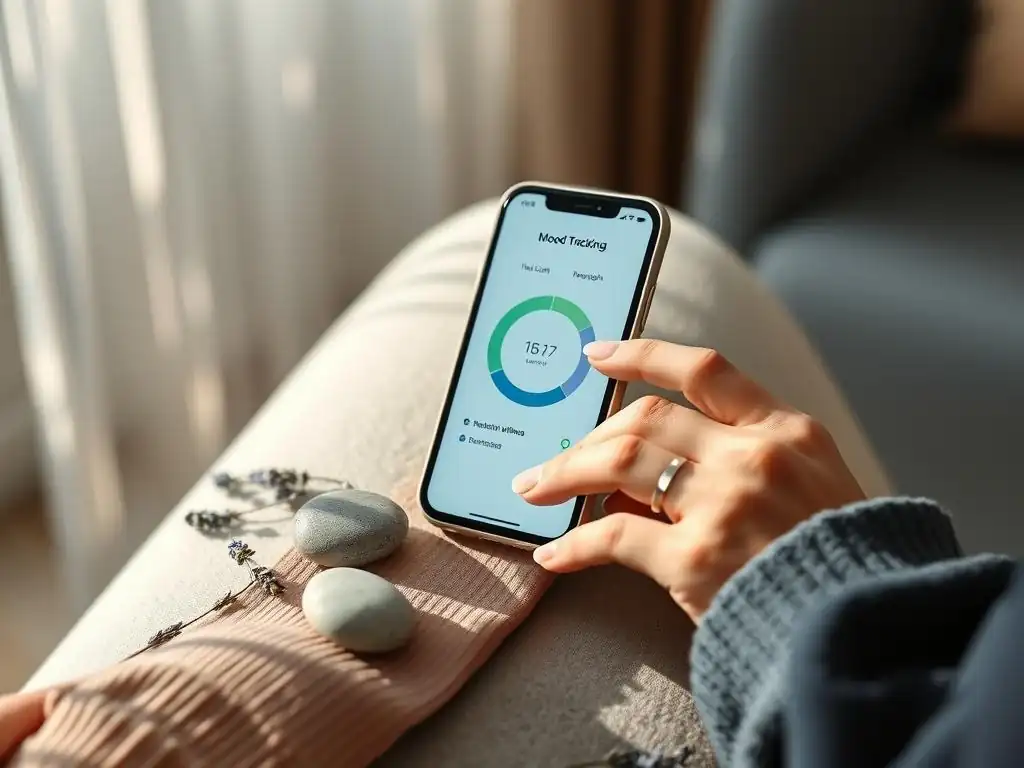
Welcome to Mind Care Guide, a safe space to explore your mental well-being. Feeling overwhelmed by the sheer volume of mental health resources? We understand. Are you searching for effective ways to monitor your emotional landscape and connect it directly to your therapy or self-care journey? Dive into our article on the best mood tracking apps therapy to discover tools that can empower you to take control and foster a deeper understanding of your inner self. Let's begin!
- Why Use Mood Tracking Apps for Therapy and Self-Care?
- Finding the Best Mood Tracking Apps for Therapy: Key Features to Consider
-
Frequently Asked Questions
- What are the main benefits of using mood tracking apps that integrate with therapy?
- How do mood tracking apps enhance self-care routines?
- What features should I look for in a mood tracking app designed for therapy integration?
- Are mood tracking apps that integrate with therapy a substitute for professional mental health care?
- How can I ensure my privacy when using mood tracking apps that store personal data?
- Final Reflection: The Power of Pocket-Sized Self-Awareness
- Unlock Your Emotional Well-being: Take Charge of Your Mood Today!
Why Use Mood Tracking Apps for Therapy and Self-Care?
Understanding the Benefits of Mood Tracking for Mental Wellness
Mood tracking is a fundamental practice in mental wellness, offering a tangible way to understand and manage emotional states. Regularly logging your mood provides valuable insights into your psychological landscape over time. It helps you move beyond subjective feelings in the moment to identify patterns, triggers, and fluctuations that you might otherwise miss. For example, you might discover that your anxiety consistently spikes on specific days of the week or that your energy levels significantly drop after particular activities. This objective data empowers you to gain greater self-awareness, recognizing how different factors influence your emotional well-being.
Furthermore, consistent mood tracking can serve as an early warning system for potential shifts in your mental state. By noticing subtle changes or recurring patterns, you can take proactive steps to address issues before they escalate. For someone managing depression, seeing a gradual decline in mood over several days might signal a need for increased self-care or reaching out for support.
For individuals dealing with anxiety, tracking can reveal specific situations or thoughts that trigger heightened stress, allowing for targeted coping strategies. The act of tracking itself can also be a form of mindfulness, encouraging you to pause and check in with your feelings, fostering a stronger connection with your inner experience. Integrating this practice, especially with the best mood tracking apps therapy professionals might suggest, can be a powerful tool in your overall mental health strategy.
How Mood Tracking Apps Enhance Therapy Sessions
Bringing objective data into therapy sessions can dramatically improve their effectiveness. Rather than relying solely on memory, which can be influenced by current mood or recall bias, you can present your therapist with charts and graphs showing your mood trends over the past week, month, or even longer. This visual representation of your emotional journey provides a clear starting point for discussion and analysis.
For instance, if you report feeling generally better, but your mood tracker shows several days of low mood or high irritability, it prompts a deeper conversation about what might be underlying that discrepancy. Therapists can use this data to identify specific dates or events associated with significant mood shifts, helping to pinpoint triggers and develop targeted interventions.
Moreover, mood tracking apps provide a concrete way to measure the impact of therapeutic strategies and homework. If a therapist recommends a new coping mechanism for anxiety, you can track your anxiety levels before and after implementing it to see if it's having the desired effect. Similarly, if you're working on challenging negative thought patterns, tracking your mood alongside your thoughts can reveal the correlation between the two.
This data-driven approach allows both you and your therapist to objectively assess progress, adjust treatment plans as needed, and celebrate successes based on real-world evidence captured by your daily logs. Using the best mood tracking apps therapy can leverage makes the process more collaborative and informed.
The Importance of Integration with Self-Care Practices
Effective mental wellness involves not just seeking professional help but also actively engaging in self-care. Mood tracking apps become invaluable tools when integrated with your personal self-care routines. By logging not only your mood but also your activities, sleep patterns, exercise, diet, and social interactions, you create a detailed picture of how your daily habits influence your emotional state.
For example, tracking might reveal that consistently getting less than 7 hours of sleep correlates with increased irritability the next day, or that a 30-minute walk significantly boosts your mood. This direct feedback loop reinforces positive behaviors and helps you identify self-care activities that are truly beneficial for you.
This integration allows you to move beyond guesswork and build a personalized self-care plan based on empirical evidence from your own life. You can set goals within the app, like exercising three times a week or practicing mindfulness daily, and then see how consistently engaging in these activities impacts your mood over time.
The data provides motivation and accountability, showing you tangible proof of the connection between your actions and your feelings. By using the best mood tracking apps therapy and self-care advocates recommend, you gain a powerful tool for self-management, making informed choices about how to spend your time and energy to support your mental health journey.
Finding the Best Mood Tracking Apps for Therapy: Key Features to Consider
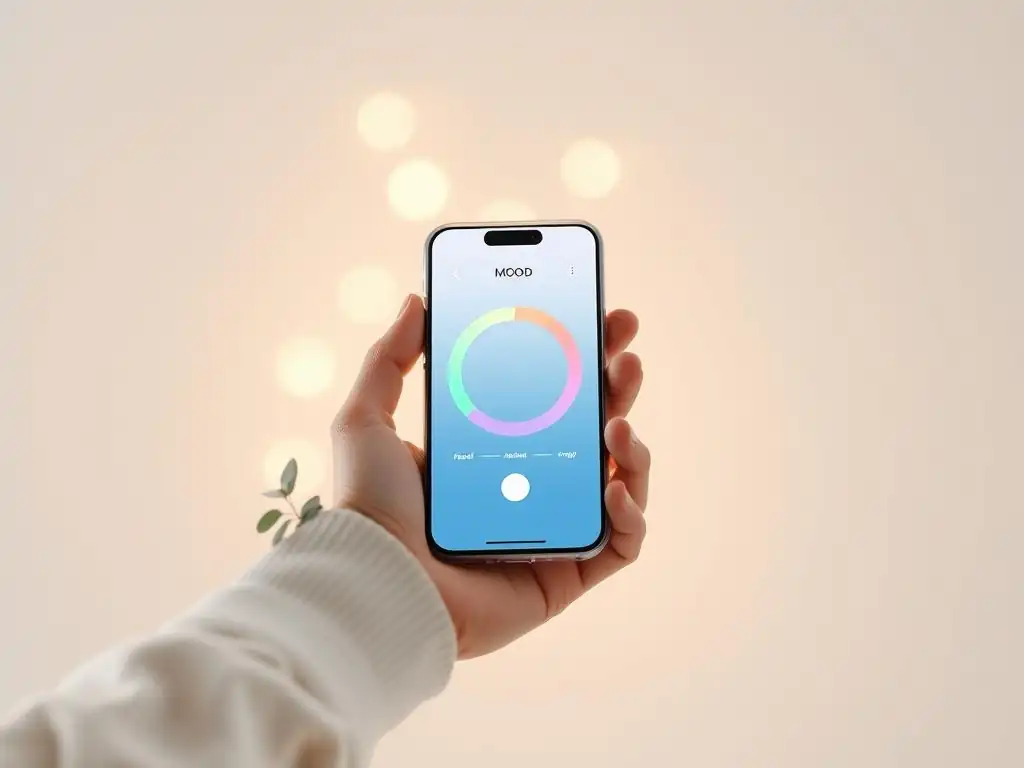
Seamless Integration with Therapy Platforms: Teletherapy.io Compatibility
For individuals engaged in therapy, particularly teletherapy, the ability of a mood tracking app to integrate or at least easily share data with therapy platforms or therapists is a significant advantage. While direct API integration with specific platforms like Teletherapy.io might not be universally available for all apps, the crucial feature is the ease of exporting or reporting data in a format that is useful for your therapist.
Some apps offer detailed PDF reports that summarize your mood trends, symptom tracking, and activity logs over a customizable period. These reports can be easily shared via email or uploaded to a secure patient portal, eliminating the need for manual data transfer or trying to recall weeks of emotional fluctuations during a session.
The ideal scenario involves features designed specifically for therapist collaboration. This could include options to grant temporary access to specific data, or the ability to generate summary reports focused on particular symptoms or timeframes discussed in therapy. While direct "Teletherapy.io compatibility" in the sense of a live data feed is rare due to privacy concerns and technical complexities, look for apps that prioritize data exportability and clear data visualization suitable for professional review.
The goal is to make the data you collect actionable and accessible to your therapist, enabling more productive and data-informed conversations during your sessions. This is a key differentiator when searching for the best mood tracking apps therapy users value.
Customizable Mood Logging and Symptom Tracking
Every individual's experience with mental health is unique, and the ability to customize what you track is essential for capturing a truly representative picture of your well-being. A good mood tracking app should allow you to define your own mood scale, whether it's a simple 1-5 rating, descriptive words, or color-coded options. More importantly, it should offer robust symptom tracking that goes beyond just mood.
This includes the ability to log specific symptoms you experience, such as anxiety levels, panic attacks, irritability, fatigue, changes in appetite, or concentration difficulties. The power lies in tailoring the tracking to your specific concerns, allowing you to monitor the symptoms most relevant to your diagnosis or current challenges.
Beyond symptoms, the best mood tracking apps therapy and self-care benefit from allow you to log various factors that might influence your mood. This includes activities (e.g., work, social events, exercise, hobbies), sleep duration and quality, medication adherence, diet, weather, menstrual cycle phases, and stress levels. The ability to add custom tags or notes to each entry provides crucial context, allowing you to record specific details about an event or feeling.
For example, logging "anxiety level 7" might be accompanied by a note like "meeting with boss about performance review" or "tried new coping technique - deep breathing." This level of detail is invaluable for identifying specific triggers and understanding the complex interplay between different aspects of your life and your mental state.
Data Visualization and Reporting for Therapists and Self-Reflection
Logging data daily is only half the battle; the ability to visualize and interpret that data is where the real value lies. A top-tier mood tracking app transforms raw entries into meaningful insights through clear and intuitive data visualization. This typically includes charts and graphs showing mood trends over days, weeks, months, or even years.
You should be able to see how your average mood fluctuates, identify periods of highs and lows, and spot recurring patterns. Visualizations comparing your mood to specific activities, symptoms, or other tracked factors are particularly powerful, helping you see correlations at a glance. For example, a scatter plot might show that your anxiety levels are consistently higher on days you didn't exercise.
Furthermore, the ability to generate detailed reports is crucial for both self-reflection and sharing with a therapist. Look for apps that can create summaries of your data, potentially highlighting key trends, frequency of certain symptoms, or the impact of specific activities. Some apps offer personalized insights based on your data, pointing out correlations you might not have noticed.
When sharing with a therapist, a well-organized report saves time and provides them with a comprehensive overview of your experience outside of the therapy room. This data serves as an objective basis for discussion, helping your therapist tailor interventions and track their effectiveness over time. The best mood tracking apps therapy can utilize provide these robust reporting features.
Privacy and Security: Protecting Your Mental Health Data
Given the deeply personal and sensitive nature of the information you log in a mood tracking app, privacy and security are paramount considerations. You are entrusting the app developers with details about your emotional state, symptoms, triggers, and potentially even therapy notes or medication tracking. Therefore, it is critical to choose an app with a strong commitment to data protection.
Look for apps that clearly outline their privacy policy, explaining how your data is stored, who has access to it, and whether it is anonymized or used for research purposes (and if so, how you can opt out). Data should ideally be encrypted both in transit and at rest.
Consider whether the app requires an account and how that account is secured (e.g., two-factor authentication). Offline functionality or local data storage options can offer additional peace of mind, although cloud sync is often necessary for backup and multi-device access. Be wary of apps that seem overly eager to share or sell your data, especially if it's not clearly anonymized.
While no digital system is entirely foolproof, choosing apps with a demonstrated history of prioritizing user privacy and employing robust security measures is essential. Your mental health data is yours, and ensuring it remains confidential and secure is a non-negotiable aspect of selecting the best mood tracking apps therapy patients can use with confidence.
Frequently Asked Questions
What are the main benefits of using mood tracking apps that integrate with therapy?
These apps can provide valuable data for therapists, helping them understand your emotional patterns. They also promote self-awareness and can improve the effectiveness of therapy.
How do mood tracking apps enhance self-care routines?
Mood tracking helps you identify triggers and patterns, allowing you to tailor your self-care activities to address specific emotional needs. This leads to more effective self-regulation and a personalized self-care plan.
What features should I look for in a mood tracking app designed for therapy integration?
Look for apps that offer data sharing capabilities with your therapist, customizable mood scales, and the ability to record context and triggers for each mood entry.
Are mood tracking apps that integrate with therapy a substitute for professional mental health care?
No, these apps are not a replacement for professional help. They are designed to be a supplementary tool that can enhance the therapeutic process and support self-management, but not replace professional guidance.
How can I ensure my privacy when using mood tracking apps that store personal data?
Always review the app's privacy policy carefully. Choose apps with strong security measures and that offer data encryption to protect your sensitive information.
Final Reflection: The Power of Pocket-Sized Self-Awareness
The integration of mood tracking apps with therapeutic practices represents a significant shift in mental health self-management. No longer are we reliant solely on sporadic appointments; we now possess the tools to actively monitor and understand our emotional landscapes in real-time, empowering us to take control of our well-being. This accessibility is democratizing mental health care, making it more proactive and personalized than ever before.
The impact of these apps extends far beyond individual use; they are reshaping our understanding of mental health within broader society. By normalizing the practice of self-monitoring and fostering open conversations about emotional well-being, these tools are helping to dismantle the stigma surrounding mental health challenges. The greatest weapon against stress is our ability to choose one thought over another.
– William James. This quote perfectly encapsulates the power these apps provide: the ability to consciously choose how we respond to our emotions, rather than being passively controlled by them.
Consider the potential within your grasp. You now have the ability to actively participate in your own mental health journey, to identify triggers, track progress, and communicate effectively with your therapist. Don't just passively exist within your emotional landscape; actively chart your course towards greater self-understanding and well-being. Download an app, begin tracking, and embark on a journey of self-discovery that empowers you to live a more fulfilling and emotionally balanced life.
Unlock Your Emotional Well-being: Take Charge of Your Mood Today!
Thanks for taking the time to explore the world of mood tracking and its integration with self-care. We hope you found valuable insights into how to better understand and manage your emotions. Now it's time to put that knowledge into action!
- Start your mood tracking journey today! Choose an app that resonates with you and begin recording your daily moods. Consistency is key!
- Share your experience! Let us know in the comments which app you've chosen and what your initial thoughts are. Connecting with others can be a powerful part of self-care.
- Explore additional self-care resources: Browse our website (MindCareGuide.org) for articles on mindfulness, stress management, and other helpful strategies to complement your mood tracking.
What small step will you take today to prioritize your emotional well-being?