
How Daily Habits Sculpt Your Anxious Brain – And How to Change Them Using Neuroplasticity

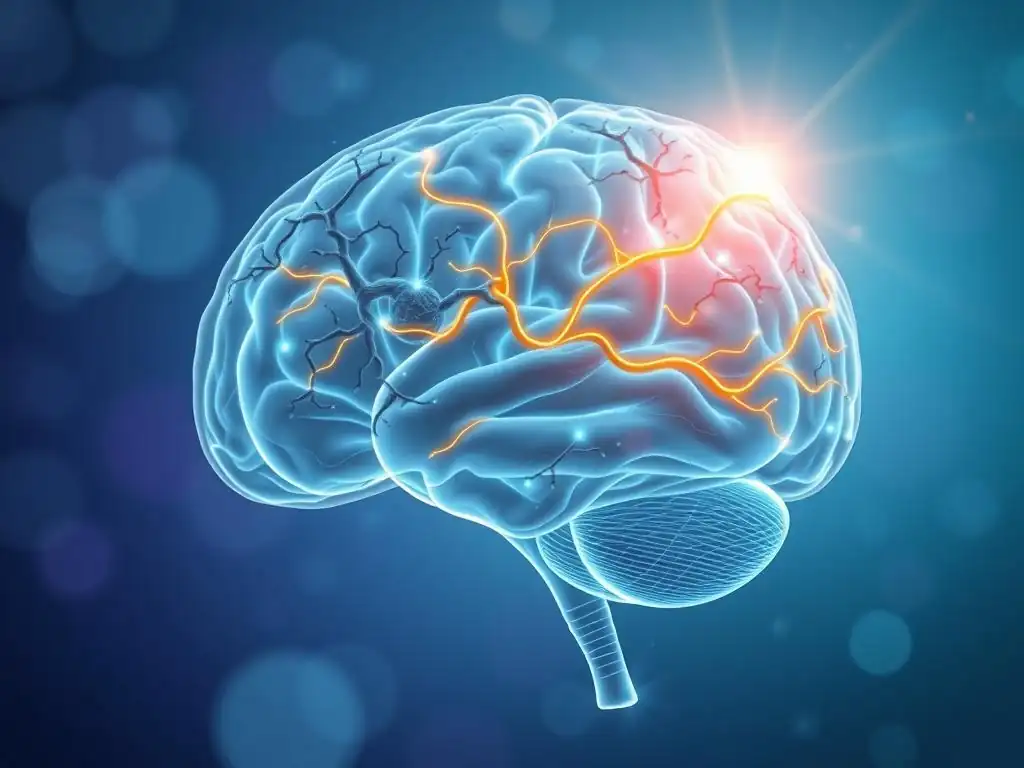
Welcome to Mind Care Guide, a space dedicated to understanding and nurturing your mental well-being.
Are you feeling trapped by anxiety, like your brain is wired for worry? It doesn't have to be this way. Delve into the fascinating science of neuroplasticity reduce anxiety habits and discover how your daily routines can either reinforce anxious patterns or pave the way for a calmer, more resilient you. We'll explore the powerful potential of your brain to reshape itself, offering actionable insights to break free from the grip of anxiety. Ready to rewrite your story?
How Daily Habits Sculpt Your Anxious Brain – And How to Change Them Using Neuroplasticity
- Understanding the Anxious Brain: The Role of Habits
- Neuroplasticity: Your Brain's Ability to Rewire Itself
- Identifying Your Anxiety-Driven Habits: A Crucial First Step
- Breaking Free: Practical Techniques to Leverage Neuroplasticity and Reduce Anxiety
- Building New, Healthy Habits: Replacing Anxiety with Resilience
- Lifestyle Changes That Support Neuroplasticity and Anxiety Reduction
- Long-Term Strategies for Maintaining a Calm and Resilient Mind
- Harnessing Neuroplasticity to Overcome Anxiety: A Recap
-
Frequently Asked Questions
- What is neuroplasticity, and how does it relate to anxiety?
- Can daily habits really impact my anxiety levels, according to neuroplasticity?
- How can I use neuroplasticity to reduce anxiety habits?
- What are some specific examples of anxiety habits that I can address with neuroplasticity?
- How long does it typically take to see a noticeable reduction in anxiety using neuroplasticity techniques?
- Final Reflection: Rewiring Your Anxious Brain Through Daily Practice
- Unlock Your Calm: Reshape Your Anxious Brain Today
Understanding the Anxious Brain: The Role of Habits
The Neuroscience of Anxiety: A Brief Overview
Anxiety, at its core, involves specific circuits and structures within the brain. Key players include the amygdala, often called the brain's "fear center," which processes threats and triggers the body's fight-or-flight response. The prefrontal cortex (PFC), particularly the medial and orbital regions, plays a role in regulating emotional responses, evaluating situations, and inhibiting the amygdala's alarm signals. In individuals prone to anxiety, this balance can be disrupted, with an overactive amygdala and potentially less effective regulation from the PFC.
Furthermore, neurotransmitters like serotonin, norepinephrine, and gamma-aminobutyric acid (GABA) are crucial in mood and anxiety regulation. Imbalances or dysfunctions in these chemical messengers can contribute significantly to anxious states. For instance, lower levels of GABA, an inhibitory neurotransmitter, can lead to increased neuronal excitability, heightening feelings of anxiety and worry. Understanding these neural underpinnings is the first step in appreciating how deeply ingrained habits can influence these systems.
How Repetitive Behaviors Reinforce Anxiety Pathways
Habits are essentially learned sequences of behaviors that become automatic through repetition. When these repetitive behaviors are linked to anxiety – such as excessive checking, avoidance, or rumination – they strengthen the neural pathways associated with the anxious response. Each time someone engages in a checking behavior after an anxious thought ("Did I lock the door? "), they reinforce the connection between the thought, the anxiety, and the action. This loop makes the habit more ingrained and the associated anxiety response more automatic.
Consider the example of someone with social anxiety who habitually avoids social gatherings. Initially, this avoidance might provide temporary relief from the discomfort of social interaction. However, each time they avoid an event, they strengthen the neural pathway that links social situations with fear and avoidance. This prevents the brain from learning that social situations might not be as threatening as perceived, effectively solidifying the anxious response and making avoidance a deeply ingrained habit. This is how daily anxious habits can literally sculpt the brain's wiring.
The Anxious Brain's Default Mode Network and Habit Formation
The Default Mode Network (DMN) is a network of brain regions that is active when a person is not focused on the outside world – for example, during mind-wandering, thinking about others, and self-referential thought. In individuals with anxiety and depression, the DMN is often hyperactive, leading to excessive rumination, worry about the future, and dwelling on past negative experiences. This constant internal focus can become a powerful mental habit.
When the DMN is overly active in an anxious state, it can fuel habits like catastrophizing (imagining the worst possible outcome) or excessive self-criticism. For example, someone might receive a slightly critical email and their DMN goes into overdrive, spinning scenarios of job loss or personal failure. This mental habit of catastrophizing reinforces neural patterns associated with fear and negative self-perception, making it harder to break free from the cycle of anxiety. Learning to disengage from this habitual DMN activity is key to leveraging neuroplasticity reduce anxiety habits.
Neuroplasticity: Your Brain's Ability to Rewire Itself
What is Neuroplasticity? A Simple Explanation
Neuroplasticity, often referred to as brain plasticity, is the remarkable ability of the brain to reorganize itself throughout life. This involves forming new neural connections, strengthening existing ones, and even weakening connections that are no longer used. It's the biological basis for learning, memory, and adaptation. The brain isn't a static organ; it's dynamic and constantly changing in response to experiences, behaviors, and even thoughts.
This process occurs at various levels, from changes in the strength of synaptic connections between individual neurons to the creation of new neurons (neurogenesis) in certain brain regions like the hippocampus. Think of it like a path through a forest; the more you walk a particular path (a neural pathway), the more defined and easier it becomes to traverse. Conversely, paths that are rarely used become overgrown and harder to find. Neuroplasticity means you can consciously choose to forge new paths.
Neuroplasticity and Anxiety: How Your Brain Can Change
The same neuroplastic principles that allow us to learn new skills or form habits also govern how anxiety pathways are established and maintained. Crucially, this means these pathways are not fixed. Just as repetition can strengthen anxious habits, new, positive experiences and behaviors can weaken them and build alternative, healthier pathways. This is the core concept behind using neuroplasticity reduce anxiety habits.
Studies using fMRI have shown that therapeutic interventions like Cognitive Behavioral Therapy (CBT) and mindfulness meditation lead to observable changes in brain structure and function in individuals with anxiety disorders. For instance, successful treatment can correlate with decreased activity in the amygdala and increased activity in regulatory regions like the prefrontal cortex. This demonstrates that the anxious brain can change, shifting from a state of heightened threat response to one of greater calm and resilience through targeted effort.
The Power of Neuroplasticity in Overcoming Anxious Habits
Understanding neuroplasticity provides immense hope for managing and overcoming anxiety. It means that the anxious habits you've developed – whether they are physical behaviors like checking or mental patterns like worrying – are not permanent fixtures. By consciously engaging in new, non-anxious behaviors and thought patterns, you can actively participate in the process of rewiring your brain. This is the essence of leveraging neuroplasticity reduce anxiety habits effectively.
Every time you choose to face a fear instead of avoiding it, challenge a catastrophic thought, or practice a relaxation technique, you are sending signals to your brain to strengthen new, healthier neural connections and weaken the old anxious ones. This process takes time and consistent effort, but the brain's inherent flexibility makes genuine change possible. It empowers individuals to see themselves not as passive recipients of anxiety, but as active agents in shaping their own neural landscape.
Identifying Your Anxiety-Driven Habits: A Crucial First Step

Recognizing Triggers: Understanding What Sets Off Your Anxiety
Identifying the situations, thoughts, emotions, or physical sensations that reliably precede your anxious responses is fundamental. These are your triggers. Triggers can be external, such as specific social situations (e.g., public speaking), places (e.g., crowded stores), or even sensory inputs (e.g., certain sounds or smells). They can also be internal, like particular thoughts ("What if I fail? "), physical sensations (e.g., a racing heart), or emotions (e.g., feeling overwhelmed).
Understanding your triggers provides critical insight into the habit loops that maintain your anxiety. For example, if public speaking is a trigger, the subsequent habit might be intense worry leading up to the event, physical symptoms like trembling, and perhaps avoidance or rushing through the speech. Pinpointing the trigger allows you to anticipate the anxious response and the subsequent habit, giving you an opportunity to intervene and practice a different, less anxious behavior, thereby beginning to use neuroplasticity reduce anxiety habits.
Tracking Your Habits: A Daily Log for Anxiety Management
Keeping a detailed log of your anxiety and associated habits can reveal patterns you might not otherwise notice. A simple log could include columns for:
- Date and Time
- Trigger (What happened or what were you thinking?)
- Anxiety Level (Rate 1-10)
- Anxious Habit/Behavior (What did you do or think repeatedly?)
- Consequence (How did you feel afterward? Did the habit provide temporary relief or long-term distress?)
Tracking for a week or two can provide valuable data. You might discover that your habit of seeking reassurance from others peaks on Sunday evenings, perhaps triggered by anticipating the work week. Or you might find that checking locks repeatedly is triggered specifically by thoughts of harm coming to loved ones. This concrete data makes the often-vague feeling of anxiety tangible and highlights specific habits that are ripe for change using neuroplasticity.
Anxiety manifests in a variety of habitual ways. One common mental habit is catastrophizing, where the mind automatically jumps to the worst possible outcome, often fueled by the hyperactive Default Mode Network mentioned earlier. For example, a minor headache might trigger thoughts of a brain tumor. This habitual pattern of thought reinforces fear pathways.
Another prevalent behavior is seeking reassurance. This involves repeatedly asking others for confirmation that things are okay or safe ("Are you sure I locked the door? ", "Do you think I sounded stupid?"). While it offers temporary relief, it prevents the individual from tolerating uncertainty and reinforces dependence on external validation, strengthening the belief that they cannot handle situations on their own. Other habits include avoidance, excessive checking (locks, emails, symptoms), procrastination, and rumination. Recognizing these specific habits is crucial for targeting them with neuroplasticity-based techniques.
Breaking Free: Practical Techniques to Leverage Neuroplasticity and Reduce Anxiety
Mindful Awareness: Cultivating Presence to Interrupt Habit Loops
Mindful awareness involves paying attention to the present moment without judgment. For anxiety, this means noticing anxious thoughts, feelings, and physical sensations as they arise, without automatically reacting or getting swept away by them. This practice helps create a crucial pause between the trigger and the habitual anxious response. Instead of the automatic loop (Trigger -> Anxiety -> Habit), mindfulness allows for: Trigger -> Awareness -> Choice.
Regular mindfulness meditation or simply pausing throughout the day to notice your breath and bodily sensations can strengthen the neural pathways associated with present-moment awareness and weaken those tied to automatic reactivity and worry. Research, including studies using techniques like fMRI, has shown that consistent mindfulness practice can lead to structural changes in areas like the prefrontal cortex and hippocampus, while potentially reducing amygdala reactivity – directly supporting the goal of using neuroplasticity reduce anxiety habits.
Cognitive Restructuring: Challenging Anxious Thoughts and Beliefs
Cognitive restructuring, a core technique in Cognitive Behavioral Therapy (CBT), involves identifying, challenging, and changing unhelpful or irrational thought patterns that fuel anxiety. If your habit is catastrophizing ("If I make a mistake on this presentation, I'll be fired"), cognitive restructuring helps you question the evidence for this thought, consider alternative outcomes, and develop more balanced and realistic perspectives.
This process actively engages the prefrontal cortex, the brain's executive control center, to override the automatic, fear-based responses generated by the amygdala and other limbic areas. By repeatedly challenging and replacing anxious thoughts with more rational ones, you are literally training your brain to think differently. This mental rehearsal and conscious effort strengthens the neural connections associated with rational evaluation and weakens those linked to automatic negative thinking, demonstrating how cognitive work leverages neuroplasticity reduce anxiety habits.
Exposure Therapy: Gradually Facing Your Fears to Rewire Your Brain: Public Speaking
Exposure therapy is a highly effective technique for anxiety disorders that involves gradually and systematically confronting the feared object or situation in a safe and controlled environment. The core principle is to break the habit of avoidance and allow the brain to learn that the feared outcome does not occur or is manageable. For someone with public speaking anxiety, this might start with practicing their speech alone, then in front of a mirror, then to a single friend, then a small group, and eventually a larger audience.
Each successful exposure, where the individual experiences anxiety but stays in the situation without avoiding, reinforces new learning pathways. The brain learns that the situation is not truly dangerous and that the anxiety will eventually decrease on its own (habituation). This process directly leverages neuroplasticity by weakening the neural connections linking the feared situation (public speaking) with the anxiety response and strengthening pathways associated with safety and tolerance of discomfort. A meta-analysis of exposure therapy studies involving thousands of participants consistently shows significant reductions in anxiety symptoms, underscoring its power in rewiring the anxious brain.
Behavioral Activation: Engaging in Positive Activities to Boost Mood and Motivation
While often used for depression, behavioral activation can also be beneficial for anxiety, especially when anxiety leads to avoidance and withdrawal. It involves scheduling and engaging in activities that are enjoyable or align with your values, regardless of how anxious or unmotivated you feel. This counters the habit of avoidance and inertia that anxiety can foster.
Engaging in positive, rewarding activities stimulates the brain's reward system, involving neurotransmitters like dopamine, which can help counteract the negative emotional states associated with anxiety. Furthermore, successful engagement in activities, even small ones, builds a sense of accomplishment and self-efficacy, strengthening neural pathways associated with positive mood and resilience. By actively choosing and performing these behaviors, you are using action to create new neural patterns, a practical example of how behavioral interventions use neuroplasticity reduce anxiety habits.
Building New, Healthy Habits: Replacing Anxiety with Resilience
The Importance of Consistency and Repetition in Neuroplasticity
Rewiring the brain through neuroplasticity is not a one-time event; it requires consistent effort and repetition, much like forming any new habit. The neural changes that support reduced anxiety and increased resilience are built incrementally through repeated practice of new behaviors and thought patterns. Just as practicing a musical instrument or learning a new language requires regular effort to become proficient, so too does training your brain to respond differently to anxiety.
Studies on skill acquisition suggest that consistent practice over time is far more effective than sporadic, intense bursts. For instance, engaging in a brief mindfulness exercise daily is generally more beneficial for long-term brain changes than doing a long session only once a week. This emphasizes that the power to use neuroplasticity reduce anxiety habits lies in the regularity of your efforts, reinforcing the new pathways step-by-step.
Setting Realistic Goals: Small Steps for Lasting Change
Attempting to overhaul all anxious habits at once can be overwhelming and counterproductive. A more effective approach is to set small, realistic goals. Identify one or two specific anxious habits you want to change and focus on implementing one new, healthier behavior or thought pattern consistently. For example, if your habit is excessive checking of emails for negative feedback, a small goal might be to check emails only three times a day instead of twenty.
Achieving small goals provides a sense of accomplishment and builds momentum. Each successful instance of resisting the old habit and practicing the new behavior strengthens the desired neural pathway. This incremental progress is less daunting and more sustainable, making it easier to maintain the consistency needed for neuroplastic change. This strategy aligns with principles of habit formation, suggesting that focusing on one habit at a time is significantly more effective.
Positive Reinforcement: Rewarding Yourself for Progress
The brain's reward system plays a significant role in habit formation. When a behavior is followed by a reward, it strengthens the likelihood of that behavior being repeated. While anxious habits often have an internal "reward" of temporary relief (like avoidance reduces immediate discomfort), building new habits benefits from conscious positive reinforcement. This doesn't have to be grand; it can be something simple like acknowledging your effort, allowing yourself a short break, or enjoying a small treat after successfully practicing a new, non-anxious behavior.
For example, if you successfully use cognitive restructuring to challenge a catastrophic thought instead of spiraling into worry, take a moment to mentally acknowledge your effort and the feeling of empowerment. If you complete a planned exposure exercise despite feeling anxious, reward yourself with a relaxing activity afterward. These positive associations help solidify the new behavior and make it more likely that your brain will favor this new pathway in the future, leveraging the principles of neuroplasticity reduce anxiety habits.
Creating a Supportive Environment: Building a Network for Success
Your environment and social connections significantly influence your ability to change habits and support neuroplasticity. Surrounding yourself with supportive friends, family, or a therapist can provide encouragement, accountability, and understanding. Sharing your goals with trusted individuals can make you feel less alone in the process and provide valuable external reinforcement.
Furthermore, structuring your physical environment to reduce triggers or make healthy behaviors easier can be very helpful. For instance, if checking social media fuels social anxiety, turning off notifications or setting specific times to check can reduce the trigger. Joining a support group or working with a therapist provides a structured environment for practicing new skills and receiving feedback, actively supporting the brain's rewiring process by providing consistent, positive interactions and guidance.
Lifestyle Changes That Support Neuroplasticity and Anxiety Reduction

The Role of Diet in Brain Health and Anxiety Management
Nutrition plays a critical role in overall brain health, which in turn supports neuroplasticity and can influence anxiety levels. The brain requires a steady supply of nutrients to function optimally. A diet rich in omega-3 fatty acids (found in fish, flaxseeds), antioxidants (fruits, vegetables), and complex carbohydrates can support neuronal function and reduce inflammation, which has been linked to mood disorders. Conversely, diets high in processed foods, sugar, and unhealthy fats can negatively impact brain health and potentially exacerbate anxiety symptoms.
For example, omega-3 fatty acids are essential components of brain cell membranes and are involved in the production of neurotransmitters. Studies have suggested that higher intake of omega-3s may be associated with lower rates of anxiety. While diet alone is not a cure for anxiety, nourishing your brain with nutrient-dense foods provides a foundation that supports the brain's capacity for change through neuroplasticity, making it easier to implement and benefit from habit-changing techniques.
The Benefits of Exercise for Neuroplasticity and Mood Regulation
Regular physical exercise is one of the most powerful activities for promoting brain health and enhancing neuroplasticity. Exercise increases blood flow to the brain, delivering vital oxygen and nutrients. It also stimulates the production of Brain-Derived Neurotrophic Factor (BDNF), a protein often called "Miracle-Gro for the brain," which supports the growth, survival, and function of neurons and synapses – processes fundamental to neuroplasticity.
Furthermore, exercise is a potent mood regulator. It helps reduce stress hormones like cortisol and increases the production of endorphins, which have mood-boosting effects. Engaging in regular physical activity, such as aerobic exercise or strength training, has been shown in numerous studies to significantly reduce anxiety symptoms, sometimes as effectively as medication for mild to moderate cases. By promoting BDNF and improving mood, exercise directly supports the brain's ability to build new, less anxious pathways and effectively use neuroplasticity reduce anxiety habits.
The Importance of Sleep for Brain Repair and Emotional Well-being
Sleep is not just rest; it's a crucial period for brain repair, consolidation of memories, and emotional regulation. During sleep, the brain clears metabolic waste products and strengthens neural connections related to learning and memory (including the learning involved in changing habits). Chronic sleep deprivation, common among individuals with anxiety, impairs the prefrontal cortex's ability to regulate the amygdala, leading to increased emotional reactivity and difficulty managing anxious thoughts.
Aiming for 7-9 hours of quality sleep per night supports optimal brain function and enhances its capacity for neuroplastic change. Establishing a consistent sleep schedule and creating a relaxing bedtime routine can significantly improve sleep quality. Prioritizing sleep provides the brain with the necessary conditions to solidify new, less anxious neural pathways and weakens the connections associated with worry and reactivity, making it an essential component when seeking to use neuroplasticity reduce anxiety habits.
Stress Management Techniques: Meditation, Yoga, and Deep Breathing
Chronic stress is detrimental to brain health and can impede neuroplasticity, while also exacerbating anxiety. Implementing effective stress management techniques is therefore vital. Practices like meditation, yoga, and deep breathing exercises activate the body's relaxation response, counteracting the physiological effects of stress and anxiety.
Meditation and deep breathing, by promoting present-moment awareness and calming the nervous system, can reduce activity in the amygdala and strengthen connections to the prefrontal cortex. Yoga combines physical movement with breath control and mindfulness, offering a holistic approach to stress reduction.
Regular practice of these techniques helps train the brain to enter a calmer state more easily, reinforcing neural pathways associated with relaxation and resilience, thereby supporting the brain's ability to utilize neuroplasticity reduce anxiety habits. For instance, research has shown that consistent meditation can lead to measurable increases in gray matter density in brain regions associated with self-awareness and compassion.
Long-Term Strategies for Maintaining a Calm and Resilient Mind
Continuing to Practice Mindfulness and Self-Awareness
Developing a calm and resilient mind is an ongoing process, not a destination. Maintaining a regular practice of mindfulness and self-awareness is key to sustaining the neuroplastic changes you've cultivated. This involves continually checking in with yourself – noticing your thoughts, feelings, and bodily sensations without judgment – to catch potential anxious habit loops before they gain momentum.
This consistent practice helps keep the pathways for present-moment awareness and non-reactivity strong. It allows you to identify triggers and anxious thoughts early, giving you the opportunity to apply the techniques you've learned (like cognitive restructuring or choosing a different behavior) before the anxiety escalates. Think of it like maintaining a garden; it requires ongoing tending to keep weeds (anxious habits) from taking over and ensure healthy growth (resilience).
Seeking Professional Support When Needed
While leveraging neuroplasticity through personal effort is powerful, it's important to recognize that anxiety disorders are complex and often require professional guidance. Therapists specializing in CBT, Exposure Therapy, or Acceptance and Commitment Therapy (ACT) can provide tailored strategies, support, and accountability. They can help you identify deeply ingrained habits and beliefs, develop effective exposure hierarchies, and navigate challenging moments.
Medication, prescribed by a psychiatrist or doctor, can also be a helpful tool for managing severe anxiety symptoms, allowing individuals to engage more effectively in therapy and habit change. There should be no stigma associated with seeking professional help; it is a sign of strength and a commitment to well-being. Professional support can significantly enhance your ability to use neuroplasticity reduce anxiety habits by providing expert guidance and a structured framework for change.
Celebrating Your Progress and Embracing the Journey
Changing long-standing anxious habits and rewiring your brain is challenging work. It's essential to acknowledge and celebrate your progress along the way, no matter how small it seems. Did you successfully challenge a negative thought today? Did you choose not to avoid a slightly uncomfortable situation? Did you stick to your mindfulness practice? These are significant victories that demonstrate your brain is changing.
Embracing the journey means accepting that there will be setbacks. Neuroplasticity involves strengthening new pathways and weakening old ones, but the old pathways don't disappear overnight. There might be days when old habits resurface. View these moments not as failures, but as opportunities for practice and learning. Be compassionate with yourself and remember that each effort, even imperfect ones, contributes to the long-term goal of building a calmer, more resilient brain.
Harnessing Neuroplasticity to Overcome Anxiety: A Recap
Key Takeaways: Rewiring Your Brain for a Calmer Future
Understanding neuroplasticity reveals that your brain is not fixed; it has an incredible capacity to change and adapt throughout life. Anxious habits, whether mental or behavioral, have sculpted specific neural pathways, but these pathways can be weakened and replaced by healthier ones. By consciously engaging in new behaviors and thought patterns, you can actively participate in the process of rewiring your brain to reduce anxiety.
Key strategies involve identifying your specific anxiety triggers and habits, using techniques like mindful awareness to interrupt automatic responses, challenging anxious thoughts through cognitive restructuring, and gradually facing fears via exposure therapy. Supporting these efforts with healthy lifestyle choices – including diet, exercise, sleep, and stress management – creates an optimal environment for neuroplastic change. Consistency, realistic goal-setting, positive reinforcement, and seeking support are vital for long-term success in using neuroplasticity reduce anxiety habits and cultivate resilience.
Further Resources and Support for Anxiety Management and Neuroplasticity
- Mental health professionals (therapists, counselors, psychiatrists) specializing in anxiety disorders.
- Cognitive Behavioral Therapy (CBT) resources (books, online courses).
- Mindfulness and meditation apps and guided practices.
- Support groups for anxiety.
- Reputable websites and organizations providing information on anxiety and brain health.
- Books on neuroplasticity and anxiety.
Frequently Asked Questions
What is neuroplasticity, and how does it relate to anxiety?
Neuroplasticity is the brain's ability to reorganize itself by forming new neural connections throughout life. It's relevant to anxiety because we can use it to change ingrained anxious thought patterns and behaviors.
Can daily habits really impact my anxiety levels, according to neuroplasticity?
Yes, absolutely! Daily habits repeatedly activate certain neural pathways, strengthening them. Therefore, consistently engaging in anxious habits can reinforce anxiety in the brain.
How can I use neuroplasticity to reduce anxiety habits?
By consciously and consistently replacing anxious habits with calming and positive ones, like mindfulness or exercise, you can rewire your brain. This weakens anxious pathways and strengthens new, healthier ones.
What are some specific examples of anxiety habits that I can address with neuroplasticity?
Examples include excessive worry, avoidance behaviors, and negative self-talk. You can address these by practicing cognitive restructuring, facing your fears gradually, and cultivating positive affirmations.
How long does it typically take to see a noticeable reduction in anxiety using neuroplasticity techniques?
It varies from person to person, but generally, consistent effort over several weeks or months is needed. Be patient and persistent, as rewiring the brain takes time and dedication, and celebrate small victories.
Final Reflection: Rewiring Your Anxious Brain Through Daily Practice
The power of neuroplasticity isn't just a scientific concept; it's a revolutionary tool for reshaping our mental landscape. Understanding how our daily habits sculpt our anxious brains empowers us to actively dismantle negative patterns and cultivate lasting calm. This isn't about quick fixes; it's about harnessing the brain's incredible capacity for change, one mindful moment at a time.
The ongoing impact of this knowledge is profound. We are no longer passive victims of our anxieties; we are active participants in our own mental well-being. This understanding shifts the narrative from one of helplessness to one of empowerment. As Viktor Frankl so eloquently stated, Between stimulus and response there is a space. In that space is our power to choose our response. In our response lies our growth and our freedom.
This quote highlights the crucial role of conscious choice in breaking free from ingrained anxious habits and building resilience.
Now, consider your own daily routines. Which habits nurture your anxiety, and which ones offer solace? I invite you to identify just one small habit you can change today – perhaps replacing mindless scrolling with a mindful walk, or trading negative self-talk for positive affirmations. This small act, repeated consistently, will begin to rewire your brain, fostering a calmer, more resilient you. Embrace the journey of neuroplasticity; it's a journey towards a more peaceful and empowered future.
Unlock Your Calm: Reshape Your Anxious Brain Today
Thanks for taking the time to explore the powerful link between daily habits and your anxious brain! We hope you gained valuable insights into the incredible potential of neuroplasticity. Now it's time to put that knowledge into action.
Here's how to start reshaping your response to anxiety:
- Prioritize one small, manageable habit change: Choose just one habit from the article—be it a mindful breathing exercise, a new sleep routine, or a different approach to stressful situations—and commit to it for one week. Consistency is key!
- Share your progress (or struggles!): Let's build a supportive community. Share your experience with this one habit change in the comments below – even small updates make a difference!
- Explore further: Dive deeper into the specific techniques mentioned in the article that resonate most with you. Remember, consistent effort yields powerful results.
What small change will you make today to cultivate a calmer, more resilient you?