
Sex Differences in Stress's Biological Impact on the Brain

Welcome to Mind Care Guide, your compassionate companion on the path to mental well-being.
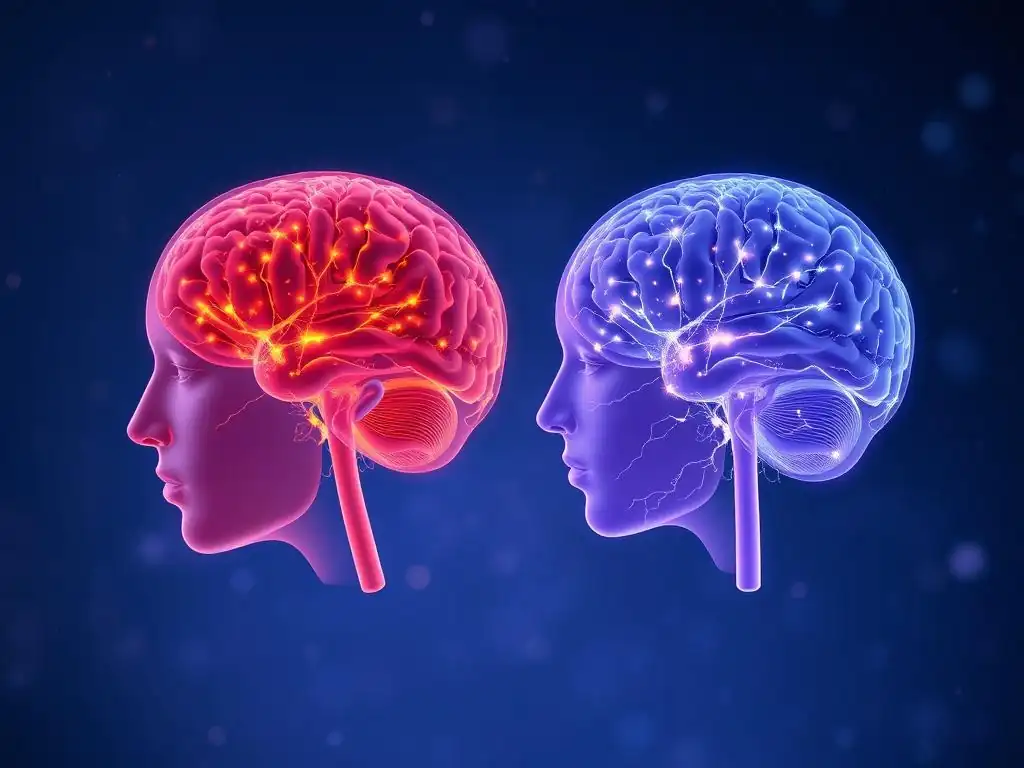
Ever wondered if stress impacts your brain differently depending on your sex? Prepare to uncover fascinating insights in our exploration of " Stress brain sex differences." We delve into the Neuroscience of Mental Health to understand the biological distinctions and how they shape our experiences. Are you ready to learn how these variations affect your well-being and what you can do about it?
- Stress, Brain, and Sex Differences: Impact on Mental Well-being
- Biological Mechanisms Underlying Stress, Brain, and Sex Differences
- Impact of Stress on Brain Regions: Sex-Specific Vulnerabilities
- Stress, Sex, and Mental Health Disorders: Understanding the Links
- Mitigating Stress Effects: Sex-Specific Interventions
- Future Directions: Research and Understanding
-
Frequently Asked Questions
- How does stress impact the male brain differently than the female brain?
- Are there specific brain regions more affected by stress differently in men and women?
- What role do hormones play in the sex differences observed in the brain's response to stress?
- Can understanding these sex differences in stress response lead to more effective treatment strategies?
- How can individuals mitigate the negative impacts of stress on the brain, considering these sex differences?
- Final Reflection: The Unseen Battle: Stress, Sex, and the Brain
- Unlock Your Brain's Resilience: Understanding Stress's Impact
Stress, Brain, and Sex Differences: Impact on Mental Well-being
Understanding how stress impacts the brain is crucial for mental well-being. What's increasingly clear from neuroscience research is that this impact isn't uniform across all individuals. Biological sex, defined by sex chromosomes, hormones, and genetics, plays a significant role in shaping the brain's response to stress. These biological differences contribute to varying vulnerabilities to stress-related mental health challenges, highlighting the importance of studying stress brain sex differences. Exploring these nuances helps us better understand conditions like depression, anxiety, and PTSD, and potentially develop more effective, tailored interventions.
Introduction: Sex-Specific Effects of Stress on the Brain
Stress, a universal experience, elicits complex physiological and psychological responses. While both males and females experience stress, the way their brains process and react to stressors shows notable divergence. These sex-specific effects on the brain's structure and function can influence everything from emotional regulation to cognitive performance and vulnerability to mental health disorders. Research into stress brain sex differences seeks to uncover the biological underpinnings of these variations, moving beyond purely behavioral observations to examine the cellular and molecular levels.
This exploration delves into the intricate interplay between stress, the brain, and biological sex, highlighting how hormonal environments, genetic factors, and specific brain regions are differentially affected. Recognizing these fundamental differences is a vital step towards developing a more comprehensive and personalized approach to mental health care, acknowledging that a one-size-fits-all model may not adequately address the unique ways stress impacts individuals based on their sex.
Neuroscience of Stress: Foundation for Understanding Sex Differences
At the core of the body's stress response lies a sophisticated network involving the brain and endocrine system. Understanding this fundamental neuroscience is essential before exploring how biological sex introduces variations. The primary system involved is the Hypothalamic-Pituitary-Adrenal (HPA) axis, alongside specific brain regions like the amygdala, hippocampus, and prefrontal cortex, which are central to processing and reacting to stressful stimuli. These components work in concert to mount a response aimed at restoring homeostasis, but chronic or severe stress can disrupt their delicate balance, leading to lasting changes.
Investigating stress brain sex differences requires a detailed look at how these foundational elements function and how their activity or structure might differ between males and females. For instance, studies have shown that stress can alter the sensitivity of the HPA axis feedback loop or modify the synaptic plasticity within key brain areas, and these alterations can manifest differently depending on biological sex. This differential impact forms the basis for understanding why certain stress-related conditions might have varying prevalence rates or symptom profiles in men compared to women.
Hypothalamic-Pituitary-Adrenal (HPA) Axis: Key Player in Stress Response
The HPA axis is the body's central stress response system. Upon perceiving a stressor, the hypothalamus releases corticotropin-releasing hormone (CRH), which signals the pituitary gland to release adrenocorticotropic hormone (ACTH). ACTH then travels to the adrenal glands, prompting the release of cortisol, the primary stress hormone. Cortisol prepares the body for a 'fight or flight' response by increasing glucose availability, suppressing non-essential functions, and modulating the immune system. Normally, cortisol exerts negative feedback on the hypothalamus and pituitary, shutting down the response once the stressor is gone.
However, chronic stress can lead to dysregulation of this axis, potentially resulting in either hyper- or hypo-cortisolism. Research indicates that stress brain sex differences are evident in HPA axis activity. For example, some studies suggest women may exhibit higher cortisol reactivity to psychological stressors compared to men, while others point to differences in the efficiency of the negative feedback loop. This differential HPA axis function is a key biological mechanism contributing to sex-specific vulnerabilities to stress-related disorders.
Brain Regions: Amygdala, Hippocampus, and Prefrontal Cortex
Several key brain regions are intimately involved in the stress response and are areas where stress brain sex differences are particularly evident. The amygdala, often termed the brain's "fear center," processes emotional salience and threat detection. The hippocampus, critical for memory formation and spatial navigation, plays a role in contextualizing stressful experiences and also contains a high density of cortisol receptors, making it vulnerable to stress. The prefrontal cortex (PFC), the brain's executive control center, is involved in planning, decision-making, and regulating emotional responses originating in the amygdala.
Stress can alter the structure and function of these regions. For instance, chronic stress has been linked to dendritic retraction and reduced neurogenesis in the hippocampus, potentially impairing memory. In the amygdala, stress can increase dendritic branching and synaptic strength, leading to heightened fear responses. The PFC's ability to regulate lower brain regions can be impaired under stress, particularly acute stress. These stress-induced changes show marked stress brain sex differences, with research suggesting, for example, differential sensitivity of the hippocampus to stress-induced atrophy or distinct patterns of amygdala connectivity in males versus females under duress.
Biological Mechanisms Underlying Stress, Brain, and Sex Differences
The varying impact of stress on the brain between males and females is rooted in fundamental biological mechanisms. These include the pervasive influence of sex hormones, differences in genetic makeup (particularly sex chromosomes), and variations in how neurotransmitter systems function under stress. Exploring these biological underpinnings provides a deeper understanding of why stress manifests and impacts brain health differently based on biological sex, further illuminating the complexities of stress brain sex differences.
These mechanisms interact in complex ways. For instance, sex hormones can modulate the expression of genes involved in stress response pathways or alter the sensitivity of neurotransmitter receptors in specific brain regions. Genetic factors can predispose individuals of one sex more than the other to certain stress-related outcomes. Understanding these layered biological influences is crucial for developing targeted approaches to mitigate the negative effects of stress.
Hormonal Influences: Estrogen, Testosterone, and Cortisol
Sex hormones, primarily estrogen and testosterone, exert profound effects on brain development, function, and plasticity throughout life. These hormones interact with stress hormones like cortisol at multiple levels, influencing receptor expression, synaptic plasticity, and neuroinflammation. The fluctuating levels of these hormones, particularly in females across the menstrual cycle, pregnancy, and menopause, can modulate the brain's response to stress over time.
The differential presence and activity of estrogen and testosterone are central to many observed stress brain sex differences. Estrogen, for example, is known to have neuroprotective effects, while testosterone can influence aggressive and risk-taking behaviors under stress. Cortisol itself, while a stress hormone shared by both sexes, can interact differently with brain regions depending on the prevailing sex hormone environment.
Estrogen: Neuroprotective Effects in Females
Estrogen is a key female sex hormone with significant influence on brain function. It is known to have generally neuroprotective effects, promoting neuronal survival, synaptic plasticity, and neurogenesis in areas like the hippocampus. Estrogen can modulate the HPA axis, sometimes enhancing cortisol feedback sensitivity, potentially helping to dampen prolonged stress responses. It also influences neurotransmitter systems, such as increasing serotonin synthesis and receptor density in certain brain regions, which can impact mood regulation.
Studies suggest that the presence of estrogen may offer some resilience against certain stress-induced changes in the brain. For instance, estrogen has been shown to protect against stress-induced dendritic atrophy in the hippocampus in animal models. However, fluctuating or low estrogen levels, such as during menopause or certain phases of the menstrual cycle, may increase vulnerability to stress and related conditions. This complex interplay between estrogen levels and stress response highlights a significant aspect of stress brain sex differences.
Testosterone: Influence on Stress Reactivity in Males
Testosterone, the primary male sex hormone, also significantly impacts the brain, although its effects on stress reactivity can differ from estrogen. Testosterone can influence aggression, risk-taking, and social dominance behaviors, which can be modulated by stress. Its interaction with the HPA axis is complex; while some studies suggest testosterone might buffer aspects of the cortisol response, others indicate it can interact with stress pathways to promote certain behavioral outcomes.
Research suggests that testosterone may influence amygdala activity and connectivity in response to social stressors, potentially contributing to sex differences in emotional processing and reactivity. For example, higher testosterone levels have sometimes been associated with increased dominance or competitive responses under stress. Understanding how testosterone levels interact with the stress system is crucial for understanding the unique patterns of stress vulnerability and response observed in males, contributing to the broader picture of stress brain sex differences.
Genetic Factors: Genetic Predisposition to Stress Vulnerability
Beyond hormonal influences, genetic factors contribute to individual and sex-specific differences in stress vulnerability. The genetic makeup inherited from parents influences the baseline function of stress response systems, neurotransmitter production, receptor sensitivity, and the structure of stress-relevant brain regions. Variations in specific genes known to be involved in the HPA axis, neurotransmitter pathways (like serotonin or dopamine), or neurodevelopment can alter an individual's predisposition to react strongly or weakly to stressors.
Sex chromosomes (XX in females, XY in males) introduce fundamental genetic differences that extend beyond determining sex hormone production. Genes located on the X and Y chromosomes, as well as genes on autosomes whose expression is influenced by sex, can contribute to variations in stress reactivity and brain function. Investigating these genetic contributions is vital for understanding the biological basis of stress brain sex differences and identifying potential genetic markers for vulnerability.
Sex Chromosome Differences: Implications for Gene Expression
The presence of two X chromosomes in females and one X and one Y chromosome in males leads to significant differences in gene dosage and expression patterns throughout the body, including the brain. The X chromosome carries over 800 protein-coding genes, many of which are expressed in the brain and are involved in neurological and psychological processes. Females have two copies of these genes, while males have only one. Although one X chromosome in females is largely inactivated (X-inactivation), this process is not complete for all genes, leading to potential differences in gene expression levels compared to males.
The Y chromosome, while much smaller, contains genes crucial for male development and also genes expressed in the brain. Differences in the dosage of X-linked genes and the presence of Y-linked genes contribute to inherent biological differences that can influence stress response pathways, neurodevelopment, and the function of brain regions involved in stress processing. These fundamental genetic differences contribute directly to the observed stress brain sex differences at a cellular and systems level.
Epigenetic Modifications: Stress Alters Gene Activity Differently
Epigenetics refers to heritable changes in gene expression that occur without alterations to the underlying DNA sequence. These modifications, such as DNA methylation or histone modification, can be influenced by environmental factors, including stress exposure, particularly during critical developmental periods. Crucially, these epigenetic changes can alter how genes involved in stress response, neural plasticity, and emotional regulation are turned on or off, impacting an individual's vulnerability to future stress.
Research indicates that stress can induce sex-specific epigenetic modifications in the brain. For example, studies have shown differential methylation patterns in genes related to the HPA axis or neurotransmitter systems in males versus females exposed to early life stress. These epigenetic differences can lead to lasting alterations in brain function and stress reactivity, contributing to the enduring nature of stress brain sex differences and potentially explaining varying susceptibility to psychiatric disorders later in life.
Neurotransmitter Systems: Serotonin, Dopamine, and Norepinephrine
Neurotransmitters are chemical messengers that transmit signals between neurons, playing critical roles in mood, cognition, motivation, and the stress response. Key neurotransmitter systems involved include serotonin (regulating mood, sleep, and appetite), dopamine (involved in reward, motivation, and motor control), and norepinephrine (part of the sympathetic nervous system's 'fight or flight' response). Stress can disrupt the synthesis, release, reuptake, and receptor sensitivity of these neurotransmitters, leading to imbalances that contribute to stress-related symptoms.
Significant stress brain sex differences exist in the baseline function and stress-induced alterations of these neurotransmitter systems. For instance, there are known sex differences in serotonin transporter density, dopamine receptor availability, and the response of norepinephrine neurons to stressors. These inherent or stress-induced differences in neurotransmitter activity are another crucial biological layer contributing to the varied ways males and females experience and respond to stress.
Serotonin Synthesis and Receptor Distribution Under Stress
The serotonin system is deeply implicated in mood disorders like depression and anxiety, conditions strongly linked to chronic stress and showing marked sex differences in prevalence. Serotonin is synthesized from tryptophan, and its activity is regulated by transporters and receptors. Stress can influence serotonin levels, synthesis rates, and the expression and distribution of various serotonin receptor subtypes in different brain regions.
Studies have shown sex differences in serotonin transporter density, which affects serotonin reuptake and thus its availability in the synapse. For example, some research suggests lower serotonin transporter binding in certain brain regions in females compared to males, potentially influencing vulnerability to mood changes under stress. Furthermore, stress can differentially impact the expression of specific serotonin receptor subtypes in males and females, leading to varied downstream effects on neural circuits involved in mood and anxiety, contributing significantly to stress brain sex differences in emotional regulation.
Dopamine's Role in Reward and Motivation
The dopamine system is central to the brain's reward pathway, motivation, pleasure, and motor control. Stress can significantly impact dopamine release and signaling in regions like the nucleus accumbens and prefrontal cortex. While acute stress can sometimes transiently increase dopamine release, chronic stress often leads to dysregulation, potentially contributing to anhedonia (loss of pleasure) and lack of motivation, common symptoms in depression and other stress-related disorders.
Evidence suggests sex differences in dopamine system function, including differences in dopamine receptor density and stress-induced dopamine release patterns. For instance, some studies indicate higher baseline dopamine receptor availability in certain brain regions in males compared to females. These differences can influence how stress impacts reward processing, motivation, and the development of conditions like substance use disorders, which also show sex-specific patterns. The distinct ways stress interacts with the dopamine system in males versus females adds another layer to understanding stress brain sex differences.
Impact of Stress on Brain Regions: Sex-Specific Vulnerabilities
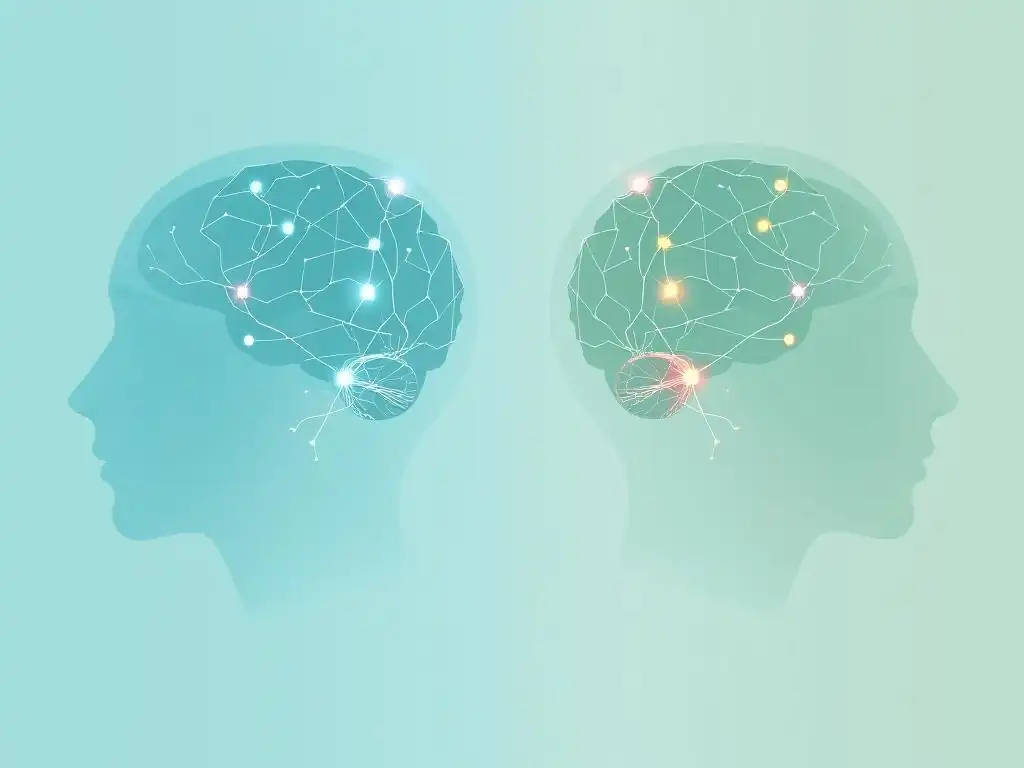
As discussed, key brain regions like the amygdala, hippocampus, and prefrontal cortex are highly susceptible to the effects of stress. However, the nature and extent of these stress-induced changes often vary significantly between males and females. These sex-specific vulnerabilities in critical brain areas contribute to differential patterns of emotional processing, memory impairment, cognitive dysfunction, and ultimately, susceptibility to stress-related mental health disorders. Understanding these regional stress brain sex differences is vital for appreciating the full scope of stress's impact.
Research utilizing neuroimaging techniques and post-mortem studies has provided valuable insights into these differential effects. For example, studies have documented varying degrees of stress-induced volume changes or functional connectivity alterations in these regions depending on biological sex. These findings underscore the importance of considering sex as a biological variable in neuroscience research and clinical practice related to stress and mental health.
The Amygdala: Emotional Processing and Fear Conditioning
The amygdala is a critical hub for processing emotions, particularly fear and anxiety, and is heavily involved in fear conditioning – learning to associate a neutral stimulus with a fearful outcome. Under stress, amygdala activity typically increases, leading to heightened vigilance and emotional reactivity. Chronic stress can cause structural changes, such as increased neuronal size and dendritic complexity, which can lead to a hyperactive amygdala and contribute to conditions like anxiety disorders and PTSD.
Sex differences in amygdala structure and function have been reported, and these differences can influence how stress impacts emotional processing. For example, some studies suggest that while both sexes show increased amygdala activity under stress, the specific patterns of connectivity with other brain regions might differ. These variations contribute to stress brain sex differences in emotional responses and vulnerability to disorders characterized by heightened fear and anxiety.
Amygdala Activity in Females Under Stress
Research indicates that females may exhibit different patterns of amygdala activity and connectivity compared to males when exposed to stress or emotional stimuli. Some studies have found that females show greater amygdala reactivity to emotional faces or stress-inducing tasks than males. This heightened reactivity might contribute to the higher prevalence of anxiety and depression observed in women.
Furthermore, the connectivity between the amygdala and other brain regions, such as the prefrontal cortex (involved in emotional regulation) or the hippocampus (involved in contextualizing fear), can also differ between sexes under stress. For example, stress might impair inhibitory control from the PFC to the amygdala differently in males and females, affecting their ability to regulate fear responses. These distinct patterns of amygdala function under stress are a key aspect of stress brain sex differences in emotional vulnerability.
Amygdala and Aggression: Sex-Specific Neural Circuits
While the amygdala is primarily known for its role in fear, it is also involved in processing anger and aggression. Stress can modulate aggressive behaviors, and there are clear sex differences in the types and expression of aggression, which may be linked to sex-specific neural circuits involving the amygdala. For example, males are statistically more likely to exhibit overt, physical aggression, while females may be more likely to engage in relational aggression.
Studies in animal models and humans suggest that stress interacts with sex hormones to influence amygdala pathways involved in aggression. Testosterone, for instance, can modulate amygdala sensitivity and its connections to areas involved in motor control and reward, potentially facilitating aggressive responses under stress in males. While the exact neural circuits differ, understanding these sex-specific pathways involving the amygdala under stress is important for understanding stress brain sex differences in behavioral responses, including aggression.
The hippocampus is a crucial brain structure involved in forming new memories (particularly episodic and spatial memories) and plays a vital role in regulating the HPA axis via negative feedback on cortisol release. It is highly vulnerable to stress due to its high density of glucocorticoid (cortisol) receptors. Chronic stress can impair hippocampal function, leading to memory deficits, reduced neurogenesis (the birth of new neurons), and even structural changes like volume reduction.
Stress brain sex differences are evident in how the hippocampus responds to stress. For instance, the extent of stress-induced hippocampal volume changes or the impact on memory performance can differ between males and females. These differences contribute to varying susceptibilities to cognitive impairments and stress-related disorders that involve hippocampal dysfunction, such as depression and PTSD.
Stress-Induced Hippocampal Volume Reduction: Sex Differences
Chronic stress is often associated with a reduction in hippocampal volume, a finding observed in conditions like major depression and PTSD. However, the pattern and magnitude of this reduction may show stress brain sex differences. Some studies suggest that females might be more susceptible to stress-induced volume reduction in specific subregions of the hippocampus compared to males, or that different types of stress (e.g., psychological vs. physical) might have differential effects based on sex.
For example, prolonged exposure to high cortisol levels can impair neurogenesis and cause dendritic retraction in hippocampal neurons. The sensitivity of hippocampal neurons to cortisol, or the protective effects of sex hormones like estrogen, could contribute to observed sex differences in structural vulnerability. While findings can vary across studies, the evidence points to sex-specific patterns in how chronic stress impacts hippocampal volume and structure.
Hippocampus and Cognitive Function: Chronic Stress Effects
Beyond structural changes, chronic stress impairs hippocampal-dependent cognitive functions, particularly memory and learning. This can manifest as difficulty forming new memories, retrieving past information, or navigating spatial environments. These cognitive deficits are common in individuals experiencing chronic stress or stress-related disorders.
The impact of chronic stress on hippocampal-dependent cognition also exhibits stress brain sex differences. For instance, some research suggests that stress might impair certain types of memory more profoundly in females than males, or vice versa, depending on the nature of the stressor and the specific memory task. These differences in cognitive vulnerability underscore the complex interplay between stress, sex, hippocampus function, and overall mental well-being.
The Prefrontal Cortex: Executive Function and Decision-Making
The prefrontal cortex (PFC) is the brain's executive control center, responsible for higher-level cognitive functions such as planning, decision-making, working memory, attention, and impulse control. It also plays a critical role in regulating emotional responses by inhibiting activity in subcortical regions like the amygdala. The PFC is particularly sensitive to stress; acute stress can transiently impair its function, leading to difficulties in concentration and decision-making, while chronic stress can lead to structural and functional changes.
Stress brain sex differences are evident in how the PFC is affected by stress, which can lead to differential impacts on executive function and emotional regulation. These differences can influence how individuals cope with stress, make decisions under pressure, and regulate their emotional responses, contributing to varying susceptibilities to disorders like ADHD, substance use disorders, and mood disorders, all of which involve PFC dysfunction and show sex-specific patterns.
Stress and Executive Dysfunction: Sex Differences in Activity
Stress can impair various aspects of executive function mediated by the PFC, leading to difficulties in tasks requiring working memory, flexible thinking, and inhibitory control. The extent and nature of this stress-induced executive dysfunction may differ between males and females. For example, some studies using cognitive tasks under acute stress have observed sex-specific patterns of performance decline or changes in PFC activity measured by fMRI.
These differences might be related to sex differences in PFC structure, connectivity, or the sensitivity of PFC neurons to stress hormones and neurotransmitters. Understanding these differential impacts is important because impaired executive function can exacerbate the negative effects of stress, making it harder to cope effectively and potentially increasing vulnerability to maladaptive behaviors. This highlights another crucial area of stress brain sex differences.
Prefrontal Cortex and Emotional Regulation: Stress Alters Control
A key function of the PFC is to regulate emotional responses, particularly by exerting top-down control over the amygdala. This allows individuals to appraise stressful situations rationally, inhibit impulsive reactions, and modulate the intensity of fear or anxiety. Stress, especially chronic stress, can weaken this regulatory control, leading to disinhibition of emotional responses and increased reactivity to stressors.
Stress brain sex differences exist in the neural circuits underlying emotional regulation, including the connectivity between the PFC and the amygdala. Research suggests that stress might impair this connectivity or the effectiveness of PFC inhibition differently in males and females. For instance, some studies indicate that stress might lead to a stronger decoupling of PFC-amygdala circuits in females compared to males, potentially contributing to higher rates of anxiety disorders. These sex-specific alterations in emotional regulation pathways are a significant component of stress brain sex differences.
Stress, Sex, and Mental Health Disorders: Understanding the Links
The biological stress brain sex differences discussed previously contribute significantly to the observed sex differences in the prevalence, symptom profiles, and trajectories of various mental health disorders. Stress is a well-established risk factor for numerous conditions, and the unique ways stress impacts the male and female brain help explain why certain disorders are more common in one sex than the other, or why symptoms might present differently.
Understanding these links is essential for diagnosis, prevention, and treatment. Recognizing how stress interacts with biological sex to influence vulnerability to depression, anxiety, PTSD, and even neurodegenerative diseases provides critical insights into the complex etiology of these conditions and underscores the importance of considering sex as a biological variable in mental health research and clinical practice. This area of research is central to understanding stress brain sex differences in pathology.
Depression and Anxiety: Sex-Specific Prevalence
Major depressive disorder and generalized anxiety disorder are among the most common mental health conditions globally, and both show a significant sex disparity in prevalence, with women being roughly twice as likely to be diagnosed as men. While many factors contribute to this difference, including psychosocial influences, biological stress brain sex differences play a significant role. The distinct ways stress impacts the HPA axis, neurotransmitter systems (like serotonin and dopamine), and brain regions (amygdala, hippocampus, PFC) in males versus females contribute to these differential vulnerabilities.
For example, sex differences in cortisol reactivity or feedback sensitivity, combined with differences in serotonin system function, may predispose females to develop depressive or anxious symptoms in response to chronic stress more readily than males. Conversely, specific aspects of male stress response might contribute to different manifestations, such as substance use or externalizing behaviors, which might be underdiagnosed as depression or anxiety.
Stress as Risk Factor for Depression in Females
Stress is a potent risk factor for depression, and this link appears particularly strong in females. Women are consistently reported to experience higher rates of stressful life events, and their biological response to these stressors, influenced by hormonal fluctuations and potentially greater HPA axis reactivity in some contexts, may increase their susceptibility to developing depressive episodes.
Research suggests that stress-induced changes in brain regions like the hippocampus (volume reduction, impaired neurogenesis) and the amygdala (hyperactivity) may be more pronounced or occur through different mechanisms in females, contributing to depressive symptoms like low mood, anhedonia, and cognitive difficulties. The interplay of estrogen levels and stress hormones can also uniquely impact neural circuits involved in mood regulation in females, highlighting a key aspect of stress brain sex differences in depression vulnerability.
Stress and Anxiety Disorders in Males
While anxiety disorders are generally more prevalent in females, males are not immune, and stress also plays a significant role in their development. Stressors can trigger anxiety in males, although the presentation might differ, sometimes manifesting as irritability, anger, or substance use rather than overt worry or fear.
Biological stress brain sex differences, such as distinct patterns of amygdala-PFC connectivity or testosterone's influence on stress reactivity, may shape the male experience of anxiety. For instance, stress might lead to different coping mechanisms or behavioral expressions of anxiety in males compared to females, potentially influencing diagnosis rates. Understanding how stress pathways differ in males is crucial for recognizing and treating anxiety effectively in this population.
Post-Traumatic Stress Disorder (PTSD): Sex Differences
Post-Traumatic Stress Disorder (PTSD) is a severe stress-related disorder that develops in some individuals after exposure to a traumatic event. Like depression and anxiety, PTSD shows a significant sex difference in prevalence, with women being approximately twice as likely to develop the disorder after trauma exposure compared to men. This disparity points strongly to underlying biological stress brain sex differences in vulnerability to trauma and chronic stress.
The biological mechanisms contributing to PTSD, such as HPA axis dysregulation, persistent amygdala hyperactivity, impaired PFC function, and hippocampal volume reduction, all show sex-specific patterns under stress. These differential biological responses to trauma and chronic stress are thought to contribute significantly to the higher incidence of PTSD in females.
Female Vulnerability to PTSD
The higher prevalence of PTSD in women after trauma is a major area of research into stress brain sex differences. While exposure to trauma is a prerequisite, not everyone develops PTSD, and biological sex is a strong predictor of who does. Factors contributing to increased female vulnerability likely include differences in HPA axis reactivity and feedback, the influence of sex hormones on fear conditioning and extinction, and potentially greater stress-induced structural or functional changes in key brain regions like the amygdala and hippocampus.
For instance, some studies suggest that estrogen levels can influence fear extinction processes, potentially making it harder for females to extinguish learned fear responses associated with trauma. Differences in cortisol levels or receptor sensitivity after trauma may also contribute to the persistent physiological hyperarousal characteristic of PTSD, highlighting how stress brain sex differences manifest in post-traumatic pathology.
HPA Axis in PTSD: Sex-Specific Dysregulation
Dysregulation of the HPA axis is a common feature of PTSD, although the pattern can be complex and sometimes involves lower basal cortisol levels coupled with heightened sensitivity to stress. Crucially, the nature of this HPA axis dysregulation appears to show stress brain sex differences.
Some research suggests that while both sexes with PTSD show HPA axis alterations, the specifics might differ. For example, the sensitivity of the negative feedback loop might be differentially affected, or the response to pharmacological challenges that probe HPA function might vary between males and females with PTSD. These sex-specific patterns of HPA axis dysregulation contribute to the varied physiological and psychological symptoms experienced by men and women with the disorder, reinforcing the importance of understanding stress brain sex differences in chronic stress pathology.
Neurodegenerative Diseases: Alzheimer's and Parkinson's
While primarily known for their impact on mood and cognition, chronic stress and its biological effects on the brain may also play a role in the development or progression of certain neurodegenerative diseases, including Alzheimer's disease (AD) and Parkinson's disease (PD). Both AD and PD show some sex-specific patterns in prevalence or presentation, and research is exploring whether stress brain sex differences contribute to these patterns.
The mechanisms linking stress to neurodegeneration may involve chronic inflammation, oxidative stress, and impaired neurotrophic factor support, processes that can be influenced by chronic cortisol exposure and show sex-specific modulation by hormones. While the link is complex and not fully understood, investigating how stress differentially impacts the aging brain in males and females is an emerging area related to stress brain sex differences.
Stress and Alzheimer's Risk: Sex Differences in Inflammation
Alzheimer's disease is the most common form of dementia, characterized by progressive memory loss and cognitive decline. While age is the primary risk factor, chronic stress is hypothesized to contribute to AD pathology, possibly through prolonged exposure to high cortisol levels, which can damage the hippocampus, and by promoting chronic neuroinflammation. AD is more prevalent in women than men, particularly after age 65, and stress brain sex differences may play a role in this disparity.
Estrogen is known to have anti-inflammatory effects in the brain, and the decline in estrogen levels after menopause in women may reduce this protective effect, potentially increasing vulnerability to stress-induced neuroinflammation and AD pathology. Conversely, testosterone's influence on inflammatory pathways in the male brain might differ. Research is exploring how stress interacts with sex-specific inflammatory responses to influence amyloid plaque and tau tangle formation, key features of AD, highlighting potential stress brain sex differences in neurodegenerative pathways.
Stress on Parkinson's Progression: Sex-Specific Considerations
Parkinson's disease is a neurodegenerative disorder characterized by motor symptoms resulting from the loss of dopamine-producing neurons, primarily in the substantia nigra. While PD is more prevalent in men than women, stress is known to exacerbate both motor and non-motor symptoms in affected individuals. Understanding whether stress impacts the progression or symptom severity of PD differently based on sex is an area of ongoing investigation.
Stress can influence the dopamine system, and sex differences exist in dopamine signaling. While speculative, stress brain sex differences in dopamine dysregulation or neuroinflammation could theoretically influence the vulnerability of dopaminergic neurons or the manifestation of symptoms. For instance, stress might differentially impact non-motor symptoms like anxiety or depression, which are common in PD, based on the patient's sex. Further research is needed to clarify the precise role of stress brain sex differences in PD pathogenesis and progression.
Mitigating Stress Effects: Sex-Specific Interventions
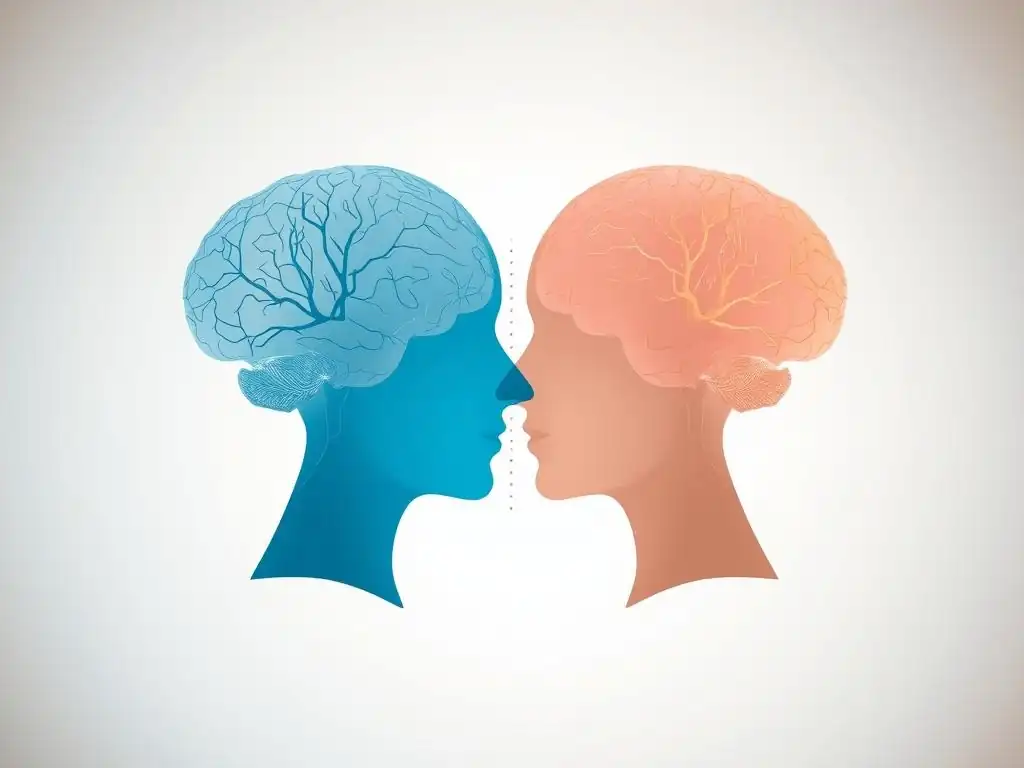
Given the significant biological stress brain sex differences in how stress impacts vulnerability to mental health conditions, it follows that interventions aimed at mitigating stress effects should ideally consider these differences. While many stress management techniques are universally beneficial, tailoring therapeutic approaches and lifestyle modifications based on biological sex could potentially enhance their effectiveness. This moves towards a more personalized medicine approach in mental health care.
Considering sex-specific biological vulnerabilities—such as differential HPA axis reactivity, hormonal influences, or distinct patterns of brain region vulnerability—can inform the choice and delivery of interventions. This doesn't necessarily mean entirely different treatments, but perhaps adjustments in emphasis, dosage (for pharmacological interventions), or specific strategies within broader therapeutic frameworks. Addressing stress brain sex differences in intervention design is crucial for optimizing outcomes.
Therapeutic Approaches: Tailoring Treatments
Psychological therapies and pharmacological interventions are the cornerstones of treating stress-related mental health disorders. While standard protocols exist, acknowledging stress brain sex differences suggests that tailoring these approaches might be beneficial. This could involve considering how sex hormones might influence drug metabolism or efficacy, or how sex-specific stress responses might necessitate different therapeutic strategies within a cognitive or behavioral framework.
For example, a therapy aimed at emotional regulation might need to account for sex differences in amygdala-PFC connectivity under stress. Similarly, pharmacological interventions targeting neurotransmitter systems might need to consider sex differences in receptor density or stress-induced neurotransmitter release patterns. Tailoring treatment based on sex is an evolving area but holds promise for improving outcomes by addressing underlying stress brain sex differences.
Cognitive Behavioral Therapy (CBT): Adapting for Male and Female Patients
Cognitive Behavioral Therapy (CBT) is a widely used and effective psychotherapy for stress-related conditions like depression and anxiety. CBT helps individuals identify and challenge negative thought patterns and develop healthier coping mechanisms. While universally applicable, adapting CBT strategies to account for potential stress brain sex differences in cognitive appraisal, emotional expression, or coping styles might enhance its efficacy.
For example, if research suggests that stress leads to different patterns of cognitive biases or rumination in males versus females, CBT techniques could be tailored to address these specific patterns. Similarly, exploring sex-specific social support seeking behaviors within therapy could be beneficial. While the core principles remain the same, a nuanced understanding of stress brain sex differences can inform the specific content and focus of therapeutic sessions.
Pharmacological Interventions: Considering Hormonal Influences
Psychotropic medications, such as antidepressants and anxiolytics, target neurotransmitter systems affected by stress. The efficacy and metabolism of these drugs can be influenced by biological sex and hormonal status. For instance, fluctuating estrogen levels can impact the activity of liver enzymes responsible for drug metabolism, potentially affecting drug concentrations and efficacy in females.
Furthermore, the target neurotransmitter systems themselves (serotonin, dopamine, norepinephrine) show stress brain sex differences in baseline function and stress-induced alterations. Considering these hormonal and neurotransmitter system differences can inform drug choice, dosage, and monitoring, potentially leading to more effective and personalized pharmacological treatments for stress-related disorders. This highlights the importance of accounting for stress brain sex differences in clinical pharmacology.
Lifestyle Modifications: Promoting Resilience
Beyond formal therapy, lifestyle modifications play a significant role in building resilience to stress and mitigating its negative impacts on the brain. Practices such as regular exercise, mindfulness, adequate sleep, and healthy nutrition are universally beneficial for stress management. However, the mechanisms by which these interventions exert their effects on the brain, and the specific benefits gained, might vary based on biological sex, reflecting underlying stress brain sex differences in biological response.
Encouraging sex-specific participation in activities or tailoring recommendations based on how these interventions impact stress-sensitive biological pathways differently in males and females could optimize their effectiveness. Promoting resilience requires addressing both universal principles of well-being and acknowledging individual biological variations.
Exercise and Physical Activity: Sex-Specific Benefits
Regular exercise is a powerful stress reliever and promotes brain health, including neurogenesis and synaptic plasticity in the hippocampus and improved executive function in the PFC. While beneficial for everyone, the specific neurobiological benefits of exercise under stress may show stress brain sex differences.
For instance, exercise impacts neurotransmitter systems (like serotonin and dopamine) and growth factors (like BDNF) that show sex-specific patterns. Some studies suggest that exercise might have differential effects on HPA axis reactivity or stress-induced structural changes in brain regions depending on sex. Tailoring exercise recommendations or exploring sex-specific motivators for physical activity could potentially enhance its role in mitigating stress effects and promoting mental well-being.
Mindfulness and Meditation: Reducing Stress
Mindfulness and meditation practices are increasingly recognized for their ability to reduce stress, improve emotional regulation, and alter brain activity in regions like the PFC and amygdala. These practices cultivate awareness and acceptance, helping individuals respond to stressors more effectively. While beneficial for both sexes, the mechanisms or the extent of brain changes induced by these practices might show stress brain sex differences.
For example, if stress leads to different patterns of amygdala-PFC connectivity in males versus females, mindfulness might target these pathways differently. Research is beginning to explore whether the impact of meditation on HPA axis activity or specific brain network connectivity varies by sex. Understanding these potential differences could help in tailoring mindfulness techniques or recommending specific practices based on an individual's biological sex and their unique stress response patterns.
Social support is a critical buffer against stress and promotes mental well-being. Strong social connections can reduce the physiological stress response (e.g., lower cortisol levels) and provide emotional resilience. However, there are known sex differences in how individuals seek and utilize social support, which can influence its effectiveness as a stress mitigation strategy and reflect underlying stress brain sex differences in social behavior and neurobiology.
Understanding these differences is important for promoting healthy social engagement as a means of stress management. Encouraging individuals to leverage their preferred modes of social connection, while also addressing potential barriers to seeking support based on sex, can enhance this vital resilience factor.
Sex Differences in Social Support Seeking
Research indicates that there are typical sex differences in how individuals seek and provide social support. Women are often reported to engage in more 'tend-and-befriend' behaviors under stress, seeking out social connections and support, potentially mediated by hormones like oxytocin which are released during social bonding and stress. Men, on the other hand, may be more likely to exhibit 'fight or flight' responses or withdraw socially, although this is a generalization with significant individual variation.
These differences in social support seeking behaviors can influence how effectively individuals buffer the impact of stress. Acknowledging these patterns, which may have biological underpinnings related to stress brain sex differences in social processing circuits, is important for encouraging effective stress coping strategies that include leveraging social connections.
Impact of Social Isolation: Sex-Specific Effects
Conversely, social isolation is a significant stressor and a risk factor for various mental and physical health problems. The negative impact of social isolation on brain health and stress vulnerability may also show stress brain sex differences. For example, isolation might affect neurotransmitter systems or HPA axis function differently in males versus females, potentially leading to varied health outcomes.
Research on the neurobiology of social isolation suggests it can impact regions like the prefrontal cortex and amygdala, areas known to exhibit stress brain sex differences in their response to stress. Understanding these sex-specific vulnerabilities to social isolation is crucial for developing targeted interventions aimed at promoting social connection as a vital component of stress management and mental well-being.
Future Directions: Research and Understanding
The field of stress brain sex differences is continuously evolving, with ongoing research aiming to deepen our understanding of the complex biological interactions at play. Future directions are focused on conducting more robust studies that account for biological sex as a primary variable, identifying specific biological markers of stress vulnerability, and ultimately moving towards personalized medicine approaches that tailor interventions based on an individual's unique biological profile, including their sex.
This research is essential for translating findings from the lab to clinical practice, ensuring that mental health care is informed by the latest understanding of biological diversity in stress response. Prioritizing these areas will advance our ability to predict vulnerability, diagnose conditions more accurately, and develop more effective, sex-aware treatments for stress-related disorders.
Importance of Longitudinal Studies: Long-Term Effects of Stress
Much of the current understanding of stress brain sex differences comes from cross-sectional studies or animal models. While valuable, these studies often capture a snapshot in time or may not fully translate to the human experience across the lifespan. Longitudinal studies, which follow individuals over extended periods, are crucial for understanding the long-term effects of chronic or repeated stress exposure on the brain and how these effects unfold differently in males and females across development and aging.
Longitudinal research can help identify critical windows of vulnerability to stress based on sex and developmental stage, track the trajectory of stress-induced brain changes, and assess the long-term impact on mental and physical health outcomes. Such studies are vital for building a comprehensive picture of how stress brain sex differences evolve over time and contribute to lifelong health trajectories.
Developing Sex-Specific Biomarkers: Identifying Individuals at Risk
Identifying biomarkers – measurable indicators of a biological state or condition – is a key goal in mental health research. Developing sex-specific biomarkers for stress vulnerability or stress-related disorder risk could revolutionize diagnosis and prevention efforts. These biomarkers could include genetic variants, epigenetic signatures, hormone profiles, neurotransmitter levels, or neuroimaging markers (structural or functional) that differ between sexes and are associated with increased risk following stress exposure.
For example, identifying specific epigenetic patterns in stress-response genes that are predictive of PTSD risk in women but not men, or distinct patterns of HPA axis reactivity associated with depression vulnerability in males, could allow for earlier identification of individuals at high risk. Developing such sex-specific biomarkers is a promising avenue for personalized risk assessment and prevention strategies based on understanding stress brain sex differences.
Personalized Medicine: Tailoring Treatment Based on Biological Sex
Ultimately, the goal of understanding stress brain sex differences is to move towards a more personalized approach to mental health care. This involves using an individual's biological profile, including their sex, genetics, hormonal status, and specific patterns of brain function, to inform diagnosis, prognosis, and treatment selection.
Personalized medicine could involve tailoring the type or dosage of medication, selecting specific psychotherapeutic strategies, or recommending particular lifestyle interventions based on an individual's sex-specific vulnerabilities and responses to stress. While still in its early stages, leveraging the growing knowledge of stress brain sex differences is essential for developing more effective, targeted, and individualized treatments that optimize outcomes for all individuals experiencing stress-related challenges.
Conclusion: Promoting Mental Well-being.
The evidence is clear: stress impacts the brain differently in males and females, and these biological stress brain sex differences contribute significantly to varying vulnerabilities to mental health challenges. From the fundamental activity of the HPA axis and neurotransmitter systems to structural and functional changes in key brain regions like the amygdala, hippocampus, and prefrontal cortex, biological sex plays a pervasive role in shaping the brain's response to stress. These differences help explain why disorders like depression, anxiety, and PTSD show sex-specific prevalence rates and symptom profiles.
Recognizing and understanding these biological nuances is not just an academic exercise; it is essential for promoting mental well-being. It informs the development of more accurate risk assessments, highlights the potential need for sex-specific approaches in therapy and pharmacology, and emphasizes the importance of tailored lifestyle interventions and social support strategies. As research into stress brain sex differences continues to advance, it promises to pave the way for more effective, personalized, and equitable mental health care, ultimately helping everyone build greater resilience in the face of stress.
Frequently Asked Questions
How does stress impact the male brain differently than the female brain?
Studies suggest that males tend to exhibit a more pronounced fight-or-flight response under stress, leading to increased activity in certain brain regions. Females, on the other hand, show a greater tendency towards a tend-and-befriend response, influencing different neural pathways.
Are there specific brain regions more affected by stress differently in men and women?
Yes, research indicates that the amygdala (involved in emotional processing) and the hippocampus (involved in memory) exhibit sex-specific responses to stress. These differences can contribute to varying experiences of anxiety and depression.
What role do hormones play in the sex differences observed in the brain's response to stress?
Sex hormones like testosterone and estrogen significantly influence the brain's structure and function. These hormones modulate the stress response system, impacting how men and women perceive and react to stressful situations differently.
Can understanding these sex differences in stress response lead to more effective treatment strategies?
Absolutely. Recognizing sex-specific vulnerabilities to stress-related disorders can help tailor therapeutic interventions for better outcomes. This includes personalized approaches to medication and therapy.
How can individuals mitigate the negative impacts of stress on the brain, considering these sex differences?
Employing stress management techniques like mindfulness, exercise, and social support can be beneficial. However, understanding individual needs based on biological sex can further optimize these strategies for improved mental well-being.
Final Reflection: The Unseen Battle: Stress, Sex, and the Brain
The impact of stress on the brain is not a monolithic experience; it's profoundly shaped by sex. This means understanding the nuanced biological differences in how stress affects male and female brains is crucial not only for scientific advancement but also for developing more effective and equitable mental health treatments. Ignoring these differences perpetuates a system of care that fails to adequately address the unique needs of individuals.
The ongoing research into sex differences in stress response highlights the complex interplay between biology, environment, and lived experience. This understanding is not merely an academic pursuit; it's fundamental to creating a more just and compassionate approach to mental health. As Dr. Margaret McCarthy eloquently stated, Understanding sex differences in the brain is not about finding differences for the sake of differences, but about understanding the complexities of the brain and how it functions in different individuals.
This quote underscores the importance of moving beyond simplistic generalizations and embracing the intricate reality of individual responses to stress.
The information presented in this article is not just for scientists and medical professionals; it's for everyone. Consider how stress manifests in your own life, and reflect on whether societal expectations or ingrained biases might be influencing your perception of stress and its impact. Take the time to learn about the specific challenges faced by individuals of different sexes, and advocate for a more inclusive and informed approach to mental health care. By understanding the unique biological underpinnings of stress response, we can pave the way for a future where everyone receives the support they need to thrive.
Unlock Your Brain's Resilience: Understanding Stress's Impact
Thank you for taking the time to explore the fascinating – and often complex – world of stress and its effects on the brain. We hope you gained valuable insights into the unique biological responses of men and women. Now it's time to put this knowledge into action!
- Prioritize self-care strategies: Identify one specific stress-reducing activity you can realistically incorporate into your daily routine (e.g., a 15-minute mindful walk, deep breathing exercises, or a relaxing bath). Make a commitment to it for the next week.
- Share your key takeaway: Discuss this article's insights with a friend, family member, or colleague. Sharing your newfound knowledge can solidify your understanding and inspire others.
- Explore further: Delve deeper into research on stress management techniques relevant to your sex. Search for specific strategies catered to your individual needs and biological responses.
What specific step will you take today to better understand and manage your stress response?