
The Link Between Stress Hormones and Brain Fog: A Biological Explanation


Welcome to Mind Care Guide, your trusted companion on the journey to mental well-being. Ever felt like the fog has rolled in, obscuring your thoughts and stealing your clarity? It might be more than just a bad day. Could the answer lie within the complex interplay of stress hormones and their impact on your cognitive function? Delve into our article below to uncover the biological explanation behind stress hormones brain fog and begin to reclaim your mental sharpness.
- The Link Between Chronic Stress and Cognitive Dysfunction: A Biological Explanation
- Understanding Cognitive Dysfunction and Its Impact
- The Role of Stress Response Systems in the Body
- The Biological Connection: Stress Mediators and Cognitive Dysfunction
- The Neurobiological Mechanisms Linking Chronic Stress to Cognitive Impairment
- Identifying and Managing Chronic Stress to Improve Cognitive Function
- Clinical Interventions and Therapies for Stress-Related Cognitive Dysfunction
- Strategies for Preventing Chronic Stress-Induced Cognitive Dysfunction Long-Term
-
Frequently Asked Questions
- How do stress hormones like cortisol contribute to brain fog?
- What is the biological mechanism connecting chronic stress and brain fog?
- Can lifestyle changes help reduce brain fog caused by stress hormones?
- Are there any specific nutrients or supplements that can combat brain fog related to stress?
- Is brain fog caused by stress hormones a temporary condition, or can it become chronic?
- Final Reflection: Unfogging the Mind: Reclaiming Clarity in a Stressful World
- Unlock Your Brain's Full Potential: Clear the Fog!
The Link Between Chronic Stress and Cognitive Dysfunction: A Biological Explanation
Chronic stress is a pervasive challenge in modern life, extending far beyond simple feelings of being overwhelmed. When stress becomes a constant presence, it triggers a cascade of physiological responses designed for short-term survival but detrimental over the long haul. This persistent activation of the body's stress systems, particularly the release of stress hormones, can have profound effects on the brain, leading to noticeable changes in cognitive function. Understanding this intricate biological connection is crucial for recognizing the impact of long-term stress on mental clarity and performance.
This article delves into the complex interplay between stress hormones and cognitive abilities, often described as "brain fog." We will explore the biological pathways involved, from the initial stress response to the specific ways stress mediators like cortisol and inflammatory markers disrupt brain function. By examining the science behind how stress hormones cause brain fog, we can gain valuable insights into managing stress for better mental well-being and cognitive health.
Understanding Cognitive Dysfunction and Its Impact
Cognitive dysfunction, often colloquially referred to as "brain fog," is a state characterized by difficulties with various mental processes. Unlike a formal diagnosis of dementia or a specific neurological disorder, stress-induced cognitive dysfunction is typically linked to identifiable stressors and may fluctuate in severity. Recognizing its symptoms is the first step in addressing the impact of stress hormones brain fog.
Defining Cognitive Dysfunction: Symptoms and Characteristics
The hallmark symptoms of cognitive dysfunction include problems with memory, particularly working memory and short-term recall. Individuals might find it challenging to remember recent events, follow complex instructions, or keep track of multiple pieces of information simultaneously. Difficulty concentrating is another prominent symptom; attention spans shorten, and tasks requiring sustained focus become arduous. This can manifest as easily getting distracted or feeling mentally scattered throughout the day.
Beyond memory and concentration issues, cognitive dysfunction often involves impaired executive functions. This encompasses difficulties with planning, problem-solving, decision-making, and organizing thoughts. Mental processing speed may also slow down, making it feel like thinking is sluggish or hazy, hence the term "brain fog." While these symptoms can vary in intensity from person to person, their presence significantly impacts daily mental performance and is a clear indicator of the strain chronic stress places on the brain.
The Prevalence of Cognitive Dysfunction in Adults
Experiencing periods of cognitive difficulty, including stress hormones brain fog, is remarkably common among adults, particularly those navigating demanding life circumstances. While precise statistics specifically linking brain fog solely to stress hormones are still emerging, broader surveys on stress symptoms paint a clear picture. For instance, studies on student populations during exam periods or professionals in high-stress industries often show a significant majority reporting difficulties with concentration, memory, and mental clarity.
Estimates suggest that a large percentage of the general adult population experiences cognitive complaints at some point, with stress being a frequently cited contributing factor. One large-scale survey indicated that over 60% of adults reported experiencing 'brain fog' symptoms within the past year. While not all these cases are solely due to stress hormones, the correlation between periods of high stress and increased reports of cognitive issues is well-established in psychological and physiological research. This highlights the widespread nature of stress-related cognitive challenges.
How Cognitive Dysfunction Affects Daily Life and Performance
The effects of cognitive dysfunction driven by stress hormones brain fog can ripple through nearly every aspect of daily life. In professional or academic settings, impaired concentration and memory can lead to decreased productivity, increased errors, missed deadlines, and difficulty learning new information. Participating effectively in meetings or completing complex projects becomes a struggle, potentially impacting career progression or academic success.
Outside of work or school, the impact is equally significant. Simple daily tasks like paying bills on time, remembering appointments, or even following a recipe can become frustratingly difficult. Social interactions may suffer as individuals struggle to follow conversations or recall details about friends and family. This persistent feeling of mental fogginess can lead to increased frustration, decreased confidence, and a reduced quality of life, further exacerbating stress levels and potentially creating a vicious cycle.
The Role of Stress Response Systems in the Body

The body possesses sophisticated systems designed to react rapidly to perceived threats, whether physical or psychological. These stress response systems are evolutionary adaptations intended to mobilize resources for immediate action, commonly known as the "fight or flight" response. While essential for survival in acute situations, their chronic activation under prolonged stress is where problems arise, particularly concerning the impact of stress hormones brain fog.
What are Stress Response Systems? A Comprehensive Overview
The body's stress response involves a coordinated effort between the nervous system and the endocrine system. The initial, rapid response is mediated by the sympathetic nervous system, which triggers the release of catecholamines like adrenaline (epinephrine) and noradrenaline (norepinephrine) from the adrenal medulla. These hormones cause immediate physiological changes: increased heart rate, elevated blood pressure, heightened alertness, and redirection of energy to muscles. This prepares the body for swift action.
Simultaneously, and for a more sustained response, the endocrine system activates the hypothalamic-pituitary-adrenal (HPA) axis. This slower, but longer-lasting, hormonal pathway is crucial in the body's adaptation to stress and plays a central role in the link between stress hormones brain fog. While the sympathetic nervous system handles the immediate alarm, the HPA axis manages the ongoing physiological adjustments needed to cope with prolonged stressors, regulating energy distribution and influencing immune function, among other processes.
The Hypothalamic-Pituitary-Adrenal (HPA) Axis and Stress Response
The HPA axis is a complex neuroendocrine pathway starting in the brain. When a stressor is perceived, the hypothalamus releases corticotropin-releasing hormone (CRH). CRH then signals the pituitary gland to release adrenocorticotropic hormone (ACTH) into the bloodstream. ACTH travels to the adrenal glands, located atop the kidneys, prompting the adrenal cortex to release glucocorticoid hormones, primarily cortisol in humans.
Cortisol is the body's main stress hormone, playing a vital role in regulating metabolism, immune response, and blood pressure. Normally, the HPA axis operates with a negative feedback loop: rising levels of cortisol signal the hypothalamus and pituitary to reduce the release of CRH and ACTH, thereby dampening the stress response. However, under chronic stress, this feedback mechanism can become less sensitive or overwhelmed, leading to persistently elevated cortisol levels, which are strongly implicated in the development of stress hormones brain fog and other health issues.
Key Stress Mediators: Cortisol, Catecholamines, and Cytokines
Several key chemical messengers, or mediators, are involved in the stress response, each playing a distinct role. Cortisol, as the primary glucocorticoid released by the HPA axis, is central to the chronic stress response. Its effects are widespread, influencing glucose metabolism, suppressing the immune system (acutely) or dysregulating it (chronically), and significantly impacting brain function and structure, contributing directly to stress hormones brain fog.
Catecholamines, including adrenaline and noradrenaline, mediate the immediate "fight or flight" response. They increase heart rate, blood pressure, and respiratory rate, providing rapid energy mobilization. While their acute effects are beneficial for survival, chronic elevation can contribute to cardiovascular problems and perpetuate feelings of anxiety. Cytokines, which are signaling molecules of the immune system, are also increasingly recognized as stress mediators. Chronic stress can lead to increased levels of pro-inflammatory cytokines, which can cross the blood-brain barrier and induce neuroinflammation, further exacerbating the cognitive effects of stress hormones brain fog.
The Biological Connection: Stress Mediators and Cognitive Dysfunction
The link between stress mediators and cognitive dysfunction is rooted in their direct and indirect effects on brain cells and their communication pathways. The brain, particularly areas involved in learning, memory, and executive function, is highly sensitive to the presence of stress hormones and inflammatory signals. Understanding these interactions reveals the biological basis of stress hormones brain fog.
How Stress Mediators Disrupt Neural Circuitry and Neurotransmission
Elevated levels of stress hormones, especially cortisol, can interfere with the delicate balance of neurotransmitters in the brain. Neurotransmitters are chemical messengers that transmit signals between neurons across synapses. Cortisol can alter the reuptake and release of neurotransmitters like glutamate (involved in learning and memory), dopamine (involved in reward and motivation), and serotonin (involved in mood and cognition). This disruption impairs synaptic plasticity – the ability of synapses to strengthen or weaken over time, which is fundamental to learning and memory formation.
Furthermore, chronic exposure to stress mediators can damage neurons and glial cells, the supporting cells in the brain. High cortisol levels have been shown to reduce the number of dendritic spines (small protrusions on neurons that receive signals) and even lead to neuronal atrophy in certain brain regions. This physical disruption of neural networks and impaired communication between neurons directly compromises cognitive processes, making it harder to think clearly and contributing to the foggy sensation associated with stress hormones brain fog.
Cortisol's Impact on Prefrontal Cortex and Executive Function
The prefrontal cortex (PFC), located at the front of the brain, is the command center for executive functions, including planning, decision-making, working memory, and inhibitory control. This region is particularly vulnerable to the effects of elevated cortisol. Studies have shown that chronic stress and high cortisol levels can impair the function of neurons in the PFC, reducing their activity and communication efficiency.
This impairment manifests as a decline in executive functions. Tasks requiring sustained attention, flexible thinking, and complex problem-solving become more challenging. For example, making rational decisions under pressure or switching between different tasks effectively becomes difficult. This specific impact on the PFC is a primary reason why stress hormones brain fog often includes symptoms like difficulty concentrating, impaired judgment, and feeling overwhelmed by complex tasks.
Inflammation and Oxidative Stress: Mediators of Cognitive Dysfunction Induced by Stress
Chronic stress doesn't just involve hormones; it also triggers systemic inflammation and oxidative stress, both of which significantly contribute to cognitive dysfunction. Persistent activation of the stress response leads to increased production of pro-inflammatory cytokines like IL-6 and TNF-alpha. These molecules can cross the blood-brain barrier and cause neuroinflammation, activating glial cells (microglia and astrocytes) in a way that can harm neurons and disrupt synaptic function.
Simultaneously, chronic stress increases the production of reactive oxygen species (ROS), leading to oxidative stress. Oxidative stress occurs when there is an imbalance between free radicals and antioxidants in the body, causing cellular damage. In the brain, oxidative stress can damage neuronal membranes, proteins, and DNA, impairing neuronal function and viability. The combined assault of neuroinflammation and oxidative stress creates a hostile environment for brain cells, directly contributing to the cellular damage and functional impairment underlying stress hormones brain fog.
The Neurobiological Mechanisms Linking Chronic Stress to Cognitive Impairment
The prolonged exposure to stress mediators triggers a cascade of neurobiological changes that can lead to structural and functional alterations in the brain. These changes are not merely temporary disruptions but can represent more enduring impacts on neural architecture and connectivity, providing a deeper understanding of how stress hormones brain fog can become persistent.
The Impact of Chronic Stress on Brain Structure and Function
Chronic stress has been shown to cause discernible changes in the physical structure of the brain. Research using neuroimaging techniques like MRI has consistently revealed reductions in the volume of the hippocampus, a brain region critical for learning and memory, in individuals experiencing chronic stress or stress-related conditions such as PTSD. Similarly, the prefrontal cortex, responsible for executive functions, can also show signs of reduced volume and altered connectivity.
Conversely, the amygdala, a region associated with processing emotions, particularly fear and anxiety, can become enlarged and hyperactive under chronic stress. These structural changes are accompanied by functional alterations, including disrupted communication patterns between different brain regions. For instance, connectivity between the prefrontal cortex and the amygdala may be altered, impairing the brain's ability to regulate emotional responses and contributing to a state of heightened vigilance that further taxes cognitive resources, exacerbating stress hormones brain fog.
An increasingly recognized pathway linking chronic stress to cognitive impairment is the gut-brain axis. This bidirectional communication system connects the central nervous system with the enteric nervous system in the gut, involving neural, hormonal, and immunological signaling. Stress profoundly impacts the gut microbiome – the vast community of microorganisms residing in the digestive tract.
Chronic stress can alter the composition and diversity of the gut microbiome, leading to dysbiosis. It can also compromise the integrity of the gut barrier, increasing permeability ("leaky gut"). This allows bacterial products and inflammatory molecules to enter the bloodstream, potentially reaching the brain and causing neuroinflammation. Furthermore, gut microbes produce various neuroactive compounds and neurotransmitter precursors, and alterations in the microbiome can impact brain function and behavior, suggesting the gut-brain axis is a significant, albeit complex, contributor to stress hormones brain fog.
Neuroplasticity and the Potential for Recovery from Stress-Induced Cognitive Decline
Neuroplasticity, the brain's remarkable ability to reorganize itself by forming new neural connections throughout life, is significantly impacted by chronic stress. While the brain can adapt positively through learning and experience, chronic stress impairs beneficial forms of plasticity, particularly neurogenesis – the birth of new neurons – in the hippocampus. This reduction in new neuron formation compromises the brain's capacity for learning and memory formation.
However, the principle of neuroplasticity also offers hope for recovery. The brain retains its capacity for change, even after experiencing the detrimental effects of stress hormones brain fog. Engaging in activities that promote brain health, such as learning new skills, physical exercise, and effective stress management techniques, can stimulate positive neuroplastic changes, including potentially increasing neurogenesis and restoring healthy connectivity. This underscores the potential for reversing or mitigating stress-induced cognitive decline through targeted interventions.
Identifying and Managing Chronic Stress to Improve Cognitive Function
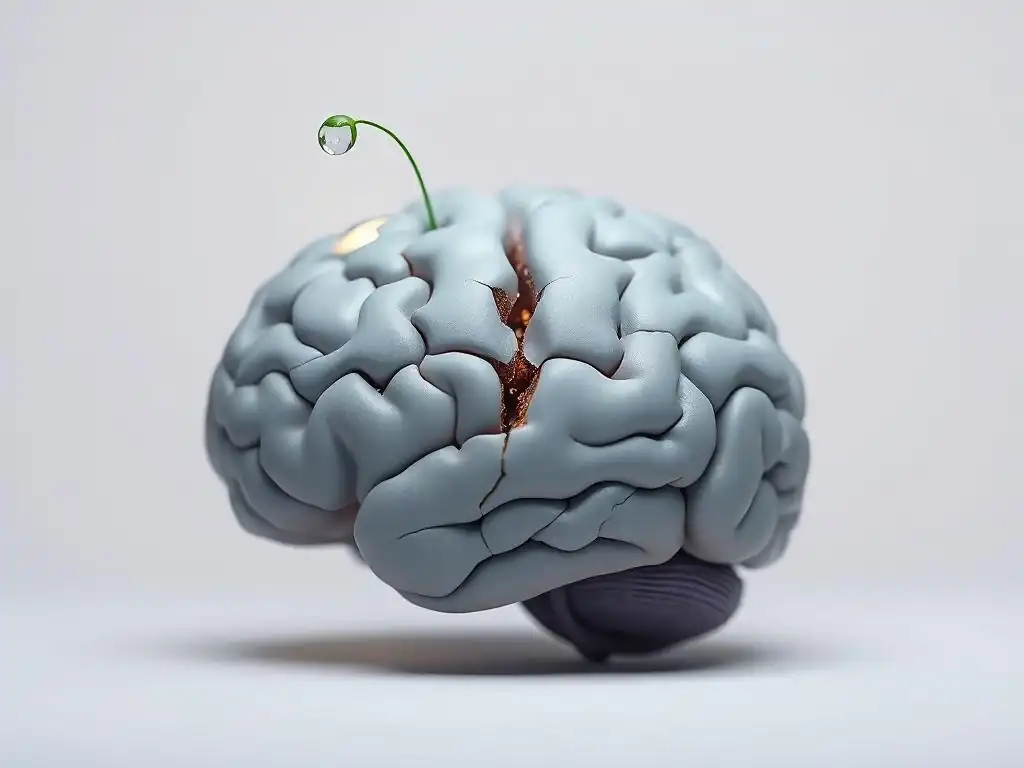
Recognizing the signs of chronic stress is the first step toward mitigating its impact on cognitive function and reducing stress hormones brain fog. Effective management involves a multi-faceted approach addressing both the sources of stress and the body's physiological response. Implementing proven stress reduction techniques and lifestyle adjustments can significantly improve mental clarity and cognitive performance.
Mindfulness practices, such as meditation, deep breathing exercises, and mindful movement, have been shown to effectively calm the nervous system and regulate the HPA axis, leading to lower cortisol levels. Even a few minutes of daily mindfulness can help train the brain to respond differently to stressors and reduce the intensity of the physiological stress response that contributes to stress hormones brain fog.
Regular physical exercise is another powerful stress reducer. Aerobic activity, in particular, helps to metabolize excess stress hormones, releases endorphins (natural mood boosters), and improves blood flow to the brain, supporting cognitive health. Aiming for at least 150 minutes of moderate-intensity aerobic exercise or 75 minutes of vigorous-intensity exercise per week, along with muscle-strengthening activities, is generally recommended. Furthermore, strong social connections provide emotional support and a sense of belonging, acting as a buffer against stress and its cognitive consequences.
The Importance of Sleep and Nutrition in Regulating Stress Response Systems
Adequate, quality sleep is fundamental to both stress regulation and optimal cognitive function. During sleep, the brain consolidates memories and clears metabolic waste products. Chronic sleep deprivation disrupts the HPA axis, leading to elevated cortisol levels, and significantly impairs cognitive abilities, closely mimicking stress hormones brain fog. Prioritizing 7-9 hours of quality sleep per night and practicing good sleep hygiene (consistent schedule, dark and cool environment) is crucial.
Nutrition also plays a vital role. A balanced diet rich in fruits, vegetables, whole grains, lean proteins, and healthy fats provides the brain with the necessary nutrients to function optimally and cope with stress. Omega-3 fatty acids, found in fatty fish, are particularly beneficial for brain health and reducing inflammation. Conversely, diets high in processed foods, sugar, and unhealthy fats can increase inflammation and oxidative stress, exacerbating the negative effects of stress hormones on cognitive function.
Lifestyle Changes to Minimize the Impact of Chronic Stress on Cognitive Function
Beyond specific techniques, broader lifestyle adjustments are essential for long-term stress management and preventing stress hormones brain fog. This includes developing effective time management skills to reduce feelings of being overwhelmed and learning to set healthy boundaries in personal and professional relationships to protect time and energy. Engaging in hobbies and activities that bring joy and relaxation provides necessary mental breaks from stressors.
Spending time in nature has also been shown to reduce stress hormone levels and improve cognitive function. Cultivating a sense of purpose and gratitude can shift perspective and build resilience. Ultimately, integrating these lifestyle changes consistently creates a supportive environment for both mental and physical well-being, strengthening the brain's ability to withstand stress and maintain cognitive clarity over time.
While self-management strategies are powerful, there are times when the impact of stress hormones brain fog requires professional intervention. Persistent or severe cognitive symptoms, especially when accompanied by overwhelming stress, anxiety, or depression, warrant evaluation by a healthcare professional.
When to Seek Professional Help for Cognitive Dysfunction and Chronic Stress
It is advisable to consult a doctor or mental health professional if cognitive symptoms like memory problems, difficulty concentrating, or mental slowness are persistent, worsening, or significantly interfering with your daily life, work, or relationships. Stress hormones brain fog can sometimes overlap with symptoms of other medical or neurological conditions, so a proper diagnosis is essential to rule out other potential causes.
Furthermore, if chronic stress feels unmanageable despite implementing self-help strategies, or if it is accompanied by symptoms of anxiety, depression, or burnout, professional support is crucial. Therapists, counselors, or physicians can provide tailored strategies, therapy, or medical interventions to address both the stress and the resulting cognitive difficulties. Ignoring persistent stress and its cognitive effects can lead to further health complications.
Therapeutic Approaches: Cognitive Behavioral Therapy (CBT) and Biofeedback
Cognitive Behavioral Therapy (CBT) is a highly effective therapeutic approach for managing chronic stress and its related symptoms, including stress hormones brain fog. CBT helps individuals identify and challenge negative thought patterns and beliefs that contribute to stress and anxiety. By learning to reframe stressful situations and develop healthier coping behaviors, individuals can reduce the intensity of their stress response and mitigate its impact on cognitive function.
Biofeedback is another therapeutic technique that can be beneficial. It involves using electronic monitoring to provide individuals with real-time information about their physiological states, such as heart rate, muscle tension, or skin temperature. By becoming aware of these responses, individuals can learn relaxation techniques and mental exercises to gain conscious control over their body's stress response, potentially helping to regulate the release of stress hormones and alleviate associated cognitive symptoms.
Medications and Supplements: Considerations and Potential Benefits [Consult a Healthcare Professional]
It is imperative to consult with a qualified healthcare professional before considering any medications or supplements for stress-related cognitive dysfunction. There are no specific medications solely for treating stress hormones brain fog, but if chronic stress is intertwined with conditions like anxiety or depression, medications prescribed for those conditions (e.g., SSRIs, SNRIs) may indirectly help by reducing overall stress levels and improving mood, which can subsequently improve cognitive function.
Certain supplements are sometimes explored for their potential roles in stress reduction or cognitive support, such as Omega-3 fatty acids, B vitamins, Magnesium, or adaptogens like Rhodiola Rosea or Ashwagandha. While some show promise in preliminary research for stress or cognitive benefits, the evidence is often mixed, and their efficacy for directly treating stress hormones brain fog is not definitively established. Supplements can also interact with medications or have side effects, making professional guidance essential to determine safety, appropriate dosage, and whether they are necessary or likely to be beneficial in an individual case.
Strategies for Preventing Chronic Stress-Induced Cognitive Dysfunction Long-Term
Preventing the debilitating effects of chronic stress on cognitive function, including stress hormones brain fog, requires a proactive and sustainable approach. Building resilience, cultivating a supportive environment, and staying informed about ongoing research are key components of a long-term strategy.
Resilience is the capacity to recover quickly from difficulties or adapt well in the face of adversity. It's not about avoiding stress, but about developing the psychological and emotional strength to navigate challenges without becoming overwhelmed by the stress response. This involves cultivating a positive mindset, practicing acceptance of things that cannot be changed, and developing effective problem-solving skills to address manageable stressors.
Developing a repertoire of healthy coping mechanisms is crucial. This includes engaging in activities that promote relaxation and well-being, such as hobbies, creative pursuits, spending time in nature, or listening to music. Avoiding unhealthy coping strategies like excessive alcohol consumption, smoking, or emotional eating is also vital, as these can further damage health and exacerbate stress. Strong social connections are a cornerstone of resilience; having supportive relationships provides a buffer against stress and offers emotional resources during difficult times, helping to mitigate the impact of stress hormones brain fog.
Creating a Supportive Environment for Mental and Physical Well-being
Minimizing exposure to chronic stressors where possible is an important preventative strategy. While some stressors are unavoidable, evaluating one's environment – work, home, relationships – and making changes to reduce persistent sources of stress can be highly beneficial. This might involve setting clearer boundaries, improving time management, decluttering physical space, or seeking support to navigate challenging relationships.
Creating a personal environment that promotes relaxation and well-being is also key. This could involve dedicating a space for mindfulness or relaxation, ensuring the home environment is conducive to good sleep, and prioritizing work-life balance. Recognizing the importance of downtime and actively scheduling it helps prevent burnout and keeps the stress response systems from being constantly activated, thereby protecting against stress hormones brain fog over the long term.
Research into the complex interplay between stress, hormones, and the brain continues to evolve rapidly. Scientists are constantly deepening their understanding of the precise molecular and cellular mechanisms by which stress mediators, like cortisol and inflammatory cytokines, disrupt neuronal function and lead to cognitive deficits. This includes exploring the role of epigenetics – how stress can alter gene expression – and further investigating the intricate pathways of the gut-brain axis in mediating stress's effects on cognition.
Future research aims to identify novel therapeutic targets for preventing and treating stress-related cognitive decline. This could involve developing pharmacological agents that modulate specific stress pathways or enhance neuroplasticity, as well as refining non-pharmacological interventions like personalized stress management programs and targeted nutritional or microbial therapies. The ongoing commitment to research offers significant hope for developing more effective strategies to protect cognitive health from the pervasive effects of chronic stress and stress hormones brain fog in the years to come.
Frequently Asked Questions
How do stress hormones like cortisol contribute to brain fog?
Stress hormones, particularly cortisol, can disrupt normal brain function by interfering with neurotransmitter activity and affecting the hippocampus, which is crucial for memory and learning. This disruption leads to difficulty focusing and cognitive impairment.
What is the biological mechanism connecting chronic stress and brain fog?
Chronic stress leads to sustained elevated levels of stress hormones. This sustained exposure can cause inflammation in the brain, disrupting neuronal connections and impairing cognitive functions. Ultimately, this manifests as brain fog.
Can lifestyle changes help reduce brain fog caused by stress hormones?
Yes, lifestyle modifications such as regular exercise, mindfulness practices, and ensuring adequate sleep can significantly lower stress hormone levels and improve cognitive clarity. These changes promote overall well-being and resilience.
While not a cure, certain nutrients like omega-3 fatty acids and B vitamins may support brain health. It is important to also consult with a healthcare professional before starting any new supplement regimen.
Is brain fog caused by stress hormones a temporary condition, or can it become chronic?
Brain fog induced by stress can be temporary, resolving when the stressor is removed. However, prolonged or unmanaged stress can lead to chronic brain fog and potentially contribute to long-term cognitive decline.
Final Reflection: Unfogging the Mind: Reclaiming Clarity in a Stressful World
The pervasive impact of stress on cognitive function is undeniable, and understanding the biological mechanisms behind "brain fog" is crucial for navigating the demands of modern life. The connection between elevated stress hormones like cortisol and the debilitating effects of mental cloudiness—difficulty concentrating, memory lapses, and overall cognitive sluggishness—is no longer a mere theory; it's a scientifically validated reality. This understanding empowers us to take proactive steps towards reclaiming mental clarity and well-being.
The exploration of this link has profoundly impacted my own understanding of stress management, highlighting the importance of not just managing symptoms but addressing the root causes of hormonal imbalances. Stress is the tax we pay for success,
as Arnold Bennett once wrote, but this success shouldn't come at the cost of our cognitive health. The article's exploration of the intricate interplay between the hypothalamic-pituitary-adrenal (HPA) axis and cognitive function underscores the need for holistic approaches to stress reduction, encompassing lifestyle changes, mindfulness practices, and, when necessary, professional guidance.
Now, consider your own relationship with stress. How does it manifest in your daily life? Are you experiencing symptoms of brain fog? This article isn't just a collection of facts; it's a call to action. Take the time to assess your stress levels, implement strategies for managing them—whether it's through exercise, meditation, improved sleep hygiene, or seeking professional support—and actively work towards a healthier, more focused mind. You deserve the clarity and cognitive sharpness that a balanced hormonal system can provide. Embrace the journey towards a sharper, more resilient you.
Unlock Your Brain's Full Potential: Clear the Fog!
Thanks for taking the time to explore the fascinating link between stress hormones and brain fog. We hope you gained valuable insights into how to better manage your cognitive function! Now it's time to put that knowledge into action.
- Prioritize stress-reducing activities: Identify one stress-reducing activity (yoga, meditation, a walk in nature) and schedule it into your day this week. Even 15 minutes can make a difference!
- Share your learnings: Discuss this article with a friend or family member who might also be experiencing brain fog. Sharing knowledge is empowering!
- Explore MindCareGuide.org for more resources: Discover additional articles and tips on stress management and brain health on our website. You might find even more ways to boost your cognitive clarity.
Ready to feel sharper and more focused? What's the one stress-reducing activity you'll commit to this week? Let's hear about it in the comments!