
Neuroinflammation: The Hidden Brain Damage Caused by Stress

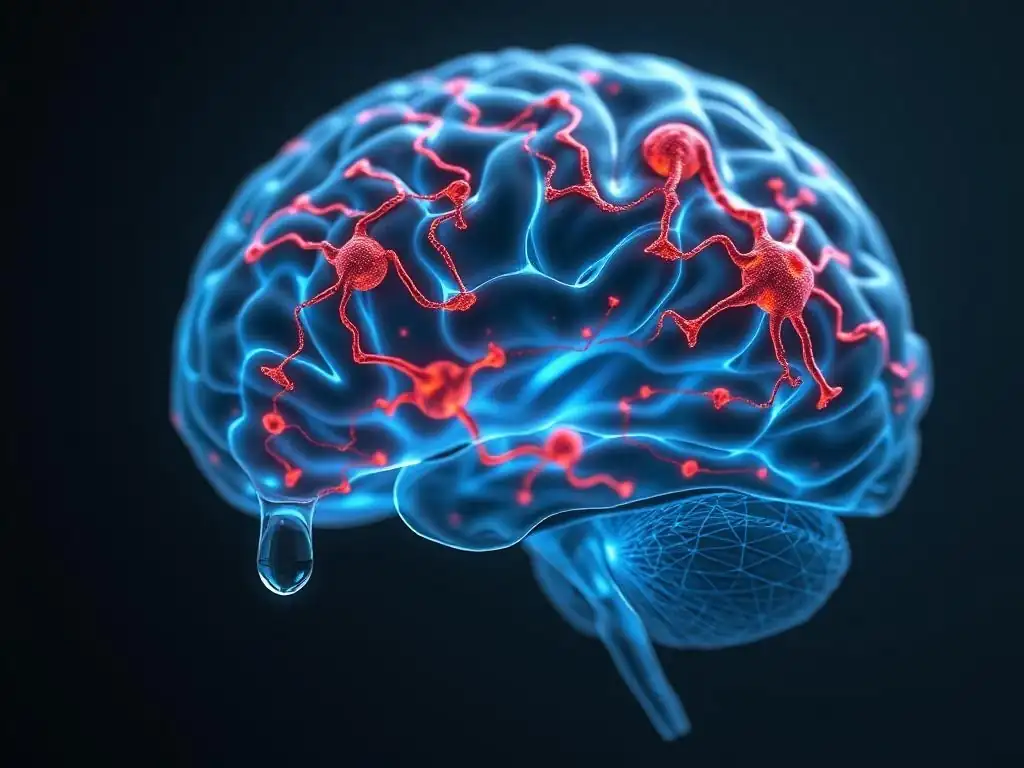
Welcome to Mind Care Guide, a sanctuary for understanding and nurturing your mental well-being. Are you feeling overwhelmed, perhaps noticing subtle shifts in your focus or mood? Stress can trigger more than just anxiety; it can ignite a hidden fire in your brain. Delve into our comprehensive guide to understand "Stressinduced brain inflammation symptoms" and discover how to protect your cognitive health. Your journey toward a healthier mind starts now.
Neuroinflammation and Chronic Stress
- Introduction: The Impact of Chronic Stress on Brain Health
- What is Neuroinflammation?
- Chronic Stress as a Trigger for Neuroinflammation
- Symptoms of Neuroinflammation Related to Chronic Stress
- Biological Consequences of Neuroinflammation
- Long-Term Risks Associated with Untreated Neuroinflammation
- Diagnosing Neuroinflammation
- Strategies for Managing Neuroinflammation
- Prevention of Neuroinflammation
- Conclusion: Prioritizing Brain Health and Managing Stress
-
Frequently Asked Questions
- What are the primary symptoms of stress-induced brain inflammation?
- How does stress actually lead to brain inflammation?
- Is stress-induced brain inflammation a permanent condition?
- What lifestyle changes can help reduce stress-induced brain inflammation?
- What are some resources available for people experiencing symptoms of stress-induced brain inflammation?
- Final Reflection: Unmasking the Silent War Within
- Uncover Your Brain's Resilience: Take Control of Stress-Induced Inflammation
Introduction: The Impact of Chronic Stress on Brain Health
Understanding the Link Between Chronic Stress and Neuroinflammation
Chronic stress, the persistent feeling of being overwhelmed or under pressure, is far more than a psychological burden; it exerts profound physiological effects on the body, including the brain. Unlike acute stress, which triggers a temporary fight-or-flight response, chronic stress keeps the system activated for prolonged periods.
This sustained activation leads to a cascade of hormonal and immune responses that, while initially protective, can become detrimental over time. Research over the past few decades has increasingly highlighted a significant connection between long-term stress exposure and the development of neuroinflammation, a state of chronic immune activation within the central nervous system.
This link is critical because the brain, traditionally thought to be shielded from the body's immune system by the blood-brain barrier, is in fact highly interactive with it. When chronic stress disrupts this delicate balance, immune cells within the brain, primarily microglia and astrocytes, become overactive. This overactivity isn't the acute, beneficial inflammation seen after an injury; instead, it's a low-grade, persistent inflammation that can damage neurons and impair brain function. Understanding this relationship is key to recognizing how stress contributes to various neurological and psychiatric conditions and to developing effective strategies for prevention and management.
The Role of Neuroinflammation in Mental Disorders
Emerging evidence points to neuroinflammation as a significant underlying factor in the development and exacerbation of several mental health disorders. Conditions such as major depressive disorder, anxiety disorders, post-traumatic stress disorder (PTSD), and even some forms of obsessive-compulsive disorder (OCD) have been linked to elevated levels of inflammatory markers in the brain and periphery. This suggests that inflammation isn't just a symptom but potentially a contributing cause or perpetuating factor in the complex pathology of these conditions.
For example, studies have found increased levels of pro-inflammatory cytokines like IL-6 and TNF-alpha in the cerebrospinal fluid and blood of individuals experiencing severe depression. This inflammatory state can interfere with neurotransmitter systems crucial for mood regulation, such as serotonin and dopamine pathways. Furthermore, chronic neuroinflammation can impair neurogenesis (the birth of new neurons) and synaptic plasticity, processes essential for learning, memory, and emotional resilience, thereby contributing to the persistent symptoms seen in many stress-related mental health conditions.
What is Neuroinflammation?
Defining Neuroinflammation: Immune Response in the Brain
Neuroinflammation refers to the inflammatory response occurring within the brain and spinal cord, collectively known as the central nervous system (CNS). It is the brain's intrinsic immune system's reaction to various stimuli, including infections, injuries, toxins, or chronic stress. While acute inflammation in the CNS is a necessary protective process, helping to clear debris and initiate repair after injury or infection, chronic neuroinflammation represents a sustained, often low-grade activation that can become detrimental.
This chronic state involves the prolonged release of inflammatory mediators, such as cytokines, chemokines, and reactive oxygen species, by activated immune cells within the brain. Unlike systemic inflammation, neuroinflammation is localized to the CNS, although there can be crosstalk between the two. The persistence of this inflammatory environment can disrupt normal neuronal function, impair communication between brain cells, and ultimately lead to neuronal damage or death, contributing to a range of neurological and psychiatric conditions.
Key Immune Cells Involved in Neuroinflammation
The primary immune cells responsible for neuroinflammation are microglia and astrocytes, which are types of glial cells residing within the brain. Microglia are the resident macrophages of the CNS, acting as the first line of defense. In a healthy state, they constantly survey the environment, clearing waste and supporting neuronal health. However, upon activation by stressors like chronic stress, they transform into a reactive state, releasing pro-inflammatory molecules and potentially becoming neurotoxic.
Astrocytes, another abundant type of glial cell, play crucial roles in supporting neurons, maintaining the blood-brain barrier, and regulating synaptic function. Like microglia, they can also become reactive in response to chronic stress and inflammation. Reactive astrocytes can release both pro-inflammatory and anti-inflammatory factors, and their sustained activation contributes to the inflammatory milieu, potentially exacerbating neuronal dysfunction and damage. Other immune cells, such as T cells and macrophages from the periphery, can also infiltrate the brain under conditions of chronic inflammation, further contributing to the neuroinflammatory process.
Differentiating Neuroinflammation from Neurological Disorders
It is important to understand that neuroinflammation is not itself a specific neurological disorder like Alzheimer's disease or multiple sclerosis, but rather a process or state that can underlie or contribute to the pathology of many such conditions. In diseases like multiple sclerosis, neuroinflammation is a primary driver of myelin damage and neuronal loss. In Alzheimer's disease, neuroinflammation, particularly the chronic activation of microglia, is heavily implicated in the progression of amyloid plaque and tau tangle pathology and subsequent neuronal degeneration.
While neuroinflammation is a key component in these specific diseases, it can also occur as a more generalized response to factors like chronic stress, contributing to symptoms often associated with psychiatric conditions or non-specific cognitive complaints like "brain fog." The neuroinflammation caused by stress is often more diffuse and less directly tied to specific pathologies like plaques or tangles, although it can potentially prime the brain for developing such pathologies later in life. Differentiating neuroinflammation requires specific markers and imaging techniques, which are still largely research tools rather than standard clinical diagnostics.
Chronic Stress as a Trigger for Neuroinflammation
Mechanisms Linking Chronic Stress to Brain Inflammation
Chronic stress activates the body's primary stress response system, the hypothalamic-pituitary-adrenal (HPA) axis, leading to the sustained release of stress hormones, particularly cortisol. While acute cortisol release is adaptive, prolonged exposure has widespread effects, including modulation of the immune system. Cortisol can initially suppress immune responses, but chronic exposure can lead to immune dysregulation, sometimes resulting in a paradoxical increase in inflammation or a reduced sensitivity of immune cells to cortisol's regulatory effects. This can lead to peripheral inflammation that signals to the brain, or directly impact brain immune cells.
Furthermore, chronic stress directly impacts the brain's resident immune cells, microglia and astrocytes, via stress hormones and neurotransmitters like norepinephrine. These cells have receptors for stress hormones, and chronic activation can prime them into a pro-inflammatory state. The gut-brain axis also plays a role; chronic stress can alter gut microbiome composition and increase gut permeability, allowing inflammatory molecules to enter the bloodstream and signal to the brain, further contributing to neuroinflammation triggered by stress.
Cortisol and Inflammatory Cytokine Production
Cortisol's role in chronic stress-induced neuroinflammation is complex. Initially, cortisol has anti-inflammatory properties, helping to dampen immune responses. However, under conditions of chronic stress, cells can become less sensitive to cortisol's effects, a phenomenon known as glucocorticoid resistance. This reduced sensitivity means that even high levels of cortisol are less effective at suppressing inflammation, potentially allowing pro-inflammatory processes to continue unchecked.
Moreover, chronic stress signaling pathways can directly promote the production and release of pro-inflammatory cytokines, such as Interleukin-1 beta (IL-1β), Interleukin-6 (IL-6), and Tumor Necrosis Factor-alpha (TNF-α), from both peripheral immune cells and activated glial cells in the brain. These cytokines are potent signaling molecules that can cross the blood-brain barrier or be produced within the brain, directly influencing neuronal activity, synaptic function, and neurogenesis. Elevated levels of these cytokines are consistently found in studies of chronic stress and are strongly associated with the behavioral and cognitive changes observed in animal models and humans.
The Feedback Loop: Inflammation and Stress Response
The relationship between chronic stress and neuroinflammation is not a one-way street; it forms a detrimental feedback loop. Chronic stress triggers neuroinflammation, and in turn, neuroinflammation can amplify the stress response and perpetuate the state of stress. Inflammatory cytokines released during neuroinflammation can act on the brain regions that regulate the HPA axis, such as the hypothalamus and pituitary gland, increasing the release of stress hormones.
For instance, IL-1β and TNF-α can stimulate the release of corticotropin-releasing hormone (CRH) from the hypothalamus, leading to increased cortisol production. This creates a vicious cycle where stress fuels inflammation, and inflammation fuels stress, making it difficult for the system to return to a state of balance. This feedback loop contributes significantly to the persistence of stressinduced brain inflammation symptoms and makes chronic stress and its related health issues particularly challenging to overcome.
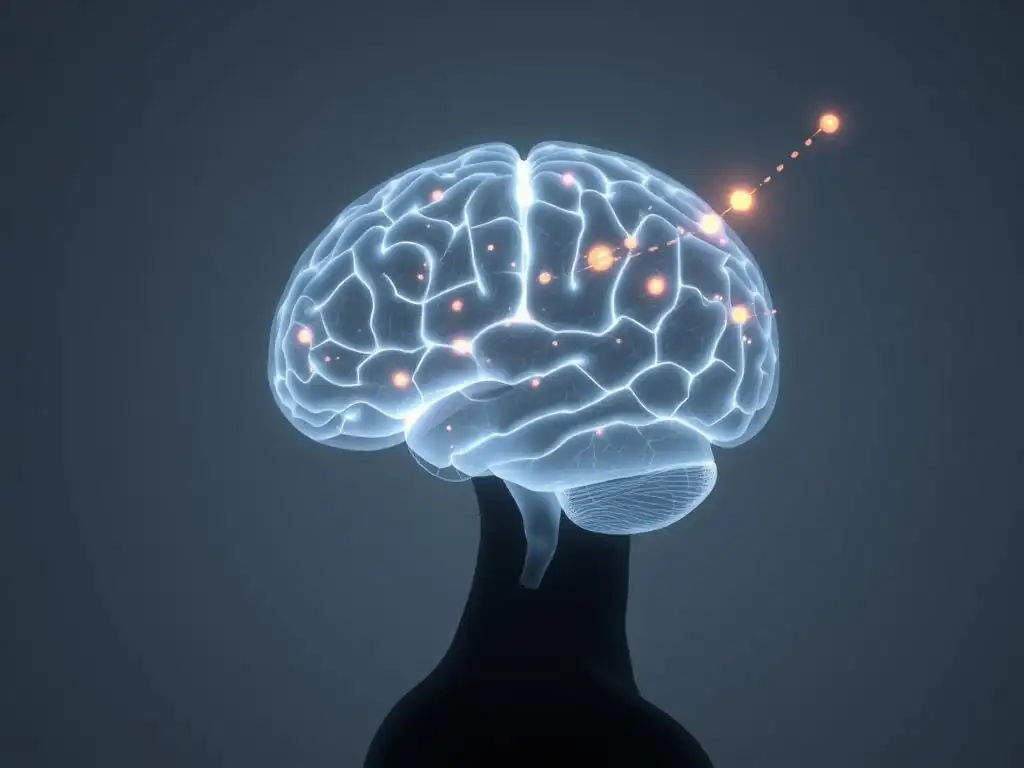
Chronic stress-induced neuroinflammation can manifest through a variety of signs and symptoms, affecting cognitive function, emotional well-being, and even physical health. These symptoms can be subtle at first but may worsen over time if the underlying stress and inflammation are not addressed. Recognizing these stressinduced brain inflammation symptoms is crucial for seeking appropriate support and intervention.
Cognitive Symptoms
One of the most commonly reported categories of stressinduced brain inflammation symptoms relates to cognitive function. Neuroinflammation can impair the communication between neurons and damage critical brain regions involved in thinking, learning, and memory.
Memory Impairment and Cognitive Decline
Chronic stress and resulting neuroinflammation are strongly linked to difficulties with memory, particularly declarative memory (memory of facts and events). The hippocampus, a brain region vital for forming new memories, is highly vulnerable to the effects of stress hormones and inflammatory cytokines. Studies have shown that chronic stress can lead to reduced hippocampal volume and impaired hippocampal function, directly impacting the ability to encode and retrieve information. Individuals might notice they are more forgetful, struggle to recall details, or find it harder to learn new things compared to when they are not experiencing chronic stress.
This memory impairment isn't necessarily indicative of neurodegenerative disease but reflects a functional disruption caused by the inflammatory environment. For example, someone experiencing chronic work stress might repeatedly forget deadlines or details from meetings, even if they were previously highly organized. This is a tangible example of how stress-induced brain inflammation symptoms can impact daily life and professional performance.
Attention Deficits and Executive Dysfunction
Beyond memory, chronic stress and neuroinflammation can impair executive functions, which are higher-level cognitive skills controlled primarily by the prefrontal cortex. These include abilities like planning, problem-solving, decision-making, focusing attention, and inhibiting impulsive behavior. Inflammation can disrupt the neural circuits in the prefrontal cortex, leading to difficulties in these areas.
Individuals might find it hard to concentrate, switch between tasks, or make decisions. They may feel overwhelmed by complex problems or struggle with organization. This manifests as symptoms like feeling scattered, easily distracted, or procrastinating more often. For instance, a student dealing with prolonged academic pressure might find it nearly impossible to focus on studying for extended periods or plan out their assignments effectively, showcasing the impact of stressinduced brain inflammation symptoms on executive control.
Brain Fog and Reduced Processing Speed
A widespread and often distressing symptom associated with chronic stress and neuroinflammation is "brain fog." This isn't a clinical term but a common description for a feeling of mental haziness, difficulty thinking clearly, and a general slowness in cognitive processing. It encompasses a combination of reduced mental acuity, poor concentration, and a feeling that one's thoughts are sluggish or unclear.
This sensation is thought to stem from the cumulative effects of inflammation on neuronal communication and metabolic processes in the brain. It can feel like trying to think through a dense cloud. Tasks that previously felt easy may now require significant effort and time. This reduced processing speed and overall mental fogginess are classic stressinduced brain inflammation symptoms, making it challenging to perform tasks that require quick thinking or sustained mental effort.
Emotional and Behavioral Changes
Neuroinflammation significantly impacts brain regions involved in mood regulation and emotional processing, leading to notable emotional and behavioral shifts as prominent stressinduced brain inflammation symptoms.
Anxiety and Depression
The link between inflammation and mood disorders, particularly anxiety and depression, is well-established. Chronic stress-induced neuroinflammation can disrupt neurotransmitter systems critical for mood, such as serotonin, dopamine, and norepinephrine pathways. Inflammatory cytokines can also interfere with the synthesis and metabolism of these neurotransmitters and alter the sensitivity of their receptors.
This inflammatory state can contribute to the core symptoms of depression, including persistent low mood, loss of interest or pleasure (anhedonia), and feelings of hopelessness. Similarly, inflammation can heighten neural activity in fear-related circuits, contributing to increased anxiety, worry, and heightened stress reactivity. Research suggests that inflammatory markers are elevated in a significant subset of individuals with major depressive disorder, potentially over 30-40% in some studies, highlighting the role of inflammation in these conditions.
Irritability and Mood Instability
Chronic stress and the resulting neuroinflammation can also lead to increased irritability and mood swings. The inflammatory environment can affect brain circuits involved in emotional regulation, making individuals more reactive to minor stressors and less able to manage their emotional responses effectively. Small frustrations might trigger disproportionate anger or impatience.
This can manifest as snapping at others, feeling easily annoyed, or experiencing rapid shifts in mood from relatively calm to agitated or upset. These behavioral changes are often distressing for both the individual and those around them and are indicative of the brain's struggle to maintain emotional homeostasis under the burden of chronic stress and inflammation.
Sleep Disturbances and Fatigue
Sleep is intimately linked with both stress and inflammation. Chronic stress often disrupts sleep patterns, leading to insomnia or fragmented sleep. Simultaneously, neuroinflammation can directly interfere with the brain regions and neurochemicals that regulate sleep-wake cycles. Inflammatory cytokines, in particular, can promote sleep disturbances and contribute to feelings of fatigue and malaise.
Individuals experiencing stress-induced brain inflammation symptoms often report persistent tiredness that isn't relieved by rest, difficulty falling or staying asleep, or non-restorative sleep. This chronic fatigue and poor sleep quality further exacerbate stress and inflammation, creating another negative feedback loop that perpetuates both the physical and mental symptoms.
Physical Symptoms
While neuroinflammation is centered in the brain, its effects are not confined there. The brain and body are interconnected, and stress-induced brain inflammation can contribute to a range of physical symptoms.
Headaches and Pain Syndromes
Inflammation in the brain can affect pain pathways and contribute to various pain syndromes, most notably chronic headaches. Neuroinflammation can sensitize neurons involved in pain transmission, making individuals more susceptible to headaches, including tension-type headaches and migraines. The release of inflammatory mediators can directly irritate pain-sensitive structures within the head.
Beyond headaches, chronic stress and inflammation are linked to other generalized pain conditions, such as fibromyalgia or chronic back pain. While the mechanisms are complex, neuroinflammation may play a role by amplifying pain signals or contributing to central sensitization, where the nervous system becomes hypersensitive to pain stimuli.
Gastrointestinal Issues
The gut-brain axis is a significant pathway through which stress and inflammation interact. Chronic stress can alter gut motility, increase intestinal permeability ("leaky gut"), and disrupt the balance of the gut microbiome. This can lead to inflammation in the gut, which in turn signals to the brain, potentially exacerbating neuroinflammation.
Common gastrointestinal stressinduced brain inflammation symptoms include irritable bowel syndrome (IBS)-like symptoms such as abdominal pain, bloating, constipation, and diarrhea. While these issues originate in the gut, they are often worsened by stress and can contribute to the systemic inflammatory burden that impacts the brain.
Chronic Fatigue
As mentioned in the emotional/behavioral section, fatigue is a prominent symptom. However, it's worth highlighting as a physical manifestation. This isn't just feeling tired after a long day; it's a pervasive, debilitating fatigue that doesn't improve significantly with rest. It's thought to be a result of the body's constant battle against inflammation, which consumes energy, and the direct impact of inflammatory cytokines on brain areas regulating energy levels and motivation.
This type of chronic fatigue can significantly impair daily functioning, making it difficult to perform routine tasks, engage in social activities, or maintain productivity. It is a key stressinduced brain inflammation symptom that can severely diminish quality of life.
Biological Consequences of Neuroinflammation
Chronic neuroinflammation induced by stress has tangible, detrimental effects on the structure and function of the brain at a biological level.
Neuronal Damage and Synaptic Dysfunction
Prolonged exposure to inflammatory molecules like cytokines and reactive oxygen species can be directly toxic to neurons. While neurons themselves are not typically the primary immune cells, they are highly vulnerable to the inflammatory environment. Chronic neuroinflammation can lead to oxidative stress and excitotoxicity (overstimulation by neurotransmitters like glutamate), both of which can damage neuronal structures, including their axons and dendrites, or even lead to neuronal death.
Furthermore, neuroinflammation profoundly affects synapses, the crucial junctions where neurons communicate. Inflammatory mediators can disrupt synaptic formation, maintenance, and function, impairing the strength and efficiency of neural connections. This synaptic dysfunction is thought to be a major contributor to the cognitive and emotional deficits seen in conditions associated with chronic stress and inflammation. Studies in animal models of chronic stress have shown reductions in synaptic density in key brain areas like the hippocampus and prefrontal cortex.
Impaired Neurotransmitter Systems
Neuroinflammation can significantly interfere with the delicate balance of neurotransmitter systems that regulate mood, cognition, and behavior. Cytokines like IL-1β, IL-6, and TNF-α can alter the synthesis, release, reuptake, and metabolism of key neurotransmitters, including serotonin, dopamine, norepinephrine, and glutamate.
For example, inflammation can increase the metabolism of tryptophan along the kynurenine pathway, diverting it away from serotonin synthesis and producing neuroactive metabolites that can be both neurotoxic and contribute to symptoms of depression and anxiety. This disruption of neurotransmitter signaling underlies many of the emotional and cognitive stressinduced brain inflammation symptoms experienced by individuals.
Reduced Neuroplasticity
Neuroplasticity, the brain's remarkable ability to change and adapt by forming new neurons (neurogenesis) and new synaptic connections, is essential for learning, memory, and recovery from stress or injury. Chronic stress and neuroinflammation have been shown to impair neuroplasticity. The inflammatory environment suppresses neurogenesis, particularly in the hippocampus, and inhibits the formation and strengthening of synapses.
This reduced capacity for change makes the brain less resilient to further stress and challenges. It can hinder recovery from mental health conditions and contribute to cognitive decline. Restoring neuroplasticity is a key target for therapies aimed at mitigating the long-term effects of chronic stress and neuroinflammation.
Long-Term Risks Associated with Untreated Neuroinflammation
Allowing chronic stress and the resulting neuroinflammation to persist unchecked can have significant long-term consequences for brain health and overall well-being.
Increased Susceptibility to Neurodegenerative Diseases
There is growing evidence suggesting that chronic neuroinflammation may increase the risk or accelerate the progression of neurodegenerative diseases such as Alzheimer's disease and Parkinson's disease. While these diseases have complex origins, chronic glial activation and the sustained release of inflammatory mediators are common features in their pathology.
The inflammatory environment created by chronic stress might prime the brain for the accumulation of pathological proteins (like amyloid-beta and alpha-synuclein) or exacerbate the damage they cause. It's hypothesized that years of low-grade neuroinflammation could contribute to a "perfect storm" scenario where the brain's resilience is diminished, making it more vulnerable to neurodegenerative processes later in life.
Worsening of Mental Health Conditions
Untreated neuroinflammation can significantly worsen the severity and persistence of stress-related mental health conditions like depression, anxiety disorders, and PTSD. The ongoing inflammatory process contributes to the biological underpinnings of these disorders, potentially making them more resistant to standard treatments like antidepressants or psychotherapy, which may not directly target inflammation.
The feedback loop between stress and inflammation means that the conditions can become self-perpetuating. Without interventions that address the inflammatory component, individuals may experience more severe symptoms, more frequent relapses, and a reduced quality of life over many years.
Accelerated Cognitive Aging
Just as chronic inflammation contributes to accelerated biological aging in the body, neuroinflammation is implicated in accelerated cognitive aging. The cumulative damage to neurons and synapses, combined with reduced neuroplasticity, can lead to a more rapid decline in cognitive function over time than would be expected with normal aging.
This doesn't necessarily mean developing dementia, but it can manifest as a noticeable decline in memory, processing speed, and executive functions earlier in life or at a faster rate in older age. Managing stress and neuroinflammation is therefore a crucial strategy for promoting healthy brain aging and preserving cognitive function throughout life.
Diagnosing Neuroinflammation
Diagnosing neuroinflammation, especially the type associated with chronic stress, presents significant challenges in clinical practice today.
Challenges in Current Diagnostic Methods
Currently, there is no single, widely available clinical test to definitively diagnose neuroinflammation in living individuals, particularly the diffuse, low-grade inflammation linked to chronic stress. Methods used in research, such as brain biopsies, are invasive and impractical for routine diagnosis. Standard brain imaging techniques like MRI or CT scans can identify structural changes or large lesions but are not sensitive enough to detect subtle or widespread glial activation and inflammatory mediator release.
Blood tests can measure systemic inflammatory markers like C-reactive protein (CRP) or specific cytokines, but these reflect inflammation throughout the body and do not specifically indicate what is happening within the brain. While systemic inflammation often correlates with neuroinflammation, it's not a direct measure. This lack of accessible, specific diagnostic tools makes it difficult to identify stress-induced brain inflammation symptoms definitively based on biological markers alone, relying heavily on clinical symptom presentation.
Potential Biomarkers for Neuroinflammation
Research is actively exploring potential biomarkers that could help diagnose and monitor neuroinflammation. These include specific proteins or molecules that are released into the cerebrospinal fluid (CSF) or blood when glial cells are activated. For example, levels of translocator protein (TSPO), a protein upregulated in activated microglia and astrocytes, can be measured using specialized PET imaging ligands.
Other potential biomarkers being investigated include specific cytokines (e.g., IL-1β, TNF-α) or chemokines (e.g., CCL2) in CSF or blood, as well as markers of neuronal damage or synaptic dysfunction (e.g., neurofilament light chain, synaptic proteins). While promising, these biomarkers are mostly used in research settings and require further validation before they can be routinely used in clinical practice to diagnose stressinduced brain inflammation symptoms or other forms of neuroinflammation.
Advanced Neuroimaging Techniques
Advanced neuroimaging techniques are providing new ways to visualize aspects of neuroinflammation in vivo. Positron Emission Tomography (PET) imaging using radioligands that bind to markers of glial activation, such as TSPO, can provide a measure of neuroinflammatory activity in different brain regions. While these techniques are powerful research tools, they are expensive, not widely available, and the interpretation of the signals can be complex.
Magnetic Resonance Imaging (MRI) techniques, such as diffusion tensor imaging (DTI) or spectroscopy, can sometimes detect microstructural changes or altered metabolic profiles that might be associated with inflammation, but they lack specificity. Developing more accessible and specific imaging methods remains a key goal in neuroscience to better diagnose and understand conditions involving neuroinflammation, including those triggered by chronic stress.
Strategies for Managing Neuroinflammation
Given the challenges in diagnosis, managing stress-induced neuroinflammation currently focuses on addressing the underlying causes (chronic stress) and implementing strategies known to reduce inflammation systemically and potentially in the brain.
Lifestyle Interventions
Lifestyle modifications are foundational in managing both chronic stress and neuroinflammation. These strategies empower individuals to take an active role in their health.
Stress Reduction Techniques: Mindfulness and Meditation
Given that chronic stress is a primary trigger, effective stress management is paramount. Techniques like mindfulness meditation, deep breathing exercises, yoga, and progressive muscle relaxation have been shown to reduce activity in the stress response system (HPA axis) and lower levels of stress hormones like cortisol.
Regular practice of mindfulness, for example, has been associated with structural changes in brain regions involved in stress regulation and emotional processing, as well as reductions in inflammatory markers like CRP. Even 10-15 minutes of daily practice can yield benefits over time, helping to break the stress-inflammation feedback loop and mitigate stressinduced brain inflammation symptoms.
Anti-Inflammatory Diet
Diet plays a significant role in systemic inflammation, which can influence neuroinflammation. Adopting a diet rich in anti-inflammatory foods can help reduce the overall inflammatory burden. This typically includes:
- Plenty of fruits and vegetables (rich in antioxidants and fiber)
- Sources of omega-3 fatty acids (fatty fish, flaxseeds, walnuts)
- Whole grains
- Lean proteins
- Healthy fats (olive oil, avocados)
Conversely, reducing intake of pro-inflammatory foods like processed meats, refined sugars, trans fats, and excessive saturated fats is also crucial. A dietary pattern like the Mediterranean diet is often cited as a good example of an anti-inflammatory approach, linked in studies to lower levels of inflammatory markers and better cognitive health outcomes.
Regular Physical Exercise
Physical activity is a powerful tool for both stress reduction and inflammation control. Regular moderate-intensity exercise reduces stress hormones, improves mood, and promotes the release of endorphins. It also has direct anti-inflammatory effects, helping to lower levels of pro-inflammatory cytokines and increase anti-inflammatory molecules.
Aiming for at least 150 minutes of moderate aerobic exercise or 75 minutes of vigorous activity per week, as recommended by health guidelines, can significantly contribute to managing chronic stress and reducing inflammation throughout the body, potentially benefiting the brain and alleviating stressinduced brain inflammation symptoms.
Sleep Optimization
Prioritizing sufficient, quality sleep is vital. Sleep deprivation is a significant physical stressor that can increase inflammation. Aiming for 7-9 hours of uninterrupted sleep per night helps regulate stress hormones, supports immune function, and allows the brain to perform essential restorative processes, including clearing waste products.
Establishing a regular sleep schedule, creating a relaxing bedtime routine, and ensuring a dark, quiet, cool sleep environment can improve sleep quality. Addressing underlying sleep disorders is also crucial for managing chronic stress and inflammation.
Nutritional Supplements
Certain nutritional supplements may offer additional support in reducing inflammation, although they should ideally complement, not replace, lifestyle changes and should be discussed with a healthcare provider.
Omega-3 Fatty Acids
Omega-3 fatty acids, particularly EPA and DHA found in fish oil, are well-known for their potent anti-inflammatory properties. They are incorporated into cell membranes and can influence the production of signaling molecules, shifting the balance towards anti-inflammatory processes.
Studies suggest that adequate intake of omega-3s is associated with lower levels of inflammatory markers and may support brain health. A typical recommendation might be around 1-2 grams of combined EPA and DHA daily, though individual needs vary.
Turmeric and Curcumin
Curcumin, the active compound in turmeric, is another widely studied natural anti-inflammatory agent. It works through various mechanisms to inhibit inflammatory pathways in the body.
Some research indicates that curcumin may cross the blood-brain barrier and exert neuroprotective and anti-inflammatory effects in the brain. Dosages used in studies often range from 500 mg to 2000 mg per day, often combined with piperine (from black pepper) to enhance absorption.
Resveratrol
Resveratrol, a polyphenol found in red grapes, berries, and nuts, has antioxidant and anti-inflammatory properties. Research suggests it may protect against neuronal damage and reduce neuroinflammation in animal models.
While human studies are ongoing, resveratrol is believed to exert its effects by modulating inflammatory pathways and promoting cellular resilience. Typical supplement dosages vary widely, often from 100 mg to 500 mg per day.
Pharmaceutical Interventions
In some cases, particularly when mental health symptoms are severe or lifestyle changes are insufficient, pharmaceutical interventions may be considered.
Anti-inflammatory Medications
Non-steroidal anti-inflammatory drugs (NSAIDs) are systemic anti-inflammatory agents. While some research has explored their potential role in neurodegenerative diseases, their use specifically for stress-induced neuroinflammation is not standard practice and carries risks with long-term use. More targeted anti-inflammatory therapies are being investigated but are not yet commonly used for this purpose.
Immunomodulatory Therapies
For certain conditions where inflammation is a clear driver (e.g., autoimmune neurological disorders), immunomodulatory drugs might be used. However, for the more diffuse, stress-related neuroinflammation, these powerful drugs are not typically indicated due to potential side effects and lack of specificity. Research is exploring novel compounds that might selectively target neuroinflammatory pathways without suppressing the entire immune system.
Prevention of Neuroinflammation
Preventing chronic stress and promoting overall brain health are the most effective long-term strategies to avoid stress-induced neuroinflammation and its associated symptoms.
Building Stress Resilience
Developing resilience – the ability to adapt and recover from stress – is key to preventing chronic stress from taking hold. This involves cultivating healthy coping mechanisms, such as those discussed in the management strategies (mindfulness, exercise, healthy diet), and building a strong social support network.
It also includes developing a flexible mindset, setting realistic expectations, and engaging in activities that bring joy and purpose. Proactively managing stress before it becomes chronic helps prevent the cascade of biological events that can lead to neuroinflammation.
Early Management of Mental Health
Addressing mental health challenges early is crucial. Conditions like anxiety and depression, if left untreated, can become chronic stressors themselves and perpetuate inflammatory states. Seeking professional help for mental health symptoms allows for timely intervention with therapy and/or medication, which can reduce the burden of psychological stress on the brain and body.
Effective management of conditions like generalized anxiety disorder or major depressive disorder can prevent the long-term, high-level stress exposure that is a major trigger for neuroinflammation, thereby mitigating the risk of developing severe stressinduced brain inflammation symptoms.
Promoting Brain Health
General brain health strategies also serve as prevention against neuroinflammation. This includes maintaining cardiovascular health (as brain blood supply is vital), engaging in mentally stimulating activities to promote cognitive reserve, avoiding toxins (like excessive alcohol or smoking), and ensuring adequate nutrient intake.
A brain that is well-nourished, regularly challenged, and supported by a healthy vascular system is more resilient to the effects of stress and inflammation. Combining these broad brain health practices with targeted stress management offers the best defense against stress-induced neuroinflammation.
Conclusion: Prioritizing Brain Health and Managing Stress
The Significance of Addressing Neuroinflammation
Neuroinflammation triggered by chronic stress is a silent, potentially damaging process within the brain with far-reaching consequences for cognitive function, emotional well-being, and long-term neurological health. Recognizing stressinduced brain inflammation symptoms is the first step towards intervention. While diagnosis remains challenging, the strong link between chronic stress and brain inflammation underscores the critical importance of managing stress effectively and adopting lifestyle practices that reduce inflammation.
Ignoring the potential for stress-induced brain inflammation means risking accelerated cognitive decline, worsening mental health conditions, and potentially increasing susceptibility to neurodegenerative diseases later in life. By understanding this hidden impact of stress, individuals can be empowered to take proactive steps to protect their most vital organ.
Resources for Further Information and Support
Understanding the link between stress, inflammation, and brain health can be overwhelming. Fortunately, resources are available.
- Consulting with healthcare professionals, including primary care physicians, neurologists, and mental health specialists, is crucial for personalized advice and support. They can help assess symptoms, rule out other conditions, and recommend appropriate strategies.
- Mental health professionals, such as therapists and counselors, offer evidence-based techniques for stress management and coping with chronic stress.
- Reputable health organizations and websites dedicated to mental health and neuroscience provide valuable information and resources.
- Exploring mindfulness and meditation apps or local classes can provide structured ways to learn stress reduction techniques.
- Nutritional counseling can help individuals adopt an anti-inflammatory diet tailored to their needs.
Taking action to manage chronic stress and support brain health is an investment in long-term well-being, offering a path towards mitigating the damaging effects of neuroinflammation and improving quality of life.
Frequently Asked Questions
What are the primary symptoms of stress-induced brain inflammation?
The most common symptoms include cognitive difficulties such as memory problems and brain fog, persistent fatigue, and changes in mood like irritability or anxiety. These can be significantly worsened by ongoing stress.
How does stress actually lead to brain inflammation?
Chronic stress triggers the release of inflammatory molecules in the body, which can cross the blood-brain barrier and activate the brain's immune cells, leading to neuroinflammation.
Is stress-induced brain inflammation a permanent condition?
While chronic inflammation can cause lasting damage, it's not always permanent. Early intervention and lifestyle changes can help to reduce inflammation and promote healing.
What lifestyle changes can help reduce stress-induced brain inflammation?
Prioritizing stress management techniques like meditation, regular exercise, and a brain-healthy diet rich in antioxidants can significantly reduce inflammation. Getting adequate sleep is also crucial.
What are some resources available for people experiencing symptoms of stress-induced brain inflammation?
Mind Care Guide offers information and resources, including articles, support groups, and links to mental health professionals who can provide guidance and treatment options.
Final Reflection: Unmasking the Silent War Within
The pervasive nature of stress in modern life is undeniable, and its impact extends far beyond simple anxiety; it's a silent assailant, subtly damaging the very architecture of our brains through neuroinflammation. This article has explored the insidious mechanisms by which chronic stress triggers this inflammatory response, leading to a cascade of cognitive and emotional consequences. Understanding this connection is crucial, not merely as an academic pursuit, but as a vital step towards protecting our mental and physical well-being.
The ongoing influence of stress on our society is staggering, manifesting in rising rates of depression, anxiety, and neurodegenerative diseases. The more we understand the underlying biological processes, the better equipped we are to develop effective preventative and therapeutic strategies. The mind is its own place, and in itself can make a heaven of hell, a hell of heaven.
- John Milton. This quote, while written centuries ago, poignantly highlights the power of our internal landscape, and how crucial it is to nurture its health, especially in the face of relentless external pressures.
The journey to understanding and mitigating stress-induced neuroinflammation is a personal one. It requires mindful self-awareness, a commitment to healthy lifestyle choices, and a willingness to seek support when needed. I urge you to reflect on your own stress levels, identify your personal triggers, and actively implement strategies to manage them. This might involve incorporating mindfulness practices, prioritizing sleep, engaging in regular exercise, fostering strong social connections, or seeking professional guidance. Take control of your mental health; your brain will thank you for it.
Uncover Your Brain's Resilience: Take Control of Stress-Induced Inflammation
Thanks for taking the time to explore the often-hidden link between stress and neuroinflammation. You've now gained valuable insights into protecting your brain health. Let's put this knowledge into action!
- Prioritize stress-reducing practices: Start incorporating even 5 minutes of mindfulness or gentle exercise into your daily routine. This is your primary step towards building brain resilience.
- Share this vital information: Tell a friend or family member about the impact of stress on brain health – you might just change a life!
- Explore further: Dive deeper into stress management techniques by searching for “mindfulness for brain health” online – uncover what works best for you.
Ready to begin your journey towards a healthier, more resilient mind? What small step will you take today to reduce stress and protect your brain?