
How Stress Alters Brain Circuits: The Neuroscience Behind Your Reactions

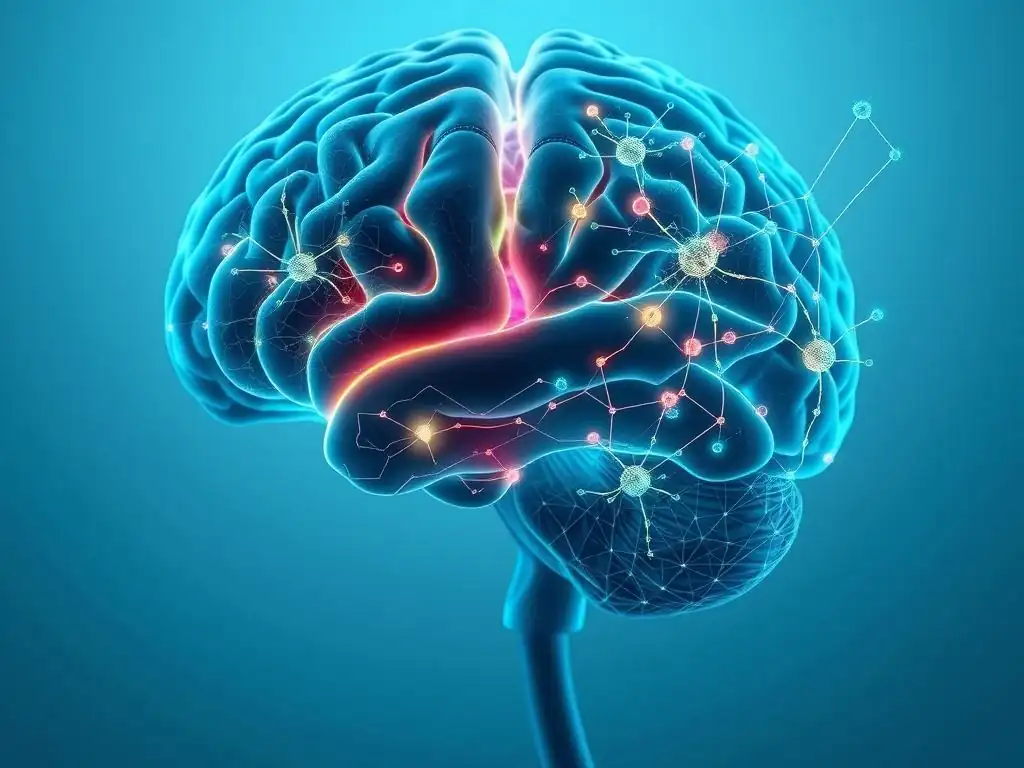
Welcome to Mind Care Guide, a safe space for exploring the intricate landscape of mental well-being. Ever wondered how chronic stress can fundamentally reshape your brain? Dive into “How Stress Alters Brain Circuits: The Neuroscience Behind Your Reactions” and uncover the fascinating—and crucial—insights into the stress brain circuit rewiring effects. It's time to understand how your brain responds to pressure, and more importantly, what you can do about it. Ready to unravel the mysteries of your mind? Let's begin...
- How Stress Alters Brain Circuits: The Neuroscience Behind Your Reactions - A Mind Care Guide
- The Neuroscience of Stress: Key Brain Regions Involved
- How Stress Changes Brain Circuits: Mechanisms at Play
- Stress-Induced Alterations in Specific Brain Circuits
- The Long-Term Consequences of Stress-Related Brain Circuit Rewiring
-
Reversing the Effects of Stress on Brain Circuits: Strategies for Resilience
- Mindfulness and Meditation: Downregulating Amygdala Hyperactivity
- Exercise and Physical Activity: Enhancing Hippocampal Plasticity and BDNF Production
- Cognitive Behavioral Therapy (CBT): Modifying Maladaptive Thought Patterns and Behaviors
- Social Support and Connection: Promoting Oxytocin Release and Reducing Social Isolation
- Conclusion: Managing Stress for Optimal Brain Health
-
Frequently Asked Questions
- How does chronic stress impact the brain's circuitry?
- What are some specific brain circuits affected by prolonged stress?
- Can the brain's response to stress be reversed or rewired?
- What role does mindfulness play in rewiring stress-affected brain circuits?
- Are there other interventions, besides mindfulness, that can help rewire the stress brain circuit?
- Final Reflection: Rewiring Our Responses to Stress
- Unlock Your Brain's Resilience: Take Control of Stress
How Stress Alters Brain Circuits: The Neuroscience Behind Your Reactions - A Mind Care Guide
Introduction to Stress and its Neurological Consequences
Stress is a fundamental biological response, initially designed to help us survive immediate threats. However, in the modern world, chronic or prolonged stress has become increasingly common, stemming from sources like work pressure, financial worries, or relationship difficulties.
This persistent activation of the body's stress response system, primarily involving the release of hormones like cortisol, doesn't just affect our mood and energy levels; it profoundly impacts the very structure and function of our brain. The intricate network of neural pathways and regions that govern our thoughts, emotions, and behaviors are highly susceptible to the sustained biochemical and physiological changes induced by stress.
The consequences of prolonged exposure to stress on the brain are far-reaching. Research indicates that chronic stress can lead to measurable changes in brain volume in specific areas, alter synaptic connections, and disrupt the balance of neurotransmitters. These alterations can manifest as cognitive impairments, heightened emotional reactivity, and increased vulnerability to mental health conditions. Understanding these neurological consequences is crucial for recognizing the importance of stress management and seeking effective support when needed. The brain is not static; it changes in response to our experiences, and unfortunately, chronic stress can drive changes that are detrimental to well-being.
Stress Brain Circuit Rewiring Effects: An Overview
The concept of stress brain circuit rewiring effects refers to the semi-permanent or persistent changes that occur in the brain's neural pathways and connections due to acute or chronic stress exposure. This isn't just about temporary functional changes; it involves structural and synaptic modifications that can alter how different brain regions communicate with each other. For instance, areas involved in processing fear and emotion might become hyperactive, while regions responsible for rational thought and decision-making might show reduced activity or connectivity.
These stress brain circuit rewiring effects can create a vicious cycle. Changes in brain circuits can make an individual more sensitive to future stressors, leading to an exaggerated stress response and further alterations in brain structure and function. This neurobiological phenomenon underlies many stress-related disorders. For example, altered connectivity within fear circuits is a hallmark of anxiety disorders, while changes in reward pathways can contribute to substance use issues. Recognizing that stress fundamentally changes the brain's wiring helps validate the struggles faced by those experiencing chronic stress and highlights the need for targeted interventions.
The Neuroscience of Stress: Key Brain Regions Involved
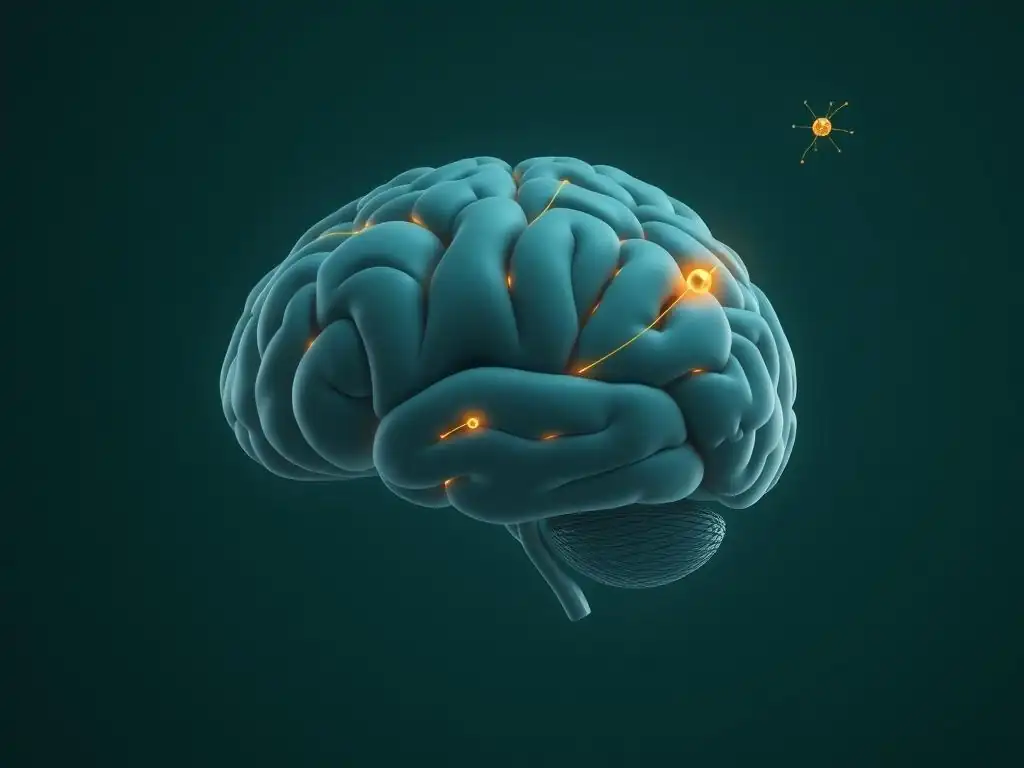
The Amygdala's Role in Stress Response and Emotional Processing
The amygdala, often referred to as the brain's "fear center," plays a pivotal role in detecting threats and initiating the stress response. This almond-shaped structure, nestled deep within the temporal lobe, is highly sensitive to emotional stimuli, particularly those perceived as dangerous or negative. When stress is acute, the amygdala becomes highly active, triggering the "fight or flight" response via its connections to the hypothalamus and other brainstem areas. This is a crucial survival mechanism, preparing the body to react rapidly to danger.
Under conditions of chronic stress, however, the amygdala can undergo significant structural and functional changes. Studies, including some using MRI scans, have shown that prolonged stress can lead to an increase in amygdala volume and enhanced dendritic arborization (more connections) in animal models, suggesting a state of chronic hyper-responsiveness. This stress brain circuit rewiring effect means the amygdala becomes overly sensitive, reacting strongly even to mild or non-threatening stimuli. This persistent state of alert contributes significantly to the symptoms of anxiety disorders, where individuals experience excessive worry, fear, and heightened physiological arousal in everyday situations.
The Hippocampus: Stress and Memory Impairment
The hippocampus is a critical brain region primarily involved in learning, memory formation, and regulating the stress response itself. It helps contextualize fearful memories, determining if a threat is real or imagined, and plays a role in shutting down the stress response once the danger has passed. Its function is highly dependent on neurogenesis, the creation of new neurons, and synaptic plasticity, the ability of synapses to strengthen or weaken over time.
Chronic stress has a particularly damaging effect on the hippocampus. High levels of stress hormones like cortisol are neurotoxic to hippocampal neurons. Research consistently shows that prolonged stress can lead to a reduction in hippocampal volume, impaired neurogenesis, and weakened synaptic connections. This stress brain circuit rewiring effect explains why chronic stress is often associated with difficulties in forming new memories, retrieving existing ones, and problems with spatial navigation. Furthermore, a compromised hippocampus is less effective at regulating the stress response loop, potentially leading to a prolonged and exaggerated release of stress hormones, creating a negative feedback cycle.
The Prefrontal Cortex: Executive Functions Under Stress
The prefrontal cortex (PFC), located behind the forehead, is the brain's executive control center. It is responsible for higher-level cognitive functions such as decision-making, planning, working memory, impulse control, and regulating social behavior and emotional responses. The PFC receives input from the amygdala and hippocampus and plays a crucial role in evaluating threats and modulating the stress response, allowing for a more measured and rational reaction rather than an automatic emotional one.
Stress significantly impairs PFC function, particularly the dorsolateral prefrontal cortex involved in working memory and attention, and the ventromedial prefrontal cortex involved in emotional regulation and decision-making. Acute stress can temporarily reduce PFC activity, leading to impulsive behavior and difficulty concentrating.
Chronic stress, however, can cause more lasting changes, including reduced gray matter volume and altered connectivity within the PFC and between the PFC and other brain regions like the amygdala. This stress brain circuit rewiring effect results in diminished executive control, making it harder to manage emotions, resist temptations, plan effectively, and make sound decisions, contributing to symptoms seen in conditions like depression and addiction.
How Stress Changes Brain Circuits: Mechanisms at Play
Neuroplasticity and Stress-Induced Brain Changes
Neuroplasticity is the brain's remarkable ability to reorganize itself by forming new neural connections throughout life. While often discussed in the context of learning and recovery from injury, neuroplasticity also encompasses maladaptive changes induced by negative experiences like chronic stress. Stress hormones and neurotransmitters released during stressful events can act as potent modulators of this plasticity, essentially "rewiring" circuits to adapt to a perceived threatening environment. This adaptation, however, can come at the cost of optimal function in non-stressful conditions.
The stress brain circuit rewiring effects are a prime example of maladaptive neuroplasticity. For instance, chronic stress can enhance synaptic strength and density in the amygdala, making it more reactive, while simultaneously reducing synaptic plasticity and neurogenesis in the hippocampus, impairing its function. These opposing effects on different brain regions highlight how stress doesn't just cause a general decline but induces specific, patterned changes in neural networks. Understanding the mechanisms of stress-induced neuroplasticity is key to developing therapies that can reverse these detrimental changes and promote healthier brain function.
The Role of Cortisol in Brain Circuit Modification
Cortisol, often dubbed the primary "stress hormone," is a steroid hormone released by the adrenal glands in response to signals from the brain's hypothalamic-pituitary-adrenal (HPA) axis. While essential for mobilizing energy and modulating the immune system during stress, chronically elevated levels of cortisol have profound and often damaging effects on the brain. Brain regions like the hippocampus, amygdala, and prefrontal cortex have a high density of receptors for cortisol (glucocorticoid receptors), making them particularly vulnerable to its effects.
Prolonged exposure to high cortisol can impair synaptic function, reduce neurogenesis (especially in the hippocampus), and even lead to neuronal death. For example, studies have shown that Cushing's disease, characterized by excessive cortisol production, is associated with significant hippocampal atrophy and cognitive deficits. Cortisol influences the expression of genes involved in neuronal structure and function, contributing directly to the stress brain circuit rewiring effects. Its impact on the balance of excitatory and inhibitory neurotransmitters further disrupts normal circuit activity, pushing the brain towards states of heightened reactivity and impaired regulation.
Glutamate and the Excitatory Effects of Stress on Neurons
Glutamate is the brain's primary excitatory neurotransmitter, playing a crucial role in synaptic plasticity, learning, and memory. It is essential for strengthening connections between neurons, a process vital for forming memories and adapting to new information. However, under stressful conditions, the balance of glutamate signaling can be severely disrupted, leading to excitotoxicity – a state where excessive glutamate overstimulates neurons, potentially causing damage or death.
Stress hormones, particularly cortisol and norepinephrine, can increase glutamate release in certain brain areas, such as the amygdala and prefrontal cortex, while sometimes impairing its uptake. This surge in excitatory signaling contributes to the heightened state of arousal and reactivity observed during stress.
The stress brain circuit rewiring effects mediated by glutamate involve both strengthening maladaptive pathways (like those associated with fear conditioning) and weakening beneficial ones (like those involved in cognitive flexibility). Dysregulated glutamate transmission has been implicated in the pathophysiology of several stress-related disorders, including PTSD and depression, underscoring its critical role in how stress reshapes the brain.
Stress-Induced Alterations in Specific Brain Circuits
Impact on Reward Circuitry: Increased Vulnerability to Substance Use Disorders
The brain's reward circuitry, primarily involving the ventral tegmental area (VTA), nucleus accumbens, and prefrontal cortex, is responsible for processing pleasure, motivation, and reinforcement. This system is heavily modulated by dopamine and plays a key role in goal-directed behavior. A healthy reward system allows us to experience pleasure from natural rewards like food, social connection, and achievement.
Chronic stress can significantly dysregulate this delicate reward system, leading to stress brain circuit rewiring effects that increase vulnerability to addiction. Stress exposure can blunt the brain's response to natural rewards, making everyday activities feel less pleasurable – a symptom known as anhedonia, common in depression. Simultaneously, stress can enhance the reinforcing properties of drugs of abuse, particularly in individuals with a history of trauma or chronic adversity. This altered reward sensitivity and heightened drive for artificial rewards can push individuals towards substance use as a coping mechanism, setting the stage for addiction and making recovery more challenging.
Effects on Fear Circuitry: Development of Phobias and Panic Disorder
The fear circuitry, centered around the amygdala and its connections to the prefrontal cortex, hippocampus, and brainstem, is essential for detecting and responding to threats. While a healthy fear response is adaptive, chronic stress can cause maladaptive changes in this circuit, leading to exaggerated and persistent fear responses. This is where stress brain circuit rewiring effects are particularly evident in anxiety disorders.
Chronic stress can lead to hypertrophy and hyperconnectivity of the amygdala, coupled with reduced inhibitory control from the prefrontal cortex. This imbalance results in the amygdala becoming hypersensitive, triggering fear responses to non-threatening stimuli. This altered wiring is central to conditions like specific phobias, where irrational fears of particular objects or situations develop, and panic disorder, characterized by sudden, intense episodes of fear and physiological symptoms even in the absence of real danger. The brain becomes wired to perceive threat everywhere, making it difficult to feel safe.
Humans are inherently social beings, and our brains have dedicated circuits for processing social information, understanding others' intentions and emotions (theory of mind), and forming attachments. Key regions involved include the medial prefrontal cortex, temporoparietal junction, and areas within the limbic system. Social support is also a powerful buffer against stress.
However, chronic stress can negatively impact these social circuits, leading to stress brain circuit rewiring effects that impair social cognition and behavior. Stress can reduce activity in areas associated with empathy and perspective-taking, making it harder to connect with others. It can also increase social withdrawal and isolation, potentially due to heightened vigilance and perceived threat in social interactions, mediated by an overactive amygdala. This can create a vicious cycle where stress damages social connections, which in turn reduces access to a key stress buffer, potentially exacerbating the stress response and further altering social brain circuits.
Increased Risk of Mental Health Disorders: Major Depressive Disorder, Generalized Anxiety Disorder, Post-Traumatic Stress Disorder
The cumulative stress brain circuit rewiring effects significantly increase an individual's vulnerability to developing serious mental health conditions. Chronic stress is a well-established risk factor for major depressive disorder (MDD). The alterations in the hippocampus, prefrontal cortex, and reward circuitry contribute directly to core symptoms like persistent low mood, anhedonia, and cognitive difficulties. Research suggests that individuals with a history of chronic stress or trauma have a significantly higher lifetime prevalence of depression compared to the general population, perhaps double or more depending on the severity and timing of the stress.
Generalized anxiety disorder (GAD) and post-traumatic stress disorder (PTSD) are also strongly linked to chronic stress and trauma, respectively. The hyperactive amygdala and disrupted fear circuitry are central to the exaggerated worry in GAD and the intrusive memories, hyperarousal, and avoidance behaviors characteristic of PTSD. Studies on veterans and trauma survivors have shown distinct patterns of stress brain circuit rewiring effects, including reduced volume in the hippocampus and altered connectivity in fear and regulatory networks, making them more susceptible to persistent symptoms long after the initial stressor is gone.
Cognitive Decline and Stress: Impaired Working Memory, Difficulty Concentrating
Beyond increasing the risk of specific disorders, the stress brain circuit rewiring effects often lead to pervasive cognitive difficulties. The impact on the hippocampus and prefrontal cortex, as discussed earlier, directly undermines core cognitive functions. Chronic stress is frequently associated with impaired working memory – the ability to hold and manipulate information in the mind – making tasks requiring planning or complex problem-solving more challenging. Individuals under chronic stress often report significant difficulty concentrating, feeling easily distracted, and experiencing mental fogginess.
This stress-induced cognitive decline is not limited to memory and attention. Decision-making can become impaired, often leaning towards more habitual or less optimal choices due to reduced prefrontal control over striatal (habit-related) circuits. While the degree of impairment varies, persistent cognitive issues are a common and debilitating consequence of chronic stress, affecting performance at work, school, and in daily life. Some studies suggest that prolonged exposure to stress hormones might even accelerate cognitive aging processes, highlighting the importance of managing stress throughout life.
Physical Health Implications: Increased Risk of Hypertension and Cardiovascular Disease
The link between stress and physical health is profound, and the stress brain circuit rewiring effects play a role in mediating these connections. Chronic activation of the stress response system, driven by changes in brain circuits, leads to sustained release of stress hormones like cortisol and adrenaline. These hormones have systemic effects, including increasing heart rate, blood pressure, and inflammation, and altering metabolic processes.
Over time, these physiological changes contribute to a significantly increased risk of cardiovascular disease. Chronic stress is a recognized risk factor for developing hypertension, arterial plaque buildup (atherosclerosis), and experiencing cardiovascular events like heart attacks and strokes.
For example, large-scale studies have shown that individuals with high levels of job strain or chronic life stress have a roughly 40-50% increased risk of developing coronary heart disease compared to those with lower stress levels. The brain's persistent "on" signal for stress, a result of altered stress circuits, keeps the body in a state of heightened physiological arousal that is ultimately damaging to the cardiovascular system.
Reversing the Effects of Stress on Brain Circuits: Strategies for Resilience
Mindfulness and Meditation: Downregulating Amygdala Hyperactivity
Fortunately, the brain's neuroplasticity, while susceptible to negative changes from stress, also allows for positive stress brain circuit rewiring effects through targeted interventions. Mindfulness and meditation practices are powerful tools for promoting beneficial brain changes. Regular meditation has been shown in neuroimaging studies to reduce the size of the amygdala and increase gray matter density in areas of the prefrontal cortex associated with attention and emotional regulation.
By focusing attention on the present moment without judgment, mindfulness helps to quiet the reactive "alarm" signal from the amygdala and strengthen the top-down control exerted by the prefrontal cortex. This helps individuals respond to stressors more calmly and less reactively. Even short periods of daily practice, such as 10-15 minutes, can begin to induce these changes over weeks and months, gradually helping to rewire the brain towards a state of greater calm and resilience.
Exercise and Physical Activity: Enhancing Hippocampal Plasticity and BDNF Production
Physical exercise is one of the most potent interventions for counteracting the negative stress brain circuit rewiring effects, particularly in the hippocampus. Aerobic exercise, in particular, has been shown to increase neurogenesis (the birth of new neurons) and synaptic plasticity in the hippocampus, potentially reversing some of the volume loss associated with chronic stress. Exercise also increases the production of brain-derived neurotrophic factor (BDNF), a protein that acts like "fertilizer" for the brain, supporting the growth, survival, and function of neurons and synapses.
Regular physical activity, such as brisk walking, running, or swimming for at least 30 minutes most days of the week, can improve memory, cognitive function, and mood, effects directly linked to its positive impact on brain structure and function. Exercise provides a healthy outlet for stress, reduces levels of stress hormones, and promotes the release of endorphins, which have mood-boosting effects. It's a comprehensive strategy that benefits both the body and the brain, actively promoting beneficial stress brain circuit rewiring effects.
Cognitive Behavioral Therapy (CBT): Modifying Maladaptive Thought Patterns and Behaviors
Cognitive Behavioral Therapy (CBT) is a widely effective psychotherapy approach that helps individuals identify and challenge negative thought patterns and maladaptive behaviors that contribute to stress and anxiety. By changing how we think about stressors and how we react to them, CBT can indirectly but powerfully influence brain circuitry. For example, learning to reinterpret perceived threats less catastrophically can reduce the activation of the amygdala and strengthen the regulatory pathways involving the prefrontal cortex.
CBT helps individuals develop coping skills to manage stress more effectively, such as problem-solving techniques and relaxation strategies. Through repeated practice of new ways of thinking and behaving, CBT facilitates positive stress brain circuit rewiring effects, strengthening pathways associated with rational appraisal and emotional regulation while weakening those linked to fear and avoidance. Research using neuroimaging has shown that successful CBT treatment for anxiety and depression is associated with measurable changes in the activity and connectivity of the amygdala, prefrontal cortex, and hippocampus.
Strong social connections are a vital buffer against stress and can actively promote positive brain changes. Engaging with supportive friends, family, or community members triggers the release of oxytocin, sometimes called the "bonding hormone." Oxytocin has calming effects, reduces the activity of the HPA axis, and counteracts some of the detrimental effects of cortisol. Social interaction can also provide perspective, emotional validation, and practical help, reducing the subjective burden of stress.
Conversely, social isolation is itself a significant stressor and risk factor for negative health outcomes. Building and maintaining healthy relationships helps to regulate the stress response and can foster resilience. The positive stress brain circuit rewiring effects of social support involve pathways related to reward, trust, and social cognition, helping to counteract the negative impact of stress on these circuits. Prioritizing social connection is not just good for emotional well-being; it's a powerful strategy for protecting and promoting brain health in the face of stress.
Conclusion: Managing Stress for Optimal Brain Health
The Importance of Early Intervention in Stress Management
Understanding the profound stress brain circuit rewiring effects underscores the critical importance of addressing stress proactively and early. Chronic stress is not merely an unpleasant feeling; it instigates tangible changes in the brain that can increase vulnerability to mental illness, cognitive decline, and physical health problems. Recognizing the early signs of chronic stress – persistent fatigue, irritability, difficulty sleeping, changes in appetite, or feeling overwhelmed – and taking steps to manage it can potentially prevent or mitigate the more severe long-term consequences.
Early intervention can involve seeking support from mental health professionals, implementing stress-reduction techniques like those discussed, or making lifestyle changes to build resilience. Just as early intervention is crucial for physical health conditions, addressing stress before it causes significant and entrenched stress brain circuit rewiring effects offers the best chance for maintaining optimal brain function and overall well-being. It's an investment in both current and future health.
Future Research Directions in Stress and Brain Circuitry
Research into the stress brain circuit rewiring effects is a rapidly evolving field. Scientists are continually using advanced neuroimaging techniques, genetic studies, and molecular biology to uncover the precise mechanisms by which stress alters neural pathways. Future research aims to identify specific biomarkers of stress-induced brain changes, which could help in early diagnosis and personalized treatment.
There is also significant interest in developing novel therapeutic interventions that specifically target stress-altered brain circuits. This includes pharmacological agents that modulate neurotransmitter systems implicated in stress (like glutamate or cortisol) and non-pharmacological approaches, such as neurofeedback or targeted neuromodulation techniques. Continued exploration of the brain's plasticity and how it can be harnessed for healing offers hope for more effective strategies to reverse the detrimental effects of stress and build greater resilience against its impact on our mental and physical health.
Frequently Asked Questions
How does chronic stress impact the brain's circuitry?
Chronic stress can lead to structural and functional changes in brain regions involved in stress response, like the amygdala and prefrontal cortex. This can result in altered emotional regulation.
What are some specific brain circuits affected by prolonged stress?
Key circuits affected include the HPA axis, the fear circuit (amygdala), and circuits regulating decision-making and impulse control in the prefrontal cortex. These changes contribute to anxiety and depression.
Can the brain's response to stress be reversed or rewired?
Yes, the brain possesses neuroplasticity, which allows for rewiring of neural pathways through techniques like mindfulness, therapy, and lifestyle changes. This can mitigate the negative effects of stress.
What role does mindfulness play in rewiring stress-affected brain circuits?
Mindfulness practices can increase activity in the prefrontal cortex, strengthening its ability to regulate the amygdala's response to stress. This leads to improved emotional resilience.
Are there other interventions, besides mindfulness, that can help rewire the stress brain circuit?
Yes, other effective interventions include cognitive behavioral therapy (CBT), regular exercise, and maintaining a healthy diet. These support neuroplasticity and overall brain health.
Final Reflection: Rewiring Our Responses to Stress
The intricate dance between stress and our brain circuits is not merely an academic curiosity; it's the very foundation of our daily experiences, shaping our thoughts, feelings, and behaviors. Understanding how stress physically alters the pathways in our brains is crucial in a world increasingly characterized by pressure and uncertainty. This knowledge empowers us to take proactive steps towards healthier coping mechanisms and a more resilient self.
The pervasive influence of stress on our mental and physical well-being is undeniable. It's woven into the fabric of our modern lives, impacting everything from our relationships to our career success. Stress is the tax we pay for our ambitions.
This quote highlights the inherent tension between striving for goals and the physiological toll it can take. Recognizing this connection allows us to approach stress not as an insurmountable enemy, but as a challenge requiring mindful management and self-compassion. We must actively cultivate strategies to mitigate its negative impacts, fostering a healthier relationship with our own minds and bodies.
Consider the information presented in this article. How can you apply this newfound understanding of stress's impact on your brain circuits to your daily life? Take a moment to reflect on your own stress responses. Are there patterns you can identify?
What coping mechanisms do you currently employ, and how effective are they? By consciously choosing healthier responses – whether that's through mindfulness practices, exercise, improved sleep hygiene, or seeking professional support – you can actively participate in rewiring your brain for greater resilience and well-being. The journey towards a calmer, more balanced self begins with understanding, and continues with conscious action.
Unlock Your Brain's Resilience: Take Control of Stress
Thanks for exploring the fascinating world of stress and its impact on your brain! We hope you gained valuable insights into how your mind handles pressure and discovered new ways to understand your own reactions. Now, let's put that knowledge into action.
- Prioritize one stress-reducing technique: From the article, choose one strategy (mindfulness, exercise, better sleep, etc.) that resonates most with you and commit to incorporating it into your daily routine this week. Even 5 minutes a day makes a difference!
- Share your "aha!" moment: What was the most surprising or insightful piece of information you learned today? Share it with a friend, family member, or on social media – spreading awareness about brain health is crucial.
- Explore further: Dive deeper into the resources mentioned in the article or search for additional information on stress management techniques tailored to your specific needs. What specific changes will you try first to promote brain health?
Ready to make a positive change? What's the first step you'll take to nurture your brain's resilience today?