
How Stress Hormones Hijack Your Brain: A Biological Deep Dive


Welcome to Mind Care Guide, a space dedicated to your mental well-being. Ever feel like your brain is working against you? You're not alone. We delve into the fascinating, and sometimes frightening, world of how stress hormones can actually hijack your brain. Understanding this biological process is the first step towards regaining control. Intrigued? Let's explore the science behind it together and uncover strategies to reclaim your peace of mind...
The Impact of Chronic Stress on Cognitive Function: A Neurobiological Perspective
- Introduction: Understanding the Stress Response and Its Cognitive Consequences
- Key Stress Hormones and Neurotransmitters: Their Roles in Cognitive Dysfunction
- The Impact of Stress on Specific Brain Regions and Cognitive Domains
- Short-Term vs. Long-Term Effects of Chronic Stress on Cognitive Abilities
- Strategies for Mitigating the Cognitive Effects of Stress
- Practical Approaches to Stress Management and Cognitive Enhancement
- Conclusion: Protecting Cognitive Function from the Detrimental Effects of Stress
-
Frequently Asked Questions
- What are stress hormones and how do they impact the brain?
- What does it mean for stress hormones to "hijack" the brain?
- What are some long-term consequences of chronic stress on the brain?
- What specific resources does Mind Care Guide offer for managing stress and its effects?
- How can I prevent stress hormones from hijacking my brain in everyday situations?
- Final Reflection: Reclaiming Your Brain from the Stress Hormone Hijack
- Unleash Your Brain's Resilience: Reclaim Your Calm
Introduction: Understanding the Stress Response and Its Cognitive Consequences
The Increasing Prevalence of Chronic Stress and Its Impact on Cognitive Health
In modern society, the pervasive nature of chronic stress has become a significant concern, extending far beyond mere psychological discomfort to impact physical and cognitive health profoundly. Reports suggest that a substantial percentage of the global population experiences high levels of stress regularly, with figures often cited around 50-70% depending on the survey and region.
This persistent exposure to stressors, whether from demanding work environments, financial instability, or personal challenges, triggers a continuous activation of the body's stress response system. Unlike acute stress, which is a short-lived reaction, chronic stress involves prolonged elevation of stress hormones, which can exert detrimental effects on various organ systems, including the brain.
The cumulative effect of this prolonged physiological activation is increasingly linked to a decline in cognitive function. Individuals experiencing chronic stress frequently report difficulties with concentration, memory, and decision-making – issues that were once considered minor inconveniences but are now recognized as potential early indicators of stress-related cognitive impairment. Research indicates that persistent stress can disrupt neurobiological pathways essential for learning and memory, potentially accelerating age-related cognitive decline or exacerbating symptoms of existing mental health conditions. Understanding how stress hormones brain hijack these vital processes is crucial for developing effective interventions.
Defining Cognitive Impairment Under Stress: How Stress Impacts Brain Function
Cognitive impairment under stress is not a singular phenomenon but rather a spectrum of difficulties affecting various mental processes. It can manifest as reduced attentional capacity, making it hard to focus on tasks or filter out distractions. Memory function is also commonly affected, with individuals reporting forgetfulness, difficulty forming new memories, or retrieving existing ones, particularly under pressure. Furthermore, executive functions, which include planning, problem-solving, impulse control, and flexible thinking, often become compromised, leading to poorer decision-making and reduced efficiency.
From a neurobiological standpoint, stress impacts brain function by altering the structure and activity of key brain regions involved in cognition and emotion. The release of stress hormones, such as cortisol and norepinephrine, affects neuronal communication and plasticity. While short-term exposure might enhance certain cognitive functions necessary for survival (like vigilance), chronic exposure can lead to maladaptive changes.
These changes can include atrophy in areas critical for memory like the hippocampus, altered connectivity in networks supporting executive function in the prefrontal cortex, and increased activity in emotional centers like the amygdala, which can bias cognitive processing towards threat detection and negative rumination. This complex interplay demonstrates how stress hormones can effectively hijack the brain's normal operations.
Key Stress Hormones and Neurotransmitters: Their Roles in Cognitive Dysfunction
Cortisol: The Primary Stress Hormone and Its Effects on Cognitive Processes
Cortisol, often dubbed the "stress hormone," is a glucocorticoid released by the adrenal glands in response to activation of the hypothalamic-pituitary-adrenal (HPA) axis. Its primary role is to help the body manage stress by increasing glucose in the bloodstream, enhancing the brain's use of glucose, and increasing the availability of substances that repair tissues.
While essential for the acute stress response, prolonged elevation of cortisol levels due to chronic stress can have profound negative impacts on the brain, particularly on cognitive processes. High cortisol can impair the ability of neurons to communicate effectively, disrupt synaptic plasticity – the process by which synapses strengthen or weaken over time – and even reduce the generation of new neurons in certain brain regions.
The hippocampus, a brain structure critical for learning and memory, is particularly vulnerable to the effects of chronic cortisol exposure because it has a high concentration of glucocorticoid receptors. Sustained high cortisol levels can lead to atrophy or shrinkage of the hippocampus, directly impacting spatial memory, contextual memory, and the ability to form new declarative memories (facts and events).
Studies using MRI scans have shown reduced hippocampal volume in individuals experiencing chronic stress or conditions associated with prolonged stress, such as Cushing's syndrome. This structural change underlies many of the memory complaints reported by people under chronic stress and highlights how stress hormones brain hijack the very architecture of memory formation.
Norepinephrine: The Role of Arousal and Attention Under Stress
Norepinephrine is a neurotransmitter and hormone that plays a central role in the body's "fight or flight" response. Released from the adrenal medulla and nerve endings in the sympathetic nervous system, as well as the locus coeruleus in the brain, norepinephrine increases heart rate, blood pressure, and glucose release, preparing the body for action. In the brain, norepinephrine is crucial for regulating arousal, attention, and vigilance. During acute stress, a surge of norepinephrine can sharpen focus and enhance memory consolidation for emotionally salient events, which is adaptive for survival.
However, chronic stress leads to dysregulation of norepinephrine signaling. Persistent high levels or erratic release patterns can impair the ability to filter relevant information from distractions, leading to difficulties with sustained attention and concentration. While moderate levels of norepinephrine can enhance cognitive performance, excessive or prolonged exposure can impair cognitive flexibility and executive functions, particularly those mediated by the prefrontal cortex. For example, decision-making under chronic stress can become rigid or impulsive rather than strategic. This disruption illustrates another way that stress hormones can hijack the brain's attentional and decision-making networks.
Dopamine and Serotonin: The Link Between Stress, Mood, and Cognitive Performance
Dopamine and serotonin are neurotransmitters widely known for their roles in regulating mood, motivation, reward, and pleasure, but they also significantly influence cognitive function. Dopamine is critical for working memory, attention, and executive functions, particularly in the prefrontal cortex. Serotonin is involved in modulating mood, sleep, appetite, and also impacts cognitive processes like learning, memory, and decision-making. Chronic stress can disrupt the delicate balance and signaling of both these neurotransmitter systems, contributing to both mood disorders and cognitive deficits.
Stress-induced changes in dopamine pathways can impair motivational drive and the ability to experience pleasure, commonly seen in stress-related depression, but also affect cognitive functions dependent on reward and motivation, such as goal-directed behavior and task switching. Similarly, chronic stress can deplete serotonin levels or alter receptor sensitivity, contributing to symptoms of anxiety and depression, which in turn significantly impact cognitive performance by affecting focus, energy levels, and cognitive flexibility.
The intricate connection between stress, mood, and these neurotransmitters highlights how the body's stress response, mediated by various stress hormones and neurochemicals, can profoundly hijack not only emotional states but also the cognitive machinery essential for daily functioning.
The Impact of Stress on Specific Brain Regions and Cognitive Domains
The Amygdala: Emotional Processing and the Influence on Cognitive Function
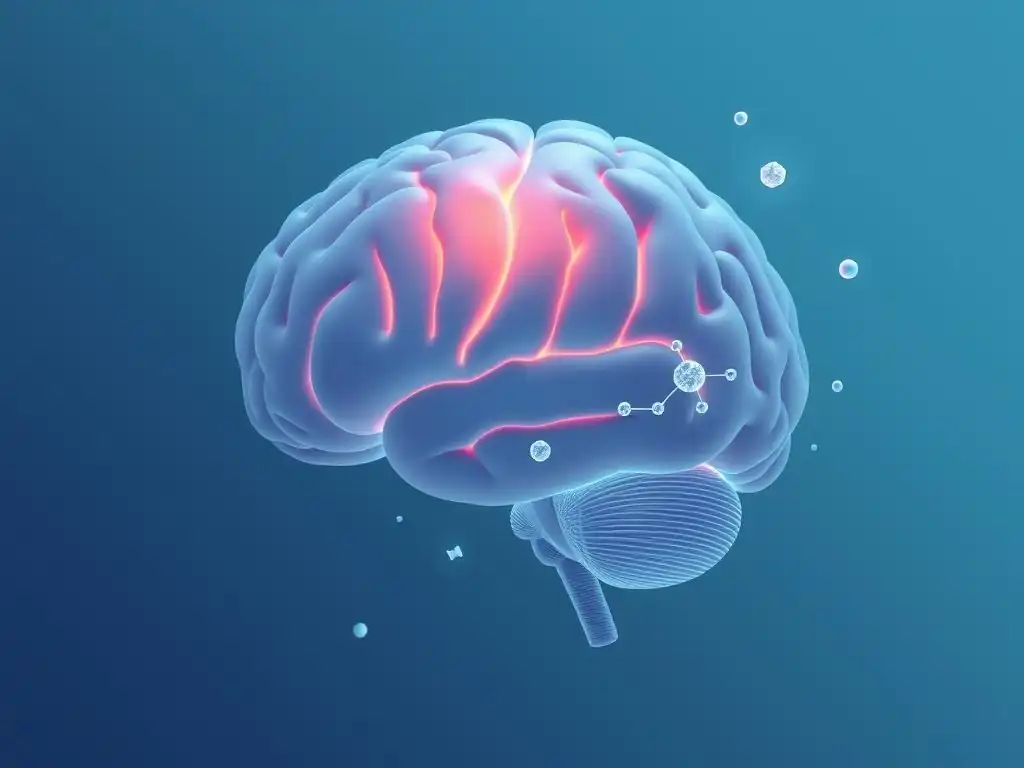
The amygdala, a small almond-shaped structure located deep within the temporal lobe, is a key player in processing emotions, particularly fear and threat. In response to stress, the amygdala becomes highly activated, driving the initial "fight or flight" response. While acute activation is adaptive for survival, chronic stress leads to structural and functional changes in the amygdala, including increased size and heightened reactivity. This hypervigilance means the brain is constantly scanning for threats, even when none are present, leading to chronic anxiety and an exaggerated emotional response to stressors.
This heightened amygdala activity doesn't just affect emotional state; it significantly influences cognitive function by diverting resources and attention away from higher-level cognitive processing towards threat detection. For instance, an overactive amygdala can bias attention towards negative stimuli, making it harder to focus on neutral or positive information. It can also interfere with the prefrontal cortex's ability to regulate emotions and make rational decisions, leading to impaired executive functions. This emotional hijacking by the amygdala, fueled by stress hormones, demonstrates how stress can skew cognitive processing towards survival instincts at the expense of complex thought.
The Hippocampus: Memory Formation and the Effects of Chronic Stress
As previously mentioned, the hippocampus is crucial for forming new declarative memories and retrieving existing ones, as well as spatial navigation. It is also one of the few brain regions where neurogenesis, the birth of new neurons, continues throughout adulthood. The hippocampus is highly sensitive to stress hormones, particularly cortisol, due to the abundance of glucocorticoid receptors. While moderate, short-term stress can actually enhance certain types of memory consolidation (especially emotional memories linked to the amygdala), chronic stress has the opposite effect.
Prolonged exposure to high levels of cortisol is neurotoxic to hippocampal neurons. It can impair synaptic plasticity (the ability of connections between neurons to strengthen or weaken), reduce neurogenesis, and lead to a decrease in overall hippocampal volume. This structural and functional decline directly translates into cognitive deficits, including difficulties with learning new information, impaired recall of facts and events, and problems with spatial memory. The vulnerability of the hippocampus clearly illustrates how stress hormones brain hijack the core mechanisms of memory formation and retrieval.
The Prefrontal Cortex: Executive Functions and Cognitive Control Under Stress
The prefrontal cortex (PFC), located at the front of the brain, is the seat of executive functions – a set of cognitive processes that include planning, working memory, decision-making, impulse control, and cognitive flexibility. The PFC is essential for goal-directed behavior, problem-solving, and overriding automatic responses. Like the hippocampus, the PFC is also sensitive to stress hormones, though the effects are complex and dose-dependent. Acute stress can initially enhance PFC function related to focused attention on the stressor, but chronic or high levels of stress hormones tend to impair it.
Chronic stress can disrupt the finely tuned balance of neurotransmitters (like dopamine and norepinephrine) in the PFC, impairing the communication between neurons. This disruption undermines the PFC's ability to perform its executive functions effectively. Individuals under chronic stress may find it harder to concentrate, struggle with planning and organizing tasks, make impulsive decisions, and have difficulty switching between different mental tasks. This impairment of the PFC is a significant way stress hormones brain hijack higher-level cognitive control, making it challenging to manage complex situations or regulate emotions.
Short-Term vs. Long-Term Effects of Chronic Stress on Cognitive Abilities
Acute Stress Response: Immediate Cognitive and Behavioral Adaptations
The acute stress response is an immediate, short-lived reaction to a perceived threat, designed to prepare the body for rapid action. Physiologically, it involves the rapid release of adrenaline and norepinephrine from the adrenal medulla and sympathetic nervous system activation, followed by the slower release of cortisol via the HPA axis. Cognitively, acute stress can lead to a heightened state of arousal and vigilance, narrowing focus onto the stressor. This can temporarily enhance certain cognitive abilities crucial for survival, such as reaction time and the ability to detect threats.
Behaviorally, acute stress triggers the "fight, flight, or freeze" response. Cognitively, this translates to a prioritization of rapid, often instinctual processing over deliberate, complex thought. For instance, working memory capacity might temporarily decrease as cognitive resources are redirected. Memory consolidation for the stressful event itself is often enhanced, leading to vivid, sometimes intrusive, memories. While this acute response is adaptive in dangerous situations, frequent or prolonged activation even by non-life-threatening stressors can begin to wear down the system and pave the way for the more damaging long-term effects of chronic stress.
Chronic Stress Exposure: Long-Term Cognitive Decline and Potential for Recovery
Unlike the transient effects of acute stress, chronic stress exposure leads to sustained physiological changes that can result in long-term cognitive decline. As detailed previously, prolonged elevation of cortisol and dysregulation of neurotransmitter systems can cause structural changes in the brain, notably shrinkage in the hippocampus and alterations in the prefrontal cortex. Functionally, this manifests as persistent difficulties with memory, attention, executive functions, and increased emotional reactivity. These effects can significantly impair daily functioning, academic performance, and professional productivity.
The potential for recovery from the cognitive effects of chronic stress depends on various factors, including the duration and severity of the stress, individual resilience, and the implementation of effective stress management strategies. While some stress-induced changes, like hippocampal atrophy, can be slow to reverse, research suggests that reducing stress levels through interventions such as mindfulness, exercise, and therapy can promote neurogenesis and synaptic plasticity, potentially leading to improvements in cognitive function over time. This underscores the importance of intervention to mitigate how stress hormones brain hijack long-term cognitive health.
The Relationship Between Chronic Stress and Neurodegenerative Diseases
Emerging research suggests a potential link between prolonged exposure to chronic stress and an increased risk of developing neurodegenerative diseases later in life, such as Alzheimer's disease and other forms of dementia. While the exact mechanisms are still being investigated, chronic stress and the associated high levels of cortisol are believed to contribute through several pathways. Chronic inflammation, a known consequence of prolonged stress, is implicated in the pathology of neurodegenerative conditions.
Furthermore, stress-induced damage or atrophy to key brain regions like the hippocampus, which is also affected early in Alzheimer's disease, might increase vulnerability. Some studies have indicated that individuals with a history of chronic stress or stress-related disorders like PTSD may have a higher incidence of cognitive decline and dementia in old age compared to their less stressed counterparts. While not a direct cause, chronic stress appears to be a significant risk factor that can accelerate neurobiological processes contributing to neurodegeneration, further highlighting the profound and lasting impact of stress hormones brain hijack on brain health.
Strategies for Mitigating the Cognitive Effects of Stress
Lifestyle Modifications: Exercise, Diet, and Sleep Hygiene for Cognitive Resilience
Lifestyle modifications are fundamental strategies for buffering the brain against the detrimental effects of stress hormones and enhancing cognitive resilience. Regular physical exercise is powerfully neuroprotective; it increases blood flow to the brain, promotes neurogenesis (particularly in the hippocampus), and helps regulate stress hormones. Studies consistently show that aerobic exercise can improve executive functions, memory, and processing speed, even in the face of stress. Aiming for at least 150 minutes of moderate-intensity exercise per week is a widely recommended target.
Nutrition also plays a vital role. A diet rich in omega-3 fatty acids, antioxidants (found in fruits and vegetables), and B vitamins supports brain health and can help regulate mood and stress response. Conversely, diets high in processed foods, sugar, and unhealthy fats can contribute to inflammation and oxidative stress, potentially exacerbating the cognitive impact of stress.
Prioritizing adequate and restorative sleep (typically 7-9 hours per night for adults) is equally crucial, as sleep is essential for memory consolidation, emotional regulation, and clearing metabolic waste products from the brain. Poor sleep hygiene amplifies the negative effects of stress hormones on cognitive function.
Mindfulness-Based Interventions: Reducing Stress and Improving Cognitive Function
Mindfulness-based interventions (MBIs), such as Mindfulness-Based Stress Reduction (MBSR) and Mindfulness-Based Cognitive Therapy (MBCT), have gained significant traction as effective tools for managing stress and improving cognitive function. Mindfulness involves paying attention to the present moment without judgment, which can help individuals become more aware of their stress responses and develop a greater capacity to tolerate difficult emotions and thoughts without being overwhelmed by them. This practice can help interrupt the cycle of rumination and worry that often accompanies chronic stress.
Research indicates that regular mindfulness practice can lead to measurable changes in brain structure and function. Studies have shown that MBIs can increase gray matter density in areas associated with learning, memory, and emotion regulation, such as the hippocampus and prefrontal cortex, while potentially decreasing amygdala size and reactivity. Participants often report improvements in attention, working memory, and cognitive flexibility after engaging in mindfulness training. By fostering a calmer, more focused state, mindfulness directly counteracts the ways stress hormones brain hijack attention and emotional regulation.
Cognitive Training and Neurofeedback: Enhancing Cognitive Abilities Under Stress
Cognitive training involves engaging in structured activities or exercises designed to target and improve specific cognitive abilities like working memory, attention, and problem-solving. While cognitive training alone may not eliminate stressors or reduce stress hormone levels, it can help build cognitive reserves and enhance the brain's ability to function more effectively even when under stress. For example, training working memory can improve the capacity to hold and manipulate information despite distractions or mental load caused by stress.
Neurofeedback is a type of biofeedback that uses real-time displays of brain activity (often from EEG) to teach individuals how to self-regulate their brain function. By providing feedback on specific brain wave patterns associated with states like focus or relaxation, individuals can learn to shift their brain activity towards more optimal patterns.
Some studies suggest that neurofeedback can help improve attention, reduce anxiety, and enhance cognitive performance, potentially by promoting healthier brain states that are less susceptible to disruption by stress hormones. These techniques offer targeted approaches to strengthening cognitive abilities that are often compromised when stress hormones brain hijack normal function.
Practical Approaches to Stress Management and Cognitive Enhancement
Identifying and Modifying Stressors: Reducing Exposure to Chronic Stress
A crucial first step in managing the cognitive impact of stress is to identify the sources of chronic stress in one's life. This requires introspection and honest assessment of work demands, relationships, financial situation, and personal habits. Keeping a stress journal can help track triggers and patterns. Once stressors are identified, the next step is to explore possibilities for modification or reduction. This might involve setting boundaries at work, delegating tasks, managing finances more effectively, or reducing exposure to toxic relationships.
Sometimes, major life changes might be necessary, such as changing jobs or relocating. While not always easy or possible, actively working to reduce the frequency or intensity of exposure to chronic stressors is arguably the most direct way to prevent the sustained activation of the stress response system that leads to stress hormones brain hijack cognitive function. Even small adjustments, like reducing screen time or simplifying commitments, can have a cumulative positive effect on overall stress levels and cognitive health.
Developing Adaptive Coping Mechanisms: Building Resilience to Stress
Since eliminating all stressors is unrealistic, developing adaptive coping mechanisms is essential for building resilience. Adaptive strategies help individuals manage their reaction to stress and recover more effectively. Examples include regular exercise (as discussed), engaging in hobbies and enjoyable activities, spending time in nature, practicing relaxation techniques like deep breathing or progressive muscle relaxation, and maintaining a strong social support network. Talking to friends, family, or a support group can provide emotional relief and different perspectives on challenges.
In contrast, maladaptive coping mechanisms, such as excessive alcohol consumption, smoking, emotional eating, or avoidance, may provide temporary relief but ultimately exacerbate stress and harm cognitive health. Learning and consistently applying healthy coping strategies helps regulate the physiological stress response, including the release of stress hormones. This proactive approach allows individuals to better navigate stressful situations without allowing stress hormones to hijack their cognitive processes or overall well-being.
Seeking Professional Support: When to Consult a Healthcare Provider
While self-help strategies are valuable, there are times when professional support is necessary to manage chronic stress and its cognitive effects. If stress levels feel overwhelming, are interfering significantly with daily life, or are accompanied by symptoms of anxiety, depression, or persistent cognitive difficulties (like severe memory problems or inability to concentrate), consulting a healthcare provider is strongly recommended.
A primary care physician can rule out other medical conditions contributing to symptoms and provide initial guidance. Mental health professionals, such as therapists, counselors, or psychologists, can offer evidence-based interventions like Cognitive Behavioral Therapy (CBT) or Acceptance and Commitment Therapy (ACT), which help individuals identify and change negative thought patterns and behaviors related to stress.
Psychiatrists can assess the need for medication if stress-related conditions like severe anxiety or depression are present. Seeking professional help is a sign of strength and can provide tailored strategies to effectively manage stress and protect cognitive function from the long-term impact of stress hormones brain hijack.
Conclusion: Protecting Cognitive Function from the Detrimental Effects of Stress
Summary of Key Findings: Understanding the Neurobiological Impact of Stress on Cognition
This exploration has highlighted the profound and multifaceted impact of chronic stress on cognitive function from a neurobiological perspective. We've seen how key stress hormones like cortisol and norepinephrine, along with neurotransmitters like dopamine and serotonin, can disrupt the delicate balance required for optimal brain performance. Specific brain regions critical for cognitive function – the amygdala (emotional processing), the hippocampus (memory), and the prefrontal cortex (executive functions) – are particularly vulnerable to the effects of prolonged stress exposure, undergoing structural and functional changes.
Understanding how stress hormones brain hijack these vital areas reveals the biological basis for common stress-related cognitive complaints such as difficulties with memory, attention, decision-making, and emotional regulation. While acute stress triggers adaptive responses, chronic stress leads to maladaptive changes that can result in long-term cognitive decline and may even increase vulnerability to neurodegenerative diseases. Recognizing these mechanisms is the first step towards effective intervention and prevention.
Promoting Cognitive Resilience: Empowering Individuals to Manage Stress Effectively
The good news is that the brain possesses a remarkable degree of plasticity, offering hope for mitigating and potentially reversing some of the negative cognitive effects of stress. By adopting proactive strategies, individuals can build cognitive resilience – the ability to maintain or regain cognitive function despite exposure to stress. This involves a combination of lifestyle modifications, such as regular exercise, a healthy diet, and sufficient sleep, which provide a foundation for brain health.
Furthermore, engaging in stress-reducing practices like mindfulness and developing adaptive coping mechanisms are crucial for managing the physiological stress response and preventing stress hormones from overwhelming cognitive systems. Targeted interventions like cognitive training can also help strengthen specific cognitive abilities. Empowering individuals with knowledge about how stress hormones brain hijack their cognitive processes and equipping them with practical tools for stress management is key to protecting brain health in the face of modern life's challenges.
Future Directions: Research on Stress, Cognition, and Brain Health
Research into the intricate relationship between stress, cognition, and brain health is an active and evolving field. Future directions include further investigating the precise molecular and cellular mechanisms by which stress hormones impact neuronal function and plasticity, as well as exploring genetic and epigenetic factors that influence individual vulnerability or resilience to stress-induced cognitive changes.
There is also ongoing work to develop more targeted and personalized interventions, including pharmacological agents that modulate stress hormone receptors or neuroinflammation, and refined behavioral therapies or neurofeedback techniques. Longitudinal studies are essential to better understand the long-term trajectory of stress-related cognitive changes and their link to neurodegenerative disease risk. Ultimately, continued research aims to provide deeper insights and more effective strategies to prevent the cognitive decline associated with chronic stress, ensuring that individuals can maintain optimal brain health throughout their lives, free from the pervasive impact of stress hormones brain hijack.
Frequently Asked Questions
What are stress hormones and how do they impact the brain?
Stress hormones, like cortisol and adrenaline, are chemicals released during stressful situations. They can impair cognitive functions and alter brain structures in the long term. This leads to difficulties with memory, learning, and decision-making.
What does it mean for stress hormones to "hijack" the brain?
"Brain hijack" refers to the amygdala, the brain's emotional center, overriding the prefrontal cortex, the rational thinking center. This results in impulsive, emotionally driven reactions, often seen during periods of intense stress.
What are some long-term consequences of chronic stress on the brain?
Chronic stress can lead to brain atrophy, particularly in the hippocampus, affecting memory. It can also increase the risk of developing mental health conditions like anxiety and depression due to sustained hormone imbalances.
What specific resources does Mind Care Guide offer for managing stress and its effects?
Mind Care Guide provides resources such as articles on stress management techniques, access to guided meditations, and a directory of mental health professionals specializing in stress-related disorders.
How can I prevent stress hormones from hijacking my brain in everyday situations?
Practicing mindfulness, engaging in regular exercise, and implementing effective coping mechanisms can help regulate stress hormone levels and strengthen the prefrontal cortex's control over emotional responses.
Final Reflection: Reclaiming Your Brain from the Stress Hormone Hijack
The pervasive impact of stress hormones on our brains is not merely a scientific curiosity; it's a fundamental factor shaping our daily lives, our mental health, and our overall well-being. Understanding how cortisol and other stress hormones hijack our cognitive functions, as explored in this article, is crucial for navigating the increasingly demanding pressures of modern life. Ignoring this biological reality is akin to ignoring the warning lights on your car dashboard – eventually, the consequences become unavoidable.
The insidious nature of this "hijack" is what makes it so difficult to address. It's not a simple case of "just relax," but a complex interplay of biological mechanisms that subtly yet powerfully alter our perceptions, decisions, and emotional responses. Stress doesn't come from what we do, but from our thoughts about what we do.
– Unknown. This quote highlights the crucial link between our cognitive appraisal of stressful situations and the subsequent hormonal cascade. The more we understand this process, the better equipped we are to manage our responses and mitigate the long-term effects of chronic stress.
Now, consider your own life. Reflect on moments when stress has clouded your judgment, impaired your focus, or fueled negative emotions. This article provides you with the knowledge; the next step is to actively apply it. Start by identifying your personal stress triggers, practicing mindfulness techniques to regulate your response, and seeking support when needed. By understanding the biological mechanisms at play, you can begin to reclaim control over your brain and cultivate a healthier, more resilient mind. The journey to a stress-resilient life begins with awareness – and the power to change is within your grasp.
Unleash Your Brain's Resilience: Reclaim Your Calm
Thanks for diving deep into the fascinating (and sometimes stressful!) world of stress hormones! You now have a powerful understanding of how your brain reacts to pressure. Let's turn that knowledge into action.
- Prioritize one stress-reducing technique from the article: Whether it's mindful breathing, a short walk in nature, or journaling, dedicate just 5 minutes today to implementing it. This is your key to starting to reclaim your calm.
- Share this article with someone who might benefit: Spread the word about managing stress; you never know whose day you might brighten.
- Explore a new relaxation method: Try searching online for guided meditations or progressive muscle relaxation techniques – expanding your toolkit for stress management is key!
Ready to take control of your stress response and build a more resilient you? What's one small step you'll take today to prioritize your mental well-being?