
The Future of Stress Neuroscience: New Biological Insights and Discoveries

Welcome to Mind Care Guide, your sanctuary for navigating the complexities of mental well-being. Feeling overwhelmed by stress? You're not alone. We understand the weight it carries, and we're here to illuminate the path forward.
Dive into our exploration of Stress Neuroscience Research Breakthroughs Explained and discover how cutting-edge science is unlocking new biological insights into managing stress. Curious about what these discoveries mean for your mental health? Let's unravel the science together and explore actionable strategies for a calmer, more resilient you.
The Future of Stress Neuroscience: New Biological Insights and Discoveries
- Introduction: Understanding the Evolution of Stress Neuroscience
- Recent Breakthroughs in Stress Neuroscience Research Explained
- Cutting-Edge Technologies Driving Stress Neuroscience Discoveries
- Exploring the Impact of Stress on Specific Brain Regions
- Biological Insights into Stress-Related Mental Health Disorders
- The Gut-Brain Axis and Stress Response: Emerging Research
- Innovative Therapeutic Approaches Based on Stress Neuroscience
- The Future of Stress Neuroscience: Personalized Mental Healthcare
- Conclusion: The Promise of Stress Neuroscience for Mental Health
-
Frequently Asked Questions
- What are some of the most promising areas of stress neuroscience research currently being explored?
- How might stress neuroscience research breakthroughs translate into new treatments for stress-related disorders?
- What is the significance of biological insights in understanding stress and its effects on the body?
- How can individuals benefit from understanding the latest discoveries in stress neuroscience?
- What are the ethical considerations surrounding stress neuroscience research breakthroughs and their application?
- Final Reflection: Charting a Course Through the Stressful Seas of the Future
- Unlock Your Brain's Potential: Take Charge of Your Stress
Introduction: Understanding the Evolution of Stress Neuroscience
Stress is a universal human experience, but its profound and lasting impact on the brain is a complex area of study. Stress neuroscience, the field dedicated to understanding these intricate connections, has evolved dramatically over the past few decades. Early research primarily focused on the hypothalamic-pituitary-adrenal (HPA) axis and its hormonal outputs like cortisol. While foundational, this view provided only a partial picture of how the brain processes and is altered by stress.
Today, stress neuroscience is a rapidly advancing field, incorporating sophisticated tools and theoretical frameworks to explore neural circuits, cellular mechanisms, and genetic factors. This evolution is driven by the urgent need to understand why some individuals are resilient to stress while others develop debilitating stress-related mental health disorders. The latest Stress neuroscience research breakthroughs explained are shedding light on previously hidden biological pathways and offering hope for more effective interventions.
The Growing Need for Advanced Stress Neuroscience Research
The global burden of stress-related conditions underscores the critical need for deeper neurobiological understanding. Chronic stress is a significant risk factor for numerous mental health challenges, including anxiety disorders, depression, and post-traumatic stress disorder (PTSD). According to the World Health Organization (WHO), depression is a leading cause of disability worldwide, affecting hundreds of millions of people, and stress is a major contributing factor.
Advanced stress neuroscience research is essential not just for treating existing conditions but also for prevention. By identifying biological markers of vulnerability or resilience, researchers aim to develop strategies to mitigate the harmful effects of stress before severe symptoms manifest. This requires moving beyond correlational studies to mechanistic investigations that reveal the causal links between stress exposure and brain changes.
Connecting Stress Neuroscience to Mental Well-being
Understanding stress neuroscience is fundamentally linked to promoting mental well-being. Stress doesn't just affect mood; it alters brain structure and function, impacting cognition, emotional regulation, and social behavior. For example, chronic stress can impair memory and decision-making processes, which are crucial for daily functioning and resilience.
Research in stress neuroscience provides the biological basis for many therapeutic approaches. Whether it's understanding how mindfulness impacts brain connectivity or how trauma affects fear circuits, neuroscientific insights inform clinical practice. The goal is to translate these complex biological findings into practical strategies and treatments that help individuals manage stress more effectively and protect their mental health.
Recent Breakthroughs in Stress Neuroscience Research Explained
Recent years have seen significant strides in understanding the cellular and molecular underpinnings of the stress response. These advancements, representing key Stress neuroscience research breakthroughs explained, are refining our models of stress vulnerability and resilience.
Unveiling the Role of Glial Cells in Chronic Stress
Historically, neurons were considered the primary players in brain function and stress response. However, recent stress neuroscience research breakthroughs explained highlight the critical, often detrimental, role of glial cells – including astrocytes, microglia, and oligodendrocytes – in chronic stress. Microglia, the brain's immune cells, become hyperactive under chronic stress, releasing pro-inflammatory molecules that can damage neurons and disrupt synaptic function.
Studies in rodent models have shown that chronic unpredictable stress leads to significant changes in microglial morphology and function in brain regions like the prefrontal cortex and hippocampus. These changes are associated with behavioral deficits resembling depression and anxiety. Furthermore, astrocytes, which support neuronal metabolism and synaptic activity, also exhibit altered function under stress, potentially contributing to impaired neural circuit function. Understanding these glial-neuronal interactions opens new avenues for therapeutic targets beyond just neurons.
Epigenetic Modifications and Stress Vulnerability: Latest Findings
Epigenetics refers to changes in gene expression that do not involve alterations to the underlying DNA sequence but can be inherited or influenced by environmental factors like stress. Stress neuroscience research breakthroughs explained have demonstrated that stress, particularly during critical developmental periods, can leave lasting epigenetic marks on the genome, influencing an individual's vulnerability to stress-related disorders later in life.
A well-studied example involves the FKBP5 gene, which is part of the stress response system. Research has shown that early life stress, such as childhood adversity, can lead to persistent epigenetic modifications (like DNA methylation) on the FKBP5 gene. These modifications can alter the gene's expression, affecting the sensitivity of the HPA axis and increasing the risk for conditions like PTSD and depression. These findings emphasize how environmental experiences can become biologically embedded, shaping long-term mental health trajectories.
Cutting-Edge Technologies Driving Stress Neuroscience Discoveries
The rapid pace of discovery in stress neuroscience is heavily reliant on the development and application of sophisticated technologies that allow researchers to probe brain function at unprecedented levels of detail.
Optogenetics: Manipulating Neural Circuits to Study Stress Response
Optogenetics is a revolutionary technique that uses light to control the activity of genetically modified neurons. By introducing light-sensitive proteins (opsins) into specific populations of neurons, researchers can activate or inhibit these cells with millisecond precision using fiber optic cables. This allows for the direct investigation of how specific neural circuits contribute to stress responses and behaviors.
For example, using optogenetics in animal models, researchers can stimulate or inhibit circuits known to be involved in fear or reward and observe the impact on stress-induced behaviors like avoidance or resilience. This technology provides causal evidence for the role of specific pathways, moving beyond correlation to demonstrate necessity or sufficiency of a circuit's activity in mediating stress effects. It's a powerful tool for dissecting the complex network dynamics underlying stress and its impact on mental health.
Traditional gene expression studies often analyze tissue samples containing millions of cells, masking variations between different cell types. Single-cell sequencing technologies, however, allow researchers to measure gene expression profiles of individual cells within a complex tissue like the brain. This provides a much finer-grained view of how stress affects specific cell populations.
Applying single-cell RNA sequencing to brain tissue from stressed animals or post-mortem human samples has revealed that stress induces distinct gene expression changes in different types of neurons and glial cells. For instance, research might identify a specific subtype of inhibitory neuron in the prefrontal cortex that shows unique molecular changes in response to chronic stress, potentially disrupting local circuit function. These detailed molecular maps are crucial for identifying precise cellular targets for future therapies, contributing significantly to Stress neuroscience research breakthroughs explained.
Artificial Intelligence: Predicting Stress Outcomes from Neural Data
Artificial intelligence (AI) and machine learning are increasingly being used to analyze the vast and complex datasets generated by neuroscience research, including brain imaging, genetic data, and behavioral measures related to stress. AI algorithms can identify subtle patterns within this data that might be missed by traditional statistical methods.
For example, researchers are using machine learning models to analyze fMRI brain scans of individuals exposed to stress or trauma to predict who is most likely to develop PTSD or depression. By identifying specific patterns of brain activity or connectivity, AI can help stratify individuals based on their predicted stress vulnerability or resilience. While still in early stages, the integration of AI into stress neuroscience holds immense promise for predictive modeling and personalized interventions.
Exploring the Impact of Stress on Specific Brain Regions
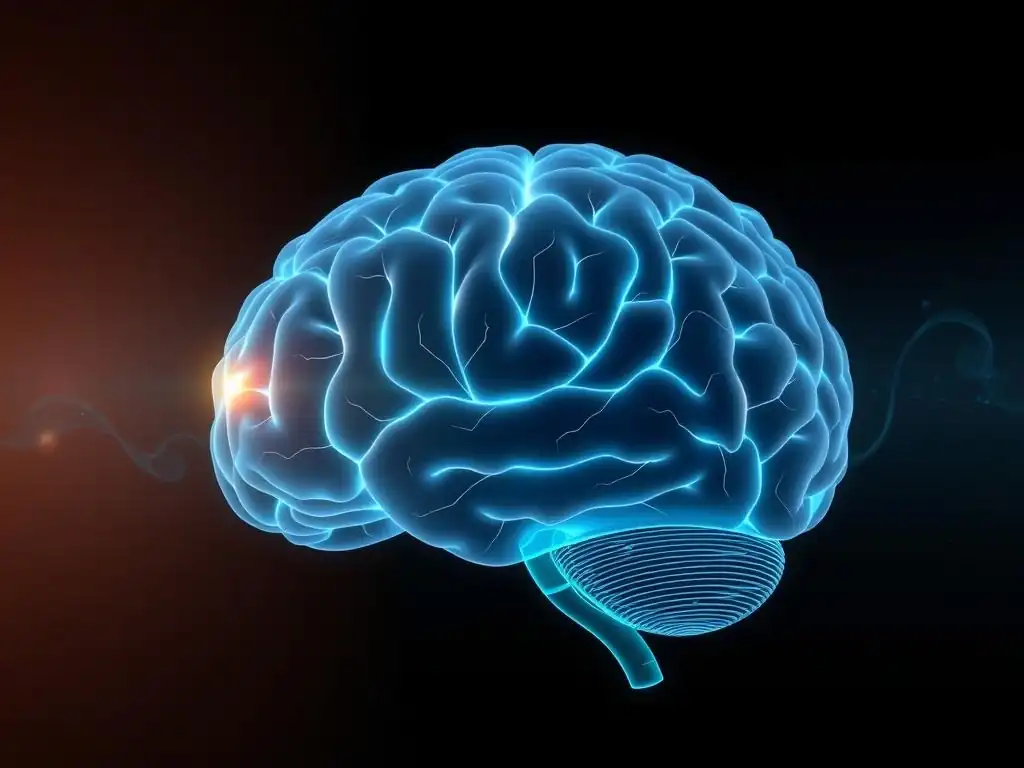
Stress does not impact the brain uniformly; different regions exhibit unique vulnerabilities and responses to stress exposure. Understanding these regional differences is key to unraveling the complexity of stress-related disorders.
The Amygdala's Role in Fear Conditioning and Anxiety
The amygdala, a small almond-shaped structure deep within the brain, is a central hub for processing emotions, particularly fear and anxiety. Its role in Stress neuroscience research breakthroughs explained is well-established, especially concerning fear conditioning – the process by which a neutral stimulus becomes associated with a fearful outcome. Stress significantly modulates amygdala activity and structure.
Chronic stress can lead to hypertrophy (increase in size) and increased neuronal excitability in the amygdala, making individuals more prone to experiencing fear and anxiety responses, even in the absence of a real threat. This hyper-responsiveness contributes to the pathophysiology of anxiety disorders and PTSD. Research shows that interventions targeting amygdala activity, such as certain types of psychotherapy or pharmacological agents, can help reduce excessive fear responses.
Hippocampal Neurogenesis and Stress: Implications for Cognitive Decline
The hippocampus is crucial for learning, memory, and regulating the stress response itself. Unlike most brain regions, the hippocampus is one of the few areas where new neurons are born throughout adulthood, a process called neurogenesis. Stress neuroscience research breakthroughs explained have shown that chronic stress is a potent suppressor of hippocampal neurogenesis.
Reduced neurogenesis in the hippocampus is associated with impaired learning and memory function, common symptoms in individuals experiencing chronic stress, depression, or PTSD. Furthermore, the hippocampus plays a vital role in inhibiting the HPA axis, helping to shut down the stress response. Damage or dysfunction in the hippocampus due to stress can impair this negative feedback loop, leading to prolonged elevated cortisol levels, which further harms the hippocampus. This creates a vicious cycle contributing to both cognitive deficits and persistent stress responses.
Prefrontal Cortex and Emotional Regulation Under Stress
The prefrontal cortex (PFC), the brain's executive control center, is responsible for complex cognitive functions like decision-making, working memory, and emotional regulation. It plays a critical role in evaluating threats and modulating the response generated by subcortical regions like the amygdala. However, the PFC is highly vulnerable to the effects of stress.
Acute stress can transiently impair PFC function, leading to impulsive behavior or difficulty concentrating. Chronic stress can cause structural changes, such as dendritic remodeling and loss of synapses, particularly in the medial PFC. This compromised PFC function contributes to difficulties in regulating emotions, inhibiting inappropriate behaviors, and making sound judgments, all of which are hallmarks of stress-related mental health conditions. Strengthening PFC function through techniques like cognitive behavioral therapy is a key strategy in managing stress and improving resilience.
Understanding how stress impacts specific brain circuits and cellular processes provides crucial insights into the biological underpinnings of various mental health disorders. Stress neuroscience research breakthroughs explained are redefining these conditions not just as psychological issues but as disorders rooted in neurobiological dysregulation.
Stress and Generalized Anxiety Disorder: A Neurobiological Perspective
Generalized Anxiety Disorder (GAD) is characterized by excessive worry and anxiety that is difficult to control. From a neurobiological standpoint, GAD is often linked to dysregulation in brain circuits involved in fear and worry, including the amygdala, prefrontal cortex, and hippocampus. Stress neuroscience research breakthroughs explained suggest that chronic stress can prime these circuits, lowering the threshold for triggering anxiety responses.
Studies using fMRI have shown that individuals with GAD often exhibit increased amygdala activity and altered connectivity between the amygdala and regions of the prefrontal cortex responsible for regulating emotion. This suggests a failure of top-down control over fear signals. Furthermore, disruptions in neurotransmitter systems, particularly GABA and serotonin, which are modulated by stress, are implicated in the persistent worry experienced in GAD.
The Link Between Stress and Major Depressive Disorder: Novel Biological Targets
Major Depressive Disorder (MDD) is strongly associated with stress exposure, particularly chronic or severe stress. Stress neuroscience research breakthroughs explained indicate that the link involves widespread changes in brain structure, function, and neurochemistry. Key biological targets include the HPA axis, neurotransmitter systems (serotonin, norepinephrine, dopamine), and neurotrophic factors like Brain-Derived Neurotrophic Factor (BDNF).
Chronic stress can lead to persistent activation of the HPA axis, resulting in elevated cortisol levels that can damage neurons, especially in the hippocampus and PFC. Reduced levels of BDNF, a protein vital for neuronal survival and plasticity, are commonly observed in individuals with depression and animal models of chronic stress. These findings suggest potential novel biological targets for antidepressant treatments, such as compounds that modulate the HPA axis, enhance neurogenesis, or increase BDNF levels.
Post-Traumatic Stress Disorder (PTSD): Understanding Fear Extinction
Post-Traumatic Stress Disorder (PTSD) develops in some individuals after experiencing a traumatic event. A core feature of PTSD is the failure of fear extinction – the process by which conditioned fear responses diminish over time in the absence of the threat. Stress neuroscience research breakthroughs explained point to specific brain circuit abnormalities underlying this failure.
Research indicates that individuals with PTSD often show hyperactive amygdala responses to trauma-related cues and reduced activity in the medial prefrontal cortex, particularly the ventromedial PFC (vmPFC), which is critical for inhibiting fear responses. The hippocampus also shows volume reductions and functional changes, potentially impairing the context-specific nature of fear memories. Understanding the neurobiology of fear extinction deficits is crucial for developing treatments that can help individuals with PTSD process traumatic memories and reduce their debilitating fear responses.
The Gut-Brain Axis and Stress Response: Emerging Research
An exciting and rapidly developing area in stress neuroscience is the study of the gut-brain axis – the bidirectional communication system between the gastrointestinal tract and the central nervous system. Emerging Stress neuroscience research breakthroughs explained highlight the profound influence of the gut microbiome on stress reactivity and mental health.
The Role of Vagus Nerve Stimulation in Modulating Stress Responses
The vagus nerve is a major component of the gut-brain axis, serving as a direct communication pathway between the brain and the gut. It transmits signals related to the physiological state of the gut, which can influence mood, stress levels, and inflammation. Stimulation of the vagus nerve (VNS) is being explored as a therapeutic approach for various conditions, including depression and potentially stress-related disorders.
Research suggests that VNS can modulate activity in brain regions involved in stress and mood regulation, such as the amygdala, hippocampus, and prefrontal cortex. It may also influence neurotransmitter release and reduce pro-inflammatory cytokine levels, which are often elevated in chronic stress states. While VNS is currently primarily used for treatment-resistant depression or epilepsy, ongoing stress neuroscience research is investigating its potential to directly buffer the physiological and psychological effects of stress by influencing gut-brain signaling.
Fecal Microbiota Transplantation and Stress Mitigation
The trillions of microorganisms living in our gut, collectively known as the gut microbiota, produce various metabolites and neuroactive compounds that can influence brain function and behavior. Stress can significantly alter the composition and diversity of the gut microbiota, and conversely, an unhealthy gut microbiome can exacerbate stress responses.
Fecal Microbiota Transplantation (FMT), the transfer of fecal material from a healthy donor to a recipient, is being explored as a way to restore a balanced gut microbiome. While primarily used for treating recurrent Clostridium difficile infections, preliminary research, particularly in animal models, suggests that FMT can influence stress-related behaviors and neurochemistry. For instance, transplanting microbiota from resilient animals into stress-vulnerable ones has been shown to reduce anxiety-like behaviors and alter brain neurochemistry. This emerging field of Stress neuroscience research breakthroughs explained holds potential, though human studies on FMT for stress-related mental health are still in very early stages.
Innovative Therapeutic Approaches Based on Stress Neuroscience

Insights from stress neuroscience are directly informing the development of novel and more targeted therapies for stress-related mental health conditions. These approaches move beyond traditional one-size-fits-all treatments.
Pharmacological Interventions: Targeting the HPA Axis
While traditional antidepressants and anti-anxiety medications target neurotransmitter systems, newer pharmacological approaches are exploring ways to modulate the hyperactive HPA axis often seen in chronic stress and depression. This represents a key area informed by Stress neuroscience research breakthroughs explained.
Drugs that block the effects of cortisol, such as glucocorticoid receptor antagonists, are being investigated. For example, some studies have explored the use of mifepristone, a glucocorticoid receptor blocker, in reducing symptoms of psychotic depression, a condition often associated with severe HPA axis dysregulation. While direct HPA axis modulators have faced challenges in clinical trials due to complex side effects, ongoing research aims to develop more selective compounds or identify specific patient subgroups who might benefit most from such interventions.
Non-Pharmacological Approaches: Transcranial Magnetic Stimulation (TMS)
Non-pharmacological brain stimulation techniques, such as Transcranial Magnetic Stimulation (TMS), are gaining traction as treatments for depression and are being explored for other stress-related disorders based on neurobiological understanding. TMS uses magnetic pulses delivered through the skull to stimulate or inhibit activity in specific brain regions.
Based on insights into the role of the prefrontal cortex in emotional regulation and its dysfunction in stress-related disorders, TMS is often targeted at the dorsolateral prefrontal cortex (dlPFC). Repetitive TMS (rTMS) applied to the left dlPFC is an FDA-approved treatment for major depression, likely working by modulating activity in circuits connected to mood-regulating areas. Stress neuroscience research is investigating whether specific TMS protocols or targeting other brain regions involved in stress circuits could be effective for conditions like GAD or PTSD, offering a non-invasive alternative to medication.
Personalized Medicine: Tailoring Interventions Based on Biomarkers
The future of treating stress-related disorders lies in personalized medicine, where interventions are tailored to an individual's specific neurobiological profile. Stress neuroscience research breakthroughs explained are identifying potential biomarkers – measurable biological indicators – that could help predict treatment response or vulnerability.
These biomarkers could include genetic variants (e.g., in genes like FKBP5), epigenetic markers, patterns of brain activity or connectivity observed in fMRI, or even components of the gut microbiome. For example, research might identify a specific fMRI signature in the amygdala-PFC circuit that predicts a better response to psychotherapy, or a genetic profile that suggests a more favorable outcome with a particular medication. While still an active area of research, using such biological data to guide clinical decisions holds the promise of more effective and efficient treatment for stress-related conditions.
The Future of Stress Neuroscience: Personalized Mental Healthcare
The culmination of advancements in stress neuroscience research points towards a future where mental healthcare for stress-related conditions is highly personalized, moving away from trial-and-error approaches.
Stratifying Patients Based on Stress Response Phenotypes
Individuals respond to stress in vastly different ways, both psychologically and biologically. Future stress neuroscience research will likely focus on identifying distinct "stress response phenotypes" – observable characteristics based on biological measures – that can help classify patients.
For instance, some individuals might exhibit primarily HPA axis hyperactivity, while others show dominant inflammatory responses, specific patterns of brain network dysfunction, or particular gut microbiome profiles. By stratifying patients based on these biological phenotypes, clinicians could potentially match them to the interventions most likely to be effective for their specific type of stress response dysregulation. This precision medicine approach, informed by Stress neuroscience research breakthroughs explained, aims to improve treatment outcomes significantly.
Predicting Stress Vulnerability: Polygenic Risk Scores
Genetic factors contribute significantly to an individual's susceptibility to stress-related disorders, though typically involving many genes each with a small effect (polygenic). Polygenic risk scores (PRS) combine the effects of thousands of common genetic variants to estimate an individual's genetic predisposition for a particular trait or disorder.
Stress neuroscience research is exploring the use of PRS to predict an individual's vulnerability to developing conditions like depression or PTSD following stress exposure. While PRS are not deterministic and environmental factors play a huge role, combining genetic risk information with other biological and environmental data could potentially identify individuals at higher risk. This could allow for proactive, preventative interventions or closer monitoring, representing a frontier in applying stress neuroscience insights.
Data Privacy and the Responsible Use of Neuroscience in Mental Health
As stress neuroscience research generates increasing amounts of sensitive biological data, including genetic information, brain imaging data, and potentially even microbiome profiles, ethical considerations surrounding data privacy and responsible use become paramount.
Collecting, storing, and analyzing this data requires robust security measures and clear ethical guidelines to protect individual privacy. Furthermore, translating complex neuroscientific findings into clinical practice must be done responsibly, avoiding oversimplification or deterministic interpretations that could lead to stigma or discrimination. Ensuring informed consent and transparency in how biological data is used for predicting vulnerability or tailoring treatments is crucial as the field of stress neuroscience advances towards personalized mental healthcare.
Conclusion: The Promise of Stress Neuroscience for Mental Health
Stress neuroscience is a dynamic and rapidly evolving field that is fundamentally changing our understanding of how stress impacts the brain and contributes to mental health disorders. Recent Stress neuroscience research breakthroughs explained have unveiled the complex interplay between neurons, glial cells, epigenetic mechanisms, and even the gut microbiome in shaping stress responses and vulnerability.
Summarizing Key Biological Insights and Discoveries
Key biological insights include the critical role of glial cells in neuroinflammation and synaptic dysfunction under chronic stress, the lasting impact of epigenetic modifications on stress sensitivity, and the specific vulnerabilities of brain regions like the amygdala, hippocampus, and prefrontal cortex. Emerging research on the gut-brain axis highlights a previously underappreciated pathway influencing stress reactivity. These discoveries provide a foundation for understanding the biological heterogeneity of stress-related disorders.
The Importance of Continued Investment in Stress Neuroscience Research
The advancements in stress neuroscience, particularly those representing Stress neuroscience research breakthroughs explained, are not just academic achievements; they hold immense promise for improving the lives of millions affected by stress-related mental health conditions. Continued investment in this research is essential to translate complex biological findings into effective preventative strategies, diagnostic tools, and personalized treatments. By unraveling the intricate biological tapestry of stress, we move closer to a future where mental healthcare is more precise, empathetic, and ultimately, more successful.
Frequently Asked Questions
What are some of the most promising areas of stress neuroscience research currently being explored?
Research is focusing on neuroplasticity and how the brain adapts to chronic stress. Another key area is identifying biomarkers for early stress detection. Finally, scientists are investigating the gut-brain axis and its role in stress response.
New understandings of stress pathways could lead to more targeted medications. Personalized therapies based on individual neurobiological profiles are also a possibility. Furthermore, research may pave the way for non-pharmacological interventions like neurofeedback.
What is the significance of biological insights in understanding stress and its effects on the body?
Biological insights help us understand the physiological mechanisms underlying stress. This allows us to identify vulnerable individuals and develop preventative strategies. Understanding the biology provides a more holistic view of stress.
How can individuals benefit from understanding the latest discoveries in stress neuroscience?
Understanding the neurobiological basis of stress empowers individuals to take proactive steps. They can make informed decisions about lifestyle modifications and seek appropriate support. This knowledge can reduce stigma associated with stress-related conditions.
What are the ethical considerations surrounding stress neuroscience research breakthroughs and their application?
Ensuring privacy and data security when using neurobiological data is crucial. There are concerns about potential misuse of information for discrimination or control. Careful consideration of informed consent and equitable access to treatments is essential.
Final Reflection: Charting a Course Through the Stressful Seas of the Future
The burgeoning field of stress neuroscience is not merely an academic pursuit; it's a vital roadmap for navigating the increasingly stressful realities of the 21st century. Our understanding of the biological mechanisms underlying stress, from the intricate dance of hormones to the plasticity of the brain itself, is rapidly evolving, offering unprecedented opportunities for prevention, intervention, and ultimately, a healthier future for us all. This progress holds the key to unlocking more effective treatments for stress-related disorders and improving overall well-being.
The impact of stress on our individual lives and on society as a whole is undeniable. It shapes our behaviors, our relationships, and even our collective societal structures. Stress is the tax we pay for living.
This simple yet profound statement highlights the pervasive nature of stress and its inescapable presence in the human experience. Understanding the biological underpinnings of stress allows us to move beyond simple coping mechanisms and delve into the very fabric of how our bodies and minds respond to challenge, paving the way for more targeted and effective interventions.
The future of stress neuroscience is bright, but it requires our continued engagement and commitment. Consider the implications of these discoveries for your own life. How can you integrate this new knowledge into your daily routines to better manage stress and promote resilience? What steps can you take to advocate for greater awareness and support for stress-related research and treatment? The journey towards a less stressful future begins with each of us, and by embracing this knowledge, we can collectively chart a course towards a healthier, more balanced, and ultimately, more fulfilling life.
Unlock Your Brain's Potential: Take Charge of Your Stress
Thanks for diving into the fascinating world of stress neuroscience with us! We hope you gained valuable insights into the latest biological discoveries and how they impact your well-being. Now, let's put that knowledge into action.
- Prioritize one small stress-reducing activity today: This could be anything from a 10-minute walk in nature to practicing mindful breathing. Even small steps make a big difference!
- Share this article with someone who might benefit: Help spread awareness about the power of understanding stress biology and the simple steps we can take to improve our mental health.
- Explore a new relaxation technique: Try searching online for guided meditations, progressive muscle relaxation exercises, or other techniques that resonate with you. Experiment and find what works best for your mind and body.
What simple change will you make today to better manage stress, inspired by these new insights?