
GABA and Stress: Why Your Brain's Biological Brake System Can Fail

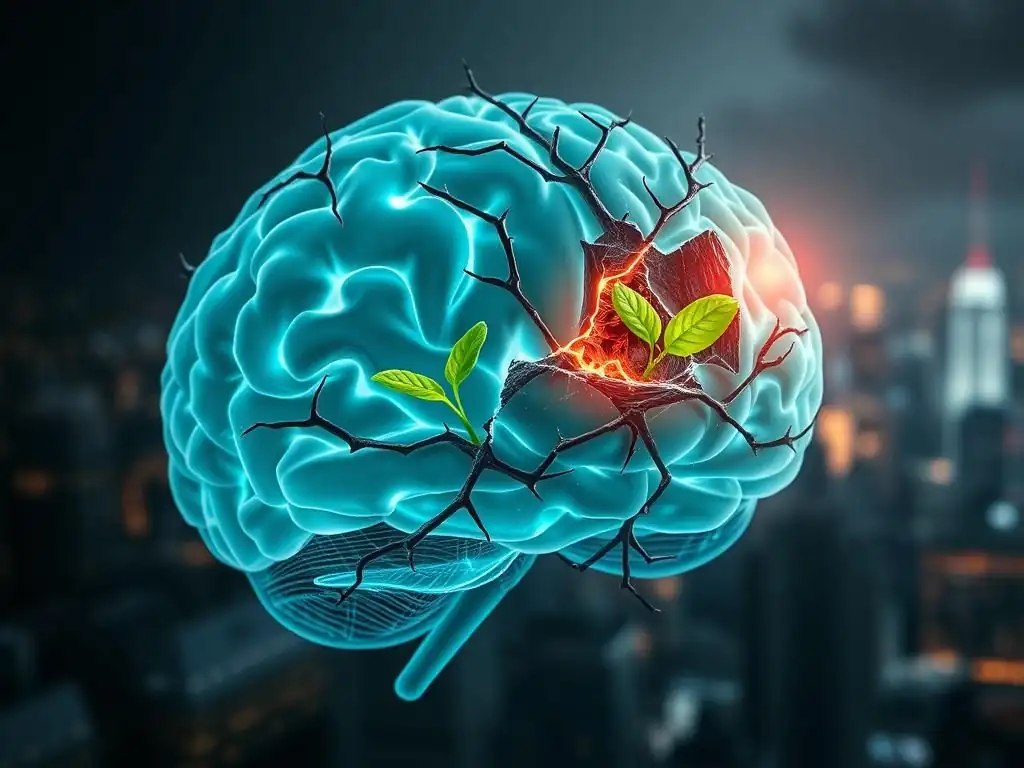
Welcome to Mind Care Guide, a space dedicated to nurturing your mental well-being.
Feeling overwhelmed? You're not alone. Could a hidden imbalance be contributing to your stress? Dive into our exploration of GABA deficiency causes stress and discover how this crucial neurotransmitter impacts your brain's ability to cope. We'll unravel the science behind GABA, its role in managing anxiety, and what you can do to support its healthy function. Curious to learn how your brain's natural "brake system" works?
GABA and Stress: Why Your Brain's Biological Brake System Can Fail
- Introduction to GABA and Stress Regulation
- The Neuroscience of GABA Deficiency and Stress
- Symptoms of GABA Deficiency Related to Stress
- Causes of GABA Deficiency: Why the Brake System Fails
- Addressing GABA Deficiency to Reduce Stress
- The Long-Term Effects of Untreated GABA Deficiency and Chronic Stress
- Conclusion: Restoring GABA Balance for Stress Management and Mental Well-being
-
Frequently Asked Questions
- What exactly is GABA and what role does it play in mental well-being?
- How does a GABA deficiency potentially contribute to increased stress levels?
- What are some common symptoms that might indicate a potential GABA deficiency related to stress?
- Are there any known causes for a GABA deficiency that might lead to increased stress?
- What are some potential strategies for addressing a GABA deficiency and reducing stress, according to Mind Care Guide?
- Final Reflection: Rewiring Your Response to Stress: The Power of GABA
- Unlock Your Inner Calm: Take Control of Stress Today
Introduction to GABA and Stress Regulation
Understanding GABA: The Brain's Natural Calming Agent
Gamma-aminobutyric acid (GABA) is the primary inhibitory neurotransmitter in the central nervous system. Unlike excitatory neurotransmitters that stimulate brain activity, GABA acts like a "brake," reducing neuronal excitability throughout the nervous system. It achieves this by binding to GABA receptors on neurons, which typically increases the flow of negatively charged ions into the cell, making it less likely to fire an action potential. This inhibitory action is crucial for maintaining a balanced state in the brain, preventing it from becoming overstimulated.
This inhibitory function is vital for various brain processes, including regulating mood, sleep cycles, and overall nervous system activity. When GABA levels are optimal, the brain can maintain a state of calm and controlled activity. This balance is fundamental for preventing excessive neuronal firing that could otherwise lead to feelings of anxiety, restlessness, or overstimulation.
The Role of GABA in Managing Stress Responses
GABA plays a critical role in modulating the body's response to stress. When a stressor is perceived, the brain activates the sympathetic nervous system and the hypothalamic-pituitary-adrenal (HPA) axis, leading to the release of stress hormones like cortisol. GABA helps to counteract this excitatory cascade by dampening the activity in brain regions involved in the stress response, such as the amygdala.
By inhibiting the activity of neurons involved in fear and anxiety circuits, GABA effectively helps to "turn down" the intensity of the stress response. It promotes relaxation and helps the brain return to a state of equilibrium after a stressful event. Adequate GABA function is therefore essential for effective stress management and preventing the stress response from becoming chronic or overwhelming.
How Stress Impacts GABA Levels in the Brain
Research indicates a complex bidirectional relationship between stress and GABA. While GABA helps manage stress, chronic or severe stress can negatively impact the GABAergic system. Prolonged exposure to high levels of stress hormones, particularly cortisol, has been shown in some studies to potentially reduce GABA synthesis or impair the function of GABA receptors over time.
For example, studies on rodents exposed to chronic stress have demonstrated a decrease in GABAergic interneurons or reduced expression of GABA-synthesizing enzymes in certain brain areas. This suggests that persistent stress can weaken the brain's natural braking system, making individuals more susceptible to anxiety and heightened stress responses. This creates a challenging cycle where stress depletes GABA, which in turn makes one less equipped to handle future stress, highlighting how GABA deficiency causes stress symptoms to become more pronounced.
The Neuroscience of GABA Deficiency and Stress
Exploring the Link Between Low GABA and Anxiety
A direct and significant link exists between low levels of GABA activity and increased anxiety. When there is insufficient GABA or impaired GABA receptor function, the inhibitory tone in the brain is reduced. This leads to excessive firing of neurons, particularly in areas associated with fear and anxiety. This hyperexcitability is a hallmark of anxiety disorders.
Studies using techniques like magnetic resonance spectroscopy (MRS) have sometimes shown lower concentrations of GABA in certain brain regions, such as the prefrontal cortex, in individuals with generalized anxiety disorder compared to healthy controls. This evidence supports the hypothesis that insufficient GABAergic inhibition contributes directly to the heightened state of worry, apprehension, and physiological arousal experienced in anxiety. The impact of GABA deficiency causes stress responses to be less regulated, contributing to the cycle of anxiety.
GABA's Influence on the Amygdala and Fear Response
The amygdala is a key brain structure involved in processing emotions, particularly fear and threat detection. It acts like an alarm system, triggering the fight-or-flight response. GABA plays a crucial role in regulating the activity of the amygdala. By inhibiting neurons within the amygdala and its connections, GABA helps to prevent the amygdala from becoming overactive and triggering false alarms or exaggerated fear responses.
When GABA levels are low or its function is impaired, the amygdala can become hyperactive. This leads to an increased sensitivity to potential threats and a heightened fear response, even in the absence of real danger. This dysregulation in the amygdala's activity, due to insufficient GABAergic inhibition, is strongly implicated in conditions like panic disorder and phobias, illustrating a specific way GABA deficiency causes stress-related fear responses.
The Connection Between GABA, Cortisol, and the HPA Axis
GABA is intricately connected to the hypothalamic-pituitary-adrenal (HPA) axis, the body's central stress response system. The HPA axis involves a chain of command starting in the hypothalamus, signaling the pituitary gland, which then signals the adrenal glands to release cortisol. While cortisol is essential for short-term stress adaptation, chronic elevation is detrimental.
GABA can influence the HPA axis at multiple levels. It can inhibit the release of corticotropin-releasing hormone (CRH) from the hypothalamus, thereby dampening the entire stress cascade. Furthermore, GABAergic neurons in the prefrontal cortex can exert inhibitory control over the amygdala, which in turn influences the HPA axis. A deficiency in GABA can weaken this inhibitory control, leading to a hyperactive HPA axis and chronically elevated cortisol levels. This persistent activation contributes to the negative health consequences associated with chronic stress, demonstrating how GABA deficiency causes stress system dysregulation.
Identifying Potential Signs of Low GABA Levels
Recognizing the potential signs of low GABA levels can be challenging, as symptoms often overlap with various stress-related conditions. However, many symptoms point towards an overactive nervous system lacking sufficient inhibition. These can manifest as persistent feelings of being "wired and tired," difficulty relaxing, and a heightened startle response.
Individuals experiencing symptoms potentially linked to low GABA might report feeling restless, having racing thoughts, or experiencing muscle tension that doesn't seem to dissipate. While these symptoms are not exclusive to GABA deficiency, they are consistent with a brain and nervous system that lacks adequate inhibitory control. A pattern of several of these symptoms, especially when persistent, might suggest the impact of GABA deficiency causes stress symptoms to worsen.
Anxiety and Panic Attacks: A Common Manifestation of GABA Imbalance
One of the most widely recognized consequences of insufficient GABA is an increased propensity for anxiety and panic attacks. Without adequate GABAergic inhibition, the brain's fear circuits, particularly involving the amygdala, can become overly excitable, leading to disproportionate responses to perceived threats.
This can manifest as generalized anxiety, characterized by excessive worry about everyday events, or more acute episodes like panic attacks, which involve sudden, intense surges of fear accompanied by physical symptoms such as rapid heartbeat, shortness of breath, dizziness, and a sense of impending doom. The lack of GABA's calming influence means the brain struggles to dampen these intense fear signals, making anxiety and panic attacks more frequent or severe. The link between GABA deficiency causes stress-induced anxiety to become chronic.
Sleep Disturbances and Insomnia Linked to GABA Deficiency
GABA plays a crucial role in promoting relaxation and preparing the brain for sleep. It inhibits activity in brain regions that keep us awake and alert, helping the transition into sleep and maintaining sleep continuity. Low GABA levels or impaired GABA function can disrupt this process, leading to significant sleep problems.
Symptoms can include difficulty falling asleep (insomnia), frequent awakenings during the night, or waking up feeling unrefreshed. A brain that is lacking sufficient GABAergic inhibition may remain too active and alert, preventing it from entering the necessary stages of deep sleep required for physical and mental restoration. This highlights how GABA deficiency causes stress on the body by disrupting vital rest.
Irritability and Difficulty Concentrating as GABA Deficiency Symptoms
Beyond anxiety and sleep issues, GABA deficiency can also contribute to difficulties with emotional regulation and cognitive function. Without sufficient inhibitory control, the brain may struggle to filter out distractions, leading to problems with focus and concentration. This can make tasks requiring sustained attention feel overwhelming.
Furthermore, reduced GABAergic tone can contribute to increased irritability and restlessness. The constant feeling of being on edge or overstimulated can make it harder to manage emotions effectively, leading to heightened frustration or difficulty remaining calm in challenging situations. These cognitive and emotional symptoms are consistent with a nervous system that is running without its full complement of inhibitory brakes.
Causes of GABA Deficiency: Why the Brake System Fails
Genetic Predisposition to Low GABA Production
Individual differences in the genetic makeup can influence the efficiency of the GABAergic system. Variations in genes that code for enzymes involved in GABA synthesis (like glutamate decarboxylase - GAD) or for GABA receptor subunits can affect how much GABA is produced or how effectively it functions. While research in this area is ongoing, studies have identified certain genetic polymorphisms that may be associated with altered GABAergic signaling and an increased susceptibility to anxiety disorders.
For example, variations in genes encoding certain GABA receptor subunits (e.g., GABA A receptor subunits) have been explored in relation to panic disorder and generalized anxiety disorder. While not deterministic, a genetic predisposition can mean that an individual's GABA system is less robust from the outset, making them more vulnerable to the effects of stress or other factors that can further deplete GABA. This foundational vulnerability can be a root cause why GABA deficiency causes stress to be perceived and handled less effectively.
Chronic Stress and its Impact on GABAergic Neurons
As mentioned earlier, chronic stress is a significant culprit in potentially disrupting the GABAergic system. Prolonged exposure to stress hormones, particularly glucocorticoids like cortisol, can have neurotoxic effects on certain types of neurons, including some GABAergic interneurons in critical brain regions like the hippocampus and prefrontal cortex.
Studies in animal models and post-mortem human brain tissue from individuals with stress-related disorders have sometimes shown reduced numbers or impaired function of these inhibitory neurons. This suggests a vicious cycle where chronic stress, initially causing a stress response, can over time degrade the very system (GABA) designed to regulate it. This makes it clear how chronic stress can be a direct cause of GABA deficiency causes stress levels to escalate further.
Nutritional Deficiencies Affecting GABA Synthesis
The synthesis of GABA in the brain relies on specific nutritional building blocks and cofactors. GABA is synthesized primarily from glutamate, another amino acid, through the action of the enzyme GAD. This enzymatic conversion requires vitamin B6 (pyridoxal phosphate) as a crucial cofactor. Deficiencies in essential nutrients, particularly vitamin B6, can potentially impair the brain's ability to produce sufficient GABA.
While severe clinical deficiencies in these nutrients are less common in developed countries, suboptimal levels could theoretically impact neurotransmitter synthesis. Ensuring adequate intake of dietary sources rich in glutamate (protein sources) and vitamin B6 (e.g., fish, poultry, potatoes, bananas) is important for overall brain health, including supporting GABA production. Nutritional shortfalls are one reason why GABA deficiency causes stress-related issues to persist.
The Role of Lifestyle Factors in GABA Regulation
Beyond genetics, stress, and nutrition, various lifestyle factors significantly influence GABA levels and function. Poor sleep quality or chronic sleep deprivation can disrupt neurotransmitter balance, including GABA. Excessive alcohol consumption acutely enhances GABAergic activity (contributing to its relaxing effects), but chronic alcohol use can lead to compensatory down-regulation of GABA receptors or impaired synthesis, contributing to withdrawal symptoms like anxiety and seizures.
Lack of regular physical activity is also associated with poorer stress resilience and potentially lower GABA tone, as exercise has been shown to influence neurotransmitter levels. Conversely, engaging in practices like yoga or meditation has been linked to increased GABA levels in specific brain regions. These lifestyle choices collectively impact the brain's ability to maintain optimal GABA function, highlighting how lifestyle contributes to whether GABA deficiency causes stress or if the system remains robust.
Addressing GABA Deficiency to Reduce Stress
Lifestyle Modifications to Boost GABA Levels Naturally
Fortunately, there are several lifestyle changes that can support healthy GABA levels and function, offering natural ways to help counteract the effects of GABA deficiency causes stress. These approaches focus on reducing overall stress, supporting nutrient availability, and engaging in activities known to positively influence brain chemistry.
Adopting a holistic approach that incorporates multiple strategies is often the most effective way to enhance the brain's natural calming system. Consistency in these practices is key to seeing sustained benefits in stress management and overall well-being.
Dietary Strategies for Enhancing GABA Production
While consuming GABA directly in food doesn't significantly increase brain GABA due to the blood-brain barrier, certain dietary choices can support its production. Foods rich in glutamate, the precursor amino acid, and vitamin B6, the necessary cofactor, are beneficial. These include high-protein foods like meat, fish, eggs, and dairy, as well as vegetables like spinach, broccoli, and potatoes, and fruits like bananas and avocados.
Some fermented foods, such as kimchi, sauerkraut, and yogurt, contain Lactobacillus strains of bacteria that can produce GABA in the gut. While the extent to which gut-produced GABA influences brain GABA is still being researched, a healthy gut microbiome is increasingly recognized for its role in the gut-brain axis and overall mental well-being. Incorporating these foods can be part of a supportive diet against issues where GABA deficiency causes stress.
The Importance of Exercise for GABA Release
Regular physical exercise has been shown to have a positive impact on GABA levels and activity in the brain. Aerobic exercise, in particular, has been linked to increased GABA concentrations in areas like the motor cortex. While the exact mechanisms are still being studied, exercise appears to promote the synthesis and release of GABA.
Engaging in activities like brisk walking, running, swimming, or cycling for recommended durations (e.g., 30 minutes most days of the week) can serve as a natural stress reliever and contribute to a healthier neurotransmitter balance. This is a powerful tool against the symptoms that arise when GABA deficiency causes stress levels to feel overwhelming.
Mindfulness and Meditation for GABA Regulation
Mindfulness practices and meditation techniques have gained attention for their stress-reducing benefits, and research suggests a potential link to GABA. A study published in 2010 in the Journal of Alternative and Complementary Medicine found that individuals who participated in a yoga intervention showed increased GABA levels in the thalamus compared to a control group.
While more research is needed, it's hypothesized that these practices, which promote relaxation and reduce rumination, may positively influence GABAergic tone. Incorporating daily mindfulness exercises or meditation sessions can be a calming strategy that supports the brain's natural ability to regulate stress, potentially counteracting the effects of GABA deficiency causes stress symptoms.
GABA Supplements: Benefits and Considerations
GABA is available as a dietary supplement. The theory is that supplementing with GABA could directly increase brain GABA levels and reduce anxiety. However, exogenous GABA faces challenges crossing the blood-brain barrier (BBB), the protective filter between the bloodstream and the brain. Research is mixed, with some studies suggesting a modest effect on relaxation, possibly through effects on the gut-brain axis or peripheral nervous system, while others show no significant impact on brain GABA concentrations.
Other supplements that are sometimes used to influence the GABA system include L-theanine (found in green tea), which can increase GABA production and influence other calming neurotransmitters, and compounds like Picamilon (GABA bonded with niacin) or Phenibut (GABA bonded with a phenyl ring), which were designed to cross the BBB more effectively. However, Picamilon and Phenibut are not available as dietary supplements in many countries (including the US for Phenibut) due to regulatory concerns and potential for dependence or side effects.
Exploring Different GABA Supplement Forms: GABA, Picamilon, Phenibut
- GABA (Gamma-aminobutyric acid): The most common form. As discussed, its ability to cross the BBB is limited, making its direct impact on brain GABA levels debatable. Some users report relaxation benefits, which might be due to peripheral effects or placebo.
- Picamilon: A synthetic compound combining GABA and niacin. It is designed to cross the BBB and then hydrolyze into GABA and niacin. It has been used in some countries for neurological conditions, but its status as a dietary supplement is restricted in many places.
- Phenibut: A synthetic compound structurally similar to GABA but with a phenyl group allowing it to cross the BBB more readily. It acts as a GABA-B receptor agonist and also influences GABA-A receptors. Due to its potential for dependence, withdrawal symptoms, and serious side effects, it is not approved as a drug or dietary supplement in many countries and is considered risky for self-administration.
Given the regulatory status and potential risks associated with compounds like Picamilon and Phenibut, and the questionable efficacy of oral GABA in directly increasing brain GABA, alternative strategies like lifestyle modifications or discussing other options with a healthcare provider are often preferred for addressing issues where GABA deficiency causes stress.
Dosage Recommendations and Potential Side Effects
Dosage recommendations for GABA supplements vary widely, often ranging from 100 mg to 500 mg, sometimes taken multiple times a day. However, there is no universally established effective dose due to the uncertainty of its mechanism of action in the brain via oral supplementation. It is crucial to start with the lowest possible dose and monitor effects.
Potential side effects are generally mild but can include stomach upset, nausea, or drowsiness. High doses might theoretically lead to excessive sedation. Due to the limited research on its long-term effects and interactions, especially when considering the potential for dependence with stronger GABAergic substances like Phenibut, it is absolutely essential to consult a healthcare professional before starting any GABA supplement, particularly if taking other medications or having pre-existing health conditions. They can provide guidance on whether supplementation is appropriate and safe, especially when considering that GABA deficiency causes stress symptoms that might require a different approach.
Medical Interventions for Severe GABA Deficiency and Stress
In cases of severe anxiety disorders or stress-related conditions where lifestyle changes and supplements are insufficient, medical interventions targeting the GABA system may be considered. These are typically prescription medications and are used under strict medical supervision due to their potency and potential side effects or dependence.
These medical approaches often aim to enhance the effects of existing GABA in the brain or directly stimulate GABA receptors, providing a stronger inhibitory effect to counteract excessive neuronal activity. They are usually reserved for acute or severe symptoms and are often used as part of a broader treatment plan.
Prescription Medications Targeting GABA Receptors: Benzodiazepines and Barbiturates
Benzodiazepines (e.g., alprazolam, lorazepam, diazepam) and barbiturates (e.g., phenobarbital) are classes of prescription drugs that exert their effects by enhancing the activity of GABA at the GABA A receptor. Benzodiazepines increase the frequency of chloride channel opening when GABA binds, while barbiturates increase the duration of opening. Both actions increase inhibitory signaling.
These medications can be highly effective in acutely reducing anxiety, promoting sleep, and preventing seizures. However, they carry significant risks, including sedation, cognitive impairment, tolerance, and physical dependence and withdrawal, especially with long-term use. They are typically prescribed for short durations or for acute symptom management, highlighting the need for careful consideration when GABA deficiency causes stress requiring potent pharmacological intervention.
Therapeutic Approaches for Restoring GABA Balance: Cognitive Behavioral Therapy
While not directly pharmacological, psychological therapies like Cognitive Behavioral Therapy (CBT) can have a profound impact on brain function, potentially including the GABAergic system. CBT helps individuals identify and change negative thought patterns and behaviors that contribute to anxiety and stress. By learning coping mechanisms and altering reactions to stressors, individuals can reduce the activation of stress circuits in the brain.
Some fMRI studies have shown that successful psychotherapy for anxiety disorders can lead to changes in brain activity patterns, including normalization of activity in regions like the amygdala and prefrontal cortex, areas regulated by GABA. While not a direct GABA treatment, therapeutic approaches like CBT offer a way to modulate the brain's stress response and potentially support the restoration of neurotransmitter balance over time, addressing the behavioral and cognitive aspects that contribute when GABA deficiency causes stress and anxiety.
The Long-Term Effects of Untreated GABA Deficiency and Chronic Stress
Increased Risk of Mental Health Disorders
Untreated GABA deficiency, particularly when it contributes to chronic stress and anxiety, significantly increases the risk of developing other mental health disorders. The persistent state of heightened neuronal activity and dysregulated stress response can create a vulnerability for conditions beyond anxiety.
This includes a higher likelihood of developing major depressive disorder, as chronic stress and HPA axis dysfunction are strongly implicated in depression. Substance use disorders are also more common, as individuals may turn to alcohol or drugs to self-medicate the discomfort caused by anxiety and overstimulation resulting from insufficient GABAergic inhibition. The long-term impact of GABA deficiency causes stress to become a gateway to more complex psychiatric issues.
Impact on Cognitive Function and Memory
Chronic stress and the underlying neurotransmitter imbalances, including low GABA, can impair cognitive function. The hippocampus, a brain region critical for memory formation and retrieval, is particularly vulnerable to the effects of chronic stress hormones. Reduced GABAergic tone in areas like the prefrontal cortex, which is involved in executive functions, can lead to difficulties with concentration, attention, decision-making, and problem-solving.
Individuals may report feeling like their thinking is foggy or that they struggle to remember things. This cognitive decline is not just a temporary state during stressful periods but can become a more persistent issue when the brain's calming systems are chronically impaired. The cognitive burden is a significant consequence when GABA deficiency causes stress to become a constant companion.
The Link Between Chronic Stress, GABA Imbalance, and Physical Health
The connection between chronic stress and physical health is well-established, and GABA imbalance may play a mediating role. The persistent activation of the stress response system, fueled by insufficient GABAergic inhibition, can lead to chronic inflammation, cardiovascular strain, immune system dysfunction, and digestive issues.
For instance, chronic stress is a risk factor for conditions like hypertension, heart disease, and irritable bowel syndrome. While GABA's direct role in these physical conditions is complex, its central role in regulating the stress response means that its deficiency can contribute to the systemic wear and tear caused by prolonged stress. This underscores that when GABA deficiency causes stress, the impact extends far beyond mental well-being, affecting the entire body.
Conclusion: Restoring GABA Balance for Stress Management and Mental Well-being
The Importance of a Holistic Approach to GABA Regulation
Understanding that GABA deficiency causes stress and anxiety highlights the importance of supporting this vital neurotransmitter. Restoring and maintaining healthy GABA levels is not typically achieved through a single fix but requires a comprehensive, holistic approach. This involves addressing the root causes of imbalance, including managing chronic stress, ensuring adequate nutrition, adopting healthy lifestyle habits like regular exercise and sufficient sleep, and potentially incorporating mindfulness practices.
Focusing solely on one aspect, such as supplements, without addressing underlying lifestyle or stress issues is unlikely to provide lasting relief. A balanced approach recognizes the interconnectedness of mind and body and aims to support the brain's natural capacity for regulation and resilience.
Seeking Professional Help for Persistent Stress and Potential GABA Deficiency
If you are experiencing persistent symptoms of stress, anxiety, sleep disturbances, or other issues that might suggest a GABA imbalance, it is crucial to seek professional help. Self-diagnosing GABA deficiency causes stress symptoms to be misinterpreted, potentially delaying effective treatment. A healthcare provider, such as a primary care physician, psychiatrist, or licensed therapist, can properly evaluate your symptoms, rule out other potential causes, and recommend appropriate interventions.
They can provide guidance on evidence-based therapies like CBT, discuss the potential role of lifestyle modifications, and, if necessary, evaluate whether medication or certain supplements might be appropriate as part of a supervised treatment plan. Professional support ensures that you receive accurate information and safe, effective care tailored to your individual needs.
Future Research Directions in GABA and Stress Management
Research into the complex relationship between GABA and stress is ongoing, with exciting avenues for future exploration. Scientists are continually working to better understand the precise mechanisms by which stress impacts GABAergic neurons, the specific roles of different GABA receptor subtypes in stress and anxiety, and the potential for novel therapeutic targets.
Investigation into the gut-brain axis and how the microbiome influences GABA production and signaling is also a rapidly developing field. As our understanding grows, it may lead to more targeted and effective strategies for preventing and treating conditions where GABA deficiency causes stress and anxiety, offering new hope for improved mental well-being.
Frequently Asked Questions
What exactly is GABA and what role does it play in mental well-being?
GABA, or gamma-aminobutyric acid, is a neurotransmitter in the brain. It acts as an inhibitory neurotransmitter, essentially slowing down brain activity and promoting relaxation. This helps regulate anxiety and stress.
How does a GABA deficiency potentially contribute to increased stress levels?
A GABA deficiency means there's less of this "brake" available. This can lead to overstimulation and difficulty calming down, resulting in heightened anxiety and stress. The brain struggles to regulate itself properly.
Symptoms can include chronic anxiety, difficulty sleeping, feeling overwhelmed easily, and experiencing panic attacks. Muscle tension and heightened sensitivity to stimuli are also possible indicators of a GABA imbalance.
Are there any known causes for a GABA deficiency that might lead to increased stress?
Several factors can contribute, including chronic stress itself, poor diet (lacking nutrients needed for GABA production), genetic predisposition, and certain medical conditions. Lifestyle factors such as lack of sleep also play a role.
What are some potential strategies for addressing a GABA deficiency and reducing stress, according to Mind Care Guide?
Mind Care Guide may recommend lifestyle changes like improving sleep, diet, and exercise. It may also discuss stress management techniques such as meditation and mindfulness. In some cases, GABA supplements or medications might be considered, but always consult a doctor.
Final Reflection: Rewiring Your Response to Stress: The Power of GABA
Understanding GABA's role in stress management is not just a scientific pursuit; it's a crucial key to unlocking a healthier, more resilient you. The pervasive nature of stress in modern life makes understanding our brain's natural calming mechanisms, like the GABA system, more vital than ever. Ignoring this biological brake system can lead to a cascade of negative consequences, impacting everything from our mental well-being to our physical health.
The exploration of GABA's influence on stress has profoundly impacted my understanding of mental health, shifting my perspective from a purely symptomatic approach to a more holistic view of the mind-body connection. The mind is its own place, and in itself can make a heaven of hell, a hell of heaven.
– John Milton. This quote resonates deeply because our internal landscape, shaped in part by our GABAergic function, significantly determines our experience of stress and our ability to navigate challenging situations. The more we understand the intricate workings of our neurochemistry, the better equipped we are to support our mental and emotional well-being.
Now, consider your own relationship with stress. Are you noticing signs of a potentially imbalanced GABA system? This article is not just a collection of facts; it's an invitation to explore your own internal landscape.
Take some time to reflect on your stress responses, your sleep patterns, and your overall sense of calm. Consider incorporating stress-reducing techniques like mindfulness, exercise, and a balanced diet, all of which can indirectly support healthy GABA function. By understanding the power of GABA, you can begin to actively cultivate a more resilient and peaceful life, one where you are better equipped to navigate the inevitable challenges that life throws your way.
Unlock Your Inner Calm: Take Control of Stress Today
Thanks for diving into the world of GABA and stress with us! We hope you gained valuable insights into your brain's natural calming mechanisms. Now it's time to put that knowledge into action.
- Prioritize a GABA-boosting lifestyle: Start small! Focus on one change this week – whether it's adding a calming evening routine, incorporating magnesium-rich foods, or finding time for gentle exercise.
- Share your experiences: Connect with our community! Tell us what strategies you're using to manage stress and support your GABA levels. What surprising techniques are working best for you?
- Explore Mind Care Guide's resources: Dive deeper into the science and practical application of stress reduction with our other articles on mindfulness and relaxation techniques.
Ready to experience the benefits of a balanced GABA system? What's one small step you'll take today to prioritize your inner calm?