
The Cerebellum Under Stress: An Unexpected Biological Target

Welcome to Mind Care Guide.
Are you experiencing unexplained stress or anxiety? What if the key to unlocking your resilience lies in understanding a part of your brain you might not even know contributes to stress responses? This article delves into the fascinating world of Cerebellum stress response mechanisms, revealing how this often-overlooked brain region plays a critical role in your mental well-being. Prepare to explore the surprising connection between the cerebellum and your emotional landscape, and discover potential new avenues for managing stress effectively. Intrigued? Let's delve deeper into this unexpected biological target.
The Cerebellum Under Stress: An Unexpected Biological Target
- Introduction: The Cerebellum's Role Beyond Motor Control
- The Cerebellum and Stress: Challenging Conventional Wisdom
- Cerebellum Stress Response Mechanisms: A Detailed Look
- The Impact of Chronic Stress on Cerebellar Function
- Cerebellum Stress Response and Mental Health: Implications
- Protecting the Cerebellum from Stress: Strategies for Mental Well-being
- Cerebellar Resilience: Fostering Neuroplasticity and Recovery
- Future Directions in Cerebellum Stress Research
- Conclusion: The Cerebellum as a Key Player in Stress and Mental Health
-
Frequently Asked Questions
- How does stress impact the cerebellum, according to recent research?
- What are "Cerebellum stress response mechanisms" and why are they important?
- Why is the cerebellum considered an "unexpected target" of stress?
- What mental health challenges might be linked to a stressed cerebellum?
- What resources does Mind Care Guide offer related to stress and mental well-being?
- Final Reflection: The Cerebellum's Silent Cry Under Stress
- Unlock Your Cerebellum's Resilience: Practical Steps to Better Brain Health
Introduction: The Cerebellum's Role Beyond Motor Control
Unveiling the Cerebellum's Diverse Functions
For decades, the cerebellum was primarily understood as the brain's control center for movement, coordination, and balance. Its intricate circuitry, particularly the vast number of neurons it houses – estimated to be around 80% of the brain's total despite making up only about 10% of its volume – pointed towards a highly specialized motor role. However, recent research has dramatically expanded our understanding, revealing its critical involvement in a wide array of non-motor functions. These include cognitive processes like attention, language processing, learning, and even higher-level executive functions such as planning and working memory.
Beyond cognition, the cerebellum is now recognized as a significant contributor to emotional regulation and social behavior. Studies using functional neuroimaging techniques have shown cerebellar activity during tasks involving emotional processing, empathy, and social cognition. Damage or dysfunction in specific cerebellar regions has been linked to difficulties in emotional control and social interaction. This evolving perspective positions the cerebellum not just as a motor maestro, but as a complex hub integrated into vast neural networks governing our thoughts, feelings, and interactions with the world.
Stress and the Brain: Exploring Unexpected Targets
Stress, whether acute or chronic, triggers a cascade of physiological and neurological responses designed to help an organism cope with perceived threats. While the spotlight in stress research has often been on brain areas traditionally associated with emotion and memory, such as the amygdala, hippocampus, and prefrontal cortex, the pervasive nature of stress suggests its impact is far more widespread. The intricate web of neural connections means that even regions not initially considered primary stress targets can be significantly affected.
Exploring these less-studied regions is vital for a complete picture of stress's impact on mental health. The cerebellum, with its recently discovered roles in cognition and emotion, emerges as a compelling candidate for such investigation. Understanding the cerebellum stress response mechanisms is critical because dysfunction here could contribute to a broader range of stress-related mental health challenges than previously thought. Pinpointing these unexpected targets helps us develop more comprehensive strategies for stress management and mental well-being.
The Cerebellum and Stress: Challenging Conventional Wisdom
Why the Cerebellum is Often Overlooked in Stress Research
Historically, the dominant view of the cerebellum as solely a motor structure led researchers to focus on other brain regions when studying stress and emotional disorders. The hippocampus and amygdala, with their well-established roles in memory formation and fear processing, were natural starting points for investigating how stress impacts learning, memory, and emotional reactivity. The prefrontal cortex was studied for its role in executive control and regulating stress responses. This historical bias meant that while these areas received extensive attention, the cerebellum remained largely on the periphery of stress-related neuroscience.
Another factor contributing to the oversight is the complexity of cerebellar circuitry and its diverse connections. Unlike the more straightforward, layered structures of the hippocampus or cortex, the cerebellum's organization, dominated by Purkinje cells and granule cells, presented unique challenges for early research techniques. Furthermore, many classic animal models of stress focused on behaviors primarily mediated by forebrain structures. This combination of historical perspective, structural complexity, and research methodologies contributed to the cerebellum being an often-missed piece in the complex puzzle of the brain's response to stress.
Emerging Evidence: The Cerebellum's Sensitivity to Stress
Despite the historical oversight, a growing body of research now provides compelling evidence that the cerebellum is indeed sensitive to stress. Studies in both animal models and humans are revealing significant structural and functional changes in the cerebellum following exposure to various types of stress. For example, chronic unpredictable stress in rodents has been shown to alter synaptic plasticity and neurogenesis in specific cerebellar regions, particularly the vermis and hemispheres.
In humans, neuroimaging studies using techniques like MRI have observed cerebellar volume differences in individuals experiencing chronic stress or diagnosed with stress-related disorders such as PTSD. Some studies have reported reduced gray matter volume in specific cerebellar subregions in these populations compared to healthy controls. This emerging evidence strongly suggests that the cerebellum is not merely an innocent bystander during stress but is actively involved in the brain's stress response mechanisms and can be significantly impacted by prolonged exposure to stressors.
Cerebellum Stress Response Mechanisms: A Detailed Look
The HPA Axis and Cerebellar Modulation
The hypothalamic-pituitary-adrenal (HPA) axis is the body's primary stress response system, culminating in the release of glucocorticoid hormones like cortisol. Research indicates that the cerebellum is not isolated from this axis but rather interacts with it. Glucocorticoid receptors, which bind cortisol, have been found in various cerebellar regions, including Purkinje cells and granule cells. This presence suggests that cerebellar neurons can directly respond to the hormonal signals of stress.
Furthermore, the cerebellum sends projections to brainstem nuclei that are involved in regulating the HPA axis. This reciprocal connection implies that the cerebellum can potentially modulate the activity of the HPA axis itself, influencing the overall intensity and duration of the stress response. Understanding this interplay is crucial for deciphering the full scope of cerebellum stress response mechanisms and how they contribute to the body's adaptation or maladaptation to stressful experiences.
Neurotransmitter Changes in the Cerebellum Under Stress: GABA and Glutamate
Stress significantly impacts neurotransmitter systems throughout the brain, and the cerebellum is no exception. The cerebellum relies heavily on two primary neurotransmitters: glutamate, the main excitatory neurotransmitter, and GABA (gamma-aminobutyric acid), the main inhibitory neurotransmitter. Purkinje cells, the principal output neurons of the cerebellar cortex, are GABAergic, providing inhibitory control over deep cerebellar nuclei. Granule cells, the most numerous neurons in the brain, are glutamatergic, exciting Purkinje cells via parallel fibers.
Studies have shown that stress can disrupt the delicate balance between glutamate and GABA in the cerebellum. For instance, chronic stress models have demonstrated altered expression levels of glutamate receptors and transporters, potentially leading to excitotoxicity or impaired synaptic function. Similarly, changes in GABAergic signaling, such as reduced GABA release or altered receptor sensitivity, have been observed. These neurotransmitter imbalances within the cerebellum are key components of the cerebellum stress response mechanisms, potentially leading to altered cerebellar output and contributing to both motor and non-motor symptoms associated with stress.
Cellular Stress Responses in Cerebellar Neurons: Purkinje Cells and Granule Cells
At the cellular level, cerebellar neurons, particularly Purkinje cells and granule cells, exhibit specific responses to stress. Purkinje cells are known for their complex dendritic trees and their critical role in integrating input from various sources. These cells appear particularly vulnerable to chronic stress, with some studies suggesting stress can lead to changes in their morphology, including dendritic retraction or altered spine density. Such structural changes can profoundly impact their ability to process information and regulate cerebellar output.
Granule cells, which receive input from mossy fibers and project to Purkinje cells, also show sensitivity to stress. Research has indicated that chronic stress can affect granule cell neurogenesis in certain cerebellar areas, potentially impacting the formation of new neurons that could integrate into existing circuits. Moreover, both cell types can experience increased oxidative stress and inflammatory responses under chronic stress conditions. These cellular-level changes represent fundamental cerebellum stress response mechanisms that can ultimately lead to functional impairments within the cerebellar circuitry.
The Impact of Chronic Stress on Cerebellar Function
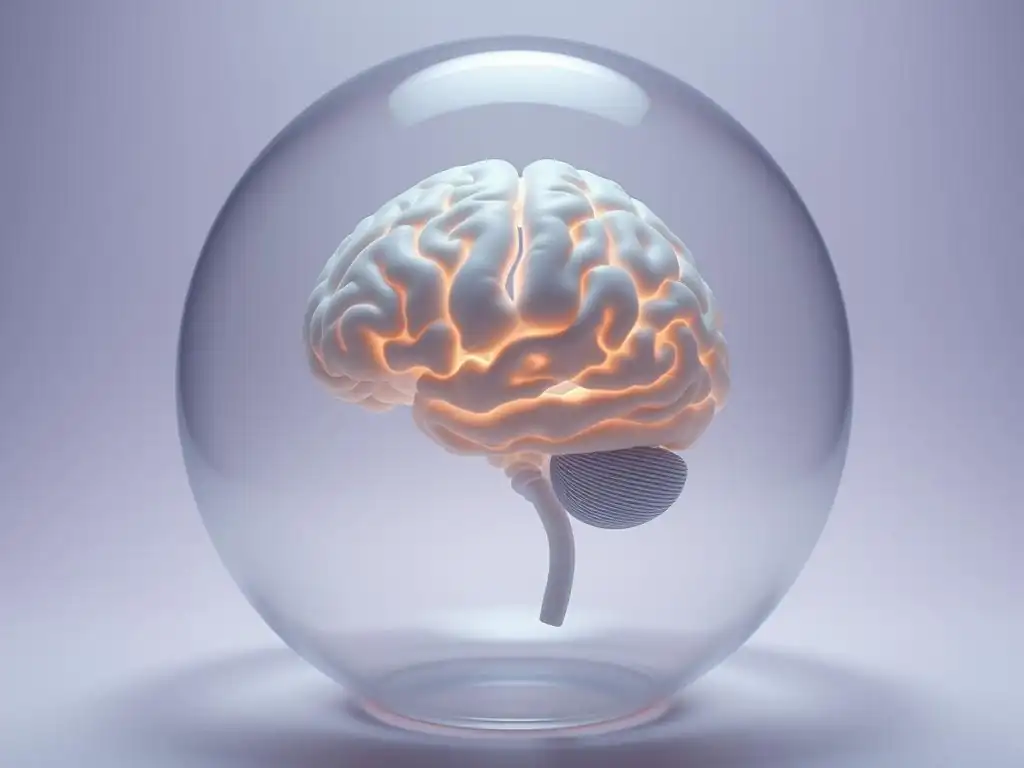
Chronic stress has been implicated in structural changes in several brain regions, and the cerebellum is increasingly included in this list. Neuroimaging studies in individuals with conditions like major depressive disorder, anxiety disorders, and PTSD have sometimes revealed reduced gray matter volume in specific cerebellar subregions compared to healthy controls. While findings can vary depending on the study population and methodology, the observation of cerebellar atrophy in some stress-related disorders suggests a potential link between prolonged stress exposure and structural compromise in this area.
For example, a meta-analysis examining brain volume in PTSD patients found consistent volume reductions in certain cerebellar areas. These structural changes are not just theoretical; they may reflect the cumulative impact of cellular stress responses, altered neurogenesis, or synaptic dysfunction discussed earlier. The presence of cerebellar atrophy in these conditions underscores the importance of considering the cerebellum's vulnerability when studying the neurobiological underpinnings of chronic stress and its associated mental health challenges.
Cognitive and Emotional Consequences of Cerebellar Stress
Given the cerebellum's involvement in non-motor functions, stress-induced changes in cerebellar activity or structure can have significant cognitive and emotional consequences. The cerebellum contributes to cognitive processes such as attention shifting, working memory, and cognitive flexibility. Dysfunction here due to stress could manifest as difficulties in concentration, impaired decision-making, or reduced cognitive control – symptoms frequently reported by individuals experiencing chronic stress or stress-related disorders.
Emotionally, the cerebellum plays a role in processing and regulating affective states. Stress-induced alterations in cerebellar circuitry might contribute to symptoms of emotional dysregulation, heightened anxiety, or altered fear processing. For instance, cerebellar involvement in fear conditioning suggests that stress-related changes could exacerbate conditions like PTSD, where fear responses are often dysregulated. Understanding these cognitive and emotional impacts highlights the broader implications of cerebellum stress response mechanisms for mental health.
Motor Coordination Impairment Under Chronic Stress: Cerebellar Involvement
While the focus has expanded beyond motor function, it's important to remember that stress can also impact motor control, and the cerebellum's primary role here means it is highly relevant. Chronic stress can lead to physical symptoms like muscle tension, tremors, or changes in gait and posture. While peripheral factors contribute, alterations in cerebellar function could play a role in these motor manifestations of stress.
Stress-induced changes in cerebellar synaptic plasticity or neuronal excitability could disrupt the fine-tuning of motor commands. Studies in animal models have shown that stress can impair motor learning tasks that rely heavily on cerebellar function. While less studied in humans in the context of chronic stress, the potential for cerebellum stress response mechanisms to disrupt motor coordination adds another layer to the complex picture of how stress affects the body and mind.
Cerebellum Stress Response and Mental Health: Implications
The Cerebellum's Role in Anxiety and Depression: A Growing Understanding
The cerebellum's involvement in emotional processing provides a biological basis for its potential role in anxiety and depression. Research using fMRI has shown altered cerebellar activity patterns in individuals diagnosed with these conditions during emotional tasks. For example, some studies have reported abnormal connectivity between cerebellar regions and limbic areas like the amygdala and hippocampus in depressed or anxious patients.
The hypothesized link involves cerebellar contributions to emotional regulation networks. If stress disrupts these cerebellar circuits, it could impair an individual's ability to process emotional information appropriately, regulate mood, or manage anxiety responses. Understanding how cerebellum stress response mechanisms contribute to these disorders opens new avenues for therapeutic targets and a more complete understanding of their neurobiological underpinnings.
Cerebellar Dysfunction and PTSD: Exploring the Connection
Post-traumatic stress disorder (PTSD) is a condition strongly linked to severe stress or trauma. Emerging research points to cerebellar dysfunction as a potential factor in PTSD pathophysiology. As mentioned earlier, some studies have found reduced cerebellar volume in individuals with PTSD. Furthermore, imaging studies have shown altered cerebellar activity during fear recall or extinction tasks in PTSD patients.
The cerebellum's role in fear conditioning and its connections to the amygdala suggest that stress-induced changes or pre-existing vulnerabilities in cerebellar circuits could contribute to the persistent fear responses characteristic of PTSD. Impaired cerebellar modulation of fear networks, potentially resulting from cerebellum stress response mechanisms triggered by trauma, could make it harder for individuals to extinguish fear memories or regulate physiological stress responses.
Cerebellum and Autism Spectrum Disorder: Stress as a Contributing Factor?
Autism Spectrum Disorder (ASD) is a neurodevelopmental condition characterized by challenges in social interaction, communication, and restricted or repetitive behaviors. While not directly caused by stress, individuals with ASD often experience heightened sensitivity to stress and may exhibit atypical stress responses. The cerebellum has long been implicated in ASD, with post-mortem studies and imaging research frequently reporting structural and functional abnormalities in this region in individuals with ASD.
Considering the cerebellum's role in social cognition and emotional regulation, cerebellar differences could contribute to some core features of ASD. Furthermore, while the primary cause of ASD is complex and involves genetic and environmental factors, the impact of stress, particularly early life stress, on cerebellar development and function is an area of ongoing investigation. Understanding how stress interacts with pre-existing cerebellar vulnerabilities or developmental trajectories could provide insights into symptom severity or co-occurring conditions in ASD, highlighting the complex interplay between development, stress, and cerebellum stress response mechanisms.
Protecting the Cerebellum from Stress: Strategies for Mental Well-being
Lifestyle Interventions: Diet, Exercise, and Sleep
Adopting healthy lifestyle habits is a cornerstone of stress management and can indirectly support cerebellar health by mitigating the impact of stress. A balanced diet rich in antioxidants and omega-3 fatty acids can help reduce inflammation and oxidative stress, processes that can negatively impact cerebellar neurons under chronic stress. While specific dietary impacts on the cerebellum under stress are still being researched, general brain-healthy diets are recommended.
Regular physical exercise has well-documented stress-reducing effects and promotes overall brain health, including neurogenesis and synaptic plasticity. Studies have shown that exercise can positively impact cerebellar function and structure, potentially counteracting some negative effects of stress. Adequate and restorative sleep is also crucial, as sleep deprivation is a significant stressor that can impair brain function, including cerebellar performance. Prioritizing these lifestyle factors provides a foundational defense against the detrimental effects of stress on the brain, including cerebellum stress response mechanisms.
Mindfulness and Stress Reduction Techniques
Mindfulness practices, meditation, and other stress reduction techniques are effective tools for managing the physiological and psychological responses to stress. These techniques work by activating the parasympathetic nervous system, reducing cortisol levels, and promoting a sense of calm. While direct studies on the impact of mindfulness specifically on cerebellum stress response mechanisms are limited, the cerebellum is part of the neural networks involved in attention, interoception (awareness of internal bodily states), and emotional regulation – all areas potentially influenced by mindfulness.
By reducing overall stress load and enhancing the brain's ability to regulate stress responses, these practices can indirectly protect the cerebellum from prolonged exposure to stress hormones and inflammatory signals. Regular practice can help build resilience in stress-sensitive brain regions, potentially including the cerebellum, fostering healthier cerebellum stress response mechanisms over time. Incorporating these techniques into a daily routine is a proactive step towards mitigating the impact of stress on brain health.
Therapeutic Approaches Targeting Cerebellar Function: Neurofeedback
While not yet a mainstream approach specifically for cerebellar stress effects, emerging therapeutic modalities are exploring ways to directly influence cerebellar activity. Neurofeedback is one such technique that allows individuals to learn to regulate their own brainwave patterns. Although traditionally focused on cortical rhythms, advancements are enabling the targeting of deeper brain structures and networks, potentially including cerebellar circuits involved in stress or emotional regulation.
Research into using neurofeedback to modulate cerebellar activity for conditions like anxiety, depression, or motor coordination issues is still in its early stages. However, as our understanding of the cerebellum's role in these conditions grows, therapeutic approaches that can specifically target and normalize stress-affected cerebellar function, potentially through techniques like neurofeedback or targeted stimulation, represent promising future directions for enhancing resilience against stress and improving mental well-being by influencing cerebellum stress response mechanisms.
Cerebellar Resilience: Fostering Neuroplasticity and Recovery
Promoting Cerebellar Neurogenesis
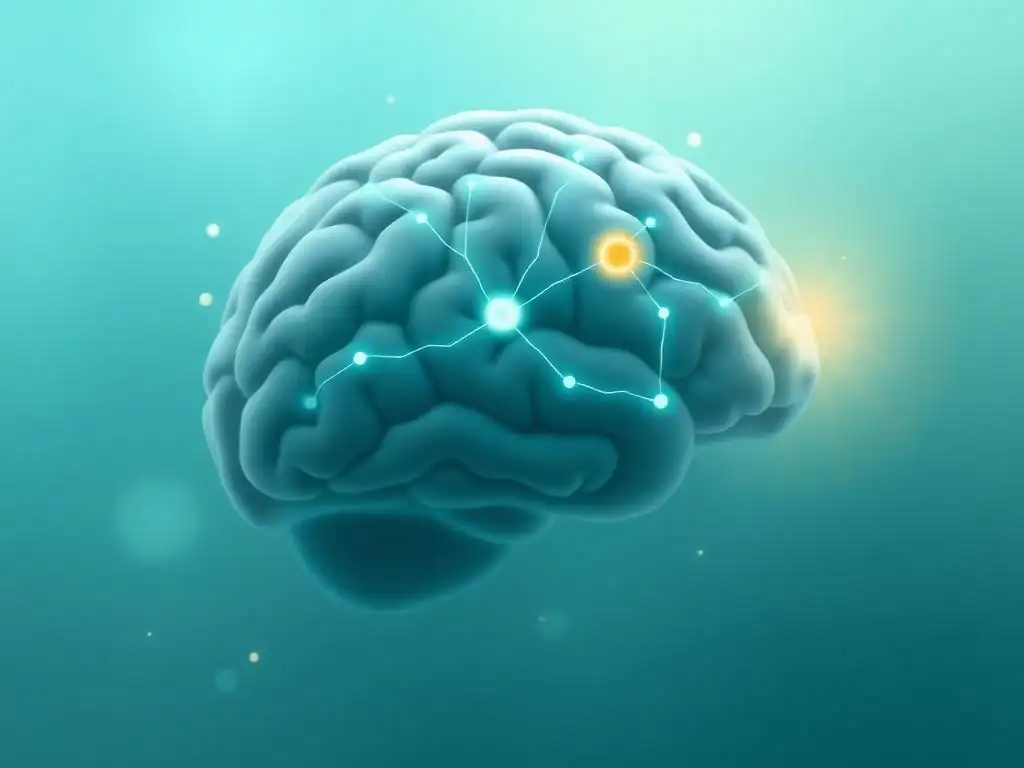
Neurogenesis, the birth of new neurons, was once thought to be limited to only a few brain regions in adulthood, such as the hippocampus. However, research now indicates that neurogenesis also occurs in the cerebellum, primarily in the external granular layer during development but with some evidence suggesting limited neurogenesis persists in certain areas, like the ventricular zone, in the adult brain, contributing to the granular layer. While the extent of adult cerebellar neurogenesis is debated compared to the hippocampus, factors that promote neurogenesis elsewhere might also support cerebellar health.
Lifestyle factors like exercise and enriched environments have been shown to enhance neurogenesis in other brain regions. Applying these principles could potentially support existing or limited neurogenic processes in the cerebellum, helping to replace or repair neurons damaged by stress or aging. While more research is needed to fully understand adult cerebellar neurogenesis and its modulation, supporting overall brain neurogenesis is a strategy that might contribute to cerebellar resilience and recovery from stress-induced changes by influencing cerebellum stress response mechanisms and repair processes.
Enhancing Synaptic Plasticity in the Cerebellum
Synaptic plasticity, the ability of synapses (the connections between neurons) to strengthen or weaken over time, is the fundamental mechanism underlying learning and memory. The cerebellum exhibits remarkable synaptic plasticity, particularly at the parallel fiber-Purkinje cell synapse (long-term depression, LTD) and the climbing fiber-Purkinje cell synapse (long-term potentiation, LTP). Stress is known to impair synaptic plasticity in other brain regions like the hippocampus, and similar effects can occur in the cerebellum.
Strategies that promote healthy synaptic function can help the cerebellum maintain its ability to adapt and process information effectively, even in the face of stress. Learning new skills, engaging in mentally stimulating activities, and maintaining good physical health all contribute to synaptic health. By supporting robust synaptic plasticity, we can enhance cerebellar resilience, allowing the brain to better cope with and recover from the disruptions caused by cerebellum stress response mechanisms.
Social connection and support are powerful buffers against stress. Positive social interactions can reduce the physiological stress response, lowering cortisol levels and promoting relaxation. While the link between social support and cerebellar health is not as directly studied as, say, exercise, the cerebellum is involved in social cognition and emotional bonding. This suggests a reciprocal relationship: a healthy cerebellum may facilitate better social interactions, while strong social support may, in turn, help protect the cerebellum from stress.
Chronic social isolation, conversely, is a significant stressor known to have detrimental effects on brain health. By mitigating stress, fostering a sense of belonging, and potentially engaging cerebellar circuits involved in positive social processing, social support likely plays an indirect but important role in supporting cerebellar resilience and helping the brain recover from the effects of cerebellum stress response mechanisms. Maintaining strong social connections should be considered an integral part of a holistic approach to brain health and stress management.
Future Directions in Cerebellum Stress Research
Identifying Novel Therapeutic Targets
Given the emerging understanding of the cerebellum's role in stress and mental health, future research will likely focus on identifying specific molecular and cellular targets within the cerebellum for therapeutic intervention. This could involve developing drugs that modulate neurotransmitter systems in the cerebellum, such as targeting specific glutamate or GABA receptors, or agents that protect cerebellar neurons from stress-induced damage, like antioxidants or anti-inflammatory compounds.
Another avenue is exploring neuromodulation techniques specifically tailored to cerebellar circuits. Techniques like transcranial magnetic stimulation (TMS) or transcranial direct current stimulation (tDCS) are being investigated for their potential to alter activity in specific brain regions. Future research could explore if targeting the cerebellum with these non-invasive methods could alleviate symptoms of stress-related disorders by modifying dysfunctional cerebellum stress response mechanisms.
Developing Biomarkers for Cerebellar Stress
A critical need in stress research is the development of objective biomarkers that can indicate the degree of stress impact on the brain and predict vulnerability or resilience. Future research should aim to identify specific biomarkers related to cerebellar stress response mechanisms. These could include neuroimaging markers (e.g., specific patterns of volume change or functional connectivity within the cerebellum or between the cerebellum and other brain regions), molecular markers (e.g., levels of specific proteins, neurotransmitters, or inflammatory markers in cerebrospinal fluid or blood that reflect cerebellar status), or even genetic markers that predispose individuals to cerebellar vulnerability under stress.
Such biomarkers would be invaluable for diagnosing stress-related conditions more accurately, predicting treatment response, and monitoring the effectiveness of interventions aimed at mitigating the effects of stress on the cerebellum. Developing sensitive and specific biomarkers for cerebellar stress would be a significant step forward in understanding and managing the biological impact of stress.
Investigating the Interplay Between the Cerebellum and Other Brain Regions
The cerebellum does not operate in isolation; it is densely interconnected with numerous other brain regions involved in stress, emotion, and cognition, including the prefrontal cortex, amygdala, hippocampus, and brainstem nuclei. Future research needs to move beyond studying the cerebellum in isolation and focus on understanding the complex interplay and functional connectivity between the cerebellum and these other areas under stress.
Utilizing advanced neuroimaging techniques like resting-state fMRI and diffusion tensor imaging (DTI) can help map these networks and identify how stress disrupts their communication patterns. Understanding how altered cerebellum stress response mechanisms affect these broader networks is essential for a complete picture of stress pathophysiology and for developing network-based therapeutic strategies that address the widespread impact of stress on the brain.
Conclusion: The Cerebellum as a Key Player in Stress and Mental Health
Re-evaluating the Cerebellum's Importance for Overall Well-being
Our understanding of the cerebellum has undergone a significant transformation. No longer viewed solely as a motor control center, it is now recognized as a crucial component of neural circuits governing cognition, emotion, and social behavior. This expanded perspective necessitates a re-evaluation of its importance in the context of overall mental well-being. The evidence discussed highlights that the cerebellum is sensitive to stress, exhibiting structural, functional, and cellular changes in response to chronic exposure.
These cerebellum stress response mechanisms are not merely academic curiosities; they have real-world implications for mental health. Altered cerebellar function under stress is increasingly being linked to the pathophysiology of anxiety, depression, PTSD, and potentially other conditions like ASD. Recognizing the cerebellum as a key player alongside traditional stress-sensitive regions is vital for developing a more complete and accurate model of how stress impacts the brain and contributes to mental health challenges.
Embracing a Holistic Approach to Brain Health and Stress Management
The intricate involvement of the cerebellum in the brain's stress response underscores the need for a holistic and integrated approach to brain health and stress management. Strategies aimed at protecting the brain from stress should consider the cerebellum alongside other vulnerable regions. This means advocating for lifestyle interventions like healthy diet, regular exercise, and sufficient sleep, which support overall brain resilience, including cerebellar health.
Furthermore, incorporating stress reduction techniques like mindfulness and exploring emerging therapies that might target cerebellar function directly or indirectly are crucial steps. By acknowledging the cerebellum's critical role and its vulnerability to stress, we can develop more effective prevention strategies and therapeutic interventions that support the entire brain network involved in coping with stress, ultimately enhancing resilience and promoting long-term mental well-being by positively influencing cerebellum stress response mechanisms.
Frequently Asked Questions
How does stress impact the cerebellum, according to recent research?
Research suggests that chronic stress can alter the cerebellum's structure and function, potentially affecting motor coordination and even cognitive processes. This is due to the cerebellum's sensitivity to stress hormones.
What are "Cerebellum stress response mechanisms" and why are they important?
These mechanisms refer to the biological processes by which the cerebellum reacts to stressors. Understanding them is crucial for developing targeted treatments for stress-related disorders that may involve cerebellar dysfunction.
Why is the cerebellum considered an "unexpected target" of stress?
Traditionally, the cerebellum was primarily associated with motor control. However, emerging evidence indicates its involvement in emotional regulation and cognitive functions, making it a surprising, yet important, target of stress.
What mental health challenges might be linked to a stressed cerebellum?
While more research is needed, a stressed cerebellum may contribute to conditions like anxiety disorders, depression, and PTSD, potentially influencing symptoms related to motor skills, coordination, and emotional processing.
Mind Care Guide provides information on stress management techniques, articles on various mental health conditions, and resources for finding mental health professionals specializing in stress-related disorders.
Final Reflection: The Cerebellum's Silent Cry Under Stress
The cerebellum, long considered a mere motor control center, is emerging as a crucial player in our stress response, a revelation with profound implications for understanding and treating a wide range of mental and physical health challenges. Its intricate involvement in emotional regulation, cognitive function, and even the body's autonomic nervous system highlights the urgent need for further research into its role in stress-related disorders. This understanding could revolutionize how we approach conditions like anxiety, PTSD, and even chronic pain.
The more we uncover about the cerebellum's contribution to the stress response, the more we realize how interconnected our brain truly is. The simplistic view of a clear separation between emotional processing and motor control is increasingly outdated. The cerebellum's silent suffering under stress underscores the holistic nature of our well-being. The brain is a single, integrated system, and the parts work together in complex ways.
This quote perfectly encapsulates the emerging understanding of the cerebellum's crucial role in our overall health and response to stress. Ignoring its contribution to stress-related disorders would be a significant oversight in our pursuit of effective treatments.
Consider the implications of this research for your own life. Are you experiencing chronic stress? Are you aware of the potential impact on your cerebellum, and consequently, on your overall physical and mental health? Take time to prioritize stress management techniques, from mindfulness practices to regular exercise and sufficient sleep. By understanding the silent struggles of this often-overlooked brain region, you can empower yourself to take proactive steps towards a healthier, more resilient you. The future of stress management may well lie in understanding and nurturing the often-overlooked capabilities of the cerebellum.
Unlock Your Cerebellum's Resilience: Practical Steps to Better Brain Health
Thanks for exploring the fascinating world of the cerebellum and its surprising role in stress response! You've gained valuable insights into a often-overlooked aspect of brain health. Now, let's put this knowledge into action.
- Prioritize mindful movement: Start incorporating gentle yoga or Tai Chi into your daily routine. These practices directly impact cerebellar function and can help you manage stress more effectively.
- Share your newfound knowledge: Tell a friend or family member about the cerebellum's connection to stress and how simple lifestyle changes can make a big difference. Let's spread the word about this often-overlooked area of brain health.
- Explore calming techniques: Consider experimenting with deep breathing exercises or progressive muscle relaxation – both have a profound effect on stress levels and can positively influence cerebellar activity.
Ready to unlock your cerebellum's full potential for stress resilience? What small step will you take today to prioritize your brain health?