
The Enteric Nervous System and Stress: A Biological BrainGut Link

Welcome to Mind Care Guide, a sanctuary dedicated to nurturing your mental well-being.
Ever wondered how that knot in your stomach is intimately connected to your emotional state? This connection is more profound than you might realize. Delve into our exploration of the gut stress response mechanisms and uncover the fascinating science behind the brain-gut axis. Understanding this intricate relationship is a crucial step towards managing stress and fostering a healthier mind. Curious to learn more? Let's begin this insightful journey together...
- The Enteric Nervous System and Stress: A Biological Brain-Gut Link | Mind Care Guide
- Understanding the Enteric Nervous System (ENS): Your "Second Brain"
- Stress Response Mechanisms: How Stress Impacts the Gut
- Gut Stress Response Mechanisms: A Deep Dive
- The Bidirectional Communication: How the Gut Affects the Brain Under Stress
- Gut Stress Response Mechanisms: A Deep Dive
- The Bidirectional Communication: How the Gut Affects the Brain Under Stress
- The Gut-Brain Axis in Mental Health: Implications and Connections
- Strategies for Managing Gut Health and Reducing Stress
- Conclusion: Optimizing Gut Health for Mental Well-being
-
Frequently Asked Questions
- What is the Enteric Nervous System (ENS) and what is its role in the Gut Stress Response Mechanisms?
- How does the biological brain-gut link contribute to the Gut Stress Response Mechanisms?
- What role does the gut microbiome play in the Gut Stress Response Mechanisms?
- What are some common symptoms of a dysregulated Gut Stress Response Mechanisms?
- What are some strategies for managing the Gut Stress Response Mechanisms and improving mental well-being?
- Final Reflection: Unraveling the Gut-Brain Axis and the Stress Response
- Unlock Your Gut's Wisdom: Nurture Your Second Brain
The Enteric Nervous System and Stress: A Biological Brain-Gut Link | Mind Care Guide
The Mind-Gut Connection: An Overview of the Enteric Nervous System (ENS)
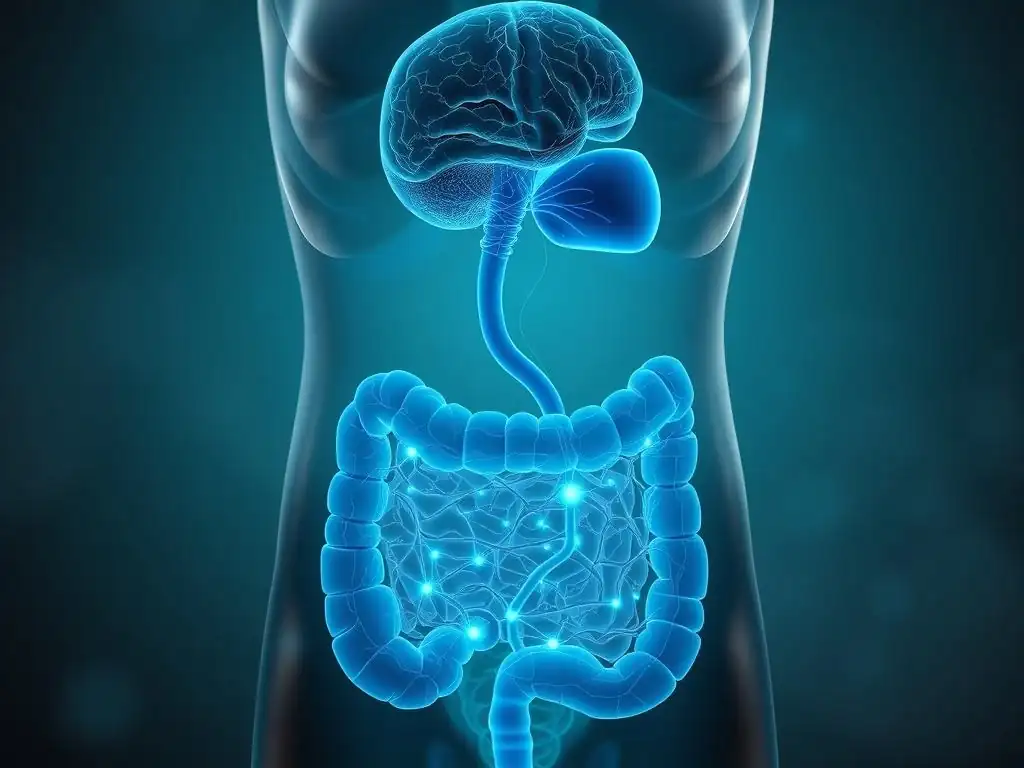
The concept of a "mind-gut connection" is gaining significant traction, highlighting the intricate communication network between our brain and digestive system. At the heart of this connection lies the Enteric Nervous System (ENS), a vast network of neurons embedded within the walls of the gastrointestinal tract. Often referred to as the "second brain," the ENS operates with a remarkable degree of independence from the central nervous system (CNS), managing digestive processes like motility, secretion, and blood flow.
This complex system acts as a crucial mediator between our internal state, including stress levels, and the functional state of our gut. Understanding the ENS is foundational to grasping how stress impacts our digestive health and, conversely, how gut health influences our mental well-being.
This bidirectional communication pathway, known as the gut-brain axis, is not merely theoretical; it's a tangible biological reality involving neural, hormonal, and immunological signaling. The ENS, with its estimated 100 million neurons—more than the spinal cord—plays a pivotal role in this axis. It receives signals from the brain, but also sends vast amounts of information back up to the CNS.
This constant dialogue means that psychological stress can directly influence gut function, leading to symptoms like pain, bloating, or altered bowel habits. Conversely, disruptions in the gut, such as inflammation or changes in the microbiome, can send signals to the brain that influence mood, cognition, and even contribute to the development of mental health conditions. Exploring the Enteric Nervous System and its interaction with stress reveals vital gut stress response mechanisms.
Stress and the Gut: Exploring the Biological Link
The biological link between stress and the gut is profound and multifaceted, extending far beyond the common experience of "butterflies in the stomach." When the body perceives stress, a cascade of physiological responses is initiated that directly impacts the digestive system.
This involves the activation of the sympathetic nervous system, often associated with the "fight or flight" response, and the release of stress hormones like cortisol. These signals travel rapidly to the gut, where they can alter everything from the speed at which food moves through the intestines to the composition and function of the trillions of microorganisms residing there.
Chronic or acute stress can trigger distinct gut stress response mechanisms. For instance, short-term stress might slow down digestion, while prolonged stress can accelerate it for some individuals, leading to diarrhea, or slow it down dramatically for others, causing constipation. Stress also affects the gut's barrier function, potentially increasing its permeability, a phenomenon sometimes called "leaky gut."
This allows substances that would normally be contained within the gut lumen, such as bacteria or undigested food particles, to pass into the bloodstream, potentially triggering systemic inflammation. This biological interplay highlights why the gut is often one of the first systems to show symptoms when we are under pressure, underscoring the critical need to understand these stress-induced gut changes.
Understanding the Enteric Nervous System (ENS): Your "Second Brain"
Anatomy and Function of the ENS: A Detailed Look
The Enteric Nervous System is an intricate neural network embedded within the walls of the gastrointestinal tract, extending from the esophagus down to the anus. It is primarily organized into two major plexuses: the myenteric plexus (Auerbach's plexus), located between the longitudinal and circular muscle layers, and the submucosal plexus (Meissner's plexus), found in the submucosa.
The myenteric plexus largely controls gut motility—the muscular contractions that propel food—while the submucosal plexus is more involved in regulating secretion, absorption, and local blood flow. These plexuses contain various types of neurons, including motor neurons, sensory neurons, and interneurons, allowing the ENS to process information and coordinate complex digestive functions locally, often without direct input from the brain or spinal cord.
Functionally, the ENS is responsible for autonomously managing most aspects of digestion. It senses the presence of food, the stretching of the gut wall, and the chemical composition of the contents, then orchestrates appropriate responses. For example, upon detecting food, ENS neurons trigger muscular contractions to mix and move the contents, stimulate the release of digestive enzymes and acids, and regulate blood flow to support nutrient absorption.
This independent processing capability is why the ENS is termed a "second brain"; it can handle routine digestive tasks efficiently on its own. However, it remains in constant communication with the brain via the vagus nerve and spinal nerves, as well as through endocrine and immune signaling, allowing central states like stress to influence these local processes and activate specific gut stress response mechanisms.
Neurotransmitters and the ENS: Serotonin, Dopamine, GABA, and Beyond
The ENS utilizes a diverse array of neurotransmitters, many of which are also found in the central nervous system, facilitating communication between enteric neurons and influencing gut function. Serotonin (5-HT) is particularly abundant in the gut, with approximately 90% of the body's serotonin produced and stored in enterochromaffin cells within the gut lining. This enteric serotonin plays crucial roles in regulating gut motility and sensation.
For instance, its release is stimulated by food, promoting peristalsis. Disruptions in gut serotonin signaling are implicated in functional gut disorders like Irritable Bowel Syndrome (IBS), where altered levels can contribute to symptoms like pain, diarrhea, or constipation.
Beyond serotonin, the ENS also employs dopamine, which influences gut motility and secretion; gamma-aminobutyric acid (GABA), known for its inhibitory effects, potentially modulating gut sensation; and a host of other neuroactive substances including acetylcholine, norepinephrine, and various peptides like Substance P and vasoactive intestinal peptide (VIP). These neurotransmitters allow the ENS to fine-tune digestive processes.
Furthermore, many of these gut-derived neurotransmitters and their precursors can signal back to the brain, either directly via neural pathways or indirectly via the bloodstream, influencing mood, appetite, and even cognitive function. Stress can alter the production and signaling of these neurotransmitters in the gut, significantly impacting gut stress response mechanisms and bidirectional communication.
The Gut Microbiome's Influence on the ENS: A Symbiotic Relationship
The gut microbiome, the vast community of bacteria, viruses, fungi, and other microorganisms residing in the digestive tract, exerts a profound influence on the structure and function of the Enteric Nervous System. This symbiotic relationship is a critical component of the gut-brain axis.
The microbes produce a variety of metabolites, such as short-chain fatty acids (SCFAs) like butyrate, propionate, and acetate, which can directly interact with ENS neurons and other cells in the gut lining, influencing gut motility, barrier function, and even immune responses. For example, butyrate is a primary energy source for colonocytes and helps maintain gut barrier integrity.
The microbiome also influences the development and maturation of the ENS early in life. Studies in germ-free animals (raised without microbes) show underdeveloped ENS structures and altered gut motility compared to conventionally raised animals. Furthermore, the microbiome can produce or influence the production of neurotransmitters and neuroactive compounds.
Some bacteria, for instance, can produce GABA or precursors to serotonin and dopamine. This constant biochemical dialogue between the microbes and the ENS means that changes in the microbiome composition or diversity—often triggered by factors like diet, antibiotics, or stress—can directly impact ENS function and activate specific gut stress response mechanisms, thereby affecting digestive health and contributing to symptoms like pain or altered transit time.
Stress Response Mechanisms: How Stress Impacts the Gut
The Hypothalamic-Pituitary-Adrenal (HPA) Axis and the Gut: A Cascade of Effects
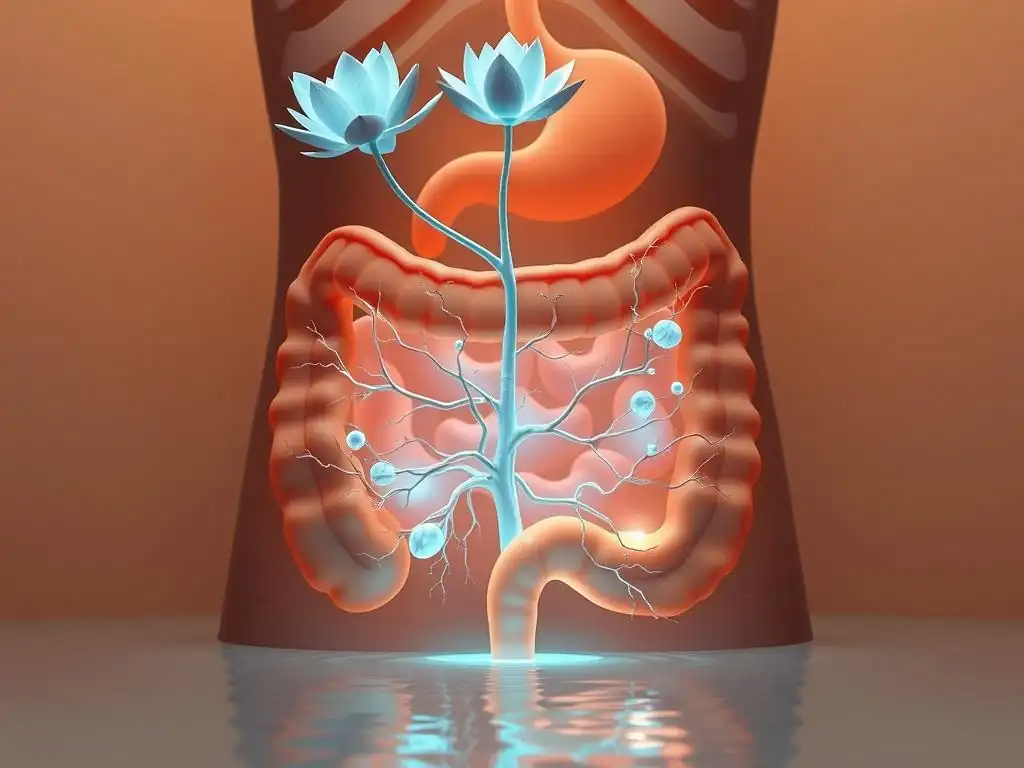
The primary neuroendocrine pathway activated by stress is the Hypothalamic-Pituitary-Adrenal (HPA) axis. When the brain perceives a stressor, the hypothalamus releases corticotropin-releasing hormone (CRH), which signals the pituitary gland to release adrenocorticotropic hormone (ACTH). ACTH then stimulates the adrenal glands to produce and release cortisol, the body's main stress hormone. While cortisol has widespread effects throughout the body, helping mobilize energy and suppress non-essential functions like digestion in the short term, its sustained presence under chronic stress has significant consequences for the gut.
Cortisol directly interacts with receptors present on various gut cells, including epithelial cells lining the gut, immune cells within the gut wall, and even enteric neurons. This interaction triggers a cascade of effects that constitute key gut stress response mechanisms. For instance, cortisol can alter gut motility, increase visceral sensitivity (making the gut feel more painful), and disrupt the gut's barrier function.
The HPA axis activation also involves the release of other stress mediators, like norepinephrine and epinephrine from the sympathetic nervous system, which further influence gut blood flow, muscle contractions, and secretion. This complex interplay between the HPA axis hormones and neural signals underscores how central stress responses are translated into physiological changes within the digestive system.
The Role of Cortisol in Gut Dysfunction: Inflammation and Permeability
Cortisol, while essential for acute stress adaptation, becomes detrimental to gut health when chronically elevated. One of its significant impacts is on the gut barrier. The intestinal lining is sealed by tight junctions between epithelial cells, preventing harmful substances from entering the bloodstream.
Chronic stress and high cortisol levels can weaken these tight junctions, increasing gut permeability, a state often referred to as "leaky gut." Research, including animal models and studies on individuals with stress-related disorders like IBS, has shown that stress exposure can lead to increased intestinal permeability, allowing bacteria, toxins, and undigested food particles to cross the barrier.
Increased gut permeability contributes significantly to gut stress response mechanisms and can trigger local and systemic inflammation. When these substances leak into the underlying tissue (the lamina propria), they encounter immune cells, initiating an inflammatory response. Chronic low-grade inflammation in the gut can damage the enteric nervous system, alter gut motility and sensation, and contribute to symptoms like pain, bloating, and altered bowel habits. Furthermore, inflammatory signals from the gut can travel back to the brain, influencing mood and behavior. For example, studies have linked increased gut permeability and inflammation to symptoms of anxiety and depression.
Gut Microbiome Dysbiosis Under Stress: Imbalance and Consequences
Stress is a potent modulator of the gut microbiome, capable of causing dysbiosis—an imbalance in the composition and diversity of the microbial community. Under stressful conditions, changes occur in gut transit time, mucus production, and immune function, all of which can shift the environment within the gut, favoring the growth of some microbes over others. For instance, studies in both animals and humans have shown that psychological stress can lead to a decrease in beneficial bacteria, such as certain species of Lactobacillus and Bifidobacterium, while potentially increasing the abundance of potentially pathogenic bacteria.
This stress-induced dysbiosis is a critical component of gut stress response mechanisms. An imbalanced microbiome can impair the production of beneficial metabolites like SCFAs, which are vital for gut health and brain function. It can also increase the production of inflammatory compounds.
Furthermore, changes in microbial composition can directly influence the ENS and the gut barrier, exacerbating inflammation and permeability. For example, certain stress-sensitive bacteria might produce substances that directly signal the brain via the vagus nerve, influencing stress reactivity and mood. This highlights a vicious cycle where stress harms the microbiome, which in turn exacerbates stress and contributes to gastrointestinal and psychological symptoms.
Gut Stress Response Mechanisms: A Deep Dive
Increased Gut Permeability ("Leaky Gut"): A Gateway for Inflammation
Increased gut permeability, often termed "leaky gut," is a key gut stress response mechanism. The single layer of epithelial cells lining the intestine forms a selective barrier, allowing essential nutrients to pass into the bloodstream while preventing the entry of harmful substances. This barrier's integrity is maintained by complex protein structures called tight junctions. Stress, particularly chronic stress mediated by cortisol and other stress hormones, weakens these tight junctions. This structural compromise increases the spaces between epithelial cells, effectively making the gut lining "leakier."
When the gut barrier becomes more permeable, substances from the gut lumen that should normally be contained—such as lipopolysaccharide (LPS), a component of the cell wall of Gram-negative bacteria, undigested food particles, and other microbial products—can pass through the weakened barrier and enter the underlying tissue (the lamina propria) and the bloodstream. This triggers an immune response. Immune cells in the lamina propria are activated, releasing pro-inflammatory cytokines like TNF-alpha, IL-6, and IL-1 beta.
This localized inflammation contributes to gut symptoms, but the cytokines and leaked substances can also enter systemic circulation, potentially contributing to low-grade systemic inflammation and influencing distant organs, including the brain. Research indicates that conditions like IBS, inflammatory bowel disease (IBD) in remission, and even certain metabolic disorders are associated with increased gut permeability, often exacerbated by stress.
Altered Gut Motility: Constipation, Diarrhea, and Irritable Bowel Syndrome (IBS)
Stress profoundly impacts gut motility, the coordinated muscular contractions that move food through the digestive tract, representing another core gut stress response mechanism. The Enteric Nervous System directly controls these contractions, and it is highly sensitive to signals from the brain and stress hormones.
Acute stress can either speed up or slow down transit time, depending on the individual and the specific stressor. For example, the immediate "fight or flight" response often involves slowing digestion as blood is diverted away from the gut, but prolonged stress or anxiety can accelerate transit in some people, leading to urgent bowel movements or diarrhea.
Chronic stress is strongly associated with functional gastrointestinal disorders like Irritable Bowel Syndrome (IBS), which affects approximately 10-15% of the global population. A hallmark symptom of IBS is altered bowel habits, presenting as chronic diarrhea, constipation, or alternating patterns. Stress is a well-known trigger for IBS symptom flare-ups, and studies suggest that individuals with IBS often exhibit heightened stress reactivity and altered gut stress response mechanisms.
This includes changes in gut motility patterns—either hypermotility or hypomotility—increased visceral hypersensitivity (feeling pain more intensely), and alterations in the gut microbiome. The ENS, being the local control center for motility, is directly modulated by stress signals, leading to the irregular and often painful contractions characteristic of these conditions.
Changes in Gut Microbiome Composition: The Impact on Mental Well-being
Stress-induced changes in the gut microbiome composition, known as dysbiosis, are not merely confined to the digestive system; they have significant implications for mental well-being, forming a crucial part of the gut stress response mechanisms with systemic effects. The gut microbiome is a dynamic ecosystem, and its balance is vital for various functions, including the production of vitamins, metabolism of nutrients, and interaction with the immune system.
When stress disrupts this balance, leading to a decrease in beneficial bacteria and an increase in potentially harmful ones, it can alter the production of neuroactive metabolites and influence the inflammatory state of the host.
Dysbiosis can impact mental health through several pathways. An altered microbiome can affect the production of neurotransmitters like GABA or short-chain fatty acids (SCFAs), which have direct or indirect effects on brain function and mood. For example, reduced SCFA production can negatively impact gut barrier integrity and immune function, contributing to inflammation.
Furthermore, some studies suggest that specific microbial profiles are associated with anxiety and depression. The communication between the gut and the brain is constant, and a stressed and dysbiotic gut sends different signals than a healthy one. These signals, transmitted via neural, endocrine, and immune pathways, can influence neuroinflammation, neurotransmitter balance in the brain, and ultimately, behavior and mood, contributing to the observed link between stress, gut health, and mental health conditions.
The Bidirectional Communication: How the Gut Affects the Brain Under Stress
Vagus Nerve Stimulation: The Highway Between the Gut and Brain
The vagus nerve is the primary neural pathway facilitating rapid, bidirectional communication between the gut and the brain, serving as a critical component of the gut-brain axis and influencing gut stress response mechanisms. This cranial nerve extends from the brainstem down to the abdomen, innervating most of the internal organs, including the stomach and intestines. Approximately 80-90% of vagal fibers are afferent, meaning they transmit signals from the gut up to the brain, providing the brain with continuous information about the state of the digestive system, including mechanical distension, chemical composition, and the presence of microbial metabolites.
Under stress, the signals transmitted via the vagus nerve can change significantly. Stress can alter gut motility and sensation, which in turn sends modified signals to the brain via vagal afferents, influencing brain regions involved in processing emotions and stress, such as the amygdala and prefrontal cortex. Conversely, the brain can send signals down the vagus nerve (efferent fibers) to influence gut function, for example, altering gastric emptying or intestinal contractions.
The vagus nerve is also a key pathway through which the gut microbiome can influence the brain; microbial metabolites and signals from immune cells in the gut can activate vagal fibers, relaying information about the gut environment to the CNS. Stimulating the vagus nerve, either electrically or through practices like deep breathing or yoga, is being explored as a therapeutic approach to modulate the gut stress response mechanisms and improve mood and gut function.
Gut-Derived Neurotransmitters and Brain Function: Mood and Cognition
As discussed earlier, the gut, particularly through its enterochromaffin cells and the microbiome, produces a significant amount of neuroactive substances, including neurotransmitters and their precursors. While many of these primarily act locally within the ENS, some can influence brain function more broadly, especially under conditions of stress and altered gut health. For instance, the gut produces approximately 90% of the body's serotonin. While most of this serotonin remains in the gut, influencing motility and secretion, changes in gut serotonin levels can indirectly affect central serotonin levels or signal to the brain via the vagus nerve or bloodstream.
Furthermore, the gut microbiome produces various metabolites, including short-chain fatty acids (SCFAs) like butyrate, propionate, and acetate, which can cross the blood-brain barrier or signal to the brain via the vagus nerve. SCFAs, particularly butyrate, have been shown to have neuroprotective effects and influence neurotransmitter synthesis in the brain. Other microbial metabolites, such as GABA or even potentially harmful substances like D-lactate, can also influence brain activity.
Under stress-induced dysbiosis, altered production of these metabolites can impact mood, cognition, and behavior. For example, a reduction in beneficial SCFA producers and an increase in pro-inflammatory bacteria can contribute to neuroinflammation and influence brain circuits involved in anxiety and depression, highlighting how gut stress response mechanisms extend to impacting brain chemistry.
The Role of Inflammation in Brain Fog and Mental Health Disorders
Chronic low-grade inflammation originating in the gut, often exacerbated by stress-induced increases in gut permeability and dysbiosis, plays a significant role in influencing brain function and contributing to symptoms like "brain fog" and various mental health disorders. When the gut barrier is compromised, bacterial products like LPS enter the bloodstream, triggering systemic inflammation. Inflammatory cytokines (like IL-6 and TNF-alpha) released from immune cells in the gut and circulating in the blood can cross the blood-brain barrier or signal to the brain via the vagus nerve.
Once in the brain, these inflammatory molecules can activate resident immune cells (microglia) and astrocytes, leading to neuroinflammation. Neuroinflammation can disrupt neurotransmitter systems (such as serotonin, dopamine, and glutamate), impair synaptic function, and even affect neurogenesis (the creation of new neurons). This can manifest as cognitive difficulties, fatigue, and mood disturbances.
Studies have found elevated levels of inflammatory markers in individuals with depression, anxiety, and other psychiatric conditions. The gut's inflammatory state, often a consequence of chronic stress and its associated gut stress response mechanisms, is increasingly recognized as a potential contributing factor or even a driver in the development and severity of these mental health challenges, underscoring the deep connection between gut health and brain health.
Gut Stress Response Mechanisms: A Deep Dive
Increased Gut Permeability ("Leaky Gut"): A Gateway for Inflammation
Increased gut permeability, commonly referred to as "leaky gut," is a fundamental gut stress response mechanism with far-reaching implications. The intestinal epithelium, a single layer of cells, forms a vital barrier that selectively allows nutrients to pass while preventing the entry of pathogens, toxins, and undigested food particles into the bloodstream.
The integrity of this barrier is maintained by complex protein structures called tight junctions, which seal the spaces between adjacent epithelial cells. Stress, particularly chronic stress mediated by the HPA axis and stress hormones like cortisol, has been shown to directly impact these tight junctions, weakening them and increasing the permeability of the gut lining.
When the tight junctions are compromised, the gut lining becomes more "leaky," allowing substances from the gut lumen—such as bacterial lipopolysaccharide (LPS), microbial metabolites, and partially digested food antigens—to cross the epithelial barrier and enter the underlying tissue layer, the lamina propria. This area is rich in immune cells. The presence of these normally excluded substances triggers an immune response, leading to the release of pro-inflammatory cytokines like TNF-alpha, IL-6, and IL-1 beta.
This local inflammation contributes to gut symptoms like pain and altered motility. Moreover, these inflammatory molecules and leaked substances can enter the systemic circulation, contributing to low-grade systemic inflammation, which is implicated in numerous chronic health issues, including metabolic disorders and neuroinflammatory processes affecting the brain. Research consistently shows that stress exposure can induce or exacerbate increased gut permeability in both animal models and human studies.
Altered Gut Motility: Constipation, Diarrhea, and Irritable Bowel Syndrome (IBS)
Stress significantly impacts gut motility, the coordinated muscular contractions that propel food through the digestive tract, making it a central gut stress response mechanism. The Enteric Nervous System (ENS) is the primary regulator of gut motility, and it is highly responsive to signals from the central nervous system and stress hormones. Acute stress can cause an immediate change in motility; for instance, the "fight or flight" response often involves a temporary slowing of digestion as blood flow is diverted away from the gut. However, in some individuals, acute stress can trigger rapid transit leading to urgency or diarrhea.
Chronic stress is a major exacerbating factor and sometimes a trigger for functional gastrointestinal disorders characterized by altered motility, most notably Irritable Bowel Syndrome (IBS). Affecting an estimated 10-15% of the global population, IBS is characterized by recurrent abdominal pain associated with changes in bowel habits, presenting as predominant diarrhea (IBS-D), predominant constipation (IBS-C), or mixed patterns (IBS-M). Stress often precipitates or worsens IBS symptoms.
Studies indicate that individuals with IBS exhibit altered gut stress response mechanisms, including heightened visceral sensitivity (experiencing normal gut sensations as painful) and irregular, often spastic, gut contractions. These motility disturbances are directly influenced by stress-induced changes in ENS activity, neurotransmitter release in the gut, and the interplay with the sympathetic nervous system and HPA axis, illustrating how central stress states translate into tangible disruptions in digestive function.
Changes in Gut Microbiome Composition: The Impact on Mental Well-being
Changes in the composition and diversity of the gut microbiome, a phenomenon known as dysbiosis, are a significant gut stress response mechanism with profound implications extending beyond the digestive tract to influence mental well-being. The gut microbiome is a complex ecosystem containing trillions of microorganisms that coexist symbiotically with the host.
This microbial community plays vital roles in nutrient metabolism, immune system development, and the production of essential compounds. Stress, through various pathways including altered gut transit time, changes in mucus secretion, and release of stress hormones that can directly affect bacterial growth, can rapidly alter the balance of this ecosystem.
Research has demonstrated that both acute and chronic stress can lead to a decrease in beneficial bacteria populations, such as certain species of Lactobacillus and Bifidobacterium, while potentially increasing the relative abundance of pro-inflammatory bacteria or those associated with dysbiosis, like certain Proteobacteria. This stress-induced dysbiosis impacts mental health via multiple routes. An imbalanced microbiome can reduce the production of beneficial short-chain fatty acids (SCFAs), which nourish colon cells and have widespread systemic effects, including influencing brain function.
Dysbiosis can also increase the production of potentially harmful metabolites and contribute to increased gut permeability, leading to inflammation. This altered microbial state sends signals to the brain via neural (vagus nerve), endocrine, and immune pathways, influencing neuroinflammation, neurotransmitter balance (such as serotonin and GABA), and ultimately impacting mood, anxiety levels, and cognitive function, thereby linking stress-induced gut changes directly to psychological states.
The Bidirectional Communication: How the Gut Affects the Brain Under Stress
Vagus Nerve Stimulation: The Highway Between the Gut and Brain
The vagus nerve serves as the principal anatomical link facilitating rapid, bidirectional communication between the gut and the brain, playing a crucial role in gut stress response mechanisms and their influence on the central nervous system. This extensive cranial nerve originates in the brainstem and branches throughout the body, including the gastrointestinal tract. Approximately 80% of the fibers in the vagus nerve are afferent, meaning they transmit sensory information from the gut up to the brain. These signals convey information about gut distension, chemical changes in the gut lumen, and the presence of nutrients or microbial metabolites.
Under conditions of stress, the signals transmitted via the vagus nerve can be significantly altered due to stress-induced changes in gut motility, secretion, and the microbiome. For example, a stressed gut might send signals indicating discomfort or altered function, which are then processed in brain regions associated with pain, emotion, and stress response. Conversely, the brain can influence gut function via efferent vagal fibers, altering gastric emptying, intestinal contractions, and even gut barrier function. The vagus nerve also acts as a critical conduit for the microbiome to communicate with the brain; microbial metabolites like SCFAs and signals from gut immune cells can activate vagal afferents, influencing brain activity and behavior. Practices that stimulate the vagus nerve, such as deep diaphragmatic breathing, meditation, or yoga, are thought to potentially modulate gut stress response mechanisms and improve the gut-brain axis communication, offering a pathway to reduce stress-related gut symptoms and improve mood.
Gut-Derived Neurotransmitters and Brain Function: Mood and Cognition
The gut is a prolific producer of neuroactive molecules, including neurotransmitters and neuromodulators, which can influence brain function and contribute to the effects observed in gut stress response mechanisms. While the Enteric Nervous System (ENS) uses many of the same neurotransmitters as the brain, such as serotonin, dopamine, and GABA, to regulate local gut function, these substances and their precursors can also signal to the brain.
Approximately 90% of the body's serotonin is produced in the gut's enterochromaffin cells, regulating gut motility and sensation. Although most gut serotonin doesn't cross the blood-brain barrier, changes in its production or release can influence the brain indirectly, perhaps through vagal signaling or by influencing circulating levels of its precursors.
Furthermore, the gut microbiome itself contributes to the pool of neuroactive compounds. Certain gut bacteria can produce neurotransmitters like GABA or precursors to serotonin and dopamine. They also produce metabolites, such as short-chain fatty acids (SCFAs), which can reach the brain and influence neurotransmitter synthesis, neuroinflammation, and synaptic plasticity.
For instance, butyrate, a major SCFA produced by fermentation of dietary fiber, has been shown to have positive effects on brain health in animal models. Under stress, changes in the gut environment and microbiome composition can alter the production and balance of these gut-derived neuroactive substances. An imbalanced gut might produce fewer beneficial metabolites or more potentially harmful ones, sending signals to the brain that contribute to altered mood, anxiety, and cognitive deficits, highlighting how the gut's biochemical output directly participates in gut stress response mechanisms impacting mental states.
The Role of Inflammation in Brain Fog and Mental Health Disorders
Inflammation originating in the gut, often triggered or exacerbated by stress-induced damage to the gut barrier (leaky gut) and dysbiosis, is increasingly recognized as a significant contributor to brain dysfunction, symptoms like "brain fog," and the development or worsening of mental health disorders. When the gut barrier is compromised, bacterial components like LPS enter the bloodstream, triggering a systemic inflammatory response. Inflammatory cytokines released in the gut and circulating in the blood can cross the blood-brain barrier or signal to the brain via the vagus nerve, initiating neuroinflammation.
Within the brain, inflammatory cytokines activate glial cells (microglia and astrocytes), leading to the release of more inflammatory mediators. This neuroinflammatory state can disrupt various brain processes essential for mood and cognition. It can interfere with the synthesis and metabolism of neurotransmitters like serotonin, dopamine, and norepinephrine, which are critical for mood regulation.
Neuroinflammation can also impair synaptic function, reduce neurogenesis in areas like the hippocampus (important for memory and mood), and alter the connectivity of brain circuits involved in emotional regulation and cognitive function. Research has consistently found elevated markers of inflammation in individuals with major depressive disorder, anxiety disorders, and other psychiatric conditions. The gut's inflammatory status, significantly influenced by chronic stress and its gut stress response mechanisms, thus represents a powerful link between physical health in the digestive system and mental health in the brain.
The Gut-Brain Axis in Mental Health: Implications and Connections
Stress, the Gut, and Anxiety Disorders: A Complex Relationship
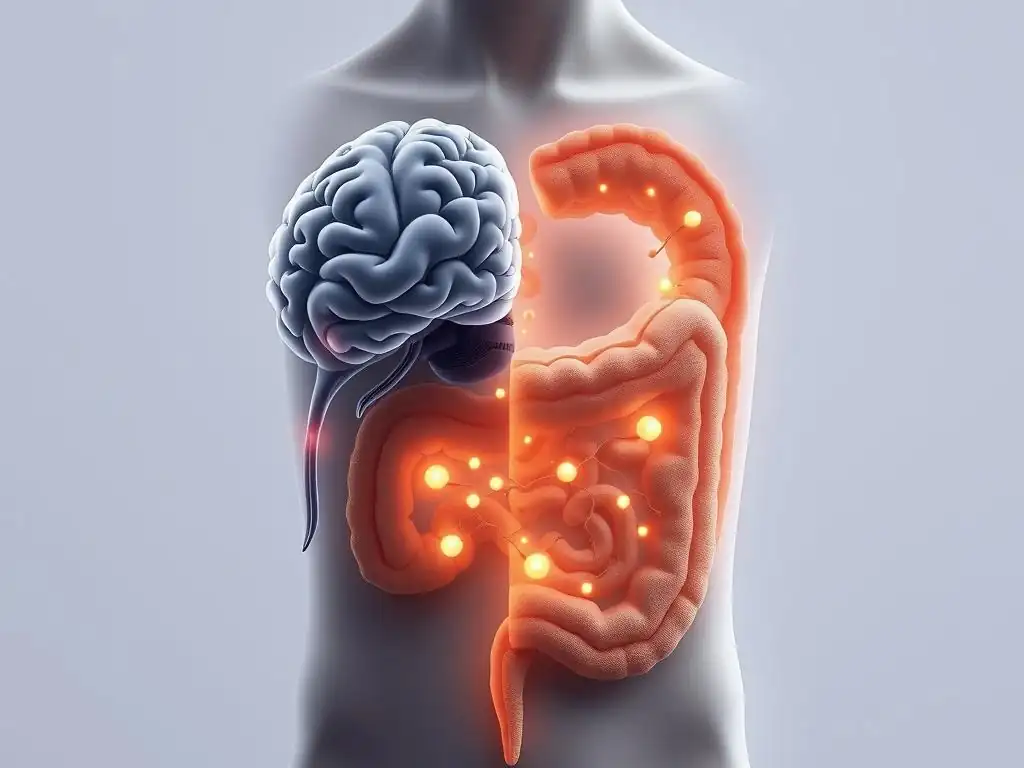
The intricate interplay between stress, the gut, and the brain is particularly evident in anxiety disorders. Stress is a well-established trigger and exacerbating factor for anxiety, and its impact on the gut-brain axis provides biological plausibility for this connection. Stress activates gut stress response mechanisms such as increased gut permeability, altered gut motility, and dysbiosis. These changes in gut physiology and microbial composition can send signals to the brain via neural (vagus nerve), endocrine (stress hormones), and immune (cytokines) pathways, influencing brain regions involved in fear and anxiety processing, such as the amygdala and prefrontal cortex.
Individuals with anxiety disorders often report gastrointestinal symptoms, and functional gut disorders like IBS frequently co-occur with anxiety. Studies suggest that people with anxiety may have altered gut microbial profiles compared to healthy controls, and transferring gut microbes from anxious animals to germ-free animals can induce anxious behaviors.
Furthermore, inflammatory signals from a compromised gut barrier, a common gut stress response mechanism under stress, can contribute to neuroinflammation, which is implicated in the pathophysiology of anxiety. This complex, bidirectional relationship means that addressing gut health may offer a complementary approach to managing anxiety symptoms, alongside traditional psychological and pharmacological interventions.
Gut Health and Depression: Exploring the Underlying Mechanisms
The connection between gut health and depression is increasingly recognized, with the gut-brain axis providing a framework for understanding the underlying biological mechanisms. Stress is a significant risk factor for depression, and its impact on gut stress response mechanisms plays a crucial role in this link. Chronic stress can lead to gut dysbiosis, increased gut permeability, and inflammation, all of which can influence brain function and contribute to depressive symptoms. An imbalanced gut microbiome may produce fewer beneficial metabolites like SCFAs, which support brain health, and potentially more metabolites that negatively impact mood.
Inflammation originating in the gut is a key pathway linking poor gut health to depression. Inflammatory cytokines can induce neuroinflammation, disrupt neurotransmitter systems (like serotonin and dopamine, which are often dysregulated in depression), and impair neurogenesis. Studies have found that individuals with depression often exhibit markers of increased gut permeability and altered gut microbiome composition.
For example, research has shown reduced diversity and alterations in specific bacterial groups in depressed individuals. This suggests that the state of the gut, heavily influenced by chronic stress and its biological gut stress response mechanisms, can contribute to the neurobiological changes associated with depression, highlighting the potential for gut-targeted interventions in managing depressive symptoms.
The ENS and the Development of Mental Health Conditions: Early Life Stress
The Enteric Nervous System's development and function, and thus its interaction with the brain, can be profoundly shaped by early life experiences, particularly stress, influencing the lifelong susceptibility to mental health conditions. The gut-brain axis is highly plastic during critical developmental periods. Stressors experienced early in life, such as maternal separation or adverse childhood experiences, can permanently alter the structure and function of the ENS, the composition of the gut microbiome, and the signaling pathways between the gut and the brain.
Early life stress can program the gut stress response mechanisms to be hyper-reactive later in life. This can manifest as heightened gut sensitivity, altered motility patterns, increased gut permeability, and a predisposition to dysbiosis under subsequent stress exposure. These persistent changes in the gut-brain axis can contribute to an increased vulnerability to developing functional gastrointestinal disorders like IBS and psychiatric conditions such as anxiety and depression in adolescence and adulthood.
For instance, studies in animal models show that early life stress leads to long-lasting changes in gut microbiota, ENS neurochemistry, and stress hormone reactivity that correlate with increased anxiety-like behaviors. Understanding the developmental impact of stress on the ENS and the gut-brain axis is crucial for identifying early intervention strategies and recognizing the deep roots of some mental health vulnerabilities in the gut.
Strategies for Managing Gut Health and Reducing Stress
Dietary Interventions: Focusing on Gut-Friendly Foods
Adopting a diet focused on gut-friendly foods is a fundamental strategy for supporting gut health and mitigating the impact of gut stress response mechanisms. A diet rich in fiber is crucial, as dietary fiber is fermented by beneficial gut bacteria into short-chain fatty acids (SCFAs) like butyrate, which nourish colon cells, support gut barrier function, and have anti-inflammatory effects. Good sources include fruits, vegetables, legumes, and whole grains. Aiming for a diverse range of plant foods can help promote a diverse and resilient gut microbiome.
Reducing intake of processed foods, high sugar levels, and unhealthy fats is also important, as these can promote the growth of less beneficial bacteria and potentially increase gut permeability. Incorporating fermented foods like yogurt (with live and active cultures), kefir, sauerkraut, and kimchi can introduce beneficial microbes to the gut.
While not a magic bullet, consistent dietary choices that feed beneficial bacteria and support gut barrier integrity can help buffer the gut against the negative effects of stress and support healthier gut stress response mechanisms, potentially improving both digestive symptoms and mood. For example, increasing fiber intake by adding lentils or beans to meals several times a week can significantly boost SCFA production.
Probiotics and Prebiotics: Restoring Gut Microbiome Balance
Targeted use of probiotics and prebiotics can be a helpful strategy for restoring gut microbiome balance, particularly when the microbiome has been disrupted by stress or other factors, thereby supporting healthier gut stress response mechanisms. Probiotics are live microorganisms that, when administered in adequate amounts, confer a health benefit on the host. Certain probiotic strains have been studied for their effects on the gut-brain axis, showing potential benefits for mood and stress reduction. Examples include specific strains like Lactobacillus helveticus R0052 and Bifidobacterium longum R0175, which have shown promise in clinical trials for reducing anxiety and stress symptoms.
Prebiotics are non-digestible fibers that selectively feed beneficial bacteria already residing in the gut. Think of them as fertilizer for your good microbes. Sources include foods like garlic, onions, leeks, asparagus, bananas, and chicory root, or they can be taken as supplements (e.g., inulin, fructooligosaccharides - FOS).
By promoting the growth of beneficial bacteria, prebiotics can help improve the production of SCFAs, strengthen the gut barrier, and reduce inflammation, counteracting some of the negative gut stress response mechanisms. While research is ongoing to identify the most effective strains and dosages for specific conditions, incorporating a combination of dietary prebiotics and potentially targeted probiotic supplements can be a supportive strategy for managing gut health and improving the gut-brain connection.
Stress Reduction Techniques: Mindfulness, Meditation, and Yoga
Directly addressing and reducing stress levels is paramount for managing gut stress response mechanisms, as stress is a primary trigger for gut dysfunction. Implementing stress reduction techniques can have a direct positive impact on the gut-brain axis.
Practices such as mindfulness meditation have been shown to influence the HPA axis, reducing cortisol levels, and can also modulate activity in brain regions involved in processing pain and emotions, potentially reducing visceral hypersensitivity common in stress-related gut disorders like IBS. Even short periods of mindfulness practice, such as 10-15 minutes daily, can begin to cultivate a greater sense of calm and resilience.
Yoga combines physical postures, breathing exercises, and meditation, offering a holistic approach to stress reduction. Regular yoga practice has been associated with reductions in stress hormones and improvements in autonomic nervous system balance, shifting from sympathetic dominance (fight or flight) towards parasympathetic activity (rest and digest). This shift directly benefits gut function by promoting healthier motility and reducing visceral pain.
Other effective techniques include deep diaphragmatic breathing, progressive muscle relaxation, spending time in nature, and engaging in hobbies. By lowering systemic stress levels, these practices dampen the activation of gut stress response mechanisms, helping to break the vicious cycle between stress and gut dysfunction.
The Importance of Exercise for Gut Health and Stress Management
Regular physical exercise is a powerful tool for both managing stress and promoting gut health, offering a dual benefit in mitigating gut stress response mechanisms. Exercise is well-known for its ability to reduce stress hormones, improve mood by releasing endorphins, and regulate the nervous system, shifting it towards a more balanced state. This systemic reduction in stress directly lessens the activation of stress pathways that negatively impact the gut.
Furthermore, exercise has been shown to have a positive impact on the gut microbiome. Studies suggest that regular physical activity can increase the diversity and abundance of beneficial bacteria species, potentially increasing the production of beneficial metabolites like SCFAs. Exercise also influences gut motility and blood flow, contributing to overall digestive health.
For example, moderate exercise, such as brisk walking for 30 minutes several times a week, can help regulate bowel movements and reduce symptoms like bloating and constipation in some individuals. By improving stress resilience and fostering a healthier gut environment, exercise acts as a potent strategy for supporting the gut-brain axis and reducing the negative consequences of gut stress response mechanisms.
Conclusion: Optimizing Gut Health for Mental Well-being
The Future of Gut-Brain Research: New Avenues for Treatment
Research into the gut-brain axis and gut stress response mechanisms is a rapidly evolving field, opening exciting new avenues for understanding and treating both gastrointestinal disorders and mental health conditions. Scientists are actively investigating the specific pathways through which the gut microbiome communicates with the brain, identifying key microbial species and metabolites that influence mood, stress reactivity, and cognitive function. Advanced techniques in genomics, metabolomics, and neuroimaging are providing unprecedented insights into this complex biological dialogue.
Future treatments may involve highly personalized interventions targeting the gut. This could include next-generation probiotics containing specific strains or consortia of bacteria designed to produce beneficial neuroactive metabolites or reduce inflammation. Fecal microbiota transplantation (FMT), already used for Clostridioides difficile infection, is being explored for its potential in modulating the gut-brain axis for conditions like depression and anxiety, though this is still highly experimental.
Additionally, therapies aimed at strengthening the gut barrier, reducing gut inflammation, or modulating the vagus nerve via non-invasive stimulation are under investigation. As our understanding of gut stress response mechanisms deepens, these innovative, gut-targeted approaches hold significant promise for improving mental well-being.
Taking Control: Practical Steps to Improve Your Gut-Brain Connection
Understanding the profound connection between your gut and brain, particularly how stress impacts your digestive system through gut stress response mechanisms, empowers you to take proactive steps to support this vital axis. While professional medical advice is essential for diagnosing and treating specific conditions, incorporating lifestyle changes can significantly improve your gut health and stress resilience.
Consider starting with dietary adjustments:
- [ ] Increase your intake of fiber-rich foods like fruits, vegetables, and whole grains.
- [ ] Incorporate fermented foods regularly.
- [ ] Limit processed foods, sugary drinks, and excessive unhealthy fats.
Simultaneously, prioritize stress management:
- [ ] Practice regular stress reduction techniques such as mindfulness, meditation, or deep breathing.
- [ ] Ensure you get adequate sleep, as sleep deprivation negatively impacts both gut and stress levels.
- [ ] Engage in regular physical activity that you enjoy.
Consider exploring targeted support:
- [ ] Discuss the potential benefits of prebiotics or specific probiotic strains with a healthcare professional.
- [ ] If experiencing persistent gut symptoms or mental health challenges, seek consultation with a doctor or mental health professional who understands the gut-brain axis.
By nurturing your gut through diet and lifestyle and actively managing stress, you can positively influence your gut stress response mechanisms, strengthen the gut-brain connection, and pave the way for improved overall mental and physical well-being.
Frequently Asked Questions
What is the Enteric Nervous System (ENS) and what is its role in the Gut Stress Response Mechanisms?
The ENS, often called the "second brain," is a complex network of neurons in the digestive system. It plays a crucial role in regulating gut function and communicating with the central nervous system, impacting the stress response.
How does the biological brain-gut link contribute to the Gut Stress Response Mechanisms?
The brain-gut axis represents bidirectional communication between the brain and the gut. Stress signals from the brain can significantly influence gut motility, inflammation, and the microbiome, contributing to the Gut Stress Response Mechanisms.
What role does the gut microbiome play in the Gut Stress Response Mechanisms?
The gut microbiome, the community of microorganisms in the gut, is highly sensitive to stress. Changes in the microbiome composition can influence the stress response, affecting mood, anxiety, and contributing to altered Gut Stress Response Mechanisms.
What are some common symptoms of a dysregulated Gut Stress Response Mechanisms?
Common symptoms include digestive issues like irritable bowel syndrome (IBS), bloating, and changes in bowel habits. These physical symptoms are often linked to anxiety, depression, and overall dysregulation of the Gut Stress Response Mechanisms.
What are some strategies for managing the Gut Stress Response Mechanisms and improving mental well-being?
Strategies include stress management techniques like mindfulness and meditation, dietary changes to support a healthy gut microbiome, and therapies that address the brain-gut connection to improve regulation of the Gut Stress Response Mechanisms.
Final Reflection: Unraveling the Gut-Brain Axis and the Stress Response
The intricate connection between the enteric nervous system (ENS) and stress is no longer a niche scientific curiosity; it's a fundamental understanding crucial for addressing a wide range of modern health challenges. The implications of this gut-brain axis, particularly its role in mediating stress responses, are profound and far-reaching, impacting everything from mental health to digestive disorders. Understanding these mechanisms is key to developing more effective and holistic treatment strategies.
The exploration of the ENS's role in stress has illuminated the deep interconnectedness of our physical and mental well-being. This understanding challenges the traditional separation of mind and body, forcing us to consider the holistic nature of health. The gut is the second brain.
While a simplification, this adage captures the essence of the complex interplay between the ENS and the central nervous system, highlighting the profound impact of gut health on overall well-being. The ongoing research in this field continues to reveal the subtle and significant ways in which stress impacts our gut, and vice versa, shaping our understanding of chronic illnesses and mental health conditions.
Now, consider your own relationship with stress. How does it manifest in your body? Do you experience digestive issues when under pressure? This article has hopefully provided you with a deeper understanding of the biological mechanisms at play. Take this knowledge and use it to prioritize gut health as a vital component of your overall well-being. Explore strategies to manage stress effectively, nourish your gut microbiome, and cultivate a mindful approach to your physical and mental health. The journey to a healthier, more resilient you begins with understanding the powerful connection between your brain and your gut.
Unlock Your Gut's Wisdom: Nurture Your Second Brain
Thanks for diving into the fascinating world of the gut-brain connection! You've now learned how deeply your gut health impacts your overall well-being, particularly when it comes to stress management. Let's put this knowledge into action.
- Prioritize gut-friendly foods: Start incorporating more fermented foods and fiber-rich options into your diet this week. Notice how you feel – even small changes can make a difference!
- Try a mindful eating exercise: Take 5 minutes today to savor your next meal, paying close attention to the taste, texture, and sensations. This simple practice can help you connect with your body and reduce stress.
- Share your insights: Discuss what you've learned with a friend or family member – sharing knowledge can spread awareness and support others on their wellness journey.
What small step will you take today to nourish your "second brain" and better manage stress?