
Norepinephrine's Role in the Stressed Brain: Beyond Fight or Flight Biology


Welcome to Mind Care Guide, a place dedicated to nurturing your mental well-being. Feeling overwhelmed? Discover how the neurotransmitter norepinephrine might be silently shaping your stress response and influencing your path to recovery. Could understanding this powerful chemical unlock a new approach to managing stress and reclaiming your inner peace? Delve into " Norepinephrine's Role in the Stressed Brain: Beyond Fight or Flight Biology" to begin your journey toward a calmer, more resilient you.
- Norepinephrine's Role in the Stressed Brain: Beyond Fight or Flight Biology
- Norepinephrine's Impact on the Stressed Brain: A Detailed Look
- Chronic Stress and Norepinephrine Dysregulation: Long-Term Effects
- The Norepinephrine Stress Brain Recovery: Strategies and Interventions
- The Future of Norepinephrine Research in Stress and Mental Health
- Conclusion: Harnessing the Power of Norepinephrine for Stress Management and Brain Health
-
Frequently Asked Questions
- How does norepinephrine influence the brain's response to stress?
- What happens to norepinephrine levels in the brain during chronic stress?
- Can norepinephrine imbalances contribute to mental health challenges?
- How can individuals support healthy norepinephrine function for stress management?
- What role does norepinephrine play in the brain's recovery from stress?
- Final Reflection: Rewiring the Stress Response: Norepinephrine's Lasting Impact
- Unleash Your Brain's Resilience: Take Control of Stress
Norepinephrine's Role in the Stressed Brain: Beyond Fight or Flight Biology
What is Norepinephrine (Noradrenaline)? An Overview
Norepinephrine, also known as noradrenaline, is a crucial neurotransmitter and hormone that plays a central role in the body's response to stress. Produced primarily in a small region of the brainstem called the locus coeruleus, this chemical messenger is part of the sympathetic nervous system, which controls involuntary bodily functions like heart rate and breathing. Its release is rapid and widespread, affecting various brain areas and peripheral organs to prepare the body for immediate action.
In the context of stress, norepinephrine acts as a powerful signal booster, heightening alertness, vigilance, and readiness. While essential for navigating acute threats, its prolonged presence or dysregulation under chronic stress can have significant implications for brain function and mental well-being. Understanding this dual nature is key to appreciating its complex role in the norepinephrine stress brain recovery process.
Norepinephrine vs. Epinephrine: Key Differences in Stress Response
While often discussed together due to their similar functions and chemical structures, norepinephrine and epinephrine (adrenaline) have distinct roles in the stress response. Both are catecholamines and are released during stressful situations. Epinephrine is primarily released from the adrenal medulla into the bloodstream, acting as a hormone with systemic effects, such as increasing heart rate and blood sugar levels throughout the body. Its action is more diffuse and longer-lasting via the circulation.
Norepinephrine, on the other hand, functions predominantly as a neurotransmitter within the brain, although it is also released from sympathetic nerve endings throughout the body and in smaller amounts from the adrenal medulla. Its effects in the brain are more localized and rapid, influencing neuronal activity directly in specific regions involved in attention, arousal, and emotional processing. This distinction highlights norepinephrine's critical, minute-by-minute impact on brain state during stress, making its regulation vital for norepinephrine stress brain recovery.
The Synthesis and Release of Norepinephrine in the Brain
The journey of norepinephrine begins with the amino acid tyrosine, which is converted through a series of enzymatic steps into dopamine, and then finally into norepinephrine within the neurons of the locus coeruleus. Once synthesized, norepinephrine is stored in vesicles until a stressor triggers its release into the synaptic cleft, the space between neurons. Here, it binds to specific receptors (adrenergic receptors) on target neurons, transmitting signals that alter their activity.
Following its action, norepinephrine is rapidly removed from the synaptic cleft through reuptake transporters, enzymatic breakdown, or diffusion. This precise regulation of synthesis, release, and clearance is vital for maintaining appropriate signaling levels. Disruptions at any stage, particularly under conditions of chronic stress, can lead to either excessive or insufficient norepinephrine signaling, contributing to difficulties in norepinephrine stress brain recovery and various mental health challenges.
Norepinephrine's Impact on the Stressed Brain: A Detailed Look
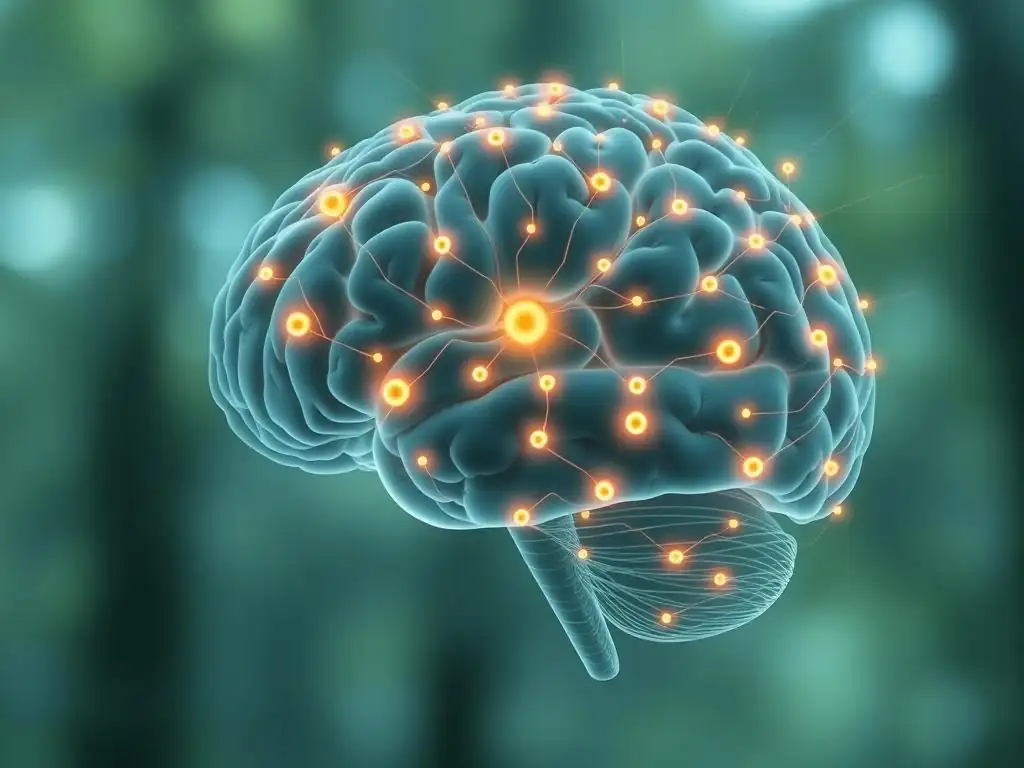
The Fight or Flight Response: Norepinephrine's Initial Role
The classic "fight or flight" response is perhaps the most widely recognized manifestation of acute stress, and norepinephrine is a primary orchestrator of this rapid physiological and psychological mobilization. When faced with an immediate threat, the brain's amygdala signals danger, triggering the release of norepinephrine from the locus coeruleus. This surge of neurotransmitter activity instantly increases alertness, sharpens senses, and directs attention towards the perceived threat.
Simultaneously, norepinephrine acts on the body via the sympathetic nervous system, increasing heart rate, blood pressure, and respiration, while diverting energy resources to muscles. This cascade of effects prepares the individual to either confront the danger or flee from it. While incredibly effective for survival in the short term, this robust response, when triggered unnecessarily or excessively by non-life-threatening stressors, underscores the need for effective norepinephrine stress brain recovery mechanisms.
Norepinephrine and Cognitive Function Under Stress: Focus and Attention
Norepinephrine has a complex, dose-dependent effect on cognitive functions, particularly focus and attention, during stress. At optimal levels, such as those experienced during mild to moderate acute stress, norepinephrine can enhance vigilance, improve signal detection, and boost working memory, helping individuals concentrate on the task at hand and process information efficiently under pressure. Studies have shown, for instance, that moderate stress can sometimes improve performance on tasks requiring focused attention.
However, when norepinephrine levels become excessively high or prolonged due to intense or chronic stress, its effects on cognition can become detrimental. This can lead to distractibility, difficulty filtering irrelevant information, impaired decision-making, and reduced cognitive flexibility. The optimal level for cognitive enhancement is often described as an inverted-U curve, where too little or too much norepinephrine impairs performance, highlighting the delicate balance required for effective norepinephrine stress brain recovery.
Norepinephrine and Emotional Regulation: Anxiety and Fear
Norepinephrine is deeply intertwined with the brain circuits that process emotions, especially anxiety and fear. Its release in response to stress significantly influences the activity of the amygdala, the brain's fear center, and the prefrontal cortex, which is involved in regulating emotional responses. An acute surge of norepinephrine can amplify fear and anxiety signals, contributing to the subjective feeling of being overwhelmed or panicky during stressful events.
Chronic stress and resulting norepinephrine dysregulation can contribute to the development and maintenance of anxiety disorders. Elevated baseline levels or exaggerated responses to minor stressors can keep the brain in a state of heightened alert, making individuals more prone to worry, nervousness, and phobias. Conversely, imbalances in norepinephrine signaling pathways are often targeted in pharmacological treatments for anxiety, illustrating its central role in emotional regulation and the importance of addressing it for norepinephrine stress brain recovery.
Norepinephrine's Influence on Memory Formation During Stressful Events
Stressful events are often vividly remembered, and norepinephrine plays a significant role in this phenomenon. During stress, the release of norepinephrine in brain regions like the hippocampus and amygdala modulates memory encoding and consolidation. The heightened emotional state induced by norepinephrine signals the brain that the experience is important and should be prioritized for storage.
Similar to its effects on cognition, norepinephrine's influence on memory is dose-dependent. Moderate levels can enhance memory consolidation, leading to stronger recall of stress-related details, which can be adaptive for learning from dangerous situations. However, excessive or prolonged norepinephrine release, particularly under chronic stress, can impair memory retrieval, make memories overly rigid or generalized, and contribute to intrusive thoughts or flashbacks characteristic of conditions like PTSD. This dual impact underscores the need for balanced norepinephrine activity for healthy memory function and effective norepinephrine stress brain recovery.
Chronic Stress and Norepinephrine Dysregulation: Long-Term Effects
The Detrimental Effects of Prolonged Norepinephrine Release
While acute norepinephrine release is a vital survival mechanism, chronic stress leads to sustained activation of the norepinephrine system, which can have widespread detrimental effects on the brain and body. Prolonged exposure to high levels of norepinephrine can lead to receptor desensitization, altered gene expression, and even structural changes in brain regions involved in stress response, emotion, and cognition. This chronic overstimulation can exhaust the system and disrupt normal physiological processes.
For instance, sustained high norepinephrine levels can suppress immune function, disrupt digestive processes, and interfere with reproductive hormones. Within the brain, it can contribute to neuronal damage or atrophy in vulnerable areas like the hippocampus, impacting learning and memory. Managing this prolonged exposure is a core challenge in achieving norepinephrine stress brain recovery.
Norepinephrine and Neuroinflammation: A Vicious Cycle
Chronic stress and the resulting dysregulation of neurotransmitter systems, including norepinephrine, are increasingly linked to neuroinflammation – inflammation within the brain. While norepinephrine typically has anti-inflammatory properties in the periphery, its sustained release in the brain under chronic stress can paradoxically contribute to or exacerbate neuroinflammatory processes. Microglia, the brain's immune cells, can become overactive in the presence of chronic stress signals.
This neuroinflammation can damage neurons, disrupt synaptic function, and impair neurotransmitter systems, including the very pathways that produce and respond to norepinephrine. This creates a vicious cycle: chronic stress leads to norepinephrine dysregulation and neuroinflammation, which in turn further impair brain function and stress resilience, hindering norepinephrine stress brain recovery efforts. Understanding this complex interplay is crucial for developing effective therapeutic strategies.
Dysregulation of the norepinephrine system is strongly implicated in the pathophysiology of several major stress-related mental health conditions. In Post-Traumatic Stress Disorder (PTSD), individuals often exhibit heightened norepinephrine activity, contributing to symptoms like hypervigilance, exaggerated startle response, and intrusive memories. Studies have shown altered norepinephrine receptor sensitivity and metabolism in individuals with PTSD.
Similarly, chronic anxiety disorders are often associated with excessive or poorly regulated norepinephrine release, keeping the brain in a state of perpetual alert. While depression is complex and involves multiple neurotransmitter systems, alterations in norepinephrine signaling are also observed, sometimes presenting as reduced energy, poor concentration, and anhedonia. Many effective treatments for these conditions target the norepinephrine system, highlighting its central role and the importance of restoring balance for norepinephrine stress brain recovery.
Norepinephrine Imbalance and Its Impact on Sleep Quality
Sleep is profoundly affected by stress, and norepinephrine plays a key role in regulating sleep-wake cycles. During wakefulness, norepinephrine levels are high, promoting alertness and arousal. As sleep onset approaches, norepinephrine activity in the locus coeruleus decreases significantly, allowing for progression through sleep stages.
Chronic stress, by maintaining elevated norepinephrine levels, can interfere with this natural cycle. High norepinephrine at night can make it difficult to fall asleep, stay asleep, or achieve deep, restorative sleep stages. This sleep disruption further exacerbates stress and impairs cognitive function and mood, creating another feedback loop. Addressing sleep disturbances is often a critical component of strategies aimed at achieving norepinephrine stress brain recovery.
The Norepinephrine Stress Brain Recovery: Strategies and Interventions

Lifestyle Modifications for Regulating Norepinephrine Levels
Lifestyle choices can significantly impact the regulation of norepinephrine levels and support norepinephrine stress brain recovery. Simple, consistent habits can help modulate the stress response system over time. These strategies often work by promoting overall resilience and reducing the impact of chronic stressors.
Adopting a balanced diet, ensuring adequate sleep, and managing daily stress through relaxation techniques are foundational. These approaches provide the body and brain with the necessary resources and environment to maintain neurotransmitter balance and recover from stress-induced dysregulation.
Exercise and its Influence on Norepinephrine Release
Regular physical exercise is a powerful tool for modulating the stress response and promoting norepinephrine stress brain recovery. During acute exercise, norepinephrine levels increase, contributing to the body's physiological response to exertion. However, chronic regular exercise has been shown to improve the efficiency of the norepinephrine system, leading to a more controlled and less exaggerated response to psychological stressors over time.
Furthermore, exercise can increase the expression of growth factors like Brain-Derived Neurotrophic Factor (BDNF), which supports neuronal health and plasticity, helping to counteract some of the detrimental effects of chronic stress and norepinephrine dysregulation. Engaging in moderate aerobic exercise for about 150 minutes per week, as recommended by many health guidelines, can contribute positively to balancing norepinephrine and supporting brain health.
The Role of Diet in Norepinephrine Synthesis and Metabolism
Diet provides the building blocks for neurotransmitters, including norepinephrine. The amino acid tyrosine, found in protein-rich foods like lean meats, fish, eggs, dairy, and legumes, is a direct precursor. Ensuring adequate intake of tyrosine and other essential nutrients, including B vitamins, magnesium, and zinc, which are cofactors in neurotransmitter synthesis and metabolism, is important for healthy brain function.
Conversely, diets high in processed foods, sugar, and saturated fats can contribute to inflammation and oxidative stress, potentially impairing neurotransmitter balance and overall brain health. While no specific "norepinephrine diet" exists, a balanced, nutrient-dense eating pattern supports the biochemical processes necessary for proper norepinephrine function and contributes to norepinephrine stress brain recovery.
Mindfulness and Meditation for Norepinephrine Modulation
Mindfulness and meditation practices have been shown to influence the activity of the sympathetic nervous system and the stress response, including norepinephrine release. Regular practice can help individuals become more aware of their stress reactions and develop skills to regulate them. Studies using fMRI have shown that mindfulness meditation can reduce activity in the amygdala and increase activity in prefrontal cortex regions involved in emotional regulation.
By fostering a state of calm and reducing the perceived threat of stressors, these practices can help dampen excessive norepinephrine surges and promote a more balanced state. Even short daily sessions, such as 10-15 minutes of guided meditation or mindful breathing, can contribute to improved stress resilience and support the brain's natural processes for norepinephrine stress brain recovery.
Pharmaceutical Interventions Targeting Norepinephrine Pathways
For individuals with significant stress-related mental health conditions, pharmaceutical interventions targeting the norepinephrine system may be considered as part of a comprehensive treatment plan supervised by a healthcare professional. These medications aim to restore balance to norepinephrine signaling, alleviating symptoms associated with dysregulation.
It is crucial to note that these medications require medical evaluation and prescription. They are not a standalone solution but can be effective tools when used appropriately in conjunction with therapy and lifestyle changes to support norepinephrine stress brain recovery.
Alpha and Beta-Adrenergic Receptor Blockers: How They Work
Alpha and beta-adrenergic receptor blockers, commonly known as alpha-blockers and beta-blockers, work by blocking the action of norepinephrine (and epinephrine) at specific receptors in the body and brain. Beta-blockers, such as propranolol, are sometimes used off-label to manage the physical symptoms of anxiety, like rapid heart rate and trembling, by blocking beta-adrenergic receptors. This can help reduce the intensity of the "fight or flight" response.
Alpha-blockers, such as prazosin, have been explored, particularly for managing nightmares and hypervigilance in PTSD, by blocking alpha-1 adrenergic receptors in the brain. These medications can help dampen the exaggerated physiological and psychological responses driven by excessive norepinephrine activity, offering relief from acute symptoms and potentially aiding in long-term norepinephrine stress brain recovery.
Selective Norepinephrine Reuptake Inhibitors (SNRIs): Benefits and Considerations
Selective Norepinephrine Reuptake Inhibitors (SNRIs) are a class of antidepressants that work by increasing the levels of both serotonin and norepinephrine in the brain by blocking their reuptake into neurons. Examples include venlafaxine and duloxetine. By increasing the availability of norepinephrine in the synaptic cleft, SNRIs can help improve mood, increase energy levels, and reduce symptoms of anxiety and pain associated with conditions like depression and generalized anxiety disorder.
SNRIs are a common pharmacological approach for addressing the norepinephrine imbalance often seen in chronic stress-related disorders. However, like all medications, they have potential side effects and require careful consideration of individual health status and other medications. Finding the right medication and dosage, often through trial and error, is a key step in utilizing this approach for norepinephrine stress brain recovery.
Natural Supplements and Norepinephrine Support: L-Tyrosine, Rhodiola Rosea, and Their Potential Benefits
Some natural supplements are explored for their potential to support norepinephrine function and stress resilience, although evidence varies and they should be used cautiously and ideally under professional guidance. L-Tyrosine, the precursor amino acid to norepinephrine, is sometimes taken as a supplement with the rationale of providing the building blocks for synthesis, particularly during stressful periods where demand might be high.
Rhodiola Rosea is an adaptogenic herb, meaning it is believed to help the body adapt to stress. Some research suggests it may influence neurotransmitter levels, including norepinephrine, and reduce fatigue and improve focus under stress. While promising, research on the efficacy and safety of these supplements for norepinephrine stress brain recovery is ongoing, and they should not replace conventional medical treatment for serious conditions.
The Future of Norepinephrine Research in Stress and Mental Health
Emerging Therapies Targeting Norepinephrine Pathways
Research into the norepinephrine system continues to evolve, leading to the exploration of novel therapeutic approaches for stress-related disorders. Scientists are investigating more selective ways to target specific adrenergic receptor subtypes or modulate the enzymes involved in norepinephrine synthesis and metabolism. This precision targeting aims to achieve therapeutic benefits with fewer side effects compared to current medications.
Furthermore, research is exploring therapies that address the downstream effects of chronic norepinephrine dysregulation, such as neuroinflammation and impaired neuroplasticity. Understanding the intricate network of interactions between norepinephrine and other brain systems is paving the way for multi-target interventions that could offer more comprehensive support for norepinephrine stress brain recovery.
Understanding Individual Variability in Norepinephrine Response to Stress
It is increasingly clear that individuals respond to stress differently, and this variability is partly mediated by differences in their norepinephrine systems. Genetic factors can influence the efficiency of norepinephrine synthesis, metabolism, and receptor sensitivity. Environmental factors, including early life stress experiences, can also permanently alter the programming of the locus coeruleus and its norepinephrine output.
Future research is focusing on understanding these individual differences to predict who is most vulnerable to stress-related disorders and to tailor interventions accordingly. This personalized approach recognizes that a one-size-fits-all strategy for norepinephrine stress brain recovery may not be effective for everyone.
The Importance of Personalized Approaches to Norepinephrine Modulation for Mental Well-being
Given the complexity of the norepinephrine system and the significant individual variability in how it responds to stress and interventions, personalized approaches are becoming paramount in mental health care. This involves assessing an individual's unique stress profile, symptom presentation, genetic predispositions, and lifestyle factors to determine the most appropriate strategies for modulating norepinephrine activity.
A personalized approach might combine specific lifestyle modifications, targeted psychotherapies (such as trauma-focused therapies which can impact stress neurobiology), and potentially pharmacological interventions or supplements, all tailored to support that individual's path towards norepinephrine stress brain recovery and overall mental well-being. This integrated, patient-centered perspective holds significant promise for improving outcomes.
Conclusion: Harnessing the Power of Norepinephrine for Stress Management and Brain Health
Norepinephrine is a powerful chemical messenger essential for our survival, playing a critical role in the acute stress response. However, its dysregulation under chronic stress can contribute significantly to cognitive impairment, emotional difficulties, sleep disturbances, and vulnerability to mental health conditions like anxiety, depression, and PTSD. Understanding the complex impact of norepinephrine on the stressed brain is fundamental to developing effective strategies for recovery.
The path to norepinephrine stress brain recovery involves a multi-faceted approach. Lifestyle modifications such as regular exercise, a balanced diet, and mindfulness practices can help regulate norepinephrine levels and enhance stress resilience. For those with significant challenges, pharmaceutical interventions targeting norepinephrine pathways, like SNRIs or adrenergic blockers, can offer crucial support under medical guidance. As research advances, personalized therapies that consider individual variability in norepinephrine response promise even more effective ways to harness this powerful system for improved stress management and lasting brain health.
Frequently Asked Questions
How does norepinephrine influence the brain's response to stress?
Norepinephrine plays a crucial role in the fight-or-flight response, preparing the body for immediate action. It affects alertness, focus, and energy levels, impacting how the brain perceives and reacts to stressful stimuli. This can lead to both adaptive and maladaptive responses.
What happens to norepinephrine levels in the brain during chronic stress?
Chronic stress can lead to dysregulation of norepinephrine levels, either causing excessive release or depletion. This imbalance can contribute to anxiety, depression, and impaired cognitive function, hindering brain recovery.
Can norepinephrine imbalances contribute to mental health challenges?
Yes, disruptions in norepinephrine signaling are linked to several mental health conditions, including anxiety disorders, depression, and PTSD. Understanding these imbalances is crucial for developing effective treatment strategies.
How can individuals support healthy norepinephrine function for stress management?
Lifestyle factors such as regular exercise, a balanced diet, and sufficient sleep can positively impact norepinephrine levels. Additionally, practicing mindfulness and relaxation techniques can help regulate the stress response.
What role does norepinephrine play in the brain's recovery from stress?
Norepinephrine is involved in neuroplasticity and cognitive restoration after stressful events. However, chronic stress can impair these recovery processes, highlighting the importance of managing stress to support optimal brain health and recovery.
Final Reflection: Rewiring the Stress Response: Norepinephrine's Lasting Impact
The intricate dance between norepinephrine and the stressed brain is not merely a biological curiosity; it's the key to understanding, and ultimately overcoming, the pervasive effects of chronic stress in our modern lives. The research presented highlights the far-reaching consequences of dysregulated norepinephrine, impacting everything from mood and memory to physical health and resilience. This isn't just about understanding "fight or flight"—it's about unlocking the pathways to recovery and building a more robust response to the inevitable stressors we face.
The ongoing influence of this research is profound, shaping our understanding of mental health conditions like anxiety and PTSD, and informing the development of more targeted therapeutic interventions. The implications extend beyond the clinical setting, impacting our daily lives and how we approach stress management. As Viktor Frankl eloquently stated, Between stimulus and response there is a space. In that space is our power to choose our response. In our response lies our growth and our freedom.
Understanding the role of norepinephrine allows us to access that space, to consciously choose healthier responses, and to cultivate resilience in the face of adversity.
Consider the information presented within this article. How can you apply this knowledge to your own life? Take a moment to reflect on your personal stress responses. Are there patterns you recognize? Can you identify moments where a more balanced norepinephrine response might have been beneficial? By understanding the mechanisms at play, you empower yourself to make conscious choices that promote well-being, fostering a more resilient and balanced relationship with stress. This is not a passive process; it's an active journey towards a healthier, more empowered you.
Unleash Your Brain's Resilience: Take Control of Stress
Thanks for exploring the fascinating world of norepinephrine and its impact on your brain! We hope you gained valuable insights into managing stress beyond the typical "fight or flight" response. Now it's time to put that knowledge into action.
- Prioritize a Daily Mindfulness Practice: Even 5 minutes of focused breathing or meditation can significantly reduce norepinephrine surges. This is your primary step towards building resilience.
- Share Your Discoveries: Discuss this article with a friend or family member and explore how you can support each other in managing stress.
- Experiment with a Novel Stress-Reduction Technique: Try something new – from forest bathing to learning a new skill – to discover what works best for you in regulating your stress response.
What small step will you take today to cultivate a more resilient mind?