
Stress and Brain Volume: What the Science Says About Shrinkage


Welcome to Mind Care Guide, a place dedicated to nurturing your mental well-being.
Feeling overwhelmed? You're not alone. Did you know that chronic stress shrinks brain volume? It's a startling connection, and in this article, we'll delve into the science behind this phenomenon, exploring the impact of stress on your brain and, more importantly, offering practical strategies to protect and rebuild your cognitive resilience. Discover how to reclaim your mental space and thrive – the journey to a calmer, healthier mind starts here.
Stress and Brain Volume: What the Science Says About Shrinkage
- Introduction: Understanding the Link Between Stress and Brain Health
- How Stress Affects Brain Volume: A Deep Dive
- Which Brain Areas Are Most Vulnerable to Stress-Induced Volume Loss?
- Studies Linking Chronic Stress to Reduced Brain Volume: A Review of Research
- The Reversibility of Brain Volume Loss: Can the Brain Recover?
- Minimizing the Impact of Stress on Brain Volume: Practical Strategies
- The Long-Term Consequences of Unmanaged Stress on Brain Structure
- Conclusion: Protecting Your Brain from the Detrimental Effects of Stress
-
Frequently Asked Questions
- What is the main connection between stress and brain volume according to the article?
- Which brain areas are most vulnerable to volume loss due to stress?
- How does chronic stress lead to brain volume reduction?
- Can the effects of stress on brain volume be reversed?
- What are some practical steps I can take to protect my brain from stress-related shrinkage?
- Final Reflection: The Unseen Toll of Stress on the Mind
- Unlock Your Brain's Potential: Practical Steps to Combat Stress
Introduction: Understanding the Link Between Stress and Brain Health
The human brain is a remarkably adaptable organ, capable of incredible feats of learning, memory, and resilience. However, it is also sensitive to its environment, including the internal environment shaped by our emotional and psychological states. One of the most pervasive challenges in modern life is stress, and a growing body of scientific evidence suggests a concerning link between prolonged stress and physical changes in the brain, specifically concerning brain volume. Understanding this connection is crucial for anyone seeking to protect their cognitive health and overall well-being.
This article delves into the scientific research exploring how stress impacts brain structure, examining which areas are most vulnerable and what the implications are for cognitive function. We will look at the evidence suggesting that chronic stress can indeed lead to changes in brain volume, and importantly, explore the potential for recovery and strategies to mitigate stress's effects. By understanding the mechanisms at play, we can take proactive steps to safeguard our brain health against the potentially detrimental effects of stress.
The Growing Concern: Stress and Its Impact on the Brain
In our fast-paced world, stress has become almost ubiquitous. Whether it stems from work pressures, relationship challenges, financial worries, or global events, chronic stress affects millions. While short-term stress is a normal and sometimes beneficial response, prolonged exposure to stress hormones can have systemic effects throughout the body, including significant impacts on the brain. Scientists have become increasingly concerned about how this persistent state of alert might physically alter brain structure over time.
Research in neuroscience, utilizing advanced imaging techniques like MRI, has begun to reveal tangible differences in the brains of individuals experiencing chronic stress compared to those with lower stress levels. These studies point towards changes in gray matter density and white matter integrity, and most notably, concerns about whether stress shrinks brain volume in specific, critical regions associated with memory, emotion regulation, and executive function. This growing body of evidence underscores the urgency of addressing chronic stress not just for mental health, but for the physical health of the brain itself.
Defining Brain Volume and Its Significance for Cognitive Function
Brain volume refers to the total amount of space occupied by brain tissue within the skull, or more specifically, the volume of particular regions within the brain. The brain is composed primarily of gray matter, which contains neuron cell bodies and synapses, and white matter, which consists of myelinated axons that form connections between different brain regions. The volume of these tissues in specific areas is closely related to their function. For example, the hippocampus is a small region deep within the brain crucial for forming new memories, and its volume is directly linked to memory capacity.
Changes in brain volume, particularly reductions or "shrinkage" in specific areas, can have significant implications for cognitive function. A decrease in the volume of areas like the hippocampus or prefrontal cortex can impair abilities such as memory recall, decision-making, emotional regulation, and problem-solving. Therefore, maintaining healthy brain volume, especially in these critical areas, is vital for optimal cognitive performance and overall mental well-being throughout life. The question of whether stress shrinks brain volume is thus directly tied to concerns about preserving these essential cognitive capacities.
How Stress Affects Brain Volume: A Deep Dive
The link between stress and changes in brain structure is not merely correlational; research has identified specific biological pathways through which stress exerts its influence. The body's primary stress response system, involving the release of hormones like cortisol, plays a central role in mediating these effects. Understanding these mechanisms provides insight into why certain brain regions are particularly vulnerable and how chronic exposure to stress can potentially lead to measurable changes in their volume.
This section explores the key brain areas implicated in stress-induced volume changes, such as the hippocampus and amygdala, and the powerful role of stress hormones in this process. By examining the biological interplay, we can better grasp the complex relationship between psychological stress and the physical architecture of the brain. The evidence suggests that the long-term effects of stress are mediated through intricate molecular and cellular changes that can ultimately manifest as observable differences in brain size.
Chronic Stress and the Hippocampus: Evidence of Volume Reduction
One of the most consistently studied areas in the context of stress and brain volume is the hippocampus. This seahorse-shaped structure is critical for learning, memory formation (particularly episodic and spatial memory), and regulating the stress response itself. Numerous studies, including those involving individuals with conditions linked to chronic stress like PTSD or major depression, have reported reduced hippocampal volume compared to healthy control groups. For instance, meta-analyses pooling data from multiple studies have indicated that individuals with chronic stress-related disorders often show hippocampal volumes that are, on average, several percent smaller than those without such conditions.
The mechanism behind this observed reduction is complex but appears to involve the damaging effects of prolonged exposure to high levels of stress hormones, particularly cortisol. Elevated cortisol can impair neurogenesis (the birth of new neurons) in the hippocampus, decrease the survival rate of existing neurons, and reduce the branching of dendrites (structures that receive signals from other neurons). This cellular damage and reduced neurogenesis contribute to a decrease in the overall tissue volume of the hippocampus. This provides strong evidence supporting the idea that chronic stress shrinks brain volume in this crucial memory center.
The Amygdala and Stress Response: Is There a Connection to Size?
While the hippocampus often shows decreased volume under chronic stress, the amygdala, another key structure involved in processing emotions, particularly fear and anxiety, presents a more complex picture. The amygdala is part of the brain's threat detection system and plays a vital role in initiating the stress response.
Some studies have found that individuals exposed to chronic stress or trauma may exhibit increased amygdala volume or increased activity, suggesting hypertrophy (growth) or increased density in certain subregions, rather than shrinkage. This potential increase in size or activity could contribute to heightened fear responses and increased anxiety often seen in chronic stress conditions.
However, the findings regarding amygdala volume are not as consistent as those for the hippocampus, with some studies reporting no significant change or even decreases in volume in certain contexts. This variability might be due to differences in the type, duration, and timing of stress exposure, as well as the specific populations studied.
Despite the mixed findings on volume, there is broad agreement that chronic stress significantly alters amygdala function and connectivity with other brain regions, leading to an overactive threat response system. While the direct link between stress and amygdala volume is still being clarified, its altered activity is a hallmark of chronic stress's impact on emotional processing.
Stress Hormones (Cortisol) and Their Role in Brain Shrinkage
Cortisol, often referred to as the "stress hormone," is a glucocorticoid released by the adrenal glands in response to stress signals from the brain (specifically, the hypothalamus and pituitary gland, forming the HPA axis). While essential for short-term survival responses, chronically elevated levels of cortisol are neurotoxic to certain brain regions. Neurons in the hippocampus and prefrontal cortex have a high density of receptors for glucocorticoids, making these areas particularly vulnerable to cortisol's effects.
Prolonged exposure to high cortisol levels interferes with several critical processes necessary for brain health and maintenance. It inhibits brain-derived neurotrophic factor (BDNF), a protein vital for neuron growth, survival, and plasticity. Cortisol can also increase oxidative stress and inflammation in the brain, further damaging neurons. These cumulative effects—reduced neurogenesis, decreased neuron survival, impaired synaptic function, and increased inflammation—collectively contribute to the observed reduction in gray matter volume in vulnerable areas. This hormonal pathway is a primary biological mechanism explaining how chronic stress shrinks brain volume over time.
Which Brain Areas Are Most Vulnerable to Stress-Induced Volume Loss?
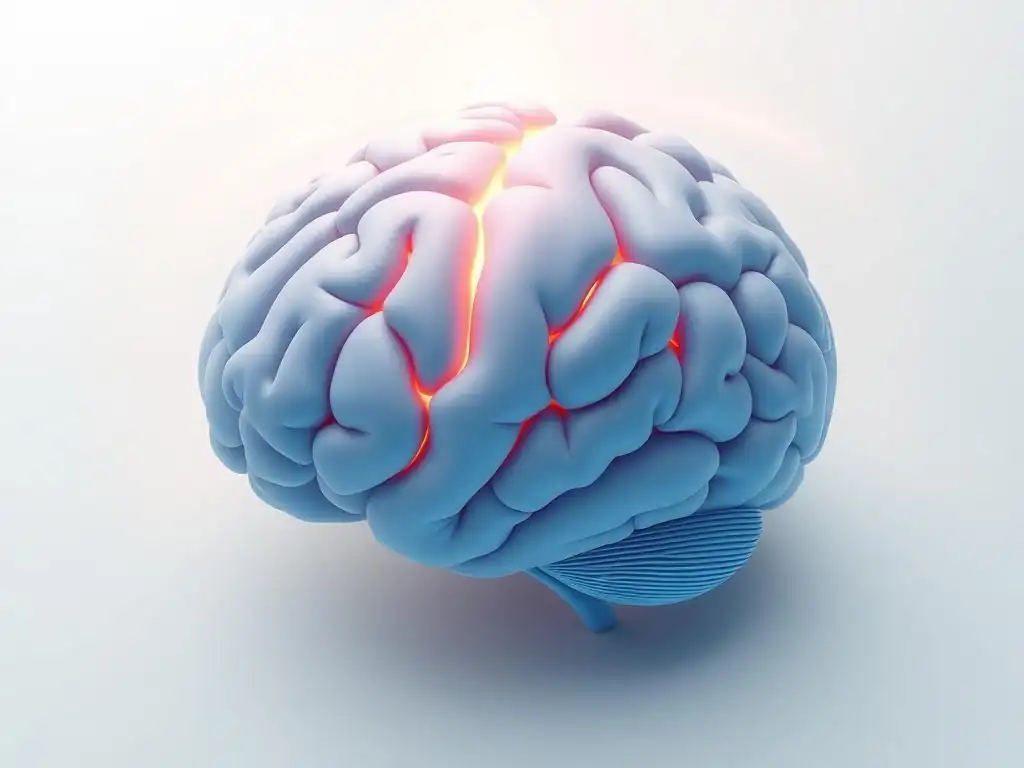
Not all brain regions are equally affected by chronic stress. Some areas, due to their high concentration of stress hormone receptors or their specific functional roles in processing and responding to stress, appear to be particularly susceptible to structural changes, including volume reduction. Identifying these vulnerable regions helps us understand the specific cognitive and emotional deficits that can arise from prolonged stress exposure.
The primary targets of stress-induced volume loss are often areas involved in learning, memory, and executive functions. Damage to these areas can impair our ability to cope with stress effectively in the future, creating a vicious cycle. This section highlights the brain regions most commonly cited in research linking chronic stress to reduced volume and discusses the functional consequences of these structural changes.
Hippocampal Atrophy: The Impact on Memory and Learning
As previously discussed, the hippocampus is highly vulnerable to the effects of chronic stress. Research using MRI has consistently shown that conditions associated with prolonged stress, such as post-traumatic stress disorder (PTSD), chronic depression, and even long-term caregiving stress, correlate with smaller hippocampal volumes. For example, studies on combat veterans with PTSD have often reported hippocampal volumes that are significantly reduced compared to veterans without PTSD, sometimes showing volume deficits in the range of 5-10%.
The functional impact of this hippocampal atrophy is directly related to the region's role in memory and learning. Individuals with smaller hippocampal volumes often exhibit difficulties with forming new memories (anterograde amnesia), recalling specific past events (episodic memory impairment), and navigating spatial environments. They may also struggle with contextualizing fear responses, making it harder to determine when a threat is no longer present. This provides compelling evidence that chronic stress shrinks brain volume in the hippocampus, leading to tangible deficits in memory and learning abilities.
Prefrontal Cortex Sensitivity: Executive Function and Stress
The prefrontal cortex (PFC), located at the front of the brain, is responsible for higher-level executive functions such as planning, decision-making, working memory, impulse control, and regulating social behavior and emotions. Like the hippocampus, the PFC is rich in glucocorticoid receptors and is highly sensitive to the effects of stress hormones. Studies have indicated that chronic stress can lead to reduced gray matter volume and altered connectivity within the PFC, particularly in the medial and orbital prefrontal areas.
A shrinking or compromised prefrontal cortex impairs executive functions. This can manifest as difficulty concentrating, making poor decisions, problems with planning and problem-solving, increased impulsivity, and difficulty regulating emotional responses. It can also hinder the PFC's ability to inhibit the amygdala's fear response, contributing to increased anxiety. Therefore, the vulnerability of the prefrontal cortex illustrates another critical way in which chronic stress shrinks brain volume and undermines essential cognitive abilities necessary for navigating complex situations and managing emotions effectively.
Gray Matter Reduction: Implications for Overall Brain Health
Beyond specific regions like the hippocampus and prefrontal cortex, chronic stress has been associated with more generalized reductions in gray matter volume across other brain areas. Gray matter is crucial for processing information, as it contains the bulk of the brain's neuronal cell bodies. Reductions in gray matter density or volume have been observed in areas involved in emotional regulation, attention, and self-awareness, such as the anterior cingulate cortex (ACC) and insula, in individuals experiencing chronic stress.
The widespread reduction in gray matter volume has broad implications for overall brain health and function. It suggests a potential decline in the number of neurons or the density of synaptic connections in affected areas.
This can lead to a general slowing or impairment of information processing, reduced cognitive flexibility, and increased vulnerability to other neurological or psychological conditions. While research continues to map the full extent of these changes, the evidence strongly suggests that chronic stress can lead to measurable gray matter loss, contributing to the notion that stress shrinks brain volume in multiple critical areas, impacting a wide range of cognitive and emotional processes.
Studies Linking Chronic Stress to Reduced Brain Volume: A Review of Research
The scientific understanding of how stress impacts brain structure has advanced significantly over the past few decades, largely thanks to sophisticated neuroimaging techniques. Numerous studies have investigated this link, providing converging evidence from different research methodologies. This section reviews some of the key approaches used by scientists to explore the phenomenon where stress shrinks brain volume and summarizes their findings.
From tracking brain changes in individuals over time to visualizing brain structure with high-resolution scans and synthesizing findings across multiple studies, research consistently points to a negative relationship between chronic stress exposure and the volume of specific brain regions. While individual study results may vary slightly, the overall pattern provides a compelling case for the physical impact of stress on the brain.
Longitudinal Studies on Stress and Hippocampal Size
Longitudinal studies are particularly valuable because they track individuals over extended periods, allowing researchers to observe changes in brain structure as stress levels fluctuate or persist. For instance, studies have followed populations exposed to prolonged stressful conditions, such as individuals caring for a spouse with Alzheimer's disease or residents living in areas affected by long-term conflict. These studies have sometimes shown that higher levels of perceived stress or longer duration of stressful exposure correlate with a greater rate of decline in hippocampal volume over several years, compared to control groups.
One notable longitudinal study might follow a cohort of participants, assessing their stress levels annually and performing MRI scans every few years. Findings from such studies have shown that individuals reporting persistently high stress scores tend to exhibit a more pronounced reduction in hippocampal volume over a 5 or 10-year period than those reporting lower stress. While pinpointing exact percentages can vary, the consistent finding across many studies is that chronic stress appears to accelerate the rate of hippocampal volume loss, reinforcing the evidence that stress shrinks brain volume over time.
Imaging Studies: Visualizing the Effects of Stress on the Brain
Structural magnetic resonance imaging (MRI) is the primary tool used to visualize and measure brain volume in living individuals. Techniques like voxel-based morphometry (VBM) allow researchers to compare the density or volume of gray matter and white matter in different brain regions between groups of people (e.g., stressed vs. non-stressed) or within the same individuals over time. These imaging studies have provided compelling visual evidence supporting the link between stress and brain volume changes.
Numerous cross-sectional MRI studies have compared brain scans of individuals diagnosed with stress-related disorders like major depressive disorder, anxiety disorders, or PTSD to healthy controls. A significant percentage of these studies report finding smaller volumes in areas like the hippocampus, prefrontal cortex, and anterior cingulate cortex in the clinical groups. For example, a study comparing veterans with and without combat-related PTSD might find that the PTSD group shows, on average, a 6% smaller hippocampus. These imaging studies provide concrete visual data that stress shrinks brain volume in specific, identifiable brain regions.
Meta-Analyses: Consolidating the Evidence on Stress and Brain Volume
Given the large number of individual studies on stress and brain volume, meta-analyses are crucial for synthesizing findings and drawing more robust conclusions. A meta-analysis statistically combines the results of multiple independent studies to identify overall patterns and estimate the average effect size. Several meta-analyses have been conducted specifically on the relationship between chronic stress, stress-related disorders, and brain volume.
These meta-analyses have largely confirmed the findings of individual studies, providing strong statistical evidence that chronic stress is associated with reduced volume in key brain areas. For instance, meta-analyses of studies on depression and PTSD consistently report significant, albeit often modest (e.g., average volume reductions in the range of 3-7% in the hippocampus across studies), reductions in hippocampal volume.
While meta-analyses acknowledge variability across studies, the overarching conclusion drawn from combining data on thousands of participants is that chronic stress is a significant factor linked to structural changes, supporting the scientific consensus that stress shrinks brain volume in vulnerable regions.
The Reversibility of Brain Volume Loss: Can the Brain Recover?
The finding that chronic stress can lead to a reduction in brain volume might sound alarming, but it's crucial to remember that the adult brain is not static. It possesses a remarkable capacity for change and adaptation known as neuroplasticity. This inherent flexibility offers hope that some of the structural changes associated with chronic stress may not be permanent. Research into neuroplasticity suggests that the brain can regenerate neurons, strengthen synaptic connections, and even potentially increase volume in certain areas under favorable conditions.
Understanding the brain's capacity for recovery is vital. It implies that taking steps to manage stress, adopt healthy lifestyle habits, and address underlying mental health conditions could potentially help mitigate or even reverse some of the structural impacts of stress. This section explores the concept of neuroplasticity in the context of stress-induced changes and looks at strategies that may help the brain heal and potentially regrow.
Neuroplasticity and the Potential for Brain Regeneration
Neuroplasticity is the brain's ability to reorganize itself by forming new neural connections throughout life. This can involve changes at the synaptic level (strengthening or weakening connections between neurons), the birth of new neurons (neurogenesis, particularly prominent in the hippocampus), and even changes in the size and structure of brain regions. This dynamic nature of the brain means that experiences, learning, and environmental factors can physically alter its structure and function.
Crucially, research suggests that factors that promote brain health and cognitive function, such as learning new skills, physical exercise, and even certain types of therapy, can enhance neuroplasticity and stimulate neurogenesis. While reversing significant volume loss is complex and depends on the extent and duration of the damage, the principles of neuroplasticity offer a biological basis for the potential recovery of brain structure. This suggests that while severe, chronic stress shrinks brain volume, the brain's inherent capacity for change means that recovery is a possibility, not a certainty, but a potential outcome with the right interventions.
Strategies to Mitigate Stress and Promote Brain Growth
Given the brain's plasticity, implementing strategies to effectively manage and reduce chronic stress becomes a powerful tool not only for mental well-being but potentially for promoting brain health and recovery. Techniques aimed at lowering cortisol levels and calming the nervous system can create a more favorable environment for neuroplastic processes.
Effective stress mitigation strategies that have shown promise in supporting brain health include regular mindfulness meditation, deep breathing exercises, yoga, and engaging in enjoyable hobbies. These activities can help regulate the HPA axis, reducing the chronic flood of stress hormones.
For example, some studies have indicated that regular meditation practice over several weeks or months can lead to structural changes in the brain, including potential increases in gray matter density in areas associated with stress regulation and self-awareness. By actively reducing stress, individuals can potentially create the conditions necessary for the brain to repair and even promote growth in areas previously affected by chronic stress.
Lifestyle Changes for Brain Health: Diet, Exercise, and Mindfulness
Beyond direct stress management techniques, broader lifestyle changes play a significant role in supporting brain health and potentially counteracting the effects of stress-induced volume loss. A nutrient-rich diet, regular physical activity, and sufficient sleep are foundational pillars for promoting neuroplasticity and overall brain resilience.
Aerobic exercise, in particular, has been extensively studied and shown to stimulate the production of BDNF, the protein crucial for neuron growth and survival, especially in the hippocampus. Studies in both animals and humans have demonstrated that regular exercise can lead to increased hippocampal volume. Similarly, a diet rich in antioxidants, omega-3 fatty acids, and vitamins supports brain cell function and reduces inflammation.
Mindfulness practices, as mentioned, also contribute by reducing stress and potentially altering brain structure over time. Adopting these lifestyle changes creates a holistic environment that supports the brain's natural healing processes and resilience, potentially helping to mitigate or even reverse the structural impacts observed when stress shrinks brain volume.
Minimizing the Impact of Stress on Brain Volume: Practical Strategies
Understanding that chronic stress can potentially reduce brain volume underscores the importance of proactive stress management. Fortunately, there are many evidence-based strategies individuals can adopt to buffer the brain against the detrimental effects of stress hormones. Implementing these practices consistently can help regulate the body's stress response, lower cortisol levels, and create an environment conducive to brain health and resilience.
This section outlines practical, actionable steps that individuals can take in their daily lives to minimize the impact of stress on their brain structure. These strategies range from simple relaxation techniques to leveraging social connections and knowing when to seek professional support, all aimed at protecting cognitive function by managing stress effectively.
Stress Management Techniques: Relaxation and Mindfulness Practices
Regularly practicing relaxation techniques is a cornerstone of effective stress management. Simple methods like deep diaphragmatic breathing can activate the body's relaxation response, counteracting the physiological effects of stress. Progressive muscle relaxation, guided imagery, and listening to calming music are other accessible techniques that can help reduce tension and lower stress hormone levels.
Mindfulness meditation involves paying attention to the present moment without judgment. Regular mindfulness practice has been shown in research to alter brain structure over time, potentially increasing gray matter density in areas related to attention, self-awareness, and emotional regulation, and potentially reducing the volume of the amygdala in some cases. Even short daily sessions (e.g., 10-20 minutes) can be beneficial. By integrating these practices into a daily routine, individuals can build resilience and actively work against the processes that might lead to stress shrinking brain volume.
Humans are social beings, and strong social connections serve as a powerful buffer against the effects of stress. Feeling supported by friends, family, or community can significantly reduce the perceived intensity of stressors and modulate the physiological stress response. Positive social interactions can trigger the release of oxytocin, a hormone that counteracts the effects of cortisol and promotes feelings of calm and connection.
Research suggests that individuals with robust social networks may experience less severe structural changes in the brain under stress compared to those who are socially isolated. For example, studies have shown that social support can mitigate the impact of trauma on hippocampal volume. Nurturing relationships, spending time with loved ones, and participating in social activities are not just good for emotional well-being; they are also a vital component of a brain-healthy lifestyle that can help protect against the potential for stress shrinking brain volume.
Professional Help: When to Seek Therapy for Stress and Anxiety
While self-help strategies are valuable, sometimes stress levels become overwhelming and difficult to manage alone. Chronic, debilitating stress or severe anxiety can significantly impact daily functioning and pose a greater risk to brain health. Recognizing when to seek professional help is a sign of strength and a crucial step in protecting your well-being and your brain.
Therapies such as Cognitive Behavioral Therapy (CBT), Dialectical Behavior Therapy (DBT), and stress-reduction therapies like Mindfulness-Based Stress Reduction (MBSR) are highly effective in helping individuals understand and manage their stress responses. A therapist can provide personalized strategies, teach coping skills, and address underlying issues contributing to chronic stress. For severe stress or trauma, seeking professional help is particularly important and can be instrumental in halting the progression of stress-related brain changes and supporting recovery. Addressing severe stress through therapy is a direct intervention against the potential for stress shrinking brain volume and impacting long-term cognitive health.
The Long-Term Consequences of Unmanaged Stress on Brain Structure
The structural changes associated with chronic stress, particularly volume reductions in key areas like the hippocampus and prefrontal cortex, are not merely abstract findings from brain scans. These physical alterations have tangible long-term consequences for cognitive function and overall mental health. Unmanaged stress doesn't just make you feel bad in the moment; its persistent effects on brain structure can increase vulnerability to more serious conditions later in life.
Understanding these potential long-term outcomes reinforces the critical importance of addressing chronic stress proactively. This section explores the potential downstream effects of stress-induced brain changes, including increased risk of cognitive decline and mental health disorders, highlighting the importance of early intervention.
Increased Risk of Cognitive Decline and Dementia
The hippocampus is one of the brain areas most affected in the early stages of Alzheimer's disease and other forms of dementia, showing significant atrophy. Given that chronic stress is linked to reduced hippocampal volume, researchers are investigating whether prolonged stress exposure increases the risk of developing cognitive decline and dementia later in life. The evidence, while still evolving, suggests a potential link.
Chronic stress and high cortisol levels are considered risk factors for cognitive impairment in older adults. The damage inflicted by stress hormones over years may make the hippocampus and other vulnerable regions less resilient to the effects of aging or neurodegenerative processes. Some longitudinal studies have found that individuals with a history of severe chronic stress or stress-related disorders appear to have a higher incidence of cognitive problems or dementia later in life. This suggests that the process where stress shrinks brain volume might contribute to the groundwork for future cognitive difficulties.
Potential for Mood Disorders and Mental Health Challenges
The brain regions most vulnerable to stress-induced volume changes—the hippocampus, prefrontal cortex, and amygdala—are also central to the regulation of mood and emotions. Alterations in the structure and function of these areas are consistently observed in major depressive disorder, anxiety disorders, and PTSD. Chronic stress, by physically altering these regions, may increase an individual's susceptibility to developing these mental health conditions.
For example, a smaller hippocampus is frequently observed in individuals with chronic depression, and altered prefrontal cortex function contributes to difficulties with emotional regulation and executive dysfunction common in mood disorders. The potential for stress to shrink brain volume in these areas provides a biological pathway explaining the strong association between chronic stress exposure and the onset or exacerbation of various mental health challenges. Managing stress is therefore not only about feeling better day-to-day but also about building resilience against future mental health issues.
The Importance of Early Intervention and Prevention
The potential long-term consequences of unmanaged stress on brain structure and function underscore the critical importance of early intervention and prevention. Addressing stress early, before it becomes chronic and potentially leads to significant structural changes, is the most effective approach to protecting brain health. This involves recognizing the signs of chronic stress and taking proactive steps to manage it.
Promoting stress resilience from a young age, teaching coping skills, and ensuring access to mental health support are crucial preventative measures. For individuals currently experiencing chronic stress, seeking help promptly and implementing stress management strategies can potentially halt or slow down the process of stress-induced brain changes and may even support recovery. Understanding that stress shrinks brain volume in vulnerable areas serves as a powerful call to action, highlighting the need to prioritize mental well-being as a fundamental aspect of long-term cognitive health.
Conclusion: Protecting Your Brain from the Detrimental Effects of Stress
The scientific evidence, while still growing, presents a compelling case that chronic stress can have a tangible impact on brain structure, potentially leading to a reduction in the volume of key regions like the hippocampus and prefrontal cortex. This phenomenon, often described as stress shrinking brain volume, is mediated by the prolonged exposure to stress hormones like cortisol and has significant implications for cognitive function, memory, executive abilities, and emotional regulation. The vulnerability of these brain areas highlights the physical toll that unmanaged stress can take.
However, the message is not one of despair but of empowerment. The brain's remarkable capacity for neuroplasticity offers hope for recovery and resilience. By understanding the link between stress and brain volume, individuals can be motivated to take proactive steps to manage their stress levels and support their brain health.
Key Takeaways: Stress, Brain Volume, and Cognitive Health
The core message from scientific research is clear: chronic stress is more than just a psychological burden; it can lead to measurable physical changes in the brain. Specifically, evidence suggests that chronic stress shrinks brain volume in areas critical for memory (hippocampus) and executive functions (prefrontal cortex). This structural impact is linked to impaired cognitive function, increased vulnerability to mental health disorders, and potentially higher risk of cognitive decline later in life.
Key takeaways include:
- Chronic stress elevates cortisol, which is toxic to neurons in vulnerable brain regions.
- The hippocampus and prefrontal cortex are particularly susceptible to stress-induced volume loss.
- These volume reductions are associated with deficits in memory, learning, and executive functions.
- Neuroimaging studies and meta-analyses provide strong evidence for this link.
- The brain's neuroplasticity offers potential for recovery and regeneration.
- Effective stress management, lifestyle changes, and social support are crucial for protecting brain volume.
Moving Forward: Prioritizing Mental Well-being for a Healthy Brain
Armed with the understanding that stress shrinks brain volume and impacts cognitive health, the path forward involves prioritizing mental well-being as an integral part of overall physical health. This means actively incorporating stress management techniques into daily life, whether through mindfulness, exercise, relaxation, or spending time in nature. It means nurturing social connections and seeking support when needed.
It also means being proactive in addressing chronic stress and anxiety, seeking professional help from therapists or counselors when self-help isn't enough. Investing in your mental well-being is an investment in the long-term health and resilience of your brain. By taking steps to manage stress effectively, you are not only improving your quality of life today but also actively working to protect your cognitive function and brain structure for years to come. Prioritizing a calm, balanced state is essential for a healthy, resilient brain.
Frequently Asked Questions
What is the main connection between stress and brain volume according to the article?
The article highlights that chronic stress can actually shrink brain volume, specifically in areas like the prefrontal cortex and hippocampus. This reduction is linked to impaired cognitive function.
Which brain areas are most vulnerable to volume loss due to stress?
The prefrontal cortex, involved in decision-making and planning, and the hippocampus, crucial for memory formation, are particularly susceptible to stress-induced shrinkage.
How does chronic stress lead to brain volume reduction?
Prolonged exposure to stress hormones like cortisol can disrupt neurogenesis (the creation of new brain cells) and promote neuronal damage, ultimately leading to a decrease in brain volume over time.
Can the effects of stress on brain volume be reversed?
While some damage may be irreversible, research suggests that stress management techniques such as mindfulness and exercise can help promote neurogenesis and potentially restore some brain volume.
Prioritize stress reduction strategies like regular exercise, mindfulness meditation, and maintaining a healthy social support network. These can help buffer the brain against the negative impacts of stress.
Final Reflection: The Unseen Toll of Stress on the Mind
The science is clear: chronic stress doesn't just affect our mood; it physically alters the structure of our brains, leading to measurable shrinkage in key regions. This isn't a distant threat; it's a present reality impacting millions, silently eroding cognitive function and increasing the risk of neurological disorders. The implications are profound, demanding a shift in how we perceive and manage stress in our daily lives.
The pervasive nature of stress in modern society is undeniable, and its impact extends far beyond simple anxiety. We live in a culture that often glorifies "hustle" and overlooks the detrimental effects of constant pressure. This relentless pursuit of productivity comes at a cost, a cost measured in the very architecture of our brains. The price of neglecting mental health is far greater than the cost of investing in it.
This quote underscores the urgent need for a paradigm shift, one that prioritizes mental well-being alongside physical health. We must actively challenge the societal norms that normalize chronic stress and instead cultivate a culture of self-compassion and resilience.
You, the reader, now hold the knowledge to understand the profound impact of stress on your brain. This isn't about fear-mongering; it's about empowerment. Take this information and use it to make conscious choices. Prioritize stress-reducing activities – mindfulness, exercise, meaningful connections, sufficient sleep – and seek professional help if needed. Your brain, your well-being, deserves this investment. Start today, and begin building a healthier, more resilient you.
Unlock Your Brain's Potential: Practical Steps to Combat Stress
Thanks for taking the time to learn about the fascinating connection between stress and brain health! We hope you found the insights valuable and empowering. Now it's time to put this knowledge into action. Ready to take control?
- Prioritize a daily mindfulness practice: Even 5-10 minutes of meditation or deep breathing can make a significant difference in reducing stress and protecting your brain. This is your primary step towards a healthier, more resilient you.
- Share this article with someone you care about—spreading awareness is a powerful way to support others and build a stronger community of well-being.
- Explore a new stress-reducing hobby: Try something completely different—knitting, gardening, or even competitive eating! Finding joy in new activities is a fantastic way to combat stress and boost your mood.
What small step will you take today to nurture your brain and reduce stress?