
The Biological Basis of StressRelated Cognitive Impairment

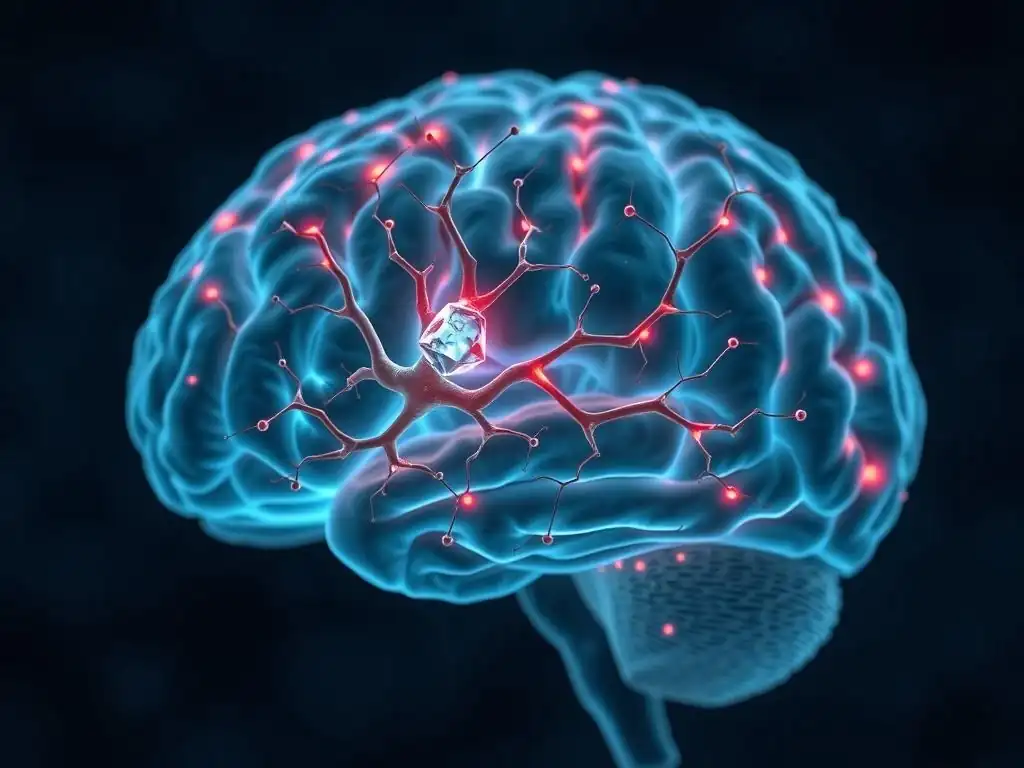
Welcome to Mind Care Guide, a place dedicated to nurturing your mental well-being. Ever wondered how stress can cloud your thinking and affect your memory? Dive into our exploration of the biological basis of stress-related cognitive impairment and uncover the intricate connection between your mind and body. We'll unravel the neuroscience behind this often-overlooked aspect of mental health, offering insights and strategies to help you navigate the challenges and reclaim your cognitive clarity. Ready to understand the science and empower your mind?
Glutamate Excitotoxicity and Neuronal Damage
One critical biological mechanism contributing to stress cognitive impairment is glutamate excitotoxicity. Glutamate is the brain's primary excitatory neurotransmitter, crucial for learning and memory through its role in synaptic plasticity. However, under conditions of prolonged stress, particularly with elevated levels of glucocorticoids like cortisol, the delicate balance of glutamate signaling can be disrupted. Stress can lead to excessive release of glutamate or impair the reuptake mechanisms that clear glutamate from the synaptic cleft.
This excess glutamate overstimulates its receptors, especially NMDA receptors, leading to a massive influx of calcium ions into neurons. This calcium overload triggers a cascade of detrimental biochemical events, including the activation of destructive enzymes and the generation of reactive oxygen species.
While acute, controlled glutamate signaling is vital for strengthening synaptic connections, chronic overexposure due to stress results in excitotoxicity, damaging dendrites and even leading to neuronal death. This process is particularly harmful to neurons in the hippocampus and prefrontal cortex, brain regions highly susceptible to stress and critical for memory, learning, and executive functions, directly contributing to the observed stress cognitive impairment biological basis.
Oxidative Stress and its Effects on Brain Cells
Chronic stress significantly contributes to oxidative stress within the brain, another key biological pathway underlying cognitive deficits. Oxidative stress occurs when there is an imbalance between the production of reactive oxygen species (ROS) and the brain's ability to neutralize them with antioxidants. Stress hormones, particularly corticosteroids, can directly increase the generation of ROS and reactive nitrogen species (RNS) while simultaneously depleting antioxidant defenses. This creates a hostile environment for brain cells.
These highly reactive molecules indiscriminately damage essential cellular components, including lipids (leading to lipid peroxidation), proteins (impairing enzyme function), and DNA. Neurons are particularly vulnerable to oxidative damage due to their high metabolic rate and lipid content.
Damage to synapses and neuronal membranes disrupts communication pathways, while DNA damage can impair gene expression vital for neuronal function and survival. Studies have shown elevated markers of oxidative damage, such as malondialdehyde (MDA), in brain regions associated with cognitive function in animal models exposed to chronic stress, providing compelling evidence for the link between stress, oxidative stress, and the biological basis of stress cognitive impairment.
Inflammation in the Brain: A Key Factor in Cognitive Dysfunction
Neuroinflammation, or inflammation within the brain, is increasingly recognized as a major biological mechanism contributing to stress-induced cognitive impairment. Stress, particularly chronic psychosocial stress, activates the body's immune system, including immune cells within the brain known as microglia and astrocytes. These glial cells, when activated by stress signals (such as elevated cortisol or peripheral immune activation), release pro-inflammatory cytokines like Interleukin-1 beta (IL-1β), Tumor Necrosis Factor-alpha (TNF-α), and Interleukin-6 (IL-6).
While acute inflammation is a protective response, chronic release of these inflammatory mediators can be detrimental. These cytokines can cross the blood-brain barrier or be produced directly by activated glial cells, interfering with neurotransmitter systems, altering synaptic function, and impairing long-term potentiation, a cellular mechanism underlying learning and memory.
Persistent neuroinflammation can also contribute to the excitotoxicity and oxidative stress pathways mentioned earlier, creating a vicious cycle of damage. Research has consistently shown elevated levels of pro-inflammatory markers in the brains and cerebrospinal fluid of individuals experiencing chronic stress, correlating with impaired cognitive performance, highlighting inflammation's significant role in the stress cognitive impairment biological basis.
Reduced Neurogenesis and Synaptic Plasticity Under Chronic Stress
Chronic stress profoundly impacts the brain's ability to generate new neurons (neurogenesis) and modify the strength of connections between existing neurons (synaptic plasticity), two processes fundamental to learning, memory, and adapting to new information. The hippocampus, a brain structure critical for forming new memories, is one of the few areas in the adult brain where significant neurogenesis occurs, specifically in the dentate gyrus. However, prolonged exposure to stress hormones, particularly cortisol, has been shown to dramatically suppress the proliferation, survival, and integration of these new neurons.
Furthermore, chronic stress impairs synaptic plasticity throughout the hippocampus and prefrontal cortex. Stress can lead to a reduction in the density of dendritic spines, small protrusions on neurons that receive synaptic inputs, and alter the expression of proteins crucial for synaptic strength and stability.
This diminished neurogenesis and impaired synaptic plasticity directly undermine the brain's capacity to encode new information, retrieve memories efficiently, and maintain flexible cognitive control. Studies in rodent models have demonstrated reductions in hippocampal neurogenesis by as much as 30-40% following chronic stress exposure, providing a clear biological link between sustained stress exposure and the resulting stress cognitive impairment.
- Glutamate Excitotoxicity and Neuronal Damage
- Oxidative Stress and its Effects on Brain Cells
- Inflammation in the Brain: A Key Factor in Cognitive Dysfunction
- Reduced Neurogenesis and Synaptic Plasticity Under Chronic Stress
- What is the link between stress and cognitive impairment, according to the article?
- What are some of the biological mechanisms discussed in the article that contribute to stress-related cognitive impairment?
- How does the article explain the biological basis of this connection?
- What kind of support or resources does the article recommend for mitigating the effects of stress on cognitive function?
- Does the article discuss the role of genetics in the link between stress and cognitive impairment?
Frequently Asked Questions
What is the link between stress and cognitive impairment, according to the article?
The article explores how chronic stress can lead to cognitive impairment by affecting brain structures and functions. It suggests prolonged stress alters neural pathways, impacting memory and decision-making.
The article highlights changes in hormone levels, such as cortisol, and their impact on the hippocampus, a region crucial for memory. It also discusses alterations in neurotransmitter systems like dopamine and serotonin.
How does the article explain the biological basis of this connection?
The article delves into how chronic stress triggers a cascade of biological responses, including inflammation and oxidative stress. These processes damage brain cells and disrupt cognitive function.
What kind of support or resources does the article recommend for mitigating the effects of stress on cognitive function?
The article from Mind Care Guide implies the website provides resources. Specific interventions might include stress management techniques like mindfulness, exercise, and cognitive behavioral therapy.
Does the article discuss the role of genetics in the link between stress and cognitive impairment?
While the article mainly focuses on the biological basis related to stress responses, it might touch upon genetic predispositions that make individuals more vulnerable to the negative impacts of stress on cognitive function.
Final Reflection: Unraveling the Mind's Response to Stress
The intricate relationship between stress and cognitive impairment is no longer a theoretical concept; it's a pervasive reality impacting millions globally. Understanding the biological mechanisms underlying this connection is crucial not only for developing effective treatments but also for fostering a society that prioritizes mental well-being. The research presented highlights the profound ways chronic stress alters brain structure and function, leading to demonstrable cognitive deficits.
The exploration of this topic has profoundly impacted my understanding of the human condition. We often overlook the insidious effects of prolonged stress, dismissing them as mere "burnout" or "anxiety." However, the biological evidence presented underscores the very real, tangible damage stress inflicts on our cognitive abilities. The mind is its own place, and in itself can make a Heaven of Hell, a Hell of Heaven.
- John Milton. This quote, while not directly about stress, speaks to the power of our internal states to shape our experience – a power amplified by the biological consequences of chronic stress. We must recognize that our mental health is inextricably linked to our physical health, and that neglecting one impacts the other.
Now, consider your own life. What stressors are present? How are you managing them? This article isn't just a collection of scientific findings; it's a call to action. Take the time to assess your stress levels, implement healthy coping mechanisms, and prioritize self-care. Seek professional help if needed. By understanding the biological basis of stress-related cognitive impairment, we empower ourselves to protect our minds and build a more resilient future, one where mental well-being is not a luxury, but a fundamental right.
Unlock Your Brain's Resilience: Strategies to Combat Stress-Induced Cognitive Impairment
Thanks for taking the time to explore the fascinating connection between stress and cognitive function! You've now gained valuable insights into how stress impacts your brain, and you're ready to take control.
Here's how to put your new knowledge into action:
- Prioritize stress-reducing techniques: Identify one stress management technique from the article (meditation, exercise, journaling, etc.) and commit to practicing it daily for a week. Notice how it impacts your focus and clarity.
- Share this article with someone who could benefit from understanding the impact of stress on the brain. Starting a conversation can be a powerful first step to better mental wellness.
- Explore additional resources on MindCareGuide.org to discover even more strategies for improving your cognitive health. What other areas of stress management are you most curious to learn about?