
The Brainstem's Role in the Stress Response: Primitive Biological Alarms

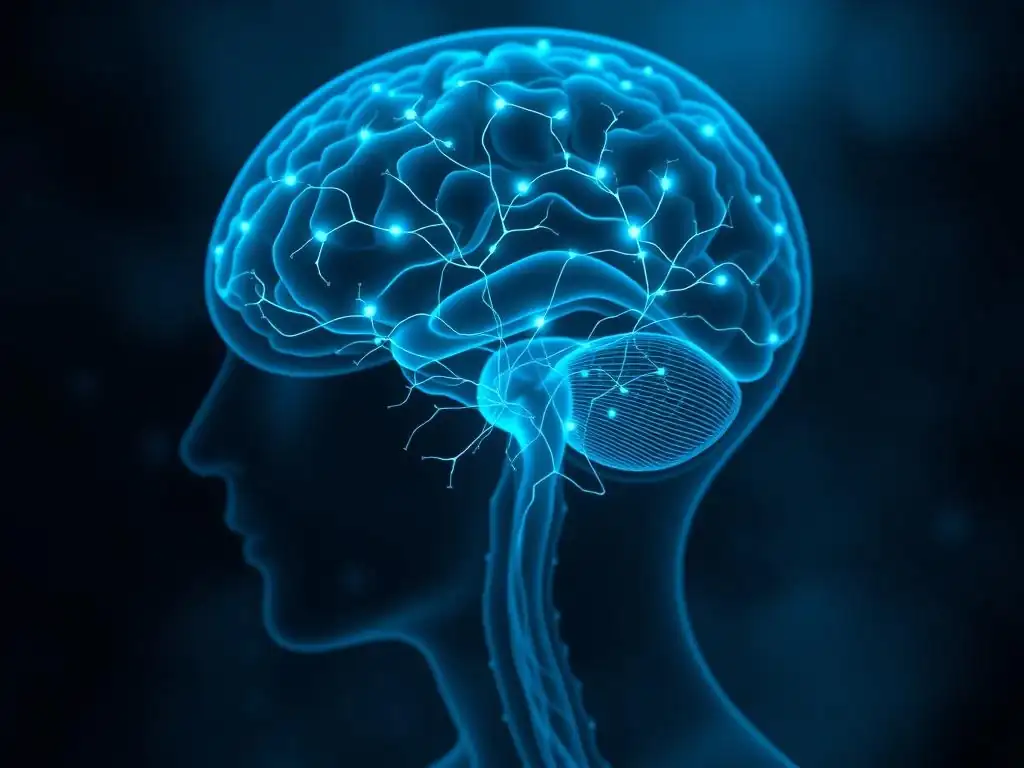
Welcome to Mind Care Guide, your compassionate companion on the journey to mental well-being. Ever wondered how your body instinctively reacts to stress? This article delves into the fascinating world of stress response brainstem regulation, revealing how this primitive part of your brain acts as an alarm system, shaping your reactions to everyday challenges. Discover the intricate connections and what they mean for your mental health – are you ready to understand your body's hidden language?
The Brainstem's Role in the Stress Response: Primitive Biological Alarms
- Introduction: Understanding the Brainstem's Critical Role in Stress
- The Brainstem: An Overview of Structure and Function
- The Stress Response: A Biological Primer
- Brainstem Regulation of the Stress Response: A Detailed Look
- Brainstem Dysfunction and the Exaggerated Stress Response
- The Brainstem's Influence on the Autonomic Nervous System Under Stress
- Strategies for Supporting Brainstem Health and Regulating the Stress Response
- The Future of Research: Targeting the Brainstem to Treat Stress-Related Disorders
- Conclusion: Appreciating the Brainstem's Vital Role in Managing Stress
-
Frequently Asked Questions
- ### What is the brainstem and why is it important for understanding the stress response?
- ### How does the brainstem regulate the stress response?
- ### What role does the amygdala play in relation to the brainstem and the stress response?
- ### Can the brainstem's response to stress be modified or controlled?
- ### What happens when the brainstem's stress response is chronically activated?
- Final Reflection: The Brainstem's Silent Symphony of Stress
- Unleash Your Body's Resilience: Tame Your Stress Response
Introduction: Understanding the Brainstem's Critical Role in Stress
Neuroscience of Stress Exploration
The human brain is an incredibly complex organ, and its response to stress involves intricate pathways spanning multiple regions. While areas like the prefrontal cortex and amygdala often receive significant attention in discussions of stress, the brainstem, situated at the base of the brain, plays a foundational and often underestimated role. This ancient part of our brain is crucial for orchestrating the body's immediate, life-sustaining reactions to perceived threats, forming the bedrock of the stress response. Understanding the brainstem's involvement provides deeper insight into how our most primitive survival mechanisms are activated under pressure.
Exploring the neuroscience of stress involves dissecting the rapid communication networks that prepare the body for action or withdrawal. This preparation is not solely a conscious process; much of it is managed by subcortical structures operating below our awareness. The brainstem acts as a vital relay station and command center for these automatic processes.
Its direct connections to the spinal cord and major cranial nerves, including the vagus nerve, position it perfectly to receive sensory information about internal and external states and to trigger widespread physiological changes necessary for survival. This initial, rapid signaling is a critical component of the overall stress response.
Why Focus on Brainstem Regulation?
Focusing on brainstem regulation is essential because this region governs the fundamental physiological responses that define the immediate stress experience: changes in heart rate, breathing, blood pressure, and alertness. These are the body's first lines of defense, initiated automatically and rapidly. While higher brain centers can modulate or interpret the threat, the brainstem ensures the body is physically ready now. Dysregulation at this primitive level can lead to chronic states of hyperarousal or dysautonomia, where the body remains stuck in a "fight or flight" or "freeze" mode, even when the perceived threat has passed.
Effective stress response brainstem regulation is therefore paramount for overall mental and physical well-being. When the brainstem can appropriately activate and then deactivate these primitive alarms, the body can return to a state of balance, known as homeostasis. Conversely, persistent stress can alter brainstem function over time, potentially leading to exaggerated or prolonged stress responses. This can manifest in various ways, from persistent anxiety and sleep disturbances to cardiovascular issues, highlighting why understanding and supporting brainstem health is a critical aspect of managing stress effectively.
The Brainstem: An Overview of Structure and Function
Anatomy: Key Regions and Interconnections
The brainstem is a vital stalk-like structure connecting the cerebrum and cerebellum to the spinal cord. It is primarily composed of three main parts: the midbrain (mesencephalon), the pons (metencephalon), and the medulla oblongata (myelencephalon). Each region contains crucial nuclei and tracts that are essential for survival. The midbrain is involved in visual and auditory reflexes and motor control. The pons contains nuclei that relay signals between the cerebrum and cerebellum, as well as nuclei involved in respiration and sleep. The medulla oblongata is critical for regulating vital functions like heart rate, breathing, and blood pressure.
These regions are densely interconnected with each other and with other parts of the brain, including the cerebral cortex, thalamus, hypothalamus, amygdala, and cerebellum. This extensive network allows the brainstem to integrate information from various sources and coordinate complex responses. For instance, the reticular formation, a network of nuclei spanning all three brainstem regions, plays a key role in arousal, consciousness, and filtering sensory information, making it directly relevant to how we perceive and react to potential stressors. The intricate wiring ensures that signals related to threats are rapidly processed and acted upon.
Essential Functions: Breathing, Heart Rate, and Arousal
The brainstem is the control center for many of the body's most fundamental life-sustaining functions, operating largely automatically. Nuclei within the medulla oblongata, such as the dorsal and ventral respiratory groups, precisely regulate breathing rate and depth. Similarly, cardiovascular centers in the medulla control heart rate and blood pressure, adapting them constantly based on the body's needs. These functions are not static; they are dynamically adjusted in response to internal and external stimuli, including stress.
Beyond vital organ control, the brainstem is also critical for regulating states of consciousness and arousal. The reticular activating system (RAS), a part of the reticular formation, projects widely to the cerebral cortex, maintaining wakefulness and attentiveness. When a potential threat is detected, the brainstem-based arousal systems are rapidly engaged, shifting the body into a heightened state of alert. This rapid increase in awareness and physiological readiness is a cornerstone of the immediate stress response, orchestrated directly by brainstem activity.
The Brainstem's Role in Maintaining Homeostasis
Homeostasis is the body's ability to maintain a stable internal environment despite external changes. The brainstem is a primary regulator of homeostasis, constantly monitoring internal conditions such as blood oxygen levels, carbon dioxide levels, blood pressure, and core body temperature. It receives sensory input from throughout the body via cranial nerves and ascending spinal tracts, allowing it to detect deviations from optimal ranges.
When a change is detected – whether a drop in blood pressure or the perception of a threat – the brainstem initiates corrective actions. For example, if blood pressure drops, the medulla's cardiovascular centers can increase heart rate and constrict blood vessels. In the context of stress, the brainstem contributes to maintaining a new temporary state of readiness needed for survival, albeit one that deviates from baseline homeostasis. The challenge lies in the brainstem's ability to return the system to normal homeostasis once the stressor is gone, highlighting the importance of effective stress response brainstem regulation.
The Stress Response: A Biological Primer
Defining Stress: Acute vs. Chronic
Stress is the body's reaction to any change that requires an adjustment or response. It can be broadly categorized as acute or chronic. Acute stress is the immediate, short-term response to a sudden perceived threat or challenge, such as narrowly avoiding a car accident or speaking in public. This type of stress triggers a rapid physiological cascade designed for immediate survival and performance, often involving a surge of hormones like adrenaline and cortisol. The body typically returns to its baseline state relatively quickly after the stressor is removed.
Chronic stress, on the other hand, occurs when stressors are persistent or repeated over a long period, such as ongoing work pressure, financial difficulties, or relationship problems. Unlike acute stress, chronic stress keeps the body's stress response systems activated for prolonged durations. This sustained activation can lead to significant wear and tear on the body and brain, contributing to various physical and mental health issues, including cardiovascular disease, weakened immune function, anxiety disorders, and depression. The brainstem plays a crucial role in both types of stress, initiating the initial acute response and potentially becoming dysregulated under chronic conditions.
The HPA Axis and its Connection to the Brainstem
The Hypothalamic-Pituitary-Adrenal (HPA) axis is a major neuroendocrine pathway involved in the stress response, particularly the release of cortisol. While the hypothalamus, pituitary gland, and adrenal glands are the primary components, the brainstem has significant connections and influence. The brainstem's reticular formation, for instance, sends arousal signals to the hypothalamus, which can trigger the release of corticotropin-releasing hormone (CRH), initiating the HPA cascade.
Furthermore, the brainstem receives feedback from the HPA axis. Glucocorticoid receptors, which bind cortisol, are found in brainstem nuclei. This allows cortisol levels to influence brainstem activity, potentially modulating arousal levels and autonomic function. Under chronic stress, prolonged exposure to high cortisol can impact brainstem structure and function, potentially altering the sensitivity of these feedback loops and affecting stress response brainstem regulation. The brainstem acts as a critical link between the rapid neural response (SNS) and the slower hormonal response (HPA axis).
The Sympathetic Nervous System (SNS) and Brainstem Activation
The Sympathetic Nervous System (SNS) is a division of the autonomic nervous system responsible for the "fight or flight" response. Its rapid activation is a hallmark of acute stress. The brainstem is a key control center for the SNS. Specifically, nuclei in the pons and medulla project to the spinal cord, where they synapse with sympathetic preganglionic neurons. Activation of these brainstem nuclei leads to widespread sympathetic outflow.
This sympathetic activation causes a cascade of physiological changes: increased heart rate and contractility, elevated blood pressure, diversion of blood flow to muscles, dilation of airways, and release of adrenaline from the adrenal medulla. This rapid, coordinated response is orchestrated by the brainstem, ensuring the body is immediately prepared to confront or flee a threat. Understanding the brainstem's role in driving SNS activity is fundamental to comprehending the body's immediate, visceral reaction to stress and the importance of stress response brainstem regulation for managing this system.
Brainstem Regulation of the Stress Response: A Detailed Look
How the Brainstem Detects and Responds to Stressful Stimuli
The brainstem is not just a passive conduit; it actively participates in detecting and responding to stressful stimuli, often before conscious awareness. It receives input from various sources, including sensory pathways carrying information about pain, temperature, and touch (via spinal cord and cranial nerves), as well as visceral information from internal organs (via the vagus nerve). It also receives input from higher brain centers like the amygdala, which signals the emotional significance of a stimulus.
Upon receiving signals indicative of a potential threat or challenge, specific brainstem nuclei are rapidly activated. For example, intense sensory input (like sudden loud noise) can directly trigger arousal pathways originating in the reticular formation. Signals from the amygdala regarding fear or danger can activate brainstem nuclei involved in autonomic responses and defensive behaviors. This rapid, integrated processing within the brainstem allows for near-instantaneous physiological adjustments, forming the initial stage of stress response brainstem regulation.
The Role of the Locus Coeruleus (LC) in Norepinephrine Release and Alertness
The Locus Coeruleus (LC), located in the pons, is a major nucleus involved in the brain's response to stress and novelty. It is the primary source of norepinephrine (noradrenaline) in the brain, a neurotransmitter that plays a crucial role in arousal, attention, and the stress response. The LC receives input from areas like the amygdala and hypothalamus and projects widely throughout the brain, including the cerebral cortex, hippocampus, and other brainstem nuclei.
When a stressor is perceived, the LC is rapidly activated, releasing norepinephrine throughout its projection targets. This widespread release enhances alertness, vigilance, and cognitive processing related to the threat. It also modulates the activity of other brain regions involved in the stress response, including the HPA axis and the amygdala. Over-activation or dysregulation of the LC under chronic stress is thought to contribute to symptoms like hypervigilance, anxiety, and sleep disturbances, underscoring the importance of healthy stress response brainstem regulation involving this critical nucleus.
The Periaqueductal Gray (PAG) and its Involvement in Defensive Behaviors
The Periaqueductal Gray (PAG) is a brainstem region surrounding the cerebral aqueduct in the midbrain. It is a key hub for integrating signals related to pain, fear, and defensive behaviors. The PAG receives input from the amygdala, hypothalamus, and other stress-related brain areas and projects to various brainstem nuclei involved in autonomic control, motor responses, and pain modulation.
Different columns within the PAG are associated with distinct defensive responses. For instance, activation of the dorsolateral PAG can trigger active coping responses like "fight or flight" (e.g., increased heart rate, running). Activation of the ventrolateral PAG is associated with passive coping responses like "freeze" or "immobility" (e.g., decreased heart rate, muscle tension). The PAG's role in coordinating these complex, often involuntary, defensive postures highlights its central position in the brainstem's contribution to the stress response. Its dysregulation can contribute to maladaptive fear responses and chronic pain conditions often associated with stress.
The Vagus Nerve: Communication Between Brainstem and Body
The vagus nerve (Cranial Nerve X) is the longest cranial nerve, serving as a major communication pathway between the brainstem and numerous internal organs, including the heart, lungs, and digestive system. Nuclei within the medulla, particularly the nucleus tractus solitarius (NTS) and the dorsal motor nucleus of the vagus (DMV), are the primary brainstem centers for vagal control. The NTS receives sensory information from the body, while the DMV sends motor commands to organs.
The vagus nerve plays a dual role in the stress response. Its parasympathetic fibers, originating in the brainstem, are primarily associated with the "rest and digest" state, promoting calm and recovery. However, different branches and states of the vagus are involved.
The myelinated vagus (originating in the nucleus ambiguus, also in the brainstem) is linked to social engagement and calming responses, while the unmyelinated vagus (originating in the DMV) is associated with older, more primitive responses like freezing or fainting under extreme threat. The interplay between sympathetic activation and vagal withdrawal (or activation of different vagal branches) is crucial for dynamic stress response brainstem regulation and adapting to different levels of threat.
Brainstem Dysfunction and the Exaggerated Stress Response
The Impact of Chronic Stress on Brainstem Function
Prolonged exposure to chronic stress can have a profound impact on the structure and function of the brainstem. Research, often using animal models or fMRI studies in humans, suggests that chronic stress can lead to changes in the size and connectivity of brainstem nuclei involved in the stress response. For example, studies have shown that chronic stress can alter the activity and morphology of the Locus Coeruleus, potentially leading to persistent increases in norepinephrine release and a state of chronic hyperarousal.
Chronic stress can also affect the brainstem's ability to regulate the autonomic nervous system effectively. This can manifest as autonomic dysregulation, where the body's involuntary functions like heart rate, blood pressure, and digestion become erratic. This persistent state of physiological imbalance is a direct consequence of impaired stress response brainstem regulation and contributes significantly to the health burden associated with chronic stress.
Brainstem Dysregulation and Mental Health Conditions: Anxiety, PTSD, and Depression
Brainstem dysfunction is increasingly recognized as contributing to the pathophysiology of various mental health conditions, particularly those characterized by altered arousal and autonomic function. In anxiety disorders, persistent activation of brainstem arousal systems, such as the LC, may contribute to symptoms like hypervigilance, restlessness, and sleep disturbances. Studies have shown altered functional connectivity between the amygdala and brainstem in individuals with anxiety.
Post-Traumatic Stress Disorder (PTSD) is strongly linked to brainstem dysregulation. Individuals with PTSD often exhibit a state of chronic hyperarousal, exaggerated startle responses, and impaired sleep, all of which are mediated by brainstem circuits. The brainstem's involvement in fear conditioning and defensive responses (via the PAG) and autonomic control (via the LC and vagus nerve) makes it a central player in the persistent "on-alert" state experienced by many with PTSD. Depression, while often associated with cortical and limbic changes, also involves alterations in brainstem nuclei that regulate mood, sleep, and energy levels.
Amygdala-Brainstem Hyperconnectivity in PTSD
One specific example of brainstem dysregulation in mental health is the observed hyperconnectivity between the amygdala and certain brainstem regions in individuals with PTSD. The amygdala is a key area for processing fear and threat. In PTSD, the amygdala often shows heightened reactivity to trauma-related cues. This hyperactive amygdala sends exaggerated signals to brainstem nuclei, including the Locus Coeruleus and the Periaqueductal Gray.
This amplified signaling pathway leads to an overactivation of brainstem-mediated responses: increased norepinephrine release (hyperarousal), exaggerated startle reflexes, and heightened defensive postures (mediated by the PAG). Functional neuroimaging studies have provided evidence for this increased communication. This persistent 'alarm' signal from the amygdala to the brainstem contributes significantly to the hallmark symptoms of PTSD, illustrating how disrupted stress response brainstem regulation underlies severe stress-related disorders.
The Brainstem's Influence on the Autonomic Nervous System Under Stress
Heart Rate Variability (HRV) as an Indicator of Brainstem Function
Heart Rate Variability (HRV) is the variation in the time interval between consecutive heartbeats. It is a non-invasive physiological marker that reflects the balance between the sympathetic ("fight or flight") and parasympathetic ("rest and digest") branches of the autonomic nervous system (ANS). High HRV generally indicates a healthy, flexible ANS and better capacity to adapt to stress, while low HRV is often associated with chronic stress, anxiety, and various health problems.
The brainstem, particularly the medulla, is the primary control center for the autonomic regulation of the heart. Nuclei in the medulla receive input from higher brain centers and sensory receptors and send signals via the vagus nerve (parasympathetic) and sympathetic pathways to modulate heart rate. Therefore, HRV serves as a window into the brainstem's ability to effectively regulate the autonomic nervous system in response to changing demands, including stress. Impaired stress response brainstem regulation is often reflected in reduced HRV.
Brainstem Modulation of Breathing Patterns During Stress
Breathing patterns are profoundly affected by stress, shifting from slow, deep, and regular breaths to rapid, shallow, and irregular ones. This shift is directly controlled by respiratory centers located within the brainstem, primarily in the medulla and pons. These centers receive input from chemoreceptors monitoring blood gas levels, as well as from higher brain areas like the amygdala and insula, which process emotions and bodily sensations.
Under stress, signals from the amygdala can rapidly influence brainstem respiratory nuclei, leading to the characteristic changes in breathing associated with anxiety or fear. For example, hyperventilation is a common stress response mediated by altered brainstem respiratory drive. The brainstem's ability to coordinate breathing with other physiological responses like heart rate and muscle tension is critical for the overall stress response. Learning to consciously regulate breathing can, in turn, send calming signals back to the brainstem, influencing stress response brainstem regulation.
How the Brainstem Coordinates the "Fight or Flight" Response
The "fight or flight" response is a complex, multi-system reaction orchestrated primarily by the sympathetic nervous system, with the brainstem acting as the central conductor. When a threat is perceived, the brainstem receives signals from the amygdala and sensory pathways. This triggers rapid activation of brainstem nuclei, including the Locus Coeruleus (releasing norepinephrine) and sympathetic preganglionic neurons in the spinal cord (leading to adrenaline release from the adrenal glands).
Simultaneously, the brainstem inhibits parasympathetic activity (vagal tone to the heart decreases), allowing heart rate and blood pressure to increase. It also coordinates changes in breathing, muscle tension (via descending motor pathways), and pain sensitivity (via the PAG). This rapid, integrated physiological cascade, involving cardiovascular, respiratory, endocrine, and motor systems, is a prime example of the brainstem's crucial role in coordinating the body's immediate survival response. Effective stress response brainstem regulation ensures this powerful response is deployed appropriately and transiently.
Strategies for Supporting Brainstem Health and Regulating the Stress Response
Mindfulness and Meditation Techniques for Brainstem Activation
Mindfulness and meditation practices, often involving focused attention on breathing or bodily sensations, have been shown to influence brain regions involved in stress regulation, including the brainstem. These practices can enhance parasympathetic nervous system activity, often measured by increased Heart Rate Variability (HRV), which is mediated by the vagus nerve originating in the brainstem. Regular meditation has been associated with structural changes in brain regions, including those potentially influencing brainstem connectivity.
By consciously directing attention and promoting a state of calm awareness, these techniques can help dampen the hyperactive signaling from the amygdala to the brainstem that drives the stress response. For example, focusing on the breath can directly influence the brainstem's respiratory centers and indirectly impact vagal tone. Engaging in practices like body scans can increase awareness of bodily sensations, fostering a better connection with the brainstem's role in interoception (sensing the internal state of the body) and potentially improving stress response brainstem regulation.
Breathing Exercises to Modulate Brainstem Activity and Reduce Stress
Specific breathing exercises are powerful tools for directly influencing the brainstem's respiratory and autonomic control centers. Techniques like slow, deep breathing or paced breathing (e.g., 4-7-8 breathing) intentionally alter the pattern of respiratory input to the brainstem. This altered input can signal safety and calm, activating the parasympathetic nervous system and reducing sympathetic drive.
For instance, slowing the breathing rate to around 5-6 breaths per minute maximizes Heart Rate Variability and stimulates the vagus nerve. Since the vagus nerve's primary nucleus is in the medulla, this directly impacts brainstem activity. Regular practice of these exercises can help retrain the brainstem's response to stress signals, promoting a more balanced autonomic state. This conscious manipulation of a brainstem-controlled function is a direct way to improve stress response brainstem regulation.
The Importance of Sleep for Brainstem Recovery and Resilience
Adequate and restorative sleep is fundamental for brain health, including the optimal function of the brainstem. The brainstem plays a critical role in regulating sleep-wake cycles, with nuclei in the pons and medulla involved in controlling different sleep stages. During sleep, the brain, including the brainstem, undergoes processes essential for recovery, repair, and consolidation.
Chronic sleep deprivation or poor sleep quality can impair brainstem function, leading to increased sympathetic tone, reduced HRV, and a heightened state of physiological arousal during the day. This makes individuals more susceptible to the negative effects of stress and can exacerbate existing stress responses. Prioritizing sufficient, high-quality sleep (typically 7-9 hours for adults) is a vital strategy for supporting brainstem resilience and improving long-term stress response brainstem regulation.
Diaphragmatic Breathing: Activating the Vagus Nerve
Diaphragmatic breathing, or deep belly breathing, is a technique that specifically engages the diaphragm, the large muscle located below the lungs. Unlike shallow chest breathing, diaphragmatic breathing promotes fuller oxygen exchange and has a profound calming effect on the nervous system. This technique is particularly effective because it directly influences the vagus nerve.
As the diaphragm moves downwards during inhalation and upwards during exhalation, it massages the internal organs in the abdomen and chest. This movement stimulates the vagus nerve fibers that innervate these organs. Stimulation of the vagus nerve sends signals back to the brainstem (specifically the NTS and DMV), promoting parasympathetic activity and inhibiting sympathetic outflow. Regularly practicing diaphragmatic breathing is a direct, accessible method for enhancing vagal tone and supporting healthy stress response brainstem regulation.
Novel Therapies Focused on Brainstem Modulation
Emerging research is exploring therapeutic interventions that specifically target brainstem function to treat stress-related disorders. These approaches go beyond traditional therapies that primarily focus on cortical or limbic regions. One area of interest is neuromodulation techniques, such as vagus nerve stimulation (VNS). While VNS is already used for conditions like epilepsy and depression, understanding its precise effects on brainstem circuitry is leading to refined approaches for anxiety and PTSD.
Other potential therapies include targeted pharmacological agents that act on specific brainstem nuclei or neurotransmitter systems known to be involved in stress response, such as the LC-norepinephrine system. Research is also investigating non-invasive techniques like transcranial magnetic stimulation (TMS) or transcranial direct current stimulation (tDCS) applied to areas influencing brainstem activity. These novel therapies represent a shift towards addressing the primitive, autonomic roots of stress-related pathology by directly influencing stress response brainstem regulation.
Understanding the Brainstem's Role in Resilience to Stress
Beyond understanding how brainstem dysfunction contributes to vulnerability, future research is also focusing on the brainstem's role in resilience – the ability to adapt and recover effectively from stress. Some individuals seem to possess a greater capacity for their autonomic nervous system, controlled significantly by the brainstem, to return to baseline quickly after a stressor. This might be related to differences in brainstem structure, neurochemistry, or connectivity.
Investigating the neural pathways and molecular mechanisms within the brainstem that support adaptive coping and recovery could lead to interventions aimed at enhancing resilience. This might involve identifying biomarkers of brainstem resilience or developing behavioral or pharmacological strategies that strengthen these protective mechanisms. Understanding the factors that promote robust stress response brainstem regulation is a key area for developing preventative and therapeutic strategies.
The Potential for Personalized Interventions Based on Brainstem Function
Given the individual variability in stress responses and the underlying neural architecture, the future of treating stress-related disorders may involve personalized interventions. Assessing an individual's specific patterns of brainstem activity and autonomic regulation (perhaps through measures like HRV or fMRI connectivity) could help tailor therapeutic approaches.
For example, someone with evidence of LC hyperactivation might benefit from therapies that specifically modulate norepinephrine signaling, while someone with impaired vagal tone might benefit more from vagus nerve stimulation or targeted breathing exercises. Developing methods to assess and characterize individual differences in stress response brainstem regulation is a critical step towards creating more effective and personalized treatments for anxiety, PTSD, depression, and other conditions impacted by chronic stress.
Conclusion: Appreciating the Brainstem's Vital Role in Managing Stress
Key Takeaways: Brainstem Regulation and Mental Well-being
The brainstem, often overshadowed by higher brain regions, is a cornerstone of our stress response system. This ancient structure governs fundamental physiological reactions like breathing, heart rate, and arousal, acting as the body's primitive alarm system. Its nuclei, such as the Locus Coeruleus and Periaqueductal Gray, and its connections via the vagus nerve, are critical for detecting threats and initiating the rapid "fight or flight" or "freeze" responses.
Effective stress response brainstem regulation is essential for maintaining both physical and mental health. Chronic stress can impair brainstem function, contributing to conditions like anxiety, PTSD, and autonomic dysregulation. However, practices like mindfulness, breathing exercises, and prioritizing sleep can positively influence brainstem activity, helping to restore balance and enhance resilience. Recognizing the brainstem's vital role empowers us to adopt strategies that target these deep, fundamental regulatory mechanisms for improved well-being.
Commitment to Providing Resources for Stress Management
Understanding the complex interplay between the brainstem and the stress response is just one part of the journey towards better mental health. Mind Care Guide is committed to providing comprehensive, informative resources that empower individuals to understand their own stress responses and implement effective management strategies. From exploring the neuroscience behind stress to offering practical techniques for calming the nervous system, we aim to equip you with the knowledge and tools necessary to navigate life's challenges.
We believe that by shedding light on the intricate biological processes, like stress response brainstem regulation, we can help demystify the experience of stress and provide pathways towards greater resilience and well-being. Explore our articles, guides, and resources to learn more about managing stress and supporting your mental health journey.
Frequently Asked Questions
### What is the brainstem and why is it important for understanding the stress response?
The brainstem is the primitive part of the brain responsible for basic survival functions. It's crucial because it initiates the fight-or-flight response when it perceives a threat.
### How does the brainstem regulate the stress response?
The brainstem, particularly areas like the locus coeruleus, triggers the stress response by releasing norepinephrine. This activates the sympathetic nervous system, leading to physiological changes.
### What role does the amygdala play in relation to the brainstem and the stress response?
The amygdala interprets threats and signals the hypothalamus, which then activates the brainstem to initiate the stress response. It acts as a threat detector.
### Can the brainstem's response to stress be modified or controlled?
Yes, through techniques like mindfulness and meditation, individuals can learn to regulate the brainstem's activity and reduce the intensity of the stress response.
### What happens when the brainstem's stress response is chronically activated?
Chronic activation can lead to various physical and mental health issues, including anxiety disorders, cardiovascular problems, and impaired cognitive function.
Final Reflection: The Brainstem's Silent Symphony of Stress
The brainstem's role in the stress response isn't just a biological curiosity; it's the silent conductor of our daily experiences, orchestrating our reactions to every perceived threat, both big and small. Understanding this fundamental mechanism is crucial in navigating the increasingly stressful modern world, as it provides a key to unlocking healthier coping strategies and a deeper understanding of our own physiological responses.
The ongoing influence of stress on our mental and physical well-being is undeniable, impacting everything from our cardiovascular health to our emotional resilience. The more we understand the intricate dance between the brainstem, the amygdala, and the hypothalamus, the better equipped we are to manage the cascade of hormonal and neurological events triggered by stress. The body keeps the score,
as Bessel van der Kolk so eloquently puts it, highlighting the profound and lasting impact of trauma and stress on our physical selves. This understanding empowers us to approach stress management not just as a mental exercise, but as a holistic practice that acknowledges the profound influence of our primitive biological alarms.
Consider the information presented in this article. How can you apply this knowledge to your own life? Are you aware of your body's physical responses to stress? By recognizing the signals your brainstem sends – the tightening in your chest, the racing heart, the shallow breathing – you can begin to develop mindful techniques to regulate your response, fostering a more balanced and resilient relationship with the inevitable stressors of life. Take a moment to breathe deeply, and remember the power you hold in understanding and managing your own internal symphony.
Unleash Your Body's Resilience: Tame Your Stress Response
Thanks for diving deep into the fascinating world of the brainstem and its role in stress! You've now gained valuable insights into the powerful, primal mechanisms driving your body's reactions. Let's put this knowledge into action.
- Prioritize a single, stress-reducing activity: Choose one technique from the article (deep breathing, mindful movement, etc.) and commit to practicing it daily for a week. Notice the subtle shifts in your body and mind.
- Share your experiences: Discuss what you learned with a friend or family member, sparking a conversation about stress management and its impact.
- Explore further: Research different relaxation techniques mentioned, finding one that uniquely resonates with you and your lifestyle.
What small step will you take today to better understand and manage your body's stress response?