
The Impact of Early Life Stress on Adult Brain Structure and Function

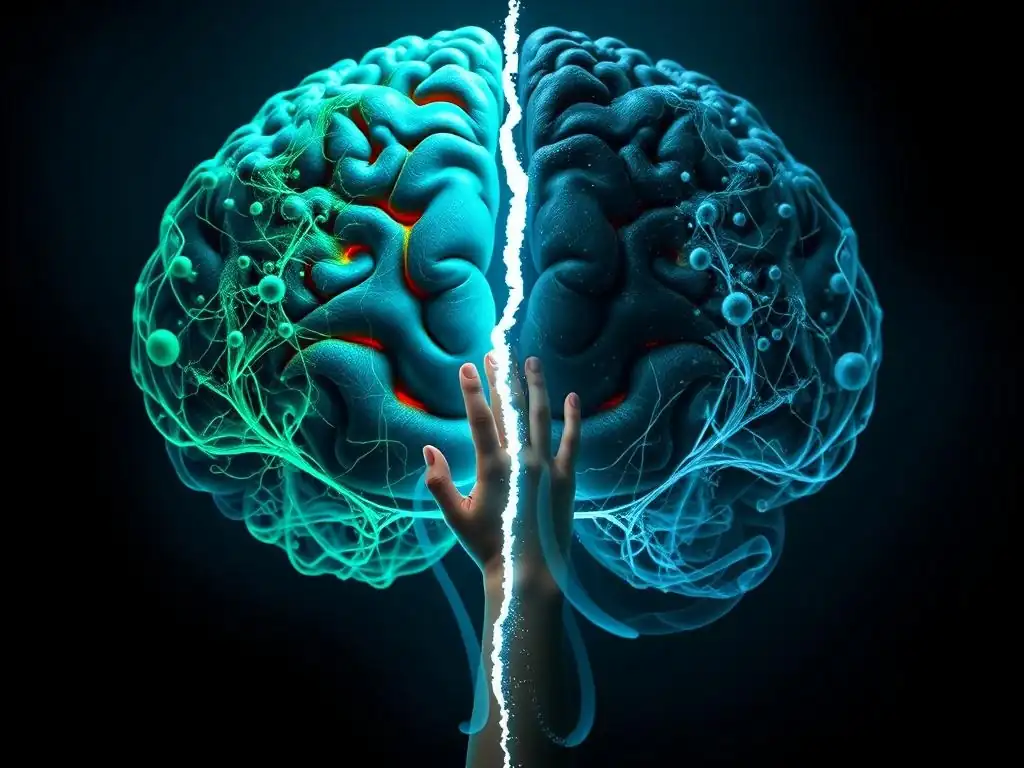
Welcome to Mind Care Guide, your sanctuary for understanding and nurturing mental well-being. Are you grappling with the subtle echoes of the past? This week, we delve into the profound impact of early life stress on brain changes, exploring how these experiences can shape adult brain structure and function. Unravel the science behind resilience and discover pathways to healing. Curious to understand how your past might be influencing your present? Let's explore this vital connection together.
The Impact of Childhood Trauma on Adult Brain Structure and Function
- Introduction: Understanding Childhood Trauma and its Lasting Effects
- How Childhood Trauma Alters Brain Structure
- The Functional Consequences of Childhood Trauma on the Brain
- The Role of Genetics and Epigenetics in Mediating the Effects of Trauma
- Long-Term Health Outcomes Associated with Childhood Trauma-Induced Brain Changes
- Resilience and Recovery: Mitigating the Effects of Childhood Trauma
- Future Research Directions: Understanding and Treating Childhood Trauma
- Conclusion: The Critical Need for Addressing Childhood Trauma to Promote Brain Health
-
Frequently Asked Questions
- What are the primary ways early life stress can impact the adult brain?
- How does early life stress contribute to changes in brain structure?
- Can the effects of early life stress on the brain be reversed or mitigated?
- What types of mental health challenges are most commonly associated with early life stress brain changes?
- What resources are available for individuals seeking support related to early life stress and its impact on mental well-being?
- Final Reflection: The Enduring Shadow of Early Life Stress
- Unlock Your Brain's Resilience: Take Charge of Your Wellbeing
Introduction: Understanding Childhood Trauma and its Lasting Effects
Defining Childhood Trauma: Adverse Childhood Experiences and Their Impact
Childhood trauma refers to a range of deeply distressing or disturbing experiences occurring during the critical developmental period from infancy through adolescence. These are often categorized as Adverse Childhood Experiences (ACEs) and include physical, emotional, or sexual abuse, neglect, witnessing violence, household dysfunction like parental separation, substance abuse, or mental illness within the home. The severity and duration of these experiences significantly influence their long-term impact.
Research, notably the CDC-Kaiser Permanente ACE Study, has demonstrated a strong dose-response relationship between the number of ACEs a person experiences and their risk of various negative health and social outcomes later in life. For instance, studies have shown that individuals with four or more ACEs are significantly more likely to face challenges such as chronic health problems, substance dependence, and mental health disorders compared to those with none. This foundational understanding highlights why examining early life stress brain changes is crucial for comprehending adult well-being.
The Neuroscience of Trauma: How Traumatic Experiences Shape the Developing Brain
The developing brain is remarkably plastic, meaning its structure and function are highly adaptable and shaped by experiences. Traumatic events, especially chronic or severe ones, expose the developing brain to overwhelming levels of stress hormones like cortisol. This hormonal surge, if prolonged, can disrupt the typical patterns of neural growth and connectivity.
This neurobiological response to early life stress can lead to lasting changes in the brain's architecture and wiring. Specific brain regions involved in fear processing, memory, and executive functions are particularly vulnerable during critical developmental windows. Understanding these complex interactions is key to grasping how early life stress brain changes manifest and contribute to later psychological and physical health challenges.
Why is Early Brain Development Vulnerable to Trauma?
The brain undergoes rapid and critical development during childhood and adolescence, building foundational neural circuits for emotion regulation, cognition, and social interaction. This period is characterized by significant neurogenesis, synaptogenesis (formation of connections), and synaptic pruning (elimination of less used connections). The brain's malleability during this time makes it uniquely susceptible to environmental influences, both positive and negative.
Exposure to trauma during these sensitive periods can hijack normal developmental processes. The stress response system, which is still maturing, can become dysregulated, leading to a state of chronic hyperarousal or hypoarousal. This persistent stress environment disrupts the delicate balance required for healthy neural development, leaving indelible marks on brain structure and function that underlie many of the early life stress brain changes observed in adulthood.
How Childhood Trauma Alters Brain Structure
Specific Brain Regions Affected by Trauma: A Neuroanatomical Perspective
Early life trauma doesn't impact the brain uniformly; instead, it targets specific regions critical for processing threats, regulating emotions, and managing stress. The neuroanatomical alterations observed in individuals with a history of childhood adversity provide tangible evidence of how profoundly these early experiences can shape the brain's physical structure. Examining these changes offers insights into the biological underpinnings of trauma's lasting effects.
Research using neuroimaging techniques like MRI has consistently identified structural differences in key areas of the brain in adults who experienced childhood trauma compared to those who did not. These findings underscore the significant early life stress brain changes that can occur, influencing everything from emotional reactivity to cognitive abilities and contributing to increased vulnerability to mental health conditions.
The Amygdala: Heightened Activity and Hypervigilance
The amygdala is a small, almond-shaped structure deep within the brain, often referred to as the brain's "fear center." It plays a crucial role in detecting threats and initiating the body's fight-or-flight response. Studies have shown that individuals exposed to early life trauma often exhibit increased amygdala volume and heightened reactivity to potential threats, even in safe environments.
This hyperactivation of the amygdala can lead to a state of chronic hypervigilance, where the individual is constantly on alert for danger. This persistent state of arousal is a hallmark of conditions like PTSD and contributes to anxiety, difficulty relaxing, and an exaggerated startle response. These early life stress brain changes in the amygdala are a primary driver of the heightened fear and anxiety experienced by many trauma survivors.
The Hippocampus: Reduced Volume and Memory Impairment
The hippocampus is vital for learning, memory formation, and regulating the stress response by helping to turn off the cortisol release after a threat has passed. Chronic exposure to stress hormones during early development can be neurotoxic to the hippocampus, impairing the birth of new neurons and potentially leading to a reduction in its overall volume.
Studies have frequently reported smaller hippocampal volumes in adults with a history of significant childhood trauma, particularly those with PTSD or depression. This structural change is linked to difficulties with memory consolidation, particularly autobiographical memory, and impaired spatial navigation. The reduced capacity of the hippocampus to regulate the stress response also perpetuates the dysregulation initiated by early adversity, illustrating another critical aspect of early life stress brain changes.
The Prefrontal Cortex: Impaired Executive Function and Emotion Regulation
The prefrontal cortex (PFC), located at the front of the brain, is responsible for higher-level cognitive functions known as executive functions. These include planning, decision-making, impulse control, working memory, and regulating complex emotions. The PFC undergoes significant development throughout adolescence, making it particularly sensitive to the environment during this period.
Childhood trauma is associated with altered development and reduced connectivity in the PFC. This can manifest as difficulties with emotional regulation, leading to mood swings, impulsivity, and challenges in controlling reactions to stressful situations. Impaired executive function also affects problem-solving abilities, attention span, and the capacity for long-term planning, highlighting the pervasive nature of early life stress brain changes on cognitive control.
White Matter Integrity and Early Adversity
Beyond grey matter structures like the amygdala and hippocampus, early life trauma can also impact the brain's white matter. White matter consists of myelinated axons, the "wires" that connect different brain regions and facilitate rapid communication between them. The process of myelination is crucial for efficient neural signaling and continues well into adolescence.
Research suggests that childhood adversity can disrupt the development and integrity of white matter pathways. This can lead to reduced connectivity between critical brain regions, such as those linking the prefrontal cortex with the amygdala or hippocampus. Impaired white matter integrity contributes to difficulties in integrating emotional and cognitive information, further compounding the challenges with emotion regulation and executive function observed as a result of early life stress brain changes.
The Functional Consequences of Childhood Trauma on the Brain
Impact on Emotional Regulation: Increased Risk of Mood Disorders
The structural changes induced by childhood trauma have profound functional consequences, particularly for emotional processing and regulation. The altered balance between a hyperactive amygdala and a less effective prefrontal cortex creates a scenario where individuals are more reactive to emotional stimuli and less able to modulate their responses. This dysregulation is a significant risk factor for developing various mood disorders.
Individuals with a history of early life stress often exhibit difficulties in identifying, expressing, and managing their emotions. They may experience more intense emotional responses, have trouble calming down after becoming upset, or resort to maladaptive coping mechanisms. These functional early life stress brain changes directly contribute to the increased prevalence of conditions like major depressive disorder and anxiety disorders in trauma survivors.
Trauma and the Development of Depression
Childhood trauma is one of the strongest predictors of developing major depressive disorder later in life. The chronic stress and neurobiological changes, including hippocampal volume reduction and PFC dysfunction, disrupt the brain circuits involved in mood regulation and reward processing. This can lead to persistent feelings of sadness, hopelessness, and a reduced capacity to experience pleasure.
Studies indicate that individuals with a history of childhood abuse or neglect are significantly more likely to experience recurrent episodes of depression and may have more severe symptoms and a poorer response to standard treatments. The underlying early life stress brain changes create a biological vulnerability that makes the brain more susceptible to the neurochemical imbalances associated with depression.
Trauma and the Development of Anxiety Disorders
Similarly, childhood trauma is strongly linked to an increased risk of various anxiety disorders, including generalized anxiety disorder, panic disorder, and social anxiety disorder. The hyperactive amygdala and altered fear circuitry prime the brain for an exaggerated response to perceived threats, leading to chronic worry, heightened physiological arousal, and avoidance behaviors.
The dysregulation of the stress response system means that individuals may have difficulty shutting off the anxiety response even when the threat is no longer present. This constant state of alert is functionally debilitating and is a direct consequence of the early life stress brain changes that alter the brain's capacity to process and regulate fear and anxiety effectively.
Cognitive Impairment and Trauma: Memory and Learning Deficits
The impact of childhood trauma extends beyond emotional regulation to affect cognitive functions, particularly those mediated by the hippocampus and prefrontal cortex. Memory formation, learning new information, attention, and problem-solving abilities can all be compromised in individuals with a history of early adversity.
Reduced hippocampal volume and function can lead to difficulties with declarative memory (memory for facts and events) and spatial memory. Impaired PFC function affects working memory (holding information in mind to manipulate it), attention span, and the ability to focus and concentrate. These cognitive deficits are significant functional early life stress brain changes that can impact academic performance, occupational success, and daily functioning.
Behavioral Consequences: Increased Risk-Taking and Impulsivity
The alterations in the prefrontal cortex, particularly its role in impulse control and risk assessment, contribute to behavioral consequences seen in individuals with a history of childhood trauma. Impaired executive function can lead to difficulties in inhibiting impulsive behaviors and making sound decisions, especially under stress.
This can manifest as increased risk-taking behaviors, such as substance abuse, reckless driving, or engaging in unsafe sexual practices. Difficulties with emotional regulation and impulse control also contribute to challenges in interpersonal relationships and increased rates of aggression or oppositional behavior. These behavioral patterns are often direct outcomes of the structural and functional early life stress brain changes impacting the brain's capacity for self-regulation.
The Role of Genetics and Epigenetics in Mediating the Effects of Trauma
Gene-Environment Interactions: How Genes and Trauma Interact
The impact of childhood trauma is not solely determined by the traumatic event itself but also by the individual's genetic predisposition and how their genes interact with the environment. Gene-environment interaction (GxE) models suggest that certain genetic variations can either increase or decrease an individual's sensitivity to environmental stressors, including trauma.
For example, some genetic variations in genes involved in stress response or neurotransmitter systems may make an individual more vulnerable to developing psychiatric disorders following trauma exposure, while others may confer a degree of resilience. This complex interplay means that not everyone exposed to trauma will develop the same early life stress brain changes or subsequent difficulties, highlighting the importance of individual biological differences.
Epigenetic Modifications: Lasting Changes in Gene Expression
Beyond changes in the DNA sequence itself, early life trauma can induce epigenetic modifications. Epigenetics refers to changes in gene expression that are heritable but do not involve alterations to the underlying DNA sequence. These modifications act like "on/off switches" or "volume controls" for genes, influencing how much or how little protein is produced from a particular gene.
Chronic stress and trauma can alter epigenetic marks, particularly in genes involved in the stress response system and brain development. These epigenetic changes can persist throughout life, potentially contributing to the long-term functional consequences of early life stress brain changes. They offer a biological mechanism by which environmental experiences can leave a lasting imprint on gene function, influencing vulnerability to stress and disease in adulthood.
FKBP5: A Gene Involved in Stress Response and PTSD Risk
One well-studied example of an epigenetic modification linked to early life trauma is found in the FKBP5 gene. This gene plays a role in regulating the body's stress response by interacting with the glucocorticoid receptor, which binds cortisol. Certain variations in the FKBP5 gene, combined with exposure to childhood trauma, are associated with altered epigenetic marks that lead to increased expression of the gene.
This increased FKBP5 expression results in a blunted feedback loop in the stress response system, meaning the body has difficulty turning off the stress response after a threat. This dysregulation contributes to a heightened vulnerability to stress-related disorders, particularly PTSD, and is considered a key biological pathway mediating the link between early adversity and long-term psychiatric risk, illustrating a specific mechanism for early life stress brain changes at the molecular level.
Long-Term Health Outcomes Associated with Childhood Trauma-Induced Brain Changes
Increased Risk of Mental Health Disorders in Adulthood
As previously discussed, the early life stress brain changes significantly increase the risk of developing a wide range of mental health disorders in adulthood. Beyond depression and anxiety, individuals with a history of childhood trauma are at higher risk for substance use disorders, eating disorders, bipolar disorder, and psychotic disorders.
The neurobiological alterations, including dysregulation of the stress response, impaired emotion regulation, and altered cognitive function, create a fertile ground for the development of psychopathology. The number and severity of ACEs are strong predictors of the likelihood and severity of these adult mental health challenges, underscoring the critical need to address the root causes in early life.
Increased Risk of Physical Health Problems: Cardiovascular Disease and Autoimmune Disorders
The impact of childhood trauma extends beyond mental health, significantly increasing the risk of chronic physical health problems. Chronic activation of the stress response system, driven by the persistent early life stress brain changes, leads to systemic inflammation and dysregulation of various physiological processes.
Studies have shown a strong association between ACEs and increased risk of cardiovascular diseases (like heart attack and stroke), autoimmune disorders (like rheumatoid arthritis and lupus), chronic pain conditions, and metabolic syndromes (like type 2 diabetes). The biological wear and tear on the body resulting from chronic stress exposure initiated in childhood contributes significantly to these adverse long-term physical health outcomes.
Childhood trauma can also profoundly impact an individual's ability to form and maintain healthy social relationships. The neurobiological changes affecting emotion regulation, trust, and attachment can make it difficult to feel safe in relationships or to navigate interpersonal conflicts effectively.
Individuals with a trauma history may struggle with intimacy, have difficulty setting boundaries, or exhibit patterns of avoidance or conflict in relationships. The internal experience of hypervigilance or emotional numbness, stemming from early life stress brain changes, can create barriers to genuine connection and social support, further isolating individuals and impacting their overall well-being.
Resilience and Recovery: Mitigating the Effects of Childhood Trauma
Protective Factors: The Importance of Secure Attachment
Despite the significant impact of childhood trauma, it is crucial to emphasize that exposure does not guarantee a predetermined negative outcome. Resilience, the ability to adapt and cope in the face of adversity, is a powerful factor. Protective factors in a child's environment can significantly mitigate the negative effects of trauma and promote healthier brain development.
One of the most critical protective factors is the presence of at least one stable, supportive, and nurturing relationship with a caregiver or adult. Secure attachment provides a buffer against the toxic effects of stress, helping the child regulate their emotions and develop a sense of safety and trust. These positive relationships can foster resilience and potentially lessen the severity of early life stress brain changes.
Therapeutic Interventions: Addressing the Impact of Trauma on the Brain
Fortunately, the brain retains a degree of plasticity throughout life, meaning that therapeutic interventions can help individuals process trauma, regulate their emotions, and potentially foster positive changes in brain function. Therapy provides a safe space to explore traumatic experiences and develop coping strategies.
Several evidence-based therapeutic approaches have proven effective in treating the effects of childhood trauma. These therapies often focus on processing traumatic memories, regulating emotional responses, and developing healthier ways of relating to oneself and others. While structural changes may be harder to reverse completely, functional improvements and symptom reduction are achievable, demonstrating the potential for healing despite early life stress brain changes.
Trauma-Focused Cognitive Behavioral Therapy (TF-CBT)
Trauma-Focused Cognitive Behavioral Therapy (TF-CBT) is an evidence-based approach designed specifically for children and adolescents who have experienced trauma. It helps the child and their non-offending caregiver process the trauma through gradual exposure, cognitive restructuring (challenging negative thoughts), and learning coping skills.
TF-CBT works by helping individuals gain a sense of mastery over their traumatic memories and reduce avoidance behaviors. By processing the trauma narrative in a safe environment, it can help regulate the fear response and reduce the hypervigilance associated with early life stress brain changes.
Eye Movement Desensitization and Reprocessing (EMDR)
Eye Movement Desensitization and Reprocessing (EMDR) is another widely used therapy for trauma survivors. It involves recalling distressing memories while simultaneously engaging in bilateral stimulation, such as eye movements. The theory is that this process helps the brain reprocess the traumatic memory, reducing its emotional intensity.
While the exact mechanisms are still being researched, EMDR is thought to facilitate the integration of traumatic memories into the brain's adaptive memory networks, reducing their power to trigger intense emotional and physiological responses. This reprocessing can help alleviate symptoms linked to early life stress brain changes, such as flashbacks and hyperarousal.
Somatic Experiencing
Somatic Experiencing (SE) is a body-oriented therapeutic approach that focuses on the physiological responses to trauma. It is based on the idea that trauma can cause dysregulation in the nervous system, leading to symptoms like chronic stress, anxiety, and physical tension.
SE helps individuals become aware of bodily sensations associated with trauma and gently release trapped energy. By focusing on the felt sense in the body, SE aims to help the nervous system complete the physiological responses that were interrupted during the traumatic event, promoting self-regulation and reducing the physical manifestations of early life stress brain changes.
The Role of Early Intervention Programs
Preventing or mitigating the effects of childhood trauma before significant early life stress brain changes become entrenched is paramount. Early intervention programs that support vulnerable families, promote positive parenting, and provide safe and stable environments for children can significantly reduce the incidence and impact of ACEs.
Programs focused on strengthening parent-child relationships, providing parent education, and offering mental health support to families can buffer children from the toxic effects of stress. Investing in these early interventions is a critical strategy for promoting healthy brain development and preventing the long-term health and social consequences associated with childhood trauma.
Future Research Directions: Understanding and Treating Childhood Trauma
Identifying Biomarkers for Early Detection of Trauma Effects
Future research is focused on identifying biomarkers that can help detect the biological impact of early life trauma earlier in development. Biomarkers could include specific patterns of gene expression, epigenetic marks, neuroimaging findings, or physiological indicators of stress response dysregulation.
Identifying such biomarkers could allow for earlier identification of children most vulnerable to the long-term effects of trauma, enabling targeted interventions before significant early life stress brain changes become fixed. This personalized approach holds promise for improving outcomes for trauma-exposed youth.
Developing Novel Therapies Targeting Specific Brain Circuits
Another key area of research involves developing novel therapeutic interventions that specifically target the brain circuits and molecular pathways affected by childhood trauma. This could include pharmacological agents that modulate stress hormone systems or neurotransmitter activity, or targeted neurofeedback techniques.
Understanding the precise nature of early life stress brain changes at the cellular and circuit level is crucial for designing therapies that can effectively reverse or compensate for the neurobiological damage caused by trauma. This precision medicine approach aims to develop more effective treatments for trauma-related disorders.
The Importance of Longitudinal Studies
Longitudinal studies that follow individuals exposed to trauma over many years are essential for understanding the trajectory of early life stress brain changes and their long-term consequences. These studies can track how brain structure and function evolve over time and how they are influenced by subsequent experiences, interventions, and life events.
Longitudinal research provides invaluable insights into the complex interplay between early adversity, brain development, and adult health outcomes. By mapping these trajectories, researchers can better understand periods of vulnerability and resilience, ultimately informing the development of more effective prevention and intervention strategies.
Conclusion: The Critical Need for Addressing Childhood Trauma to Promote Brain Health
Summarizing the Key Findings on Childhood Trauma Brain Changes
Childhood trauma has a profound and lasting impact on brain development, leading to significant early life stress brain changes in structure and function. Key regions affected include the amygdala (leading to hypervigilance), the hippocampus (resulting in reduced volume and memory deficits), and the prefrontal cortex (impairing executive function and emotion regulation). These neurobiological alterations are mediated by complex gene-environment interactions and epigenetic modifications.
These early life stress brain changes contribute to a heightened vulnerability to a wide range of negative outcomes in adulthood, including mental health disorders, chronic physical health problems, and difficulties in social functioning. The scientific evidence clearly demonstrates that the experiences of childhood literally shape the architecture of the adult brain.
Emphasizing the Importance of Prevention and Early Intervention
Given the far-reaching consequences of childhood trauma and the enduring nature of early life stress brain changes, there is a critical need to prioritize prevention and early intervention efforts. Creating safe, stable, and nurturing environments for children is the most effective strategy for promoting healthy brain development and preventing the cascade of negative outcomes associated with ACEs.
For individuals who have experienced trauma, effective therapeutic interventions offer hope for healing and recovery. By addressing the neurobiological and psychological impacts of trauma, these therapies can help individuals build resilience, improve their capacity for emotional regulation, and mitigate the long-term effects of early life stress brain changes, ultimately fostering better brain health and overall well-being.
Frequently Asked Questions
What are the primary ways early life stress can impact the adult brain?
Early life stress can lead to altered brain development, impacting structures like the amygdala and prefrontal cortex. This can result in increased vulnerability to mental health issues later in life.
How does early life stress contribute to changes in brain structure?
Stressful experiences during childhood can disrupt the normal pruning process of neural connections. This can lead to atypical brain structures and altered functional connectivity.
Can the effects of early life stress on the brain be reversed or mitigated?
While the impact can be significant, interventions like therapy and supportive environments can promote neuroplasticity and resilience. This helps re-establish healthy brain function.
What types of mental health challenges are most commonly associated with early life stress brain changes?
Individuals exposed to early life stress are at higher risk for anxiety disorders, depression, and PTSD. These conditions are often linked to altered stress response systems and emotional regulation.
Mind Care Guide offers a variety of resources, including articles, support groups, and directories of mental health professionals. These resources are designed to provide information and practical support.
Final Reflection: The Enduring Shadow of Early Life Stress
The consequences of early life stress are not merely childhood struggles; they are deeply etched into the architecture of the adult brain, profoundly impacting mental and physical health across the lifespan. This article has explored the intricate ways in which adverse childhood experiences (ACEs) alter brain development, leading to increased vulnerability to a range of mental health disorders and physical ailments later in life. The implications are far-reaching, affecting not only individuals but also society as a whole through increased healthcare costs and reduced societal productivity.
Understanding the lasting impact of early life stress is crucial for fostering empathy and implementing effective preventative measures. The pervasive nature of these effects underscores the urgent need for societal changes that prioritize the well-being of children. As the renowned psychiatrist, Dr. Gabor Maté, eloquently stated, Childhood experiences are not merely memories; they are imprinted on the body and brain, shaping our biology and influencing our health and well-being throughout life.
This quote highlights the biological reality of trauma's influence, moving beyond a purely psychological understanding to encompass the physical changes within the brain itself.
Consider the implications of this knowledge in your own life. Are you aware of the potential impact of your own childhood experiences? Perhaps more importantly, how can you contribute to creating a more supportive and nurturing environment for children in your community? This might involve advocating for policies that support families, volunteering at a local youth organization, or simply being more mindful and compassionate in your interactions with children. Let us work together to break the cycle of early life stress and build a future where every child has the opportunity to thrive.
Unlock Your Brain's Resilience: Take Charge of Your Wellbeing
Thanks for taking the time to learn about the impact of early life stress on your brain. Understanding this connection is a powerful first step towards building a more resilient future. Now, let's turn that knowledge into action!
- Prioritize self-care practices: Identify one small, manageable self-care activity you can incorporate into your daily routine (e.g., 10 minutes of meditation, a mindful walk). This is your foundational step towards building resilience.
- Explore supportive resources: Look for local or online support groups, or consider journaling to process your experiences and emotions. Connecting with others can make a significant difference.
- Share this information: Pass this article on to someone who might benefit from understanding the impact of early life stress. Starting a conversation is a powerful way to spread awareness and support.
What small, yet impactful, self-care step will you commit to today to nurture your brain's health?