
The Developing Brain Under Stress: Unique Biological Vulnerabilities


Welcome to Mind Care Guide, a safe space to explore the intricate landscape of mental well-being.
Ever wondered how early life stress can uniquely shape the developing brain, making it more vulnerable later in life? This article delves into the fascinating neuroscience behind brain development stress vulnerability challenges. Understanding these biological vulnerabilities is the first step towards building resilience and fostering lasting mental health. Join us as we unravel the complexities and offer insights for a brighter future.
The Developing Brain Under Stress: Unique Biological Vulnerabilities
- Introduction: Understanding Brain Development and Stress Vulnerability
- The Biological Impact of Stress on the Developing Brain
- Specific Brain Regions Affected by Stress During Development
- Neurological Consequences of Early Life Stress
- Unique Vulnerabilities at Different Stages of Brain Development
- The Role of Genetics in Stress Vulnerability
- Identifying and Addressing Brain Development Stress Vulnerability Challenges
- Long-Term Implications and Future Research
- Conclusion: Protecting the Developing Brain from the Detrimental Effects of Stress
-
Frequently Asked Questions
- How does stress impact the developing brain?
- What are the unique vulnerabilities of the developing brain to stress?
- What role does genetics play in brain development and stress vulnerability?
- What are some strategies to mitigate the negative effects of stress on a child's brain?
- How can understanding "brain development stress vulnerability challenges" help improve mental well-being?
- Final Reflection: The Enduring Impact of Stress on the Developing Brain
- Unlock Your Child's Resilience: Practical Steps to Support Brain Development
Introduction: Understanding Brain Development and Stress Vulnerability
The human brain undergoes a remarkable and complex journey of development from conception through adolescence and into early adulthood. This intricate process involves the formation of billions of neurons and trillions of connections, shaping everything from basic sensory processing to complex cognitive functions and emotional regulation. However, this very period of rapid growth and plasticity also represents a time of heightened susceptibility to environmental influences, particularly stress. Understanding the unique biological vulnerabilities of the developing brain to stress is crucial for appreciating the long-term impact of early adverse experiences on mental health and well-being.
Stress, in its various forms – from acute traumatic events to chronic neglect or instability – can significantly disrupt the delicate balance required for healthy brain development. This disruption doesn't just affect temporary states like mood or attention; it can fundamentally alter the structural and functional architecture of the brain, laying the groundwork for potential brain development stress vulnerability challenges later in life. Exploring these biological mechanisms provides critical insights into why early intervention and supportive environments are paramount for protecting the developing mind.
Why the Developing Brain is Uniquely Vulnerable to Stress
The developing brain is characterized by high levels of plasticity, meaning its structure and function are highly adaptable and shaped by experiences. While this plasticity is essential for learning and adapting to the environment, it also makes the brain more susceptible to disruption from negative experiences like chronic or severe stress. Neurons are actively migrating, forming synapses (connections), and undergoing myelination (insulating nerve fibers for faster communication) during critical periods. Stress can interfere with these fundamental processes, leading to altered connectivity and function in key brain regions.
Furthermore, the stress response system itself, particularly the hypothalamic-pituitary-adrenal (HPA) axis, is still maturing during development. This immaturity can lead to dysregulation, where the system becomes either overly reactive or blunted in response to stressors. For instance, chronic early stress can program the HPA axis to remain hyperactive, leading to persistently elevated levels of stress hormones that bathe the developing neural circuits. This sustained exposure can have neurotoxic effects, particularly on regions involved in learning, memory, and emotional control, highlighting significant brain development stress vulnerability challenges.
The Importance of Early Brain Development for Long-Term Mental Health
The foundational experiences during infancy and early childhood are particularly critical because they lay the groundwork for future cognitive, emotional, and social functioning. The rapid formation of neural pathways during these years establishes the basic architecture upon which later development is built. Secure attachment relationships, predictable environments, and positive interactions provide the necessary scaffolding for healthy brain maturation, promoting resilience and adaptive stress responses.
Conversely, exposure to significant adversity during these sensitive periods can disrupt the formation of these crucial circuits. For example, early neglect can lead to reduced development in areas like the prefrontal cortex, impacting executive functions such as planning and impulse control. Studies have shown that children exposed to severe early deprivation may exhibit lasting differences in brain structure and activity patterns, increasing their risk for a range of mental health challenges, including anxiety disorders, depression, and behavioral problems, underscoring the profound impact of brain development stress vulnerability challenges.
The Biological Impact of Stress on the Developing Brain
Stress is not just a psychological experience; it triggers a complex physiological response involving multiple biological systems. In the context of the developing brain, these biological reactions can have profound and lasting effects, altering neural architecture and function. Understanding the specific biological pathways involved is key to grasping the depth of stress's impact during these formative years.
The primary biological mediators of the stress response are hormones, particularly cortisol, released by the adrenal glands. These hormones travel throughout the bloodstream, including to the brain, where they interact with receptors on neurons in various regions. While acute stress can trigger adaptive responses, chronic or severe stress leads to prolonged exposure to high levels of these hormones, which can become detrimental to the delicate processes of brain development, contributing significantly to brain development stress vulnerability challenges.
Stress Hormones and Their Effects on Brain Structures
The principal stress hormone, cortisol (or corticosterone in rodents, often used in research), is a glucocorticoid. Glucocorticoids bind to specific receptors found abundantly in areas of the brain critical for stress regulation, learning, and memory, such as the hippocampus, amygdala, and prefrontal cortex. During development, these regions are undergoing significant structural and functional changes, making them particularly sensitive to hormonal fluctuations. High levels of cortisol can interfere with neurogenesis (the birth of new neurons), synaptogenesis (the formation of connections between neurons), and myelination.
Research, often from animal models but supported by human imaging studies, suggests that chronic stress exposure during critical developmental windows can lead to reduced volume in areas like the hippocampus and prefrontal cortex. For instance, studies in children exposed to early life adversity have sometimes shown smaller hippocampal volumes compared to their peers.
Simultaneously, stress can lead to increased activity or even volume in the amygdala, a region associated with fear and emotional processing. These structural alterations are not merely cosmetic; they reflect changes in neural circuitry that underpin cognitive deficits, emotional dysregulation, and increased susceptibility to stress-related disorders, highlighting the brain development stress vulnerability challenges.
The HPA Axis: How Chronic Stress Alters Brain Function
The Hypothalamic-Pituitary-Adrenal (HPA) axis is the body's central stress response system. When a stressor is perceived, the hypothalamus releases corticotropin-releasing hormone (CRH), which signals the pituitary gland to release adrenocorticotropic hormone (ACTH). ACTH then travels to the adrenal glands, prompting the release of cortisol. Normally, cortisol provides negative feedback to the hypothalamus and pituitary, shutting down the stress response once the threat has passed.
However, chronic or unpredictable stress during development can disrupt this feedback loop, leading to HPA axis dysregulation. This can manifest as either hyper-reactivity (an exaggerated stress response) or hypo-reactivity (a blunted stress response).
Studies have shown that children exposed to early trauma may exhibit altered cortisol patterns, such as elevated baseline levels or a flattened diurnal rhythm (cortisol levels typically peak in the morning and decline throughout the day). This persistent dysregulation means the brain and body remain in a heightened state of alert or struggle to appropriately respond to future stressors, contributing significantly to brain development stress vulnerability challenges and increasing the risk for conditions like chronic anxiety and depression.
Specific Brain Regions Affected by Stress During Development
While stress impacts the brain broadly, certain regions are particularly vulnerable during specific developmental periods due to the timing of their maturation and the density of stress hormone receptors. Understanding the differential impact on these key areas helps explain the diverse range of cognitive, emotional, and behavioral problems associated with early stress exposure.
The prefrontal cortex, amygdala, and hippocampus are three critical structures that undergo significant development throughout childhood and adolescence and are richly endowed with receptors for stress hormones. Disruptions to these regions can have cascading effects on interconnected neural networks that govern executive function, emotional processing, and memory, respectively, highlighting specific brain development stress vulnerability challenges.
The Impact of Stress on Prefrontal Cortex Development
The prefrontal cortex (PFC), located at the front of the brain, is the seat of executive functions such as planning, decision-making, working memory, impulse control, and regulating complex social behavior. It undergoes protracted development, continuing to mature well into the early twenties. This extended period of plasticity makes it highly susceptible to environmental influences, including stress. Stress hormones can impair the development of neural circuits within the PFC, affecting the density of neurons, the formation of synapses, and the myelination of nerve fibers that connect the PFC to other brain regions.
Research indicates that early chronic stress can lead to structural and functional deficits in the PFC. For example, studies using fMRI (functional magnetic resonance imaging) have shown altered activity patterns in the PFC of individuals with a history of childhood adversity when performing tasks requiring executive control. Behaviorally, this can manifest as difficulties with attention, planning, problem-solving, and emotional regulation, contributing to difficulties in academic performance and social interactions. These specific impacts on the PFC represent significant brain development stress vulnerability challenges that can have long-lasting consequences.
Stress and the Amygdala: Shaping Emotional Responses
The amygdala is a key structure involved in processing emotions, particularly fear and threat detection. It develops relatively early compared to the PFC, but its connections with other brain regions continue to mature throughout childhood and adolescence. The amygdala is highly sensitive to stress hormones, and early exposure to stress can lead to increased size, heightened activity, or altered connectivity of this region.
Studies have shown that individuals with a history of early trauma often exhibit exaggerated amygdala responses to emotional stimuli. This hyper-reactivity can contribute to increased anxiety, fearfulness, and difficulty in regulating emotional reactions. For instance, a child exposed to unpredictable stress may develop an amygdala that is constantly on high alert, making them more prone to perceiving neutral situations as threatening. This altered emotional processing, rooted in stress-induced changes in the amygdala, is a core aspect of brain development stress vulnerability challenges related to emotional regulation.
Hippocampal Development: Memory and Stress Sensitivity
The hippocampus is critical for learning, memory formation (particularly episodic and spatial memory), and regulating the stress response through its negative feedback role on the HPA axis. Like the PFC, the hippocampus is rich in glucocorticoid receptors and undergoes significant neurogenesis and synaptic development during childhood. It is particularly vulnerable to the neurotoxic effects of prolonged exposure to high levels of stress hormones.
Chronic stress during development can impair hippocampal neurogenesis and lead to a reduction in its volume. This can result in deficits in memory and learning abilities. Furthermore, damage to the hippocampus can weaken its ability to effectively signal the HPA axis to shut down the stress response, potentially contributing to the maintenance of HPA axis dysregulation. For example, studies on adults with PTSD, often linked to early trauma, frequently show reduced hippocampal volume. These effects on the hippocampus underscore the brain development stress vulnerability challenges that impact not only emotional regulation but also crucial cognitive functions like memory.
Neurological Consequences of Early Life Stress

Beyond the specific structural changes in individual brain regions, early life stress can lead to widespread alterations in the way different parts of the brain communicate with each other. These changes in neural pathways and connectivity underpin many of the cognitive and emotional difficulties observed in individuals with a history of early adversity.
Furthermore, the impact of stress isn't limited to changing the physical structure and activity of neurons; it can also leave a lasting mark at the genetic level through epigenetic modifications. These changes don't alter the DNA sequence itself but affect how genes are expressed, influencing brain development and function for years to come, contributing significantly to brain development stress vulnerability challenges.
Altered Neural Pathways and Connectivity
Brain function relies on complex networks of interconnected neurons. Different brain regions must communicate efficiently to perform tasks ranging from simple sensory processing to complex decision-making. Early life stress can disrupt the formation and maturation of these connections, leading to altered communication patterns between key areas like the PFC, amygdala, and hippocampus.
For example, stress can weaken the functional connectivity between the PFC and the amygdala. Normally, the PFC helps regulate and dampen the activity of the amygdala, allowing for more controlled emotional responses. When this connection is impaired, the amygdala may operate with less inhibitory control, leading to increased emotional reactivity and difficulty regulating fear and anxiety.
Studies using diffusion tensor imaging (DTI) have shown altered white matter pathways (the bundles of nerve fibers that connect brain regions) in children exposed to trauma, indicating changes in the structural integrity of these crucial communication lines. These widespread connectivity issues are a major component of brain development stress vulnerability challenges.
Epigenetic Changes and Long-Term Effects on Gene Expression
Epigenetics refers to changes in gene expression that are caused by environmental factors without altering the underlying DNA sequence. These changes involve chemical modifications to DNA or the proteins that package DNA (histones), which can turn genes "on" or "off" or influence the level of their activity. The developing brain is particularly susceptible to epigenetic modifications induced by environmental exposures, including stress.
Research has shown that early life stress can lead to specific epigenetic marks in genes involved in stress response, neurodevelopment, and neurotransmitter systems. For example, studies on individuals exposed to early adversity have found altered methylation patterns (a common epigenetic mark) in genes related to the HPA axis, such as the glucocorticoid receptor gene.
These epigenetic changes can persist throughout life, influencing how the individual responds to stress and increasing their susceptibility to stress-related disorders. These enduring molecular changes represent a fundamental aspect of brain development stress vulnerability challenges and highlight how early experiences can leave a biological imprint that lasts for decades.
Unique Vulnerabilities at Different Stages of Brain Development
The brain develops in a complex, staged process, with different regions and systems undergoing critical periods of growth and organization at different times. This means that the timing, as well as the nature, of stress exposure significantly influences its impact. The specific brain development stress vulnerability challenges faced can vary depending on whether the stress occurs during prenatal development, early childhood, or adolescence.
Understanding these stage-specific vulnerabilities is crucial for targeted prevention and intervention efforts. For instance, stress during pregnancy might affect fetal brain structures differently than stress during puberty, which impacts the final wiring of the prefrontal cortex.
Prenatal Stress: Impact on Fetal Brain Development
The period of gestation is a time of rapid and fundamental brain development, involving neurogenesis, neuronal migration, and the initial formation of neural circuits. The fetal brain is not isolated from the mother's physiological state; maternal stress hormones, such as cortisol, can cross the placenta and directly influence the developing fetal brain. Elevated maternal stress during pregnancy has been associated with altered fetal brain development and connectivity.
Studies tracking children whose mothers experienced significant stress during pregnancy (e.g., due to natural disasters, partner violence, or severe anxiety) have shown increased risks for a range of developmental and mental health issues later in life, including attention deficits, anxiety, and depression. Brain imaging studies in these children have sometimes revealed subtle differences in brain structure, such as altered amygdala size or connectivity patterns, compared to children of mothers with lower stress levels. These findings highlight the profound brain development stress vulnerability challenges that can begin even before birth.
Early Childhood Stress: Critical Periods of Vulnerability
Early childhood (roughly birth to age 5) is a period of explosive synaptogenesis and pruning, particularly in sensory, language, and basic cognitive areas, as well as the limbic system (including the amygdala and hippocampus). Experiences during these years heavily shape the foundational architecture of the brain. Chronic stress, such as that resulting from neglect, abuse, or chaotic environments, can severely disrupt these processes.
This period is critical for the development of the HPA axis and the establishment of regulatory circuits that connect the limbic system with the prefrontal cortex. Severe stress at this age can lead to the HPA axis dysregulation discussed earlier and alter the developing emotional regulation circuitry. For example, institutionalized children or those exposed to severe deprivation in early life often show significant delays in cognitive development and exhibit higher rates of emotional and behavioral problems, illustrating the critical brain development stress vulnerability challenges specific to this age range.
Adolescent Brain Development and Stress Response
Adolescence is another distinct period of significant brain maturation, characterized by extensive remodeling of the prefrontal cortex and its connections to subcortical areas. This includes pruning of synapses and continued myelination. The limbic system, involved in reward and emotion, matures earlier than the prefrontal cortex, potentially contributing to increased risk-taking and emotional intensity during these years. The stress response system also undergoes further refinement during adolescence.
Exposure to stress during adolescence can impact the final wiring of the prefrontal cortex, affecting the development of higher-level cognitive functions and impulse control. It can also further entrench dysregulation of the HPA axis. Studies have shown that adolescent stress is a significant risk factor for the onset of mental health disorders like depression and anxiety, which often emerge during these years. The unique interplay of hormonal changes, ongoing brain remodeling, and increased exposure to social stressors makes adolescence a period with its own set of brain development stress vulnerability challenges.
The Role of Genetics in Stress Vulnerability
While environmental stress is a powerful shaper of the developing brain, individuals are not born as blank slates. Genetic factors also play a significant role in determining an individual's baseline stress reactivity, their capacity for resilience, and how their brain develops in response to experience. The interaction between our genes and our environment is crucial in understanding why some individuals are more susceptible to the effects of stress than others.
Genetic variations can influence the structure and function of the stress response system, the expression of neurotransmitter receptors, and the plasticity of brain regions involved in stress processing. However, having a genetic predisposition does not mean that negative outcomes are inevitable; rather, it highlights the importance of gene-environment interactions in shaping mental health outcomes and brain development stress vulnerability challenges.
Gene-Environment Interactions and Mental Health Outcomes
The concept of gene-environment interaction posits that the effect of an environmental exposure (like stress) on an outcome (like mental health) depends on an individual's genetic makeup, and vice versa. For instance, research has explored variations in genes related to serotonin transport (e.g., the 5-HTTLPR polymorphism) or stress hormone receptors. Some studies have suggested that individuals carrying certain variants of these genes may be more susceptible to developing depression or anxiety following exposure to early life stress compared to individuals with different variants.
This doesn't mean the gene causes the disorder, but rather that it might influence how the brain and stress system respond to adversity, potentially amplifying the negative impact. Conversely, certain genetic factors might confer greater resilience, enabling an individual to cope more effectively with stress. Understanding these complex interactions is key to unraveling the diverse pathways leading to brain development stress vulnerability challenges and informs personalized approaches to prevention and intervention.
Genetic Predisposition and Resilience Factors
Beyond vulnerability, genetics can also contribute to resilience. Some genetic variants may be associated with traits that buffer against the negative effects of stress, such as higher levels of neurotrophic factors that support neuronal growth and survival, or differences in neurotransmitter systems that promote positive mood and coping. For example, research is exploring genes related to oxytocin and vasopressin systems, which are involved in social bonding and stress reduction, as potential contributors to resilience.
While identifying specific "resilience genes" is complex, it's clear that an individual's genetic background influences their inherent capacity to adapt to challenging environments. This capacity interacts dynamically with environmental factors, such as supportive relationships and positive experiences, which can further enhance resilience. Recognizing the interplay between genetic predisposition and environmental factors is vital for addressing brain development stress vulnerability challenges and fostering healthy development.
Identifying and Addressing Brain Development Stress Vulnerability Challenges
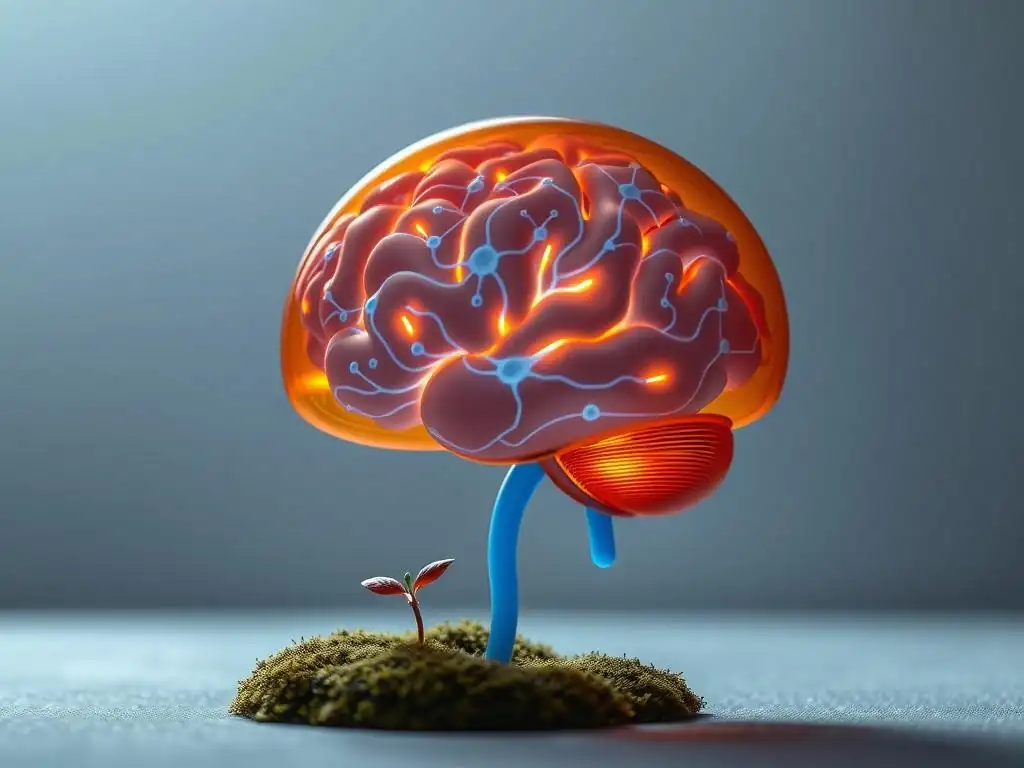
Given the profound and lasting impact of stress on the developing brain, identifying children and adolescents at risk and implementing effective interventions are paramount. Addressing these brain development stress vulnerability challenges requires a multi-faceted approach that includes early identification, therapeutic support, and strategies to build resilience.
Interventions can target reducing exposure to stress, mitigating the biological effects of stress on the brain, and strengthening the individual's capacity to cope with adversity. These efforts often involve parents, caregivers, schools, and mental health professionals working together to create supportive environments and provide necessary resources.
Early Intervention Strategies for At-Risk Children
Early intervention is critical because the brain is most plastic during sensitive developmental periods. Programs aimed at supporting pregnant mothers experiencing stress, providing parent education for new caregivers, and offering home visiting services can help create nurturing environments that buffer infants and young children from adversity. Interventions that enhance parent-child interaction and promote secure attachment are particularly effective, as a secure caregiver relationship acts as a primary buffer against stress for a young child.
For children exposed to trauma or chronic stress, trauma-informed care in schools and healthcare settings is essential. This approach recognizes the potential impact of trauma on behavior and development and aims to avoid re-traumatization while providing support. Early screening for developmental and behavioral issues in children from high-stress environments allows for timely referral to appropriate services, addressing brain development stress vulnerability challenges before they become entrenched.
Therapeutic Approaches to Mitigate the Effects of Stress
Various therapeutic approaches can help children and adolescents process traumatic experiences, develop coping skills, and mitigate the biological effects of stress. Trauma-focused cognitive behavioral therapy (TF-CBT), for example, is an evidence-based intervention for children who have experienced trauma. It helps children and their caregivers process the trauma narrative, challenge distorted thoughts, and learn relaxation and coping techniques.
Other therapies, such as play therapy for younger children or dialectical behavior therapy (DBT) for adolescents, can help individuals learn to identify and regulate intense emotions, improve interpersonal skills, and tolerate distress. In some cases, pharmacological interventions may be used to manage severe symptoms like anxiety or depression, though therapy remains a cornerstone of treatment for stress-related developmental issues. These therapeutic strategies are vital tools for addressing brain development stress vulnerability challenges and promoting healing.
Building Resilience in the Developing Brain: Promoting Secure Attachment and Mindfulness
Building resilience involves fostering the capacity to adapt and thrive despite adversity. For the developing brain, one of the most powerful resilience factors is a secure attachment relationship with a primary caregiver. A responsive and predictable caregiver helps a child learn that the world is safe and that their needs will be met, which is crucial for regulating the stress response system and promoting healthy brain development. Programs that support parenting skills and strengthen family bonds are fundamental for building this type of resilience.
Mindfulness practices, even in age-appropriate forms for children and adolescents, can also help build resilience by teaching skills for emotional regulation and stress reduction. Techniques like focused breathing or body scans can help individuals become more aware of their internal states and develop the capacity to respond to stress with greater calm and intentionality rather than reactivity. Engaging in regular physical activity, ensuring adequate sleep, and promoting healthy peer relationships are also important components of fostering resilience and mitigating brain development stress vulnerability challenges.
Long-Term Implications and Future Research
The impact of early life stress on brain development is not confined to childhood; it has significant long-term implications for physical and mental health throughout the lifespan. Individuals exposed to severe early adversity have a higher risk of developing a wide range of health problems, including cardiovascular disease, metabolic disorders, and chronic pain, in addition to mental health conditions.
Understanding the enduring neurological consequences of early stress and developing more effective interventions are ongoing areas of research. Future studies aim to identify specific biomarkers of stress vulnerability and resilience, develop personalized interventions based on genetic and epigenetic profiles, and explore the potential of novel therapies, including those that target neural plasticity, to reverse or mitigate the effects of early adversity on the brain and address brain development stress vulnerability challenges.
The Link Between Early Stress and Mental Disorders
Compelling evidence demonstrates a strong link between early life stress and increased risk for various mental health disorders. Studies consistently show that exposure to childhood abuse, neglect, or household dysfunction significantly increases the likelihood of developing depression, anxiety disorders, post-traumatic stress disorder (PTSD), substance use disorders, and personality disorders in adolescence and adulthood. For example, estimates suggest that childhood maltreatment can increase the risk of developing major depressive disorder in adulthood by approximately 2 to 4 times.
This increased vulnerability is thought to be mediated, at least in part, by the lasting changes in brain structure, function, and stress response systems discussed earlier. The altered neural pathways and epigenetic modifications create a biological substrate that predisposes individuals to developing psychopathology when faced with later life stressors. Addressing these brain development stress vulnerability challenges early is crucial for preventing or reducing the severity of these long-term mental health outcomes.
Future research in this field is focusing on several key areas. One is the use of advanced neuroimaging techniques to better understand the specific trajectories of brain development under stress and identify sensitive periods for intervention. Researchers are also exploring the potential of using epigenetic markers as indicators of early stress exposure and predictors of later risk.
Another promising area is the development of interventions that specifically target the biological effects of stress on the brain. This includes exploring pharmacological agents that might promote neurogenesis or synaptic repair, as well as non-pharmacological approaches like exercise, mindfulness, and targeted cognitive training designed to strengthen affected brain regions and their connections. Ultimately, the goal is to develop more precise and effective strategies to prevent or reverse the negative impact of stress on the developing brain and overcome brain development stress vulnerability challenges.
Conclusion: Protecting the Developing Brain from the Detrimental Effects of Stress
The developing brain's unique plasticity, while enabling remarkable learning and adaptation, also renders it particularly vulnerable to the detrimental effects of stress. From the prenatal period through adolescence, stress can alter the structure, function, and connectivity of critical brain regions like the prefrontal cortex, amygdala, and hippocampus, and leave lasting epigenetic marks. These biological changes contribute significantly to brain development stress vulnerability challenges, increasing the risk for a wide range of cognitive, emotional, and behavioral problems, and long-term mental health disorders.
Recognizing these biological vulnerabilities is the first step towards protecting the developing brain. Investing in early intervention programs, supporting parents and caregivers, providing trauma-informed care, and offering evidence-based therapies are crucial strategies. Building resilience through secure relationships, mindfulness, and healthy lifestyle factors can help buffer the impact of stress. By understanding and addressing the biological impact of stress on the developing brain, we can work towards creating environments that foster healthy development and mitigate the lasting brain development stress vulnerability challenges, ultimately promoting better mental health outcomes for individuals throughout their lives.
Frequently Asked Questions
How does stress impact the developing brain?
Stress, particularly chronic stress, can significantly impact brain development. It can alter brain structure and function, especially in areas like the prefrontal cortex and hippocampus, crucial for executive function and memory.
What are the unique vulnerabilities of the developing brain to stress?
The developing brain is uniquely vulnerable because its neural circuits are still forming. This makes it more susceptible to long-term changes in response to stress compared to a fully developed brain.
What role does genetics play in brain development and stress vulnerability?
Genetics can influence an individual's stress response and their brain's susceptibility to stress-related changes. Certain genetic variations may make some individuals more resilient or more vulnerable.
What are some strategies to mitigate the negative effects of stress on a child's brain?
Creating a safe and supportive environment, promoting healthy coping mechanisms, and seeking professional help if needed are vital. These strategies can help buffer the developing brain from the harmful effects of stress.
How can understanding "brain development stress vulnerability challenges" help improve mental well-being?
By understanding these challenges, we can develop targeted interventions and support systems to promote resilience. Early intervention can significantly improve long-term mental health outcomes for individuals at risk.
Final Reflection: The Enduring Impact of Stress on the Developing Brain
The vulnerability of the developing brain to stress is not merely a scientific curiosity; it is a critical factor shaping the trajectory of countless lives. Understanding this vulnerability is paramount in addressing the pervasive challenges of mental health and societal well-being in our increasingly stressful world. The implications are far-reaching, affecting everything from academic achievement to social interactions and long-term physical health.
The pervasive nature of stress in modern life, from academic pressures to socioeconomic inequalities, underscores the urgent need for proactive interventions. We must move beyond simply acknowledging the problem and actively seek solutions that support healthy brain development in the face of adversity. The brain that is stressed is not the brain that learns.
This quote highlights the crucial link between stress reduction and optimal cognitive function, a connection that deserves far greater attention in our educational systems and social policies.
Consider the impact of stress on your own life, and the lives of those around you. What steps can you take to foster resilience and promote healthy brain development, both for yourself and for future generations? Let this understanding serve as a catalyst for positive change, prompting you to advocate for supportive environments and seek resources that prioritize mental well-being. The future of our society depends on it.
Unlock Your Child's Resilience: Practical Steps to Support Brain Development
We hope this article shed light on the unique challenges a developing brain faces under stress. Understanding these vulnerabilities is the first step towards building resilience and fostering healthy growth. Now, let's put this knowledge into action!
- Prioritize mindful moments: Dedicate just 5 minutes each day to a calming activity with your child – deep breathing, a nature walk, or simply quiet connection. This simple practice can make a significant difference in managing stress.
- Connect with our community: Share your experiences and learn from other parents navigating similar challenges. We believe in the power of shared knowledge and support. Join our online forum for a supportive environment and valuable insights.
- Explore personalized resources: Discover tailored strategies and tools to help your child thrive, specifically designed for their age and developmental stage. We're here to guide you on this journey.
Ready to cultivate a more resilient future for your child? What small step will you take today to support their developing brain?