
The Immune System's Interaction with the Stressed Brain: Neuroinflammation

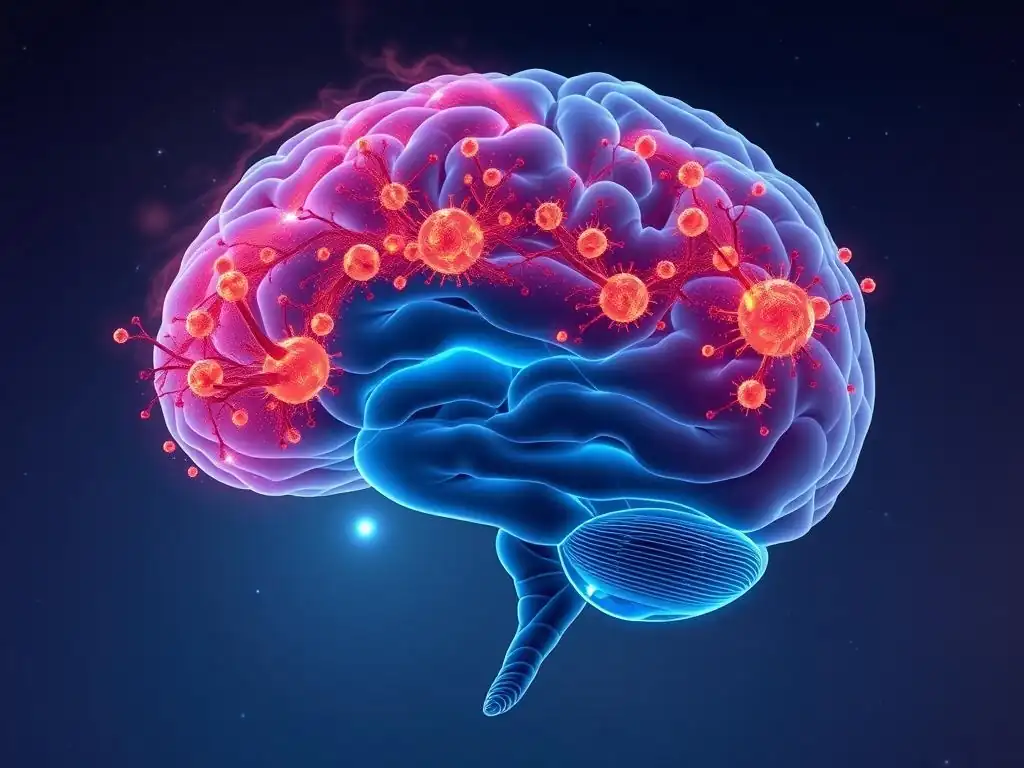
Welcome to Mind Care Guide, a sanctuary for understanding and nurturing your mental well-being.
Feeling overwhelmed? You're not alone. Dive into our latest article exploring the intricate link between stress impacts brain inflammation and its profound effects on your mental state. Discover how your immune system interacts with a stressed brain and what you can do to find relief. Curious to learn more about the fascinating neuroscience behind it all? Let's explore together.
The Immune System's Interaction with the Stressed Brain: Neuroinflammation
- Introduction: Understanding the Link Between Stress, Immunity, and Brain Health
- How Stress Impacts Brain Inflammation: A Deep Dive
- Neuroinflammation's Impact on Brain Function and Mental Health
- The Immune System's Role in Stress-Induced Neuroinflammation
- Identifying and Managing Stress to Reduce Neuroinflammation
- The Future of Research: Targeting Neuroinflammation to Improve Mental Well-being
- Conclusion: The Importance of Addressing Stress to Protect Brain Health
-
Frequently Asked Questions
- What is neuroinflammation, and how does it relate to stress?
- How does stress impact brain inflammation according to this article?
- What are some potential consequences of chronic neuroinflammation caused by stress?
- What role does the immune system play in the connection between stress and brain inflammation?
- Are there any strategies to manage stress and potentially reduce brain inflammation?
- Final Reflection: The Unseen Battle Within: Stress, the Brain, and Inflammation
- Unlock Your Brain's Resilience: Take Charge of Neuroinflammation
Introduction: Understanding the Link Between Stress, Immunity, and Brain Health
The Mind-Body Connection: Stress and Systemic Inflammation
The intricate connection between the mind and body is a cornerstone of holistic health understanding, particularly evident in how psychological stress influences physiological processes. When an individual experiences stress, whether acute or chronic, the body initiates a complex cascade of responses involving the nervous, endocrine, and immune systems. This interconnectedness means that mental states, like prolonged stress, don't just affect mood or behavior; they can profoundly alter physical health, including triggering systemic inflammation throughout the body. This low-grade, chronic inflammation, often invisible on the surface, can contribute to a range of health issues, from cardiovascular disease to metabolic disorders.
Research has increasingly illuminated the pathways through which stress hormones and neurotransmitters released during stressful events can directly modulate immune cell function. For instance, cortisol, a primary stress hormone, initially suppresses immune responses but can lead to immune dysregulation and pro-inflammatory states when stress is chronic.
Studies have shown that individuals experiencing high levels of chronic stress, such as caregivers or those facing job insecurity, often exhibit elevated levels of inflammatory markers like C-reactive protein (CRP) and pro-inflammatory cytokines in their bloodstream, sometimes 2-3 times higher than their less-stressed counterparts. This systemic inflammatory state sets the stage for inflammation in specific organs, including the brain.
Neuroinflammation refers to the inflammatory response within the brain or spinal cord. While acute neuroinflammation is a protective mechanism, helping the brain recover from injury or infection, chronic neuroinflammation is often detrimental. It involves the activation of the brain's resident immune cells, primarily microglia and astrocytes, as well as the release of inflammatory molecules like cytokines, chemokines, and reactive oxygen species. This persistent inflammatory state can disrupt neuronal function, impair synaptic plasticity, and even lead to neuronal damage over time.
The significant impact stress has on brain inflammation is a major focus of current neuroscience research. Chronic stress, in particular, is a potent trigger for neuroinflammation. Studies in both animal models and humans exposed to prolonged stress demonstrate consistent evidence of microglial activation and increased levels of pro-inflammatory cytokines within various brain regions, including the hippocampus, prefrontal cortex, and amygdala.
For example, post-mortem studies in individuals with a history of severe chronic stress have shown increased microglial density and activation markers in hippocampal tissue compared to control groups. This persistent inflammatory environment within the brain is now understood to be a critical factor mediating the adverse effects of stress on cognitive function, mood, and overall mental health.
How Stress Impacts Brain Inflammation: A Deep Dive
The HPA Axis and Its Role in Stress Response
The Hypothalamic-Pituitary-Adrenal (HPA) axis is a central neuroendocrine system that regulates the body's response to stress. When a stressor is perceived, the hypothalamus releases corticotropin-releasing hormone (CRH), which signals the pituitary gland to release adrenocorticotropic hormone (ACTH). ACTH then travels to the adrenal glands, prompting the release of cortisol (or corticosterone in rodents), the primary stress hormone. Cortisol mobilizes energy resources and modulates various physiological processes, including immune function, to help the body cope with the perceived threat.
Under normal circumstances, the HPA axis operates within a negative feedback loop: elevated cortisol levels inhibit the release of CRH and ACTH, dampening the stress response once the threat passes. However, chronic stress can lead to dysregulation of this axis. Persistent exposure to stressors can impair the sensitivity of the feedback mechanisms, resulting in prolonged elevation of cortisol levels. This chronic hormonal imbalance is a key factor in how stress impacts brain inflammation, as sustained high levels of cortisol and other stress mediators can directly influence immune cell activity both peripherally and within the central nervous system.
Chronic Stress and the Dysregulation of the Immune System
Chronic stress significantly alters the delicate balance of the immune system, shifting it towards a pro-inflammatory state. While acute stress can transiently enhance certain aspects of immune function (like preparing for wound healing), prolonged exposure to stress hormones and neurotransmitters leads to immune dysregulation. This often manifests as reduced effectiveness of immune surveillance, impaired wound healing, and, crucially, a heightened inflammatory response.
Research indicates that chronic stress can lead to a phenomenon called cortisol resistance, where immune cells become less responsive to the anti-inflammatory effects of cortisol. This paradoxical effect means that even high levels of cortisol fail to suppress inflammation effectively, allowing pro-inflammatory processes to continue unchecked.
Studies have shown that individuals experiencing long-term stress, such as those caring for a relative with Alzheimer's disease, exhibit higher circulating levels of pro-inflammatory cytokines like Interleukin-6 (IL-6) and Tumor Necrosis Factor-alpha (TNF-α), sometimes up to double the levels found in control groups. This systemic inflammation is closely linked to the inflammatory processes observed in the brain, highlighting how stress impacts brain inflammation through a generalized immune system shift.
Stress Hormones and Their Influence on Microglia Activation
Stress hormones, particularly cortisol and catecholamines like norepinephrine, exert a direct influence on microglia, the brain's primary immune cells. Microglia are dynamic cells that constantly survey the brain environment. In their resting state, they have a ramified morphology. Upon activation by injury, infection, or stress signals, they change morphology and release inflammatory mediators.
Numerous studies have demonstrated that exposure to stress, especially chronic stress, leads to microglial activation. Cortisol can bind to glucocorticoid receptors on microglia, influencing their activation state and cytokine production. Similarly, norepinephrine, released by sympathetic nerve fibers innervating the brain, can bind to adrenergic receptors on microglia, promoting a pro-inflammatory phenotype.
This stress-hormone-induced microglial activation is a central mechanism by which stress impacts brain inflammation. Activated microglia release a cocktail of inflammatory molecules, including IL-1β, TNF-α, and IL-6, which can disrupt synaptic function, impair neurogenesis (the birth of new neurons), and contribute to the pathology of various neurological and psychiatric disorders.
Neuroinflammation's Impact on Brain Function and Mental Health
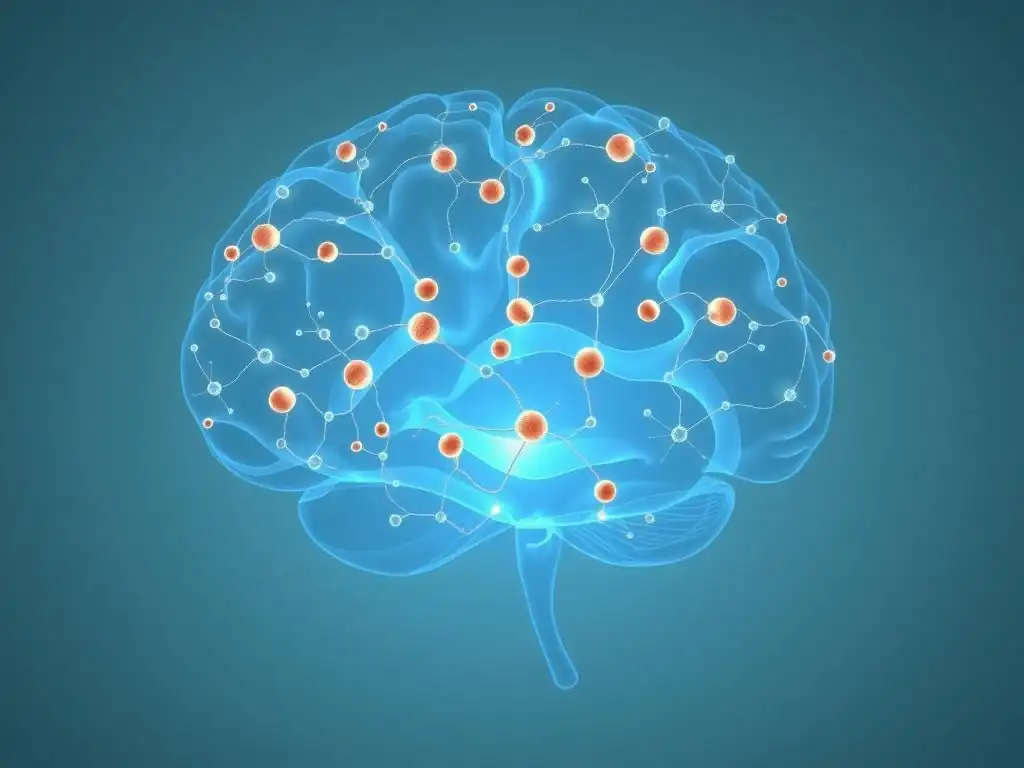
Microglia Activation and Synaptic plasticity: The Connection
Synaptic plasticity, the ability of synapses to strengthen or weaken over time, is fundamental to learning, memory, and adaptive behavior. Chronic stress and the resulting neuroinflammation significantly impair this crucial process. Activated microglia release pro-inflammatory cytokines like TNF-α and IL-1β, which can directly interfere with synaptic function. These cytokines have been shown to inhibit long-term potentiation (LTP), a cellular mechanism underlying learning and memory, particularly in brain regions sensitive to stress like the hippocampus.
Furthermore, microglia play a role in synaptic pruning, the process of removing weak or unnecessary synapses. While essential for normal development, aberrant or excessive pruning by overactive microglia in the context of neuroinflammation caused by stress can lead to a reduction in synaptic density. Studies have shown that chronic stress can reduce the number of synapses in the prefrontal cortex and hippocampus, brain areas critical for executive function and memory. This disruption of synaptic plasticity is a key pathological change linking how stress impacts brain inflammation to cognitive deficits and altered emotional processing.
Stress-Induced Neuroinflammation and Cognitive Impairment
The cognitive consequences of stress-induced neuroinflammation are well-documented. The hippocampus, a brain region vital for learning and memory, is particularly vulnerable to the effects of both stress and neuroinflammation. Chronic stress leads to elevated cortisol levels and neuroinflammation in the hippocampus, which can impair neurogenesis and disrupt synaptic connections. This can manifest as difficulties with spatial memory, learning new information, and forming new memories.
Beyond the hippocampus, stress-induced neuroinflammation also affects the prefrontal cortex, which is responsible for executive functions such as planning, decision-making, working memory, and attention. Inflammation in this area can lead to deficits in these cognitive abilities. Animal studies involving chronic unpredictable stress have consistently shown impaired performance on tasks requiring prefrontal cortex function, alongside evidence of microglial activation and cytokine elevation in this region. This provides strong evidence that the neuroinflammatory response triggered by stress significantly impacts cognitive performance.
The Role of Neuroinflammation in Anxiety and Depression
Neuroinflammation is increasingly recognized as a significant contributor to the pathophysiology of mood disorders, particularly anxiety and depression. Research indicates that individuals with major depressive disorder often exhibit elevated levels of inflammatory markers in both their periphery and cerebrospinal fluid. This suggests a link between systemic inflammation and inflammation within the brain.
How stress impacts brain inflammation is critical here, as chronic stress is a major risk factor for developing anxiety and depression. The inflammatory environment created by activated microglia and elevated cytokines can disrupt neurotransmitter systems, particularly those involving serotonin, dopamine, and glutamate, which are known to be involved in mood regulation. For example, pro-inflammatory cytokines like IL-1β and TNF-α can increase the reuptake of serotonin, reducing its availability in the synapse.
They can also alter glutamate signaling, potentially leading to excitotoxicity. Furthermore, neuroinflammation can impair neurogenesis in the hippocampus, a process linked to antidepressant efficacy. This multifaceted impact of stress-induced neuroinflammation on neural circuits and neurotransmitter systems helps explain its significant role in the development and maintenance of anxiety and depressive symptoms.
The Immune System's Role in Stress-Induced Neuroinflammation
Cytokine Production and Brain Inflammation: A Cascade Effect
Cytokines are small proteins that act as signaling molecules for the immune system. They can be pro-inflammatory (e.g., TNF-α, IL-1β, IL-6) or anti-inflammatory (e.g., IL-4, IL-10). The immune system's response to stress involves a complex interplay of cytokine production that can directly influence brain inflammation. Prolonged exposure to stress hormones and signals from the nervous system shifts the balance towards increased production of pro-inflammatory cytokines by peripheral immune cells like macrophages and lymphocytes.
These circulating pro-inflammatory cytokines can then signal to the brain. While the blood-brain barrier (BBB) typically restricts the passage of large molecules and cells, cytokines can cross the BBB through specific transport mechanisms, at leaky points (like the circumventricular organs), or by signaling endothelial cells lining the brain's blood vessels, which then release their own inflammatory mediators into the brain parenchyma.
Once inside the brain, these cytokines activate resident microglia and astrocytes, triggering a cascade effect that amplifies the inflammatory response within the central nervous system. This peripheral-to-central signaling pathway is a major route by which stress impacts brain inflammation, translating systemic immune activation into neuroinflammation.
Peripheral Immune Cells and Their Migration to the Brain
Beyond cytokine signaling, peripheral immune cells themselves can contribute to stress-induced neuroinflammation. While the brain is considered an "immune-privileged" site due to the BBB, certain conditions, including chronic stress, can compromise BBB integrity. Stress hormones and inflammatory mediators can loosen the tight junctions between endothelial cells, increasing the permeability of the barrier.
This increased permeability allows peripheral immune cells, such as monocytes and T lymphocytes, to infiltrate the brain parenchyma. Once inside the brain, these cells can differentiate into macrophages and become activated, releasing pro-inflammatory cytokines and other mediators that contribute to the ongoing neuroinflammatory process.
Studies using advanced imaging techniques and histological analysis have provided evidence of increased immune cell infiltration in the brains of animals subjected to chronic stress. This migration of peripheral immune cells adds another layer of complexity to how stress impacts brain inflammation, demonstrating a direct involvement of the body's systemic immune response in driving brain pathology.
The Gut-Brain Axis: How Gut Microbiome Influences Neuroinflammation
The gut-brain axis is a bidirectional communication system linking the central nervous system with the enteric nervous system of the gut. This axis involves neural, endocrine, and immune pathways, and the gut microbiome plays a critical role in its function. Trillions of microorganisms reside in the gut, and their composition and metabolic activity profoundly influence both gut health and broader physiological processes, including immune regulation and brain function.
Stress can significantly alter the composition and diversity of the gut microbiome, a phenomenon known as dysbiosis. Stress-induced changes in gut motility, permeability (leaky gut), and mucus production create an environment that favors certain bacterial species over others. This dysbiosis can lead to increased production of pro-inflammatory bacterial metabolites and reduced production of beneficial ones, such as short-chain fatty acids (SCFAs) like butyrate, which have anti-inflammatory properties.
These microbial changes can activate the gut immune system and increase the permeability of the gut lining, allowing bacterial products like lipopolysaccharide (LPS) to enter the bloodstream. LPS is a potent immune activator that can travel to the brain and activate microglia, thereby contributing to neuroinflammation. This complex interaction highlights how stress impacts brain inflammation not just directly, but also indirectly through its effects on the gut microbiome and the subsequent activation of the gut-brain axis inflammatory pathways.
Identifying and Managing Stress to Reduce Neuroinflammation
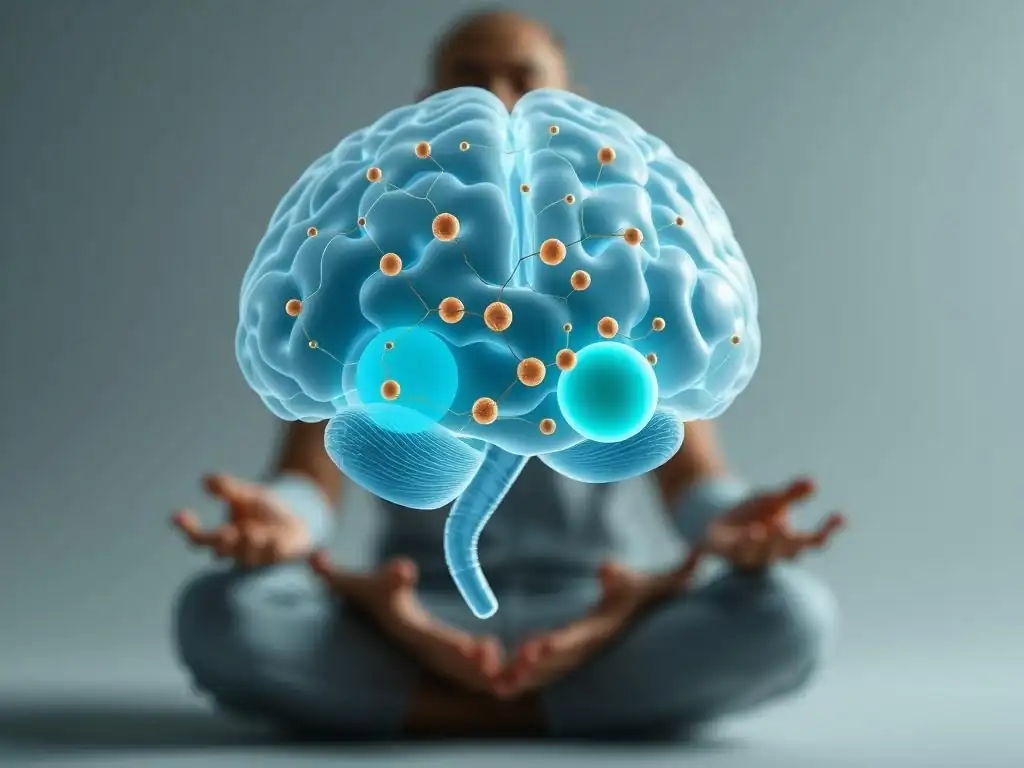
Lifestyle Interventions for Reducing Stress and Inflammation: Diet, Exercise, and Sleep
Adopting healthy lifestyle habits is a powerful strategy for both managing stress and reducing systemic and neuroinflammation. Nutrition plays a key role; a diet rich in anti-inflammatory foods such as fruits, vegetables, whole grains, lean proteins, and omega-3 fatty acids (found in fatty fish, flaxseeds, and walnuts) can help lower inflammatory markers. Conversely, diets high in processed foods, sugar, and saturated fats are pro-inflammatory. For example, consuming a Mediterranean-style diet has been associated with lower levels of CRP and other inflammatory cytokines.
Regular physical exercise is another potent anti-inflammatory intervention. Moderate-intensity aerobic exercise, performed consistently (e.g., 150 minutes per week), has been shown to reduce circulating levels of pro-inflammatory cytokines and improve immune function. Exercise also acts as a stress reliever, reducing cortisol levels and promoting the release of endorphins. Furthermore, prioritizing sufficient, high-quality sleep (typically 7-9 hours per night for adults) is crucial. Sleep deprivation increases stress hormones and promotes inflammation, while adequate sleep supports immune regulation and helps the brain clear inflammatory waste products. Combining these lifestyle elements provides a synergistic approach to mitigating how stress impacts brain inflammation.
Mindfulness and Meditation: Calming the Mind and Reducing Inflammatory Responses
Mindfulness and meditation practices have gained significant attention for their ability to reduce stress and positively influence physiological processes, including inflammation. These practices involve focusing attention on the present moment without judgment, which can help individuals develop greater awareness of their thoughts, emotions, and bodily sensations, allowing for a more adaptive response to stressors.
Research using randomized controlled trials has demonstrated that regular mindfulness meditation can lead to reductions in perceived stress levels and corresponding decreases in inflammatory markers. For instance, studies have shown that participants who complete an 8-week mindfulness-based stress reduction (MBSR) program often exhibit lower levels of IL-6 and TNF-α compared to control groups.
The mechanisms are thought to involve reducing activity in brain regions associated with stress processing (like the amygdala) and enhancing connectivity with areas involved in emotional regulation (like the prefrontal cortex). By calming the nervous system and altering stress reactivity, these practices offer a practical method for individuals to reduce the neuroinflammatory effects of stress.
Managing stress and its impact on brain inflammation often requires a multi-faceted approach, which may include therapeutic interventions. While directly targeting neuroinflammation with pharmacological agents is an active area of research (discussed below), existing anti-inflammatory medications, such as NSAIDs, are not typically prescribed solely for stress-induced neuroinflammation due to potential side effects and lack of specificity. However, managing underlying inflammatory conditions can indirectly benefit brain health.
Psychotherapy, particularly cognitive-behavioral therapy (CBT) and stress inoculation training, are highly effective in helping individuals develop coping strategies for stress. By changing negative thought patterns and behaviors related to stressors, psychotherapy can reduce the physiological stress response, including the activation of the HPA axis and the release of stress hormones. Reducing the initial stress signal is a fundamental way to lessen how stress impacts brain inflammation. For individuals experiencing severe chronic stress or stress-related mental health conditions, combining psychotherapy with stress management techniques and potentially pharmacological interventions for mood/anxiety symptoms can provide comprehensive support.
Here is a task list for managing stress:
- [ ] Identify primary stressors.
- [ ] Practice daily mindfulness or meditation for at least 10 minutes.
- [ ] Aim for 30 minutes of moderate exercise most days of the week.
- [ ] Ensure 7-9 hours of quality sleep per night.
- [ ] Incorporate anti-inflammatory foods into your diet.
- [ ] Limit intake of processed foods, sugar, and unhealthy fats.
- [ ] Seek professional help from a therapist or counselor if stress feels overwhelming.
- [ ] Consider stress-reducing activities like yoga, deep breathing, or spending time in nature.
The Future of Research: Targeting Neuroinflammation to Improve Mental Well-being
Emerging Therapies for Neuroinflammation: Microglial Modulation and Cytokine Targeting
The growing understanding of how stress impacts brain inflammation has opened new avenues for therapeutic development aimed at improving mental health outcomes. One promising area is the development of drugs that can modulate microglial activity.
Instead of simply suppressing all microglial function, which is necessary for brain health, the goal is to shift microglia from a pro-inflammatory state back towards a more quiescent or even pro-resolving phenotype. Compounds that target specific receptors on microglia, such as the fractalkine receptor (CX3CR1) or the cannabinoid receptor type 2 (CB2), are under investigation for their potential to dampen excessive inflammation without compromising essential microglial functions.
Another therapeutic approach focuses on targeting the inflammatory cytokines themselves. Strategies include using antibodies to block the action of specific pro-inflammatory cytokines like TNF-α or IL-6, or using drugs that inhibit the enzymes involved in cytokine production (e.g., specific kinase inhibitors). While some anti-cytokine therapies are used for peripheral inflammatory diseases, their application in psychiatric disorders is still largely experimental, often facing challenges related to crossing the blood-brain barrier and potential side effects. However, the potential to directly counteract the inflammatory signals that contribute to stress-induced brain changes represents a significant frontier in treating conditions linked to neuroinflammation.
Personalized Approaches to Managing Stress and Neuroinflammation: The Role of Genetics and Individual Differences
It is increasingly clear that not everyone responds to stress in the same way, nor do they experience the same degree of neuroinflammatory response. Individual differences in genetic makeup, early life experiences, gut microbiome composition, and lifestyle factors all contribute to this variability. Future research is moving towards more personalized approaches to managing stress and its inflammatory consequences.
Understanding the genetic predisposition to stress sensitivity or a heightened inflammatory response could allow for targeted preventative strategies or interventions. For instance, variations in genes related to the HPA axis ( CRH, NR3C1 encoding the glucocorticoid receptor) or immune function ( IL6, TNF) may influence an individual's vulnerability. Similarly, analyzing an individual's gut microbiome profile could inform dietary or probiotic interventions aimed at fostering a microbial community that supports a less inflammatory state. This personalized medicine approach, integrating genetic, environmental, and biological data, holds the promise of developing more effective strategies tailored to an individual's specific profile of stress reactivity and neuroinflammatory risk, offering more precise ways to manage how stress impacts brain inflammation.
Conclusion: The Importance of Addressing Stress to Protect Brain Health
Reducing Chronic Stress: A Proactive Approach to Mental Wellness
The evidence is compelling: chronic stress significantly impacts brain inflammation, contributing to a range of negative consequences for brain function and mental health. From disrupting synaptic plasticity and impairing cognition to increasing the risk and severity of anxiety and depression, the inflammatory pathways activated by prolonged stress are detrimental. Therefore, proactively identifying and reducing chronic stress is not just about feeling better emotionally in the short term; it is a critical strategy for protecting long-term brain health and promoting mental wellness.
Taking steps to manage stress before it becomes overwhelming can mitigate the damaging effects of sustained neuroinflammation. This includes recognizing the sources of stress in one's life, developing effective coping mechanisms, and setting boundaries to prevent burnout. Prioritizing stress reduction is an investment in the resilience and health of the brain, helping to preserve cognitive function and emotional stability over time.
The Power of Lifestyle Changes in Mitigating Neuroinflammation
As discussed, simple yet powerful lifestyle changes offer a readily accessible means to combat the neuroinflammatory effects of stress. Adopting an anti-inflammatory diet, engaging in regular physical activity, ensuring adequate sleep, and practicing mindfulness or meditation are all evidence-based strategies that can help reduce both systemic inflammation and the inflammatory burden on the brain.
These lifestyle interventions work synergistically to regulate the stress response, modulate immune function, and support overall brain health. They can help dampen the overactivity of microglia, reduce the production of pro-inflammatory cytokines, and even support processes like neurogenesis that are impaired by stress and inflammation. Embracing these habits empowers individuals to take an active role in managing how stress impacts brain inflammation, building a foundation for resilience.
Seeking Professional Help for Stress Management and Mental Health
While self-management strategies are invaluable, it is important to recognize when stress or related mental health challenges require professional support. Therapists, counselors, and medical professionals can provide guidance, tools, and treatment options tailored to individual needs. Psychotherapy can help individuals process stressors, develop effective coping skills, and address underlying issues contributing to chronic stress.
For those experiencing significant anxiety, depression, or other mental health conditions linked to stress and potentially neuroinflammation, professional help is essential. A healthcare provider can assess symptoms, recommend appropriate treatments (which may include medication or specialized therapies), and offer support. Seeking help is a sign of strength and a crucial step in effectively managing stress and protecting brain health from the detrimental effects of neuroinflammation.
Frequently Asked Questions
What is neuroinflammation, and how does it relate to stress?
Neuroinflammation is inflammation in the brain or spinal cord. Stress can trigger the release of inflammatory molecules in the body, which can then cross the blood-brain barrier and contribute to neuroinflammation.
How does stress impact brain inflammation according to this article?
The article suggests that stress can lead to the activation of the immune system, which releases inflammatory cytokines. These cytokines can then directly affect the brain, causing neuroinflammation and potentially impacting brain function.
What are some potential consequences of chronic neuroinflammation caused by stress?
Chronic neuroinflammation linked to stress may contribute to the development or worsening of various mental health conditions, such as anxiety, depression, and cognitive decline. It can disrupt normal brain function and neuronal communication.
What role does the immune system play in the connection between stress and brain inflammation?
The immune system is a key player, acting as a mediator between stress and the brain. Stress can activate the immune system, leading to the release of inflammatory substances, which can then impact the brain and induce neuroinflammation.
Are there any strategies to manage stress and potentially reduce brain inflammation?
Yes, managing stress through techniques like mindfulness, exercise, and a healthy diet can help regulate the immune system and reduce the production of inflammatory molecules. This could potentially mitigate the impact of stress on brain inflammation.
Final Reflection: The Unseen Battle Within: Stress, the Brain, and Inflammation
The intricate dance between stress and inflammation is not merely a scientific curiosity; it's a critical factor shaping our mental and physical well-being in the 21st century. The relentless pressures of modern life – from demanding careers to social media overload – are fueling a silent epidemic of neuroinflammation, impacting millions worldwide. Understanding this connection is no longer optional; it's essential for navigating the complexities of our increasingly stressful world.
The pervasive influence of stress on our brain's inflammatory response is profoundly unsettling. It underscores the deep interconnectedness of our minds and bodies, a truth often overlooked in our fragmented approach to health. The mind is its own place, and in itself can make a heaven of hell, a hell of heaven.
– John Milton. This quote, while written centuries ago, resonates powerfully today as we grapple with the far-reaching consequences of chronic stress on our neurological health. The ongoing research into this area highlights the urgent need for holistic approaches to wellness, emphasizing stress management techniques alongside traditional medical interventions.
Consider the impact of stress on your own life. Are you prioritizing self-care? Are you actively engaging in stress-reducing activities like exercise, mindfulness, or spending time in nature? This isn't just about feeling better; it's about protecting your brain from the insidious effects of chronic inflammation. Take a moment to reflect on your relationship with stress, and commit to making positive changes, however small, to nurture your mental and physical resilience. Your brain – and your future self – will thank you for it.
Unlock Your Brain's Resilience: Take Charge of Neuroinflammation
Thanks for exploring the fascinating connection between stress, your immune system, and brain health! You've learned valuable insights into neuroinflammation—now let's put that knowledge into action.
Here's how you can start nurturing your brain's resilience today:
- Prioritize stress-reducing activities: Identify and implement at least one new relaxation technique this week – whether it's mindful breathing, a short walk in nature, or listening to calming music. This is your primary step towards mitigating neuroinflammation.
- Share your learnings: Discuss what you've discovered with a friend or family member. Sharing knowledge empowers us all!
- Explore further: Dive deeper into the research on specific stress-reducing techniques by searching for "mindfulness and neuroinflammation" or "yoga and immune response." You might be surprised by what you uncover!
What simple change will you make today to support your brain's optimal health and reduce inflammation?