
Mitochondrial Dysfunction in the Stressed Brain: Energy Crisis


Welcome to Mind Care Guide, a safe space dedicated to understanding and nurturing your mental well-being.
Feeling overwhelmed? Could the answer lie deeper than you think? In this article, we delve into the fascinating connection between mitochondria and brain function, exploring how mitochondrial stress can significantly impact your mental health. Are these tiny powerhouses the key to unlocking better cognitive function and emotional resilience? Join us as we uncover the latest research and practical insights.
- Mitochondrial Dysfunction in the Stressed Brain: An Energy Crisis for Mental Well-being
- Stress-Induced Mitochondrial Dysfunction: How Stress Impacts Brain Energy Production
- Consequences of Impaired Mitochondrial Function on Brain Activity and Mental Health
- Mechanisms Linking Mitochondrial Dysfunction to Cognitive Impairment
- Strategies to Support Mitochondrial Health and Improve Brain Function Under Stress
- Future Directions in Mitochondrial Research and Mental Health Treatment
- Conclusion: Protecting Brain Energy for Enhanced Mental Well-being
-
Frequently Asked Questions
- How does mitochondrial dysfunction impact brain function under stress?
- What role does stress play in causing mitochondrial dysfunction?
- What are the potential symptoms of mitochondrial dysfunction in the stressed brain?
- Are there any lifestyle changes that can help improve mitochondrial function and reduce stress?
- Can supplements help support mitochondrial function in the context of stress?
- Final Reflection: The Unseen Engine of Mental Wellbeing
- Unlock Your Brain's Energy Potential
Mitochondrial Dysfunction in the Stressed Brain: An Energy Crisis for Mental Well-being
What are Mitochondria and Why Are They Important for Brain Function?
Mitochondria are often referred to as the "powerhouses" of the cell. These tiny organelles, found in nearly every cell of the body, are primarily responsible for generating the vast majority of the cell's supply of adenosine triphosphate (ATP), the main energy currency. This process, known as cellular respiration, involves breaking down glucose and other fuel molecules in the presence of oxygen to produce ATP, carbon dioxide, and water. Beyond energy production, mitochondria are also involved in crucial cellular processes such as calcium homeostasis, programmed cell death (apoptosis), synthesis of certain molecules like steroids and heme, and signaling pathways.
For the brain, which is an incredibly energy-demanding organ, the function of mitochondria is paramount. Neurons, the primary cells of the brain, rely heavily on a constant and robust supply of ATP to perform their complex tasks, including generating electrical impulses, synthesizing and releasing neurotransmitters, maintaining ion gradients across membranes, and supporting synaptic plasticity – the ability of connections between neurons to strengthen or weaken over time, which is fundamental to learning and memory. Any disruption to mitochondrial function can therefore have profound implications for neuronal health and overall brain activity.
The Brain's High Energy Demands and Mitochondrial Dependence
Despite accounting for only about 2% of the body's weight, the brain consumes roughly 20% of the body's total energy expenditure when at rest. This high demand is driven by the continuous activity required to maintain membrane potentials, transmit signals, and support the intricate network of neuronal communication.
A significant portion of this energy is used by the sodium-potassium pumps that restore ion balance after a neuron fires an action potential, a process absolutely vital for brain signaling. Studies using techniques like positron emission tomography (PET) have estimated that glucose utilization, the brain's primary fuel source, is substantial, reflecting this intense energy need.
The reliance on mitochondria is particularly pronounced in areas of high neuronal activity, such as the cortex, hippocampus (critical for memory), and cerebellum (involved in motor control and coordination). These regions are packed with mitochondria, strategically located near synapses where energy is rapidly needed for neurotransmitter release and reuptake. The efficiency and health of these brain mitochondria directly dictate the brain's capacity to perform its functions.
When mitochondrial function is compromised, these energy-intensive processes slow down or fail, potentially leading to impaired cognition and altered mood. Understanding how mitochondria stress brain function is crucial for grasping the biological underpinnings of many neurological and psychiatric conditions.
The Link Between Mitochondrial Function and Mental Health
Emerging research has established a compelling link between mitochondrial function and various aspects of mental health. Dysfunctional mitochondria have been implicated in the pathophysiology of several psychiatric disorders, including major depressive disorder (MDD), bipolar disorder, anxiety disorders, schizophrenia, and neurodevelopmental disorders like autism spectrum disorder. For instance, studies have observed altered mitochondrial morphology, reduced ATP production capacity, and increased oxidative stress markers in the brains and peripheral cells of individuals diagnosed with MDD compared to healthy controls.
The precise mechanisms underlying this link are complex and multifaceted. Impaired mitochondrial function can lead to a cascade of detrimental effects, including reduced energy supply for neuronal activity, accumulation of reactive oxygen species (ROS) leading to oxidative damage, disruption of calcium signaling, and activation of inflammatory pathways.
These biological disturbances can collectively impact neurotransmitter systems, synaptic plasticity, and neurogenesis (the birth of new neurons), all of which are critical for mood regulation, cognitive function, and overall mental well-being. This highlights how mitochondria stress brain function in a way that can directly contribute to the development or exacerbation of mental health challenges.
Stress-Induced Mitochondrial Dysfunction: How Stress Impacts Brain Energy Production
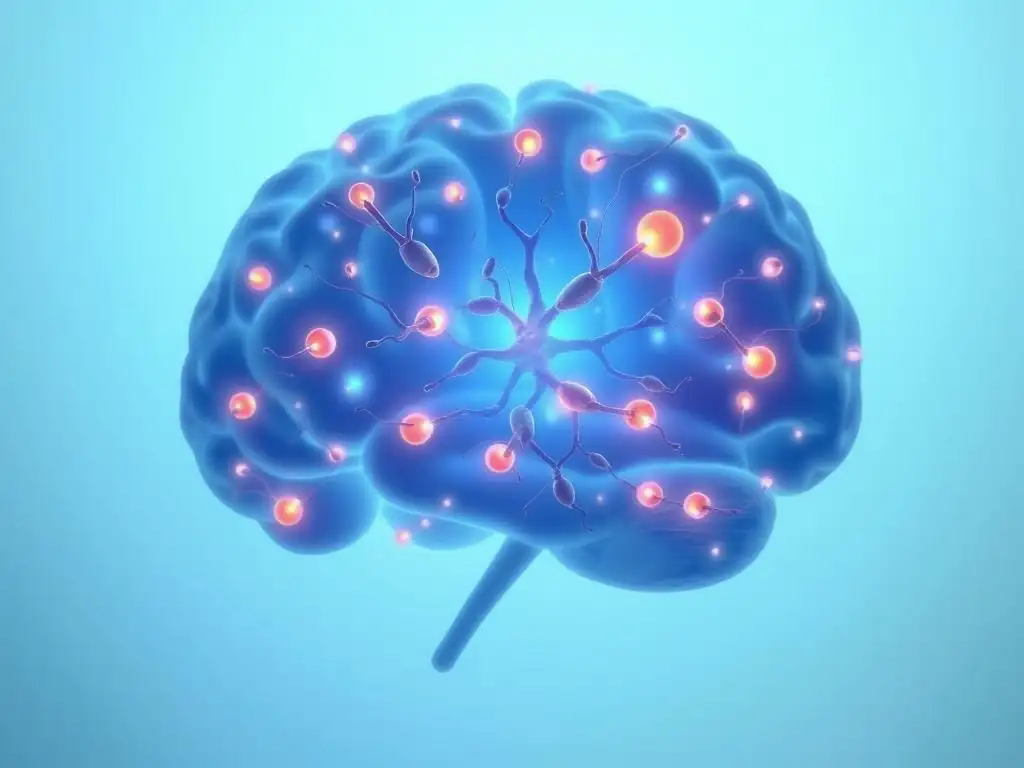
The Impact of Chronic Stress on Mitochondrial Activity
Chronic stress, whether psychological or physiological, exerts a significant and detrimental impact on mitochondrial function within the brain. The stress response involves the activation of the hypothalamic-pituitary-adrenal (HPA) axis, leading to the release of stress hormones like cortisol.
While acute stress can transiently modulate mitochondrial activity to meet immediate energy demands, prolonged exposure to high levels of stress hormones can overwhelm regulatory mechanisms and lead to mitochondrial impairment. Research indicates that chronic stress exposure in animal models leads to reduced expression of genes involved in mitochondrial respiration and biogenesis (the creation of new mitochondria) in key brain areas like the hippocampus and prefrontal cortex.
Furthermore, chronic stress can alter mitochondrial dynamics, the continuous process of fusion and fission that mitochondria undergo to maintain their health and adapt to cellular needs. Stress is often associated with increased mitochondrial fission and reduced fusion, leading to fragmented, smaller mitochondria that are less efficient at producing ATP and more prone to dysfunction.
Studies measuring ATP levels in rodent models exposed to chronic unpredictable stress have shown reductions, sometimes estimated at 20-30% in specific brain regions, compared to unstressed controls, directly demonstrating the energy crisis induced by stress on brain mitochondria. This direct impact on mitochondria stress brain function by reducing energy availability for neuronal processes.
Oxidative Stress and Mitochondrial Damage in the Brain
One of the most significant ways stress impacts mitochondria is by increasing oxidative stress. Stress, particularly chronic stress, can lead to an overproduction of reactive oxygen species (ROS) and reactive nitrogen species (RNS) within cells, including neurons. Mitochondria themselves are a major source of ROS as a byproduct of normal cellular respiration, but under stressful conditions, this production can increase dramatically, especially when the electron transport chain becomes inefficient. Simultaneously, stress can deplete the cell's antioxidant defense systems, such as glutathione and superoxide dismutase, further tipping the balance towards oxidative damage.
This excess ROS and RNS can directly attack and damage mitochondrial components, including lipids, proteins, and mitochondrial DNA (mtDNA). mtDNA is particularly vulnerable to oxidative damage because it lacks protective histones and has limited repair mechanisms compared to nuclear DNA. Damage to mtDNA can impair the synthesis of essential proteins required for mitochondrial respiration, creating a vicious cycle where damaged mitochondria produce more ROS, leading to further damage. This oxidative stress-induced damage is a key mechanism by which mitochondria stress brain function, contributing to neuronal injury and death observed in stress-related disorders.
Inflammation and its Role in Mitochondrial Dysfunction in the Stressed Brain
Chronic stress is a known driver of neuroinflammation, an inflammatory response within the brain primarily mediated by glial cells like microglia and astrocytes. While acute inflammation is a protective response, chronic inflammation can become detrimental. Inflammatory cytokines, such as TNF-alpha, IL-1 beta, and IL-6, which are elevated during chronic stress, can directly interfere with mitochondrial function. These cytokines can impair the activity of respiratory chain complexes, reduce ATP production, and increase mitochondrial ROS generation.
Moreover, activated microglia, a central player in neuroinflammation, can release factors that are toxic to neurons and further disrupt mitochondrial health. The interplay between inflammation and mitochondrial dysfunction is bidirectional; dysfunctional mitochondria can themselves release pro-inflammatory molecules (like damaged mtDNA or cardiolipin) that activate glial cells, thus perpetuating a cycle of inflammation and energy crisis. This inflammatory loop significantly contributes to how mitochondria stress brain function under prolonged stressful conditions, exacerbating neuronal vulnerability and potentially contributing to symptoms of mood and cognitive disorders.
Consequences of Impaired Mitochondrial Function on Brain Activity and Mental Health
Reduced ATP Production and Neuronal Function
The most immediate consequence of impaired mitochondrial function in the stressed brain is a reduction in the production of ATP. Neurons require a continuous and substantial supply of ATP to maintain their fundamental functions. Tasks such as generating action potentials (the electrical signals neurons use to communicate), maintaining ion gradients across the cell membrane via pumps like the sodium-potassium ATPase, and transporting vesicles containing neurotransmitters all rely heavily on ATP. Studies have shown that even a moderate decrease in ATP levels can significantly impair these processes.
For example, the reuptake of neurotransmitters from the synaptic cleft, a critical step in terminating a signal and recycling neurotransmitters, is an energy-dependent process. Reduced ATP can slow down or impair reuptake mechanisms, leading to altered neurotransmitter concentrations in the synapse and disrupted signaling. This energy deficit directly impacts the capacity of neurons to communicate effectively, contributing to overall brain dysfunction. Understanding how mitochondria stress brain function through energy depletion is central to understanding the biological impact of chronic stress.
Increased Oxidative Stress and Neurodegeneration
As previously discussed, dysfunctional mitochondria are major contributors to increased oxidative stress in the brain. This imbalance between ROS production and antioxidant defenses leads to damage to cellular components, including proteins, lipids, and DNA. In neurons, this oxidative damage can disrupt protein function, compromise cell membrane integrity, and damage genetic material, including the vulnerable mitochondrial DNA. Accumulation of oxidative damage is a key factor in cellular aging and is strongly implicated in neurodegenerative processes.
Chronic stress-induced mitochondrial dysfunction and the resulting oxidative stress can contribute to the atrophy and loss of neurons in vulnerable brain regions, such as the hippocampus and prefrontal cortex, which are known to be affected by chronic stress and are critical for mood regulation and cognitive function. While overt neurodegeneration like that seen in Alzheimer's or Parkinson's disease might not be the direct outcome of stress-induced mitochondrial dysfunction alone, cumulative oxidative damage contributes to synaptic dysfunction and neuronal vulnerability, potentially accelerating age-related cognitive decline and increasing susceptibility to psychiatric disorders.
Impact on Neurotransmitter Synthesis and Release
Mitochondria play a vital role not only in providing energy but also in processes directly involved in neurotransmitter metabolism. The synthesis of several key neurotransmitters, including glutamate and GABA (the primary excitatory and inhibitory neurotransmitters, respectively), involves enzymes located within or closely associated with mitochondria. For instance, the glutamate-glutamine cycle, essential for maintaining healthy levels of these neurotransmitters, relies on mitochondrial enzymes.
Furthermore, the release of neurotransmitters from presynaptic terminals is a highly energy-dependent process involving the docking, fusion, and release of synaptic vesicles. Calcium signaling, which triggers neurotransmitter release, is also tightly regulated by mitochondria. Impaired mitochondrial function can disrupt calcium homeostasis and reduce ATP availability at the synapse, thus impairing both the synthesis and the efficient release of neurotransmitters. Alterations in the balance and availability of these critical signaling molecules are directly linked to symptoms observed in stress-related mental health conditions, illustrating another pathway by which mitochondria stress brain function.
The Role of Mitochondrial Dysfunction in Major Depressive Disorder
Mitochondrial dysfunction is increasingly recognized as a significant biological factor contributing to the pathophysiology of Major Depressive Disorder (MDD). Numerous studies have provided evidence of mitochondrial abnormalities in individuals with MDD. These include reduced mitochondrial respiration, decreased ATP production capacity, altered mitochondrial morphology (such as increased fragmentation), and elevated markers of mitochondrial oxidative damage in post-mortem brain tissue, blood cells, and even muscle biopsies of depressed patients.
Research using advanced imaging techniques and metabolic analyses has further supported the idea that energy metabolism is compromised in the brains of individuals with depression. For example, studies have reported reduced levels of high-energy phosphates (indicators of ATP status) in certain brain regions in depressed patients. The severity of mitochondrial dysfunction has also been correlated with the severity of depressive symptoms in some studies. This accumulating evidence strongly suggests that impaired brain mitochondrial function under stress contributes significantly to the complex web of biological changes underlying MDD, affecting mood, motivation, and cognitive function.
Mechanisms Linking Mitochondrial Dysfunction to Cognitive Impairment
Effects on Synaptic Plasticity and Learning
Synaptic plasticity, the ability of synapses to strengthen or weaken over time, is the fundamental cellular mechanism underlying learning and memory. This process is incredibly energy-intensive, requiring significant ATP for neurotransmitter synthesis, release, receptor trafficking, and structural changes at the synapse. Mitochondrial dysfunction, by limiting ATP availability, directly impairs the capacity for robust synaptic plasticity. Studies in animal models have shown that inhibiting mitochondrial function can prevent the induction of long-term potentiation (LTP), a cellular model of learning and memory, particularly in the hippocampus.
Furthermore, impaired mitochondria contribute to increased oxidative stress and inflammation, both of which can directly interfere with synaptic function and plasticity. Oxidative damage can target proteins involved in synaptic signaling and structural integrity, while neuroinflammation can disrupt the delicate balance required for synaptic communication. This compromised synaptic plasticity is a major pathway through which mitochondria stress brain function, leading to difficulties in acquiring new information and adapting to new situations, core components of cognitive impairment often seen in stress-related conditions.
Impact on Memory Consolidation
Memory consolidation, the process by which unstable new memories are transformed into more stable, long-term memories, occurs over time and involves changes in gene expression, protein synthesis, and structural alterations in neuronal circuits, particularly within the hippocampus and its connections to the cortex. This complex process requires substantial metabolic support. Mitochondria provide the necessary energy for the molecular and cellular events underlying memory consolidation.
When mitochondrial function is impaired, the energy deficit can hinder the synthesis of proteins required for synaptic strengthening and the structural remodeling of neurons that underpins memory storage. Research indicates that stress-induced mitochondrial dysfunction, particularly in the hippocampus, is associated with impaired memory consolidation. For instance, studies involving chronic stress exposure often report deficits in tasks requiring the consolidation of spatial or fear memories, correlating with observed mitochondrial abnormalities in the brain. This directly demonstrates how mitochondria stress brain function by disrupting the processes necessary for solidifying learned information.
Mitochondrial Dysfunction and Executive Function
Executive functions are a set of high-level cognitive processes controlled primarily by the prefrontal cortex (PFC). These include planning, decision-making, working memory, attention, and inhibitory control – abilities crucial for goal-directed behavior and adapting to complex situations. The PFC is a brain region with high metabolic demands and is particularly vulnerable to the effects of stress.
Mitochondrial dysfunction in the PFC, induced by chronic stress, can significantly impair executive functions. Reduced ATP availability compromises the sustained neuronal activity required for maintaining information in working memory and for inhibiting impulsive responses. Oxidative stress and inflammation in the PFC can damage neurons and disrupt the intricate circuitry necessary for complex cognitive operations.
Studies linking stress and cognitive deficits often point to metabolic impairments in the PFC. For example, neuroimaging studies sometimes show altered glucose metabolism in the PFC of individuals experiencing chronic stress or depression, indirectly suggesting underlying mitochondrial issues that impair the energy supply needed for effective executive control. This illustrates how mitochondria stress brain function by undermining the energy-intensive processes of higher-level cognition.
Strategies to Support Mitochondrial Health and Improve Brain Function Under Stress

Dietary Interventions for Mitochondrial Support
Nutrition plays a critical role in supporting mitochondrial health. A diet rich in antioxidants, essential fatty acids, and specific micronutrients can provide the building blocks and protection necessary for optimal mitochondrial function.
The Role of Antioxidants in Protecting Mitochondria
Antioxidants are compounds that help protect cells from damage caused by reactive oxygen species (ROS). Since mitochondria are both a source and a target of ROS, a robust antioxidant defense is vital for their health. Dietary antioxidants include vitamins C and E, selenium, zinc, and various phytochemicals found in fruits, vegetables, and spices. Consuming a diet abundant in colorful plant foods provides a wide spectrum of these protective compounds.
- Example: Berries (like blueberries and strawberries) are particularly rich in anthocyanins and other flavonoids with potent antioxidant properties.
- Example: Green leafy vegetables (like spinach and kale) are good sources of vitamins C and E, as well as other antioxidants like alpha-lipoic acid (though also synthesized in the body).
These dietary antioxidants can help neutralize excess ROS, reducing oxidative damage to mitochondrial lipids, proteins, and DNA, thereby preserving their structure and function.
Key Nutrients for Optimal Mitochondrial Function
Beyond antioxidants, several specific nutrients are essential cofactors or components for the enzymes involved in mitochondrial energy production. Ensuring adequate intake of these nutrients is crucial for supporting brain mitochondrial function under stress.
- B Vitamins: B vitamins (B1, B2, B3, B5, B6, B7, B9, B12) are critical coenzymes in various metabolic pathways, including glycolysis, the Krebs cycle, and the electron transport chain, all of which are central to ATP production.
- Magnesium: This mineral is a cofactor for many enzymes involved in ATP synthesis and utilization.
- Coenzyme Q10 (CoQ10): A lipid-soluble antioxidant and a crucial component of the electron transport chain, essential for ATP synthesis.
- Omega-3 Fatty Acids: Particularly DHA (docosahexaenoic acid), which is abundant in brain cell membranes, including those of mitochondria. Omega-3s can influence membrane fluidity and potentially enhance mitochondrial efficiency and reduce inflammation.
- L-Carnitine: An amino acid derivative that helps transport fatty acids into the mitochondria for energy production.
Ensuring a balanced diet that includes sources of these nutrients – such as fatty fish, nuts, seeds, whole grains, legumes, and a wide variety of vegetables – is a foundational strategy to support mitochondria stress brain function resilience.
Lifestyle Modifications to Reduce Stress and Promote Mitochondrial Health
Managing stress levels through lifestyle interventions is perhaps the most direct way to mitigate stress-induced mitochondrial dysfunction in the brain.
The Benefits of Exercise for Mitochondrial Biogenesis
Regular physical exercise is a powerful intervention that has been shown to promote mitochondrial health and function in various tissues, including the brain. Exercise stimulates mitochondrial biogenesis, the process of creating new mitochondria. This leads to a higher density of mitochondria, particularly in active neurons.
Studies have demonstrated that aerobic exercise increases the expression of genes involved in mitochondrial respiration and biogenesis in brain regions like the hippocampus. This increase in mitochondrial capacity enhances the brain's ability to produce ATP, improving energy availability for neuronal function and potentially buffering against the energy deficits induced by stress. Exercise also has direct stress-reducing effects, lowering cortisol levels and reducing inflammation, indirectly benefiting brain mitochondria. Engaging in regular moderate-intensity aerobic activity, such as brisk walking, jogging, or swimming, for at least 150 minutes per week is often recommended for overall health, including brain and mitochondrial health.
Stress Reduction Techniques: Mindfulness and Meditation
Mindfulness and meditation practices are effective stress reduction techniques that can have positive downstream effects on mitochondrial health in the brain. By reducing the physiological stress response (lowering heart rate, blood pressure, and cortisol levels), these practices can mitigate the detrimental impact of stress hormones and chronic sympathetic nervous system activation on mitochondrial function.
Regular mindfulness or meditation practice has been associated with structural and functional changes in brain regions like the prefrontal cortex and hippocampus, areas rich in mitochondria and vulnerable to stress. While direct evidence linking meditation specifically to mitochondrial biogenesis in humans is still emerging, the significant reduction in systemic and neuroinflammation observed with these practices strongly suggests a protective effect on mitochondria. Techniques such as:
- Mindful breathing exercises
- Body scan meditation
- Loving-kindness meditation
can be integrated into daily routines to help manage stress and indirectly support brain mitochondrial health.
Targeted Therapies for Mitochondrial Dysfunction in the Stressed Brain
While lifestyle and diet are foundational, research is also exploring targeted therapies aimed at directly improving mitochondrial function or protecting them from damage, particularly in the context of stress-related conditions.
Coenzyme Q10 Supplementation
Coenzyme Q10 (CoQ10) is a popular dietary supplement often used to support mitochondrial function. As a vital component of the electron transport chain and a lipid-soluble antioxidant, CoQ10 plays a dual role in energy production and protection against oxidative stress.
Some studies have investigated the potential benefits of CoQ10 supplementation for neurological and psychiatric conditions, although results are mixed and depend on the specific condition and study design. In the context of stress-induced mitochondrial dysfunction, supplementing with CoQ10 may help enhance ATP production efficiency and provide antioxidant protection to brain mitochondria. Dosage recommendations vary, but typical supplemental doses range from 100-300 mg per day, though individual needs may differ. It's important to note that while generally considered safe, supplementation should ideally be discussed with a healthcare provider, especially for individuals with underlying health conditions or those taking medications.
Emerging Research on Mitochondrial-Targeted Therapies
The field of mitochondrial medicine is rapidly advancing, and researchers are exploring novel therapeutic strategies specifically designed to target mitochondrial dysfunction. These include:
- Mitochondria-targeted antioxidants: Molecules engineered to specifically accumulate within mitochondria to provide localized antioxidant protection.
- Compounds that promote mitochondrial biogenesis: Molecules that stimulate the creation of new mitochondria, potentially increasing the overall energy-producing capacity of brain cells.
- Therapies aimed at improving mitochondrial dynamics: Interventions designed to restore a healthy balance between mitochondrial fusion and fission.
- NAD+ boosters: NAD+ is a coenzyme critical for many metabolic processes, including those within mitochondria. Levels can decline with stress and aging. Supplementing with precursors like Nicotinamide Riboside (NR) or Nicotinamide Mononucleotide (NMN) is being investigated for their potential to improve mitochondrial function.
While many of these approaches are still in preclinical or early clinical trial phases, they represent promising avenues for future interventions to directly address the energy crisis underlying how mitochondria stress brain function in conditions exacerbated by chronic stress.
Future Directions in Mitochondrial Research and Mental Health Treatment
Understanding the Complex Interplay Between Mitochondria and the Brain
Future research is focused on unraveling the intricate and dynamic relationship between mitochondrial function, stress pathways, and brain health with greater precision. Scientists are using advanced techniques such as high-resolution microscopy, metabolomics, and single-cell sequencing to understand how mitochondrial populations vary within different types of brain cells (neurons, astrocytes, microglia) and how these variations are affected by different types of stress.
A key area of investigation is the signaling role of mitochondria. Beyond energy production, mitochondria act as signaling hubs, releasing molecules that can influence gene expression, synaptic function, and inflammatory responses. Understanding these signaling pathways is critical for identifying new therapeutic targets. For instance, research is exploring how mitochondrial-derived peptides or metabolites act as signals that influence neuronal resilience or vulnerability to stress. This deeper understanding of the complex interplay will pave the way for more targeted interventions to support mitochondria stress brain function resilience.
Developing Novel Therapeutic Strategies for Mitochondrial Dysfunction
The growing understanding of mitochondrial dysfunction in stress-related brain conditions is driving the development of novel therapeutic strategies. Beyond the general approaches discussed earlier, researchers are exploring highly specific interventions. This includes the potential use of gene therapy to correct genetic mutations affecting mitochondrial proteins, although this is complex for multifactorial conditions like depression.
Another promising area is the development of small molecules that can selectively enhance the function of specific mitochondrial enzymes or pathways implicated in stress response. Furthermore, the potential of manipulating the gut microbiome, which can influence brain function and inflammation through the gut-brain axis, and potentially impact mitochondrial health, is also being explored as an indirect therapeutic approach. The goal is to move beyond symptomatic treatment and target the underlying biological mechanisms, including mitochondrial energy deficits, that contribute to mental health challenges.
The Importance of Personalized Approaches to Mitochondrial Health
Recognizing that individuals respond differently to stress and may have varying degrees of mitochondrial vulnerability, future directions emphasize the importance of personalized approaches. Genetic factors, lifestyle, diet, and the specific nature of stress exposure can all influence mitochondrial health. Therefore, a one-size-fits-all approach to supporting mitochondria stress brain function may not be effective.
Future research and clinical practice may involve assessing an individual's mitochondrial health status through biomarkers (e.g., mitochondrial DNA copy number, specific enzyme activities, or metabolic profiles) to tailor interventions. This could involve personalized dietary recommendations, specific exercise prescriptions, targeted nutritional supplementation, or the selection of novel mitochondrial-targeted therapies based on an individual's unique biological profile. This personalized approach holds the promise of more effectively restoring brain energy balance and improving mental well-being in the face of stress.
Conclusion: Protecting Brain Energy for Enhanced Mental Well-being
The evidence is increasingly clear: chronic stress poses a significant threat to brain health, in large part by inducing mitochondrial dysfunction and creating an energy crisis for neurons. This impairment of brain mitochondrial function under stress contributes to oxidative stress, inflammation, and ultimately disrupts essential neuronal processes like synaptic plasticity, neurotransmitter signaling, and executive function. These biological consequences are deeply intertwined with the development and exacerbation of mental health challenges, including depression and cognitive impairment.
However, the story is not one of inevitable decline. Understanding how mitochondria stress brain function also reveals powerful avenues for intervention. By adopting strategies that support mitochondrial health – through nutrient-rich diets, regular exercise, effective stress management techniques, and potentially targeted therapies – individuals can enhance their brain's resilience to stress. Protecting the energy powerhouses of the brain is a crucial step towards maintaining robust cognitive function and promoting overall mental well-being in an increasingly stressful world.
Frequently Asked Questions
How does mitochondrial dysfunction impact brain function under stress?
Mitochondrial dysfunction impairs the brain's ability to produce energy efficiently, leading to an energy crisis. This directly affects neuronal function and can exacerbate the effects of stress.
What role does stress play in causing mitochondrial dysfunction?
Chronic stress can lead to increased oxidative stress and inflammation, both of which damage mitochondria. This damage impairs their ability to function properly, resulting in mitochondrial dysfunction and impacting brain health.
What are the potential symptoms of mitochondrial dysfunction in the stressed brain?
Symptoms can include fatigue, cognitive impairment such as memory problems, mood changes such as increased anxiety or depression, and difficulty concentrating, all exacerbated by stress.
Are there any lifestyle changes that can help improve mitochondrial function and reduce stress?
Yes, incorporating regular exercise, a healthy diet rich in antioxidants, and stress management techniques like mindfulness can support mitochondrial health and resilience, improving brain function.
Can supplements help support mitochondrial function in the context of stress?
Certain supplements, such as CoQ10 and creatine, may support mitochondrial energy production and reduce oxidative stress. However, it's crucial to consult with a healthcare professional before starting any new supplement regimen to ensure it's appropriate and safe for your individual needs, especially considering the complexities of mitochondrial health and brain chemistry.
Final Reflection: The Unseen Engine of Mental Wellbeing
Mitochondrial dysfunction isn't just a scientific curiosity; it's a critical factor shaping our mental health and cognitive abilities in the 21st century. The overwhelming evidence presented highlights the profound impact of energy deficits within brain cells, underscoring the urgent need for further research and innovative therapeutic strategies. We are only beginning to scratch the surface of understanding the intricate relationship between mitochondrial health and brain function.
The implications of this research extend far beyond the laboratory, deeply influencing our understanding of neurological and psychiatric disorders. The sheer prevalence of conditions linked to mitochondrial stress – from Alzheimer's disease to depression – underscores the societal impact of this often-overlooked cellular mechanism. The brain is the most energy-demanding organ in the body, and its proper functioning depends critically on the efficient production of ATP by mitochondria.
This simple truth holds immense weight when considering the far-reaching consequences of mitochondrial failure.
The journey towards a deeper understanding of mitochondrial stress in the brain is far from over. But you, the reader, now possess a crucial piece of this puzzle. Consider your own lifestyle choices: Are you prioritizing sleep, managing stress effectively, and nourishing your body with the nutrients it needs to fuel its cellular powerhouses? Take this knowledge and empower yourself to make informed decisions that support the health of your brain, one mitochondrion at a time. The future of brain health depends on it.
Here's a CTA tailored to the article "Mitochondrial Dysfunction in the Stressed Brain: Energy Crisis" on MindCareGuide.org:
Unlock Your Brain's Energy Potential
Thank you for taking the time to explore the crucial link between stress and mitochondrial health. We hope this article illuminated the pathways to a more energetic and resilient mind. Now, let's take action!
- Prioritize mitochondrial support: Start incorporating foods rich in antioxidants and B vitamins into your diet today. This simple step can make a significant difference in your brain's energy production.
- Explore mindful stress-reduction techniques: Consider trying a guided meditation or deep breathing exercise. These practices can help regulate your nervous system and support healthy mitochondrial function.
- Share your insights: Discuss this article with friends or family who might also benefit from learning about brain energy and stress management. Let's spread awareness together!
What small change can you make today to nurture your brain's energy and resilience?