
From Acute Jitters to Chronic Changes: Stress's Different Biological Brain Impacts

Welcome to Mind Care Guide, a space dedicated to understanding and nurturing your mental well-being.
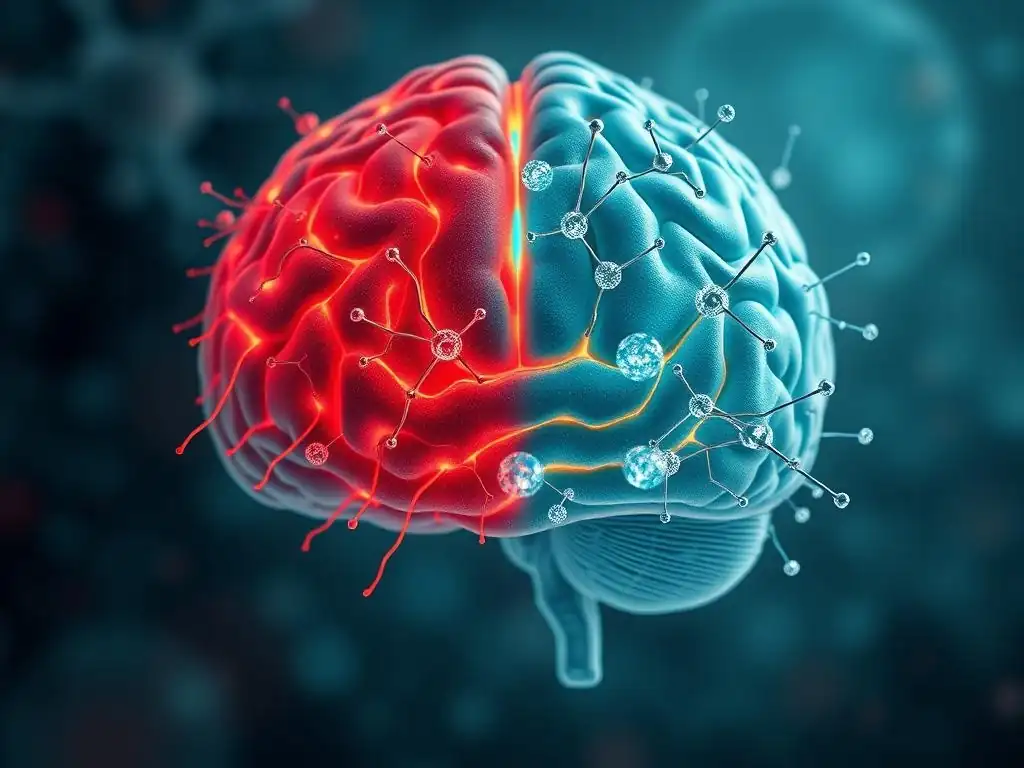
Ever wondered what really happens inside your head when stress takes hold? Our in-depth exploration of the stress brain biological impact changes unveils the surprising ways stress can reshape your brain, from fleeting moments of anxiety to long-term shifts. Discover how these changes manifest and, more importantly, what you can do to reclaim your mental equilibrium. Let's delve into the neuroscience and empower you to navigate stress with greater awareness and resilience.
- From Acute Jitters to Chronic Changes: Stress's Biological Impacts on the Brain
-
The Acute Phase: How Immediate Stress Affects the Brain
- The Initial Stress Response: Activation of the HPA Axis and Sympathetic Nervous System
- Neurotransmitter Surge: The Role of Cortisol, Adrenaline, and Noradrenaline in Acute Stress
- Short-Term Cognitive Effects: Impact on Memory, Attention, and Decision-Making Under Pressure
- The Brain's Immediate Response: Increased Activity in Amygdala and Decreased Activity in Prefrontal Cortex
-
The Chronic Phase: Long-Term Biological Changes in the Brain Due to Stress
- The HPA Axis Dysregulation: Chronic Stress and Its Effects on Cortisol Levels
- Neuroplasticity and Brain Structure: How Chronic Stress Alters Brain Anatomy
- Hippocampal Damage: Stress-Induced Atrophy and Memory Impairment
- Amygdala Hyperactivity: Increased Anxiety and Emotional Reactivity from Prolonged Stress
- Prefrontal Cortex Impairment: Executive Function Deficits and Reduced Cognitive Control
- Neuroinflammation: The Role of Inflammatory Processes in Chronic Stress-Related Brain Changes
-
Specific Brain Regions and Their Vulnerability to Stress-Related Biological Changes
- The Impact of Stress on the Hippocampus: Memory and Spatial Navigation
- The Amygdala Under Stress: Emotional Processing and Fear Responses
- Prefrontal Cortex and Chronic Stress: Decision-Making and Cognitive Function
- The Cerebellum: Potential Role in Stress Response Modulation and Motor Skill Learning
- Molecular Mechanisms Underlying Stress-Induced Brain Changes
-
Mitigating the Biological Impact of Stress on the Brain: Strategies for Neuroprotection
- Lifestyle Interventions: Exercise, Diet, and Sleep for Brain Health Under Stress
- Mindfulness and Meditation: Reducing Stress and Promoting Neuroplasticity
- Cognitive Behavioral Therapy (CBT): Addressing Stress-Related Thought Patterns
- Pharmacological Approaches: Potential Use of Antidepressants and Anxiolytics
- The Future of Stress Research: Understanding and Preventing Long-Term Brain Changes
- Conclusion: Protecting Your Brain from the Biological Impacts of Stress
-
Frequently Asked Questions
- How does acute stress immediately impact the brain biologically?
- What are some of the long-term biological changes in the brain caused by chronic stress?
- How does stress impact neuroplasticity in the brain, and why is this significant?
- Can the biological effects of stress on the brain be reversed, and if so, how?
- What is the role of genetics in determining an individual's susceptibility to the biological impact of stress on the brain?
- Final Reflection: The Enduring Shadow of Stress on the Brain
- Unleash Your Inner Resilience: Take Control of Stress
From Acute Jitters to Chronic Changes: Stress's Biological Impacts on the Brain
Stress and the Brain: An Overview of Biological Mechanisms
Stress, whether a fleeting moment of panic or a persistent state of worry, triggers a complex cascade of biological events within the brain. This intricate interplay involves the release of hormones and neurotransmitters that prepare the body to respond to perceived threats. At its core, the brain's stress response is mediated by the hypothalamic-pituitary-adrenal (HPA) axis and the sympathetic nervous system.
These systems work in concert to initiate the "fight or flight" response, increasing heart rate, diverting blood flow to muscles, and heightening alertness. Understanding these foundational biological mechanisms is key to grasping the diverse ways stress can alter brain function and structure over time, leading to significant stress brain biological impact changes.
The immediate biological impact of stress on the brain begins in regions like the amygdala, which processes fear and emotional responses, and the hypothalamus, which initiates the hormonal chain reaction. These regions signal the pituitary and adrenal glands, leading to the release of stress hormones such as cortisol. While beneficial in short bursts for survival, sustained activation of these pathways can overwhelm the system.
Chronic exposure to high levels of stress hormones can disrupt neural circuits, impair communication between brain regions, and even lead to structural changes, demonstrating the profound stress brain biological impact changes that occur at a fundamental level. Research indicates that prolonged stress can significantly affect brain areas responsible for memory, executive function, and emotional regulation.
Defining Stress: Acute vs. Chronic Stress and Their Distinct Physiological Effects
Stress is commonly categorized into acute and chronic forms, each having distinct effects on the brain's biology. Acute stress is a short-term response to an immediate threat or challenge, like narrowly avoiding a car accident or speaking in public. Physiologically, it results in a rapid surge of adrenaline and cortisol, leading to temporary changes in brain activity focused on survival and rapid decision-making.
This type of stress response is typically transient, with biological parameters returning to baseline once the stressor is removed. The brain is highly adaptable and designed to handle these brief periods of heightened arousal without lasting negative consequences.
In contrast, chronic stress is a prolonged state of activation caused by persistent stressors, such as long-term financial difficulties, relationship problems, or demanding work environments. This sustained exposure keeps the HPA axis and sympathetic nervous system in a constant state of alert, leading to chronic elevation of stress hormones, particularly cortisol.
Unlike acute stress, chronic stress overwhelms the brain's ability to recover and adapt. This prolonged state of biological imbalance leads to more profound and potentially damaging stress brain biological impact changes, including alterations in brain structure, function, and neurochemistry, which can contribute to various mental and physical health issues.
The Acute Phase: How Immediate Stress Affects the Brain
The Initial Stress Response: Activation of the HPA Axis and Sympathetic Nervous System
The body's initial response to an acute stressor is orchestrated primarily by two interconnected systems: the sympathetic nervous system (SNS) and the hypothalamic-pituitary-adrenal (HPA) axis. Upon perceiving a threat, the brain's amygdala sends a distress signal to the hypothalamus. The hypothalamus activates the SNS, which acts almost instantaneously to prepare the body for immediate action. This rapid response involves the release of adrenaline (epinephrine) and noradrenaline (norepinephrine) from the adrenal medulla, leading to increased heart rate, blood pressure, respiration, and muscle tension, alongside a diversion of blood flow to essential organs and muscles needed for fight or flight.
Simultaneously, the hypothalamus initiates the slower-acting HPA axis response. It releases corticotropin-releasing hormone (CRH), which signals the pituitary gland to release adrenocorticotropic hormone (ACTH). ACTH then travels through the bloodstream to the adrenal cortex, prompting the release of cortisol.
Cortisol's primary role in acute stress is to mobilize glucose for energy, suppress non-essential functions like digestion and immune activity, and fine-tune the stress response. While the SNS provides the immediate surge of energy, the HPA axis sustains the response and helps the body manage the challenge over a slightly longer period. This intricate biological dance is the body's ancient survival mechanism, demonstrating the fundamental stress brain biological impact changes designed for rapid threat management.
Neurotransmitter Surge: The Role of Cortisol, Adrenaline, and Noradrenaline in Acute Stress
Acute stress triggers a rapid and significant surge in key neurotransmitters and hormones, primarily cortisol, adrenaline, and noradrenaline. Adrenaline and noradrenaline, released by the SNS, are catecholamines that act swiftly on the brain and body. In the brain, noradrenaline increases vigilance and arousal, enhancing focus on the stressor. Adrenaline has less direct access to the brain but reinforces the systemic physiological changes. This surge is responsible for the immediate feeling of alertness, heightened senses, and physical readiness associated with acute stress. For example, during a sudden emergency, this rapid release helps individuals react quickly and decisively.
Cortisol, a glucocorticoid hormone released by the HPA axis, plays a crucial role in modulating the acute stress response and preparing the body for recovery. While slower to act than adrenaline, its effects are more sustained. In the brain, cortisol can initially enhance memory consolidation related to the stressful event, which is an adaptive mechanism to learn from dangerous situations.
However, high levels of cortisol during acute stress can also impair prefrontal cortex function, potentially hindering complex decision-making and working memory under intense pressure. This intricate neurochemical interplay highlights the dynamic and multifaceted stress brain biological impact changes that occur even during brief periods of stress.
Short-Term Cognitive Effects: Impact on Memory, Attention, and Decision-Making Under Pressure
Acute stress has noticeable short-term effects on cognitive functions such as memory, attention, and decision-making. The surge of adrenaline and noradrenaline can sharpen focus on the immediate threat, improving selective attention to relevant cues in the environment. For instance, someone facing a sudden challenge might exhibit tunnel vision, focusing intensely on the problem at hand while ignoring distractions. This heightened focus, however, can sometimes come at the expense of broader awareness or the ability to multitask effectively.
Regarding memory, acute stress can paradoxically enhance the consolidation of emotionally charged memories, making stressful events more vividly recalled later. This is partly attributed to the action of cortisol and adrenaline on the hippocampus and amygdala. However, acute stress can impair working memory and the ability to retrieve neutral information, particularly if the stress is perceived as overwhelming.
Decision-making under acute stress tends to shift towards more automatic, less analytical processes, potentially leading to faster but sometimes less optimal choices. This reflects a temporary shift in brain activity, prioritizing rapid reaction over deliberate contemplation, showcasing the temporary stress brain biological impact changes on cognitive processing.
The Brain's Immediate Response: Increased Activity in Amygdala and Decreased Activity in Prefrontal Cortex
Under acute stress, specific brain regions show characteristic changes in activity. The amygdala, the brain's fear and emotion processing center, exhibits significantly increased activity. This heightened activation is central to detecting potential threats and initiating the stress response cascade. The amygdala essentially goes into overdrive, becoming more sensitive to fearful or negative stimuli, which can lead to increased feelings of anxiety or apprehension even in response to relatively minor stressors. This is a key component of the immediate stress brain biological impact changes.
Conversely, the prefrontal cortex (PFC), particularly the dorsolateral PFC responsible for executive functions like planning, decision-making, and impulse control, often shows decreased activity during acute stress. This reciprocal relationship between the amygdala and PFC means that as the emotional brain ramps up, the rational, analytical brain tends to dampen down. This shift in activity facilitates rapid, instinctual responses over thoughtful deliberation, aligning with the "fight or flight" imperative.
For example, a study involving public speaking showed reduced connectivity between the PFC and other brain regions, correlating with increased subjective stress levels. This temporary functional change highlights how the brain prioritizes survival mechanisms over complex cognitive processing under immediate pressure.
The Chronic Phase: Long-Term Biological Changes in the Brain Due to Stress
The HPA Axis Dysregulation: Chronic Stress and Its Effects on Cortisol Levels
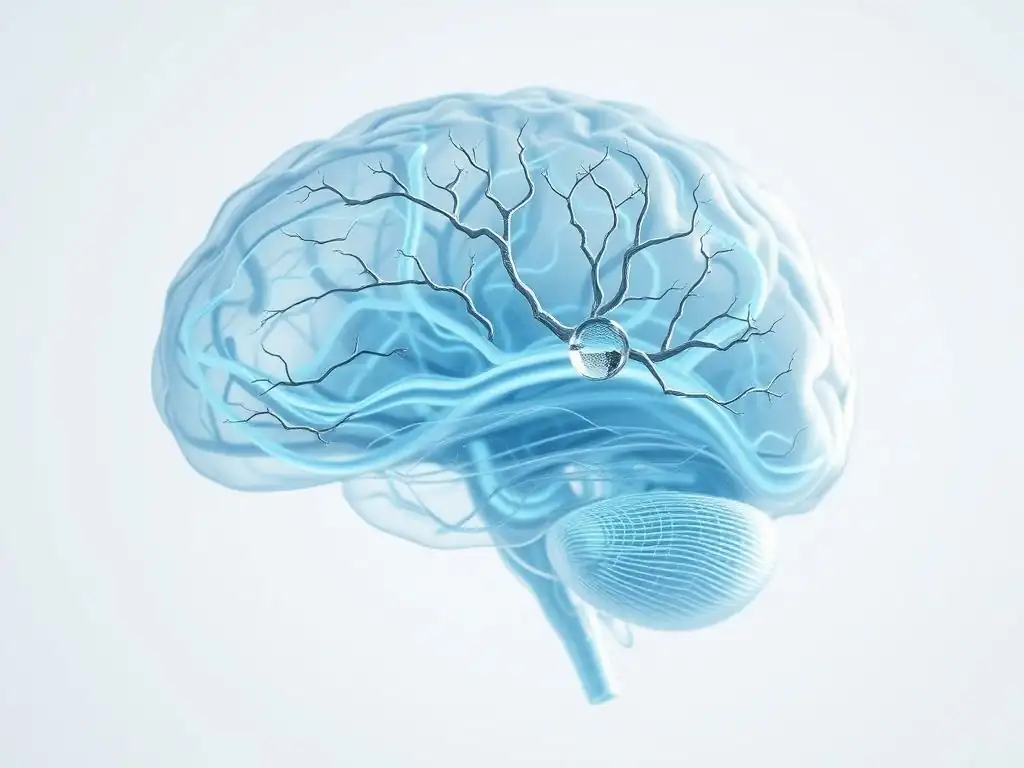
One of the most significant biological hallmarks of chronic stress is the dysregulation of the hypothalamic-pituitary-adrenal (HPA) axis. Unlike the acute response where cortisol levels rise and then return to baseline, chronic stress can lead to persistently elevated cortisol levels.
However, in some individuals experiencing chronic stress, particularly those with conditions like PTSD or chronic fatigue syndrome, the HPA axis can become hypoactive, leading to blunted cortisol responses or lower-than-normal levels. This dysregulation means the system designed to manage stress becomes faulty, unable to properly turn off the stress response or, in some cases, mount an adequate response when needed.
Chronic exposure to high levels of cortisol can have widespread detrimental effects on the brain. For instance, persistent high cortisol can impair the negative feedback loop that normally tells the hypothalamus and pituitary to stop releasing CRH and ACTH. This failure to shut down the system creates a vicious cycle of continued cortisol production.
Research using neuroimaging techniques has shown that individuals with prolonged exposure to stress often exhibit altered diurnal cortisol rhythms, where the normal morning peak and evening decline are flattened or reversed. This chronic hormonal imbalance is a central mechanism driving many of the long-term stress brain biological impact changes.
Neuroplasticity and Brain Structure: How Chronic Stress Alters Brain Anatomy
Chronic stress profoundly impacts neuroplasticity, the brain's ability to change and adapt by forming new neural connections. While neuroplasticity is essential for learning and memory, chronic stress can disrupt this process in maladaptive ways, leading to significant alterations in brain structure.
Studies, including those using magnetic resonance imaging (MRI), have shown that prolonged stress can cause a reduction in the volume of certain brain regions, notably the hippocampus and prefrontal cortex, while potentially increasing the volume of the amygdala. These structural changes are not merely cosmetic; they reflect changes in the density of neurons, synapses, and glial cells within these areas.
For example, research on individuals experiencing chronic work-related stress or caregivers of patients with chronic illness has consistently demonstrated smaller hippocampal volumes compared to control groups. This suggests that the persistent biological strain of chronic stress physically remodels the brain. These structural changes are often correlated with functional deficits, such as impaired memory, reduced executive function, and heightened emotional reactivity. Understanding these long-term stress brain biological impact changes at the anatomical level underscores the serious consequences of unmanaged chronic stress.
Hippocampal Damage: Stress-Induced Atrophy and Memory Impairment
The hippocampus is a brain region critically involved in learning, memory formation, and spatial navigation. It is also particularly vulnerable to the effects of chronic stress, largely due to its high concentration of glucocorticoid receptors, which bind to cortisol. Prolonged exposure to elevated cortisol levels can impair neurogenesis (the birth of new neurons) in the hippocampus and damage existing neurons, leading to a reduction in its overall volume, often referred to as hippocampal atrophy. Studies in both animal models and humans have provided evidence for this phenomenon.
This stress-induced damage to the hippocampus directly translates into cognitive impairments. Individuals experiencing chronic stress often report difficulties with forming new memories, recalling past events, and problems with spatial memory. For instance, research has shown a correlation between duration of exposure to chronic stress and degree of hippocampal volume reduction, alongside corresponding deficits in declarative memory tasks. This specific stress brain biological impact change on the hippocampus is a key reason why chronic stress is linked to cognitive decline and increased risk for conditions like dementia and depression.
Amygdala Hyperactivity: Increased Anxiety and Emotional Reactivity from Prolonged Stress
While acute stress transiently increases amygdala activity, chronic stress can lead to a state of persistent hyperactivity and even structural enlargement of the amygdala. This heightened state of the amygdala means it becomes more sensitive to potential threats, real or perceived, and remains in a state of elevated arousal. This biological change contributes significantly to the increased anxiety, fearfulness, and emotional reactivity commonly observed in individuals experiencing chronic stress. The brain's alarm system essentially becomes stuck in the "on" position.
Research using fMRI has demonstrated that individuals with chronic stress or stress-related disorders like generalized anxiety disorder show exaggerated amygdala responses to emotional stimuli compared to healthy controls. This overactive amygdala can lead to a heightened startle response, difficulty regulating emotions, and a tendency to interpret ambiguous situations negatively. This stress brain biological impact change in the amygdala helps explain why chronic stress makes people feel constantly on edge and more prone to panic or worry, impacting their emotional well-being profoundly.
Prefrontal Cortex Impairment: Executive Function Deficits and Reduced Cognitive Control
The prefrontal cortex (PFC) is the brain's command center, responsible for higher-level cognitive functions such as planning, problem-solving, decision-making, working memory, and regulating behavior and emotions. Chronic stress, particularly the prolonged exposure to cortisol, can impair the function and even reduce the volume of the PFC. This impact is often region-specific, with different subregions of the PFC showing varying degrees of vulnerability. The dorsolateral PFC, crucial for working memory and cognitive flexibility, and the medial PFC, involved in emotional regulation and self-awareness, are particularly susceptible.
The functional consequence of chronic stress on the PFC is a decline in executive functions. Individuals may find it harder to focus, make decisions, control impulses, or manage complex tasks. For example, studies on stressed populations often show impaired performance on tasks requiring working memory or cognitive flexibility. This stress brain biological impact change on the PFC reduces cognitive control, making it harder to override emotional responses driven by the amygdala and contributing to difficulties in managing daily life and making sound judgments.
Emerging research highlights the significant role of neuroinflammation – inflammation within the brain – as a key mediator of chronic stress brain biological impact changes. Chronic stress can activate immune cells in the brain, such as microglia, leading to the release of pro-inflammatory cytokines. While acute inflammation is part of the healing process, chronic low-grade inflammation can be damaging to neurons and synapses. Elevated levels of inflammatory markers like C-reactive protein (CRP) and interleukin-6 (IL-6) are often found in individuals experiencing chronic stress and stress-related disorders.
This chronic neuroinflammation can disrupt neurotransmitter systems, impair neurogenesis, and contribute to neuronal damage and loss. It is increasingly recognized as a factor linking chronic stress to various neurological and psychiatric conditions, including depression, anxiety disorders, and neurodegenerative diseases. For instance, studies have shown that inflammatory cytokines can interfere with the metabolism of neurotransmitters like serotonin and dopamine, affecting mood and motivation. This understanding of neuroinflammation adds another layer of complexity to the biological understanding of how chronic stress alters the brain.
As previously mentioned, the hippocampus is highly susceptible to stress, particularly chronic stress. Its role in encoding new memories and navigating space makes it a critical area for daily functioning. Stress hormones, specifically glucocorticoids like cortisol, can bind to receptors in the hippocampus, influencing neuronal excitability, synaptic plasticity, and neurogenesis. While acute stress can transiently enhance certain types of memory related to the stressor, chronic stress leads to more detrimental effects.
Long-term exposure to elevated cortisol is associated with reduced dendritic branching in hippocampal neurons, decreased synaptic density, and suppressed birth of new neurons in the dentate gyrus, a subregion of the hippocampus. This structural and functional decline directly impairs the ability to form new memories and retrieve existing ones efficiently.
For example, individuals with prolonged exposure to trauma or chronic work stress often exhibit difficulties with verbal memory and spatial learning tasks, which are functions heavily reliant on the hippocampus. These stress brain biological impact changes on the hippocampus underscore its vulnerability and its central role in stress-related cognitive deficits.
The Amygdala Under Stress: Emotional Processing and Fear Responses
The amygdala is central to processing emotions, particularly fear and anxiety. Its robust response to stressors is crucial for survival. Under stress, the amygdala becomes more active, enhancing the processing of emotional stimuli and promoting fear-related learning. However, chronic stress can lead to maladaptive changes in the amygdala, including increased size (hypertrophy) and heightened reactivity. This makes individuals more prone to experiencing intense negative emotions and developing anxiety disorders.
The increased activity and potential structural changes in the amygdala under chronic stress mean that the brain's threat detection system is on high alert even in the absence of real danger. This contributes to feelings of constant worry, hypervigilance, and exaggerated fear responses. Research using neuroimaging has shown that individuals with PTSD, a condition strongly linked to chronic stress, exhibit significantly increased amygdala activation when exposed to trauma-related cues. This persistent stress brain biological impact change in the amygdala is a core feature of many stress-related mental health conditions.
Prefrontal Cortex and Chronic Stress: Decision-Making and Cognitive Function
The prefrontal cortex (PFC) is essential for complex cognitive functions that allow us to navigate the world effectively. Its reciprocal relationship with the amygdala is key to emotional regulation; a healthy PFC can modulate and inhibit excessive amygdala activity. Chronic stress disrupts this balance. The PFC, particularly its medial and dorsolateral regions, is vulnerable to stress-induced changes, including reduced gray matter volume and impaired functional connectivity with other brain areas.
The consequences of this PFC impairment under chronic stress include difficulties with executive functions such as planning, problem-solving, working memory, and impulse control. Decision-making can become impaired, often shifting towards habitual or less optimal strategies. For instance, individuals under chronic stress may struggle with tasks requiring sustained attention or flexible thinking. This significant stress brain biological impact change on the PFC diminishes our capacity for reasoned thought and emotional control, making it harder to cope with challenges and increasing vulnerability to poor decision-making and mental health issues.
The Cerebellum: Potential Role in Stress Response Modulation and Motor Skill Learning
While often associated primarily with motor control and coordination, the cerebellum is increasingly recognized for its role in cognitive and emotional processing, including stress response modulation. Recent research suggests that the cerebellum has connections with brain regions involved in stress, such as the prefrontal cortex and amygdala. Studies have shown that stress can affect cerebellar activity and plasticity.
For example, animal studies suggest that chronic stress can alter synaptic plasticity in the cerebellum. While the exact nature of the stress brain biological impact changes on the cerebellum and their functional consequences in humans under stress are still being explored, the cerebellum's involvement suggests that stress may impact not only cognitive and emotional processes but potentially also motor learning and coordination, or that the cerebellum plays a role in buffering or modulating the overall stress response. This is an active area of research shedding light on previously overlooked brain regions in the context of stress.
Molecular Mechanisms Underlying Stress-Induced Brain Changes
Epigenetic Modifications: How Stress Alters Gene Expression in the Brain
Beyond structural and functional changes, chronic stress can induce changes at the molecular level, including epigenetic modifications. Epigenetics refers to heritable changes in gene expression that occur without altering the underlying DNA sequence. Stress can influence processes like DNA methylation and histone modification, which can turn genes on or off or alter how strongly they are expressed. These epigenetic changes can occur in specific brain regions and cell types, altering the production of proteins essential for neuronal function, synaptic plasticity, and stress response regulation.
For instance, studies have shown that early-life stress can lead to lasting epigenetic modifications in genes within the hippocampus and prefrontal cortex that are involved in regulating the HPA axis, such as the gene for the glucocorticoid receptor ( NR3C1). These changes can persist into adulthood, potentially contributing to increased vulnerability to stress-related disorders later in life. This demonstrates how chronic stress can leave a lasting biological imprint on the brain's genetic programming, contributing to the long-term stress brain biological impact changes.
Oxidative Stress and Neuronal Damage: The Role of Free Radicals
Chronic stress can contribute to oxidative stress within the brain. Oxidative stress occurs when there is an imbalance between the production of reactive oxygen species (free radicals) and the body's ability to neutralize them with antioxidants. Free radicals are highly reactive molecules that can damage cellular components, including DNA, proteins, and lipids, essential for neuronal health and function.
The metabolic demands of a constantly activated stress response can increase the production of free radicals. Elevated levels of stress hormones, particularly cortisol, can also exacerbate oxidative damage. This damage can impair synaptic function, disrupt cellular signaling pathways, and ultimately lead to neuronal dysfunction or even cell death, particularly in vulnerable regions like the hippocampus. Studies have detected increased markers of oxidative stress in the brains of individuals exposed to chronic stress, highlighting this as a significant molecular pathway underlying stress brain biological impact changes and neuronal vulnerability.
Synaptic Plasticity and Stress: Changes in Synaptic Connections
Synaptic plasticity, the ability of synapses (the junctions between neurons) to strengthen or weaken over time, is the cellular basis of learning and memory. Chronic stress significantly impacts synaptic plasticity, often in a region-specific manner. In the hippocampus and prefrontal cortex, chronic stress tends to reduce synaptic density and function, impairing the ability of neurons to communicate effectively. This contributes to cognitive deficits like memory problems and impaired executive function.
Conversely, in the amygdala, chronic stress can enhance synaptic strength, particularly in circuits related to fear conditioning. This increased synaptic plasticity in the amygdala contributes to heightened fear responses and the persistence of anxiety. For example, research shows that chronic stress can alter the expression of proteins crucial for synaptic function, such as glutamate receptors. These specific stress brain biological impact changes at the synaptic level are fundamental to how stress reshapes brain circuits and alters cognitive and emotional processing.
The Role of BDNF (Brain-Derived Neurotrophic Factor) in Stress Resilience and Vulnerability
Brain-Derived Neurotrophic Factor (BDNF) is a protein crucial for neuronal survival, growth, and synaptic plasticity. It plays a vital role in learning, memory, and regulating mood. BDNF is particularly abundant in brain regions affected by stress, such as the hippocampus, prefrontal cortex, and amygdala. Levels of BDNF are significantly impacted by stress, and its role is complex, sometimes acting to promote resilience and other times reflecting vulnerability, depending on the context and brain region.
Chronic stress generally leads to decreased levels of BDNF, particularly in the hippocampus and prefrontal cortex. This reduction contributes to impaired neurogenesis, reduced synaptic plasticity, and neuronal vulnerability, thereby exacerbating the negative stress brain biological impact changes. Conversely, factors that promote resilience to stress, such as exercise or antidepressant treatment, are often associated with increased BDNF levels. Understanding the role of BDNF provides a molecular target for interventions aimed at mitigating the biological effects of stress on the brain and promoting brain health.
Mitigating the Biological Impact of Stress on the Brain: Strategies for Neuroprotection
Lifestyle Interventions: Exercise, Diet, and Sleep for Brain Health Under Stress
Fortunately, the brain's plasticity means that the biological impact of stress is not irreversible, and lifestyle interventions can significantly mitigate its negative effects. Regular physical exercise is a potent stress reliever and neuroprotector. Aerobic exercise, for instance, has been shown to increase BDNF levels, promote neurogenesis in the hippocampus, and improve mood and cognitive function. Aiming for approximately 150 minutes of moderate-intensity exercise per week is a widely recommended target.
Diet also plays a crucial role. A diet rich in omega-3 fatty acids, antioxidants, and vitamins (found in fruits, vegetables, nuts, seeds, and fatty fish) can reduce inflammation and oxidative stress, two key molecular mechanisms underlying stress brain biological impact changes. Limiting processed foods, high sugar intake, and excessive caffeine or alcohol is also beneficial. Adequate and quality sleep is equally vital; chronic sleep deprivation exacerbates stress responses and impairs brain function. Prioritizing 7-9 hours of sleep per night helps restore brain function and regulate stress hormone levels.
Mindfulness and Meditation: Reducing Stress and Promoting Neuroplasticity
Mindfulness and meditation practices are increasingly recognized for their ability to reduce the biological impact of stress on the brain. These practices involve focusing attention on the present moment without judgment, which can help to calm the sympathetic nervous system and regulate the HPA axis. Regular meditation has been associated with structural changes in the brain, including increased gray matter density in the prefrontal cortex and hippocampus, and decreased amygdala volume or activity.
Studies using neuroimaging have demonstrated that experienced meditators show reduced amygdala reactivity to stressful stimuli and enhanced connectivity between the prefrontal cortex and the amygdala, suggesting improved emotional regulation. Even short periods of mindfulness training (e.g., 8 weeks) have been shown to produce measurable stress brain biological impact changes, including reduced cortisol levels and altered brain activity patterns. Incorporating mindfulness into daily life offers a tangible way to counteract the detrimental effects of stress on brain biology.
Cognitive Behavioral Therapy (CBT) is a psychotherapeutic approach that helps individuals identify and change negative thought patterns and behaviors contributing to stress and anxiety. By teaching coping skills and altering maladaptive cognitive appraisals of stressors, CBT can effectively reduce subjective stress levels and, consequently, their biological impact on the brain.
Research suggests that successful CBT can lead to positive stress brain biological impact changes, including normalization of HPA axis function, changes in brain activity patterns in regions like the prefrontal cortex and amygdala, and even potential effects on neuroplasticity. For example, studies on individuals with anxiety disorders treated with CBT have shown decreased amygdala reactivity and increased activity in regulatory prefrontal regions. CBT provides a structured way to address the psychological roots of stress, which in turn can positively influence the brain's biological response.
Pharmacological Approaches: Potential Use of Antidepressants and Anxiolytics
In some cases, particularly when stress leads to significant mental health conditions like major depression or anxiety disorders, pharmacological interventions may be necessary. Antidepressants, such as selective serotonin reuptake inhibitors (SSRIs), can help regulate neurotransmitter systems (like serotonin) that are often dysregulated by chronic stress. While primarily targeting mood and anxiety symptoms, these medications can also influence biological processes affected by stress, such as neurogenesis and synaptic plasticity.
Anxiolytics, like benzodiazepines, can provide short-term relief from acute anxiety symptoms by acting on GABA receptors, but their long-term use is often discouraged due to risks of dependence and side effects. However, certain non-benzodiazepine anxiolytics or other classes of medications may be used to manage chronic stress-related anxiety. It's important to note that pharmacological approaches are typically used in conjunction with therapy and lifestyle changes and should be discussed with a healthcare professional. These medications target specific biological pathways altered by stress, contributing to mitigating the stress brain biological impact changes in severe cases.
The Future of Stress Research: Understanding and Preventing Long-Term Brain Changes
Personalized Medicine: Tailoring Stress Management Strategies to Individual Brain Vulnerabilities
The future of understanding and mitigating the stress brain biological impact changes lies partly in the realm of personalized medicine. Research is increasingly revealing that individuals have different vulnerabilities to stress, potentially based on genetic factors, early-life experiences, and unique brain wiring. Advanced neuroimaging techniques and genetic analysis are providing insights into these individual differences, showing, for example, variations in amygdala reactivity or HPA axis sensitivity.
This understanding could pave the way for tailoring stress management strategies. Instead of a one-size-fits-all approach, interventions could be customized based on an individual's specific biological profile – perhaps recommending targeted therapies for those with high amygdala reactivity or specific lifestyle changes for those with identified HPA axis dysregulation markers. This personalized approach holds promise for more effective prevention and treatment of stress-related brain changes and mental health conditions.
Novel Therapeutic Targets: Exploring the Gut-Brain Axis and Neuroimmune Interactions
Future research into the stress brain biological impact changes is exploring novel therapeutic targets beyond traditional neurotransmitter systems. The gut-brain axis, the bidirectional communication pathway between the gastrointestinal tract and the central nervous system, is gaining significant attention. The gut microbiome, the vast community of microorganisms in the gut, influences brain function and stress responses through various mechanisms, including the production of neurotransmitters, short-chain fatty acids, and modulation of inflammation.
Targeting the gut microbiome through probiotics, prebiotics, or dietary changes could offer new avenues for stress management. Furthermore, the intricate interactions between the nervous system and the immune system (neuroimmune interactions), particularly neuroinflammation, are being investigated as potential targets. Developing therapies that modulate microglial activity or target specific inflammatory pathways could provide novel ways to prevent or reverse stress-induced brain damage.
Early Intervention: Preventing Chronic Stress and Its Deleterious Effects on the Brain
Preventing chronic stress and its biological consequences, particularly in vulnerable populations and during critical developmental periods, is a key focus for future efforts. Early-life stress, such as childhood adversity, is known to have profound and lasting stress brain biological impact changes, increasing the risk for mental and physical health problems throughout life. Interventions aimed at supporting families, promoting positive parenting, and providing safe and nurturing environments for children are crucial for buffering against these early stressors.
For adults, promoting stress resilience through education, workplace wellness programs, and community support can help prevent the transition from acute to chronic stress. Identifying individuals at high risk for chronic stress based on their circumstances or biological markers could allow for proactive interventions. Focusing on early and effective intervention holds the greatest potential for minimizing the long-term damage that chronic stress can inflict on the brain.
Conclusion: Protecting Your Brain from the Biological Impacts of Stress
The journey from acute jitters to chronic changes reveals the profound and multifaceted biological impact of stress on the brain. While the brain's acute stress response is a vital survival mechanism, chronic stress can lead to detrimental alterations in brain structure, function, and chemistry, driving significant stress brain biological impact changes. From hippocampal atrophy and impaired memory to amygdala hyperactivity and increased anxiety, the biological toll of prolonged stress is substantial, increasing vulnerability to a range of mental and physical health issues.
However, the brain is remarkably adaptable. By understanding the biological mechanisms at play, we are empowered to take proactive steps. Lifestyle interventions like exercise, a healthy diet, and sufficient sleep provide fundamental support for brain health under stress. Practices like mindfulness and meditation offer powerful tools for regulating the stress response and promoting positive neuroplasticity.
For those needing more support, therapies like CBT and, in some cases, pharmacological approaches can help mitigate the biological effects. As research continues to uncover the complex interplay of stress, genes, environment, and brain biology, future personalized approaches and novel therapies hold even greater promise. Protecting your brain from the adverse biological impacts of stress is not just about managing symptoms; it's about nurturing its resilience and preserving its capacity for health and well-being throughout life.
Frequently Asked Questions
How does acute stress immediately impact the brain biologically?
Acute stress triggers the release of stress hormones like cortisol and adrenaline, leading to increased alertness and enhanced memory formation. However, it can also impair decision-making in the short term.
What are some of the long-term biological changes in the brain caused by chronic stress?
Chronic stress can lead to structural changes in the brain, such as a decrease in the size of the hippocampus and an increase in the amygdala's activity. These changes can affect learning, memory, and emotional regulation.
How does stress impact neuroplasticity in the brain, and why is this significant?
Stress can impair neuroplasticity, which is the brain's ability to reorganize itself by forming new neural connections. This is significant because it can hinder the brain's ability to adapt to new situations and recover from trauma.
Can the biological effects of stress on the brain be reversed, and if so, how?
Yes, some of the biological effects of stress can be reversed through stress management techniques, such as exercise, mindfulness, and therapy. These methods can promote neurogenesis and restore balance to the brain's stress response system.
What is the role of genetics in determining an individual's susceptibility to the biological impact of stress on the brain?
Genetics can influence an individual's sensitivity to stress and their ability to cope with its effects. Certain genes may make some individuals more vulnerable to developing stress-related mental health conditions.
Final Reflection: The Enduring Shadow of Stress on the Brain
The pervasive nature of stress in modern life demands a deeper understanding of its biological impact on the brain; its effects are not merely temporary anxieties, but potentially chronic alterations shaping our cognitive and emotional landscapes. Ignoring this reality is akin to ignoring a slow, insidious erosion of our most valuable asset – our minds. The research presented highlights the multifaceted ways stress reshapes neural pathways, impacting everything from memory and learning to emotional regulation and even our physical health.
The journey through this exploration of stress's biological impact has underscored the profound and often underestimated influence it wields on our lives. It's not simply a matter of feeling overwhelmed; it's a biological process with lasting consequences. Stress is the tax we pay for living.
This quote, while seemingly simple, encapsulates the complex interplay between our experiences and our neurobiology. Understanding this connection allows us to move from passive acceptance of stress to proactive management of its effects, fostering resilience and well-being.
You, the reader, now hold the key to unlocking a more mindful relationship with stress. Consider the ways stress manifests in your own life – the subtle shifts in mood, the difficulty concentrating, the persistent fatigue. Armed with this knowledge, you can begin to implement strategies to mitigate its negative impacts, whether through mindfulness practices, improved sleep hygiene, healthy lifestyle choices, or seeking professional support. Take control of your narrative; your brain, and your well-being, are worth the effort.
Unleash Your Inner Resilience: Take Control of Stress
Thanks for taking the time to explore the multifaceted impact of stress on the brain! We hope you gained valuable insights into its acute and chronic effects. Now it's time to translate that knowledge into action. Ready to feel more empowered?
- Prioritize a single stress-reduction technique: Choose one method from the article – whether it's mindfulness, exercise, or a new hobby – and commit to it for just 15 minutes daily. This small step makes a big difference.
- Share your insights: Discuss your key takeaway with a friend or family member. Talking about stress can be incredibly helpful, and sharing your newfound knowledge can inspire others.
- Explore further: Dive deeper into a specific aspect of stress management that resonated with you. Consider researching additional resources or exploring different relaxation techniques to find what works best for your brain and body.
What's one small step you'll take today to cultivate greater resilience against stress?