
The Impact of Stress on Brain Development In Utero: Lifelong Biological Effects

Welcome to Mind Care Guide, a sanctuary dedicated to your mental well-being.
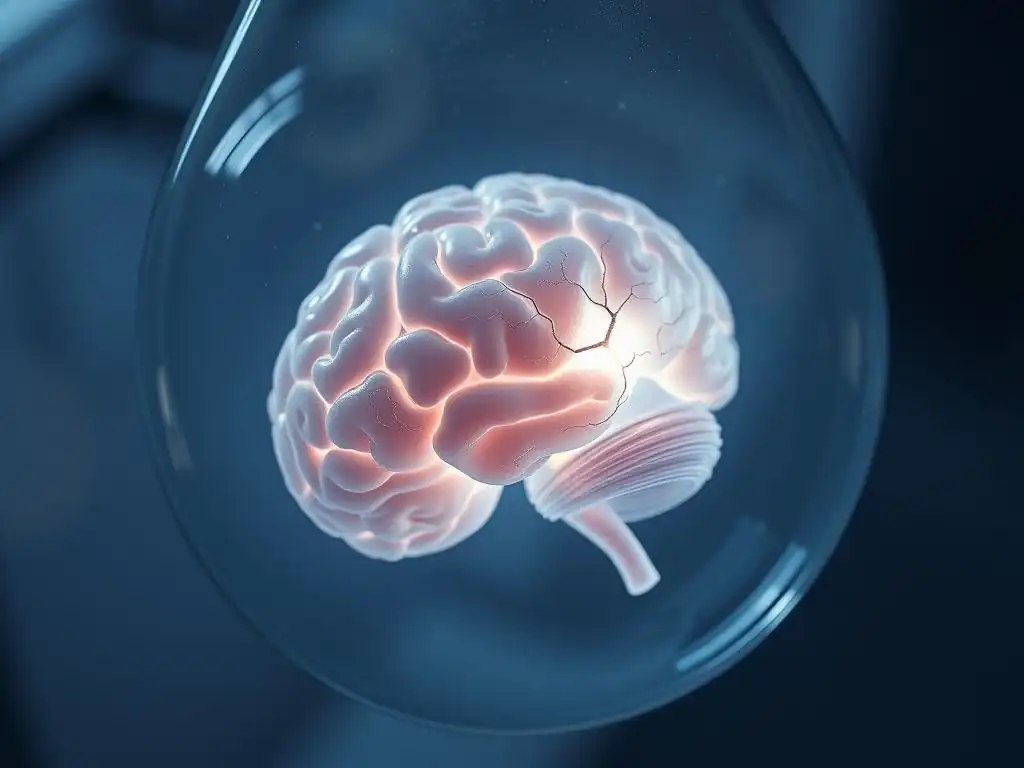
Are you aware of the profound influence your experiences have, even before birth? Discover the intricate connection between maternal well-being and nascent minds. In this article, we delve into how stress impacts fetal brain development, revealing the surprising and potentially lifelong biological effects. Join us as we explore this crucial aspect of neuroscience and empower you with knowledge to nurture healthier futures. What secrets does the womb hold, and how can we unlock them for the better?
- Introduction: Understanding the Link Between Prenatal Maternal Depression and Offspring Neurodevelopment
- The Neurobiology of Maternal Depression: How Depressive Symptoms Impact the Offspring
-
Maternal Depression Impacts Offspring Brain Development: Specific Brain Regions Affected
- Impact on the Amygdala: Increased Anxiety and Emotional Dysregulation
- Effects on the Hippocampus: Memory and Learning Difficulties Later in Life
- Prefrontal Cortex Development: Impaired Executive Functions and Cognitive Control
- Alterations in the Default Mode Network: Social and Emotional Processing Difficulties
- Biological Mechanisms: How Prenatal Maternal Depression Alters Brain Structure and Function
- Long-Term Biological Effects of Prenatal Maternal Depression Exposure
- Factors Influencing the Impact of Maternal Depression on Offspring Neurodevelopment
- Mitigating the Effects: Strategies for Reducing Prenatal Maternal Depression
- Conclusion: Promoting Healthy Offspring Neurodevelopment Through Early Detection and Treatment of Maternal Depression
-
Frequently Asked Questions
- How does maternal stress during pregnancy affect the developing fetal brain?
- What are some potential long-term consequences for children whose mothers experienced high stress levels during pregnancy?
- What types of stressors are most detrimental to fetal brain development?
- Is there anything pregnant women can do to mitigate the negative effects of stress on their baby's brain?
- When is the fetal brain most vulnerable to the effects of maternal stress?
- Final Reflection: A Legacy of Stress: Shaping Brains, Shaping Futures
- Unlock Your Child's Brainpower: Nurture Development From the Start
Introduction: Understanding the Link Between Prenatal Maternal Depression and Offspring Neurodevelopment
Why Offspring Neurodevelopment Matters for Lifelong Mental and Physical Health
The foundation for lifelong mental and physical well-being is significantly laid during the prenatal period, a critical window of rapid growth and development. Offspring neurodevelopment, specifically the intricate process of brain formation and wiring in utero, is profoundly sensitive to the maternal environment.
Adverse conditions during this time, such as exposure to prenatal maternal depression, can alter developmental trajectories, leading to lasting impacts on cognitive function, emotional regulation, and susceptibility to various health issues across the lifespan. Understanding why this early neurodevelopment matters is crucial because it highlights the importance of the first 1000 days – from conception to age two – as a period with disproportionate influence on later health outcomes, including vulnerability to mental health challenges like anxiety and depression, as well as physical health problems.
Research consistently demonstrates that disruptions to early brain development can manifest years or even decades later. For instance, studies tracking individuals from birth into adulthood have shown correlations between prenatal stressors and increased rates of learning disabilities, attention-deficit/hyperactivity disorder (ADHD), and mood disorders.
Moreover, the impact isn't limited to psychological outcomes; altered stress response systems established in utero can predispose individuals to chronic conditions such as cardiovascular disease and metabolic disorders later in life. This underscores the profound significance of ensuring optimal conditions for offspring neurodevelopment, emphasizing that interventions during pregnancy have the potential for far-reaching positive effects on public health.
Overview: How Prenatal Maternal Depression Affects the Developing Offspring Brain
Prenatal maternal depression is more than just an emotional state; it represents a complex physiological condition that can directly influence the developing fetus. The maternal body's response to depression involves a cascade of hormonal, inflammatory, and neurotransmitter changes. These biological signals can cross the placental barrier, exposing the fetal brain to an environment different from what is considered optimal for development. Essentially, chronic stress impacts fetal brain development by altering the crucial processes of neurogenesis (birth of neurons), migration (neurons moving to their correct locations), differentiation (neurons specializing), and synaptogenesis (formation of connections between neurons).
The mechanisms through which stress impacts fetal brain development are multifaceted. Elevated levels of stress hormones like cortisol in the mother can cross the placenta and influence the fetal hypothalamic-pituitary-adrenal (HPA) axis, the body's central stress response system. This early programming can lead to a hyper-responsive or dysregulated stress system in the offspring, making them more vulnerable to stress later in life.
Furthermore, inflammatory markers associated with maternal depression can also impact fetal brain development. This complex interplay of hormonal and inflammatory signals sets the stage for altered brain structure and function, impacting areas critical for emotional processing, cognition, and stress regulation, which we will explore in detail.
The Neurobiology of Maternal Depression: How Depressive Symptoms Impact the Offspring
The Role of Maternal Cortisol and Inflammatory Cytokines in Offspring Stress Response
Maternal depression is often accompanied by dysregulation of the hypothalamic-pituitary-adrenal (HPA) axis, leading to altered cortisol levels. Cortisol, the primary stress hormone, can readily cross the placenta. While some maternal cortisol is necessary for fetal maturation, chronically elevated levels, particularly during critical periods of brain development, can have detrimental effects.
High maternal cortisol exposure has been linked in studies to changes in the fetal HPA axis programming, potentially leading to an exaggerated or blunted stress response in the offspring after birth. For instance, research has indicated that infants exposed to high prenatal maternal cortisol may show increased cortisol reactivity to stressors compared to those with lower exposure. This altered stress reactivity is a key biological pathway by which stress impacts fetal brain development and increases vulnerability to stress-related disorders later in life.
Beyond hormonal changes, maternal depression is also associated with increased levels of inflammatory cytokines, such as Interleukin-6 (IL-6) and Tumor Necrosis Factor-alpha (TNF-alpha). These pro-inflammatory molecules can also cross the placenta or influence the fetal environment indirectly. Chronic fetal exposure to elevated inflammatory signals is thought to interfere with neurodevelopmental processes, potentially impairing neurogenesis and synaptic pruning (the process of eliminating weak or unused connections).
Studies have shown correlations between maternal inflammatory markers during pregnancy and altered brain connectivity or increased risk for conditions like autism spectrum disorder in offspring. This inflammatory pathway represents another significant mechanism through which the maternal state, particularly depression and its associated physiological stress, impacts fetal brain development.
Placental Function and the Transmission of Depressive Signals to the Offspring
The placenta is not merely a passive barrier but a dynamic organ that plays a crucial role in mediating the maternal-fetal exchange. It regulates the transfer of nutrients, oxygen, and waste, but it also plays a significant role in hormone metabolism and immune signaling. In the context of maternal depression, the placenta's function can be altered, further influencing fetal exposure to maternal biological signals.
For example, the placenta expresses enzymes like 11-beta hydroxysteroid dehydrogenase type 2 (11β-HSD2), which inactivates cortisol, protecting the fetus from excessive maternal levels. However, chronic maternal stress or depression may impair the function or expression of this enzyme, leading to greater fetal exposure to active cortisol. This highlights how stress impacts fetal brain development not just through the direct transmission of substances but also through altering the protective mechanisms of the placenta itself.
Furthermore, the placenta is an active endocrine organ that produces its own hormones and cytokines. Maternal depression and stress can influence placental hormone production and inflammatory responses, creating a unique microenvironment for the fetus. For instance, placental corticotropin-releasing hormone (CRH) levels are influenced by maternal stress and can, in turn, affect fetal HPA axis development.
Changes in placental cytokine production may also contribute to the inflammatory milieu affecting the fetal brain. Understanding these complex interactions at the placental level is vital for fully appreciating the biological pathways through which maternal depression and stress impacts fetal brain development, emphasizing the placenta's critical role as a mediator between maternal and fetal health.
Maternal Depression Impacts Offspring Brain Development: Specific Brain Regions Affected
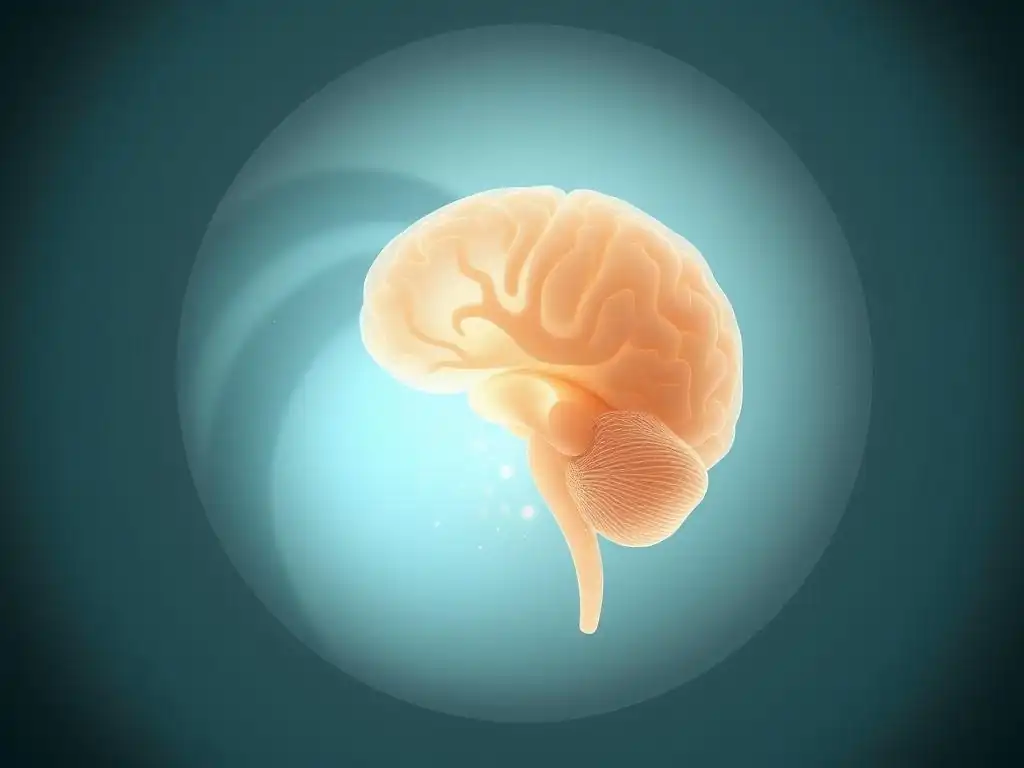
Impact on the Amygdala: Increased Anxiety and Emotional Dysregulation
The amygdala, a small almond-shaped structure deep within the brain, is a key component of the limbic system and plays a central role in processing emotions, particularly fear and anxiety. Research using neuroimaging techniques has provided compelling evidence that prenatal exposure to maternal depression can significantly impact the development and function of the amygdala in offspring.
Studies on children and adolescents exposed to prenatal maternal depression have often revealed increased amygdala volume or heightened reactivity of the amygdala to emotional stimuli compared to their peers without such exposure. This altered development is thought to contribute directly to the increased risk of anxiety disorders, heightened fear responses, and difficulties with emotional regulation observed in these individuals later in life.
The mechanism behind this impact is likely related to the early programming of the stress response system. The amygdala is densely populated with receptors for stress hormones like cortisol. Chronic exposure to elevated maternal cortisol during critical periods of amygdala development in utero can lead to permanent changes in its structure and connectivity.
For example, altered synaptic pruning or neurogenesis within the amygdala could result in a structure that is predisposed to overreact to perceived threats. Understanding this specific impact on the amygdala underscores how prenatal stress impacts fetal brain development at the regional level, laying a foundation for altered emotional processing that can persist throughout life.
Effects on the Hippocampus: Memory and Learning Difficulties Later in Life
The hippocampus, another vital structure within the limbic system, is primarily involved in learning, memory formation, and regulating the stress response (acting as a brake on the HPA axis). Similar to the amygdala, the hippocampus is highly sensitive to stress hormones and is significantly impacted by the prenatal environment. Studies have shown that prenatal exposure to maternal depression or stress is associated with reduced hippocampal volume in children and adolescents.
This structural difference is often correlated with functional deficits, including difficulties with spatial memory, verbal learning, and overall cognitive flexibility. For instance, research has indicated that children whose mothers experienced significant depression during pregnancy may score lower on standardized tests measuring certain types of memory and learning abilities.
The hippocampus is one of the few brain regions where neurogenesis continues into adulthood, but its development and function are particularly vulnerable during fetal life. Chronic exposure to high levels of maternal cortisol can impair neurogenesis in the developing hippocampus, reduce synaptic density, and alter neuronal connectivity. Furthermore, the hippocampus's role in regulating the HPA axis means that prenatal programming affecting this region can perpetuate a cycle of stress dysregulation. The impact on the hippocampus highlights another crucial way that stress impacts fetal brain development, leading to long-term consequences for cognitive function and the ability to manage stress effectively.
Prefrontal Cortex Development: Impaired Executive Functions and Cognitive Control
The prefrontal cortex (PFC), located at the front of the brain, is responsible for complex executive functions, including planning, decision-making, working memory, impulse control, and regulating social behavior. This region undergoes protracted development, maturing well into late adolescence and early adulthood, but its foundational wiring occurs during the prenatal and early postnatal periods.
Prenatal exposure to maternal depression and stress has been linked to altered development of the PFC, affecting both its structure and connectivity with other brain regions, such as the amygdala and hippocampus. Studies using MRI have sometimes shown reduced gray matter volume or altered white matter connectivity in certain areas of the PFC in individuals exposed to prenatal stress.
These structural and connectivity differences are associated with functional impairments in executive functions observed in offspring. Children and adolescents exposed to prenatal maternal depression may exhibit difficulties with attention, planning, problem-solving, and behavioral inhibition. For example, they might struggle more with tasks requiring sustained focus or inhibitory control.
This impact on the PFC is a significant aspect of how stress impacts fetal brain development, contributing to a higher risk of conditions like ADHD and difficulties with academic performance and social adjustment later in life. The complex cognitive and behavioral challenges stemming from altered PFC development underscore the far-reaching effects of the prenatal environment.
The Default Mode Network (DMN) is a network of interacting brain regions that is most active when a person is not focused on the outside world, for example, during mind-wandering, thinking about others, or self-reflection. It includes areas like the medial prefrontal cortex, posterior cingulate cortex, and angular gyrus. The DMN is crucial for social cognition, understanding others' perspectives, and self-referential processing.
Emerging research suggests that prenatal exposure to maternal depression can alter the development and connectivity of the DMN in offspring. Studies using resting-state fMRI have found atypical patterns of connectivity within the DMN, and between the DMN and other brain networks, such as those involved in executive control or salience detection, in children exposed to prenatal stress.
These alterations in the DMN are thought to underlie some of the social and emotional processing difficulties observed in these individuals. For instance, disruptions in DMN connectivity could contribute to challenges with social interaction, understanding social cues, and processing self-related information, potentially increasing vulnerability to social anxiety or difficulties in forming relationships. The influence on the DMN illustrates a more recently discovered pathway by which stress impacts fetal brain development, highlighting the intricate ways that early experiences shape the complex neural networks supporting social and emotional functioning throughout life.
Biological Mechanisms: How Prenatal Maternal Depression Alters Brain Structure and Function
Epigenetic Modifications: Long-Term Changes in Gene Expression and Neurodevelopment
One of the most significant biological mechanisms by which prenatal maternal depression impacts offspring neurodevelopment is through epigenetic modifications. Epigenetics refers to changes in gene expression that do not involve alterations to the underlying DNA sequence but can be inherited by daughter cells and even across generations.
These modifications, such as DNA methylation or histone modifications, act like switches or dimmers on genes, influencing whether and how much a gene is turned on or off. The prenatal period is a time of extensive epigenetic programming, making the fetal genome particularly sensitive to environmental signals, including those related to maternal stress and depression.
Research has identified specific genes involved in stress response (like the glucocorticoid receptor gene, NR3C1), neurotransmitter systems (like serotonin transporter gene, SLC6A4), and brain development that show altered epigenetic marks, particularly DNA methylation, in offspring exposed to prenatal maternal depression. For example, studies have shown increased methylation of the NR3C1 gene promoter in infants exposed to high prenatal maternal stress, which can potentially lead to reduced expression of glucocorticoid receptors and thus alter the feedback regulation of the HPA axis.
These epigenetic changes can be stable and persist long after birth, providing a molecular mechanism for the long-term impact of stress impacts fetal brain development, influencing neural circuit formation and function throughout life.
Neurotransmitter Systems: Disruption of Serotonin, Dopamine, and Glutamate Pathways
Neurotransmitters are chemical messengers that neurons use to communicate with each other, and they are crucial for virtually every aspect of brain function, including mood, cognition, and behavior. The development and proper functioning of various neurotransmitter systems, such as those involving serotonin, dopamine, and glutamate, are highly sensitive to the prenatal environment. Maternal depression and the associated hormonal and inflammatory changes can disrupt the normal development of these systems in the fetal brain.
For instance, the serotonin system plays a critical role in mood regulation, anxiety, and early brain development processes like neuronal migration and synaptogenesis. Exposure to altered maternal serotonin levels or inflammatory signals can interfere with the development of fetal serotonin pathways, potentially leading to imbalances that increase vulnerability to mood and anxiety disorders later on.
Similarly, the dopamine system is vital for reward, motivation, and executive functions, while glutamate is the primary excitatory neurotransmitter involved in learning and synaptic plasticity. Studies in animal models and indirect evidence in humans suggest that prenatal stress can alter the density of neurotransmitter receptors, the expression of transporters, or the synthesis of these crucial chemicals in key brain regions of the offspring. These disruptions to fundamental neurotransmitter pathways are a key biological consequence of how stress impacts fetal brain development, altering the brain's chemical balance and influencing a wide range of cognitive and emotional functions throughout life.
Immune System Dysregulation: Increased Vulnerability to Mental Health and Autoimmune Disorders
The developing brain and the immune system are intimately interconnected, influencing each other's development and function from the prenatal period onwards. Maternal depression and chronic stress are associated with activation of the maternal immune system and elevated levels of pro-inflammatory cytokines. As discussed earlier, these inflammatory signals can cross the placenta and directly influence the developing fetal brain, contributing to altered neurodevelopment. However, prenatal exposure to this inflammatory environment can also program the fetal immune system itself, leading to long-lasting changes in immune function.
Studies suggest that individuals exposed to prenatal maternal depression may have a pro-inflammatory profile later in life, meaning their immune systems are more prone to mount an inflammatory response. This chronic, low-grade inflammation is increasingly recognized as a contributing factor to various mental health conditions, including depression and anxiety, as well as neurodevelopmental disorders.
Furthermore, altered immune programming in utero may increase susceptibility to autoimmune disorders. This highlights a complex bidirectional relationship where maternal mental state influences fetal immune development, which in turn impacts brain function and overall health, demonstrating yet another critical biological pathway by which stress impacts fetal brain development and lifelong health.
Long-Term Biological Effects of Prenatal Maternal Depression Exposure
Increased Risk of Anxiety Disorders and Depression in Offspring
One of the most consistently reported long-term effects of prenatal exposure to maternal depression is an increased risk of developing anxiety disorders and depression in childhood, adolescence, and adulthood. Longitudinal studies tracking children exposed in utero have found that they are significantly more likely to be diagnosed with these conditions compared to their peers without such exposure.
For example, some studies suggest that the risk for developing depression or an anxiety disorder may be approximately doubled in exposed individuals. This heightened vulnerability is thought to stem directly from the altered neurobiological pathways discussed earlier, including changes in the amygdala, hippocampus, prefrontal cortex, HPA axis, and neurotransmitter systems, which are all critical for regulating mood and stress responses.
This increased susceptibility is not simply a result of shared genetics or the postnatal environment, although those factors also play a role. The in utero exposure itself appears to biologically program the brain in a way that makes individuals more reactive to stress and less resilient to life's challenges.
The persistent epigenetic modifications and functional changes in brain regions involved in emotional processing mean that these individuals may have a lower threshold for developing mood and anxiety symptoms when faced with stressors throughout their lives. Understanding this elevated risk underscores the critical need for early intervention and support for pregnant individuals experiencing depression.
Higher Susceptibility to Neurodevelopmental Disorders (e.g., ADHD, Autism Spectrum Disorder)
Beyond mood and anxiety disorders, prenatal exposure to maternal depression is also associated with an increased risk for certain neurodevelopmental disorders, including Attention-Deficit/Hyperactivity Disorder (ADHD) and, in some studies, Autism Spectrum Disorder (ASD) traits or diagnoses. The mechanisms underlying this link are complex but are thought to involve the impact of stress hormones, inflammation, and neurotransmitter dysregulation on the developing neural circuits critical for attention, executive function, and social cognition. For example, alterations in prefrontal cortex development, as discussed, are strongly implicated in the development of ADHD symptoms, such as difficulties with attention and impulse control.
While the association with ASD is less consistent across all studies than with anxiety or ADHD, some research points to prenatal stress exposure as a potential risk factor, possibly mediated by immune activation and altered connectivity in brain networks involved in social processing, like the DMN. These findings suggest that stress impacts fetal brain development in ways that can broadly affect the complex processes required for typical cognitive and social development. While not every exposed child will develop these conditions, the elevated susceptibility highlights the broad impact of the prenatal environment on diverse neurodevelopmental trajectories.
Cognitive Impairments and Learning Disabilities in Offspring
Prenatal exposure to maternal depression can also lead to long-lasting cognitive impairments and an increased risk of learning disabilities. These effects are often linked to the observed alterations in brain regions like the hippocampus (involved in memory and learning) and the prefrontal cortex (involved in executive functions). Children exposed in utero may exhibit difficulties with specific cognitive skills, such as working memory, verbal learning, attention, and executive functions like planning and problem-solving. For instance, studies have reported lower scores on standardized tests measuring cognitive abilities in children whose mothers experienced significant depression during pregnancy.
These cognitive challenges can impact academic performance and overall learning trajectories throughout childhood and adolescence. While the effects can vary in severity, the consistent findings across multiple studies indicate that stress impacts fetal brain development in ways that compromise the neural infrastructure necessary for optimal cognitive function. Addressing maternal depression during pregnancy is therefore not only crucial for emotional well-being but also for supporting the cognitive potential of the developing child.
Increased Risk of Metabolic Disorders and Cardiovascular Disease in Adulthood
The biological programming initiated by prenatal exposure to maternal depression extends beyond the brain, influencing the development of other physiological systems, including those involved in metabolism and cardiovascular health. The altered HPA axis function, programmed in utero by prenatal stress, can lead to chronic dysregulation of cortisol, which affects glucose metabolism, insulin sensitivity, and fat distribution. This can increase the risk of developing metabolic disorders such as type 2 diabetes and obesity later in life.
Furthermore, prenatal stress exposure has been linked to changes in cardiovascular reactivity and increased risk factors for cardiovascular disease in adulthood, such as hypertension. The mechanisms are complex but involve the long-term effects of stress hormones and inflammation on vascular function and the development of the sympathetic nervous system. These findings underscore the concept of the "developmental origins of health and disease" (DOHaD), demonstrating that early life experiences, including prenatal stress, have profound and lasting biological impacts on overall physical health, highlighting how stress impacts fetal brain development and systemic health.
Factors Influencing the Impact of Maternal Depression on Offspring Neurodevelopment

Timing of Maternal Depression During Gestation: Critical Periods of Vulnerability
The impact of maternal depression on offspring neurodevelopment is not uniform throughout pregnancy; it can vary depending on the timing of exposure during gestation. Different brain regions and neural circuits undergo critical periods of development at specific points in pregnancy, making them particularly vulnerable to environmental influences during those times. For instance, the first trimester is crucial for basic structural development, including neurogenesis and neuronal migration, while the second and third trimesters are periods of extensive synaptogenesis, dendritic branching, and myelination.
Research suggests that exposure to maternal depression during certain trimesters may have distinct effects. For example, some studies indicate that depression in the first trimester might be more strongly associated with certain structural brain changes, while later pregnancy depression could have a greater impact on connectivity and functional development. Understanding these critical windows of vulnerability is essential for timing interventions effectively. It emphasizes that chronic or severe stress impacts fetal brain development whenever it occurs during pregnancy, but the specific outcomes might differ based on the developmental processes underway at the time of exposure.
Severity and Duration of Maternal Depressive Symptoms
The magnitude of the impact of prenatal maternal depression on offspring neurodevelopment is often related to the severity and duration of the mother's symptoms. More severe or chronic depression during pregnancy is generally associated with a greater risk and more pronounced effects on the developing fetal brain compared to mild or transient symptoms. This is likely because more severe or prolonged depression is often associated with higher levels of biological mediators like cortisol and inflammatory cytokines, leading to more sustained or intense exposure for the fetus.
For instance, a mother experiencing severe, unmanaged depression throughout her pregnancy might have consistently elevated stress hormone levels, resulting in prolonged exposure for the fetus. This contrasts with a mother experiencing milder, temporary symptoms. The cumulative biological burden on the developing brain appears to be higher with greater severity and duration of maternal depressive symptoms. This dose-response relationship underscores the importance of early detection and treatment for any level of maternal depression during pregnancy, but particularly for moderate to severe cases, to mitigate the long-term biological consequences of how stress impacts fetal brain development.
Genetic Predisposition and Individual Resilience in Offspring
While prenatal exposure to maternal depression is a significant risk factor, it does not determine the outcome for every child. Genetic factors in the offspring play a crucial role in moderating the impact of the prenatal environment.
An infant's genetic makeup can influence their susceptibility to the biological effects of maternal stress, including how their own HPA axis develops, how their brain responds to stress hormones, and their capacity for neural plasticity (the brain's ability to adapt and reorganize). For example, variations in genes related to neurotransmitter systems or stress hormone receptors might make some infants more vulnerable or more resilient to the effects of prenatal stress exposure.
Furthermore, individual resilience factors, which can have both genetic and environmental underpinnings, also influence outcomes. Some children may possess intrinsic biological or temperamental traits that buffer them against adverse prenatal experiences. This interaction between genetic predisposition and environmental exposure highlights the complexity of developmental trajectories. It means that while stress impacts fetal brain development and increases risk, the ultimate outcome is a result of a dynamic interplay between prenatal experiences, the child's genetic vulnerability or resilience, and the postnatal environment.
The Role of Postnatal Environment and Parenting Styles
The postnatal environment and the quality of caregiving the child receives after birth are critical factors that can either exacerbate or buffer the effects of prenatal maternal depression. A supportive, nurturing, and stable postnatal environment can help mitigate some of the negative impacts of prenatal stress exposure. Responsive parenting, characterized by sensitivity to the child's needs, emotional warmth, and consistent caregiving, can promote healthy brain development and help regulate the child's stress response system. This positive postnatal experience can potentially compensate, to some extent, for the adverse programming that occurred in utero.
Conversely, if maternal depression persists or worsens after childbirth, or if the postnatal environment is unstable or lacking in responsive caregiving, the negative effects initiated during pregnancy may be amplified. A mother struggling with depression may find it more challenging to provide the consistent, sensitive care that is crucial for the infant's developing brain and stress regulation.
This highlights that the impact of stress impacts fetal brain development is part of a continuum of influence that extends into the postnatal period. Interventions that support maternal mental health and promote positive parent-child interactions after birth are therefore essential components of mitigating the long-term risks associated with prenatal exposure.
Mitigating the Effects: Strategies for Reducing Prenatal Maternal Depression
Screening and Treatment for Depression During Pregnancy
Early detection and effective treatment of depression during pregnancy are paramount to mitigating its potential impact on offspring neurodevelopment. Implementing routine screening for depression as part of standard prenatal care allows healthcare providers to identify pregnant individuals who are struggling and connect them with appropriate support and treatment.
Screening can involve validated questionnaires such as the Edinburgh Postnatal Depression Scale (EPDS), although it's important to note that this scale was initially developed for the postnatal period but is often used antenatally. Early identification enables timely intervention, which can reduce the severity and duration of depressive symptoms, thereby limiting fetal exposure to the associated biological stressors.
Treatment options for antenatal depression are similar to those for non-pregnant individuals but require careful consideration of risks and benefits during pregnancy. This can include psychotherapy, medication, or a combination of both. Selecting the appropriate treatment involves a shared decision-making process between the pregnant individual and their healthcare provider, weighing the potential risks of untreated depression to both mother and fetus against the potential risks of treatment. Effective treatment of maternal depression directly reduces the biological signals (like elevated cortisol and inflammation) that stress impacts fetal brain development, offering a crucial pathway to protect the developing child.
Psychotherapeutic Interventions: Cognitive Behavioral Therapy and Interpersonal Therapy
Psychotherapeutic interventions, particularly Cognitive Behavioral Therapy (CBT) and Interpersonal Therapy (IPT), are recommended first-line treatments for mild to moderate depression during pregnancy and are often used in conjunction with medication for more severe cases. CBT helps individuals identify and change negative thought patterns and behaviors contributing to their depression. IPT focuses on improving interpersonal relationships and social roles that may be linked to depressive symptoms. Both approaches have demonstrated effectiveness in reducing depressive symptoms in pregnant individuals without the concerns associated with medication exposure for the fetus.
These therapies provide coping strategies, improve emotional regulation, and enhance problem-solving skills, which can directly reduce the level of physiological stress experienced by the mother. By alleviating maternal depressive symptoms, psychotherapy helps create a more favorable prenatal environment for the developing brain. The reduction in maternal stress through these interventions is a direct way to counteract how stress impacts fetal brain development, promoting healthier neural development trajectories for the offspring. Access to these evidence-based therapies is a critical component of comprehensive prenatal care.
Strong social support networks play a vital role in buffering the effects of stress and depression. Providing pregnant women with access to social support and counseling can significantly improve their mental well-being. This support can come from partners, family members, friends, support groups for pregnant individuals, or community resources. Counseling can provide a safe space to discuss feelings, challenges, and fears related to pregnancy, motherhood, and depression. Simply having someone to talk to and feeling understood can reduce feelings of isolation and distress.
Support from a partner is particularly important. Involving partners in prenatal appointments and counseling can help them understand maternal depression and learn how to provide effective support. Community-based programs offering parenting education, home visits, or peer support groups can also be invaluable. By reducing the overall stress burden on the expectant mother and enhancing her sense of connection and well-being, social support and counseling indirectly mitigate the biological pathways through which stress impacts fetal brain development. A more supported mother is often a less stressed mother, creating a healthier environment for the fetus.
Nutritional Interventions to Support Maternal Mental Health and Offspring Brain Development
Nutrition plays a fundamental role in both maternal mental health and fetal brain development. Ensuring adequate intake of essential nutrients is a supportive strategy for mitigating the effects of maternal depression. Omega-3 fatty acids, particularly DHA, are crucial building blocks for the fetal brain and have also been linked to maternal mood regulation. Studies suggest that adequate omega-3 intake during pregnancy may be associated with lower rates of perinatal depression and better infant neurodevelopmental outcomes. Encouraging consumption of fatty fish (within safe limits for mercury) or omega-3 supplements can be beneficial.
Other nutrients important for both maternal mental health and fetal neurodevelopment include B vitamins (especially folate and B12), Vitamin D, iron, and zinc. Deficiencies in these nutrients have been associated with increased risk of depression and can impair fetal brain growth.
A balanced, nutrient-rich diet supports the mother's physiological well-being, potentially reducing depressive symptoms, while simultaneously providing the essential components needed for healthy fetal brain development. While nutrition is a supportive intervention rather than a primary treatment for clinical depression, optimizing maternal nutrition is a valuable component of a holistic approach to reduce the biological vulnerabilities that arise when stress impacts fetal brain development.
Conclusion: Promoting Healthy Offspring Neurodevelopment Through Early Detection and Treatment of Maternal Depression
The Importance of Early Detection and Intervention for Maternal Mental Health
The evidence is clear: prenatal maternal depression poses a significant biological risk to the developing offspring, impacting brain structure, function, and increasing vulnerability to a range of mental and physical health issues across the lifespan. The biological mechanisms, involving stress hormones, inflammation, and epigenetic changes, highlight how profoundly stress impacts fetal brain development. Therefore, prioritizing the mental health of pregnant individuals is not just about supporting the mother; it is a crucial investment in the long-term health and well-being of the next generation. Early detection of depression during pregnancy through routine screening allows for timely intervention.
Implementing effective treatment strategies, including psychotherapy, medication when necessary, and comprehensive support systems, can significantly reduce the severity and duration of maternal depressive symptoms. This reduction in maternal distress directly lessens the biological burden on the developing fetus, mitigating the adverse programming of the brain and stress response systems. Early intervention is key to interrupting the cycle of risk that begins in utero and sets the stage for healthier developmental trajectories. It requires a proactive approach from healthcare providers, families, and communities to ensure pregnant individuals receive the support they need.
Future Research Directions: Understanding the Complexities of Maternal Depression and Offspring Neurodevelopment
While significant progress has been made in understanding how stress impacts fetal brain development in the context of maternal depression, many complexities remain. Future research needs to delve deeper into the specific timing and duration of exposure and their differential impacts on distinct brain regions and neural circuits. More refined studies are needed to unravel the intricate interplay between genetic predisposition, epigenetic modifications, and the prenatal environment in shaping individual susceptibility and resilience. Longitudinal studies that track individuals from conception through adulthood are essential for confirming long-term outcomes and identifying critical periods for intervention.
Furthermore, research is needed to better understand the role of the paternal mental health and the broader family environment during pregnancy and the postnatal period as modifiers of risk. Investigating the effectiveness of different types of interventions, including novel therapeutic approaches or public health initiatives aimed at reducing prenatal stress, is also crucial. Advancements in neuroimaging and molecular biology techniques offer promising avenues for gaining a more detailed understanding of the biological pathways involved. Addressing these research gaps will enhance our ability to predict outcomes, personalize interventions, and ultimately develop more effective strategies to promote healthy offspring neurodevelopment.
Call to Action: Prioritizing Maternal Mental Health for the Well-being of Future Generations and Society
The compelling evidence demonstrating how stress impacts fetal brain development and subsequent health outcomes serves as a powerful call to action. Prioritizing maternal mental health must become a cornerstone of public health policy and clinical practice. This requires universal screening for perinatal depression, improved access to affordable and evidence-based mental healthcare for pregnant and postpartum individuals, and greater integration of mental health services into prenatal care settings. Educating healthcare providers about the importance of maternal mental health and its impact on fetal development is also essential.
Beyond clinical settings, communities and families have a vital role to play in providing social support and reducing stigma surrounding maternal mental health challenges. Creating supportive environments where pregnant individuals feel comfortable seeking help is paramount. Investing in maternal mental health is not only an ethical imperative to support individuals during a vulnerable period of life but also a strategic investment in the health, cognitive potential, and emotional resilience of future generations. By addressing maternal depression effectively, we can mitigate the biological risks initiated in utero and build a healthier society for everyone.
Frequently Asked Questions
How does maternal stress during pregnancy affect the developing fetal brain?
Maternal stress hormones, like cortisol, can cross the placenta and impact fetal brain development. This can affect the development of brain regions responsible for emotional regulation and stress response.
What are some potential long-term consequences for children whose mothers experienced high stress levels during pregnancy?
Children may experience increased risk of developing anxiety, depression, and other mental health issues. They might also show altered stress reactivity and cognitive difficulties later in life.
What types of stressors are most detrimental to fetal brain development?
Prolonged and chronic stress, such as experiencing financial hardship, relationship problems, or domestic violence, can be particularly harmful. Acute but severe stressors can also have a significant impact.
Is there anything pregnant women can do to mitigate the negative effects of stress on their baby's brain?
Yes! Practicing stress-reduction techniques like meditation, yoga, and deep breathing exercises can help. Seeking social support and professional counseling are also beneficial.
When is the fetal brain most vulnerable to the effects of maternal stress?
While the entire pregnancy is important, the first and second trimesters are considered particularly sensitive periods for fetal brain development. This is when major brain structures are forming.
Final Reflection: A Legacy of Stress: Shaping Brains, Shaping Futures
The pervasive impact of maternal stress on fetal brain development is not merely a scientific curiosity; it's a critical public health concern demanding immediate attention. The evidence presented clearly demonstrates the far-reaching consequences of prenatal stress, affecting not only cognitive function but also emotional regulation and physical health throughout a lifetime. This is not simply about individual experiences; it's about shaping the very fabric of future generations.
The ongoing influence of this research underscores the urgent need for comprehensive support systems for pregnant individuals. Understanding the intricate mechanisms by which stress impacts fetal brain development allows us to develop targeted interventions, from stress reduction techniques to improved access to prenatal care. This is not just about mitigating risk; it's about fostering a future where every child has the opportunity to reach their full potential. The brain is the organ of hope. It is the organ that allows us to imagine a better future, to plan for it, and to work towards it.
This quote highlights the profound importance of protecting the developing brain from the damaging effects of stress.
Consider the implications of this research on your own life, your family, and your community. Are you actively seeking ways to reduce stress in your life, especially if you are pregnant or planning a pregnancy? Are you advocating for policies and programs that support maternal mental health? The future health and well-being of countless individuals depend on our collective commitment to understanding and addressing the lasting impact of stress on fetal brain development. Let us work together to create a world where every child has the opportunity to thrive.
Unlock Your Child's Brainpower: Nurture Development From the Start
Thanks for taking the time to learn about the profound impact of prenatal stress on brain development. We hope this information empowers you to make informed choices for a healthier pregnancy and brighter future for your little one. Ready to take the next steps?
- Prioritize stress reduction techniques: Explore mindfulness practices, gentle exercise, or connect with a supportive community to manage stress levels during pregnancy. This is your primary action for creating a nurturing environment.
- Share this vital information with expectant parents in your life: Help spread awareness and support among your network by sharing this article on social media or recommending it to friends and family.
- Dive deeper into related resources:Explore Mind Care Guide’s extensive library for more articles on pregnancy health and child development – you'll find many more tools to support your journey.
What unique stress-reduction strategy will you incorporate into your pregnancy routine today?