
Natural Ways to Soothe Your Amygdala and Reduce Fear

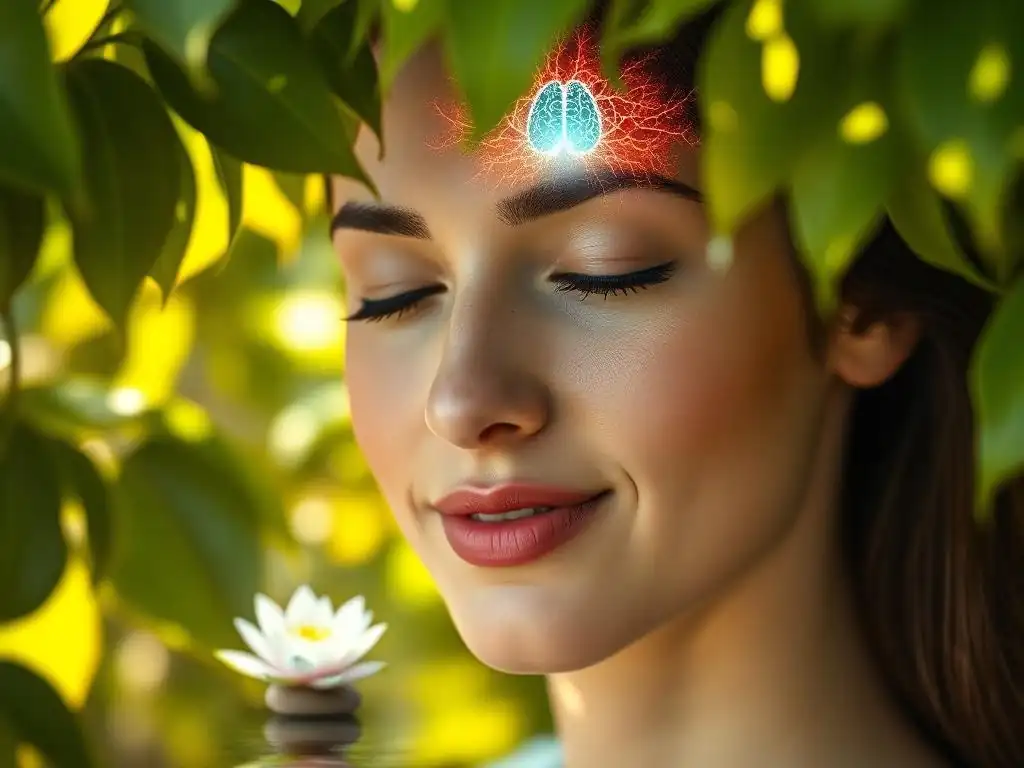
Welcome to Mind Care Guide, a space dedicated to nurturing your mental well-being.
Do you ever feel overwhelmed by fear, as if your emotions are hijacking your thoughts? You're not alone. This article delves into natural amygdala calming techniques that can help you regain control. Explore how understanding the neuroscience behind fear can empower you to build resilience and find lasting peace. Ready to discover practical strategies to soothe your amygdala and cultivate a calmer, more centered you? Let's begin.
Natural Ways to Manage Anxiety and Fear
Anxiety and fear are fundamental human emotions, protective responses rooted deep within our brain's architecture. While essential for survival, when these responses become hyperactive or dysregulated, they can lead to significant distress and impact daily life. Understanding the brain's role in these emotions, particularly the amygdala, can empower individuals to explore effective strategies for managing them. This article delves into natural techniques that can help soothe an overactive amygdala and cultivate a greater sense of calm and control over fear responses. Exploring natural amygdala calming techniques fear can be a powerful step towards improved mental well-being.
- Understanding the Amygdala and Its Role in Anxiety
- Natural Techniques for Anxiety and Fear Management
- Lifestyle Changes to Promote Long-Term Well-being
- Additional Tips for Managing Anxiety and Fear
- When to Seek Professional Help for Anxiety
-
Frequently Asked Questions
- How do natural amygdala calming techniques help with fear?
- Are these natural methods a replacement for professional mental health treatment?
- What are some examples of natural amygdala calming techniques mentioned in the article?
- How quickly can I expect to see results from using these natural techniques?
- Are there any potential risks associated with using natural amygdala calming techniques?
- Final Reflection: Finding Peace in the Face of Fear
- Unleash Your Inner Calm: Practical Steps to a Fear-Free Life
Understanding the Amygdala and Its Role in Anxiety
The amygdala, a small almond-shaped structure located deep within the temporal lobe, is a key player in processing emotions, particularly fear and threat detection. It's part of the brain's limbic system, a network associated with emotions, motivation, memory, and learning. When faced with a potential threat, the amygdala rapidly processes the information and triggers the body's "fight or flight" response, preparing us to react.
What is the Amygdala? Exploring its Function in the Brain
The amygdala's primary function is the processing and memory of emotional reactions, especially fear. It acts as the brain's alarm system, constantly scanning the environment for potential dangers. For instance, if you suddenly hear a loud, unexpected noise, your amygdala quickly processes this stimulus as a potential threat and initiates a cascade of physiological responses – increased heart rate, rapid breathing, muscle tension – designed to help you react or escape. This rapid, often unconscious, evaluation is crucial for survival, allowing us to respond to threats before the conscious mind fully registers what is happening.
Beyond immediate threat detection, the amygdala is also involved in forming emotional memories. Traumatic experiences, for example, can create strong, lasting fear associations within the amygdala, making individuals more susceptible to triggering similar fear responses in the future, even when the actual threat is no longer present. Research, like studies involving fMRI scans, has shown heightened amygdala activity when individuals are exposed to fear-inducing stimuli, underscoring its central role in this emotion. Approximately 70% of emotional memories, particularly those linked to strong fear or pleasure, are believed to involve significant amygdala processing.
The Amygdala's Connection to Anxiety and Fear Responses
The amygdala is intimately linked to the experience of anxiety and fear. In essence, fear is a response to an immediate, identifiable threat, while anxiety is often a response to a perceived or anticipated future threat. Both rely heavily on the amygdala's activity. When the amygdala is highly sensitive or overactive, it can interpret non-threatening situations as dangerous, triggering disproportionate fear or anxiety responses. This can manifest as excessive worry, panic attacks, or phobias.
This hypersensitivity can be influenced by genetic predisposition, past experiences (especially trauma), and chronic stress. Studies have shown that individuals with anxiety disorders often exhibit increased amygdala volume or heightened reactivity compared to those without. For example, someone with social anxiety might experience intense fear and physical symptoms like sweating or trembling in social situations because their amygdala is interpreting social interaction, which is not inherently dangerous, as a threat. Learning natural amygdala calming techniques fear is about retraining this sensitive alarm system.
How Amygdala Dysregulation Contributes to Anxiety Disorders
Dysregulation of the amygdala means that its normal functioning is disrupted, often leading to an exaggerated or prolonged fear response. Instead of calming down once a perceived threat has passed, the amygdala remains in a heightened state of alert. This chronic activation contributes significantly to the persistent worry, hypervigilance, and physical symptoms characteristic of various anxiety disorders, including Generalized Anxiety Disorder (GAD), Panic Disorder, and PTSD. It's estimated that individuals with certain anxiety disorders may experience amygdala activity levels that are up to 30% higher than average during stressful situations.
Furthermore, a dysregulated amygdala can impair the prefrontal cortex's ability to regulate emotions. The prefrontal cortex is the brain region responsible for executive functions, including rational thought, decision-making, and inhibiting impulsive or excessive emotional reactions. When the amygdala is overactive, it can override the prefrontal cortex's calming signals, making it difficult for individuals to logically process and manage their anxiety. This creates a feedback loop where heightened fear responses perpetuate anxious thoughts and behaviors, highlighting the importance of finding natural ways to soothe your amygdala.
Natural Techniques for Anxiety and Fear Management
Fortunately, the brain is remarkably adaptable, a concept known as neuroplasticity. This means that through consistent practice, we can influence brain structures like the amygdala. Natural amygdala calming techniques fear leverage this plasticity to reduce the amygdala's reactivity and strengthen the prefrontal cortex's regulatory capacity. These methods offer accessible, non-pharmacological ways to manage anxiety and fear.
The Power of Mindfulness and Meditation for Emotional Regulation
Mindfulness and meditation practices involve focusing attention on the present moment without judgment. This cultivates awareness of thoughts, feelings, and bodily sensations, allowing individuals to observe them from a distance rather than being swept away by them. Regular practice has been shown to reduce amygdala activity and increase connectivity between the amygdala and the prefrontal cortex, enhancing emotional regulation.
Practicing Mindfulness to Reduce Reactivity
Mindfulness involves intentionally paying attention to the present moment, whether it's focusing on your breath, bodily sensations, or the environment around you. By regularly engaging in mindfulness exercises, such as a simple 5-minute breathing awareness practice daily, you train your brain to observe thoughts and feelings without automatically reacting to them.
Instead of instantly activating the fear response when an anxious thought arises, mindfulness allows for a pause, creating space to choose a more rational response. Research from institutions like Harvard has indicated that just 8 weeks of daily mindfulness practice can lead to measurable changes in brain structure, including decreased amygdala volume and increased grey matter in areas associated with self-awareness and compassion.
This practice helps to break the cycle of rumination and worry that fuels anxiety. By gently redirecting your attention back to the present whenever your mind wanders to fearful future scenarios or past regrets, you weaken the neural pathways associated with anxiety and strengthen those related to calm presence.
Even simple mindful activities like eating a meal slowly and paying attention to the tastes and textures can contribute to this training. A study published in Health Psychology found that college students who practiced mindfulness for 10 minutes a day for two weeks reported significant reductions in stress and anxiety levels.
Guided Meditation Techniques for Anxiety Relief
Guided meditations involve following instructions from a teacher or recording, which can be particularly helpful for beginners. Techniques often focus on body scans, where you systematically bring awareness to different parts of your body, or loving-kindness meditation, which cultivates feelings of warmth and compassion towards oneself and others. These practices activate areas of the brain associated with relaxation and positive emotions, counteracting the amygdala's stress response.
Many apps and online resources offer guided meditations specifically designed for anxiety relief, ranging from 5 to 30 minutes. For example, a guided body scan can help ground you in the present moment and release physical tension often held during anxiety. A meta-analysis of over 200 studies on meditation found that meditation significantly reduced symptoms of anxiety, depression, and pain. Regularly incorporating even short guided sessions, perhaps 15 minutes daily, can build resilience to stress and help soothe an overactive amygdala naturally.
Breathing Exercises for Calming the Nervous System
Breathing is a powerful tool for influencing the autonomic nervous system, which controls involuntary bodily functions like heart rate and respiration. Anxiety and fear often lead to shallow, rapid breathing, which signals danger to the brain and further activates the amygdala. Conscious, controlled breathing techniques can reverse this process, signaling safety and promoting relaxation. These are excellent natural amygdala calming techniques fear.
Diaphragmatic Breathing: A Technique for Immediate Relief
Diaphragmatic breathing, also known as belly breathing, involves inhaling deeply into the abdomen rather than just the chest. This stimulates the vagus nerve, a major nerve that connects the brain to the body and plays a key role in the parasympathetic nervous system, which is responsible for the "rest and digest" response. Practicing diaphragmatic breathing can quickly lower heart rate, reduce blood pressure, and decrease the physiological symptoms of anxiety.
To practice, find a comfortable position, place one hand on your chest and the other on your abdomen just below your rib cage. Inhale slowly through your nose, feeling your abdomen rise while your chest remains relatively still. Exhale slowly through pursed lips, feeling your abdomen fall.
Aim for longer exhales than inhales, for example, inhaling for a count of four and exhaling for a count of six or seven. Just a few minutes of this practice can significantly reduce feelings of panic or overwhelm. Studies have shown that practicing diaphragmatic breathing for even 10 minutes can lead to a 15-20% reduction in cortisol levels, the body's primary stress hormone.
Box Breathing: Balancing the Nervous System
Box breathing, also known as four-square breathing, is a simple technique used to calm the nervous system and improve focus. It involves inhaling, holding, exhaling, and holding your breath for equal counts, typically four. This rhythmic pattern helps to regulate the breath and balance the sympathetic (fight or flight) and parasympathetic (rest and digest) branches of the autonomic nervous system.
The technique is straightforward: inhale slowly for a count of four, hold your breath for a count of four, exhale slowly for a count of four, and hold your breath again for a count of four before repeating the cycle. This method is often used by individuals in high-stress professions, such as Navy SEALs, to remain calm under pressure.
Practicing box breathing for 5-10 minutes can help interrupt the anxiety cycle and bring a sense of calm. While specific percentage data on amygdala changes from box breathing alone is limited, its known effect on the vagus nerve suggests a direct pathway to reducing the amygdala's hyperarousal.
The Impact of Diet on Anxiety Levels
What you eat significantly impacts your brain chemistry and overall mental health. Certain nutrients are essential for neurotransmitter production and regulation, while other substances can exacerbate anxiety symptoms. Making conscious dietary choices is a vital part of supporting your brain health and finding natural ways to soothe your amygdala.
Foods to Include in Your Diet for Balanced Mood [e.g., Whole Grains, Leafy Greens]
A diet rich in whole, unprocessed foods can provide the necessary building blocks for a healthy brain and balanced mood. Complex carbohydrates found in whole grains (like oats, quinoa, and brown rice) help stabilize blood sugar levels, preventing energy crashes that can trigger anxiety. These foods also contain tryptophan, an amino acid that is a precursor to serotonin, a neurotransmitter associated with mood regulation. Aim for at least 3 servings of whole grains daily.
Leafy greens (such as spinach, kale, and collard greens) are packed with vitamins, minerals, and antioxidants, including folate and magnesium. Magnesium plays a crucial role in nerve function and stress response, and deficiency has been linked to increased anxiety. Including a large serving of leafy greens in your daily diet, perhaps 1-2 cups cooked or 2-4 cups raw, can significantly boost your intake of these vital nutrients.
Other beneficial foods include fatty fish (rich in Omega-3s, which support brain function), nuts and seeds, and fermented foods (which promote gut health, increasingly linked to mental well-being). For example, research suggests that a diet high in Omega-3 fatty acids can reduce anxiety symptoms by up to 20%.
Foods to Limit That May Increase Anxiety [e.g., Added Sugars, Alcohol]
Certain foods and substances can negatively impact mood and amplify anxiety. Added sugars, found in sweets, sugary drinks, and many processed foods, cause rapid spikes and crashes in blood sugar, leading to irritability, fatigue, and increased anxious feelings. Reducing intake of sugary sodas and candies, for instance, can help stabilize mood. The average American consumes around 17 teaspoons of added sugar per day, significantly higher than recommended limits (around 6-9 teaspoons), contributing to mood instability.
Alcohol, while sometimes used as a temporary coping mechanism, actually disrupts neurotransmitter balance and can worsen anxiety symptoms in the long run, particularly as its effects wear off. Caffeine can also trigger the fight-or-flight response, mimicking anxiety symptoms like increased heart rate and nervousness. Limiting or avoiding these substances, especially when feeling anxious, can make a noticeable difference in managing symptoms and supporting your efforts in using natural amygdala calming techniques fear. Processed foods high in unhealthy fats and artificial additives should also be minimized as they can contribute to inflammation, which is increasingly linked to mood disorders.
The Role of Physical Activity in Reducing Anxiety

Regular physical activity is one of the most effective natural strategies for managing anxiety and stress. Exercise releases endorphins, natural mood boosters, and helps reduce levels of stress hormones like cortisol and adrenaline. It also provides a healthy outlet for nervous energy and can improve sleep quality, which is crucial for emotional regulation.
Aerobic Exercise for Mood Regulation
Aerobic exercises, such as brisk walking, running, swimming, or cycling, elevate your heart rate and increase blood flow throughout the body and to the brain. This increased circulation delivers oxygen and nutrients that support brain health and function. Engaging in moderate-intensity aerobic exercise for at least 30 minutes most days of the week has been shown to significantly reduce anxiety symptoms, sometimes as effectively as medication for mild to moderate cases.
The repetitive, rhythmic nature of activities like running or swimming can also have a meditative effect, helping to quiet racing thoughts. Furthermore, achieving fitness goals, no matter how small, can boost self-esteem and provide a sense of accomplishment, further combating feelings of helplessness often associated with anxiety. Studies indicate that regular aerobic exercise can reduce overall anxiety levels by an average of 20-30% in individuals with mild to moderate symptoms.
Yoga and Pilates: Mind-Body Practices for Anxiety Reduction
Yoga and Pilates combine physical postures, controlled breathing, and often mindfulness or meditation elements, making them powerful mind-body practices for anxiety relief. These practices emphasize the connection between the physical body and the mental state, helping individuals become more aware of physical tension (often a symptom of anxiety) and learn to release it.
Yoga, in particular, incorporates poses (asanas) that can stimulate the vagus nerve and promote relaxation, alongside breathing exercises (pranayama) that calm the nervous system. Pilates focuses on core strength, flexibility, and mindful movement, promoting body awareness and reducing muscle tension. Participating in a yoga class twice a week for 8 weeks has been shown to significantly reduce self-reported anxiety scores. These practices help cultivate a sense of calm and presence, serving as excellent natural amygdala calming techniques fear.
The Benefits of Spending Time in Nature for Stress Reduction
Spending time in natural environments, often referred to as "nature therapy" or "forest bathing," has a profoundly calming effect on the nervous system. Exposure to nature can lower stress hormones, reduce blood pressure, and decrease activity in the amygdala.
Nature Immersion for Reducing Anxiety
Simply being in nature, whether it's a park, forest, or garden, can reduce rumination (repetitive negative thoughts), a common feature of anxiety. The sights, sounds, and smells of nature engage the senses in a gentle way, drawing attention away from internal worries and towards the external environment. A study from Stanford University found that a 90-minute walk in a natural setting decreased activity in the subgenual prefrontal cortex, a brain region associated with rumination, compared to a walk in an urban environment.
Regular exposure to nature, even for short periods like 20-30 minutes a few times a week, can contribute to long-term reductions in stress and anxiety. This could involve walking in a local park, gardening, or simply sitting outdoors and observing the natural world. The calming effect is thought to be partly due to exposure to beneficial microbes in the soil and air, as well as the restorative properties of natural patterns and sounds.
The Calming Effect of Natural Environments
Natural environments provide a restorative contrast to the often overstimulating and demanding urban environment. The absence of constant noise, artificial light, and urgent demands allows the nervous system to relax. The visual complexity of nature, while rich, is often described as "soft fascination," which allows the mind to wander and recover from directed attention fatigue, a state linked to stress and irritability.
The presence of trees and plants also improves air quality, which can have subtle but positive effects on well-being. Furthermore, natural light exposure helps regulate circadian rhythms, improving sleep, which is essential for managing anxiety. Research indicates that even viewing images of nature can have a calming effect, although direct experience is more powerful. Spending time in nature provides a sensory-rich yet peaceful environment, making it a simple yet effective natural way to soothe your amygdala.
Lifestyle Changes to Promote Long-Term Well-being
While specific techniques can provide immediate relief, adopting healthy lifestyle habits is crucial for building resilience and managing anxiety and fear over the long term. These habits support overall brain health and create a foundation for a calmer, more balanced life. Implementing these lifestyle changes complements the use of natural amygdala calming techniques fear.
Prioritizing Sleep for Optimal Cognitive Function
Sleep is essential for brain function, including emotional regulation. Chronic sleep deprivation can increase amygdala activity and impair the prefrontal cortex's ability to control emotions, making individuals more susceptible to anxiety and stress. Aiming for 7-9 hours of quality sleep per night is a critical step in managing anxiety.
Establishing a Consistent Sleep Schedule
Going to bed and waking up around the same time each day, even on weekends, helps regulate your body's internal clock (circadian rhythm). A consistent schedule promotes better sleep quality and quantity, ensuring your brain has adequate time to rest and consolidate emotional memories. Irregular sleep patterns can disrupt neurotransmitter balance and hormonal regulation, contributing to increased anxiety.
For example, someone who consistently sleeps from 11 PM to 7 AM is likely to experience more stable mood and energy levels than someone whose sleep times vary wildly each night. Studies show that inconsistent sleep schedules can increase the risk of anxiety symptoms by as much as 30% compared to those with regular sleep.
Creating a Relaxing Bedtime Routine
A relaxing bedtime routine signals to your body that it's time to wind down and prepare for sleep. This could include activities like taking a warm bath, reading a book (not on a screen), listening to calming music, or practicing gentle stretching or meditation. Avoiding stimulating activities like watching intense TV, working, or using electronic devices (due to blue light emission) in the hour or two before bed is also crucial.
Implementing a routine, such as reading for 20 minutes followed by 10 minutes of quiet contemplation, can help lower stress levels and promote a smooth transition into sleep. This consistent winding-down period helps quiet the mind and body, making it easier to fall asleep and stay asleep, thereby supporting the natural calming of the amygdala.
Managing Stress to Reduce Anxiety
Chronic stress is a major contributor to anxiety. The body's stress response system, including the release of cortisol, is closely linked to amygdala activity. Effective stress management techniques can reduce the frequency and intensity of anxiety symptoms.
Identifying and Addressing Stressors
The first step in managing stress is identifying your personal stressors. These can be external (work pressure, financial worries, relationship issues) or internal (perfectionism, negative self-talk). Keeping a stress journal for a week or two can help you recognize patterns and triggers. Once identified, you can explore ways to reduce or eliminate controllable stressors or change your response to uncontrollable ones.
For example, if your job is a major stressor, can you delegate tasks, set boundaries, or explore different roles? If negative self-talk is a stressor, can you challenge those thoughts using cognitive techniques? Simply acknowledging and naming your stressors can reduce their power. Understanding that chronic stress can lead to an overactive amygdala motivates the search for natural amygdala calming techniques fear.
Healthy Coping Mechanisms for Stress
Developing a repertoire of healthy coping mechanisms is essential. Instead of turning to unhealthy habits like excessive eating, drinking, or social withdrawal, cultivate activities that genuinely help you relax and recharge. This could include hobbies, spending time with loved ones, engaging in creative pursuits, or practicing the mindfulness, exercise, and nature techniques discussed earlier.
Experiment to find what works best for you. Some people find journaling helpful, while others prefer listening to music or spending time with pets. Having multiple coping strategies allows you to choose the most appropriate one depending on the situation. For instance, when feeling overwhelmed, a 15-minute walk might be more effective than trying to sit still for meditation. Regularly employing these mechanisms helps keep the stress response in check, which in turn helps soothe an overactive amygdala naturally.
Humans are social beings, and strong social connections are vital for mental well-being. Supportive relationships provide a buffer against stress and anxiety, offering emotional support, a sense of belonging, and opportunities for positive interaction.
Building and Maintaining Supportive Relationships
Invest time and energy in nurturing relationships with friends, family, or partners who uplift and support you. This involves active listening, offering empathy, and being present for others, as well as allowing yourself to be vulnerable and receive support. Quality of relationships is often more important than quantity.
Regular check-ins, shared activities, and open communication strengthen bonds. Even brief positive interactions, like a friendly chat with a neighbor or colleague, can have a positive impact on mood. A large-scale study involving over 300,000 participants found that individuals with strong social ties had a 50% increased likelihood of survival, highlighting the profound impact of social connection on overall health, including mental health.
Engaging in Social Activities
Participating in social activities, whether it's joining a club, volunteering, or simply spending time with friends, provides opportunities for positive emotional experiences and reduces feelings of isolation, which can exacerbate anxiety. Shared laughter, mutual support, and engaging in enjoyable group activities can activate the brain's reward system and counteract the effects of stress.
Finding activities aligned with your interests makes it easier to connect with like-minded individuals. This could be a book club, a hiking group, a cooking class, or a local sports team. Aim to engage in at least one social activity per week. For example, research indicates that volunteering just 2 hours per week can lead to significant improvements in mood and reduced anxiety. Social connection is a powerful, natural amygdala calming technique fear.
Additional Tips for Managing Anxiety and Fear
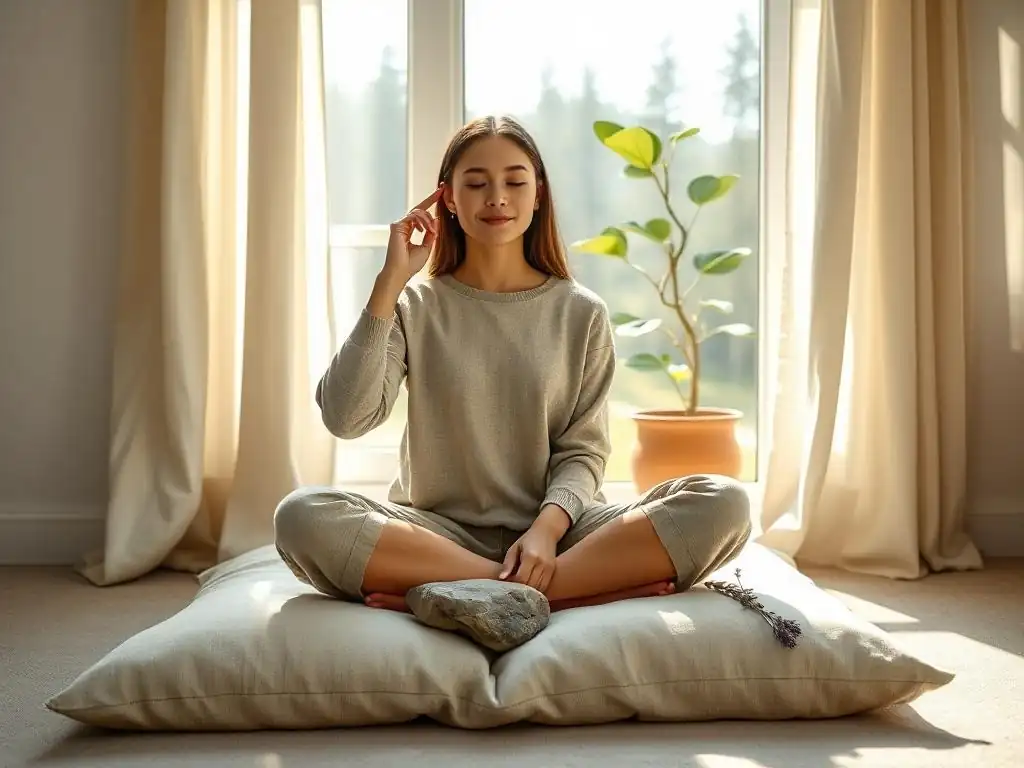
Beyond the core strategies, several other natural approaches can complement your efforts to manage anxiety and soothe your amygdala. These techniques offer further options for incorporating natural amygdala calming techniques fear into your routine.
The Role of Aromatherapy in Promoting Relaxation [e.g., Lavender, Cedarwood]
Certain essential oils have properties that can promote relaxation and reduce anxiety. Using them in a diffuser, bath, or as part of a massage can be a simple way to incorporate aromatherapy into your self-care routine.
Lavender is perhaps the most well-known essential oil for relaxation. Its scent is believed to interact with neurotransmitters in the brain, promoting calmness. Studies have shown that inhaling lavender oil can reduce anxiety levels in various settings, from dental offices to hospitals.
Cedarwood essential oil is another option, known for its grounding and calming properties, often used to alleviate stress and nervous tension. Using a diffuser with a few drops of lavender oil in the evening, for example, can help create a relaxing atmosphere before bed. Research suggests that inhaling lavender essential oil can reduce cortisol levels by up to 25%.
Cognitive Techniques for Reframing Negative Thoughts
Anxiety is often fueled by negative and catastrophic thinking patterns. Learning to identify and challenge these thoughts is a key cognitive technique for managing anxiety. This doesn't mean ignoring potential problems but rather developing a more balanced and realistic perspective.
Techniques like thought challenging involve questioning the evidence for your negative thoughts, considering alternative explanations, and evaluating the likelihood of your fears coming true. For example, if you have the thought, "I'm going to fail this presentation," you can challenge it by asking: What evidence do I have that I will fail? What evidence do I have that I might succeed or do okay?
What's the worst-case scenario, and how likely is that? What advice would I give a friend with this thought? Regularly practicing this can weaken the neural pathways associated with negative rumination and strengthen those associated with more rational thinking, helping to calm the amygdala naturally.
Creating a Personalized Plan for Anxiety Management
Effective anxiety management is highly personal. What works for one person may not work for another. Taking the time to create a personalized plan that incorporates the techniques and lifestyle changes most beneficial for you is crucial for long-term success.
Your plan might include specific actions like "Meditate for 15 minutes daily," "Take a 30-minute walk in the park three times a week," "Limit caffeine to one cup per day," and "Schedule a weekly call with a supportive friend." Write down your plan and keep it visible to help you stay accountable. Track your progress and adjust the plan as needed based on what helps you feel calmer and more in control. This proactive approach ensures you are consistently employing natural amygdala calming techniques fear tailored to your needs.
When to Seek Professional Help for Anxiety
While natural techniques can be incredibly effective, it's important to recognize when anxiety is significantly impacting your life and professional support is needed. Seeking help is a sign of strength, not weakness.
Recognizing the Signs That You Need Professional Support
Signs that you may need to seek professional help include anxiety that is persistent and overwhelming, interfering with daily activities (work, school, social life), causing significant distress, or accompanied by symptoms like panic attacks, intense phobias, or obsessive thoughts and compulsive behaviors. If you are experiencing thoughts of self-harm or suicide, seek immediate professional help or contact a crisis hotline.
Anxiety that doesn't improve with lifestyle changes and natural techniques after several weeks or months is also a strong indicator that professional guidance could be beneficial. Approximately 40 million adults in the United States are affected by anxiety disorders each year, highlighting the prevalence and need for effective support.
Different Types of Therapies for Anxiety
Several evidence-based therapies are highly effective in treating anxiety disorders. Cognitive Behavioral Therapy (CBT) helps individuals identify and change negative thought patterns and behaviors that contribute to anxiety. Exposure Therapy, often used for phobias and PTSD, involves gradually exposing individuals to the source of their fear in a safe environment to reduce the fear response. Acceptance and Commitment Therapy (ACT) focuses on accepting difficult thoughts and feelings while committing to values-driven actions. These therapies help individuals develop skills to manage their anxiety and can be highly effective in reducing amygdala hyperreactivity.
Finding a Qualified Mental Health Professional
Finding the right therapist or counselor is essential. You can start by asking your primary care physician for a referral, contacting your insurance company for a list of in-network providers, or using online directories from reputable mental health organizations. Look for professionals who specialize in anxiety disorders and whose approach resonates with you. Don't hesitate to schedule initial consultations to find a good fit. A qualified professional can provide a diagnosis, develop a personalized treatment plan, and guide you through therapeutic techniques, including integrating natural amygdala calming techniques fear with clinical approaches.
Frequently Asked Questions
How do natural amygdala calming techniques help with fear?
These techniques work by influencing the amygdala's activity directly or indirectly. They often involve practices that promote relaxation and mindfulness, helping to regulate emotional responses. This leads to a reduction in perceived threat and, therefore, fear.
Are these natural methods a replacement for professional mental health treatment?
No, natural methods are generally intended as complementary approaches, not replacements. It's crucial to seek professional help for serious mental health concerns. A qualified professional can provide tailored treatment.
What are some examples of natural amygdala calming techniques mentioned in the article?
The article highlights techniques such as mindfulness meditation, deep breathing exercises, and spending time in nature. These promote a sense of calm and reduce amygdala reactivity.
How quickly can I expect to see results from using these natural techniques?
Results vary depending on the individual and the consistency of practice. Some may experience immediate relief, while others require consistent application over weeks or months. Patience is key.
Are there any potential risks associated with using natural amygdala calming techniques?
Generally, these techniques are considered safe, but over-reliance on them without addressing underlying issues can be problematic. It's crucial to integrate them responsibly and seek professional help when needed.
Final Reflection: Finding Peace in the Face of Fear
The relentless pace of modern life, coupled with constant exposure to negative news and social pressures, leaves many of us feeling overwhelmed and perpetually on edge. Understanding how to naturally soothe our amygdala, the brain's fear center, is no longer a niche interest; it's a vital skill for navigating the complexities of the 21st century. This knowledge empowers us to reclaim our inner peace and build resilience against the anxieties that threaten to consume us.
The exploration of natural amygdala calming techniques has profoundly impacted my own life, shifting my perspective on stress management and self-care. I've personally witnessed the transformative power of incorporating these techniques into my daily routine, experiencing a noticeable decrease in anxiety and a significant increase in emotional regulation. The mind is everything. What you think you become.
- Buddha. This quote perfectly encapsulates the power we hold to shape our emotional landscape through conscious choices and mindful practices. The journey towards a calmer, more resilient self is a continuous process, but the rewards are immeasurable.
You, the reader, now hold the key to unlocking a more peaceful and empowered existence. I encourage you to experiment with the techniques outlined in this article, finding what resonates most deeply with you. Don't be afraid to start small; even incorporating one new practice into your daily life can make a significant difference. Embrace the journey of self-discovery and cultivate a deeper connection with your inner peace. The path to a calmer amygdala begins with a single, conscious breath.
Unleash Your Inner Calm: Practical Steps to a Fear-Free Life
Thanks for taking the time to explore natural ways to soothe your amygdala and reduce fear! We hope you found valuable insights to help navigate challenging emotions. Now, let's put that knowledge into action.
- Prioritize one calming technique: Choose one of the relaxation exercises (deep breathing, mindful walking, progressive muscle relaxation) discussed in the article and practice it daily for at least 5 minutes. Make it a ritual – your personal moment of peace.
- Share your experience: Tell someone about your progress in managing anxiety. Sharing your journey can be surprisingly empowering and help solidify your new habits.
- Explore a new mindfulness practice: Try something you haven’t before—listening to calming nature sounds, meditating with a guided app, or even trying a short yoga flow. Expand your self-care toolkit!
Ready to embrace a calmer, more confident you? What small step will you take today to reduce fear and cultivate inner peace?