
Your Daily Dose of Calm: Integrating Tai Chi into Your Mental Health Routine


Welcome to Mind Care Guide, a sanctuary for your mental well-being.
Feeling overwhelmed? Longing for inner peace? You're not alone. Discover how a simple, ancient practice can unlock a profound sense of calm. Our latest article, "Your Daily Dose of Calm," delves into the powerful benefits of a Tai chi mental health routine, offering practical steps to integrate this gentle art into your daily life. Curious about how slow, deliberate movements can significantly impact your mental state? Let's begin your journey to a more balanced and centered you.
Integrating Tai Chi into Your Mental Health Routine
- Understanding Tai Chi for Mental Well-being
- Building Your Tai Chi Routine
- Mental Health Benefits of Tai Chi
- Tai Chi and Mindfulness
- Overcoming Challenges and Staying Motivated
- Resources for Learning and Practicing
- Real-Life Success Stories
- Safety Considerations and Precautions
- Conclusion
-
Frequently Asked Questions
- How does Tai Chi contribute to mental well-being?
- What specific mental health conditions can a Tai Chi routine potentially help with?
- How often should I practice Tai Chi to see mental health benefits?
- Do I need special equipment or training to start a Tai Chi mental health routine?
- Is Tai Chi suitable for everyone, regardless of age or physical ability?
- Final Reflection: Cultivating Inner Peace Through Movement
- Unlock Your Inner Peace: Start Your Tai Chi Journey Today!
Understanding Tai Chi for Mental Well-being
Exploring the Benefits of Tai Chi for Mental Health
Tai Chi, an ancient Chinese martial art, is increasingly recognized for its profound benefits on mental health. Often described as "meditation in motion," its gentle, flowing movements, combined with deep breathing and mental focus, offer a powerful antidote to the stresses of modern life.
Regular practice can significantly reduce levels of cortisol, the body's primary stress hormone. For instance, studies published in journals like the Journal of the American Medical Association Internal Medicine have indicated that participants practicing Tai Chi often show measurable reductions in stress markers and report lower perceived stress levels compared to control groups engaged in less mindful activities.
Beyond stress reduction, incorporating Tai Chi into your mental health routine can foster a greater sense of calm and emotional balance. The practice encourages proprioception and interoception – awareness of one's body and internal states – which can help individuals become more attuned to their emotional signals without being overwhelmed by them. This heightened self-awareness is crucial for managing emotional reactivity and promoting a more stable mood throughout the day.
Tai Chi as a Complementary Therapy
As a complementary therapy, Tai Chi integrates seamlessly with conventional mental health treatments, offering a holistic approach to well-being. It doesn't replace traditional therapy or medication but acts as a supportive practice that enhances overall resilience. Many mental health professionals now recommend Tai Chi alongside cognitive-behavioral therapy (CBT) or pharmacotherapy for conditions like anxiety disorders and depression.
The non-impactful nature of Tai Chi makes it accessible to people of varying physical conditions, including older adults or those with chronic health issues that might limit participation in more strenuous activities. This accessibility broadens its potential as a widely applicable tool within a comprehensive mental health routine, allowing individuals to engage in a physical activity that is both therapeutic for the mind and gentle on the body.
Building Your Tai Chi Routine
Step 1: Choosing a Suitable Tai Chi Style
Selecting a Tai Chi style that resonates with you is key to establishing a sustainable Tai chi mental health routine. While hundreds of styles exist, many are adapted for health and relaxation rather than martial application. Popular styles like Yang, Wu, and Sun are often recommended for beginners due to their gentle pace and focus on health benefits.
Consider trying a few introductory classes or watching videos online to get a feel for different styles. The most important factor is finding a style that feels comfortable, enjoyable, and achievable within your physical capabilities and time constraints. A good instructor can also guide you in choosing the best form for your specific needs and mental health goals.
Beginner-Friendly Tai Chi Forms
- Yang Style Short Form: Often taught in 24 or 37 movements, this is one of the most widely practiced and accessible forms globally. Its movements are expansive, slow, and relatively easy to learn, making it ideal for stress reduction and gentle exercise.
- Simplified Tai Chi (Beijing 24-form): Developed in the 1950s, this form distills key movements from traditional Yang style into a shorter, more manageable sequence, specifically designed for health and popularization. It's excellent for beginners looking to grasp the fundamentals quickly.
- Sun Style: Known for its agile steps and unique "open-close" hand movements, Sun style is particularly beneficial for improving balance and mobility. Its higher stance can be less demanding on the knees for some individuals.
Tai Chi Styles and Their Benefits
Different Tai Chi styles emphasize various aspects, offering unique benefits for a Tai chi mental health routine. Yang style, with its graceful, flowing movements, is excellent for cultivating relaxation and improving circulation. Wu style often features more subtle, internal movements, focusing on balance and sensitivity, which can enhance body awareness and grounding. Sun style, with its emphasis on qigong-like movements and stepping, is particularly effective for vitality and joint health, indirectly supporting mental clarity through physical ease. Exploring these variations can help you find the perfect fit for your personal mental health journey.
Step 2: Creating a Dedicated Practice Space
Establishing a dedicated space for your Tai chi mental health routine signals to your mind and body that it's time to transition into a state of calm and focus. This space doesn't need to be large or elaborate – a quiet corner in a room, a peaceful spot in your garden, or even a designated area in a park can work. The key is consistency and minimizing distractions.
Ensure the area is free from clutter and provides enough room to move freely without bumping into furniture. Good ventilation and comfortable temperature are also important. While not essential, incorporating elements that promote tranquility, such as natural light, a small plant, or soft, calming colors, can enhance the meditative aspect of the practice.
Setting the Scene
Creating the right atmosphere can significantly deepen your Tai chi mental health routine. Consider the time of day when you practice. Morning practice can set a calm tone for the day, while evening practice can help release tension before sleep. If practicing indoors, soft, ambient lighting can be beneficial. Some practitioners find that playing quiet, instrumental music or the sounds of nature helps to create a more immersive and peaceful environment, further supporting the mental health benefits of Tai Chi.
Step 3: Mastering Basic Movements for Stress Reduction
Focusing on fundamental Tai Chi movements is crucial when starting your Tai chi mental health routine. Don't feel pressured to learn long forms immediately. Simple movements like "Opening and Closing," "Ward Off," "Rollback," "Press," and "Push" are foundational and embody the core principles of relaxation, balance, and coordination. Practicing these basic movements slowly and mindfully allows you to internalize the principles of smooth transition and rootedness.
Concentrate on maintaining a relaxed posture, keeping your knees slightly bent, and allowing your weight to shift smoothly from one leg to the other. The hands and arms should move in gentle, continuous arcs, as if floating on water. This deliberate, controlled movement helps to quiet a racing mind and release physical tension often held in the shoulders, neck, and back.
Breathwork and Mindfulness
Integral to every Tai Chi movement is coordinated breathwork. Breathing should be deep, slow, and natural, typically inhaling as you expand or open, and exhaling as you contract or close. This mindful breathing regulates the nervous system, promoting a state of calm.
Pairing breath with movement enhances the meditative quality of Tai Chi, anchoring your awareness in the present moment. As you move, pay attention to the sensations in your body, the flow of your breath, and the feeling of groundedness. This deliberate focus is a powerful mindfulness practice that can significantly reduce rumination and worry, central components of many anxiety and stress-related conditions.
Step 4: Incorporating Tai Chi into Your Daily Schedule
Consistency is vital for reaping the full benefits of a Tai chi mental health routine. Start small, perhaps with just 10-15 minutes a day. Find a time that works best for you – first thing in the morning, during a lunch break, or in the evening. Treat it like any other important appointment in your day; block out the time in your calendar if necessary.
Integrating Tai Chi doesn't have to be a rigid process. You can practice in multiple short sessions throughout the day if that fits your schedule better. Even a few minutes of mindful movement and breathing can make a significant difference in managing stress and improving mood. The key is to make it a regular, non-negotiable part of your self-care.
Scheduling for Mental Wellness
Think of your Tai chi mental health routine as an investment in your emotional and psychological well-being. If fitting in a full session is challenging, break it down. Practice basic stances and breathing for 5 minutes, then later practice a few fundamental movements for another 10 minutes. Consider linking your Tai Chi practice to an existing habit, such as doing it immediately after waking up or before your evening meal. This habit stacking can make it easier to integrate into your daily flow and ensure you consistently dedicate time to your mental health.
Step 5: Tracking Progress and Adjusting Your Routine
Monitoring your progress is helpful, not in terms of performance perfection, but in observing the impact your Tai chi mental health routine has on your well-being. Keep a simple journal or use a tracking app to note how you feel before and after practice. Are you feeling calmer? More focused? Less anxious? Over time, you'll start to see patterns and recognize the positive shifts.
Based on your observations, be prepared to adjust your routine. Maybe you find that practicing outdoors is more invigorating, or perhaps you need to dedicate more time to the breathwork aspect on particularly stressful days. Listen to your body and mind, and be flexible. The goal is to create a sustainable practice that genuinely supports your mental health journey.
Monitoring the Impact of Tai Chi
Tracking the effects of your Tai chi mental health routine can provide valuable insights and motivation. Note not just immediate feelings but also longer-term changes. Are you sleeping better? Do you feel more resilient in the face of daily challenges?
Are your reactions to stress less intense? Many people report a gradual reduction in the frequency and intensity of anxiety symptoms or improvements in overall mood stability after several weeks or months of consistent practice. For example, a study involving adults with moderate depression found that those who practiced Tai Chi for 12 weeks showed significant improvements in depressive symptoms compared to a control group, with effects comparable to aerobic exercise. Observing these real changes can reinforce the value of your dedicated practice.
Mental Health Benefits of Tai Chi
Reducing Anxiety and Stress
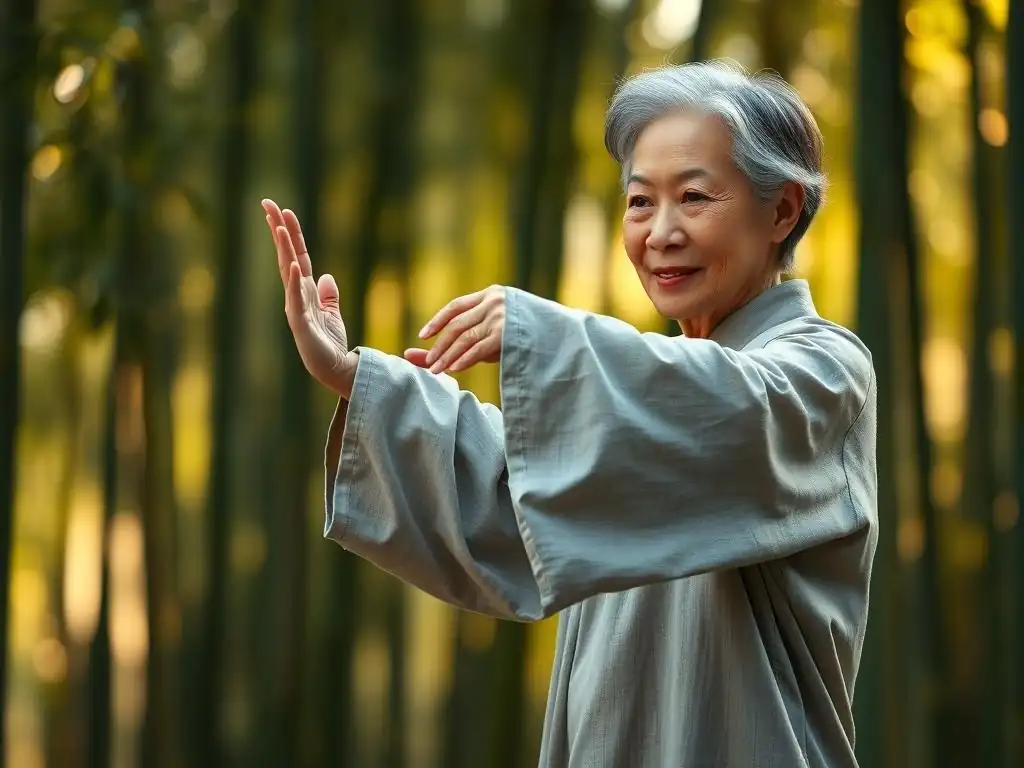
Tai Chi is highly effective in reducing anxiety and stress, making it a cornerstone for many people's mental health routine. The slow, deliberate movements and focus on breath activate the parasympathetic nervous system, often referred to as the "rest and digest" system. This counteracts the "fight or flight" response triggered by stress. Research, including a meta-analysis published in Complementary Therapies in Medicine, has shown that Tai Chi interventions lead to significant reductions in anxiety symptoms across various populations.
The meditative aspect of Tai Chi also helps to quiet the constant chatter of the mind, which is a major contributor to anxiety. By focusing on the physical sensations and the flow of movement, practitioners are drawn into the present moment, diverting attention away from worries about the past or future. This practice of present-moment awareness builds resilience against anxious thought patterns over time.
Improving Mood and Combating Depression
Regular Tai Chi practice has been shown to significantly improve mood and serve as a valuable tool in combating depression. The combination of gentle physical activity, mindfulness, and social interaction (if practiced in a group) can elevate mood and increase feelings of well-being. Physical activity itself is known to release endorphins, natural mood boosters.
Furthermore, the self-efficacy gained from mastering Tai Chi movements and maintaining a consistent Tai chi mental health routine can improve self-esteem and provide a sense of accomplishment, which are often diminished in individuals experiencing depression. Studies have demonstrated that Tai Chi can lead to reductions in symptoms of depression, with some research indicating effects comparable to other forms of exercise. For instance, a study involving older adults with depressive symptoms found that a 12-week Tai Chi program resulted in notable improvements in mood and quality of life.
Enhancing Focus and Concentration
The practice of Tai Chi demands focused attention on body posture, movement transitions, and breath coordination. This intense concentration trains the mind to stay present and single-task, skills that are directly transferable to daily life. Regular engagement in this focused activity strengthens neural pathways associated with attention and concentration.
Over time, integrating Tai Chi into your mental health routine can lead to improved cognitive function, including better focus, enhanced memory, and increased mental clarity. This is particularly beneficial for individuals who struggle with attention deficits or find their minds constantly wandering due to stress or anxiety. The disciplined yet gentle nature of the practice provides a safe environment to cultivate these vital cognitive skills.
Fostering Emotional Regulation and Resilience
Tai Chi helps individuals develop better emotional regulation by increasing self-awareness and promoting a non-judgmental observation of internal states. As practitioners become more attuned to their physical and emotional sensations during practice, they learn to recognize feelings like frustration, impatience, or calm without immediately reacting. This pause creates space for a more considered response rather than an automatic reaction.
This increased emotional awareness and the ability to observe feelings without being overwhelmed builds emotional resilience. A consistent Tai chi mental health routine equips individuals with a practical tool to navigate challenging emotions and stressful situations with greater ease and stability, fostering a sense of inner strength and adaptability.
Tai Chi and Mindfulness
Integrating Mindfulness Techniques
Mindfulness is not just an add-on to Tai Chi; it is woven into the very fabric of the practice. Every movement is an opportunity to be fully present – feeling the weight shift, the stretch in a muscle, the flow of air in and out of the lungs. Integrating mindfulness techniques within your Tai chi mental health routine means bringing conscious awareness to these sensations without judgment.
Instead of just going through the motions, pay attention to the quality of the movement and the experience of being in your body. This deliberate focus trains your mind to stay anchored in the present moment, reducing the tendency to get caught up in distracting thoughts or worries. This mindful approach transforms physical exercise into a powerful mental and emotional practice.
Cultivating Present Moment Awareness
Tai Chi is a dynamic form of meditation that actively cultivates present moment awareness. As you move, your attention is guided by the physical cues of your body and the rhythm of your breath. This constant, gentle redirection of focus away from mental distractions and towards the immediate physical experience strengthens your ability to stay grounded.
Regularly cultivating present moment awareness through your Tai chi mental health routine helps to reduce rumination about the past and anxiety about the future. By spending dedicated time simply being here and now in your body, you build a mental muscle that allows you to more easily return to the present moment throughout your day, leading to reduced stress and increased peace of mind.
Overcoming Challenges and Staying Motivated
Addressing Common Obstacles
Starting and maintaining a Tai chi mental health routine can present challenges. Common obstacles include lack of time, feeling self-conscious, difficulty learning the movements, or simply losing motivation. Acknowledging these potential hurdles is the first step in overcoming them. If time is an issue, remember that even 10-15 minutes of mindful practice is beneficial.
If learning movements feels overwhelming, focus on just a few basic postures or movements initially. Practicing with a qualified instructor or joining a group class can provide guidance and reduce self-consciousness. Remember that perfection is not the goal; consistent, mindful effort is what matters for a sustainable Tai chi mental health routine.
Tips for Maintaining Motivation
Maintaining motivation for any routine, including a Tai chi mental health routine, often requires intention and strategy. Set realistic goals; don't expect to master complex forms overnight. Focus on the process and how the practice makes you feel, rather than solely on physical performance. Celebrate small victories, like completing your scheduled practice time or noticing a subtle shift in your mood afterward.
Practicing with a friend or joining a community group can provide social support and accountability. Varying your practice location (indoors, outdoors) or incorporating different short forms can keep things fresh. Remind yourself regularly of why you started – the mental health benefits you seek – and reflect on the positive changes you observe.
Resources for Learning and Practicing
Finding Qualified Instructors
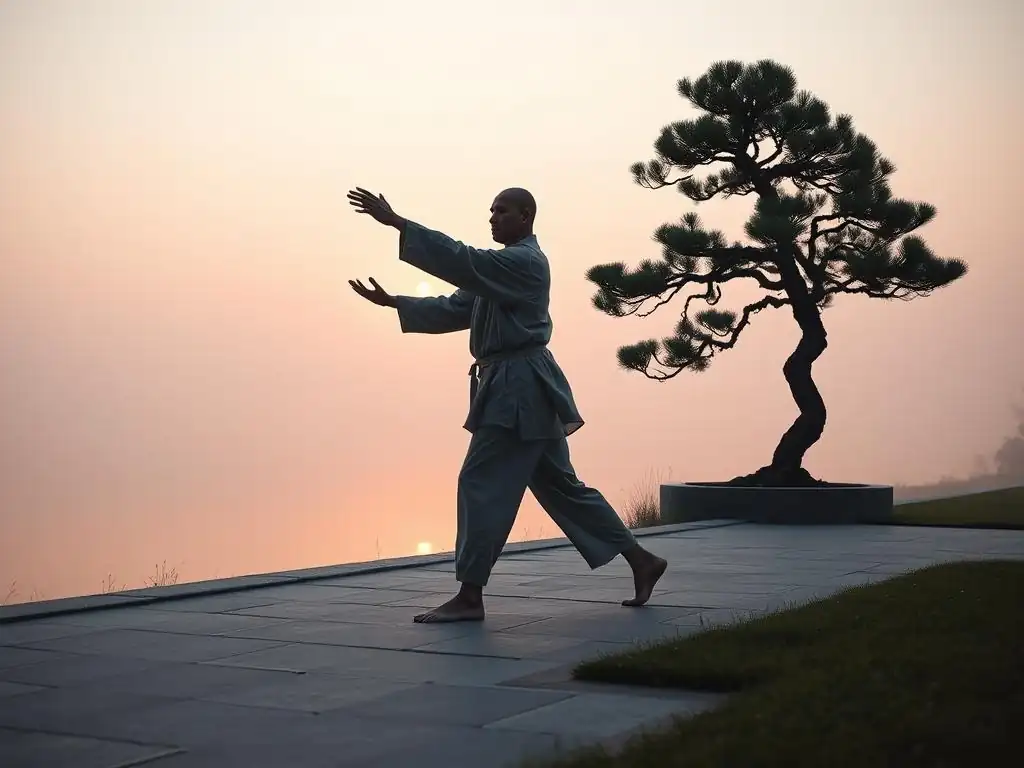
Learning Tai Chi, especially for its mental health benefits, is often best started with a qualified instructor. An experienced teacher can provide personalized guidance on posture, alignment, breathwork, and the underlying principles, ensuring you practice safely and effectively. Look for instructors certified by reputable Tai Chi organizations or those with experience teaching Tai Chi for health and wellness.
Check local community centers, martial arts schools, or health and wellness studios for classes. Don't hesitate to observe a class or speak with the instructor beforehand to see if their teaching style aligns with your needs and goals for a Tai chi mental health routine.
Online Resources and Guided Meditations
For those who prefer to practice at home or supplement in-person classes, a wealth of online resources is available. Many websites and platforms offer video tutorials for various Tai Chi styles and forms, often categorized by beginner, intermediate, and advanced levels. Look for resources that emphasize the health and mindfulness aspects of Tai Chi.
Guided Tai Chi meditations and movement sessions are also available online, focusing specifically on relaxation, stress reduction, and mental clarity. These resources can be particularly helpful for maintaining a consistent Tai chi mental health routine when traveling or when in-person classes are not accessible.
Recommended Books and Articles
Supplementing your practice with reading can deepen your understanding of Tai Chi principles and their connection to mental well-being. Many excellent books delve into the philosophy, history, and health benefits of Tai Chi, often providing detailed explanations of movements and forms.
Look for authors who focus on Tai Chi for health, stress management, and mindfulness. Additionally, academic articles and research papers on Tai Chi and mental health can provide valuable insights into the scientific evidence supporting its benefits, further reinforcing the value of your Tai chi mental health routine.
Real-Life Success Stories
Tai Chi for Anxiety
Many individuals have found significant relief from anxiety by incorporating Tai Chi into their mental health routine. For example, Sarah, a marketing executive struggling with chronic stress and panic attacks, began practicing a short Yang style form 20 minutes daily. Within three months, she reported a noticeable decrease in the frequency and intensity of her panic attacks.
She found that the focused breathing and gentle movements provided an immediate calming effect and helped her feel more grounded throughout the day. She shared that the practice gave her a tangible tool to manage her anxiety whenever it arose, empowering her to feel more in control.
Another example is John, a student experiencing social anxiety. He joined a beginner Tai Chi class at his university. Initially hesitant, he found the slow pace and non-competitive environment welcoming. The focus on body awareness helped him become less preoccupied with external judgment and more centered internally. Over a semester, his anxiety symptoms lessened, and he felt more comfortable in social situations, attributing the change partly to the increased calm and self-awareness cultivated by his consistent Tai chi mental health routine.
Tai Chi for Depression
Tai Chi has also shown promise in helping individuals manage symptoms of depression. Consider Maria, who had been dealing with persistent low mood and lack of energy. She started attending a gentle Tai Chi class designed for seniors. The combination of light physical activity, mindful movement, and the social interaction of the class helped lift her spirits. She found that the practice provided a sense of purpose and accomplishment each day.
After six months of regular practice, Maria reported feeling more energetic, motivated, and engaged in her hobbies. Her mood significantly improved, and she felt more hopeful about the future. While continuing other forms of support, she credits her Tai chi mental health routine with playing a crucial role in her recovery, helping her regain a sense of vitality and emotional balance.
Safety Considerations and Precautions
Consulting with Your Doctor
Before starting any new physical activity, including integrating Tai Chi into your mental health routine, it is always advisable to consult with your doctor or a healthcare provider. This is especially important if you have any pre-existing health conditions, injuries, or concerns.
Your doctor can advise you on whether Tai Chi is appropriate for your specific situation and offer recommendations or modifications based on your health status. While Tai Chi is generally considered very safe and low-impact, getting medical clearance ensures you can practice confidently and without exacerbating any health issues.
Listening to Your Body
Listening attentively to your body is paramount when practicing Tai Chi, particularly if you are using it as part of a mental health routine to manage stress or anxiety. Avoid pushing yourself into uncomfortable or painful positions. Tai Chi is about gentle, flowing movement, not strain or force.
If you feel any sharp pain, stop the movement and rest. Modify movements as needed to suit your physical capabilities. The goal is relaxation and ease, not performance. Paying close attention to your body's signals is itself a form of mindfulness and an essential aspect of a safe and effective Tai chi mental health routine.
Conclusion
Integrating Tai Chi into your mental health routine offers a gentle yet powerful path towards greater calm, focus, and emotional resilience. Its unique blend of mindful movement, deep breathing, and meditation provides a holistic approach to managing stress, anxiety, and depression. By choosing a suitable style, creating a dedicated space, mastering basic movements, and practicing consistently, you can cultivate a sustainable practice that nourishes both your mind and body.
Long-Term Benefits
The long-term benefits of a consistent Tai chi mental health routine extend far beyond immediate stress reduction. Over time, practitioners often experience improved physical health, enhanced balance, increased energy levels, and better sleep quality. Mentally and emotionally, the practice fosters enduring skills in mindfulness, emotional regulation, and self-awareness, leading to a more stable mood, greater resilience to challenges, and an overall enhanced sense of well-being. Making Tai Chi a regular part of your life is an investment in your holistic health that yields profound and lasting rewards.
Frequently Asked Questions
How does Tai Chi contribute to mental well-being?
Tai Chi's slow, deliberate movements and focused breathing promote relaxation and reduce stress hormones like cortisol. This fosters a sense of calm and improves overall mental clarity.
What specific mental health conditions can a Tai Chi routine potentially help with?
While not a cure, Tai Chi can be a valuable tool for managing symptoms of anxiety, depression, and stress. It can also improve sleep quality and cognitive function.
How often should I practice Tai Chi to see mental health benefits?
Aim for at least 15-30 minutes, 3-5 times per week. Consistency is key, but even short sessions can provide noticeable improvements in your mental state.
Do I need special equipment or training to start a Tai Chi mental health routine?
No, Tai Chi requires no special equipment. While taking a class with a qualified instructor is beneficial, you can start with online resources and beginner-friendly videos.
Is Tai Chi suitable for everyone, regardless of age or physical ability?
Tai Chi is generally a low-impact exercise suitable for most people. However, it's always best to consult with your doctor before starting any new exercise routine, especially if you have pre-existing health conditions.
Final Reflection: Cultivating Inner Peace Through Movement
The pursuit of mental well-being is no longer a luxury, but a necessity in our fast-paced world. The integration of mindful practices, like Tai Chi, is not just a trend, but a vital step towards building resilience and fostering a healthier relationship with ourselves and the world around us. The gentle movements and meditative focus of Tai Chi offer a powerful antidote to the anxieties and stresses of modern life, providing a tangible path towards inner peace.
The profound impact of Tai Chi on my own mental health journey has been nothing short of transformative. It's not just about the physical benefits, though those are undeniable. The practice has instilled a sense of groundedness and self-awareness that permeates every aspect of my life. It's about cultivating a mindful presence, a connection to the breath, and a gentle acceptance of the present moment. As Bruce Lee eloquently stated, Knowing is not enough; we must apply. Willing is not enough; we must do.
This sentiment perfectly encapsulates the essence of Tai Chi – it's not enough to simply learn the forms; you must actively integrate the practice into your life to reap its full benefits.
Now, I invite you to consider how you can incorporate this ancient practice into your own daily routine. Perhaps start with just five minutes a day, focusing on the breath and the gentle flow of movement. Don't be discouraged by perceived limitations; the beauty of Tai Chi lies in its adaptability. Embrace the journey, allow yourself to be present, and discover the profound peace and resilience that awaits you within. Your mental well-being is worth the investment; begin your journey towards a calmer, more centered you, today.
Unlock Your Inner Peace: Start Your Tai Chi Journey Today!
Thanks for taking the time to explore the powerful benefits of Tai Chi for mental well-being! We hope you gained valuable insights into how this ancient practice can transform your daily life. Now it's time to put that knowledge into action.
- Begin your Tai Chi practice: Start with a short, guided beginner's session online – even 10 minutes a day can make a difference! Focus on the gentle movements and mindful breathing.
- Share your experience: Tell a friend or family member about your newfound interest in Tai Chi and invite them to join you on your journey. A shared practice can amplify the benefits.
- Explore local Tai Chi classes: Search for introductory classes in your area. Connecting with a community of practitioners can provide extra support and motivation.
Ready to experience the calming power of Tai Chi firsthand? What's the first small step you'll take to incorporate this practice into your daily routine?