
Acceptance Strategies for EcoAnxiety: Learning to Live with Uncertainty


Welcome to Mind Care Guide, a safe space dedicated to nurturing your mental well-being. Feeling overwhelmed by the state of our planet? You're not alone. Our latest article, “Acceptance Strategies for EcoAnxiety: Learning to Live with Uncertainty,” explores practical ways to navigate the complex emotions surrounding climate change. But where do you even begin to make peace with this pervasive worry? Dive in to discover actionable steps that can help you find calm amidst the storm and reclaim your emotional equilibrium.
Ecoanxiety Acceptance Strategies Guide: Learning to Live with Uncertainty
- Understanding Ecoanxiety and Its Impact on Mental Well-being
- Why Acceptance is Key for Managing Ecoanxiety
- Practical Ecoanxiety Acceptance Strategies: A Step-by-Step Guide
- Building a Support System for Ecoanxiety: Connecting with Others
- Long-Term Strategies for Living with Ecoanxiety: Fostering Resilience and Well-being
- Conclusion: Embracing Acceptance as a Path to Ecoanxiety Management
-
Frequently Asked Questions
- What exactly is ecoanxiety, and who is most likely to experience it?
- Why is acceptance considered a key strategy in managing ecoanxiety, rather than simply trying to "fix" the problem?
- What are some practical "acceptance strategies" mentioned in the Ecoanxiety Acceptance Strategies Guide from Mind Care Guide?
- How does the Ecoanxiety Acceptance Strategies Guide differentiate between acceptance and resignation regarding environmental issues?
- Where can I find the Ecoanxiety Acceptance Strategies Guide and other resources related to mental well-being and climate change?
- Final Reflection: Embracing Uncertainty, Cultivating Hope
- Unleash Your Inner Resilience: Embrace a Greener Future
Understanding Ecoanxiety and Its Impact on Mental Well-being
Defining Ecoanxiety: Anxiety in the Face of Environmental Crisis
Ecoanxiety is a term used to describe the chronic fear of environmental doom. It's not a diagnosable mental illness in standard manuals like the DSM-5, but it's a recognized and growing psychological phenomenon. It encompasses feelings of worry, nervousness, and distress related to the perceived threat of climate change and other environmental issues. This anxiety stems from observing environmental degradation, biodiversity loss, and the potential future impacts on human well-being and the planet itself. It can manifest as a pervasive sense of dread about the future, often feeling overwhelming and inescapable.
Unlike general anxiety, ecoanxiety is specifically tied to environmental concerns. It's a rational response to a real threat, but it can become debilitating when it consumes thoughts and interferes with daily functioning. Studies, such as one from 2021 involving 10,000 young people across 10 countries, found that over 75% reported believing "the future is frightening" due to climate change, and nearly 60% reported feeling "very or extremely worried."
This highlights that ecoanxiety is a widespread experience, particularly among younger generations who feel they will bear the brunt of environmental crises. Developing effective ecoanxiety acceptance strategies guide is crucial for navigating these intense feelings.
Recognizing the Symptoms of Ecoanxiety: Identifying Climate Change Anxiety
Identifying climate change anxiety involves recognizing a range of emotional, cognitive, and behavioral symptoms. Emotionally, individuals may experience persistent worry, sadness, anger, guilt, grief (often termed 'climate grief'), and helplessness regarding environmental issues. They might feel overwhelmed by news about climate disasters or environmental reports. Cognitively, symptoms can include obsessive thoughts about the environment, difficulty concentrating on other tasks, catastrophic thinking about the future, and a sense of impending doom. It's common to feel a lack of control over the situation, despite understanding the urgency.
Behaviorally, ecoanxiety can lead to various responses. Some individuals might become highly engaged in environmental activism or lifestyle changes (like reducing consumption or carbon footprint), sometimes to an obsessive degree. Others might experience avoidance, trying to ignore the issue altogether or withdrawing from environmental news and conversations as a coping mechanism. Sleep disturbances, panic attacks, and increased stress levels are also reported. For instance, some individuals report losing sleep after reading climate reports or feeling physically sick when contemplating the scale of environmental challenges. Recognizing these symptoms is the first step in implementing an ecoanxiety acceptance strategies guide effectively.
The Psychological Impact of Climate Change Concerns: Exploring the Emotional Toll
The psychological impact of climate change concerns is significant and multifaceted. Beyond the direct symptoms of anxiety and grief, persistent worry can lead to chronic stress, contributing to physical health problems over time. The constant exposure to distressing environmental news, often amplified by social media, can create a state of hypervigilance and emotional exhaustion. This continuous low-grade stress can erode mental resilience and make individuals more vulnerable to other mental health challenges, such as depression or generalized anxiety disorder.
Furthermore, the feeling of helplessness associated with the scale of environmental problems can lead to a sense of existential dread and a loss of hope for the future. This can impact life choices, such as decisions about having children, career paths, or where to live.
A 2020 survey by the American Psychological Association found that 68% of US adults reported at least "some" ecoanxiety, with 48% saying climate change was affecting their mental health. This demonstrates that the emotional toll is not limited to those already struggling with mental health issues but is a broader societal concern, underscoring the need for accessible ecoanxiety acceptance strategies guide resources.
Why Acceptance is Key for Managing Ecoanxiety
Confronting Climate Change Anxiety: Moving Beyond Avoidance
Confronting climate change anxiety head-on, rather than avoiding it, is a crucial step in managing its impact. Avoidance might offer temporary relief, but it often leads to greater distress in the long run. When we suppress or ignore difficult emotions like fear or grief related to the environment, they don't disappear; they can manifest in other ways, such as increased irritability, physical tension, or even a sense of numbness or detachment. Moving beyond avoidance means acknowledging the reality of environmental challenges and allowing ourselves to feel the emotions they evoke.
This confrontation isn't about dwelling on doom and gloom but about creating space for these feelings without letting them consume us entirely. It's about recognizing that discomfort is a natural response to a threatening situation. By confronting the anxiety, we can begin to understand its triggers and patterns, which is essential for developing effective coping mechanisms. Acknowledging the anxiety is the foundation upon which any meaningful ecoanxiety acceptance strategies guide is built.
The Limitations of Constant Worry: Why Acceptance Offers Relief
Constant, unproductive worry about environmental issues is mentally exhausting and rarely leads to constructive action. While concern is necessary to motivate change, persistent rumination about worst-case scenarios over which one has no direct control can paralyze rather than empower. This type of worry often traps individuals in a cycle of fear and helplessness, preventing them from engaging in meaningful ways or finding moments of peace and joy. It's like being stuck in a loop where the same distressing thoughts play over and over without resolution.
Acceptance offers relief from this cycle by shifting the focus from trying to eliminate the anxiety or control the uncontrollable outcome to accepting the presence of the anxiety and the uncertainty of the future. It's not about giving up or becoming apathetic; it's about acknowledging the reality of the situation and one's emotional response without judgment.
By accepting the feelings and the uncertainty, individuals can free up mental energy that was previously consumed by worry, allowing them to focus on what is within their sphere of influence and find pathways to resilience. This perspective is central to an effective ecoanxiety acceptance strategies guide.
Building Resilience in the Face of Environmental Uncertainty: The Role of Acceptance
Acceptance is a cornerstone for building psychological resilience in the face of environmental uncertainty. Resilience isn't about being immune to difficult feelings; it's about the capacity to bounce back from adversity and adapt to challenging circumstances. When we accept that environmental challenges are real, complex, and involve significant uncertainty, we can better prepare ourselves emotionally and practically. This acceptance allows us to move past denial or despair and engage with the situation from a more stable emotional footing.
By accepting the inherent uncertainty of climate change outcomes, we reduce the need for absolute predictability and control, which are impossible in this context. This frees us to focus on adaptive coping strategies, such as problem-solving within our communities, engaging in personal actions, and cultivating emotional flexibility. Resilience built on acceptance enables individuals to tolerate discomfort, maintain hope, and continue functioning and finding meaning even amidst ongoing environmental threats. It transforms the overwhelming burden of ecoanxiety into a more manageable challenge, guided by principles found in a comprehensive ecoanxiety acceptance strategies guide.
Practical Ecoanxiety Acceptance Strategies: A Step-by-Step Guide
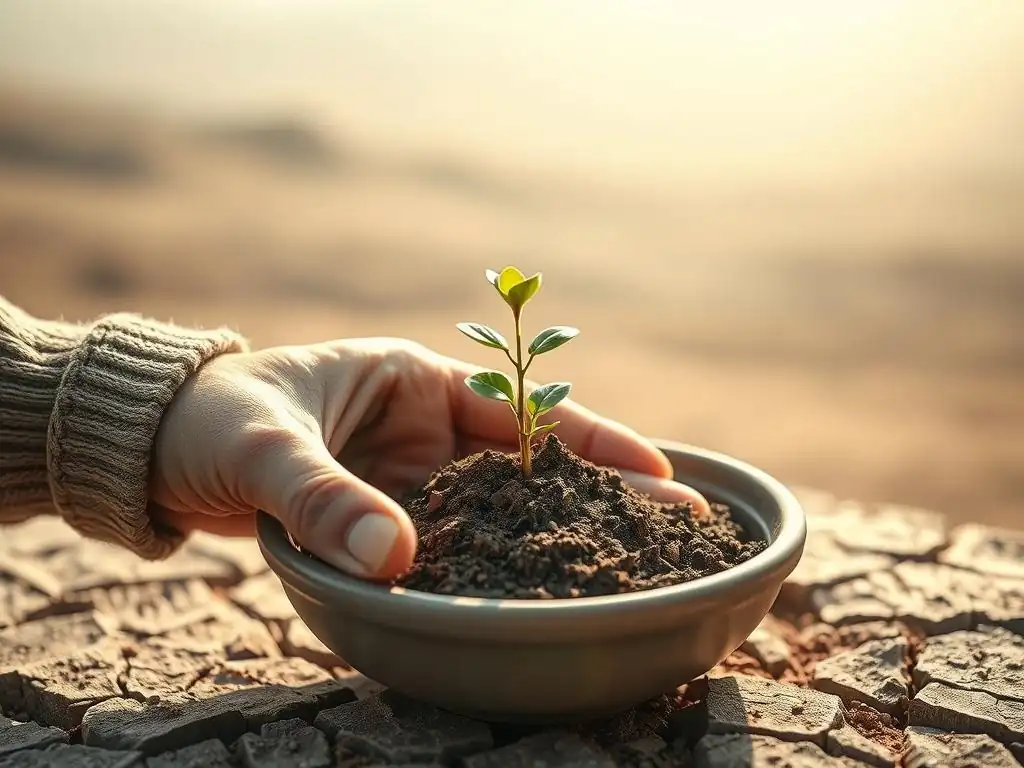
Step 1: Acknowledging and Validating Your Feelings About Climate Change
Identifying and Naming Ecoanxiety Emotions: Acknowledging Climate Grief and Fear
The first practical step in any ecoanxiety acceptance strategies guide is to acknowledge and name the specific emotions you are experiencing. Ecoanxiety isn't just one feeling; it can be a complex mix of fear, sadness, anger, guilt, helplessness, and grief. Take time to identify what you are feeling when you think about climate change. Are you feeling a deep sadness about species loss (climate grief)? Are you fearful about future disasters? Are you angry at perceived inaction by governments or corporations? Are you feeling guilty about your own environmental footprint?
Naming these emotions can help to externalize them slightly, making them less overwhelming. For example, you might say to yourself, "I am feeling climate grief today because I saw news about coral bleaching," or "I am feeling fear about the future of coastal communities." This simple act of identification validates your experience and is a crucial part of accepting these difficult feelings. You can even write these feelings down in a journal. Research indicates that journaling about emotions can reduce their intensity.
Practicing Self-Compassion: Treating Yourself with Kindness During Ecoanxiety
Once you've identified your feelings, the next part of this step is to practice self-compassion. Ecoanxiety can be intensely isolating, and it's easy to feel like you're not doing enough, or that your feelings are irrational or exaggerated. Self-compassion involves treating yourself with the same kindness, understanding, and acceptance that you would offer a friend who is suffering. Recognize that experiencing ecoanxiety is a normal and understandable response to a serious global threat. You are not alone in these feelings; millions around the world share similar concerns.
Practice self-compassionate phrases, such as "This is a difficult moment, and it's okay to feel this way," or "May I be kind to myself in this suffering." You can also try self-soothing techniques like placing a hand over your heart or giving yourself a gentle hug. Remember that your feelings are valid, and they reflect your empathy and concern for the world. Being kind to yourself allows you to process these emotions from a place of strength rather than self-criticism, which is vital for navigating an ecoanxiety acceptance strategies guide.
Step 2: Shifting Focus from Control to Influence in Environmental Action
Recognizing What You Can Control: Focusing on Personal Actions and Choices
When faced with a global issue like climate change, it's easy to feel powerless. However, focusing on the vast elements you cannot control – global emissions targets, international political agreements, the actions of large corporations – can fuel anxiety. Instead, an essential part of an ecoanxiety acceptance strategies guide involves shifting your focus to what you can influence. This includes your personal lifestyle choices, your consumption habits, your local community engagement, and your voice as a citizen. While individual actions might seem small in the face of a global crisis, collectively they matter.
Examples of personal actions include reducing energy consumption at home (e.g., switching to LED bulbs, which use up to 80% less energy), minimizing waste through recycling and composting, choosing sustainable transportation options (like biking or public transport), and making conscious purchasing decisions (e.g., buying second-hand, supporting ethical businesses). Focusing on these tangible actions provides a sense of agency and purpose, counteracting the feeling of helplessness. It anchors your efforts in your direct environment and daily life.
Engaging in Meaningful Environmental Action: Turning Ecoanxiety into Positive Change
Channeling ecoanxiety into meaningful action is a powerful way to manage the distress it causes. Instead of being paralyzed by worry, engage in activities that align with your values and contribute positively to environmental solutions. This could range from participating in local clean-up drives, volunteering for environmental organizations, advocating for policy changes, supporting conservation efforts, or educating others. For instance, joining a community garden not only contributes to local food security but also builds community and provides a direct connection to nature.
The key is to find actions that feel authentic and sustainable for you. Meaningful action doesn't have to be grand; consistent small steps can build momentum and foster hope. Engaging with others in collective action can also significantly reduce feelings of isolation and helplessness, reinforcing that you are part of a larger movement working towards solutions. This proactive approach is a vital component of implementing an ecoanxiety acceptance strategies guide effectively.
Letting Go of the Need for Certainty: Accepting the Unpredictability of Climate Change
One of the hardest aspects of ecoanxiety is the inherent uncertainty surrounding climate change – how severe its impacts will be, how quickly they will occur, and whether humanity will respond effectively. The human mind often craves certainty and predictability, and the climate crisis challenges this fundamental need. A crucial acceptance strategy is consciously letting go of the need for absolute certainty about the future. No one knows precisely what the world will look like in 50 or 100 years, but focusing on this unknowable future can fuel endless worry.
Accepting uncertainty doesn't mean being passive; it means acknowledging that while we work towards the best possible outcomes, we must also prepare for and adapt to a range of possibilities. This involves focusing on building resilience in our communities and personal lives, regardless of the exact trajectory of climate change. It's about living fully and finding meaning in the present, while still acting responsibly for the future, rather than being consumed by what might happen. This mental shift is paramount for anyone seeking an ecoanxiety acceptance strategies guide.
Step 3: Practicing Mindfulness and Grounding Techniques for Ecoanxiety Relief
Mindfulness for Ecoanxiety: Staying Present with Difficult Emotions
Mindfulness is a practice of bringing your attention to the present moment without judgment. For ecoanxiety, mindfulness can be incredibly helpful in managing overwhelming thoughts and feelings. Instead of getting swept away by catastrophic future scenarios or ruminating on past environmental mistakes, mindfulness helps you anchor yourself in the here and now. When a wave of ecoanxiety hits, mindfulness encourages you to notice the physical sensations in your body, the thoughts passing through your mind, and the emotions you are experiencing, simply observing them without trying to push them away or get lost in them.
For example, you might notice a tightness in your chest or a knot in your stomach. Instead of panicking, you simply observe these sensations with curiosity. Similarly, you can observe anxious thoughts like "The world is ending" without believing them as absolute truth. Regular mindfulness practice, even just a few minutes daily, can build your capacity to tolerate difficult emotions and thoughts without being consumed by them. It creates a space between you and your anxiety, which is a key element in any ecoanxiety acceptance strategies guide.
Grounding Exercises for Climate Anxiety: Connecting with the Present Moment
Grounding techniques are specific mindfulness exercises designed to bring you back to the present moment when you feel overwhelmed or disconnected. They are particularly useful during moments of intense climate anxiety or panic. Grounding helps to interrupt the cycle of anxious thoughts by focusing your attention on your immediate surroundings or physical sensations. A simple technique is the "5-4-3-2-1" method: identify 5 things you can see, 4 things you can touch, 3 things you can hear, 2 things you can smell, and 1 thing you can taste. This engages your senses and pulls your focus away from internal distress.
Another grounding technique is focusing on your breath. Simply notice the sensation of air entering and leaving your lungs. You can also press your feet firmly into the ground and notice the feeling of support, or hold an object and focus on its texture and weight. These techniques provide immediate anchors to reality when your mind is racing with climate worries. Practicing grounding regularly, even when not anxious, can make these techniques more effective when you need them most, reinforcing skills taught in an ecoanxiety acceptance strategies guide.
Step 4: Cultivating Hope and Finding Meaning Amidst Environmental Challenges
Connecting with Nature: Finding Solace and Inspiration in the Natural World
Ironically, the source of ecoanxiety – the natural world – can also be a powerful source of solace, hope, and inspiration. Spending time in nature has been shown to reduce stress, improve mood, and increase feelings of well-being. Even small doses, like walking in a local park, sitting by a tree, or simply observing birds from a window, can be restorative. Nature provides a perspective that extends beyond human timelines and problems; it demonstrates resilience, adaptation, and cycles of renewal.
Connecting with nature can also deepen your appreciation for what you are trying to protect, strengthening your resolve and purpose. It reminds you of the beauty and complexity of the Earth, fostering a sense of wonder and connection that can counteract feelings of despair. Whether it's hiking in a forest, gardening, or simply watching a sunset, finding ways to regularly connect with the natural world is a vital practice for maintaining mental health and finding hope when navigating an ecoanxiety acceptance strategies guide.
Focusing on Positive Environmental Developments: Recognizing Progress and Innovation
While it's important to be aware of environmental problems, constantly focusing only on negative news can be demoralizing and fuel anxiety. Actively seeking out and focusing on positive environmental developments, progress, and innovations can help balance your perspective and cultivate hope. This doesn't mean ignoring the challenges, but recognizing that there are also dedicated people, organizations, and technologies working towards solutions.
Look for news about renewable energy advancements (e.g., solar and wind power costs dropping significantly in recent years), successful conservation projects (e.g., species recovery stories), policy wins, community-led initiatives, and technological innovations aimed at sustainability. For example, advancements in carbon capture technology or the global push towards electric vehicles represent progress. Recognizing these positive trends can provide a sense of possibility and demonstrate that change is happening, which is essential for fostering hope as part of an ecoanxiety acceptance strategies guide.
Finding Meaning and Purpose in Environmental Stewardship: Connecting to a Larger Cause
Finding meaning and purpose in environmental stewardship can transform ecoanxiety from a paralyzing force into a motivating one. By connecting your personal efforts and concerns to a larger cause – the health of the planet and the well-being of future generations – you can find a profound sense of purpose. This involves identifying your values related to the environment and aligning your actions with those values.
Whether your contribution is through direct action, advocacy, education, sustainable living, or supporting others, recognizing that you are part of a global effort to protect life on Earth can provide deep satisfaction and meaning. This sense of contributing to something larger than yourself can counteract feelings of helplessness and existential dread. It reframes the challenge not just as a source of anxiety, but as an opportunity to live a life aligned with your deepest convictions, a key outcome of applying an ecoanxiety acceptance strategies guide.
Building a Support System for Ecoanxiety: Connecting with Others
The Importance of Community in Managing Climate Change Anxiety
Managing climate change anxiety is often easier when you don't feel alone. The importance of community cannot be overstated when dealing with difficult emotions like ecoanxiety. Sharing your fears and concerns with others who understand can provide validation, reduce feelings of isolation, and offer new perspectives. Discussing ecoanxiety in a supportive group setting can normalize your feelings and help you realize that your response is shared by many.
Community also provides a platform for collective action, which, as mentioned earlier, is a powerful antidote to helplessness. Working alongside others towards a common environmental goal can be incredibly empowering and foster a sense of solidarity. Sharing successes and challenges within a community strengthens resilience and reinforces the feeling that your efforts, combined with others', can make a difference. This communal aspect is a foundational piece of a holistic ecoanxiety acceptance strategies guide.
Finding Support Groups and Online Communities for Ecoanxiety
Thankfully, as awareness of ecoanxiety grows, so do resources for support. Finding dedicated support groups or online communities focused on climate change and mental health can be immensely helpful. These spaces offer a safe environment to express your feelings without fear of judgment, connect with others who share similar experiences, and exchange coping strategies. Organizations dedicated to climate psychology or environmental mental health often host such groups.
Online forums and social media groups specifically for ecoanxiety or climate grief can provide access to a global community, offering support and resources around the clock. While online interactions have limitations, they can be a valuable starting point for connecting with others and feeling less alone in your struggles. Searching for terms like "climate grief support group" or "ecoanxiety community" can help you find relevant options, complementing the information found in an ecoanxiety acceptance strategies guide.
Talking to Friends and Family About Your Climate Change Concerns
Talking about climate change concerns with friends and family can be challenging, as not everyone may understand or share the same level of worry. However, opening up to trusted individuals in your personal network can provide significant emotional support. Choose people you feel safe with and explain gently how environmental issues are affecting your mental well-being. You might start by sharing an article or podcast that resonates with you as a way to initiate the conversation.
Be prepared that some people may not fully grasp the depth of your feelings, and that's okay. The goal is to share your experience and seek understanding, not necessarily to convince them of the severity of climate change. Even having one or two close individuals who can listen empathetically can make a significant difference. Setting boundaries is also important; if certain conversations are consistently dismissive or invalidating, it may be necessary to limit those discussions for your own well-being, while still seeking support from those who are receptive, as advised by an ecoanxiety acceptance strategies guide.
Long-Term Strategies for Living with Ecoanxiety: Fostering Resilience and Well-being

Integrating Ecoanxiety Acceptance into Daily Life: Making it a Habit
Acceptance isn't a one-time event; it's an ongoing process that needs to be integrated into daily life to effectively manage ecoanxiety long-term. This means making conscious choices to apply acceptance strategies regularly, not just during moments of crisis. This could involve starting each day with a brief mindfulness exercise, dedicating specific time each week for environmental action or connection with nature, or scheduling regular check-ins with your support system.
Making acceptance a habit involves consistently practicing self-compassion when difficult feelings arise, reminding yourself of what you can influence rather than control, and actively seeking moments of hope and connection. It's about building a lifestyle that acknowledges the reality of environmental challenges while prioritizing your mental and emotional well-being. This consistent effort reinforces the principles learned from an ecoanxiety acceptance strategies guide and builds lasting resilience.
Seeking Professional Help for Ecoanxiety: When to Consider Therapy or Counseling
While ecoanxiety is a normal response, it can sometimes become debilitating, significantly interfering with daily life, work, relationships, or physical health. If your ecoanxiety is persistent, severe, or accompanied by symptoms of depression, panic attacks, or suicidal thoughts, it is important to seek professional help. Mental health professionals, particularly those specializing in climate-aware therapy or environmental psychology, can provide tailored strategies and support.
Therapy can offer tools like Cognitive Behavioral Therapy (CBT) to challenge unhelpful thought patterns, Acceptance and Commitment Therapy (ACT) to deepen acceptance skills, or simply provide a safe space to process complex emotions. A therapist can help you distinguish between productive concern and paralyzing anxiety and develop personalized coping mechanisms. Don't hesitate to reach out if you feel overwhelmed; seeking professional support is a sign of strength and a crucial part of a comprehensive ecoanxiety acceptance strategies guide for severe cases.
Cultivating a Sustainable Lifestyle for Mental and Environmental Health
Living a sustainable lifestyle is not only beneficial for the planet but can also significantly improve mental well-being for those experiencing ecoanxiety. Aligning your daily actions with your environmental values reduces the potential for guilt and provides a tangible sense of contributing positively. Small, consistent actions like reducing waste, conserving water, or choosing sustainable products can create a sense of integrity and purpose.
Furthermore, many sustainable practices, such as spending time outdoors, growing your own food, or participating in local community initiatives, inherently promote mental health. They encourage physical activity, connection with nature, and social interaction, all of which are protective factors against anxiety and depression. Cultivating a sustainable lifestyle becomes a holistic approach to managing ecoanxiety, integrating personal well-being with environmental stewardship and embodying the principles of an ecoanxiety acceptance strategies guide.
Conclusion: Embracing Acceptance as a Path to Ecoanxiety Management
The Power of Acceptance in Fostering Hope and Resilience
Embracing acceptance is a powerful pathway for managing ecoanxiety and fostering both hope and resilience. It is not about resignation or giving up, but about acknowledging the reality of environmental challenges and the difficult emotions they evoke without being consumed by them. Acceptance allows us to move beyond the futile struggle for control over the uncontrollable and instead focus our energy on what we can influence – our actions, our responses, and our contributions to solutions.
By accepting the presence of ecoanxiety and the inherent uncertainty of the future, we create mental space to cultivate hope. Hope is not a passive wish; it is an active orientation towards possibility, fueled by recognizing positive developments, finding meaning in our efforts, and connecting with others. Acceptance provides the stable ground upon which this active hope and the capacity to adapt and thrive (resilience) can be built, as outlined in this ecoanxiety acceptance strategies guide.
Living with Uncertainty and Finding Meaning in the Face of Climate Change
Living with the uncertainty of climate change is perhaps the most challenging aspect of ecoanxiety, yet acceptance allows us to navigate this uncertainty with greater peace. By letting go of the need for definitive answers about the future, we can focus on living meaningfully in the present. This involves appreciating the beauty and fragility of the world around us, nurturing our relationships, pursuing our passions, and engaging in work or activities that align with our values.
Finding meaning in the face of climate change can come from diverse sources – advocating for policy change, protecting local ecosystems, educating future generations, creating art that speaks to the issue, or simply living a life of conscious consumption and reduced impact. This search for meaning transforms the burden of anxiety into a call to live a life of purpose and integrity, demonstrating the profound impact of applying an ecoanxiety acceptance strategies guide.
Moving Forward with Purpose and Action: A Call to Environmental Stewardship
Ultimately, an ecoanxiety acceptance strategies guide is not just about managing difficult feelings; it is about empowering individuals to move forward with purpose and engage in meaningful environmental action. Acceptance frees up the energy previously trapped by worry, allowing it to be channeled into constructive efforts. It encourages a stance of responsible stewardship, recognizing our interconnectedness with the natural world and our role in protecting it.
By accepting our feelings, focusing on our sphere of influence, practicing mindfulness, cultivating hope, and building community, we can transform our anxiety into a source of strength and motivation. This approach allows us to live more fully and authentically while actively participating in the vital work of addressing environmental challenges. It is a call to embrace our role as stewards of the Earth, guided by acceptance, hope, and collective action.
Frequently Asked Questions
What exactly is ecoanxiety, and who is most likely to experience it?
Ecoanxiety is a form of distress stemming from concerns about the climate crisis and its impact. While anyone can experience it, it is often more pronounced in younger generations and those directly affected by environmental disasters.
Why is acceptance considered a key strategy in managing ecoanxiety, rather than simply trying to "fix" the problem?
Because the climate crisis is a large-scale, ongoing issue, complete solutions are not immediately available. Acceptance focuses on managing the emotional response to uncertainty, allowing for proactive engagement without being overwhelmed by despair.
What are some practical "acceptance strategies" mentioned in the Ecoanxiety Acceptance Strategies Guide from Mind Care Guide?
The guide suggests practices like mindfulness, focusing on what you can control, and finding meaning through actions that align with your values. It also emphasizes the importance of connecting with communities to share experiences.
How does the Ecoanxiety Acceptance Strategies Guide differentiate between acceptance and resignation regarding environmental issues?
Acceptance, as defined in the guide, isn't about giving up. It's about acknowledging the reality of the situation while still actively pursuing solutions. Resignation, on the other hand, implies apathy and inaction.
The guide and other helpful resources are available on the Mind Care Guide website, which provides information, support, and resources for various mental health challenges, including ecoanxiety related support.
Final Reflection: Embracing Uncertainty, Cultivating Hope
The climate crisis is not a future threat; it's a present reality demanding immediate action and a profound shift in our relationship with the planet. Ignoring the overwhelming evidence of ecological breakdown is no longer an option, but succumbing to paralyzing eco-anxiety is equally unproductive. This article has explored practical acceptance strategies, offering pathways to navigate the emotional turmoil while channeling our energy into constructive action.
The journey from despair to empowered engagement is a deeply personal one, requiring both self-compassion and a willingness to confront uncomfortable truths. The weight of environmental challenges can feel insurmountable, leaving us feeling small and insignificant. Yet, collective action, fueled by individual commitment, is the only antidote to this despair. The future belongs to those who believe in the beauty of their dreams.
- Eleanor Roosevelt. This quote, while not explicitly about eco-anxiety, speaks to the vital role of hope and proactive engagement in shaping a sustainable future. We must believe in the possibility of positive change, even amidst uncertainty.
Now, consider your own relationship with the environment. What steps can you take, however small, to reduce your ecological footprint and contribute to a more sustainable world? Perhaps it's reducing your consumption, advocating for change in your community, or simply connecting more deeply with nature. Remember, the journey towards acceptance and action is not a race; it's a continuous process of learning, adapting, and finding your place within the larger ecological narrative. Embrace the uncertainty, cultivate hope, and let your actions speak louder than your fears.
Unleash Your Inner Resilience: Embrace a Greener Future
Thanks for taking the time to explore eco-anxiety and discover powerful strategies for navigating this challenging emotion. You've taken a crucial first step towards a more peaceful and engaged relationship with our planet. Now, let's build on that momentum!
- Prioritize one sustainable action this week: Start small! Try a meatless Monday, commit to reusable bags, or begin composting. Every positive change matters.
- Share this article with someone who might benefit: Let's create a supportive community of individuals working towards a better future, together.
- Explore local environmental groups or initiatives: Find like-minded people and discover ways to contribute directly to environmental action in your community.
What small step can you take today to nurture both your mental wellbeing and the planet?