
Navigating the 'New Normal': Adapting Mentally PostPandemic


Welcome to Mind Care Guide, a sanctuary for your mental well-being.
Feeling the weight of the 'new normal' after the pandemic? You're not alone. This is a space dedicated to understanding and nurturing your mental health as we navigate this evolving landscape. Our guide on postpandemic mental wellbeing support offers practical strategies and valuable resources to help you adapt and thrive. Ready to rediscover your inner peace and build resilience? Let's begin.
Navigating the 'New Normal': Adapting Mentally Post-Pandemic
- Introduction: Understanding the Landscape of Postpandemic Mental Wellbeing
- The Spectrum of Mental Health Challenges in the Postpandemic Era
- Strategies for Building Postpandemic Mental Resilience
- Adapting to Workplace Changes and Career Uncertainty
- Supporting Children and Adolescents in the Postpandemic World
- Resources and Tools for Postpandemic Mental Wellbeing Support
- Conclusion: Embracing a Proactive Approach to Postpandemic Mental Health
-
Frequently Asked Questions
- How has the pandemic specifically impacted mental well-being?
- What are some common mental health challenges emerging in the post-pandemic world?
- What types of "Postpandemic mental wellbeing support" are available?
- How can I effectively adapt to the "new normal" and improve my mental health?
- Where can I find reliable resources and information about "Postpandemic mental wellbeing support?"
- Final Reflection: Embracing Resilience in a Changed World
- Unlock Your Post-Pandemic Potential
Introduction: Understanding the Landscape of Postpandemic Mental Wellbeing
Acknowledging the Lingering Mental Health Impacts of the Pandemic
The global pandemic fundamentally altered life for billions, and its effects on mental health are proving to be long-lasting. Even as public health restrictions ease and societies reopen, the psychological toll remains significant for many. Individuals are grappling with a complex mix of emotions stemming from prolonged uncertainty, fear of illness, social isolation, and the cumulative stress of navigating a constantly changing environment. This period has highlighted the fragility of mental wellness and underscored the critical need for robust postpandemic mental wellbeing support systems.
Studies and reports from various health organizations have consistently shown elevated rates of depression and anxiety symptoms compared to pre-pandemic levels. For example, estimates suggest that in some regions, the prevalence of anxiety and depression symptoms increased by over 25% globally during the first year of the pandemic. While these figures may fluctuate, the persistent challenges like economic instability, ongoing health concerns, and adapting to new ways of working and socializing continue to impact mental states, demonstrating that the need for support hasn't diminished with the receding of the immediate health crisis.
Defining the "New Normal" and Its Psychological Challenges
The "new normal" isn't just about mask mandates or hybrid work; it's a psychological landscape marked by adaptation, resilience, and ongoing adjustment. It involves processing the collective trauma of the past few years while simultaneously navigating future uncertainties. This redefined reality presents unique psychological challenges, including managing residual health anxieties, rebuilding social connections, and adapting to altered routines and expectations in personal and professional spheres.
Psychologically, the transition into this "new normal" can be as demanding as the initial shock of the pandemic. It requires individuals to renegotiate their sense of safety, stability, and connection. The rapid pace of change, coupled with the lingering effects of burnout and emotional exhaustion from the pandemic period, can make this adaptation particularly challenging. Understanding these specific psychological hurdles is the first step in effectively seeking and providing postpandemic mental wellbeing support.
The Spectrum of Mental Health Challenges in the Postpandemic Era
Increased Anxiety and Stress Levels After the Pandemic
The pandemic served as a prolonged period of acute stress and uncertainty, and its aftermath continues to fuel elevated anxiety and stress levels for many. Concerns about personal and family health persist, often alongside worries about economic stability, job security, and the unpredictable nature of future global events. This sustained state of vigilance can lead to chronic stress, manifesting physically and emotionally.
Research indicates that while acute pandemic-related stress might decrease, generalized anxiety often remains high. For instance, data from surveys tracking mental health over the past few years showed that while panic attacks directly related to COVID-19 exposure might have lessened, persistent worries about the future, financial strain, and social readjustment continue to drive up anxiety scores for a significant portion of the population. Effective postpandemic mental wellbeing support strategies are crucial for helping individuals manage this pervasive anxiety and regain a sense of control.
While not everyone who experienced the pandemic will develop PTSD, the widespread exposure to potential trauma – including severe illness, the death of loved ones, frontline work, or prolonged isolation – has contributed to an increase in trauma-related stress responses. Symptoms might include intrusive thoughts or memories of difficult pandemic experiences, avoidance of reminders of the trauma, negative changes in mood or thinking, and heightened reactivity.
Addressing pandemic-related trauma requires recognition and specialized postpandemic mental wellbeing support. The collective nature of the trauma can sometimes make it difficult to identify, but it is real for many. For example, healthcare workers exposed to overwhelming loss and suffering, or individuals who experienced severe COVID-19 and its lingering effects, may be particularly vulnerable. Therapeutic approaches designed for trauma processing are vital for helping these individuals heal and move forward.
Coping with Grief and Loss in the Postpandemic Context
The pandemic brought unprecedented levels of loss, not only through death but also through the disruption of life as we knew it – loss of jobs, routines, social connections, and significant life events. The sheer scale and often isolating circumstances surrounding deaths during the pandemic complicated traditional grieving processes, leaving many individuals with unresolved grief.
Navigating grief in the postpandemic world involves acknowledging the specific challenges of this period, such as being unable to say proper goodbyes or participate in usual mourning rituals. The cumulative nature of these losses can also be overwhelming. Providing compassionate postpandemic mental wellbeing support that acknowledges the unique context of pandemic grief is essential for helping individuals process their feelings and find healthy ways to remember and honor what they have lost.
Prolonged periods of social distancing and isolation have had a tangible impact on social comfort levels. For some, the return to social gatherings, workplaces, and public spaces triggers significant anxiety. This postpandemic social anxiety can manifest as discomfort, fear of judgment, or simply feeling out of practice in social interactions.
Re-engaging socially after a long hiatus can feel daunting. Individuals might worry about navigating new social norms, managing health risks in group settings, or simply feel awkward after months of limited interaction. Surveys have indicated that a notable percentage of people reported feeling more socially anxious or less comfortable in large groups post-lockdown compared to before the pandemic. Gradual exposure and targeted postpandemic mental wellbeing support, such as cognitive-behavioral techniques, can be highly effective in managing this challenge.
Strategies for Building Postpandemic Mental Resilience
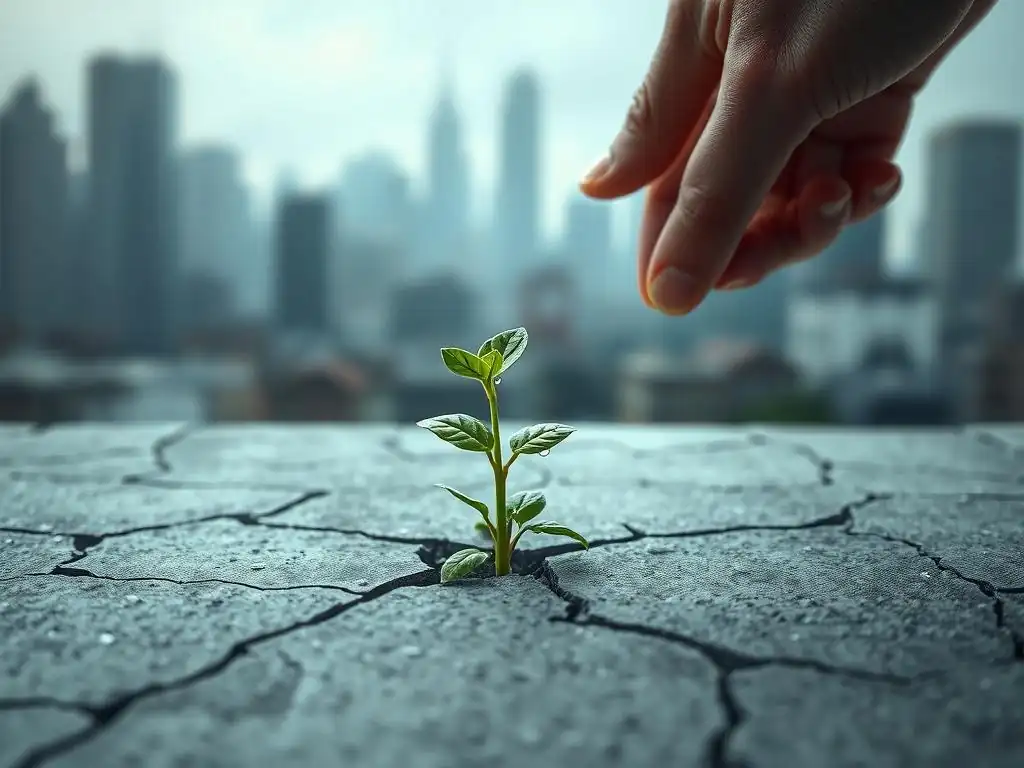
Cultivating Self-Care Practices for Sustained Mental Wellbeing
Self-care is not a luxury but a fundamental component of maintaining mental health, especially in the context of adapting to the "new normal." Developing and consistently practicing self-care routines can significantly enhance resilience and help manage ongoing stress and anxiety. This involves intentionally setting aside time and energy for activities that nourish your mind, body, and spirit.
Prioritizing self-care in the postpandemic era means recognizing that your resources may be depleted and require conscious replenishment. Simple daily practices, like dedicating 15-30 minutes to relaxation or a hobby, can make a substantial difference over time. Building a sustainable self-care plan is a proactive step towards ensuring long-term postpandemic mental wellbeing.
Importance of Mindfulness and Meditation
Mindfulness and meditation are powerful tools for anchoring yourself in the present moment and reducing the impact of anxious thoughts about the past or future. Regular practice can improve emotional regulation, increase self-awareness, and reduce physiological stress responses. Even a few minutes of mindful breathing daily can help.
Studies have shown that mindfulness-based interventions can lead to measurable reductions in symptoms of anxiety and depression. For example, consistent meditation practices have been linked to changes in brain activity associated with stress reduction. Incorporating mindfulness into your routine is a practical way to enhance your postpandemic mental wellbeing.
The Role of Physical Activity and Healthy Eating
The connection between physical health and mental health is well-established. Engaging in regular physical activity releases endorphins, which have mood-boosting effects, and helps reduce stress hormones. A balanced diet provides the necessary nutrients for optimal brain function and can influence mood and energy levels.
Aiming for around 150 minutes of moderate-intensity exercise per week, as recommended by health guidelines, can significantly benefit mental health. Similarly, focusing on whole foods, fruits, vegetables, and lean proteins while limiting processed foods and excessive sugar intake supports overall wellbeing. These lifestyle factors are cornerstones of effective postpandemic mental wellbeing support.
Prioritizing Sleep and Rest
Sufficient, quality sleep is crucial for cognitive function, emotional resilience, and overall mental health. Chronic sleep deprivation can exacerbate symptoms of anxiety, depression, and stress. Establishing a regular sleep schedule and creating a relaxing bedtime routine can improve sleep quality.
Most adults require 7-9 hours of sleep per night. Disruptions to sleep patterns were common during the pandemic due to stress and changes in routine. Making sleep a priority now is vital for recovery and maintaining mental stability in the "new normal." Ensuring adequate rest is a non-negotiable part of cultivating postpandemic mental wellbeing.
Human connection is a fundamental need, and the disruption of social networks during the pandemic highlighted its importance. Rebuilding and nurturing relationships is vital for combating loneliness and strengthening resilience. Social support acts as a buffer against stress and provides a sense of belonging.
Actively seeking out opportunities for social interaction, whether with close friends and family or through community groups and activities, is key. It might feel challenging initially, especially if postpandemic social anxiety is a factor, but taking small steps can make a significant difference. Strong social ties are a cornerstone of postpandemic mental wellbeing support.
Overcoming Social Isolation and Loneliness
Even as society reopens, feelings of isolation and loneliness can persist, particularly for those whose social circles shrunk significantly or who continue to face health-related barriers to interaction. Recognizing these feelings is the first step towards addressing them.
Strategies to combat isolation include scheduling regular check-ins with loved ones, joining clubs or groups aligned with your interests, volunteering, or simply engaging in brief, positive interactions with people you encounter daily. Overcoming isolation is an active process that contributes significantly to improved postpandemic mental wellbeing.
Building Meaningful Relationships Postpandemic
Beyond simply increasing social contact, focusing on the quality of relationships is important. Meaningful connections provide emotional support, understanding, and a sense of being valued. These relationships offer a safe space to share challenges and celebrate successes.
Investing time and effort in nurturing close friendships and family ties is invaluable. This might involve having open conversations about your experiences and feelings, offering support to others, and engaging in shared activities. Strong, meaningful relationships are a powerful form of postpandemic mental wellbeing support.
Seeking Professional Postpandemic Mental Wellbeing Support
Sometimes, the challenges of adapting to the "new normal" are too difficult to navigate alone. Seeking professional help from a therapist, counselor, or other mental health professional is a sign of strength and a proactive step towards healing and recovery.
Mental health professionals can provide tailored strategies, coping mechanisms, and therapeutic interventions to address specific issues like anxiety, depression, trauma, or grief related to the pandemic experience. They offer a confidential and supportive environment to process difficult emotions and develop skills for building resilience. Accessing professional postpandemic mental wellbeing support is a critical resource for many.
Identifying When to Seek Therapy or Counseling
Recognizing the signs that professional help might be beneficial is important. These signs could include persistent feelings of sadness, hopelessness, or anxiety that interfere with daily life, difficulty coping with stress, significant changes in sleep or appetite, loss of interest in activities you once enjoyed, or using substances to cope.
If you find that your mental health challenges are impacting your ability to function at work, school, or in relationships, or if you are experiencing overwhelming emotions or thoughts, it's likely time to consult a professional. Don't wait until you are in crisis; seeking help sooner can lead to better outcomes for your postpandemic mental wellbeing.
Exploring Different Therapeutic Approaches
Various therapeutic approaches are available, and finding the right fit is key. Cognitive Behavioral Therapy (CBT) can help identify and change negative thought patterns. Dialectical Behavior Therapy (DBT) focuses on emotional regulation and coping skills. Trauma-informed therapies like EMDR (Eye Movement Desensitization and Reprocessing) can be helpful for processing traumatic experiences.
Discussing your specific needs and challenges with a mental health professional can help determine the most appropriate type of therapy for you. Many therapists also offer telehealth options, increasing accessibility to postpandemic mental wellbeing support.
Finding the Right Mental Health Professional
Finding a therapist you feel comfortable with is crucial for successful therapy. You might start by asking for recommendations from your doctor, friends, or family, or searching online directories. Consider factors like their areas of expertise, approach to therapy, location (or telehealth options), and fees or insurance coverage.
It's okay to meet with a few different professionals before deciding who is the best fit for you. The therapeutic relationship, or alliance, is a significant predictor of successful outcomes in therapy. Taking the time to find the right professional is an investment in your postpandemic mental wellbeing.
Adapting to Workplace Changes and Career Uncertainty
The pandemic dramatically altered the world of work for many, introducing widespread remote or hybrid models, increased job demands, and blurred lines between work and personal life. These changes, while offering flexibility for some, have also contributed to heightened work-related stress and burnout in the "new normal."
Managing this stress involves setting boundaries, developing effective time management strategies, and communicating needs clearly with employers and colleagues. For example, establishing clear start and end times for the workday, designating a specific workspace (if possible), and taking regular breaks can help mitigate the feeling of being constantly "on." Employers also play a role in fostering a supportive environment that promotes postpandemic mental wellbeing among their staff.
Addressing Job Insecurity and Economic Anxiety
The economic fallout from the pandemic led to significant job losses and ongoing uncertainty in many sectors. This widespread job insecurity and related economic anxiety are major stressors that can profoundly impact mental health. Worrying about financial stability and future prospects can lead to chronic stress, anxiety, and feelings of helplessness.
Addressing these concerns involves practical steps like building emergency savings (even small amounts), developing new skills to enhance employability, and exploring available unemployment or financial assistance resources. It also requires managing the psychological toll by focusing on what you can control, practicing self-compassion, and seeking postpandemic mental wellbeing support to cope with the emotional burden of financial stress.
Promoting a Healthy Work-Life Balance Postpandemic
Achieving a healthy work-life balance became particularly challenging during the pandemic, especially for those working from home. The "new normal" requires a conscious effort to redefine and maintain boundaries between professional and personal life to prevent burnout and protect mental health.
Strategies include scheduling dedicated time for non-work activities, learning to say no to excessive demands, taking full lunch breaks, and using vacation time. It also involves recognizing that work is just one part of your identity and ensuring that other aspects of your life – relationships, hobbies, rest – receive adequate attention. Prioritizing this balance is fundamental to sustainable postpandemic mental wellbeing.
Supporting Children and Adolescents in the Postpandemic World

Recognizing Signs of Mental Health Struggles in Young People
Children and adolescents were significantly impacted by the pandemic's disruptions to schooling, social lives, and routines. Recognizing the signs of mental health struggles in young people is crucial, as they may express distress differently than adults. Signs can include changes in mood (irritability, sadness), behavior (withdrawal, defiance), sleep or eating patterns, difficulty concentrating, or expressing worries about the future.
Data from child psychology organizations indicated a significant rise in reported anxiety and depression symptoms among youth during and after the pandemic. For instance, emergency department visits for mental health crises among adolescents saw concerning increases in some regions. Parents, educators, and caregivers need to be vigilant and attuned to these indicators.
Fostering Open Communication and Emotional Support
Creating a safe space for children and adolescents to talk about their feelings and experiences is paramount. Encouraging open communication without judgment helps them process their emotions and feel understood. Simply listening and validating their feelings can be incredibly supportive.
Talking to young people about the changes they've experienced, acknowledging their challenges, and reassuring them that it's okay to feel upset, anxious, or confused are vital steps. Providing consistent emotional support helps build their resilience and contributes significantly to their postpandemic mental wellbeing.
Providing Access to Mental Health Resources for Children and Teens
Ensuring that children and adolescents have access to appropriate mental health resources is essential. This includes school counselors, pediatricians who can screen for mental health concerns, and specialized child and adolescent mental health services. Early intervention can make a significant difference in outcomes.
Information about local mental health providers specializing in youth, school-based support programs, and age-appropriate online resources can be invaluable. Advocating for increased availability of and reduced barriers to accessing postpandemic mental wellbeing support for this age group is a collective responsibility.
Resources and Tools for Postpandemic Mental Wellbeing Support
Online Mental Health Platforms and Apps
The digital landscape offers a wealth of resources for postpandemic mental wellbeing support. Numerous reputable online platforms and mobile applications provide tools for tracking mood, guided meditations, cognitive-behavioral exercises, and even virtual therapy sessions. These can offer convenient and accessible support.
While not a substitute for professional help in severe cases, these digital tools can be excellent complements to therapy or valuable resources for managing mild to moderate symptoms and building coping skills. When choosing an app or platform, look for those developed by mental health professionals or backed by clinical evidence.
Crisis Hotlines and Support Groups
For individuals experiencing acute distress or a mental health crisis, crisis hotlines provide immediate, confidential support. Trained counselors are available 24/7 to listen and help de-escalate crisis situations. These services are a critical component of the mental health safety net.
Support groups, both in-person and online, offer a sense of community and shared experience. Connecting with others who are navigating similar challenges related to postpandemic mental wellbeing can reduce feelings of isolation and provide practical coping strategies and emotional support. Finding a group focused on specific issues like anxiety, grief, or trauma can be particularly helpful.
Educational Materials and Self-Help Guides
Understanding mental health conditions and effective coping strategies is empowering. Accessing reliable educational materials, such as articles, books, and webinars from reputable mental health organizations, can provide valuable insights and self-help techniques.
Self-help guides based on evidence-based therapeutic approaches can offer structured ways to work through challenges like anxiety or low mood. While these materials shouldn't replace professional advice when needed, they are excellent tools for increasing mental health literacy and building personal resilience for postpandemic mental wellbeing.
Conclusion: Embracing a Proactive Approach to Postpandemic Mental Health
The Importance of Ongoing Self-Assessment and Adjustment
Navigating the "new normal" is an ongoing process, not a destination. It requires continuous self-assessment to understand how you are feeling and identify any emerging challenges. Regularly checking in with yourself allows you to recognize when you might need to adjust your coping strategies or seek additional postpandemic mental wellbeing support.
This self-awareness involves paying attention to your thoughts, emotions, energy levels, and behaviors. Are you feeling more stressed than usual? Are old anxieties resurfacing? Are your coping mechanisms still effective? Answering these questions honestly is key to staying ahead of potential mental health difficulties and maintaining resilience.
Building a Sustainable Foundation for Long-Term Mental Wellbeing in the "New Normal"
Ultimately, adapting mentally post-pandemic is about building a sustainable foundation for long-term mental wellbeing. This involves integrating the lessons learned from the past few years into your daily life – prioritizing self-care, nurturing relationships, seeking help when needed, and developing flexible coping strategies.
The "new normal" may continue to evolve, bringing new challenges. However, by taking a proactive and compassionate approach to your mental health, utilizing available postpandemic mental wellbeing support resources, and remaining adaptable, you can navigate this landscape with greater strength and resilience, fostering enduring wellness in this changed world.
Frequently Asked Questions
How has the pandemic specifically impacted mental well-being?
The pandemic led to increased stress, anxiety, and isolation, significantly impacting mental health. Many individuals experienced job loss, grief, and uncertainty, exacerbating pre-existing conditions.
What are some common mental health challenges emerging in the post-pandemic world?
Common challenges include increased anxiety about social interactions, persistent feelings of uncertainty about the future, and lingering symptoms of grief and loss.
What types of "Postpandemic mental wellbeing support" are available?
Support includes teletherapy options, community-based mental health programs, and online resources providing guidance and coping strategies. Many initiatives focus on addressing pandemic-related trauma.
How can I effectively adapt to the "new normal" and improve my mental health?
Focus on building resilience through self-care, establishing healthy routines and social connections, and seeking professional help when needed. Mindfulness and relaxation techniques can also be beneficial.
Where can I find reliable resources and information about "Postpandemic mental wellbeing support?"
Websites like Mind Care Guide, along with local mental health organizations, and national helplines, offer valuable information and resources. Consulting with a healthcare professional is also recommended.
Final Reflection: Embracing Resilience in a Changed World
The pandemic's impact on mental wellbeing continues to ripple through our lives, demanding a sustained focus on support and adaptation. We are not simply "returning to normal"; we are navigating a new landscape of anxieties, uncertainties, and evolving social structures. Understanding this reality is the first step towards building a more resilient and supportive future.
The shift in our collective mental health landscape is profound, forcing us to confront previously unspoken vulnerabilities and re-evaluate our coping mechanisms. The pandemic exposed the fragility of our systems, highlighting the urgent need for accessible and comprehensive mental health support. The greatest glory in living lies not in never falling, but in rising every time we fall.
– Nelson Mandela. This quote resonates deeply, as it encapsulates the spirit of resilience we must cultivate to navigate the challenges ahead, both individually and collectively. The ongoing conversation surrounding mental wellbeing is crucial, and we must continue to break down the stigma surrounding seeking help.
Now, consider your own journey. How have you adapted to this "new normal"? What resources have you found helpful, and what gaps still exist in the support systems available to you and your community? Take this opportunity to reflect on your mental wellbeing and actively seek out the support you need. Let's work together to build a future where mental health is prioritized, understood, and supported, ensuring that everyone has the resources to thrive in this evolving world.
Unlock Your Post-Pandemic Potential
Thanks for taking the time to explore the mental shifts of the "new normal." We hope this article provided valuable insights into navigating this evolving landscape. Now, let's turn those insights into action!
- Prioritize one small self-care practice this week: Whether it's a mindful walk, a relaxing bath, or simply 10 minutes of quiet reflection, choose something that truly nourishes you and make it a consistent habit. This is your primary action to cultivate mental well-being.
- Share this article with someone who might benefit: Pass along the knowledge and support a friend, family member, or colleague in their own journey. A simple act of sharing can make a world of difference.
- Explore a new mindfulness technique: Try a guided meditation, journaling prompts, or a new breathing exercise. Experimenting with different approaches can help you find the perfect fit for your needs.
What small step will you take today to enhance your mental well-being?