
The Brain's Adaptive vs. Maladaptive Biological Responses to Stress

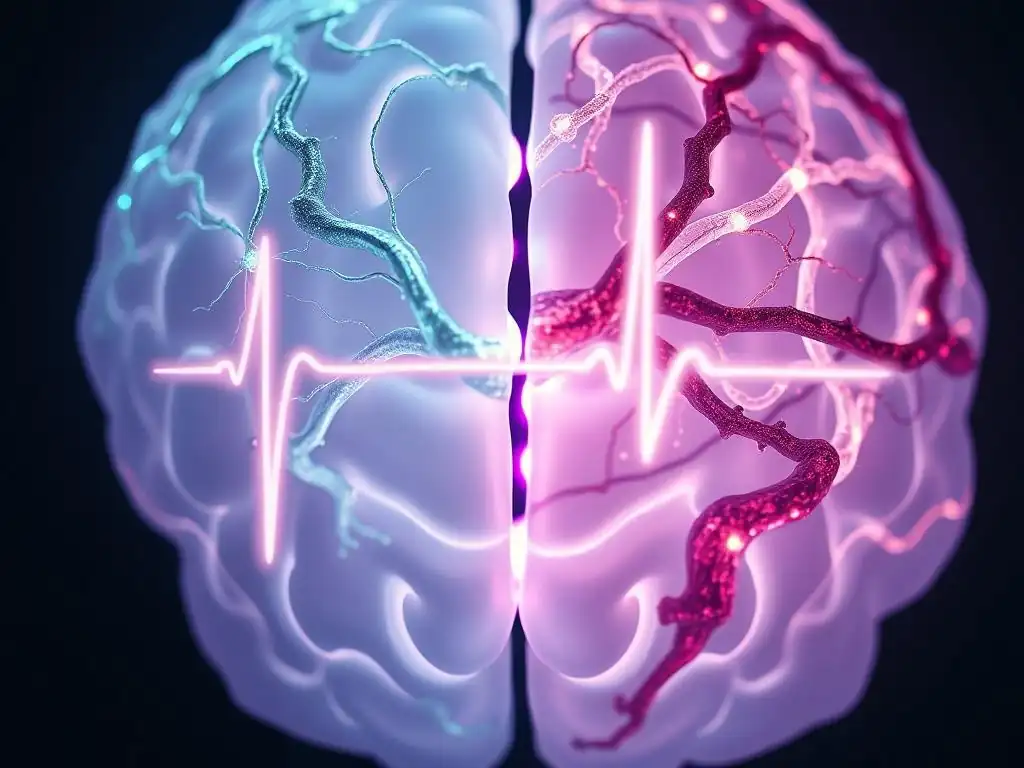
Welcome to Mind Care Guide, a sanctuary for understanding and nurturing your mental well-being.
Feeling overwhelmed by stress? It's a common experience, and often misunderstood. This week, we delve into the fascinating world of neuroscience to explore the stress response – not just as a burden, but as a complex biological adaptation. Discover how your brain navigates stress, and, more importantly, learn strategies to harness its power for optimal mental health. Intrigued? Let's unravel the science together.
-
The Brain's Adaptive vs. Maladaptive Biological Responses to Stress
- Introduction: Understanding the Biological Impact of Stress on the Brain
- Adaptive Stress Response: How the Brain Copes and Thrives
- Key Biological Mechanisms of Adaptive Stress Adaptation
- Examples of Adaptive Biological Responses to Stress
- Maladaptive Stress Response: When Biology Fails to Adapt
- Key Biological Mechanisms of Maladaptive Stress Adaptation
- Examples of Maladaptive Biological Responses to Stress
- The Role of the HPA Axis in Stress Adaptation
- HPA Axis Regulation: Maintaining Balance
- HPA Axis Dysregulation: Consequences for Brain Health
- Neurotransmitters and Stress: Biological Adaptation or Dysfunction
- Adaptive Neurotransmitter Changes Under Stress
- Strategies for Promoting Adaptive Stress Responses
- Therapeutic Interventions: Helping the Brain Adapt
- Neurofeedback and Other Emerging Techniques for Stress Management
- Conclusion: Fostering Biological Adaptation for Mental Well-being
-
Frequently Asked Questions
- How does the brain adapt to stress as a biological response?
- What are some examples of maladaptive biological responses to chronic stress?
- What role does the HPA axis play in the stress response biological adaptation?
- What are some stress response biological adaptation strategies to help manage chronic stress?
- How can understanding the difference between adaptive and maladaptive responses help improve mental well-being?
- Final Reflection: The Enduring Power of Adaptation in the Face of Stress
- Unlock Your Brain's Resilience: Strategies for Stress Management
The Brain's Adaptive vs. Maladaptive Biological Responses to Stress
Introduction: Understanding the Biological Impact of Stress on the Brain
Stress is an unavoidable part of life, and our brains have evolved complex biological systems to respond to it. This intricate biological dance involves a cascade of hormonal, neural, and cellular changes designed to help us survive perceived threats. Initially, these stress response biological adaptation strategies are crucial for mobilizing energy, enhancing focus, and preparing the body for action—often referred to as the "fight or flight" response. Understanding these fundamental biological pathways is the first step in appreciating how stress impacts our mental and physical health.
However, while short-term biological responses to acute stress can be adaptive and even enhance performance, prolonged or overwhelming stress can trigger maladaptive biological changes. These detrimental shifts occur when the body's stress systems remain chronically activated or become dysregulated, leading to wear and tear on the brain and body. The distinction between adaptive and maladaptive biological responses is critical because it highlights why stress can be a powerful catalyst for growth and resilience in some individuals, yet a significant contributor to mental health challenges like anxiety, depression, and cognitive decline in others.
Adaptive Stress Response: How the Brain Copes and Thrives
An adaptive stress response refers to the brain and body's ability to react effectively to a stressor, mobilize necessary resources, and then return to a state of baseline equilibrium once the threat has passed. This biological resilience is characterized by a transient activation of stress systems, followed by a swift and efficient deactivation. It's about learning from the stressful experience and potentially becoming better equipped to handle similar situations in the future. These adaptive stress response biological adaptation strategies build robustness and can even enhance certain cognitive functions.
From a biological perspective, adaptive responses involve finely tuned regulatory mechanisms that prevent overexposure to stress hormones and limit the duration of heightened physiological arousal. This allows the brain to consolidate memories related to the stressor (to avoid it in the future), learn new coping strategies, and even strengthen neural circuits involved in emotional regulation and decision-making. It's a dynamic process where the biological system bends but doesn't break, ultimately emerging stronger.
Key Biological Mechanisms of Adaptive Stress Adaptation
- Hormonal Regulation: Under acute stress, the hypothalamus releases corticotropin-releasing hormone (CRH), signaling the pituitary gland to release adrenocorticotropic hormone (ACTH), which in turn prompts the adrenal glands to secrete cortisol. An adaptive response involves a rapid spike in cortisol followed by a quick return to baseline levels once the stressor is removed. This transient hormonal surge provides energy and heightens senses without causing prolonged systemic damage. The hippocampus, rich in cortisol receptors, plays a key role in signaling the HPA axis to shut down, providing negative feedback.
- Neural Circuitry Enhancement: Adaptive stress can strengthen connections in certain brain areas. For example, moderate stress can enhance synaptic efficacy in the prefrontal cortex (PFC), improving executive functions like planning and working memory. It can also moderately increase activity in the amygdala initially, promoting vigilance, but this activity quickly subsides, allowing the PFC to regain control and regulate the fear response. This fine-tuning of neural pathways is part of the biological adaptation.
- Synaptic Plasticity and Learning: Acute stress can induce forms of synaptic plasticity, particularly in areas like the hippocampus and prefrontal cortex, which are vital for learning and memory. For instance, studies have shown that moderate stress before a learning task can enhance memory consolidation by facilitating long-term potentiation (LTP), a cellular mechanism underlying learning. This suggests that certain levels of stress can prime the brain for absorbing and retaining information relevant to survival or future performance.
Examples of Adaptive Biological Responses to Stress
Consider the biological response of a student facing a challenging exam. Their heart rate increases, focus sharpens, and memory retrieval might be temporarily enhanced due to a surge in stress hormones like cortisol and adrenaline. This is an adaptive response, helping them concentrate and perform under pressure. Once the exam is over, their physiological state quickly returns to normal.
Another example is the "runner's high," a phenomenon linked to the release of endorphins and endocannabinoids during strenuous exercise, a physical stressor. These neurochemicals act as natural pain relievers and mood elevators, facilitating endurance and recovery. This biological adaptation allows the body to push through discomfort and recover more efficiently, reinforcing the behavior (exercise) that caused the stressor.
Maladaptive Stress Response: When Biology Fails to Adapt

A maladaptive stress response occurs when the biological systems designed to handle stress become overwhelmed, dysregulated, or fail to return to baseline. Instead of promoting resilience, these responses lead to chronic activation or blunted reactivity, causing detrimental changes in the brain and body. This represents a state of biological vulnerability where the stress response itself becomes a source of pathology, contributing to mental and physical health issues.
Unlike adaptive responses that are transient and restorative, maladaptive responses involve persistent biological alterations. This can manifest as chronic inflammation, impaired neurogenesis (the birth of new brain cells), structural changes in brain regions like the hippocampus and prefrontal cortex, and persistent imbalances in neurotransmitter systems. These changes undermine the brain's ability to function optimally and regulate emotions, making individuals more susceptible to stress-related disorders.
Key Biological Mechanisms of Maladaptive Stress Adaptation
- Hormonal Dysregulation: Chronic stress often leads to dysregulation of the HPA axis. This can manifest as persistently elevated cortisol levels or, paradoxically, a blunted cortisol response over time. Chronic high cortisol exposure can damage neurons, particularly in the hippocampus, impairing memory and emotional regulation. It can also suppress the immune system and contribute to chronic inflammation, impacting brain health.
- Neural Circuitry Disruption: Prolonged stress can weaken connectivity in crucial brain circuits. The prefrontal cortex, responsible for executive functions and regulating the amygdala, can show reduced activity and structural changes (like dendritic atrophy), impairing its ability to control emotional responses and make rational decisions. Conversely, the amygdala, the brain's fear center, can become hyperactive and enlarged, leading to heightened anxiety and fear responses even in the absence of a real threat.
- Impaired Synaptic Plasticity: Chronic stress negatively impacts synaptic plasticity, particularly in the hippocampus and PFC. It can inhibit long-term potentiation (LTP), making it harder to form new memories and learn. It can also promote long-term depression (LTD), weakening existing connections. This impaired plasticity underlies cognitive deficits often seen in chronic stress, such as problems with memory, learning, and flexible thinking.
Examples of Maladaptive Biological Responses to Stress
A classic example of a maladaptive response is the persistent state of hypervigilance and exaggerated startle response seen in individuals with Post-Traumatic Stress Disorder (PTSD). Their amygdala remains hyperactive, and the prefrontal cortex struggles to regulate this fear response, leading to chronic activation of the stress system even years after the traumatic event. This biological state contributes to flashbacks, nightmares, and avoidance behaviors.
Another instance is the link between chronic stress and depression. Prolonged exposure to high cortisol levels is associated with reduced hippocampal volume and impaired neurogenesis, changes frequently observed in individuals with major depressive disorder. This biological vulnerability impacts mood regulation, motivation, and cognitive function, illustrating how a sustained maladaptive stress response can manifest as a significant mental health condition.
The Role of the HPA Axis in Stress Adaptation
The Hypothalamic-Pituitary-Adrenal (HPA) axis is a central neuroendocrine system that governs the biological stress response. It begins in the hypothalamus, which releases CRH in response to stress signals. CRH stimulates the pituitary gland to release ACTH, which then travels through the bloodstream to the adrenal glands atop the kidneys. The adrenal glands then release stress hormones, primarily cortisol (in humans) and adrenaline. This axis is a key player in the body's stress response biological adaptation strategies, mobilizing energy and preparing the body for action.
This intricate feedback loop is essential for survival. Cortisol, for example, increases glucose in the bloodstream, suppresses non-essential functions like digestion and immune responses, and enhances the brain's use of glucose. Adrenaline increases heart rate, blood pressure, and breathing. Together, these hormones create the physiological state needed to confront or escape a threat.
HPA Axis Regulation: Maintaining Balance
A healthy HPA axis exhibits precise regulation. Once the stressor is removed, the system has built-in negative feedback mechanisms to return to baseline. The hippocampus, with its high density of glucocorticoid receptors (which bind cortisol), detects rising cortisol levels and signals the hypothalamus and pituitary to reduce the release of CRH and ACTH, respectively. This effectively turns off the stress response.
This efficient shut-down mechanism is crucial for adaptive stress response biological adaptation strategies. It prevents prolonged exposure to high levels of stress hormones, which can be toxic to the brain and body. A well-regulated HPA axis ensures that the stress response is proportional to the stressor and temporary, allowing for recovery and preventing the cumulative damage associated with chronic stress.
HPA Axis Dysregulation: Consequences for Brain Health
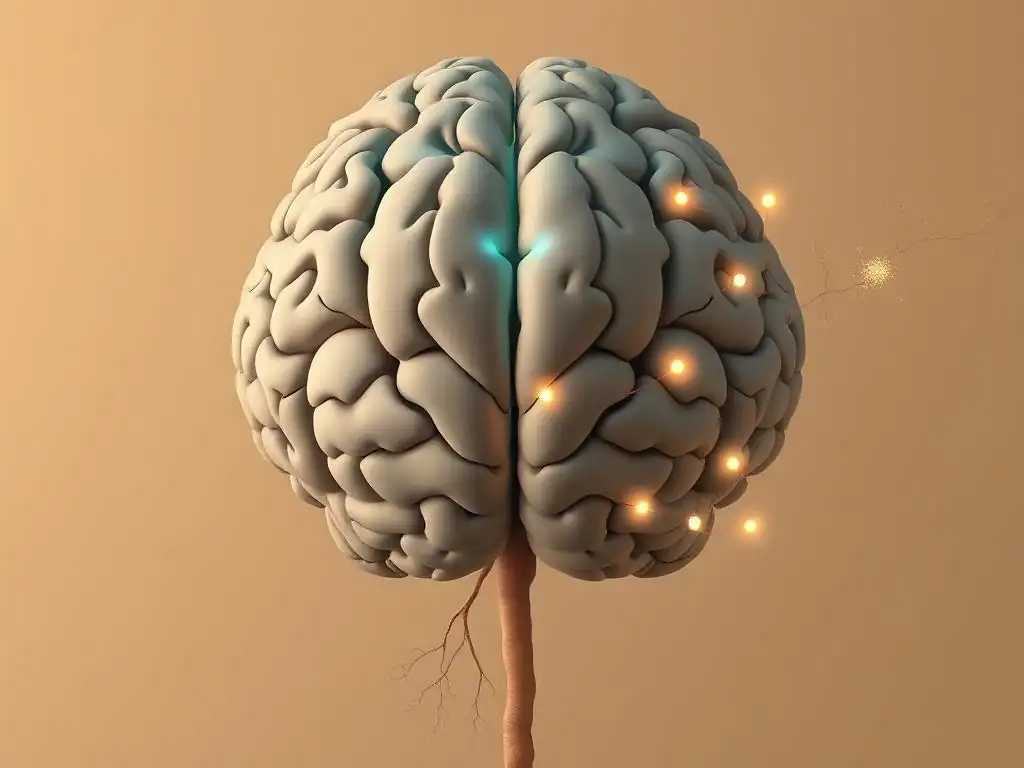
Chronic stress can lead to HPA axis dysregulation, disrupting its delicate balance. This can manifest in several ways: hyperactivity (constantly high cortisol), hypoactivity (blunted cortisol response, possibly due to burnout), or altered diurnal rhythm (cortisol levels not following the normal pattern of being highest in the morning and lowest at night). Each pattern has significant consequences for brain health.
Persistent high cortisol levels, for instance, are neurotoxic. They can impair neurogenesis in the hippocampus, reduce dendritic branching in the PFC, and even shrink the volume of these critical brain areas. This contributes to memory problems, impaired decision-making, increased anxiety, and a higher risk of mood disorders. Dysregulation of the HPA axis is a central biological mechanism underlying many stress-related mental health conditions.
Neurotransmitters and Stress: Biological Adaptation or Dysfunction
Neurotransmitters are chemical messengers that transmit signals between neurons, playing a fundamental role in brain function, including the stress response. Key neurotransmitters involved include norepinephrine (closely related to adrenaline), dopamine, serotonin, and glutamate. These chemicals mediate the brain's immediate reaction to stress, influencing vigilance, mood, motivation, and cognitive processes. Their levels and activity are dynamically altered during stressful experiences as part of the biological adaptation process.
For example, norepinephrine enhances alertness and attention, preparing the brain for action. Dopamine can influence motivational responses and reward pathways, which can be adaptive in seeking resources under stress but also linked to maladaptive behaviors. Serotonin plays a complex role in mood regulation and anxiety, while glutamate is the primary excitatory neurotransmitter, involved in learning and synaptic plasticity. Understanding how stress impacts these systems is key to understanding stress response biological adaptation strategies.
Adaptive Neurotransmitter Changes Under Stress
In an adaptive stress response, neurotransmitter systems show transient, appropriate changes. Norepinephrine release increases acutely, sharpening focus and reaction time. Dopamine activity might increase in certain reward pathways, potentially motivating problem-solving. Serotonin levels may fluctuate, contributing to transient shifts in mood and coping behaviors. Glutamate release is carefully regulated to facilitate learning and memory encoding related to the stressor without causing excitotoxicity.
These controlled changes allow the brain to optimize performance under pressure. The temporary shifts in neurotransmitter balance are part of the brain's flexible biological adaptation, enabling rapid processing of information, heightened sensory perception, and efficient mobilization of cognitive resources needed to navigate the stressful situation successfully.
Chronic or overwhelming stress can lead to persistent and detrimental changes in neurotransmitter systems. Prolonged high levels of norepinephrine can contribute to chronic anxiety and hyperarousal. Dysregulation of dopamine pathways is implicated in stress-induced changes in motivation, anhedonia (inability to feel pleasure), and vulnerability to addiction. Chronic stress often disrupts serotonin signaling, contributing to mood disorders like depression and anxiety.
Furthermore, excessive or prolonged glutamate release under chronic stress can be neurotoxic, particularly to hippocampal neurons. This excitotoxicity can impair synaptic function, reduce neurogenesis, and contribute to structural damage. These maladaptive changes in neurotransmitter systems are significant biological mechanisms underlying the pathology associated with chronic stress and stress-related mental health conditions.
Strategies for Promoting Adaptive Stress Responses
Promoting biological resilience and adaptive stress response requires proactive lifestyle choices. Regular physical exercise is a powerful intervention; it helps regulate the HPA axis, reduces stress hormones over time, and promotes the release of beneficial neurochemicals like endorphins and brain-derived neurotrophic factor (BDNF), which supports neurogenesis and synaptic plasticity. Aiming for at least 150 minutes of moderate-intensity exercise per week can significantly enhance the brain's capacity for stress adaptation.
Adequate sleep is equally crucial. Chronic sleep deprivation disrupts cortisol rhythms and impairs the prefrontal cortex's ability to regulate emotional responses. Prioritizing 7-9 hours of quality sleep per night allows the brain to consolidate memories, clear metabolic waste products, and restore neurotransmitter balance, all vital components of adaptive stress response biological adaptation strategies. Nutrition also plays a role; a balanced diet rich in omega-3 fatty acids, antioxidants, and complex carbohydrates supports brain health and can mitigate some of the biological damage caused by chronic stress.
Therapeutic Interventions: Helping the Brain Adapt
Various therapeutic approaches can help individuals develop more adaptive biological responses to stress. Cognitive Behavioral Therapy (CBT), for instance, helps individuals identify and change negative thought patterns and behaviors related to stress, which can indirectly influence physiological stress responses by reducing the perceived threat. Mindfulness-Based Stress Reduction (MBSR) techniques, such as meditation and deep breathing exercises, have been shown to alter brain activity patterns, potentially increasing connectivity between the prefrontal cortex and the amygdala, thereby enhancing emotional regulation and promoting HPA axis regulation.
These therapies work by helping individuals gain greater conscious control over their reactions to stress. By changing how the brain processes stressful information and promoting relaxation techniques, they can facilitate a shift from maladaptive, automatic biological responses towards more controlled, adaptive ones. This psychological work has tangible biological outcomes, supporting healthier stress response biological adaptation strategies.
Neurofeedback and Other Emerging Techniques for Stress Management
Emerging techniques like neurofeedback offer promising avenues for directly influencing the brain's biological response to stress. Neurofeedback is a type of biofeedback that uses real-time displays of brain activity (often electroencephalography or EEG) to teach self-regulation of brain function. Individuals learn to alter specific brainwave patterns associated with stress and anxiety, such as reducing high-frequency beta waves or increasing alpha/theta waves linked to relaxation.
Other techniques include biofeedback for physiological parameters like heart rate variability (HRV) or skin conductance, which helps individuals learn to regulate autonomic nervous system responses linked to stress. While still developing, these methods represent a frontier in stress management, focusing on helping individuals gain conscious control over their own biological stress response biological adaptation strategies at a more fundamental level.
Conclusion: Fostering Biological Adaptation for Mental Well-being
Understanding the biological mechanisms underlying adaptive vs. maladaptive stress responses is essential for promoting mental well-being. Our brains are remarkably plastic, capable of both resilience and vulnerability depending on the nature, duration, and our response to stress. While acute stress can trigger beneficial biological adaptations, chronic stress can lead to detrimental changes in the HPA axis, neurotransmitter systems, and neural circuitry, increasing the risk of mental health disorders.
Fortunately, the same biological plasticity that makes us vulnerable also offers hope. By implementing lifestyle modifications, engaging in evidence-based therapies, and exploring emerging techniques, we can actively foster adaptive stress response biological adaptation strategies. These interventions help regulate stress hormones, strengthen neural connections, improve neurotransmitter balance, and enhance the brain's capacity for resilience. Ultimately, cultivating a healthy biological response to stress is a cornerstone of maintaining robust mental health in a challenging world.
Frequently Asked Questions
How does the brain adapt to stress as a biological response?
The brain adapts by activating the fight-or-flight response, releasing hormones like cortisol to increase alertness and energy. This is a short-term survival mechanism designed to help us cope with immediate threats.
What are some examples of maladaptive biological responses to chronic stress?
Maladaptive responses include chronic inflammation, impaired immune function, and disruptions in the hypothalamic-pituitary-adrenal (HPA) axis. These can lead to various mental and physical health problems.
What role does the HPA axis play in the stress response biological adaptation?
The HPA axis is the central stress response system. It regulates cortisol release, which helps the body adapt to stress. However, chronic activation can lead to dysregulation.
What are some stress response biological adaptation strategies to help manage chronic stress?
Strategies include mindfulness meditation, regular exercise, and prioritizing sleep. These help regulate the nervous system and reduce the impact of stress on the body.
How can understanding the difference between adaptive and maladaptive responses help improve mental well-being?
Understanding the difference allows us to identify unhealthy stress patterns and implement effective coping mechanisms. This promotes resilience and protects against the negative effects of chronic stress.
Final Reflection: The Enduring Power of Adaptation in the Face of Stress
The human body's response to stress, while often portrayed negatively, is a testament to its incredible adaptability. Understanding the intricate dance between adaptive and maladaptive biological responses is not merely an academic exercise; it's crucial for navigating the relentless pressures of modern life. This article has explored the physiological mechanisms underlying both beneficial and detrimental stress responses, highlighting the importance of recognizing early warning signs and implementing strategies to promote resilience.
The ongoing influence of chronic stress on our mental and physical well-being is undeniable. It shapes our societal structures, impacts our relationships, and fundamentally alters our experience of life. Stress is the tax we pay for life.
– Arnold Bennett. This quote, while seemingly simple, encapsulates the complex reality of stress: it's an unavoidable aspect of existence, but how we manage it profoundly shapes our health and happiness. The information presented in this article aims to empower individuals to better understand their own stress responses and develop healthier coping mechanisms.
Now, consider your own relationship with stress. What are your typical responses? Do you recognize patterns of adaptive or maladaptive behavior? I urge you to take this knowledge and apply it to your daily life. Practice mindfulness, engage in regular physical activity, prioritize sleep, and cultivate strong social connections. By fostering a deeper understanding of your body's intricate response to stress, you can cultivate resilience, enhance your well-being, and ultimately, live a more fulfilling life.
Unlock Your Brain's Resilience: Strategies for Stress Management
Thanks for diving into the fascinating world of your brain's response to stress! You've now gained valuable insights into how your biology shapes your experience. Let's put this knowledge into action.
Here's how you can start building your resilience today:
- Implement one new stress-reduction technique: Choose from the practices discussed – deep breathing, mindfulness, or gentle exercise – and dedicate just 5 minutes daily to it. This small step can make a big difference.
- Share your key takeaway: Discuss what you learned with a friend, family member, or colleague. Sharing your knowledge can reinforce your understanding and help others.
- Explore additional resources: Visit the Mind Care Guide website for more in-depth articles and helpful tools for managing stress and improving your overall well-being.
Ready to experience the positive impact of conscious stress management? What small change will you make today to prioritize your mental health?