
Creating a Personal Action Plan to Combat EcoAnxiety Effectively


Welcome to Mind Care Guide, a sanctuary for your mental well-being.
Feeling overwhelmed by the climate crisis? You're not alone. Many are experiencing ecoanxiety, and we understand the weight of those worries. This guide delves into creating a personalized Ecoanxiety Action Plan, offering practical steps to reclaim your peace of mind and channel your concerns into positive change. Discover how to transform anxiety into action and build a more sustainable future, starting with yourself. Intrigued? Let's explore how you can make a difference, one step at a time.
Creating a Personal Action Plan to Combat EcoAnxiety Effectively
- Understanding EcoAnxiety and Its Impact on Mental Well-being
- Why Create a Personal EcoAnxiety Action Plan?
-
Step-by-Step Guide to Ecoanxiety Action Plan Creation
- Step 1: Acknowledge and Validate Your Feelings About Climate Change
- Step 2: Identify Your Specific EcoAnxiety Triggers
- Step 3: Set Realistic and Achievable Environmental Goals
- Step 4: Choose Sustainable Actions Aligned with Your Values
- Step 5: Build a Support System for EcoAnxiety Management
- Step 6: Practice Mindfulness and Self-Care Techniques
- Step 7: Limit Exposure to Overwhelming Environmental News
- Step 8: Seek Professional Help if Needed
- Implementing Your EcoAnxiety Action Plan: Practical Strategies
- Measuring the Effectiveness of Your EcoAnxiety Action Plan
- Maintaining Long-Term Mental Well-being in a Changing Climate
- Resources for Further Support and Information on EcoAnxiety
-
Frequently Asked Questions
- What is EcoAnxiety and why is it important to address?
- How can a personal action plan help with EcoAnxiety?
- What are some key components of an effective EcoAnxiety action plan?
- Where can I find resources and support to help me create my EcoAnxiety action plan?
- What are some simple, actionable steps I can include in my EcoAnxiety action plan?
- Final Reflection: Cultivating Hope in the Face of Eco-Anxiety
- Unlock Your Eco-Action Plan: Start Making a Difference Today!
Understanding EcoAnxiety and Its Impact on Mental Well-being
Defining EcoAnxiety: Climate Change and Mental Health
EcoAnxiety refers to the chronic fear of environmental doom. It's a form of anxiety experienced in response to environmental issues, particularly climate change. This isn't just a general worry; it's often a deep, persistent distress related to observing the degradation of the environment and contemplating the future consequences for oneself, loved ones, and the planet. While not yet a formal diagnosis in major psychiatric manuals, it is a widely recognized phenomenon affecting a growing number of people globally, impacting their daily lives and mental health.
This distress stems from acknowledging the severity of environmental threats like rising sea levels, extreme weather events, biodiversity loss, and their potential societal impacts. For many, it's a rational response to a genuine threat, but it can become debilitating when it leads to feelings of hopelessness, powerlessness, or despair. Understanding this emotional response is the first step in effectively addressing it and embarking on the process of creating an ecoanxiety action plan tailored to individual needs.
Recognizing the Symptoms of EcoAnxiety
The symptoms of ecoanxiety can manifest in various ways, affecting both psychological and physical well-being. Psychologically, individuals might experience persistent worry, fear, sadness, anger, guilt, or grief regarding environmental issues. They may feel overwhelmed or helpless, leading to difficulty concentrating or making decisions. Some might withdraw from social interactions or avoid news related to the environment because it feels too distressing.
Physically, ecoanxiety can present as fatigue, sleep disturbances (insomnia or excessive sleeping), changes in appetite, muscle tension, headaches, or gastrointestinal issues. These physical symptoms are often the body's stress response to chronic worry. Recognizing these signs is crucial, as they indicate that your concern for the environment might be impacting your health and that developing a personal ecoanxiety action plan could be beneficial. Recent surveys suggest a significant percentage of young people report feeling anxious about climate change, highlighting the widespread nature of these symptoms.
The Psychological Effects of Environmental Concerns
The constant barrage of information about environmental crises can have profound psychological effects. Beyond anxiety, it can foster feelings of grief for lost ecosystems and future possibilities (often called 'ecological grief'). It can also lead to a sense of moral injury, feeling complicit in environmental damage or frustrated by the lack of collective action. This can erode one's sense of safety and stability in the world.
Prolonged exposure to these stressors without adequate coping mechanisms can increase the risk of developing more severe mental health issues, such as depression or generalized anxiety disorder. The feeling of powerlessness in the face of a global threat like climate change is particularly challenging. Therefore, proactively developing strategies, such as creating an ecoanxiety action plan, is vital for maintaining psychological resilience and preventing these environmental concerns from overwhelming one's mental health.
Why Create a Personal EcoAnxiety Action Plan?
Taking Control: Empowering Yourself Against Climate Anxiety
One of the most debilitating aspects of ecoanxiety is the feeling of being powerless in the face of a massive global problem. Creating a personal ecoanxiety action plan directly addresses this by shifting the focus from overwhelming global threats to manageable personal actions. This process empowers individuals by giving them concrete steps they can take, fostering a sense of agency and control over their response to environmental challenges.
By defining specific actions, no matter how small, individuals reclaim a sense of purpose and effectiveness. This proactive approach counteracts the paralysis that often accompanies ecoanxiety. The very act of engaging in ecoanxiety action plan creation transforms passive worry into active engagement, which can be incredibly validating and empowering for mental well-being.
Reducing Feelings of Helplessness and Despair
Helplessness and despair are common companions of ecoanxiety. The scale of climate change can feel insurmountable, leading people to believe that their individual efforts are meaningless. A personal action plan provides a framework for taking meaningful steps that align with one's values, thereby reducing these feelings. Each action completed, whether it's reducing waste or supporting environmental policy, is a tangible contribution that counters the narrative of futility.
Developing your personal ecoanxiety action plan helps break down the overwhelming problem into smaller, actionable components. This makes the challenge seem less daunting and highlights the potential for collective impact that begins with individual commitment. This structured approach to addressing ecoanxiety is a powerful antidote to the pervasive sense of doom.
Promoting Mental Resilience in the Face of Environmental Threats
Mental resilience is the ability to adapt and thrive in the face of adversity. Creating and implementing an ecoanxiety action plan builds this resilience by providing constructive outlets for distress and fostering a proactive mindset. Instead of being consumed by worry, individuals channel their energy into positive change.
Engaging with environmental issues through action, rather than just passive observation, can transform anxiety into motivation. This shift is crucial for long-term mental well-being in a changing climate. A well-defined ecoanxiety action plan creation process helps individuals build coping strategies, connect with others, and find hope in collective and individual efforts, strengthening their capacity to navigate future environmental challenges without succumbing to despair.
Step-by-Step Guide to Ecoanxiety Action Plan Creation

Step 1: Acknowledge and Validate Your Feelings About Climate Change
The first crucial step in creating an ecoanxiety action plan is to fully acknowledge and validate your feelings. Understand that experiencing anxiety, fear, sadness, or anger in response to climate change and environmental degradation is a normal and understandable reaction. These feelings are not a sign of weakness but rather an indication of your empathy and concern for the world around you. Allow yourself to feel these emotions without judgment.
You might find it helpful to journal about your feelings or talk to a trusted friend, family member, or therapist. Simply naming the emotion – "I feel anxious about the future of coastal cities," or "I feel grief for the loss of species" – can help reduce its intensity. This validation is foundational because suppressing or denying ecoanxiety can exacerbate it; accepting it allows you to move towards constructive coping mechanisms as you begin the process of ecoanxiety action plan creation.
Step 2: Identify Your Specific EcoAnxiety Triggers
Once you've acknowledged your feelings, the next step in developing your personal ecoanxiety action plan is to identify what specifically triggers your anxiety. Is it reading news articles about extreme weather events? Seeing images of pollution? Hearing about political inaction? Or perhaps personal experiences like witnessing environmental changes in your local area?
Pay attention to when your anxiety levels rise and try to pinpoint the specific source or context. Keeping a log for a week or two can be incredibly insightful. Understanding your triggers is vital because it allows you to develop targeted strategies to manage your exposure and response in later steps of your ecoanxiety action plan creation.
Step 3: Set Realistic and Achievable Environmental Goals
Setting goals is a core component of effective ecoanxiety action plan creation. However, it's essential that these goals are realistic and achievable for you. Aiming to solve climate change single-handedly is overwhelming and will likely increase anxiety. Instead, focus on specific, measurable, attainable, relevant, and time-bound (SMART) goals related to environmental action in your own life or community.
For example, instead of "Save the planet," a realistic goal might be "Reduce my household's plastic waste by 20% in the next three months" or "Attend one local environmental group meeting this month." These smaller, manageable goals build momentum and provide a sense of accomplishment, reinforcing your agency and reducing feelings of helplessness as you work through your personal ecoanxiety action plan.
Step 4: Choose Sustainable Actions Aligned with Your Values
Selecting actions that genuinely resonate with your personal values is key to maintaining motivation and making your ecoanxiety action plan sustainable. What environmental issues are you most passionate about? Conservation, renewable energy, waste reduction, sustainable agriculture, environmental justice? Your actions should reflect these passions.
Aligning actions with values makes them feel less like chores and more like meaningful contributions. Consider what kind of impact you want to make and choose actions that fit your lifestyle and resources. This tailored approach ensures that your personal ecoanxiety action plan feels authentic and manageable in the long term.
Reducing Meat Consumption
- Cutting back on meat, particularly beef and lamb, significantly lowers your individual carbon footprint. Livestock farming is a major contributor to greenhouse gas emissions.
- Even reducing meat consumption by just one or two days a week can make a difference and is a manageable step for many people.
Conserving Water at Home
- Simple actions like taking shorter showers, fixing leaky faucets, and using water-efficient appliances can conserve thousands of gallons annually.
- In areas facing drought, water conservation is a direct way to contribute to local environmental resilience.
Supporting Local and Sustainable Businesses
- Buying from local producers reduces transportation emissions.
- Supporting businesses with sustainable practices encourages environmentally responsible commerce and aligns your spending with your values.
Step 5: Build a Support System for EcoAnxiety Management
You don't have to face ecoanxiety alone. Building a support system is a vital element in your ecoanxiety action plan creation and implementation. Connect with others who share your concerns and are also taking action. This can provide emotional support, practical advice, and a sense of community.
Sharing your feelings and experiences with understanding individuals can significantly reduce the burden of ecoanxiety. Collective action and shared purpose can transform feelings of isolation into feelings of solidarity and hope.
Joining Local Environmental Groups
- Connect with like-minded individuals working on local environmental issues.
- Participate in community clean-ups, conservation projects, or advocacy efforts.
Participating in Online Climate Action Forums
- Engage with global communities discussing environmental solutions and sharing strategies.
- Find inspiration and learn from others' experiences and actions.
Step 6: Practice Mindfulness and Self-Care Techniques
Managing the emotional toll of ecoanxiety requires dedicated self-care. Integrating mindfulness and relaxation techniques into your daily routine is essential for maintaining emotional balance. These practices help you stay present, manage overwhelming thoughts, and reduce physical symptoms of anxiety.
Prioritizing self-care is not selfish; it's necessary for sustaining your ability to engage with environmental issues without burning out. A robust personal ecoanxiety action plan includes strategies for nurturing your own well-being alongside environmental actions.
Mindful Breathing Exercises for Anxiety Relief
- Simple techniques like deep diaphragmatic breathing can calm the nervous system and reduce immediate anxiety symptoms.
- Regular practice helps build resilience against stress responses.
Prioritizing Sleep and Healthy Eating
- Adequate sleep (typically 7-9 hours per night) and a balanced diet are fundamental for managing stress and anxiety.
- Poor physical health can exacerbate mental health challenges, including ecoanxiety.
Step 7: Limit Exposure to Overwhelming Environmental News
While staying informed is important, constant exposure to negative environmental news can be a significant trigger for ecoanxiety. As part of your personal ecoanxiety action plan, set boundaries around how much and what kind of environmental information you consume.
Choose specific times to check news updates and seek out sources that also highlight solutions, positive developments, and actions being taken. Avoid doomscrolling. This doesn't mean ignoring the problem, but rather managing your information intake to prevent it from becoming overwhelming and counterproductive to your ecoanxiety action plan creation efforts.
Step 8: Seek Professional Help if Needed
If your ecoanxiety is severe, persistent, and significantly interfering with your daily life, work, or relationships, it may be time to seek professional help. Therapists and counselors can provide strategies and support for managing anxiety and developing healthier coping mechanisms.
Mental health professionals can help you process complex emotions related to climate change and integrate your environmental concerns into a balanced and fulfilling life. This is a sign of strength, not weakness, and is a valid step in comprehensive ecoanxiety action plan creation.
Cognitive Behavioral Therapy for EcoAnxiety
- CBT helps identify and challenge negative thought patterns related to environmental issues.
- It provides practical coping strategies for managing anxiety symptoms and encourages behavioral changes.
Implementing Your EcoAnxiety Action Plan: Practical Strategies
Putting your ecoanxiety action plan into practice involves integrating your chosen sustainable actions into your daily life. This transition from planning to doing is where you begin to see the tangible impact of your efforts, reinforcing the purpose of your ecoanxiety action plan creation.
Reducing Waste and Embracing Minimalism
Focusing on reducing personal waste is a highly effective and visible action. This can involve steps like composting organic waste (potentially diverting a significant percentage of household waste from landfills), avoiding single-use plastics (billions of plastic items are discarded annually), and buying second-hand items. Embracing minimalism can further reduce consumption and its associated environmental footprint. These actions provide a direct sense of contributing to a solution.
Participating in Climate Marches and Demonstrations
For some, engaging in collective action is a powerful way to combat feelings of powerlessness. Participating in local or national climate marches and demonstrations allows you to connect with others, voice your concerns publicly, and advocate for systemic change. While individual actions are important, collective pressure is often necessary to drive larger policy shifts. Estimates suggest millions globally have participated in climate strikes, demonstrating the power of collective voice.
Spending Time in Natural Environments
Connecting with nature is a proven way to reduce stress and enhance mental well-being. Spending time outdoors – whether hiking in a forest, walking on a beach, or simply sitting in a park – can foster a sense of peace and connection to the environment you are trying to protect. This connection can also reinforce your motivation for environmental action and provide perspective, serving as a restorative element within your ecoanxiety action plan.
Measuring the Effectiveness of Your EcoAnxiety Action Plan
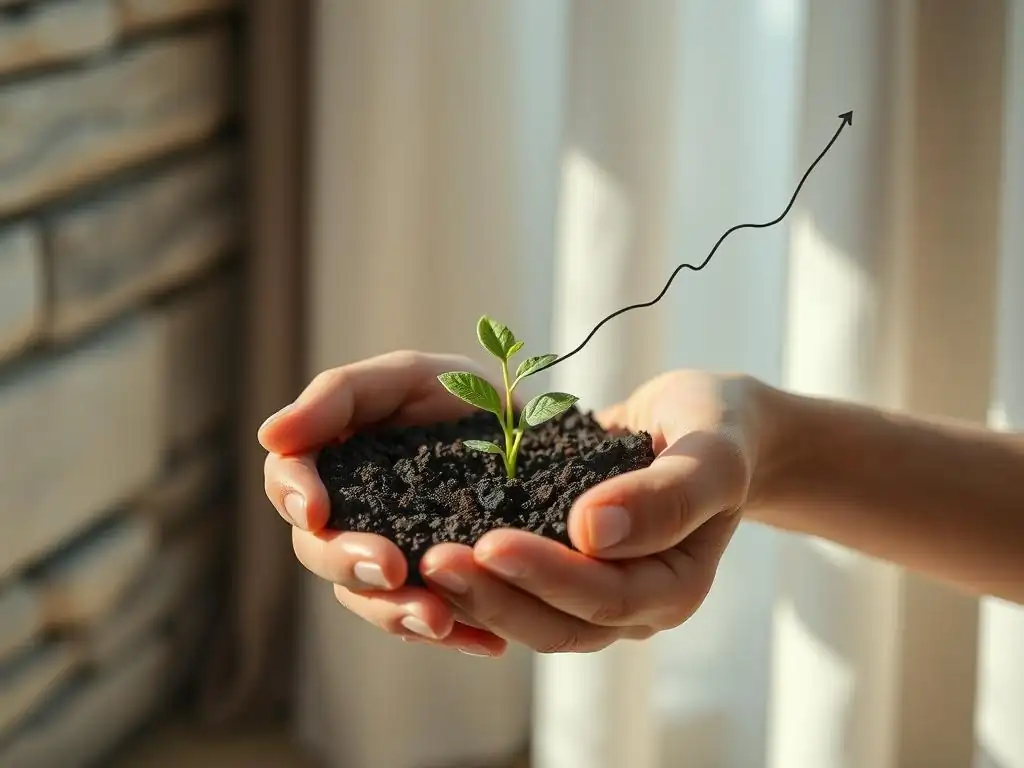
Tracking progress is an important, albeit sometimes challenging, part of the ecoanxiety action plan creation and implementation journey. It helps you understand what's working and where adjustments might be needed.
Tracking Anxiety Levels and Sustainable Actions
Keep a simple log or journal to track both your anxiety levels (perhaps on a scale of 1-10) and the sustainable actions you've taken each week. Are your anxiety levels generally decreasing as you implement your plan? Are you consistently meeting the goals you set in Step 3? This tracking provides data points to assess the impact of your ecoanxiety action plan on your mental well-being and environmental impact.
Adjusting Goals and Strategies as Needed
Your personal ecoanxiety action plan is not static. It should be a living document that you review periodically. If certain actions are proving too difficult or aren't helping reduce your anxiety, don't be afraid to adjust your goals or try different strategies. Perhaps you need to break down a goal further, seek more support, or modify your information consumption habits. Flexibility is key to maintaining momentum and ensuring the plan remains supportive and effective.
Maintaining Long-Term Mental Well-being in a Changing Climate
Successfully managing ecoanxiety is an ongoing process. As environmental challenges persist, so too must your commitment to your mental well-being and your ecoanxiety action plan.
Cultivating Gratitude and Positive Thinking
While acknowledging the severity of environmental issues, it's also important to cultivate gratitude for the natural world and focus on positive developments and solutions. Actively seeking out stories of successful conservation efforts, technological innovations, and community resilience can help balance the negative information and foster a more hopeful outlook. Practicing gratitude for the beauty and benefits nature provides can strengthen your connection and motivation.
Fostering Hope and Optimism
Hope is not about denying the challenges but believing in the possibility of a better future and recognizing that action can make a difference. Connect with stories of positive change and the efforts of individuals and communities worldwide. Remember that every action, including your own through your personal ecoanxiety action plan, contributes to a larger movement. Fostering a sense of collective efficacy and shared purpose can be a powerful antidote to despair and a cornerstone of long-term mental resilience.
Resources for Further Support and Information on EcoAnxiety
Finding the right resources can significantly aid in managing ecoanxiety and refining your personal ecoanxiety action plan. Many organizations offer support, information, and community connections.
The Good Grief Network
This organization offers a 10-step program designed to help individuals process difficult environmental emotions like grief, fear, and anger. Their approach focuses on acknowledging these feelings in community and transforming them into purposeful action. They provide workshops and resources for navigating ecological grief and building resilience.
The Climate Psychology Alliance
This alliance of therapeutic professionals focuses on the psychological impacts of climate change. They offer resources, training, and support for both individuals experiencing ecoanxiety and professionals seeking to help them. They emphasize the need for deeper psychological understanding and societal responses to the climate crisis.
Frequently Asked Questions
What is EcoAnxiety and why is it important to address?
Ecoanxiety is the distress or worry related to the climate crisis and environmental degradation. Addressing it is important because it can negatively impact mental well-being and lead to feelings of helplessness.
How can a personal action plan help with EcoAnxiety?
A personal action plan provides a structured framework to channel ecoanxiety into positive action. This helps individuals feel more in control and less overwhelmed by the environmental crisis.
What are some key components of an effective EcoAnxiety action plan?
Key components include identifying your triggers, setting realistic goals, taking actionable steps related to environmental issues, and seeking social support.
Where can I find resources and support to help me create my EcoAnxiety action plan?
Mind Care Guide offers information, support and resources for various mental health challenges, including EcoAnxiety. Also, look for local environmental groups or mental health professionals specializing in climate-related distress.
What are some simple, actionable steps I can include in my EcoAnxiety action plan?
Examples include reducing your carbon footprint, supporting sustainable businesses, advocating for environmental policies, and engaging in community-based initiatives.
Final Reflection: Cultivating Hope in the Face of Eco-Anxiety
The urgency to address climate change is undeniable, and the resulting eco-anxiety is a very real and widespread experience. Ignoring this emotional response is not an option; understanding and managing it is crucial for effective action. This article has explored practical strategies for transforming eco-anxiety from a paralyzing force into a catalyst for positive change.
The journey from feeling overwhelmed by the climate crisis to actively participating in solutions is deeply personal. It requires self-compassion, a willingness to learn, and the courage to take action, however small. As the environmental activist and author, Bill McKibben, wisely stated: The most important thing is to not be afraid to act. Even if you're just one person, you can make a difference.
This sentiment resonates deeply, reminding us that collective action begins with individual commitment. The creation of a personal action plan, as detailed in this article, is a powerful first step in that journey, offering a sense of agency and control amidst a seemingly overwhelming situation.
Now, it's your turn. Take a moment to reflect on your own relationship with eco-anxiety. What steps, however small, can you take today to translate your concern into concrete action? Perhaps it's joining a local environmental group, reducing your carbon footprint, or simply engaging in more mindful consumption. Remember, the power to create positive change lies within each of us. Let your eco-anxiety fuel your passion, and let your action inspire hope for a more sustainable future.
Unlock Your Eco-Action Plan: Start Making a Difference Today!
Thanks for taking the time to explore ways to manage eco-anxiety and find your path to positive action. We hope you gained valuable insights and feel empowered to make a difference. Now it’s time to put your learning into practice!
- Craft your personalized action plan: Take the key strategies discussed in this article and tailor them to your unique circumstances and resources. What's one small step you can take this week to reduce your environmental impact?
- Share your commitment: Inspire others by sharing your eco-action plan on social media or with friends and family. Let's build a community of conscious action together!
- Explore further: Dive deeper into eco-friendly practices by researching resources specific to your area or interests – discover new ways to engage and contribute!
What's one small change you're most excited to implement, and how will it impact your overall well-being?