
Bridging the Gap: Traditional Eastern vs. Modern Mental Healthcare

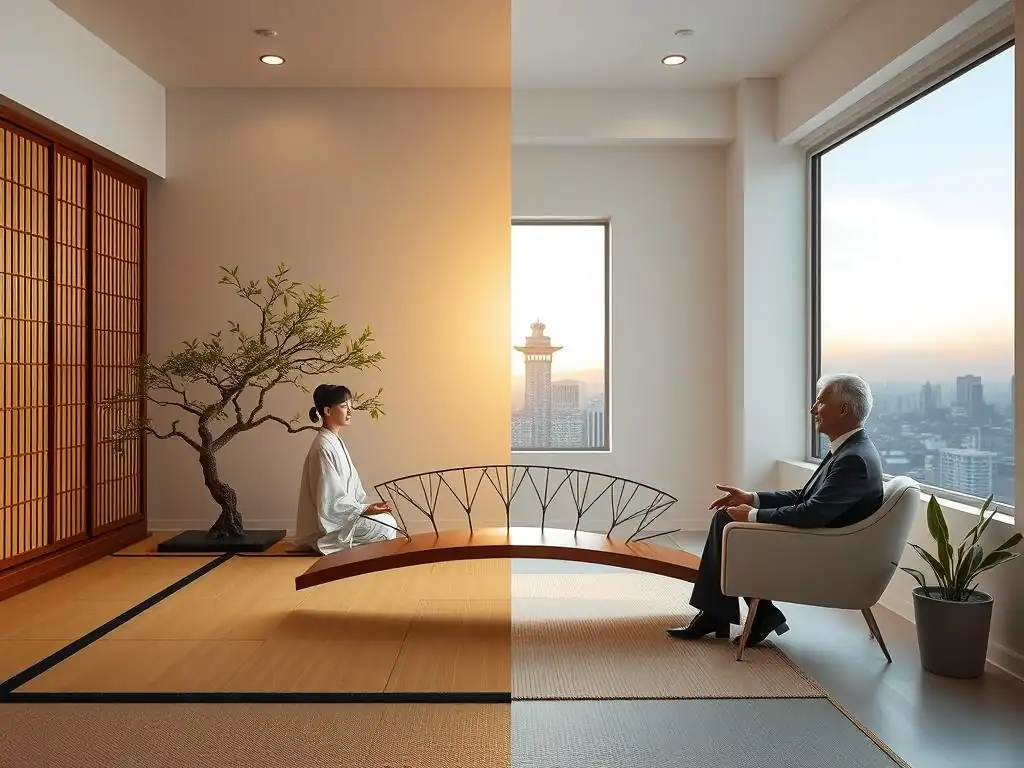
Welcome to Mind Care Guide, a sanctuary for understanding and nurturing your mental well-being.
Are you curious about the different paths to inner peace? Perhaps you've wondered if ancient wisdom holds a key to modern struggles? In this article, we embark on a fascinating journey, exploring the nuances of Eastern vs Western therapy. Discover how these distinct approaches can complement each other, offering a more holistic path to healing. Let's delve into the rich tapestry of cultural perspectives on mental health and find the best approach for you.
Bridging the Gap: Traditional Eastern vs. Modern Mental Healthcare
- Understanding Mental Health Approaches: East Meets West
- Traditional Eastern Approaches to Mental Well-being
- Modern Western Approaches to Mental Healthcare
- Eastern vs Western Therapy: A Comparative Analysis
- Integrating Eastern and Western Therapies for Holistic Mental Wellness
- Overcoming Challenges in Bridging the Gap
- Case Studies: Success Stories of Integrated Mental Healthcare
- The Future of Mental Healthcare: A Global Perspective
- Resources for Culturally Sensitive Mental Healthcare
-
Frequently Asked Questions
- What are the key differences between Eastern and Western approaches to therapy?
- How can Eastern and Western therapies be integrated for better mental health outcomes?
- Which type of therapy, Eastern or Western, is more effective for specific mental health conditions?
- What are some examples of Eastern therapeutic practices that are gaining popularity in the West?
- How can I find a mental health professional who integrates both Eastern and Western therapeutic approaches?
- Final Reflection: Finding Harmony in Healing: East Meets West
- Unlock Your Mind's Potential: Embrace a Holistic Approach
Understanding Mental Health Approaches: East Meets West
Exploring the Core Differences in Eastern and Western Mental Health Perspectives
When examining Eastern vs Western therapy approaches to mental well-being, a fundamental divergence in perspective becomes immediately apparent. Western mental healthcare, deeply rooted in the Enlightenment and scientific method, often views mental illness as a distinct disease process residing within the individual. The focus tends to be on diagnosing specific disorders based on symptom clusters, often drawing from diagnostic manuals like the DSM (Diagnostic and Statistical Manual of Mental Disorders).
Treatment typically targets the identified pathology through specific interventions like therapy modalities or medication aimed at altering brain chemistry or thought patterns. This perspective often emphasizes individual autonomy, self-discovery, and the separation of mind and body, although modern Western approaches increasingly acknowledge the mind-body connection.
In contrast, traditional Eastern approaches to mental health, influenced by philosophies such as Buddhism, Taoism, and Confucianism, often perceive well-being as an interconnected state involving the individual, their community, nature, and the spiritual realm. Mental distress is less frequently pathologized as an isolated illness and more often understood as an imbalance, a disruption in harmony, or a block in the flow of vital energy (like Qi in Traditional Chinese Medicine or Prana in Ayurveda).
Treatment often involves addressing the individual within their broader context, focusing on restoring balance through practices that harmonize mind, body, and spirit, and often emphasizing collective well-being and social harmony over radical individualism. The goal is frequently not just symptom reduction, but a more profound transformation or a return to a state of natural balance and connection.
The Evolution of Mental Healthcare: From Tradition to Modernity
The trajectory of mental healthcare has seen significant evolution across both Eastern and Western societies, albeit along different paths. In the West, the 18th and 19th centuries saw the rise of asylums, followed by the development of psychoanalysis in the late 19th and early 20th centuries. The mid-20th century brought psychopharmacology and the cognitive revolution, leading to the development of evidence-based therapies like CBT and DBT.
This evolution has been characterized by a move towards medicalization, scientific research, and increasingly specialized therapeutic techniques, aiming for measurable outcomes and standardized treatments. The focus has shifted from institutionalization to community-based care, driven by advancements in understanding brain function and psychological processes.
Simultaneously, Eastern mental healthcare practices have been shaped by millennia of philosophical and medical traditions. While Western medical models have increasingly influenced healthcare globally, including in the East, traditional practices like acupuncture, herbal medicine, meditation, and various forms of energy work have persisted and adapted. In countries like China, Traditional Chinese Medicine (TCM) hospitals often exist alongside Western-style psychiatric facilities, and patients may seek care from both systems.
Similarly, practices like Vipassana meditation from the Buddhist tradition, originally aimed at spiritual insight, are now widely used for stress reduction and emotional regulation globally. The evolution in the East often involves preserving traditional wisdom while selectively integrating modern scientific understanding and diagnostic tools, seeking a synergistic approach.
Traditional Eastern Approaches to Mental Well-being
The Role of Spirituality and Holistic Healing in Eastern Mental Health
Spirituality and a holistic view of the individual are central pillars of traditional Eastern approaches to mental well-being. Rather than seeing the mind as separate from the body or spirit, these traditions emphasize their intrinsic interconnectedness. Mental distress is often understood as a manifestation of disharmony within this interconnected system or a disconnection from one's true nature, community, or the universal flow.
Practices aimed at healing often involve cultivating inner peace, ethical living, and spiritual connection. For example, in many Buddhist traditions, mental suffering (Dukkha) is seen as arising from attachment and ignorance, and the path to liberation involves practices like meditation, ethical conduct (Sila), and wisdom (Panna) to transform the mind and alleviate suffering.
This holistic perspective extends to how healing is sought. Treatment is rarely confined to talking therapy alone. It might involve dietary changes, specific physical exercises (like Tai Chi or Qigong), herbal remedies, acupuncture, and practices aimed at moral or spiritual development.
The goal is often to address the root cause of the imbalance, which might be seen as spiritual or energetic as much as psychological. The emphasis is on restoring the natural flow of energy (Qi, Prana), balancing opposing forces (Yin and Yang), and bringing the individual back into harmony with themselves and their environment. This broad scope means that what is considered "treatment" in Eastern traditions can encompass a wide range of lifestyle, spiritual, and physical practices, contrasting with the often more narrowly defined psychological or pharmacological interventions in Western models.
Mindfulness and Meditation Practices for Mental Wellness
Mindfulness and various forms of meditation are perhaps the most widely recognized Eastern practices adopted by Western mental healthcare. Originating in ancient contemplative traditions, particularly Buddhism, mindfulness involves paying deliberate attention to the present moment without judgment. Research has increasingly validated the benefits of mindfulness-based interventions for various mental health conditions. For instance, studies have shown that Mindfulness-Based Stress Reduction (MBSR) and Mindfulness-Based Cognitive Therapy (MBCT) can significantly reduce relapse rates for individuals with recurrent depression, in some studies by around 40-50%, comparable to or exceeding maintenance antidepressant medication for some individuals.
Meditation practices, encompassing a vast array of techniques from concentration meditation (focusing on a single point like breath) to insight meditation (observing thoughts and feelings), work by training attention and cultivating a different relationship with one's internal experience. Rather than trying to eliminate difficult thoughts or emotions, these practices teach individuals to observe them with equanimity, reducing their power and reactivity.
This skill is invaluable for managing anxiety, reducing rumination in depression, and increasing emotional regulation. The integration of these ancient techniques into modern therapeutic frameworks highlights a successful bridge between Eastern wisdom and Western scientific validation, demonstrating the practical efficacy of these practices for mental wellness.
Herbal Remedies and Traditional Medicine in Eastern Mental Healthcare
Traditional Eastern medicine systems, such as Traditional Chinese Medicine (TCM) and Ayurveda, extensively utilize herbal remedies for both physical and mental ailments. The understanding is that mental health is deeply intertwined with physical health and the balance of vital energies. For example, in TCM, imbalances in organ systems like the Liver or Heart are often associated with emotional disturbances such as anger or anxiety.
Herbal formulas are prescribed to restore balance to these systems, thereby alleviating psychological symptoms. A common TCM approach for anxiety might involve herbs aimed at calming the spirit and nourishing the blood, such as combinations including Zizyphus jujuba (Suan Zao Ren) or Biota orientalis (Bai Zi Ren).
Ayurvedic medicine, originating in India, also uses a wide range of herbal formulations tailored to an individual's specific constitution (Dosha) and the nature of their imbalance. Herbs like Ashwagandha and Brahmi are commonly used to reduce stress, improve cognitive function, and promote mental calmness. While the mechanisms described in these traditional systems differ significantly from Western pharmacology, research is increasingly exploring the bioactive compounds in these herbs and their effects on the nervous system.
For instance, studies suggest that Ashwagandha may help regulate cortisol levels, the body's primary stress hormone. While rigorous, large-scale clinical trials meeting Western standards are still needed for many traditional remedies, their continued widespread use reflects their perceived efficacy and historical significance in addressing mental and physical health holistically in Eastern cultures.
Cultural Sensitivity and Family Involvement in Eastern Mental Health Practices
Cultural sensitivity and the central role of the family and community are defining features of mental health approaches in many Eastern cultures. Unlike the Western emphasis on individualism and patient confidentiality between therapist and client, mental health issues in the East are often viewed through a collective lens. The family is frequently the primary unit of support and intervention.
Seeking help outside the family might be a last resort due to stigma, or conversely, the family might be actively involved in seeking and participating in treatment decisions. This collectivist perspective means that interventions often consider the impact on family dynamics and social harmony.
Therapeutic approaches, even when influenced by Western models, are often adapted to fit cultural norms. Direct confrontation or individualistic self-disclosure might be less common or appropriate. The concept of "saving face" can influence how distress is expressed and addressed.
Treatment plans may involve family members in therapy sessions or include traditional practices sanctioned by the family or community. For example, in some cultures, a mental health issue might be viewed as affecting the entire family's honor or status, necessitating a family-centered approach to healing and recovery. Understanding these deeply ingrained cultural values is crucial for effective mental healthcare in these contexts and represents a key difference in the application of Eastern vs Western therapy principles.
Modern Western Approaches to Mental Healthcare
Evidence-Based Therapies: Cognitive Behavioral Therapy (CBT) and Beyond
Modern Western mental healthcare places a strong emphasis on evidence-based therapies, interventions that have been rigorously tested and shown to be effective through scientific research. Cognitive Behavioral Therapy (CBT) is perhaps the most prominent example. CBT operates on the principle that psychological problems are based, in part, on faulty or unhelpful ways of thinking (cognitions) and learned patterns of unhelpful behavior.
Treatment focuses on identifying and changing these negative thought patterns and behaviors to improve emotional regulation and develop coping strategies. CBT has demonstrated efficacy in treating a wide range of conditions, including depression, anxiety disorders (like Panic Disorder and GAD), phobias, and OCD, often showing significant symptom reduction within 12-20 sessions.
Beyond CBT, a variety of other evidence-based therapies have been developed and refined. Dialectical Behavior Therapy (DBT), originally developed for Borderline Personality Disorder, teaches skills in mindfulness, distress tolerance, emotional regulation, and interpersonal effectiveness. Acceptance and Commitment Therapy (ACT) focuses on accepting difficult thoughts and feelings while committing to behavioral change aligned with personal values.
Psychodynamic therapy, while older, has evolved into empirically supported forms like Short-Term Dynamic Psychotherapy. The hallmark of these approaches is their foundation in psychological theory, manualized protocols (for many), and extensive empirical testing through clinical trials, providing data on their effectiveness for specific populations and disorders. This scientific validation is a cornerstone of the Western medical model applied to mental health.
The Importance of Diagnosis and Medication in Western Mental Health Treatment
Diagnosis plays a critical role in modern Western mental healthcare, serving as a framework for understanding a patient's symptoms, predicting prognosis, and guiding treatment selection. The diagnostic process typically involves clinical interviews, psychological assessments, and symptom checklists, often referencing criteria outlined in the DSM. A specific diagnosis, such as Major Depressive Disorder or Schizophrenia, helps clinicians communicate about conditions, access research findings, and determine appropriate evidence-based treatments. For example, a diagnosis of Bipolar Disorder would immediately suggest considering mood stabilizers like lithium or valproate, alongside therapy.
Medication is another cornerstone of Western psychiatric treatment, particularly for moderate to severe mental illnesses or conditions with significant biological components. Psychotropic medications, including antidepressants (like SSRIs), anti-anxiety medications (like benzodiazepines, though often used short-term), antipsychotics, and mood stabilizers, work by altering neurotransmitter levels or activity in the brain. For conditions like schizophrenia or severe bipolar disorder, medication is often considered essential for managing symptoms and preventing relapse.
While psychotherapy is widely used, medication provides a crucial tool, especially when symptoms are debilitating or unresponsive to therapy alone. The integration of pharmacological and psychological interventions is common, reflecting a bio-psycho-social understanding of mental illness in Western practice.
Addressing Stigma and Promoting Mental Health Awareness in Western Societies
Addressing the pervasive stigma surrounding mental illness and promoting mental health awareness have become significant priorities in Western societies. Historically, mental illness was often met with fear, shame, and discrimination, leading to reluctance to seek help. Public awareness campaigns, celebrity endorsements, and educational initiatives aim to normalize conversations about mental health, reduce prejudice, and encourage help-seeking behaviors. Organizations like the National Alliance on Mental Illness (NAMI) in the US or Mind in the UK play vital roles in advocacy, education, and support for individuals and families affected by mental illness.
Efforts to combat stigma involve challenging stereotypes, educating the public about the biological and environmental factors contributing to mental illness, and emphasizing that recovery is possible. Initiatives like Mental Health Awareness Month (May in the US) or World Mental Health Day (October 10th) provide platforms for widespread discussion and education.
While significant progress has been made, stigma remains a major barrier to accessing care for many individuals. Promoting mental health awareness also involves encouraging early intervention and recognizing the importance of mental well-being as part of overall health, shifting the focus from just treating illness to promoting wellness and resilience across the lifespan.
Eastern vs Western Therapy: A Comparative Analysis
Key Differences in Therapeutic Techniques and Philosophies
The core differences in philosophy lead to distinct approaches when comparing Eastern vs Western therapy techniques. Western therapies, rooted in psychology and neuroscience, often employ structured, manualized techniques aimed at directly changing thoughts, feelings, or behaviors. For example, exposure therapy for phobias involves systematic, graded exposure to the feared object or situation to extinguish the fear response. The focus is often on analysis, insight (in some traditions), and applying specific strategies to manage symptoms or solve problems within a relatively short timeframe (e.g., 12-20 sessions for CBT). The therapist often takes an active, directive role in guiding the process.
Eastern approaches, while diverse, often emphasize practices aimed at cultivating a different state of being or consciousness rather than directly altering specific thoughts or behaviors. Practices like meditation, Qigong, or yoga are less about analyzing problems and more about cultivating present moment awareness, bodily sensation, and energetic balance. The therapeutic process might be less structured and unfold over a longer period, focusing on gradual transformation and integration.
The "therapist" might be a spiritual teacher, a traditional medicine practitioner, or a healer, whose role is often to guide the individual towards self-cultivation, harmony, or spiritual insight, rather than solely addressing psychological symptoms. The emphasis is often on process and experience over outcome and analysis.
The Focus on Individualism vs. Collectivism in Mental Healthcare
A significant point of contrast in the Eastern vs Western therapy landscape is the fundamental difference between individualism and collectivism. Western mental healthcare, reflecting the values of many Western societies, largely operates on an individualistic model. The focus is on the individual patient's thoughts, feelings, and behaviors. Therapy sessions are typically one-on-one, confidential, and centered on the patient's personal history and goals. The concept of self-discovery, personal growth, and individual autonomy are highly valued. While family therapy and group therapy exist, the primary unit of care and focus remains the individual.
In many Eastern cultures, collectivism is a dominant value. The individual's identity and well-being are deeply intertwined with their family, community, and social roles. Mental health issues are often viewed as affecting the entire family system, and the family's needs and dynamics are central to the healing process.
Treatment decisions might involve family consensus, and interventions may be aimed at restoring harmony within the family or community rather than solely focusing on individual adjustment. Shame and stigma associated with mental illness can be particularly acute because it may be seen as reflecting poorly on the entire family. This collectivist lens significantly shapes how distress is understood, expressed, and addressed, making family involvement and culturally sensitive communication paramount.
The Role of the Therapist: Guidance vs. Collaboration
The perceived role of the therapist also differs when comparing Eastern vs Western therapy paradigms. In many Western therapies, particularly those influenced by humanistic or collaborative models (like CBT or ACT), the therapist is often viewed as a collaborator or guide. They work with the patient to identify goals, explore issues, and develop strategies. While the therapist brings expertise and structure, the patient is seen as an active participant in their own healing process, ultimately responsible for implementing changes. The therapeutic relationship is often characterized by rapport, empathy, and a relatively egalitarian dynamic.
In traditional Eastern practices, the role of the practitioner or healer can sometimes be more akin to a teacher, master, or authority figure who provides guidance based on accumulated wisdom and tradition. The relationship might be more hierarchical, with the patient (or student) seeking instruction and following prescribed practices. For example, a meditation teacher guides students through techniques, or a TCM practitioner prescribes a specific herbal formula and advises on lifestyle changes.
While empathy and compassion are often central, the dynamic may be less about collaborative problem-solving and more about receiving and implementing guidance from a respected source of knowledge or spiritual insight. This difference in dynamic can impact patient expectations and the therapeutic process itself.
Integrating Eastern and Western Therapies for Holistic Mental Wellness
The Benefits of Combining Traditional Practices with Modern Treatments
Integrating elements of Eastern and Western therapies offers significant potential for a more holistic approach to mental wellness. By combining the strengths of both systems, practitioners can address the individual on multiple levels – psychological, biological, social, and spiritual. For instance, someone with depression might benefit from antidepressant medication (Western) to alleviate severe symptoms, while also practicing mindfulness meditation (Eastern) to cultivate emotional regulation skills and reduce rumination. This combined approach can lead to better outcomes than either method alone for some individuals.
Furthermore, integration allows for greater flexibility in tailoring treatment to individual needs and preferences. A patient who finds traditional talk therapy less appealing might respond well to movement-based practices like Qigong alongside medication. Conversely, someone rooted in a Western cultural context might find the structured, evidence-based nature of CBT more accessible initially, but later incorporate meditation for deeper self-awareness. Integrated approaches acknowledge that mental well-being is complex and that multiple pathways can lead to healing, potentially increasing treatment adherence and overall life satisfaction by addressing a wider range of factors influencing mental health.
Examples of Integrative Mental Health Programs and Approaches
Around the world, various models of integrative mental health programs are emerging, blending Eastern and Western methodologies. One common example is the incorporation of mindfulness and meditation into standard Western psychotherapy. Many therapists are now trained in MBSR or MBCT and offer these as adjuncts to or within their practice, often in group settings. Another example is the use of acupuncture in conjunction with psychotherapy or medication for conditions like depression, anxiety, or trauma-related symptoms, with some studies exploring its impact on neurotransmitters and stress pathways.
Some clinics and hospitals are developing more comprehensive integrative programs. For instance, a mental health center might offer access to licensed psychotherapists, psychiatrists, and also practitioners of acupuncture, yoga therapy, or traditional herbal medicine, allowing patients to create a personalized treatment plan drawing from multiple modalities.
Research institutions are also conducting studies on the efficacy of combining specific Eastern practices with Western treatments, such as trials investigating the effects of Tai Chi on anxiety in older adults receiving standard care, or studies on the impact of specific traditional herbal formulas when used alongside antidepressants for treatment-resistant depression. These programs reflect a growing recognition of the potential synergy between different healing traditions.
Tailoring Treatment: Individual Needs and Cultural Background
A critical aspect of effective integrative mental healthcare is tailoring treatment to the individual's specific needs, preferences, and cultural background. What works for one person may not work for another, and cultural context significantly shapes a person's understanding of health, illness, and healing. An individual from a culture where family involvement is paramount might benefit from family-centered interventions that incorporate traditional values and communication styles, potentially alongside individual Western therapy sessions.
Tailoring involves a thorough assessment that goes beyond standard diagnostic criteria to understand the individual's beliefs about their condition, their cultural identity, their support systems, and their openness to different types of interventions. It requires mental health professionals to be culturally competent and flexible in their approach, willing to incorporate practices that resonate with the patient's worldview, whether those practices originate from the East or the West. This personalized, culturally sensitive approach is key to ensuring that treatment is not only effective but also respectful and empowering for the individual seeking care.
Overcoming Challenges in Bridging the Gap
Addressing Cultural Misunderstandings and Biases
Bridging the gap between Eastern vs Western therapy necessitates addressing significant cultural misunderstandings and biases that can exist on both sides. Western practitioners might hold biases against traditional practices not validated by Western scientific standards, viewing them as unscientific or merely placebo effects. Conversely, individuals from Eastern cultures might distrust Western medical approaches, perceiving them as overly focused on medication, impersonal, or neglecting the spiritual or communal aspects of healing. These biases can hinder effective communication, trust, and collaboration between practitioners and patients from different backgrounds.
Overcoming these challenges requires education, open dialogue, and a willingness to learn from different perspectives. Training programs for mental health professionals should include modules on cultural competency, traditional healing systems, and the historical context of mental healthcare in various cultures. Encouraging cross-cultural exchange and collaboration between practitioners can foster mutual respect and understanding. For patients, providing clear, culturally sensitive information about different treatment options and validating their beliefs and experiences are crucial steps in building trust and overcoming potential resistance rooted in cultural misunderstandings.
Ensuring Accessibility and Affordability of Mental Healthcare for All
A major challenge in providing effective mental healthcare, regardless of approach, is ensuring accessibility and affordability for all who need it. In many parts of the world, including both Eastern and Western countries, mental health services are underfunded, geographically inaccessible, or prohibitively expensive. Traditional practices may be more accessible in some communities but might lack integration with formal healthcare systems, while Western-style clinics might be concentrated in urban areas and require significant financial resources or insurance coverage.
Addressing this requires systemic changes, including increased government investment in mental health infrastructure, integration of mental healthcare into primary care settings, and the development of affordable or subsidized treatment options. For integrated care to be truly accessible, both traditional and modern practitioners need to be recognized and potentially covered by health insurance systems. Exploring innovative delivery models, such as community-based mental health programs that incorporate traditional healers or peer support networks, can also help reach underserved populations and make diverse forms of care more available.
Training for Cross-Cultural Competency in Mental Health
Developing cross-cultural competency among mental health professionals is paramount for effective care in a diverse world and for successfully integrating Eastern vs Western therapy models. This involves not only understanding the nuances of different cultural beliefs about mental health but also developing the skills to work effectively with individuals from backgrounds different from one's own. Training should cover topics such as cultural humility, recognizing and addressing one's own biases, understanding the impact of historical trauma and discrimination on mental health, and adapting communication styles and therapeutic interventions to be culturally appropriate.
Training programs can incorporate case studies involving diverse populations, require trainees to engage with community resources from different cultural groups, and provide supervision that specifically addresses cultural issues in clinical practice. Encouraging language proficiency and cultural immersion experiences can further enhance a practitioner's ability to connect with and understand patients from different backgrounds. Ultimately, building a mental healthcare workforce that is genuinely culturally competent is essential for providing equitable, effective, and respectful care that honors the diversity of human experience and healing traditions.
Case Studies: Success Stories of Integrated Mental Healthcare

Integrating Mindfulness with CBT for Generalized Anxiety Disorder
A compelling case study demonstrating the success of integrated care involves a 45-year-old professional diagnosed with Generalized Anxiety Disorder (GAD). Standard CBT had helped her identify anxious thought patterns, but she struggled with persistent worry and physical tension. Her therapist, trained in both CBT and MBSR, introduced mindfulness practices as an adjunct to her therapy. She began attending an 8-week MBSR course and incorporated daily meditation into her routine.
Over several months, she reported a significant reduction in the frequency and intensity of her worry. While CBT provided tools to challenge specific anxious thoughts, mindfulness helped her develop a greater capacity to observe thoughts without getting swept away by them and to tolerate physical sensations of anxiety.
Her self-reported anxiety scores on standardized measures decreased by over 50%, and she reported feeling more present and less reactive in her daily life. This case illustrates how combining the cognitive restructuring techniques of CBT with the present-moment awareness cultivated through mindfulness (an Eastern practice) can offer a powerful synergistic effect for managing chronic worry.
Combining Acupuncture with Western Therapy for Treatment-Resistant Depression
Another case highlighting successful integration involves a 60-year-old individual with long-standing, treatment-resistant depression who had tried several antidepressants and psychotherapy approaches with limited success. As part of an integrative clinic's offerings, they began receiving acupuncture treatments twice a week in addition to continuing their current therapy. The acupuncture sessions focused on points traditionally used in TCM to address stagnation and disharmony associated with emotional distress.
After approximately three months of combined treatment, the individual reported a noticeable improvement in mood, energy levels, and motivation. While still experiencing some depressive symptoms, they felt more responsive to their psychotherapy sessions and reported a greater sense of well-being. Research in this area is still developing, but some studies suggest acupuncture may influence neurotransmitter release and modulate the stress response. This case, while anecdotal, represents how a traditional Eastern physical modality, when combined with Western psychological approaches, can potentially provide relief for complex conditions unresponsive to standard care alone.
Adapting CBT for Collectivist Cultural Contexts
An example of adapting Western therapy for an Eastern, collectivist context involves the implementation of culturally modified CBT (CM-CBT) in communities where family plays a central role. In a project working with a refugee population from a collectivist culture experiencing trauma and depression, standard individual CBT was found to be less effective due to the emphasis on individual disclosure and problem-solving, which felt alien and uncomfortable to many.
The CM-CBT approach involved incorporating family members into some sessions, using culturally relevant metaphors and examples, and focusing on strengthening family and community coping resources alongside individual skill-building. Sessions might address communication patterns within the family related to distress or explore traditional coping mechanisms and rituals.
Outcome studies from similar projects have shown that CM-CBT can be significantly more effective than standard CBT for individuals from collectivist backgrounds, demonstrating the necessity and success of adapting Western evidence-based practices to align with Eastern cultural values and social structures. This highlights that effective Eastern vs Western therapy integration also means making Western methods culturally relevant.
The Future of Mental Healthcare: A Global Perspective
Embracing Diversity and Cultural Sensitivity in Mental Health Treatment
The future of mental healthcare lies in a global perspective that fully embraces diversity and cultural sensitivity. As populations become more mobile and interconnected, mental health professionals will increasingly work with individuals from a vast array of cultural backgrounds. Providing effective care requires moving beyond a one-size-fits-all approach and developing the capacity to understand and respond to the unique cultural contexts, beliefs, and needs of each individual. This means recognizing that what constitutes "health" or "illness," how symptoms are expressed, and what is considered appropriate help-seeking behavior can vary dramatically across cultures.
Embracing diversity also means valuing different healing traditions. Instead of viewing Eastern and Western approaches as mutually exclusive or in competition (Eastern vs Western therapy), the future should see them as complementary resources in a global toolkit for mental well-being.
This requires humility from all sides, a willingness to learn from different knowledge systems, and a commitment to finding the most effective and culturally resonant interventions for each person. Investing in research that explores the efficacy of traditional practices using rigorous methodologies, while also adapting Western therapies for diverse populations, is crucial for building a truly global and equitable mental healthcare system.
Promoting Collaboration Between Eastern and Western Practitioners
A key element of this future is actively promoting collaboration between Eastern and Western mental health practitioners. This could take many forms, from joint training programs and conferences to integrated clinics where practitioners from different traditions work side-by-side. Creating platforms for dialogue and mutual learning can break down silos, foster understanding, and facilitate the development of truly integrative treatment models. For example, a psychiatrist might collaborate with a traditional herbalist on a patient's care plan, or a psychotherapist might work alongside a meditation teacher.
Collaboration also involves respecting the distinct expertise and scope of practice of different practitioners. It's not about replacing one system with another, but about finding ways for them to work together synergistically for the benefit of the patient. This requires clear communication, a shared commitment to patient well-being, and potentially the development of common frameworks or language for discussing mental health that can bridge different conceptual models. Promoting these collaborations is essential for translating the idea of integrated care into practical, accessible, and effective services on the ground.
Creating a More Inclusive and Equitable Mental Healthcare System
Ultimately, the goal of bridging the gap between Eastern vs Western therapy and promoting global mental health is to create a more inclusive and equitable mental healthcare system. This means a system where access to care is not limited by geography, socioeconomic status, or cultural background. It means a system where individuals feel seen, heard, and respected, and where the care they receive is aligned with their values and beliefs. Equity requires recognizing that historical power imbalances and colonial legacies have often privileged Western medical models over indigenous and traditional healing systems, and actively working to redress these imbalances.
An equitable system would invest in mental health resources in underserved communities globally, support the training of local practitioners in both traditional and modern methods, and ensure that mental healthcare is affordable and integrated into overall health services. It would also involve policy changes that recognize and support diverse forms of healing. By valuing all valid pathways to well-being and working collaboratively across traditions and cultures, we can move closer to a future where everyone, everywhere, has access to the support they need to flourish mentally and emotionally.
Resources for Culturally Sensitive Mental Healthcare
Organizations Offering Culturally Competent Mental Health Services
Several organizations are dedicated to providing culturally competent mental health services and promoting awareness of the needs of diverse populations. While specific regional organizations vary greatly, international bodies like the World Federation for Mental Health (WFMH) and national associations often have resources or committees focused on cultural competence. In the US, organizations like the Association of Multicultural Counseling and Development (AMCD) provide training and resources for practitioners. Many large healthcare systems in diverse areas also have departments or programs specifically designed to serve different cultural groups, sometimes offering services in multiple languages or with cultural mediators.
Seeking out organizations that explicitly state a commitment to cultural competence or specialize in serving specific ethnic or cultural communities is a good starting point for individuals seeking care that respects their background. University counseling centers, particularly at institutions with diverse student bodies, are often at the forefront of providing culturally sensitive services. Online directories and mental health helplines may also be able to provide referrals to practitioners with specific cultural expertise or fluency in different languages.
Mental Health Professionals with Expertise in Eastern and Western Approaches
Finding mental health professionals with expertise in both Eastern and Western approaches can be challenging but is increasingly possible. Some practitioners, such as psychiatrists or psychologists, may have received additional training in areas like mindfulness-based therapies, acupuncture, or integrative medicine. Conversely, some practitioners of traditional Eastern medicine may have sought education or collaboration with Western mental health professionals to understand conditions like depression or anxiety from a biomedical perspective.
Look for practitioners who describe their approach as "integrative," "holistic," or "culturally sensitive." Websites of professional associations for specific therapies (like acupuncture, yoga therapy, or specific meditation lineages) might list practitioners who also have a background in Western mental health. Similarly, directories for psychotherapists or psychiatrists might indicate additional training or specialization in areas like cross-cultural psychology or mind-body medicine. Don't hesitate to ask potential therapists about their experience and training in working with individuals from your cultural background or their familiarity with specific Eastern practices you are interested in.
Resources on Integrating Eastern and Western Mental Health Practices
A growing body of resources exists for those interested in learning more about integrating Eastern and Western mental health practices. Academic journals like "Journal of Alternative and Complementary Medicine" or "Explore: The Journal of Science and Healing" often publish research on traditional practices and their potential integration with conventional medicine. Books and articles on topics like "integrative mental health," "mind-body medicine," or "cultural psychiatry" provide valuable insights.
Professional organizations in specific fields, such as the Society for Acupuncture Research or associations for mindfulness professionals, offer resources and training information. For the general public, reputable health websites and mental health organizations are increasingly providing information on complementary and alternative therapies, often discussing their potential benefits and limitations when used alongside Western treatments. Engaging with these resources can help individuals and practitioners alike navigate the complex but promising landscape of integrated mental healthcare.
Frequently Asked Questions
What are the key differences between Eastern and Western approaches to therapy?
Eastern therapy often emphasizes holistic well-being and spiritual connection, using techniques like meditation and mindfulness. Western therapy tends to focus on diagnosing specific disorders and using evidence-based treatments like CBT.
How can Eastern and Western therapies be integrated for better mental health outcomes?
Integration can involve combining Western diagnostic tools with Eastern practices like yoga for stress reduction or acupuncture for pain management. This creates a more personalized and comprehensive treatment plan.
Which type of therapy, Eastern or Western, is more effective for specific mental health conditions?
Effectiveness depends on the individual and the condition. Western therapies are often preferred for acute crises and severe mental illnesses, while Eastern approaches may be beneficial for long-term well-being and stress management.
What are some examples of Eastern therapeutic practices that are gaining popularity in the West?
Mindfulness-based stress reduction (MBSR), yoga therapy, and traditional Chinese medicine (TCM), including acupuncture and herbal remedies, are increasingly used in Western mental healthcare settings.
How can I find a mental health professional who integrates both Eastern and Western therapeutic approaches?
Look for therapists who are licensed in Western modalities and have additional training or certifications in Eastern practices like mindfulness, acupuncture, or yoga therapy. Check their credentials and experience carefully.
Final Reflection: Finding Harmony in Healing: East Meets West
The integration of traditional Eastern and modern Western mental healthcare practices is no longer a niche concept; it's a vital necessity for a holistic approach to well-being in our increasingly interconnected world. The growing awareness of mental health challenges, coupled with the limitations of solely Western approaches, necessitates a deeper exploration of the wisdom embedded in ancient healing traditions. This exploration, as detailed in this article, reveals a powerful synergy waiting to be unlocked.
The enduring influence of Eastern philosophies on mindfulness, self-compassion, and the interconnectedness of mind and body is undeniable. These concepts, often overlooked in the fast-paced Western world, offer invaluable tools for managing stress, anxiety, and depression. The emphasis on preventative care and holistic well-being, rather than solely reactive treatment, resonates deeply with my own personal journey and understanding of mental health. The mind is everything. What you think you become.
– Buddha. This simple yet profound statement encapsulates the power of mindful awareness and its potential to reshape our inner landscape.
Consider the implications of this synthesis. What if we could combine the evidence-based methodologies of Western psychology with the time-tested wisdom of Eastern practices like meditation, acupuncture, and herbal remedies? You have the power to explore this integration in your own life. Research different modalities, seek out practitioners who blend these approaches, and most importantly, listen to your own body and mind. Embrace the opportunity to create a personalized path to well-being, drawing strength from both East and West, and embark on a journey towards a more balanced and fulfilling life.
Unlock Your Mind's Potential: Embrace a Holistic Approach
Thanks for taking the time to explore the fascinating intersection of Eastern and Western mental healthcare approaches! We hope you gained valuable insights into how these perspectives can complement each other. Now, it's time to integrate these learnings into your well-being journey.
- Prioritize a practice: Choose one mindfulness technique discussed (meditation, tai chi, etc.) and commit to incorporating it into your daily routine for at least a week. Notice the shifts in your mental clarity and emotional balance.
- Share your reflections: Engage in a conversation! Share your experience and thoughts on integrating these practices with friends, family, or in the comments section below. Let’s build a supportive community of mindful explorers.
- Explore further: Consider scheduling a consultation with a mental health professional to discuss personalized strategies that incorporate elements from both Eastern and Western therapeutic models. It's a conversation worth having!
What small step will you take today to enhance your mental well-being, merging the wisdom of both East and West?