
Exploring Family History's Impact: Psychodynamic Family Therapy

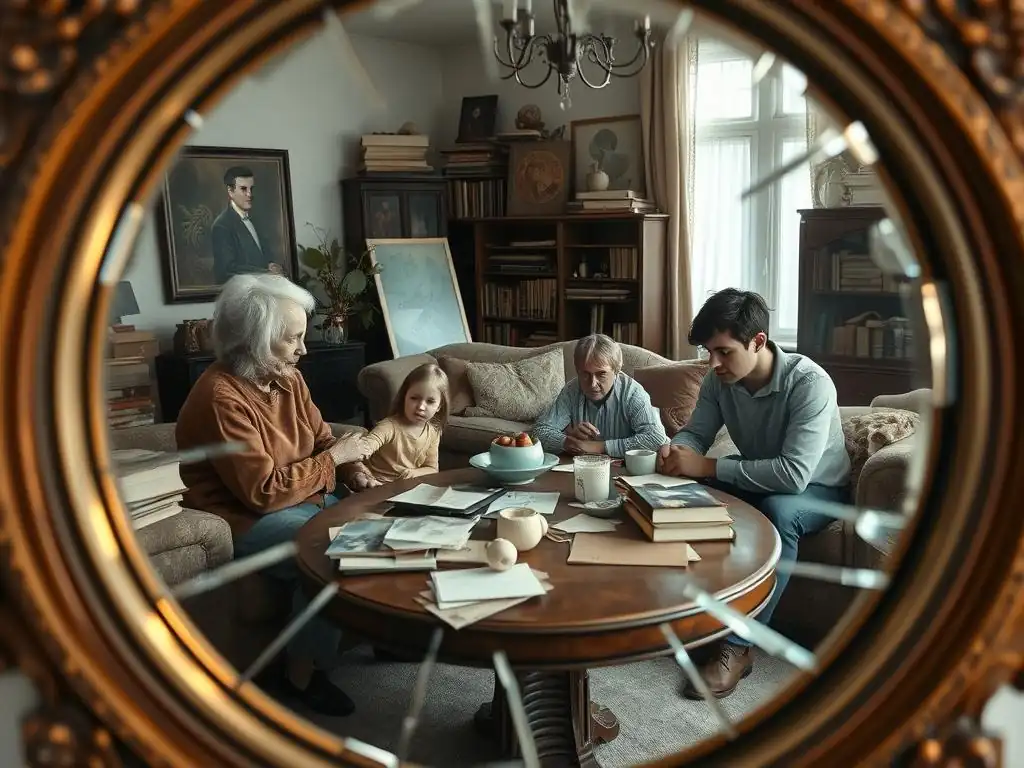
Welcome to Mind Care Guide, a sanctuary for understanding and nurturing your mental well-being. Have you ever wondered how your family's past shapes your present relationships? Delve into the fascinating world of psychodynamic family therapy history and uncover the hidden connections that influence your family dynamics. This is where understanding begins, and healing becomes possible. Explore with us.
- Exploring Family History's Impact: Understanding Psychodynamic Family Therapy
- What is Psychodynamic Family Therapy? Unveiling the Core Principles
- The History of Psychodynamic Family Therapy: Tracing its Roots
- How Psychodynamic Family Therapy Differs from Other Approaches
- The Goals of Psychodynamic Family Therapy: What to Expect
- Techniques Used in Psychodynamic Family Therapy
- Benefits of Psychodynamic Family Therapy: Why Choose This Approach?
- Is Psychodynamic Family Therapy Right for Your Family? Considerations and Suitability
- Finding a Qualified Psychodynamic Family Therapist
- Case Studies: Examples of Psychodynamic Family Therapy in Action
- The Future of Psychodynamic Family Therapy: Evolving Trends and Applications
-
Frequently Asked Questions
- What is Psychodynamic Family Therapy and how does family history play a role?
- How does Psychodynamic Family Therapy differ from other types of family therapy?
- What kind of mental health challenges can Psychodynamic Family Therapy address?
- What is the typical process of Psychodynamic Family Therapy?
- Where can I find resources related to the history of Psychodynamic Family Therapy and its effectiveness?
- Final Reflection: Unraveling the Threads of Family History
- Uncover Your Family's Legacy: Take the Next Step
Exploring Family History's Impact: Understanding Psychodynamic Family Therapy
Mind Care Guide: Family & Relationships - A Deep Dive into Family Therapy Approaches
Mind Care Guide is dedicated to providing comprehensive information and support for navigating the complexities of mental well-being, with a significant focus on family and relationships. Understanding the various approaches to family therapy is crucial for families seeking support, as different modalities offer unique lenses through which to view and address relational challenges. This article delves specifically into psychodynamic family therapy, exploring its foundational principles, historical roots, and practical applications as a powerful tool for fostering healing and growth within the family unit.
Family therapy, in general, recognizes that mental health issues and relationship difficulties often arise within the context of family dynamics. It moves beyond treating individuals in isolation to address the system as a whole, acknowledging the intricate web of interactions, communication patterns, and emotional bonds that influence each member. Psychodynamic family therapy adds a unique layer to this by emphasizing the profound impact of history and unconscious processes on these contemporary family dynamics, offering a path to understanding the deeper roots of present struggles.
What is Psychodynamic Family Therapy? Unveiling the Core Principles
The Foundation: Psychoanalytic Theory and Family Dynamics
Psychodynamic family therapy is deeply rooted in psychoanalytic theory, first developed by Sigmund Freud. This theoretical foundation posits that much of our behavior is driven by unconscious thoughts, feelings, and memories, often stemming from early childhood experiences. Key concepts like defense mechanisms, the influence of the unconscious mind, and the significance of early relationships are central to understanding how individuals develop and relate to the world around them. In psychodynamic family therapy, these individual psychoanalytic principles are applied to the complex interactions within a family unit.
The therapy views the family not just as a collection of individuals, but as a system where each member's unconscious processes interact with and influence others. Problems within the family are often seen as symptomatic of underlying, unresolved conflicts or patterns that may have been passed down through generations. The therapy aims to help families understand how their shared history, early relationships, and unconscious dynamics contribute to their current difficulties, fostering insight as a primary driver of change.
Key Concepts in Psychodynamic Family Therapy: Transference, Countertransference, Object Relations, and Projective Identification
Several core psychoanalytic concepts are vital to the practice of psychodynamic family therapy. Transference occurs when family members unconsciously redirect feelings, expectations, or desires from past significant relationships (often with parents or siblings) onto other family members or the therapist in the present. For instance, a spouse might react to their partner with the same resentment they felt towards a critical parent years ago.
The therapist pays close attention to these dynamics within the session, as they often reveal important information about underlying relational patterns. Countertransference refers to the therapist's own unconscious emotional reactions to the family members, which can also provide valuable insights into the family's dynamics if the therapist is attuned to them.
Object Relations theory, a significant branch of psychodynamic thought, is also central. It focuses on how early relationships, particularly with primary caregivers, shape internal "objects" or mental representations of self and others. These internal objects influence how individuals perceive and interact in current relationships.
For example, someone with internal objects formed from neglectful early relationships might expect rejection in their current family relationships. Projective Identification is another key concept, describing a process where one person unconsciously projects unwanted parts of themselves onto another, and the other person then unconsciously identifies with and expresses those projected feelings or characteristics. This can manifest in families where one member consistently acts out the anxiety or anger that other members cannot consciously tolerate.
The History of Psychodynamic Family Therapy: Tracing its Roots
Early Influences: Psychoanalysis and the Development of Family Systems Theory
The psychodynamic family therapy history is closely tied to the evolution of both psychoanalysis and the broader field of family therapy. Initially, psychoanalytic treatment focused solely on the individual. However, clinicians began to observe that individual symptoms often improved or worsened depending on family circumstances, suggesting the family environment played a significant role. Early pioneers, often trained in psychoanalysis, started experimenting with seeing couples and, eventually, whole families in the 1940s and 1950s, attempting to apply psychoanalytic concepts like defense mechanisms and unconscious conflict to the relational field.
Simultaneously, the mid-20th century saw the independent rise of Family Systems Theory, influenced by cybernetics and general systems theory. This perspective emphasized the family as a self-regulating system, where each member's behavior influences and is influenced by the others.
Figures like Gregory Bateson and the Palo Alto Group, and later Murray Bowen, developed concepts like double binds, emotional cutoff, and differentiation of self. While distinct from psychodynamic theory, the systems perspective provided a crucial framework for viewing the family as a unit, paving the way for psychodynamically oriented therapists to apply their insights to the entire system, marking a significant step in psychodynamic family therapy history.
Key Figures in Psychodynamic Family Therapy History: Nathan Ackerman, Ivan Boszormenyi-Nagy, and James Framo
Several influential figures shaped the early psychodynamic family therapy history. Nathan Ackerman (1908-1971), a psychiatrist trained in psychoanalysis, is widely considered one of the most important pioneers. Beginning in the 1930s and gaining prominence in the 1950s and 60s, Ackerman integrated psychoanalytic concepts with a keen understanding of family dynamics.
He actively engaged with families, participating in their emotional process and interpreting the interplay between individual psychopathology and family dysfunction. His work emphasized the concept of "family homeostasis," the idea that families resist change and maintain equilibrium, even unhealthy ones, and he focused on uncovering the unconscious roles family members played in maintaining this balance.
Ivan Boszormenyi-Nagy (1920-2007) contributed significantly with his development of Contextual Therapy, which has strong psychodynamic underpinnings. Nagy's approach focused on intergenerational relationships, relational ethics, and the balance of justice and fairness within families across generations. He introduced concepts like "invisible loyalties" – unconscious ties to one's family of origin that influence current relationships – and the "ledger of merits and debits," referring to the balance of giving and taking in relationships.
James Framo (1929-2010), another key figure, built upon psychodynamic and object relations theories, emphasizing the importance of working with adult children and their parents (family of origin sessions) to resolve unresolved historical issues that impact current marital and family relationships. These figures, among others, were instrumental in defining the trajectory of psychodynamic family therapy history.
How Psychodynamic Family Therapy Differs from Other Approaches

Distinguishing Psychodynamic from Structural Family Therapy
Psychodynamic family therapy differs significantly from other prominent family therapy models, such as Structural Family Therapy. Structural Family Therapy, pioneered by Salvador Minuchin, primarily focuses on the observable organization of the family – its structure, boundaries, and hierarchies. Therapists assess and intervene to alter dysfunctional interaction patterns, such as overly rigid or diffuse boundaries between subsystems (e.g., parent-child, spousal). The goal is to restructure the family system to promote healthier interactions and problem-solving abilities.
In contrast, psychodynamic family therapy delves much deeper than observable structure. While acknowledging the importance of family structure, its primary focus is on the internal world of family members and the unconscious dynamics that drive their interactions. It seeks to understand the historical roots of current problems, exploring how past experiences, unresolved conflicts, and internal object relations influence present behavior and relationships. Interventions often involve interpretation, exploring family history, and working with transference, rather than directly manipulating interactional patterns or restructuring the system from the outside.
Psychodynamic vs. Bowenian Family Systems Therapy: A Comparative Analysis
Another important comparison is between psychodynamic family therapy and Bowenian Family Systems Therapy, developed by Murray Bowen. Both models are considered "systems" theories and place a strong emphasis on the influence of family history and intergenerational patterns. Bowenian therapy introduces concepts like differentiation of self (the ability to maintain one's individuality while remaining emotionally connected), triangles (three-person relationship systems), and the multigenerational transmission process (the passing down of family patterns through generations). Bowenian therapy often involves exploring family history through genograms and focusing on understanding emotional processes and intellectual functioning within the system.
While both explore history, the lens differs. Psychodynamic therapy focuses heavily on the unconscious emotional world, internal object relations, and the impact of unresolved emotional trauma or conflict from the past. It seeks insight into why certain patterns exist at a deeper, unconscious level.
Bowenian therapy, while acknowledging emotional processes, tends to focus more on observable patterns, differentiation levels, and the process of emotional reactivity and intellectual functioning. The psychodynamic approach is more concerned with the content of the unconscious mind and the emotional impact of past relationships, whereas Bowenian therapy emphasizes understanding the process of how anxiety and undifferentiation manifest and are transmitted systemically.
The Goals of Psychodynamic Family Therapy: What to Expect
Uncovering Unconscious Patterns and Conflicts
A primary goal of psychodynamic family therapy is to bring unconscious patterns and conflicts to conscious awareness. Many family problems are driven by dynamics that members are not fully aware of – hidden fears, unresolved anger, unconscious loyalties to past family members, or defense mechanisms that have become maladaptive. For example, a parent might unconsciously repeat their own parent's critical behavior, not out of conscious intent, but because it's an ingrained pattern from their past.
The therapy provides a safe space for families to explore these hidden dynamics. By talking through current issues and exploring family history, the therapist helps connect present difficulties to their deeper, often unconscious, roots. This process of uncovering allows families to understand why they get stuck in certain cycles and empowers them to make conscious choices rather than being dictated by unconscious forces. This insight is not just intellectual; it involves an emotional understanding of how the past continues to shape present relationships.
Improving Communication and Emotional Intimacy within the Family System
As unconscious patterns and conflicts are understood, a significant goal is to improve communication and foster greater emotional intimacy within the family. Much of dysfunctional communication stems from underlying anxieties, projections, or unexpressed feelings related to past experiences. When family members gain insight into these drivers, they can begin to communicate more authentically and with less defensiveness.
By addressing the root causes of conflict and distance, the therapy helps families develop a more secure emotional connection. Understanding each other's historical burdens or unconscious triggers can lead to increased empathy and compassion. This process facilitates more open, honest, and vulnerable communication, breaking down barriers to emotional intimacy and allowing family members to feel more deeply connected and understood.
Resolving Past Trauma and its Impact on Family Relationships
Another crucial goal, particularly for families where trauma is a factor, is resolving the impact of past trauma on current relationships. Trauma, whether individual (experienced by one member) or collective (shared by the family or ancestors, like migration or historical oppression), can profoundly disrupt family functioning. Trauma responses – such as hypervigilance, emotional numbing, or difficulty with trust – can be unconsciously enacted within the family system and even transmitted across generations (intergenerational trauma).
Psychodynamic family therapy provides a framework for understanding how trauma manifests in family dynamics and offers a space to process the associated pain and fear. By exploring the history of the trauma and its effect on individuals and the system, families can begin to heal. The therapy helps members recognize trauma responses, develop healthier coping mechanisms, and prevent the unconscious repetition of traumatic patterns, ultimately fostering resilience and healthier relational dynamics.
Techniques Used in Psychodynamic Family Therapy
Exploring Family-of-Origin Issues
A cornerstone technique in psychodynamic family therapy is the in-depth exploration of each family member's family of origin. This involves understanding the relationships, dynamics, significant events, and emotional climate within the family they grew up in. Therapists often use tools like detailed interviews or, in some practices, genograms (a visual map of family relationships across generations, though not a visual element we can include here) to help families trace patterns, identify key relationships, and uncover historical information.
The purpose of this exploration is to understand how experiences and relationships in the family of origin continue to influence current thoughts, feelings, and behaviors within the present family. For example, understanding a parent's unresolved grief from their own childhood loss can shed light on their difficulty with emotional expression in the current family. By making these connections explicit, families gain insight into the historical roots of their present-day challenges.
Working with Transference and Countertransference in the Therapeutic Setting
The psychodynamic therapist actively works with transference and countertransference dynamics as they unfold within the therapy session. As family members interact with the therapist and with each other in the room, they may unconsciously re-enact patterns from their past relationships. The therapist observes these dynamics – how a family member relates to them as if they were a parent, or how siblings interact with each other in ways that mirror childhood rivalries.
The therapist also pays close attention to their own emotional responses (countertransference) to the family's material. These reactions can provide clues about the family's unconscious dynamics. By interpreting these transference and countertransference patterns, the therapist helps the family gain insight into their relational styles, defense mechanisms, and unresolved issues. The therapy session itself becomes a microcosm where historical patterns can be observed, understood, and potentially worked through in the present moment.
Interpretation and Insight-Oriented Interventions
Interpretation is a core intervention technique. The therapist offers hypotheses or formulations about the unconscious meanings behind family members' behaviors, interactions, and communication patterns. For example, the therapist might interpret a pattern of constant arguing as a way for the family to avoid dealing with underlying feelings of sadness or fear. These interpretations connect current difficulties to past experiences, unconscious conflicts, or underlying emotions that are not being directly expressed.
The goal of interpretation is to facilitate insight – a deeper emotional and intellectual understanding of oneself and one's relationships. This insight is considered the primary mechanism of change in psychodynamic therapy. By understanding the unconscious forces at play, family members can begin to differentiate from old patterns, make conscious choices about how they want to relate, and develop healthier ways of interacting based on a clearer understanding of themselves and each other.
Benefits of Psychodynamic Family Therapy: Why Choose This Approach?
Increased Self-Awareness and Understanding of Family Dynamics
One of the significant benefits of psychodynamic family therapy is the profound increase in self-awareness it fosters. By exploring the impact of early experiences, family history, and unconscious processes, individuals gain a deeper understanding of why they think, feel, and behave the way they do within the family context. They learn to recognize their own defense mechanisms, their internal object relations, and how their personal history influences their current interactions.
This individual self-awareness is coupled with an enhanced understanding of the overall family dynamics. Families learn how each member's internal world contributes to the collective patterns of interaction. They gain insight into the roles they unconsciously play, the unspoken rules that govern their relationships, and how unresolved issues from the past continue to influence the present system. This comprehensive understanding empowers families to identify the root causes of their struggles rather than just addressing surface-level symptoms.
Improved Conflict Resolution Skills and Communication
Addressing the underlying emotional triggers and historical grievances through psychodynamic therapy often leads to significant improvements in conflict resolution and communication. When family members understand the unconscious roots of their own and others' reactivity – perhaps stemming from historical feelings of abandonment or criticism – they can approach disagreements with greater empathy and less defensiveness. Conflicts become less about winning or losing and more about understanding underlying needs and feelings.
The process of bringing unconscious material to light also facilitates more authentic and open communication. As fears, projections, and historical loyalties are addressed, family members feel safer expressing their true thoughts and feelings. They learn to listen to each other with a deeper understanding of the historical context, leading to more effective communication, reduced misunderstandings, and a greater capacity to work through disagreements constructively.
Enhanced Emotional Connection and Intimacy
Psychodynamic family therapy can significantly enhance emotional connection and intimacy within the family. By exploring and processing unresolved issues, past hurts, and historical patterns that create distance or conflict, families can remove barriers to closeness. Understanding the "invisible loyalties" or unconscious roles that keep members emotionally separate allows for a conscious choice to relate differently.
The shared journey of exploring family history and unconscious dynamics in therapy fosters a deeper level of understanding and empathy between family members. This vulnerability and mutual insight build trust and allow for more genuine emotional expression. As defenses are lowered and historical burdens are lightened, families can experience a greater sense of belonging, mutual support, and profound emotional connection.
Is Psychodynamic Family Therapy Right for Your Family? Considerations and Suitability

When to Consider Psychodynamic Family Therapy: Intergenerational Trauma, Unresolved Grief, and Persistent Relationship Patterns
Psychodynamic family therapy is particularly well-suited for families struggling with issues that have deep historical or unconscious roots. Families experiencing the effects of intergenerational trauma, where patterns of trauma response, anxiety, or emotional numbing have been passed down through generations (e.g., descendants of Holocaust survivors, families with histories of slavery, migration trauma, or chronic abuse), can benefit greatly from this approach's focus on history and unconscious transmission. Unresolved grief from significant losses in the family history that continue to impact current dynamics is another key indicator.
Families who find themselves stuck in persistent, baffling relationship patterns that seem to repeat across generations, or where current problems appear deeply connected to early childhood experiences and family-of-origin issues, are also strong candidates. This might include families with recurring difficulties with intimacy, authority figures, sibling rivalry that persists into adulthood, or loyalty conflicts. If a family senses that their current struggles are not just about present circumstances but are echoes of the past, psychodynamic therapy offers a framework to understand and change these deep-seated dynamics.
Potential Challenges and Limitations
While powerful, psychodynamic family therapy also has potential challenges and limitations. It is typically a more long-term therapy compared to brief, solution-focused models, often requiring a commitment of several months or even years. This necessitates a significant investment of time, energy, and financial resources. The process can also be emotionally intensive, as it involves exploring potentially painful past experiences, unconscious conflicts, and difficult family histories.
Furthermore, this approach relies heavily on introspection, verbal processing, and the capacity for insight. It may be less suitable for families or individuals who are in immediate crisis, require rapid behavioral change, or have limited capacity or willingness to engage in deep psychological exploration. Families where members are not motivated to explore their inner world and family history may find this approach challenging. The effectiveness also depends heavily on finding a therapist with specialized training in both psychodynamic theory and family systems.
Finding a Qualified Psychodynamic Family Therapist
Key Qualifications and Experience to Look For
Finding the right therapist is crucial for the success of psychodynamic family therapy. Look for licensed mental health professionals with specific training and experience in both psychodynamic theory and family therapy. Relevant licenses include Licensed Marriage and Family Therapists (LMFTs), Licensed Clinical Social Workers (LCSWs), Licensed Professional Counselors (LPCs), Psychologists (PhDs or PsyDs), or Psychiatrists (MDs) who practice psychotherapy. Simply having a license is not enough; inquire about their specific training in psychodynamic models and their experience working with families from this perspective.
Ideally, seek therapists who have undergone their own psychodynamic psychotherapy or training analysis. This is often considered essential for therapists working in this modality to understand their own unconscious processes and manage countertransference effectively. Experience working with families facing similar issues to yours (e.g., trauma, intergenerational issues, complex relational patterns) is also a valuable qualification.
Questions to Ask Potential Therapists
When interviewing potential psychodynamic family therapists, come prepared with questions to assess their fit for your family. Ask directly about their theoretical orientation: "Do you primarily practice psychodynamic family therapy?" or "How do you incorporate psychodynamic principles into your work with families?" Inquire about their training background in both psychodynamic theory and family systems approaches.
Ask about their experience treating families with challenges similar to yours. You might ask about the typical length and frequency of sessions, and what the expected duration of therapy might be for issues like those your family is facing. Also, inquire about how they involve all family members in the process and their approach to confidentiality within the family unit, as this can vary. A good therapist will be open to discussing their approach and qualifications.
Case Studies: Examples of Psychodynamic Family Therapy in Action
Case Study 1: Addressing Intergenerational Trauma
Consider the Miller family, struggling with chronic anxiety and a pervasive sense of dread, despite no clear current threat. Communication is guarded, and emotional expression is limited. In psychodynamic family therapy, exploring their history revealed that the maternal grandmother had survived significant war-related trauma, experiencing immense loss and displacement. While she rarely spoke of it directly, her survival depended on emotional suppression and hypervigilance, which was unconsciously communicated to her children and grandchildren.
The therapy helped the Miller family understand how this historical trauma manifested as a shared family anxiety and a pattern of avoiding difficult emotions, seen as dangerous. By processing the grandmother's story (as known and felt by the family), identifying the unconscious "rules" derived from the trauma ("Don't feel too much," "Be constantly vigilant"), and allowing space for suppressed grief and fear, the family members began to differentiate from this historical pattern. They learned healthier ways to manage anxiety, express emotions, and support each other, breaking the cycle of intergenerational trauma transmission.
Case Study 2: Resolving Sibling Rivalry and Competition
Take the Garcia family, where adult siblings are locked in intense, debilitating rivalry that impacts family gatherings and their parents' well-being. While they cite current disagreements over inheritances or perceived slights, the intensity seems disproportionate. Psychodynamic family therapy explored the parents' family histories and their own relationship dynamics. It became clear that the parents had unresolved sibling rivalry from their own childhoods and, perhaps unconsciously, favored one child, creating an imbalance that was then played out between the current generation of siblings.
The therapy helped the Garcia siblings understand that their intense competition wasn't just about current resources, but was deeply rooted in vying for historical, unmet emotional needs or perceived parental validation that stemmed from unresolved issues in the parental subsystem and their families of origin. By bringing these unconscious dynamics to light and processing the associated feelings of inadequacy, jealousy, and historical unfairness, the siblings began to see each other not just as rivals, but as individuals carrying historical burdens.
This insight allowed them to differentiate from the historical pattern and build a more authentic, less competitive adult sibling relationship.
The Future of Psychodynamic Family Therapy: Evolving Trends and Applications
Integrating Psychodynamic Principles with Other Therapeutic Modalities
The field of psychotherapy is increasingly moving towards integration, and psychodynamic family therapy is no exception. Contemporary practitioners often integrate core psychodynamic principles – such as the importance of the unconscious, transference, and family history – with techniques from other effective models. This might involve incorporating elements of attachment theory (which has strong roots in psychodynamic thought), trauma-informed care practices, or even specific communication skills training derived from other approaches.
This integration allows psychodynamic family therapy to remain flexible and relevant in addressing the diverse needs of modern families. By combining deep insight into historical and unconscious dynamics with practical strategies for change, therapists can offer a more comprehensive and tailored approach. The psychodynamic understanding provides a powerful diagnostic lens for understanding complex relational patterns, which can then inform the application of techniques from other modalities, enhancing the overall effectiveness of treatment.
The Role of Psychodynamic Family Therapy in Contemporary Mental Health Care
Psychodynamic family therapy continues to play a vital role in contemporary mental health care, particularly for families facing complex, long-standing issues that have resisted other forms of treatment. Its unique focus on the deep, often unconscious, impact of family history and early relationships provides a powerful framework for understanding and resolving issues like chronic relationship patterns, personality disorders within a family context, and the pervasive effects of intergenerational trauma.
In a world where families navigate increasing complexity – from blended families and diverse cultural backgrounds to the lingering effects of historical injustices and collective traumas – the ability of psychodynamic family therapy to explore the layers of influence from the past on the present remains invaluable. It offers a path not just to symptom reduction, but to profound insight, emotional healing, and the potential to break cycles of dysfunction, fostering lasting change and resilience within the family system for generations to come.
Frequently Asked Questions
What is Psychodynamic Family Therapy and how does family history play a role?
Psychodynamic Family Therapy explores unconscious patterns and past experiences within a family to understand current relationship dynamics. Family history is crucial as it reveals inherited traumas and repetition of dysfunctional behaviors.
How does Psychodynamic Family Therapy differ from other types of family therapy?
Unlike some therapies focused solely on present behaviors, Psychodynamic Family Therapy delves into the historical roots of family issues. It emphasizes unconscious processes and the impact of early relationships on current functioning.
What kind of mental health challenges can Psychodynamic Family Therapy address?
This therapy can be beneficial for families dealing with communication problems, relationship conflicts, intergenerational trauma, and persistent dysfunctional patterns. It helps uncover underlying emotional issues driving these challenges.
What is the typical process of Psychodynamic Family Therapy?
The therapist helps the family explore their history and relational patterns, often focusing on early childhood experiences and unresolved conflicts. The goal is to gain insight and promote healthier interactions.
Mind Care Guide offers comprehensive information on mental well-being, including resources on Psychodynamic Family Therapy and its historical development. Consult with a qualified mental health professional for personalized guidance.
Final Reflection: Unraveling the Threads of Family History
The exploration of family history through a psychodynamic lens remains profoundly relevant today, offering a powerful framework for understanding the complexities of present-day relationships and individual struggles. Understanding the patterns, traumas, and unspoken narratives passed down through generations is not merely an academic exercise; it's a crucial key to unlocking healthier, more fulfilling lives. The weight of the past, whether consciously acknowledged or not, significantly shapes our present realities.
The impact of psychodynamic family therapy's historical development on our understanding of family dynamics is undeniable. It has shifted our perspective from solely focusing on individual pathology to recognizing the intricate interplay within the family system. This holistic approach has revolutionized therapeutic interventions, allowing for a deeper understanding of transgenerational trauma and its ripple effects. The family is the primary unit of human experience, and understanding its dynamics is essential to understanding the individual.
This quote encapsulates the core principle that underpins the enduring legacy of psychodynamic family therapy.
Consider the legacy of your own family history. What patterns do you recognize? What unspoken rules or expectations shape your interactions today? I encourage you to engage in a thoughtful reflection on your family's narrative, exploring both the joys and the challenges that have shaped who you are. By acknowledging the past, we can begin to consciously rewrite our family's story, fostering healthier relationships and creating a more positive future for ourselves and generations to come. This journey of self-discovery, guided by the insights of psychodynamic family therapy, is a powerful and transformative one.
Uncover Your Family's Legacy: Take the Next Step
Thanks for taking the time to explore the fascinating world of psychodynamic family therapy and its impact on our lives! You've gained valuable insights into understanding family dynamics and their influence on your well-being. Now it's time to put that knowledge into action.
- Reflect on your own family history: Identify recurring patterns or themes that may be impacting your current relationships. This is the core step to begin understanding how your past shapes your present.
- Share this article with a loved one: Spark a conversation about family patterns and the potential benefits of understanding them together. This could be a powerful first step towards healthier relationships.
- Consider seeking professional guidance: If you’re ready to delve deeper, explore finding a therapist experienced in psychodynamic family therapy. They can provide personalized support and tools to navigate family challenges.
What significant insight from your family history are you ready to explore further?