
Finding Your Tribe: Tapping Into Community Support for Mental Wellness

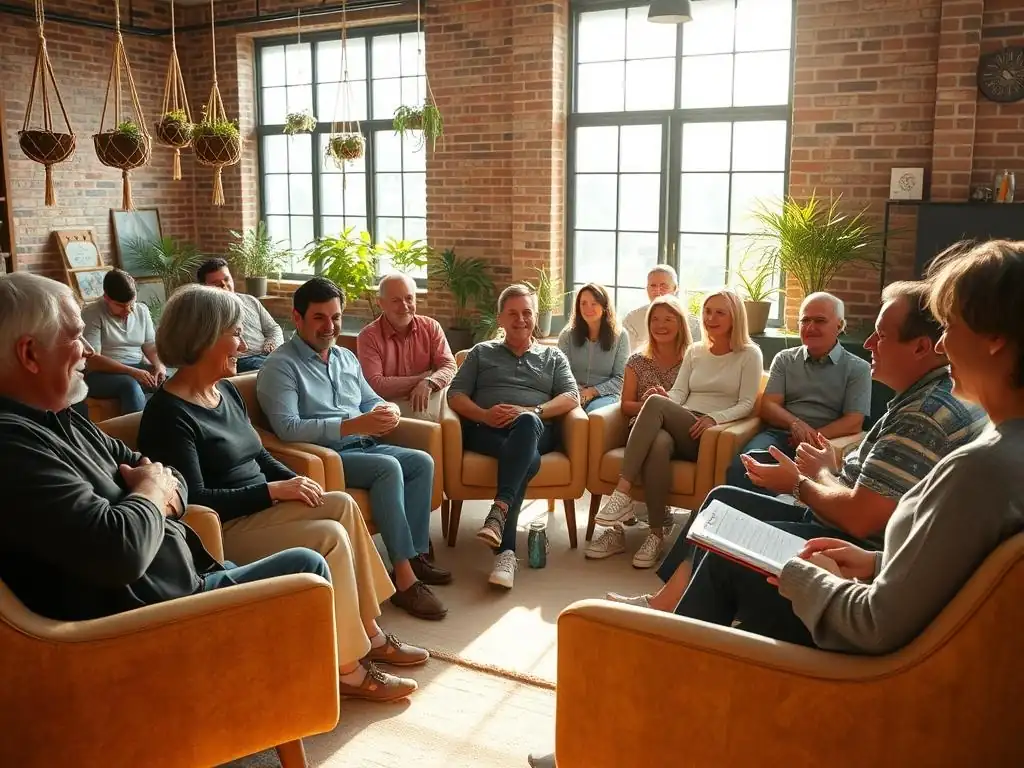
Welcome to Mind Care Guide, a sanctuary for your mental well-being.
Are you feeling isolated or overwhelmed on your journey to mental wellness? You're not alone. Discover how finding community supports mental wellness and can be a powerful catalyst for healing and growth. Explore our guide within the Family & Relationships category and unlock the transformative power of connection. Let's embark on this journey together!
Finding Your Tribe: Tapping Into Community Support for Mental Wellness
- Introduction: The Power of Community for Mental Well-being
- Identifying Your Needs: What Kind of Community Do You Seek?
- Where to Look: Exploring Avenues for Finding Community
- Overcoming Barriers: Addressing Challenges in Finding Your Tribe
- Building Meaningful Connections: Nurturing Relationships Within Your Community
- Maintaining Your Community: Sustaining Support for Long-Term Wellness
- The Long-Term Benefits of Community Support for Mental Wellness
- Conclusion: Embracing Community for a Healthier Mind
-
Frequently Asked Questions
- What does "Finding Your Tribe" mean in the context of mental wellness?
- How can community support specifically contribute to improved mental health?
- What are some examples of community supports that promote mental wellness?
- How do I find community supports that align with my specific mental health needs?
- What if I feel anxious or hesitant about joining a community support group?
- Final Reflection: The Enduring Power of Connection
- Unlock Your Support System: Find Your Tribe Today!
Introduction: The Power of Community for Mental Well-being
Human beings are inherently social creatures; our brains are wired for connection. This fundamental need for social interaction plays a critical role in our overall well-being, particularly our mental health. When we experience strong social bonds, our bodies release neurochemicals like oxytocin, often called the "bonding hormone," which can reduce stress and promote feelings of trust and calmness.
Conversely, a lack of social connection or feeling isolated can have detrimental effects, increasing the risk of mental health challenges such as depression and anxiety. Research consistently shows that social isolation is a significant risk factor for various health issues, comparable in impact to smoking or obesity.
The quality of our social connections matters just as much as the quantity. Meaningful relationships provide a buffer against life's stressors. They offer emotional support during difficult times, provide different perspectives on challenges, and reinforce a sense of self-worth and belonging. When individuals feel unseen or unheard, it can exacerbate feelings of loneliness and hopelessness. Building and maintaining a supportive social network is not just a pleasant addition to life; it is a vital component of a robust mental health strategy, contributing significantly to resilience and emotional stability.
Why Finding Community Supports Mental Wellness: A Deep Dive
Finding community supports mental wellness by providing a sense of belonging that counters feelings of isolation. When you are part of a community, whether it's a small support group or a large online forum, you are reminded that you are not alone in your struggles or experiences.
This shared understanding can alleviate feelings of shame or stigma often associated with mental health issues. For instance, someone navigating depression might find immense relief and validation in connecting with others who truly grasp the daily effort required to manage the condition, something friends or family without similar experiences might not fully comprehend.
Furthermore, finding community supports mental wellness by offering practical support and shared wisdom. Members can exchange coping strategies, recommend helpful resources (like therapists or books), and provide encouragement based on their own journeys. This collective knowledge pool can be incredibly empowering. In many cases, communities centered around specific challenges, like chronic illness or grief, provide specialized insights that are hard to find elsewhere. The act of contributing to others within the community, even just by listening, can also boost self-esteem and create a sense of purpose, further reinforcing mental well-being.
Identifying Your Needs: What Kind of Community Do You Seek?
Before embarking on the journey of finding community supports mental wellness, take a moment to evaluate your existing social landscape. Consider the people currently in your life: family, friends, colleagues, acquaintances. Ask yourself: Who do I feel comfortable talking to about personal matters? Who offers practical help when needed?
Who do I share common interests with? Are there areas where your current support feels lacking? Perhaps you have friends for fun but no one you feel safe discussing your mental health with, or maybe your family lives far away. Identifying these gaps is crucial to understanding what you are truly seeking in a new community.
Think about the types of support you need most right now. Is it emotional validation? Practical advice for managing a specific condition? Simply feeling less alone? Do you thrive in one-on-one interactions, or do you feel more comfortable in group settings?
Reflecting on these questions helps clarify your objectives. For example, if you need empathy and understanding for a specific mental health challenge, a peer support group might be ideal. If you are seeking connection through shared activities and a sense of fun, a hobby-based group might be a better fit. This self-assessment is the first step in finding community supports mental wellness in a way that is tailored to you.
Defining Your Ideal Community: Values, Interests, and Goals
Once you've assessed your current support, it's time to envision the community that would best nurture your mental wellness. What values are important to you in a group setting? Do you prioritize honesty, empathy, humor, or perhaps a focus on action and solutions? Look for communities whose core principles resonate with your own. This alignment in values fosters trust and makes it easier to build genuine connections, which is key to finding community supports mental wellness effectively.
Consider your interests and goals. Connecting with others over shared passions, whether it's hiking, reading, painting, or gaming, provides a natural foundation for rapport. These shared activities offer opportunities for low-pressure social interaction and can reduce feelings of self-consciousness. Furthermore, think about your goals for joining a community. Are you hoping to learn new coping skills, advocate for a cause, simply make new friends, or find a safe space to share your experiences? Clearly defining these goals will help you narrow down your search and identify groups that are most likely to meet your needs.
Recognizing the Different Types of Community Support Available
The concept of "community" is broad and encompasses many forms, each offering unique types of support. Understanding these varieties helps in finding community supports mental wellness in the most effective way for your situation. There are formal support groups, often facilitated by mental health professionals or trained peers, which focus specifically on sharing experiences related to mental health conditions like depression, anxiety, or addiction. These groups provide a structured environment for emotional support and skill-building.
Beyond formal groups, there are communities centered around shared identities (e.g., LGBTQ+ groups, cultural associations), shared experiences (e.g., grief support, chronic illness forums), shared activities (e.g., sports leagues, book clubs), and even shared locations (e.g., neighborhood associations, local volunteer groups). Online communities offer accessibility and anonymity, while in-person groups provide face-to-face interaction. Workplace communities, through Employee Resource Groups (ERGs) or informal connections, can also provide valuable support. Each type offers a different blend of emotional, practical, and social support, and exploring these options is vital for finding community supports mental wellness.
Where to Look: Exploring Avenues for Finding Community
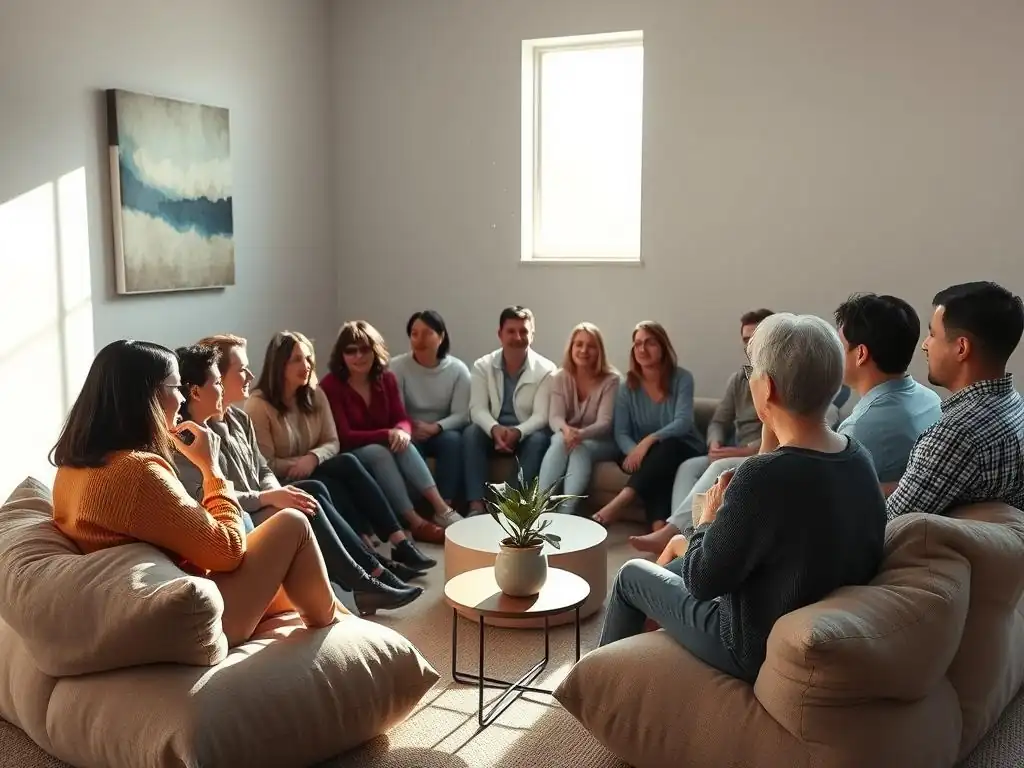
Online Communities: Connecting Virtually for Mental Wellness
In today's digital age, online communities offer a powerful avenue for connection, especially for those facing geographical barriers, social anxiety, or specific niche interests. Platforms like Reddit, Facebook Groups, and specialized forums host countless communities dedicated to mental health topics, specific conditions, or shared life experiences. These digital spaces allow individuals to connect from anywhere, at any time, providing a flexible way to seek and offer support. The anonymity offered by some platforms can also lower the barrier to entry for individuals who feel hesitant to share their experiences in person.
Finding community supports mental wellness through online platforms requires some careful navigation. Look for communities with clear guidelines, active moderation, and a focus on support and respect. While the accessibility is a major benefit, it's also important to be mindful of potential downsides, such as encountering negativity, misinformation, or online harassment. Establishing boundaries for your online engagement is crucial to ensure that these connections are genuinely supportive and do not become a source of stress.
Finding Niche Online Forums and Groups Focused on Mental Health
The internet excels at connecting people with very specific shared experiences. If you are dealing with a less common mental health challenge, a specific phobia, or perhaps the experience of caring for someone with a particular condition, niche online forums and groups can be invaluable. Websites like the National Alliance on Mental Illness (NAMI) or Depression and Bipolar Support Alliance (DBSA) often host online forums or direct you to reputable online communities. Searching for "[Your specific condition] online support group" on platforms like Facebook or Reddit can yield relevant results.
These niche communities often provide a level of understanding and specific, lived experience-based advice that general forums might lack. Members can discuss symptoms, treatment experiences, and daily coping strategies with others who truly "get it." This specialized connection significantly contributes to finding community supports mental wellness for individuals with unique needs. It's important to vet these groups, perhaps by reading posts for a while before participating, to ensure the tone is supportive and the information shared seems reliable and respectful.
The Benefits and Risks of Online Community Engagement
The benefits of engaging with online communities for mental wellness are numerous. They offer accessibility 24/7, allowing support whenever it's needed. For individuals with mobility issues or social anxiety, they provide a way to connect without leaving home. They can also expose you to a wider range of perspectives and experiences than might be available locally. The ability to share anonymously can empower individuals to open up more freely about sensitive topics, which is a significant factor in finding community supports mental wellness for many.
However, there are also risks. Online interactions lack the non-verbal cues present in face-to-face communication, which can sometimes lead to misunderstandings. Misinformation about treatments or conditions can spread rapidly. Exposure to triggering content or negative interactions is a possibility. It's crucial to maintain a critical perspective, cross-reference information, and remember that online support should complement, not replace, professional mental health care. Setting time limits for engagement and taking breaks when needed are also healthy practices.
Local Groups and Organizations: Building In-Person Connections
While online communities offer convenience, in-person connections provide a different depth of interaction. Local groups and organizations dedicated to mental health or shared interests offer opportunities for face-to-face support, shared activities, and building relationships grounded in physical presence. These connections can feel more tangible and can sometimes lead to deeper friendships. Finding community supports mental wellness through local engagement often involves stepping outside your comfort zone, but the rewards in terms of genuine connection can be substantial.
Exploring local options might involve searching online directories for mental health services in your area, checking community center bulletin boards, or asking your therapist or doctor for recommendations. Organizations like NAMI or Mental Health America (MHA) often have local chapters that host support groups and events. Libraries, community colleges, and local non-profits are also great resources for finding hobby groups, volunteer opportunities, or classes that can lead to new connections.
Mental Health Support Groups: A Safe Space for Sharing and Healing
Mental health support groups, whether peer-led or professionally facilitated, are specifically designed to provide a safe and confidential space for individuals to share their experiences with mental health challenges. Groups exist for a wide range of conditions, including depression, anxiety, bipolar disorder, schizophrenia, and addiction recovery (like Alcoholics Anonymous or Narcotics Anonymous). These groups operate on principles of empathy, respect, and shared understanding.
In these settings, participants can speak openly about their struggles without fear of judgment, gain insights from others who have walked a similar path, and learn practical coping strategies. The structure often involves sharing time, focused discussions on specific topics, or educational components. Finding community supports mental wellness is profoundly evident in these groups, as the shared vulnerability fosters deep bonds and reduces the isolation that mental illness can create. Many participants report feeling truly understood for the first time in these settings.
Volunteering: Contributing to Your Community and Boosting Your Well-being
Volunteering is a powerful way to find community while simultaneously enhancing your own mental well-being. Engaging in service to others shifts focus outward, which can be incredibly beneficial for individuals struggling with introspection or negative thought patterns. Whether you volunteer at an animal shelter, a food bank, a hospital, or a community garden, you are likely to meet like-minded individuals who share a passion for contributing to a cause.
The act of volunteering itself provides a sense of purpose and accomplishment, which are vital components of good mental health. Working alongside others towards a common goal naturally fosters camaraderie and teamwork, creating organic opportunities for connection. This method of finding community supports mental wellness by combining social interaction with meaningful activity, offering a double benefit. It's a way to build relationships based on shared values and action, rather than solely on shared problems.
Hobby Groups and Clubs: Connecting Through Shared Interests
Joining a hobby group or club is a less formal but highly effective way to find community. Activities like joining a book club, a hiking group, a photography club, a crafting circle, or a local sports team provide a relaxed environment for social interaction centered around a common interest. The focus is on the activity itself, which can reduce pressure on social performance and make it easier to connect with others naturally.
These groups offer opportunities to spend time with others who share your passions, leading to enjoyable interactions and potential friendships. Shared interests provide an easy conversation starter and a regular reason to gather. Finding community supports mental wellness through hobbies allows you to build connections in a positive, often uplifting context, reinforcing the idea that social connection can be fun and enriching, not just about addressing challenges.
Workplace Communities: Fostering Positive Relationships at Work
The workplace is where many adults spend a significant portion of their time, making it a potential source of community. Positive relationships with colleagues can significantly impact job satisfaction and overall mental well-being. While workplace relationships are often different from personal friendships, they can still provide valuable support, camaraderie, and a sense of belonging during the workday.
Building a supportive workplace community involves more than just casual chat. It means fostering mutual respect, offering help to colleagues, celebrating successes together, and creating an environment where people feel comfortable being themselves. Companies that prioritize mental health often support initiatives that encourage connection among employees, recognizing that a positive work environment is crucial for productivity and well-being.
Employee Resource Groups (ERGs) for Mental Health Awareness
Many larger organizations now have Employee Resource Groups (ERGs), which are voluntary, employee-led groups that foster a diverse, inclusive workplace. Increasingly, companies are forming ERGs focused on mental health and well-being. These groups provide a platform for employees to share experiences, advocate for mental health resources within the company, and offer peer support.
Participation in a mental health ERG can provide a sense of solidarity and understanding among colleagues who may be facing similar challenges or who are passionate about reducing mental health stigma in the workplace. These groups often organize events, workshops, and awareness campaigns, creating a supportive sub-community within the larger organization. Finding community supports mental wellness through ERGs allows individuals to connect with others who understand the unique pressures of their professional lives.
Building Connections with Colleagues Beyond Work
While professional boundaries are important, building genuine connections with colleagues can extend beyond the confines of work tasks. Participating in office social events, joining a company sports team, or even just taking time for casual conversations during breaks can help foster rapport. These informal interactions lay the groundwork for more supportive relationships.
Sometimes, workplace connections evolve into friendships outside of work, providing an additional layer of social support. Sharing a coffee, grabbing lunch together, or bonding over non-work interests can strengthen these relationships. While it's essential to navigate workplace dynamics carefully, cultivating positive relationships with colleagues contributes to a more positive work environment and overall mental well-being, demonstrating how finding community supports mental wellness even in professional settings.
Overcoming Barriers: Addressing Challenges in Finding Your Tribe
For many, the idea of seeking out and joining a new community is daunting, especially when dealing with social anxiety or self-doubt. The fear of judgment, rejection, or not knowing what to say can be paralyzing. It's important to acknowledge these feelings empathetically and approach the process with self-compassion. Recognize that these fears are common and do not reflect your worthiness of connection.
Start small. Instead of attending a large gathering, try a one-on-one coffee meeting with someone from a group you're interested in. Choose activities that have a clear structure, like a class or a volunteer shift, where the focus is on the activity rather than solely on social interaction.
Practice simple social skills like making eye contact and active listening. Consider working with a therapist who specializes in social anxiety; cognitive behavioral therapy (CBT) can provide effective strategies for challenging negative thought patterns and gradually exposing yourself to social situations in a manageable way. Remember that finding community supports mental wellness is a process, and taking small steps is perfectly okay.
Time Constraints and Busy Schedules: Making Time for Community
In our fast-paced lives, finding time for social connection can feel like another item on an already overwhelming to-do list. However, prioritizing community is an investment in your well-being, not a luxury. Just as you schedule appointments for physical health, make conscious efforts to schedule time for social interaction. Even small pockets of time can make a difference.
Look for communities that fit into your existing schedule or offer flexibility. Online communities are accessible anytime. Consider groups that meet less frequently, perhaps monthly rather than weekly. Integrate social connection into activities you already do; for example, find a walking group instead of walking alone, or join a book club instead of reading in isolation. Multitasking isn't always possible with social connection, but finding community supports mental wellness requires making it a priority, even if it means saying no to other commitments. Small, consistent efforts are often more sustainable than trying to fit in large, infrequent social events.
Geographic Limitations: Finding Support in Rural or Remote Areas
Living in a rural or remote area can present unique challenges to finding in-person community. Access to local support groups or hobby clubs may be limited, and distances between people can be significant. However, geographical location does not have to be an insurmountable barrier to finding community supports mental wellness.
Leverage online communities as a primary resource. Explore virtual support groups, online forums related to your interests, and social media groups focused on specific topics or conditions. Look for regional online groups that connect people within a wider geographical area, which might facilitate occasional in-person meetups. Consider starting your own small, local group if there's a need; putting up a notice at a community center or library could connect you with others nearby seeking similar connections. Sometimes, finding community supports mental wellness in areas with limited resources requires creativity and initiative.
Building Meaningful Connections: Nurturing Relationships Within Your Community
Active Listening and Empathy: Keys to Stronger Bonds
Joining a community is just the first step; building meaningful connections within it requires effort and intention. Active listening and empathy are foundational skills for fostering strong bonds. Active listening involves fully concentrating on, understanding, responding to, and remembering what is being said. It means putting away distractions, paying attention to non-verbal cues, and reflecting back what you've heard to ensure understanding.
Empathy is the ability to understand and share the feelings of another. It's about putting yourself in someone else's shoes and responding with compassion and understanding, rather than judgment or attempts to "fix" their problems. When you listen actively and respond empathetically, you show others that you value them and their experiences, which encourages them to open up and trust you. These skills are essential for finding community supports mental wellness, as they enable the deep, supportive interactions that make a community truly beneficial.
Building meaningful connections also requires a willingness to be vulnerable and authentic. While you don't need to share everything with everyone immediately, gradually opening up about your own experiences, feelings, and challenges allows others to connect with you on a deeper level. Sharing your story, when you feel ready and safe, can be incredibly powerful.
Authenticity means being true to yourself and expressing your thoughts and feelings honestly, while also being mindful of the group's dynamics and purpose. When you share authentically, you give others permission to do the same, creating a space of mutual trust and understanding. This reciprocal sharing is vital for finding community supports mental wellness, as it builds the foundation for genuine support and validation among members.
Setting Boundaries and Protecting Your Mental Health Within Group Settings
While community support is beneficial, it's also important to maintain healthy boundaries within any group setting. Being part of a community should enhance your mental health, not drain it. This means recognizing your own limits and knowing when to say no. For example, you might set boundaries around how much time you spend engaging, what topics you are willing to discuss, or how much emotional energy you can expend on a given day.
It's also crucial to protect yourself from negativity or potentially harmful dynamics within a group. If a community consistently leaves you feeling worse, is overly focused on complaining without seeking solutions, or involves unhealthy interactions, it might not be the right fit for you. Setting boundaries can involve limiting contact with certain individuals, taking breaks from the group, or even deciding that a particular community is not serving your needs and seeking a different one. Finding community supports mental wellness most effectively when you are mindful of your own needs within the group context.
Maintaining Your Community: Sustaining Support for Long-Term Wellness
Regular Engagement: Staying Connected and Involved
Finding community supports mental wellness not as a one-time event, but as an ongoing practice. Sustaining the benefits of community requires regular engagement. This doesn't necessarily mean attending every single meeting or event, but making an effort to stay connected consistently. Regular participation reinforces your sense of belonging and keeps you informed about what's happening within the group.
Consistency allows relationships to deepen over time. Show up for others when you can, participate in discussions, or simply check in with members periodically. Even small acts of engagement, like commenting on an online post or sending a quick message to a group member, help maintain connections. Prioritizing regular interaction, even during busy periods, is key to ensuring your community remains a reliable source of support for long-term wellness.
Contributing to the Community: Giving Back and Strengthening Bonds
A healthy community is one where members not only receive support but also contribute to the well-being of others. Finding community supports mental wellness is enhanced when you actively participate in supporting others within the group. This could involve sharing your own insights, offering encouragement, volunteering to help organize activities, or simply being a good listener.
Contributing to the community fosters a sense of reciprocity and strengthens the bonds between members. It reinforces the idea that you are a valued part of the group and that your experiences and perspectives matter. Helping others can also boost your own self-esteem and sense of purpose, creating a positive feedback loop that benefits everyone involved.
Seeking Professional Help Alongside Community Support
While finding community supports mental wellness significantly, it is important to remember that community support is not a substitute for professional mental health care. Therapists, counselors, psychiatrists, and other mental health professionals provide diagnosis, treatment, and evidence-based strategies for managing mental health conditions.
Community can offer invaluable peer support, understanding, and practical tips, but professionals offer clinical expertise. The most effective approach to mental wellness often involves integrating both. Your community can be a place to process insights gained in therapy, practice skills learned from a counselor, and find encouragement to stick with a treatment plan. Similarly, your therapist can help you navigate group dynamics and make the most of your community connections. View community support and professional help as complementary pillars supporting your overall well-being.
The Long-Term Benefits of Community Support for Mental Wellness
Increased Resilience and Reduced Stress
One of the most significant long-term benefits of finding community supports mental wellness is the increase in resilience. A strong social network acts as a buffer against stress and adversity. When faced with challenges, having people to lean on, talk to, and receive support from helps individuals cope more effectively. Knowing you don't have to face difficulties alone makes them feel less overwhelming.
Studies have shown that individuals with robust social support systems experience lower levels of stress hormones and are less susceptible to the negative physical and mental health impacts of chronic stress. The shared experience within a community normalizes struggles and provides collective strength, making individuals better equipped to bounce back from setbacks. This enhanced ability to navigate life's inevitable difficulties is a cornerstone of long-term mental wellness.
Improved Mood and Overall Well-being
Consistent engagement in a supportive community can lead to noticeable improvements in mood and overall well-being. Regular positive social interactions combat feelings of loneliness and isolation, which are major contributors to depression and anxiety. Being part of a group that shares laughter, offers encouragement, and celebrates successes provides regular boosts to mood.
The sense of belonging and acceptance found in a supportive community validates an individual's worth and identity, contributing to higher self-esteem. Participating in shared activities, whether recreational or therapeutic, can also provide enjoyment and distraction from negative thoughts. Over time, this consistent positive engagement fosters a more optimistic outlook and a greater sense of life satisfaction, demonstrating how finding community supports mental wellness on a daily basis.
A Sense of Belonging and Purpose
At its core, finding community supports mental wellness by fulfilling the fundamental human need for belonging. Feeling connected to others, feeling accepted for who you are, and feeling like you are part of something larger than yourself are powerful antidotes to feelings of emptiness or alienation. A strong sense of belonging provides a stable foundation upon which to build a healthy mental life.
Furthermore, many communities, whether formal support groups or informal interest groups, provide opportunities for members to contribute and support one another. This can instill a strong sense of purpose. Knowing that your presence, your story, or your skills are valuable to others gives life meaning and direction. This combination of belonging and purpose is profoundly protective for mental health and contributes significantly to long-term well-being.
Conclusion: Embracing Community for a Healthier Mind
Throughout this exploration, the central theme remains clear: social connection is not merely beneficial, but essential for mental health. Finding community supports mental wellness by providing crucial emotional support, practical assistance, shared understanding, and a vital sense of belonging. In a world that can sometimes feel isolating, intentionally building and nurturing connections is a powerful act of self-care.
Whether online or in person, formal or informal, the right community can offer a safe harbor, a source of strength, and a place where you feel truly seen and valued. Overcoming barriers like anxiety or time constraints is a worthwhile investment in your long-term well-being. The effort involved in seeking out and engaging with others who share your journey or your interests yields dividends in increased resilience, improved mood, and a profound sense of purpose.
Encouraging Readers to Take Action and Find Their Tribe
Now that you understand the profound impact of community on mental wellness, the next step is action. Begin by assessing your current needs and identifying the types of communities that resonate with you. Explore the various avenues available, from online forums and local support groups to hobby clubs and workplace initiatives. Don't be discouraged if the first attempt isn't the perfect fit; finding your tribe can take time and exploration.
- Start small: Attend one meeting or join one online group.
- Be open: Share a little about yourself when you feel comfortable.
- Listen actively: Engage with others' stories and offer empathy.
- Be patient: Building meaningful connections takes time.
- Prioritize it: Schedule time for community engagement.
- Seek help if needed: Remember community complements professional support.
Finding community supports mental wellness in ways that can transform your life. Take that first step today towards building the connections that will support your journey to a healthier, more connected mind.
Frequently Asked Questions
What does "Finding Your Tribe" mean in the context of mental wellness?
"Finding Your Tribe" refers to connecting with others who share similar experiences, values, or interests, creating a supportive community crucial for mental well-being.
How can community support specifically contribute to improved mental health?
Community support provides a sense of belonging, reduces feelings of isolation, and offers emotional validation, all of which are vital for mental health.
What are some examples of community supports that promote mental wellness?
Examples include support groups, online forums, local community centers, and even shared-interest clubs focusing on activities like hiking or crafting.
How do I find community supports that align with my specific mental health needs?
Start by identifying your needs and interests. Then, research local and online organizations offering mental health resources and support networks that cater to those needs.
What if I feel anxious or hesitant about joining a community support group?
It's normal to feel hesitant. Start by observing a meeting or contacting the group leader beforehand. Remember, the goal is to find a safe and supportive space.
Final Reflection: The Enduring Power of Connection
The urgent need for accessible mental wellness support is undeniable, and finding your tribe—a supportive community—is no longer a luxury, but a vital component of self-care. The isolation fostered by modern life often exacerbates mental health challenges, making the proactive search for connection a crucial act of self-preservation. This article has explored various avenues for building supportive communities, highlighting the power of shared experience and mutual understanding in navigating the complexities of mental well-being.
The impact of community on mental health is profound and far-reaching, shaping not only individual well-being but also the very fabric of our society. We see this reflected in the growing number of support groups, online forums, and community initiatives dedicated to mental wellness. The shared vulnerability and empathy found within these spaces offer a powerful antidote to the pervasive sense of loneliness and isolation. As the poet Mary Oliver so eloquently stated: Tell me, what is it you plan to do with your one wild and precious life?
Finding your tribe is, in essence, a crucial step in answering that question, enriching our lives and empowering us to live more fully.
Now, consider your own life. Where do you find connection? Are there communities you could engage with more deeply? Perhaps it's time to reach out to a support group, join a local club aligned with your interests, or simply nurture existing relationships. Remember, building a supportive community is an ongoing process, a journey of connection and growth. Embrace the power of shared experience, offer your support to others, and allow yourself to be nurtured by the strength and resilience of your tribe. Your mental well-being depends on it.
Unlock Your Support System: Find Your Tribe Today!
Thanks for taking the time to explore the power of community in supporting your mental wellness. We hope you gained valuable insights into building a strong support network. Now it's time to take action!
- Prioritize connecting with one person: Reach out to someone you trust – a friend, family member, or colleague – and schedule a time to connect this week. Share what you've learned about the importance of community support.
- Explore local support groups: Check online for groups related to your interests or challenges. Many offer both in-person and virtual meeting options.
- Share this article with someone who might benefit from it! Help spread the word about the importance of mental wellness and community support.
Ready to build your tribe and enhance your mental wellbeing? What’s one small step you can take today to connect with others?