
Your Daily Emotional Checkin: Find the App That Makes It Easy


Welcome to Mind Care Guide, your sanctuary for navigating the complexities of mental well-being.
Feeling overwhelmed by your emotions? You're not alone. Taking the first step towards understanding your feelings can be transformative. In this article, we delve into the world of mental wellness apps, focusing specifically on finding the easy daily emotional tracking app that perfectly fits your needs. Discover how simple daily check-ins can unlock a deeper understanding of your emotional landscape and pave the way for a healthier, happier you. Let's explore the possibilities together...
Your Daily Emotional Checkin: Find the App That Makes It Easy
- Why an Easy Daily Emotional Tracking App is Crucial for Mental Wellbeing
- Finding the Right Easy Daily Emotional Tracking App for You: A Comprehensive Guide
- Top Easy Daily Emotional Tracking Apps: Our Recommendations for 2024
- Comparing the Best Easy Daily Emotional Tracking Apps: Which One Suits You?
- Maximizing Your Emotional Wellbeing with Your Chosen App
- Beyond the App: Supporting Your Emotional Wellbeing
- Conclusion: Embrace the Power of Easy Daily Emotional Tracking for a Healthier Mind.
-
Frequently Asked Questions
- What is an easy daily emotional tracking app, and why should I use one?
- How can an easy daily emotional tracking app improve my mental well-being?
- What features should I look for in an easy daily emotional tracking app?
- Is an easy daily emotional tracking app a substitute for professional mental health care?
- How often should I use an easy daily emotional tracking app to see results?
- Final Reflection: Cultivating Emotional Wellness in the Digital Age
- Unlock Your Emotional Wellbeing: Start Your Journey Today!
Why an Easy Daily Emotional Tracking App is Crucial for Mental Wellbeing
Understanding the Power of Mood Tracking: More Than Just Logging Feelings
Tracking your moods goes far beyond simply noting if you feel "happy" or "sad" on a given day. It's a powerful practice that provides a structured way to observe your internal state consistently. Think of it as collecting data points on your emotional landscape.
Over time, these data points reveal patterns, trends, and correlations between your feelings and daily events, activities, or even physical sensations. This systemic approach transforms abstract feelings into tangible information you can analyze and understand. It shifts mood from something fleeting and unpredictable to something observable and manageable, laying the groundwork for greater self-awareness and proactive mental care.
This consistent logging, even for just a few moments each day, helps demystify emotional fluctuations. For instance, you might notice a recurring dip in mood every Tuesday afternoon, which upon reflection, you connect to a particularly draining weekly meeting. Or perhaps you see a consistent uplift on days you spend time outdoors. Without a record, these connections often remain subconscious or are dismissed as random occurrences. An easy daily emotional tracking app simplifies this process, making the act of recording quick and intuitive, thus encouraging the regularity needed to build a meaningful dataset about your unique emotional responses.
Benefits of Consistent Emotional Check-ins: Reducing Stress and Improving Self-Awareness
Engaging in regular emotional check-ins with an easy daily emotional tracking app offers significant benefits for managing stress and enhancing self-awareness. By externalizing your feelings, you gain perspective, which can immediately reduce the intensity of overwhelming emotions. When you can label and record a feeling, it often feels less daunting than an undefined internal turmoil. This simple act provides a moment of pause and reflection in a busy day, acting as a mini-mindfulness exercise that grounds you in the present moment and your current emotional state.
Furthermore, the cumulative data from consistent tracking allows you to identify triggers – specific situations, people, or times of day that reliably influence your mood positively or negatively. Recognizing these patterns is a critical step in developing coping strategies. For example, if your tracking shows that social interactions consistently lead to anxiety, you can begin exploring techniques to manage social situations or set healthier boundaries.
Conversely, identifying activities that boost your mood allows you to intentionally incorporate more of them into your routine. This data-driven self-awareness empowers you to make informed choices that proactively support your mental well-being, potentially reducing the frequency and intensity of stressful or negative emotional experiences over time.
Finding the Right Easy Daily Emotional Tracking App for You: A Comprehensive Guide
Key Features to Look for in a Simple Mood Tracking App
When seeking an easy daily emotional tracking app, the features should prioritize simplicity without sacrificing effectiveness. The goal is to integrate this tool seamlessly into your routine, not to add another layer of complexity. Look for apps that make the process of logging your mood quick – ideally just a few taps or a simple input method. The interface should be clean and uncluttered, guiding you directly to the logging function without distractions. This focus on ease of use is paramount for maintaining consistency, especially on days when you might feel overwhelmed or low on energy.
Beyond the core logging function, consider how the app helps you interpret your data. While detailed analytics aren't necessary for an easy app, some form of visualization, like simple charts or graphs showing mood trends over a week or month, can be incredibly insightful.
The ability to add context – a brief note about what happened, who you were with, or what you were doing – is also valuable, even if it's just a quick tag. The ideal easy daily emotional tracking app strikes a balance: simple input for daily use, combined with just enough analytical power to help you understand the story your moods are telling over time.
User-Friendly Interface: Navigation and Ease of Use
An app's user interface is arguably the most critical factor in determining if it qualifies as an easy daily emotional tracking app. If the app is confusing to navigate or requires too many steps to log a simple entry, you're less likely to use it consistently. Look for intuitive design where the main function (logging your mood) is immediately accessible from the home screen. Icons should be clear, buttons responsive, and the overall flow logical. Testing the app for a day or two is the best way to gauge its ease of use in practice.
Consider how the app handles input. Does it use sliders, color-coded buttons, or descriptive words? The method that feels most natural and quickest to you is the right choice. Some apps allow logging directly from a notification, which is the pinnacle of convenience for an easy daily emotional tracking app. The less friction there is between deciding to log your mood and actually doing it, the higher the chance you'll make it a daily habit.
Customizable Mood Tracking: Tailoring to Your Specific Needs
While simplicity is key, the best easy daily emotional tracking apps also offer a degree of customization to fit your personal experience. This might involve allowing you to define your own mood states beyond basic categories (e.g., adding "frustrated," "content," or "hopeful"). The ability to add custom tags for activities, triggers, or symptoms (like "headache," "slept poorly," "exercised") provides richer data for analysis later on. Even a simple app should allow you to tailor the context you add to your mood entries.
This level of personalization ensures that the data you collect is truly relevant to your life and challenges. If you're tracking anxiety, being able to tag entries with specific situations like "public speaking" or "meeting deadline" is much more useful than just logging "anxious." An easy daily emotional tracking app that allows for this tailored input makes the data analysis phase more insightful and actionable, helping you connect the dots between your feelings and specific life events or circumstances.
Data Visualization: Understanding Your Emotional Patterns
Seeing your moods represented visually can be incredibly enlightening and motivating. An effective easy daily emotional tracking app doesn't just store your data; it presents it in a way that helps you understand trends. Look for features like simple line graphs showing mood changes over time, pie charts illustrating the frequency of different moods, or heatmaps indicating mood patterns by time of day or day of the week. These visualizations make the abstract concept of emotional patterns concrete and easy to grasp at a glance.
The best visualizations are clear and easy to interpret without needing a statistics degree. They should highlight key trends, such as periods of low mood, consistent positive days, or correlation with logged activities. Understanding these patterns through visual data helps you identify potential triggers or reinforcing activities, empowering you to make informed decisions about your lifestyle and seek support if persistent negative patterns emerge. It transforms raw data into actionable insights for improving your mental well-being.
Reminders and Notifications: Staying Consistent with Your Daily Check-ins
Consistency is fundamental to effective mood tracking, and an easy daily emotional tracking app should actively support this. Reliable and customizable reminders are a crucial feature. The ability to set reminders for specific times of the day ensures that logging becomes a regular part of your routine, much like brushing your teeth or taking medication. Look for apps that allow multiple reminders throughout the day if you wish, or reminders triggered by location (though location features might impact privacy considerations).
The notification itself should be simple and actionable, ideally allowing you to log your mood directly from the notification shade without even opening the app fully. This minimizes the effort required and reduces the likelihood of skipping a check-in. An easy daily emotional tracking app that gently prompts you at your chosen times significantly increases adherence, helping you build a comprehensive and reliable dataset of your emotional life over time.
Top Easy Daily Emotional Tracking Apps: Our Recommendations for 2024
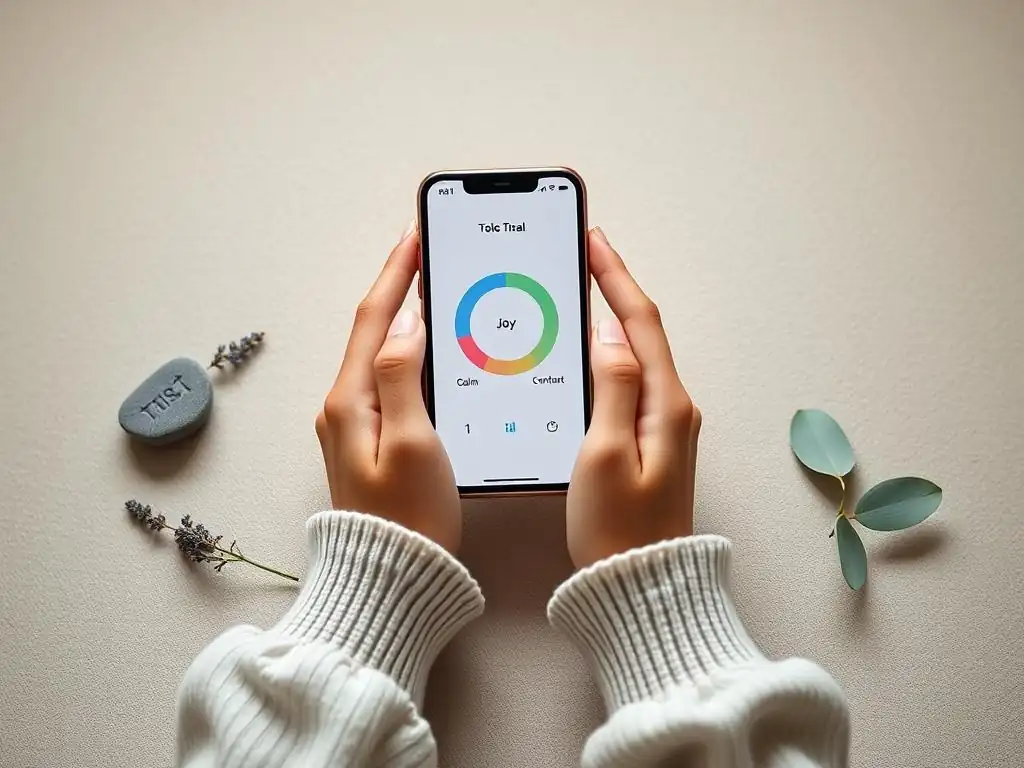
Option 1: Reflectly - Your AI-Powered Journal for Emotional Growth
Reflectly positions itself as an AI-powered personal journal designed to help users reflect on their thoughts and feelings. It encourages a deeper dive into emotional experiences by prompting users with questions and providing personalized insights based on their entries. While it serves as a journal, its core functionality revolves around tracking mood and understanding the factors influencing it, making it a strong contender for an easy daily emotional tracking app for those who appreciate guided reflection.
The app aims to make journaling less intimidating by providing structure and prompts, guiding users toward understanding the root causes of their feelings. It leverages artificial intelligence to analyze journal entries and mood logs, offering summaries and insights that users might not identify on their own. This blend of guided journaling and AI analysis distinguishes it from simpler logging tools and focuses on fostering emotional growth and self-discovery.
Features of Reflectly: Personalized Insights and Guided Meditations
Reflectly's feature set is centered around making reflection accessible. It offers daily prompts that encourage users to write about their day and feelings, moving beyond just a simple mood rating. The AI analyzes the user's entries and the context provided, generating personalized insights about their emotional patterns, common triggers, and positive influences. This feedback loop helps users connect their daily experiences to their overall emotional state.
In addition to journaling, Reflectly includes guided meditations and breathing exercises designed to complement the reflective process and support overall mental well-being. It also provides statistics on mood trends, showing users how their feelings fluctuate over time and correlating them with logged activities or topics discussed in their journal entries. The app emphasizes positive psychology, often prompting users to focus on gratitude and positive experiences alongside challenging ones.
Pricing and Subscription: Is Reflectly Worth It? (Affiliate Link Mention)
Reflectly operates on a freemium model. A basic version is available for free, allowing users to log moods and access some core journaling features. However, to unlock the full suite of features, including personalized AI insights, unlimited journaling, advanced statistics, and access to all guided exercises, a premium subscription is required. Pricing varies but typically falls in a range comparable to other subscription-based wellness apps, perhaps around $10-$15 per month or a discounted annual rate. (Note: Specific pricing is subject to change and is not provided here).
For users who heavily utilize the AI insights and guided content, the subscription can offer significant value. The personalized feedback based on your own data is a powerful tool for self-understanding that goes beyond simple tracking. If you are looking for an easy daily emotional tracking app that also serves as a guided journal and provides analytical feedback, exploring the premium features might be worthwhile after trying the free version. See pricing details [Affiliate Link Mention].
Unique Benefits: Focus on Positive Psychology and Gratitude
One of Reflectly's standout unique benefits is its strong emphasis on positive psychology and gratitude. While it allows you to track negative feelings, the app frequently prompts users to identify positive aspects of their day or things they are grateful for. This encourages a balanced perspective and helps users actively cultivate positive emotions, not just analyze negative ones.
The AI-powered insights also often highlight positive patterns or activities that contribute to well-being, reinforcing healthy behaviors. This focus on strengths and positive experiences, combined with the analytical insights into challenges, provides a holistic approach to emotional tracking and growth. For someone seeking an easy daily emotional tracking app that actively promotes a more positive outlook alongside self-awareness, Reflectly's approach is particularly beneficial.
Option 2: Day One - Simple Journaling with Robust Emotional Tracking
Day One is primarily known as a premium journaling app, celebrated for its beautiful design and robust feature set. While its core identity is journaling, its capabilities for tagging entries, adding location, activity, and weather data, and its calendar view make it a powerful, albeit less explicit, easy daily emotional tracking app for those who prefer a free-form approach to logging their feelings within the context of their day.
Its strength lies in providing a flexible and aesthetically pleasing platform to capture daily life, including emotional states. Users can create entries detailing their feelings and then use tags (like #mood #anxious #happy) to categorize these entries. The ability to search and filter by these tags allows users to retrospectively analyze their emotional history, making it a versatile tool for combining general life logging with focused mood tracking.
Features of Day One: Beautiful Design and Cross-Platform Syncing
Day One boasts an award-winning design that makes the act of journaling a pleasant experience. It supports rich text formatting, embedding photos and videos (though these won't display in this text format), location data, weather information, and integration with activity trackers like step counts. For emotional tracking, the key features are the ability to create entries quickly and the robust tagging system. Users can assign multiple tags to an entry, allowing for detailed categorization of mood, activities, and triggers.
A major advantage of Day One is its seamless cross-platform syncing across iPhone, iPad, Mac, and Android devices, ensuring your journal is accessible and backed up everywhere. It also offers features like end-to-end encryption for privacy, the ability to export journals, and review features like "On This Day" which can sometimes highlight emotional shifts over years. While it doesn't have dedicated mood scales like some apps, the flexibility of free-form entry and tagging makes it adaptable.
Pricing and Subscription: Premium Features for Enhanced Tracking (Affiliate Link Mention)
Day One offers a basic free version that allows for manual entry and basic features. However, its full potential, including unlimited journals, unlimited photos per entry, audio recording, drawing, cross-platform syncing, and integration features (like connecting to health data), requires a premium subscription, known as Day One Premium. The premium subscription typically costs around $3-$5 per month or a discounted annual rate. (Note: Specific pricing is subject to change and is not provided here).
For users who want a beautiful, reliable journaling app that can also function as an easy daily emotional tracking app through flexible tagging and context capture, the Premium subscription is generally considered worthwhile. Its strength is in providing a secure and feature-rich platform for capturing the full context of your day, which inherently includes emotional states. If you are already a journaler or want a tool that combines general life logging with emotional notes, Day One Premium might be a good fit. See pricing details [Affiliate Link Mention].
Unique Benefits: Privacy-Focused and Feature-Rich Journaling
Day One's commitment to user privacy is a significant unique benefit. With optional end-to-end encryption for synced journals, users can feel confident that their most personal thoughts and emotional logs are secure. This focus on privacy is paramount when using an easy daily emotional tracking app to record sensitive personal information.
Beyond privacy, its strength lies in being a deeply feature-rich journaling platform that adapts to various uses. While not solely a mood tracker, its robust tagging, search, and filtering capabilities, combined with the ability to add rich context (photos, location, weather, activity), make it a highly flexible tool for documenting the intricate relationship between your life events and your emotional state. For those who value comprehensive, secure, and beautifully designed digital journaling that includes emotional tracking, Day One stands out.
Option 3: Moodpath - Screen for Depression and Anxiety with Daily Questions
Moodpath is an easy daily emotional tracking app with a specific focus: screening for symptoms of depression and anxiety. Over a 14-day period, the app asks users a series of daily questions about their emotional state, thoughts, and physical well-being. Based on the user's responses, it provides insights and, if indicated, can generate a summary report that can be shared with a mental health professional.
This app is less about free-form expression and more about structured assessment. By asking targeted questions derived from clinical questionnaires, Moodpath helps users identify potential patterns related to common mental health conditions. It serves as a digital assistant for self-monitoring symptoms and gaining a clearer picture of one's mental state over time, making it a practical easy daily emotional tracking app for those concerned about specific mental health challenges.
Features of Moodpath: Clinically Validated Assessments and Personalized Insights
Moodpath's core feature is its daily assessment. Users answer questions designed to screen for symptoms associated with depression and anxiety over a two-week cycle. The questions cover a range of topics, including mood, sleep patterns, energy levels, concentration, and social interaction. After each 14-day period, the app provides a summary of the user's responses and identifies potential areas of concern based on clinical criteria.
The app also offers personalized insights based on the user's logged data, explaining concepts related to mental health and suggesting potential coping strategies or areas for reflection. It can generate a comprehensive PDF report summarizing the user's journey and results, which can be a valuable tool for discussions with therapists or doctors. While the questions are structured, the process is designed to be relatively quick and easy to integrate into a daily routine.
Pricing and Subscription: Access to Therapy Resources (Affiliate Link Mention)
Moodpath offers a free version that includes the core 14-day assessment cycles and basic insights. However, to access the full library of insights, exercises, and resources, as well as potentially longer-term tracking and more detailed analysis, a premium subscription (Moodpath Premium) is required. Pricing details vary, but it typically involves a monthly or annual fee, potentially in a range similar to other health and wellness apps, perhaps around $5-$10 per month. (Note: Specific pricing is subject to change and is not provided here).
The value of the premium subscription lies in the depth of information and resources provided. For someone using the app to better understand potential symptoms of depression or anxiety, the additional insights and access to evidence-based strategies could be highly beneficial. The ability to generate and share a detailed report is also a key feature for those seeking professional help. See pricing details [Affiliate Link Mention].
Unique Benefits: Early Detection of Mental Health Challenges
The most significant unique benefit of Moodpath is its function as a structured screening tool for depression and anxiety. Unlike general mood trackers, it uses clinically informed questions to help users identify potential symptoms they might otherwise overlook. This focus makes it a valuable first step for individuals who are concerned about their mental health but are unsure where to start or how to articulate their experiences.
By providing a structured way to monitor symptoms over time, Moodpath empowers users with data they can use to have more informed conversations with healthcare providers. It serves as a bridge between self-monitoring and seeking professional help, potentially facilitating earlier detection and intervention for mental health challenges. For someone specifically looking for an easy daily emotional tracking app that focuses on symptom monitoring, Moodpath is a highly relevant option.
Option 4: Woebot - Your AI-Powered Therapy Chatbot for Daily Support
Woebot is an AI-powered chatbot designed to provide mental health support using techniques from Cognitive Behavioral Therapy (CBT), Dialectical Behavior Therapy (DBT), and Interpersonal Psychotherapy (IPT). While it functions as a conversational support tool, it integrates mood tracking as a core part of its daily check-in process, making it a unique form of easy daily emotional tracking app combined with therapeutic guidance.
Users interact with Woebot through text conversations. The bot guides users through exercises, helps them challenge negative thought patterns, and encourages daily reflection. The daily mood check-in is built into the conversation flow, prompting users to rate their mood and then explore why they feel that way, facilitated by the bot's questions and therapeutic techniques.
Features of Woebot: CBT-Based Conversations and Mood Tracking
Woebot's primary feature is its conversational interface. Users chat with the AI bot daily, engaging in discussions about their feelings and experiences. The bot introduces concepts from CBT and other therapies, guiding users through exercises like identifying cognitive distortions or practicing gratitude. Mood tracking is seamlessly integrated; Woebot regularly asks users how they are feeling and logs their responses.
Based on the user's reported mood and the context of their conversation, Woebot might suggest relevant exercises or topics to discuss. It keeps track of mood trends over time and provides summaries, allowing users to see patterns in their emotional states and how their engagement with the bot's exercises might be impacting them. The conversational format aims to make self-reflection and mood tracking feel less like data entry and more like a supportive check-in.
Pricing and Subscription: Affordable Mental Healthcare (Affiliate Link Mention)
Woebot offers a free version that provides access to core CBT-based exercises and daily check-ins. For unlimited access to all lessons, exercises, and features, a premium subscription (Woebot Premium) is available. Pricing varies, but it is generally positioned as a more affordable alternative or supplement to traditional therapy, potentially costing around $8-$12 per month. (Note: Specific pricing is subject to change and is not provided here).
Considering the depth of therapeutic content and the interactive nature of the app, the premium subscription can offer significant value for individuals seeking regular, accessible mental health support alongside an easy daily emotional tracking app functionality. It's particularly cost-effective compared to the price of therapy sessions. See pricing details [Affiliate Link Mention].
Unique Benefits: Convenient and Accessible Emotional Support
Woebot's most unique benefit is its role as an AI-powered therapy chatbot, providing immediate and accessible support anytime, anywhere. For individuals who face barriers to accessing traditional therapy (cost, availability, stigma), Woebot offers a convenient way to engage with therapeutic concepts and practice coping skills. The conversational format makes it feel more interactive and less clinical than some other tracking or mental health apps.
By integrating mood tracking directly into a therapeutic conversation, Woebot helps users understand their feelings within the framework of evidence-based strategies. It's an easy daily emotional tracking app that doesn't just record how you feel but actively helps you explore why and learn skills to manage those feelings. This blend of tracking and therapeutic support makes it a distinct option for those seeking an interactive tool for emotional well-being.
Comparing the Best Easy Daily Emotional Tracking Apps: Which One Suits You?
Reflectly vs. Day One: Design vs. Functionality
Comparing Reflectly and Day One highlights a difference in primary focus and design philosophy, even though both can function as an easy daily emotional tracking app. Reflectly is explicitly built around emotional reflection and growth, using AI to guide users and provide insights into their feelings. Its design and features are tailored towards prompting self-discovery related to mood and well-being, often emphasizing positive psychology.
Day One, conversely, is a highly polished, feature-rich general journaling app. While it lacks dedicated mood scales or AI-driven emotional insights, its strength lies in providing a flexible, beautiful, and private platform for capturing the full context of your life, including your feelings. Its emotional tracking functionality comes from its robust tagging system and ability to add rich detail. The choice between them often comes down to whether you prefer a guided, emotion-specific tool (Reflectly) or a versatile, private journaling app that you can adapt for mood tracking (Day One).
Moodpath vs. Woebot: Assessment vs. Therapy
Moodpath and Woebot both address mental health concerns but do so with different approaches that influence their use as an easy daily emotional tracking app. Moodpath is structured as a screening and self-assessment tool, using clinically informed questions to help users monitor symptoms of depression and anxiety. Its strength is in providing structured data and reports that can be valuable for understanding potential conditions and communicating with professionals.
Woebot, on the other hand, is an interactive AI chatbot providing therapeutic support based on modalities like CBT. While it includes mood tracking, its primary function is engaging users in conversations and exercises designed to teach coping skills and challenge negative thoughts. The mood tracking is integrated into this therapeutic dialogue. Choosing between them depends on whether you are primarily seeking a tool for structured symptom monitoring and assessment (Moodpath) or an interactive, conversational tool that combines mood tracking with learning therapeutic techniques (Woebot).
Choosing the Best App Based on Your Individual Needs and Preferences
Selecting the ideal easy daily emotional tracking app is a personal decision that should align with your specific goals and preferences. Consider why you want to track your mood. Are you looking to identify patterns related to specific challenges like anxiety or depression (Moodpath)? Do you want a guided tool that helps you reflect deeply and promotes positive psychology (Reflectly)? Are you seeking a flexible, private journal that can also capture emotional context (Day One)? Or do you want an interactive tool that combines tracking with learning therapeutic skills (Woebot)?
Think about your preferred method of interaction. Do you prefer structured questions, free-form writing, or conversational prompts? Also, consider your budget and whether a free version meets your needs or if a premium subscription is worthwhile for the features offered. Most apps offer a free trial or a basic free version, allowing you to test the interface and workflow before committing. The best easy daily emotional tracking app for you is the one you will actually use consistently because it fits seamlessly into your life and provides the insights you seek.
Maximizing Your Emotional Wellbeing with Your Chosen App

Setting Realistic Goals for Daily Emotional Check-ins
Once you've chosen an easy daily emotional tracking app, setting realistic goals is key to establishing a sustainable habit. Don't aim for perfection from day one. Start small, perhaps committing to just one check-in per day at a time that's convenient for you, like first thing in the morning or before bed. Consistency is more important than frequency initially. Missing a day or two is okay; the goal is to build a long-term practice, not to have a perfect streak.
As you get more comfortable, you can gradually increase the frequency if you find it beneficial, perhaps adding a check-in during your lunch break or after a significant event. The aim is to make it a natural part of your routine, not a chore. Setting achievable goals reduces pressure and makes it easier to stick with the practice, ensuring you gather enough data over time to gain meaningful insights into your emotional patterns.
Integrating Your App into Your Daily Routine
Making your easy daily emotional tracking app a consistent part of your day requires conscious integration into your existing routine. Link the check-in to an activity you already do every day. For example, you could log your mood while having your morning coffee, during your commute, right after eating lunch, or as part of your bedtime wind-down routine. Pairing the new habit with an established one increases the likelihood of remembering and doing it.
Utilize the app's reminder features. Set notifications for the specific times you've chosen to integrate your check-in. Experiment with different times to find what works best for your schedule and energy levels. Keeping the app easily accessible on your phone's home screen can also serve as a visual reminder. The less effort required to access and use the app, the more likely you are to maintain the habit over the long term.
Using Your Mood Data to Identify Triggers and Improve Your Mental Health
The real power of using an easy daily emotional tracking app comes from analyzing the data you collect. Regularly review your mood trends using the app's visualization tools. Look for patterns: Are there specific days of the week or times of day when your mood is consistently higher or lower? Do you notice correlations between your mood and logged activities, sleep quality, social interactions, or stress levels?
Identifying these triggers – whether positive or negative – is the first step toward making informed changes. If you see that spending time with a particular friend consistently boosts your mood, schedule more time with them. If you notice that late-night screen time correlates with increased anxiety the next day, try setting a digital curfew. Use the insights from your data to proactively adjust your lifestyle, avoid known negative triggers when possible, and intentionally incorporate activities that support your emotional well-being. This data-driven approach empowers you to take concrete steps towards improving your mental health.
Beyond the App: Supporting Your Emotional Wellbeing
Combining Mood Tracking with Other Mental Wellness Practices
While an easy daily emotional tracking app is a valuable tool, it's most effective when combined with other practices that support overall mental wellness. Think of the app as one component of a broader self-care strategy. Consider incorporating activities like mindfulness meditation, which can help you become more aware of your emotions in the moment, complementing the retrospective analysis provided by the app.
Regular physical activity, ensuring sufficient sleep (aiming for 7-9 hours for most adults), maintaining a balanced diet, and practicing relaxation techniques like deep breathing or yoga are all fundamental pillars of mental health. Using your mood data can help you see how these practices impact your emotional state and motivate you to maintain them. For instance, if your tracking shows that days you exercise correlate with higher moods, you have a tangible reason to prioritize physical activity.
Seeking Professional Help When Needed: Connecting with Therapists and Counselors
It's crucial to remember that while easy daily emotional tracking apps can provide valuable insights and support, they are not a substitute for professional mental healthcare. If you are experiencing persistent low mood, anxiety, or other challenging emotions that are significantly impacting your life, reaching out to a therapist or counselor is a brave and important step. Mental health professionals are trained to provide diagnosis, guidance, and evidence-based treatments tailored to your specific needs.
Your mood tracking data can be a helpful resource to share with a therapist, providing them with a snapshot of your emotional patterns over time. This can facilitate more effective conversations and help your therapist understand your challenges more quickly. Don't hesitate to seek help if you feel overwhelmed; support is available, and you don't have to navigate difficult emotions alone.
Online Therapy: Explore Options with Talkspace (Affiliate Link Mention)
For many people, accessing traditional in-person therapy can be challenging due to factors like location, schedule, cost, or stigma. Online therapy platforms offer a convenient and often more accessible alternative. Services like Talkspace connect users with licensed therapists via text, audio, and video messaging, allowing for flexible communication and support from the comfort of your own home.
Online therapy can be an effective way to address a wide range of mental health concerns, including anxiety, depression, stress, and relationship issues. It provides a structured way to work through challenges with a professional, complementing the self-awareness gained through using an easy daily emotional tracking app. If you are considering professional support but find traditional therapy difficult to access, exploring online options could be a valuable next step. See options with Talkspace [Affiliate Link Mention].
Conclusion: Embrace the Power of Easy Daily Emotional Tracking for a Healthier Mind.
Frequently Asked Questions
What is an easy daily emotional tracking app, and why should I use one?
It's a mobile application designed for quick and simple emotional self-assessment. Using one can help you identify patterns in your moods and behaviors, leading to improved self-awareness and emotional regulation.
How can an easy daily emotional tracking app improve my mental well-being?
By consistently tracking your emotions, you can gain insights into triggers, coping mechanisms, and overall emotional trends. This allows you to make informed decisions about your mental health and seek appropriate support.
What features should I look for in an easy daily emotional tracking app?
Look for a user-friendly interface, customizable mood scales, journaling capabilities, and data visualization tools. The app should also prioritize privacy and data security.
Is an easy daily emotional tracking app a substitute for professional mental health care?
No, it's not a replacement for therapy or professional advice. It's a supplemental tool to enhance self-awareness and track progress, but seeking professional help is crucial for significant mental health challenges.
How often should I use an easy daily emotional tracking app to see results?
Consistency is key. Aim for daily use, even if it's just a quick check-in. Regular tracking helps you establish a baseline and identify meaningful changes over time.
Final Reflection: Cultivating Emotional Wellness in the Digital Age
The pursuit of mental well-being is no longer a niche interest; it's a fundamental aspect of modern life. The sheer number of apps dedicated to emotional tracking underscores a growing societal need for accessible tools to manage our inner landscapes. This increasing awareness, coupled with the convenience of technology, signifies a powerful shift towards proactive mental health care.
The journey towards understanding and managing our emotions is deeply personal, yet the impact of this journey ripples outwards, shaping our relationships, productivity, and overall sense of fulfillment. The unexamined life is not worth living,
Socrates famously stated, and in today's fast-paced world, a simple daily emotional check-in can be the crucial first step towards that examination. The apps reviewed in this article offer various pathways to self-discovery, highlighting the diverse needs and preferences within the pursuit of emotional wellness. This exploration has underscored for me the importance of finding the right tool – not just a tool that works, but a tool that fits seamlessly into one's life.
Now, consider your own emotional landscape. Which aspects of your emotional well-being could benefit from a little more attention? What kind of support system, whether technological or otherwise, would best complement your personal journey? Take a moment to reflect on your emotional needs and explore the options available to you. Don't hesitate to experiment with different approaches until you find the method that resonates most deeply with you. Your emotional well-being is an investment worth making, and the tools are readily at your fingertips.
Unlock Your Emotional Wellbeing: Start Your Journey Today!
Thanks for taking the time to explore the world of emotional check-in apps with us! We hope you discovered a tool that can help you better understand and manage your feelings. Now it's time to put this knowledge into practice.
- Download and try your top choice app: Take the first step towards a more emotionally aware you! Remember, consistency is key.
- Share this article with a friend who might benefit from discovering these helpful apps. Let's spread the word about emotional wellbeing!
- Consider journaling your emotional experience over the next week: Use the app and supplement it by tracking your mood. This additional step can unlock even deeper insights into your emotional patterns.
Ready to prioritize your emotional health and make a real difference in your daily life? What's the first app feature you plan to use today?