
Fostering SelfCompassion: A Critical Skill for Your Child's Resilience Journey


Welcome to Mind Care Guide, a safe space to nurture your family's well-being.
Ever wondered how to equip your child with an inner strength that weathers life's storms? You're in the right place. Dive into our exploration of selfcompassion and discover how it becomes a foundational skill on their resilience journey. Learn simple, practical strategies to help your children cultivate kindness towards themselves, fostering a sense of security and courage that will empower them for years to come. Let's embark on this journey together and unlock the secrets to a more compassionate and resilient future for your child.
Fostering Self-Compassion: A Critical Skill for Building Resilience
- Understanding Self-Compassion and Its Role in Resilience
- The Detrimental Effects of Self-Criticism
- Practical Strategies to Cultivate Self-Compassion
- Activities and Exercises to Promote Self-Compassion
- Addressing Challenges in Fostering Self-Compassion
- The Long-Term Benefits of Self-Compassion
- Resources for Fostering Self-Compassion
-
Frequently Asked Questions
- How does self-compassion contribute to a child's resilience journey?
- Why is self-compassion considered a critical skill for children?
- What are some practical ways parents can foster self-compassion in their children?
- How does a lack of self-compassion potentially hinder a child's resilience journey?
- What resources does Mind Care Guide offer to support parents in cultivating self-compassion and resilience in their children?
- Final Reflection: Cultivating Resilience Through Self-Compassion
- Unleash Your Child's Inner Strength: A Journey to Self-Compassion
Understanding Self-Compassion and Its Role in Resilience
Defining Self-Compassion: Kindness, Common Humanity, and Mindfulness
Self-compassion, at its core, is about treating yourself with the same kindness, care, and understanding you would show to a good friend when they are struggling. It's a powerful antidote to the harsh self-criticism many individuals, including children, internalize. The concept, largely popularized by researcher Dr. Kristin Neff, is typically broken down into three interconnected components: self-kindness versus self-judgment, a sense of common humanity versus isolation, and mindfulness versus over-identification. Self-kindness involves being gentle and understanding towards oneself in instances of pain or failure, rather than being harshly critical.
The second component, common humanity, recognizes that suffering, failure, and imperfection are part of the shared human experience. It's the understanding that "I am not alone in this," contrasting with the feeling of isolation that often accompanies difficulties. Finally, mindfulness involves observing one's thoughts and feelings with openness and clarity, without suppressing or over-identifying with them. It means acknowledging painful emotions without getting swept away by them. Cultivating these three aspects helps pave the way for a healthy selfcompassion children resilience journey, providing a stable emotional foundation.
Why Self-Compassion Matters for Mental Well-being
Self-compassion is not merely a pleasant state; it is a robust psychological resource significantly linked to improved mental health outcomes. Research consistently shows that individuals with higher levels of self-compassion report lower rates of depression, anxiety, and stress. It acts as an emotional buffer, allowing children and adolescents to navigate the inevitable challenges of growing up – from academic pressures and social rejection to family changes and personal setbacks – with greater ease and less distress.
Furthermore, self-compassion fosters intrinsic motivation. Instead of being driven by a fear of failure or the need for external validation, self-compassionate individuals are more likely to pursue goals out of genuine interest and a desire for growth. This internal drive is crucial for sustained effort and learning, especially when faced with obstacles. For a child embarking on their selfcompassion children resilience journey, this means developing a healthier relationship with effort and outcomes, understanding that their worth isn't solely tied to success.
The Link Between Self-Compassion and Building Resilience
Resilience is the ability to bounce back from adversity, adapt in the face of trauma, tragedy, threats, or significant sources of stress. Self-compassion is a foundational skill for building this resilience.
When a child encounters a setback – perhaps failing a test or not making a sports team – self-compassion allows them to process the disappointment without internalizing it as a personal failing. Instead of spiraling into self-blame ("I'm stupid," "I'm not good enough"), a self-compassionate child can acknowledge the pain ("This feels hard"), recognize that others experience similar disappointments ("Lots of kids don't make the team on their first try"), and respond with kindness ("It's okay to feel sad, I'll try again or find something else").
This compassionate response prevents the setback from eroding their sense of self-worth and motivation. Studies suggest that self-compassionate individuals are more likely to take responsibility for their actions without getting stuck in guilt, and they are more motivated to learn from mistakes. This capacity to accept imperfection, manage difficult emotions, and maintain a positive view of oneself even when things go wrong is precisely what enables children to navigate challenges effectively and strengthen their resilience over time. The selfcompassion children resilience journey is inherently intertwined because self-compassion provides the internal resources needed to withstand external pressures.
The Detrimental Effects of Self-Criticism
Recognizing Signs of Self-Criticism: Perfectionism, Negative Self-Talk, and Fear of Failure
Self-criticism can manifest in various ways in children and adolescents. One common sign is perfectionism, where a child sets impossibly high standards for themselves and experiences significant distress when they inevitably fall short. This isn't healthy striving; it's a fear-driven pursuit of flawlessness. Another clear indicator is pervasive negative self-talk – that inner monologue filled with harsh judgments like "I always mess up," "I'm not smart," or "Nobody likes me." This internal narrative constantly undermines their confidence and sense of capability.
Furthermore, an intense fear of failure is a hallmark of self-criticism. Children who are highly self-critical may avoid trying new things, participating in activities, or taking risks because the potential for making a mistake feels unbearable. They might procrastinate excessively or give up quickly when faced with difficulty, believing that failure confirms their inherent inadequacy. Recognizing these patterns is the first step in helping a child shift from a critical stance towards a more self-compassionate children resilience journey.
How Self-Criticism Undermines Confidence and Resilience
Self-criticism acts like a constant drain on a child's emotional and psychological resources. When a child is perpetually judging themselves, their confidence is continually chipped away. Every mistake becomes proof of their flaws, rather than an opportunity to learn. This internal negativity creates a climate of fear that stifles growth and exploration. Imagine a child who gets a B on a test after studying hard. A self-critical child might think, "I'm so stupid, I should have gotten an A. I'll never be good enough," leading to feelings of shame and hopelessness.
This cycle directly undermines resilience. Resilience requires a belief in one's ability to cope, learn, and adapt. Self-criticism erodes this belief by focusing relentlessly on perceived weaknesses and failures. It makes children less likely to try again after a setback, less willing to seek help, and more prone to feeling overwhelmed by challenges. Instead of developing coping strategies, they develop avoidance patterns. This starkly contrasts with the protective factors fostered by the selfcompassion children resilience journey.
Breaking the Cycle of Negative Self-Talk
Breaking the cycle of negative self-talk requires conscious effort and practice, for both the child and the parent modeling the behavior. The first step is awareness: helping the child (and yourself) notice when these critical thoughts arise. Encourage them to externalize the "critic" – perhaps giving it a silly name or imagining it as a bothersome fly – to create some distance from the thought. Teach them to identify the specific negative statements they are repeating internally.
Next, introduce the idea of challenging these thoughts. Are they 100% true? Is there another way to look at the situation? For example, if the thought is "I'm bad at everything," challenge it by recalling something they are good at or a time they succeeded.
Encourage them to replace the harsh criticism with a more balanced or compassionate statement. This isn't about forced positivity, but realistic kindness, like "That was hard, but I tried my best, and I can learn from this," or "I made a mistake, but everyone makes mistakes, and I'm still a good person." Practicing this shift is essential for building a foundation for the selfcompassion children resilience journey.
Practical Strategies to Cultivate Self-Compassion
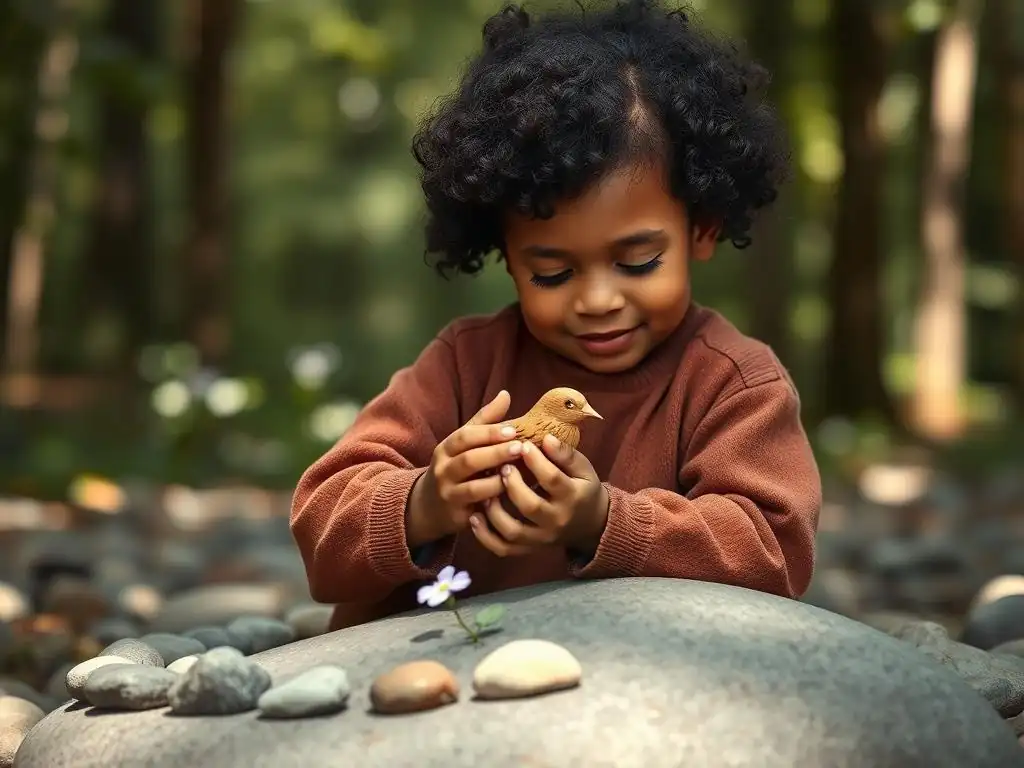
Modeling Self-Compassion: Leading by Example
Children learn by observing the adults around them, and this is especially true for emotional regulation and self-attitude. Parents and caregivers who openly practice self-compassion provide a powerful example for their children. This means being kind to yourself when you make a mistake, acknowledging your own struggles without excessive self-blame, and talking about challenges in a balanced way. For instance, if you burn dinner, instead of exclaiming, "I'm such an idiot, I can't do anything right!
", model self-compassion by saying, "Oops, that didn't go as planned. It's frustrating, but everyone makes mistakes in the kitchen. We'll figure something else out."
Sharing your own experiences of navigating difficulties with self-kindness helps normalize the process for your child. Talk about how you handle disappointment or frustration with empathy towards yourself. This demonstrates that it's not just okay, but healthy, to be imperfect and to respond to your own struggles with care. Your willingness to be vulnerable and self-compassionate is one of the most impactful lessons you can offer on their selfcompassion children resilience journey.
Teaching Emotional Recognition and Acceptance
A cornerstone of self-compassion is the ability to recognize and accept one's emotions, both pleasant and unpleasant, without judgment. Help children identify their feelings by providing a vocabulary for emotions beyond just "happy" or "sad." Use feeling charts, books about emotions, and everyday conversations to label feelings like frustrated, disappointed, anxious, excited, or proud. Validate their feelings by saying things like, "It makes sense that you feel angry right now," or "I see you're feeling disappointed about that."
Crucially, teach them that all emotions are temporary and part of the human experience. Encourage them to feel their emotions without trying to suppress or change them immediately. This mindful acceptance prevents them from getting stuck in over-identification (where they are their emotion) or suppression (which often leads to the emotion resurfacing later with more intensity). Learning to sit with discomfort gently is a vital step in developing the mindfulness component of self-compassion and is key for the selfcompassion children resilience journey.
Encouraging Self-Kindness and Positive Self-Talk
Actively encouraging self-kindness involves prompting children to respond to their own difficulties with care. When they are upset about a mistake, ask them, "What would you say to your friend if they were feeling this way?" This often helps them access a more compassionate perspective than they would apply to themselves. Introduce the idea of a "kind inner voice" that counters the "critical voice." Practice saying kind things to themselves when they are hurting or struggling.
Help them craft positive, yet realistic, self-talk phrases. Instead of a blanket "I'm great," encourage specific and compassionate statements like "I am trying my best," "It's okay to feel sad," "I am learning," or "I am worthy of kindness." Suggest small acts of self-kindness when they are having a tough time, such as taking a break, doing an activity they enjoy, or simply resting. These deliberate actions reinforce the message that they deserve care, especially from themselves, strengthening their capacity for a selfcompassion children resilience journey.
Understanding Imperfection and Mistakes as Learning Opportunities
Shifting the perspective on mistakes from failures to learning opportunities is fundamental to fostering self-compassion. Talk openly about your own mistakes and what you learned from them, emphasizing that errors are a natural and necessary part of growth. Celebrate effort and learning over just outcomes. When a child makes a mistake, help them analyze what happened without shame. Ask questions like, "What did you learn from this?" or "What could you do differently next time?"
Frame challenges as chances to build skills, not tests of inherent worth. Discuss famous examples of successful people who faced numerous failures before achieving their goals (e.g., Thomas Edison and the lightbulb, Michael Jordan being cut from his high school team). This reframes imperfection as part of the process, not a final state. Embracing this view is crucial for children to accept their own humanness and continue along their selfcompassion children resilience journey with courage.
Activities and Exercises to Promote Self-Compassion
Mindful Breathing Exercises for Emotional Regulation
Mindful breathing is a simple yet powerful tool for helping children connect with the present moment and regulate difficult emotions, a core part of self-compassion. Teach them basic techniques like "balloon breathing" (imagine their belly is a balloon inflating and deflating with each breath) or "starfish breathing" (trace their hand with a finger, inhaling up each finger and exhaling down). These exercises provide a physical anchor when emotions feel overwhelming.
Practice these exercises regularly, not just when they are upset, so they become familiar and accessible tools. Encourage them to notice the physical sensations of their breath and their body without judgment. This helps them develop the mindfulness component of self-compassion – being present with their experience rather than being swept away by it. Integrating mindful breathing into their routine supports their selfcompassion children resilience journey by building emotional awareness and control.
Gratitude Practices to Foster Self-Appreciation
Cultivating gratitude can shift a child's focus from what's wrong or missing to what is good in their life and within themselves. While often associated with appreciating external things, gratitude can also be directed inward, fostering self-appreciation. Encourage children to think about things they are grateful for about themselves. This could be their effort, their kindness towards others, a skill they are developing, or even just their willingness to try.
Simple gratitude practices can include keeping a gratitude journal where they list things they are thankful for, including aspects of themselves. At bedtime, ask them to share one thing they are grateful for that day, and perhaps one thing they appreciate about themselves or something they did well. Regularly reflecting on their positive qualities and efforts helps build a kinder internal narrative, essential for fostering a positive selfcompassion children resilience journey.
Creative Expression for Self-Compassionate Exploration
Creative activities provide a safe outlet for children to explore and process difficult emotions and experiences in a non-judgmental way. Art, music, writing, or imaginative play can help children express feelings they might not have the words for. Encourage them to draw how they feel, write a story about a character facing a similar challenge, or compose a song about their experience.
The process of creation itself can be inherently self-compassionate, allowing for imperfection and exploration without pressure. Discuss their creations with curiosity and empathy, focusing on their expression rather than the final product. For instance, "Tell me about this picture you drew of feeling frustrated," rather than critiquing the drawing. This validates their emotional world and encourages them to approach their inner landscape with acceptance, supporting their selfcompassion children resilience journey.
Using Storytelling to Teach Self-Compassion and Empathy
Stories are a powerful medium for teaching complex emotional concepts like self-compassion and empathy. Use children's books or create your own stories featuring characters who face challenges, make mistakes, and learn to be kind to themselves. Discuss the characters' feelings and actions, asking questions like, "How do you think the character felt when they messed up?" and "What could they say to themselves to be kind?"
You can also use storytelling to reframe a child's own difficult experiences. Help them tell the story of a challenge they faced, guiding them to include elements of self-kindness and learning. For example, if they struggled with a school project, the story could be about a brave student who found it hard but kept trying and learned something new, and how they were kind to themselves when they felt frustrated. This narrative approach helps children integrate self-compassion into their understanding of their own life story, crucial for their selfcompassion children resilience journey.
Addressing Challenges in Fostering Self-Compassion
Overcoming Resistance to Self-Compassion: Fear of Weakness, Self-Indulgence, or Lowering Standards
Sometimes, children (and adults) resist self-compassion due to misconceptions. They might equate it with weakness, believing that being tough on themselves is the only way to stay strong or motivated. They might worry that being kind to themselves means becoming lazy or self-indulgent, or that it will lead to lowering their standards and not achieving their goals. These fears are common and need to be addressed with empathy and clarity.
Explain that self-compassion is not about letting yourself off the hook or ignoring mistakes; it's about acknowledging your struggles with kindness so you can approach challenges with a clearer mind and more motivation. Use analogies: just as you'd patch up a scraped knee so you can keep running, self-compassion helps you heal emotionally so you can keep moving forward. Reassure them that self-compassion actually increases motivation and resilience, as supported by research showing that self-compassionate individuals are more likely to learn from mistakes and persevere. This reframing is vital for navigating the selfcompassion children resilience journey successfully.
Dealing with Perfectionism and Unrealistic Expectations
Perfectionism is a significant barrier to self-compassion because it leaves no room for the inevitable imperfections of being human. Address perfectionism by celebrating effort and progress more than perfect outcomes. Help children set realistic goals and break down larger tasks into smaller, manageable steps. When they achieve a step, acknowledge the effort involved, regardless of whether the final result is "perfect."
Model and talk about your own experiences with imperfection. Share times you aimed for something and didn't achieve it perfectly, and how you handled it with kindness towards yourself. Help children see that mistakes are data points, not declarations of failure. Encourage them to focus on learning and growth rather than solely on the end result. This shift in focus is crucial for dismantling the rigid demands of perfectionism and opening the door to a compassionate selfcompassion children resilience journey.
Supporting Difficult Emotions with Self-Compassion
Children will inevitably experience difficult emotions like sadness, anger, fear, and shame. Supporting them through these feelings with self-compassion involves validating their emotions without trying to fix them immediately. Sit with them, listen without judgment, and let them know it's okay to feel what they're feeling. Avoid dismissive phrases like "Just cheer up" or "Don't be sad."
Teach them coping strategies rooted in self-kindness, such as taking deep breaths, hugging a stuffed animal, drawing their feelings, or simply allowing themselves to cry if they need to. Remind them that the feeling will pass and that they are not alone in experiencing it. Helping them navigate intense emotions with a compassionate inner voice and supportive external presence is fundamental to developing their capacity for self-compassion and strengthening their selfcompassion children resilience journey.
The Long-Term Benefits of Self-Compassion
Self-Compassion as a Foundation for Mental Health
Cultivating self-compassion in childhood lays a crucial foundation for lifelong mental well-being. As children grow into adolescents and adults, the ability to be kind to themselves during difficult times acts as a powerful protective factor against a range of mental health challenges. Studies indicate that self-compassion is associated with reduced symptoms of depression, anxiety disorders, and eating disorders, and it fosters greater life satisfaction and happiness.
This is because self-compassion helps individuals regulate their emotions effectively, cope with stress in healthier ways, and maintain a stable sense of self-worth independent of external circumstances. By teaching children self-compassion, we equip them with an internal compass that guides them towards emotional health, enabling them to navigate the complexities of life with greater stability and grace. It is perhaps the most vital skill nurtured on the selfcompassion children resilience journey.
Self-compassion doesn't just benefit the individual; it also has a positive ripple effect on their relationships with others. When children are kind and understanding towards themselves, they are often more capable of extending that same empathy and compassion to others. They are less likely to project their own insecurities or criticisms onto peers and family members.
Furthermore, self-compassionate individuals tend to have healthier boundaries and are less dependent on external validation, leading to more authentic and balanced relationships. They can navigate interpersonal conflicts with greater patience and understanding, both towards themselves and others. This ability to connect deeply and manage relationship challenges is a significant outcome of a well-developed selfcompassion children resilience journey.
Enhanced Coping Mechanisms and Stress Management Skills
Self-compassion equips children with a more robust toolkit for managing stress and coping with adversity. Instead of resorting to maladaptive strategies like avoidance, substance use (in adolescence), or self-blame, self-compassionate individuals are more likely to engage in proactive and healthy coping. They are more inclined to seek support from others, engage in problem-solving, and practice self-care when faced with stress.
Research suggests that self-compassion is linked to greater emotional intelligence and the ability to bounce back from setbacks more quickly. By treating themselves with kindness during tough times, children learn that they have the internal resources to comfort and support themselves, reducing the overwhelming nature of stress. This enhanced capacity for coping and stress management is a direct result of fostering a strong selfcompassion children resilience journey from a young age.
Resources for Fostering Self-Compassion
Books and Websites on Self-Compassion
- Books for Parents: Look for titles by Dr. Kristin Neff or Dr. Christopher Germer, pioneers in the field of self-compassion research and practice. Many offer practical exercises and insights into understanding and cultivating self-compassion.
- Books for Children: Numerous children's books now address themes of kindness, mistakes, and self-acceptance. Search for books focusing on feelings, empathy, and being kind to yourself.
- Websites: Websites dedicated to self-compassion, mindfulness, and parenting resources often provide articles, guided meditations, and activities specifically designed for children and families.
Workshops and Programs on Building Resilience
- Parenting Workshops: Many community centers, schools, or mental health organizations offer workshops focused on positive parenting, emotional regulation, and building resilience in children. These often incorporate elements of self-compassion.
- Mindfulness Programs for Kids: Programs teaching mindfulness to children can be found online or locally. Mindfulness is a core component of self-compassion and helps children develop awareness of their thoughts and feelings without judgment.
- School-Based Programs: Some schools implement social-emotional learning (SEL) programs that include components on self-awareness, self-management, and responsible decision-making, all of which support the selfcompassion children resilience journey. Inquire about programs available at your child's school.
Supporting Self-Compassion: A Summary
Supporting a child's selfcompassion children resilience journey is an ongoing process that involves modeling, teaching, and practicing kindness towards oneself. It requires patience, understanding, and a commitment to fostering an environment where imperfection is accepted and emotions are validated. By helping children develop this crucial skill, we empower them to navigate life's challenges with greater strength, emotional intelligence, and inner peace, setting them on a path towards lasting well-being.
Frequently Asked Questions
How does self-compassion contribute to a child's resilience journey?
Self-compassion allows children to cope with challenges and setbacks with kindness towards themselves. This inner support strengthens their ability to bounce back from adversity and fosters a growth mindset. It's a key component of their overall resilience.
Why is self-compassion considered a critical skill for children?
Because it helps them develop emotional regulation and reduce self-criticism. This allows them to learn from mistakes without harsh self-judgment, which in turn promotes greater confidence and well-being on their resilience journey.
What are some practical ways parents can foster self-compassion in their children?
Parents can model self-compassion by being kind to themselves in front of their children. They can also teach children to normalize mistakes and offer supportive language during challenging times, emphasizing learning rather than perfection.
How does a lack of self-compassion potentially hinder a child's resilience journey?
A lack of self-compassion can lead to increased anxiety, self-doubt, and a fear of failure. This can make it difficult for children to persevere through challenges and ultimately weaken their ability to build resilience because they are overly critical of themselves.
What resources does Mind Care Guide offer to support parents in cultivating self-compassion and resilience in their children?
Mind Care Guide provides articles, guides, and practical exercises focused on self-compassion. We offer information on understanding children's mental health challenges and strategies for promoting a supportive and resilient environment.
Final Reflection: Cultivating Resilience Through Self-Compassion
The ability to practice self-compassion is no longer a luxury, but a vital skill for navigating the complexities of childhood and building resilience in the face of adversity. In a world increasingly demanding perfection and instant gratification, fostering self-compassion in children is not just beneficial, it's essential for their emotional well-being and future success. This journey towards self-acceptance and kindness towards oneself is a cornerstone of a healthy and fulfilling life.
The impact of self-compassion extends far beyond childhood, shaping how individuals approach challenges, setbacks, and even triumphs throughout their lives. It influences their relationships, their career paths, and their overall sense of self-worth. The ripple effect is profound, impacting not only the individual child but also their families and communities. As Kristin Neff, a leading researcher on self-compassion, eloquently states: Self-compassion involves treating yourself with the same kindness and understanding that you would offer a dear friend.
This simple yet powerful concept holds the key to unlocking a child's potential for resilience and happiness.
Now, consider your own relationship with self-compassion. How can you integrate these principles into your interactions with the children in your life? Perhaps it's through offering words of encouragement instead of criticism, celebrating effort over outcome, or simply creating a safe space for vulnerability and emotional expression. Take a moment to reflect on how you can nurture self-compassion in yourself and, in turn, model this crucial skill for the young people you influence. The journey towards resilience begins with a single act of kindness – starting with ourselves, and extending that kindness to the children in our care.
Unleash Your Child's Inner Strength: A Journey to Self-Compassion
Thanks for taking the time to explore the power of self-compassion in nurturing your child's resilience! We hope you found valuable insights to help your little one navigate life's challenges with greater ease.
Now, let's turn those insights into action:
- Prioritize one self-compassion practice this week: Choose from mindful breathing, positive self-talk, or a simple act of kindness towards yourself. This is your starting point for building a stronger connection with your child and modeling healthy coping mechanisms.
- Share this article with a friend or family member who could benefit from these tools. Let's build a supportive community together!
- Consider keeping a journal to track your child's progress and your own self-compassion journey. This self-reflection can be incredibly insightful!
Ready to embark on this empowering journey towards greater self-compassion for both you and your child? What small step will you take today to foster a more compassionate environment at home?