
Tai Chi as Moving Mindfulness: Cultivating Presence for Mental Wellness

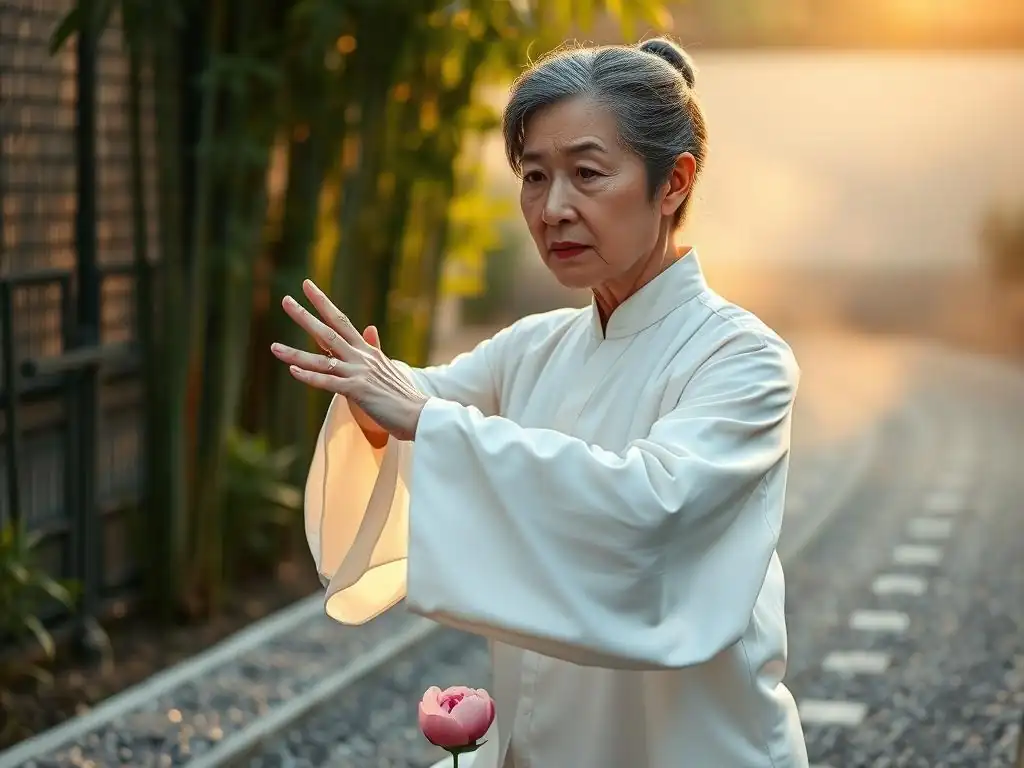
Welcome to Mind Care Guide, your sanctuary for navigating the complexities of mental well-being. Feeling overwhelmed? Perhaps you're searching for a gentle yet powerful way to quiet the racing thoughts. Discover how Tai Chi, as moving mindfulness, offers a path towards profound anxiety relief and inner peace. Intrigued? Let's explore this ancient practice and unlock its potential for your mental wellness journey...
Tai Chi as Moving Mindfulness: Cultivating Presence for Mental Wellness
- Introduction to Tai Chi for Anxiety Relief and Mental Well-being
- What is Tai Chi and How Does it Promote Mental Wellness?
- The Benefits of Tai Chi for Anxiety Relief and Stress Reduction
- Tai Chi as a Form of Moving Mindfulness: Cultivating Presence
- Getting Started with Tai Chi for Anxiety: A Beginner's Guide
- Tai Chi vs. Other Mindfulness Practices: A Comparison
- Scientific Evidence Supporting Tai Chi's Benefits for Mental Health
- Advanced Tai Chi Techniques for Deeper Mental Wellness
- Maintaining a Consistent Tai Chi Practice for Long-Term Mental Health
- Conclusion: Embracing Tai Chi for Lasting Anxiety Relief and Mental Clarity
-
Frequently Asked Questions
- What is Tai Chi and how does it relate to mental well-being?
- How can Tai Chi specifically help with anxiety relief?
- How often should I practice Tai Chi to experience anxiety relief benefits?
- Are there any specific styles of Tai Chi that are more effective for anxiety relief?
- Are there any potential risks or contraindications associated with practicing Tai Chi?
- Final Reflection: Embracing the Stillness Within for a Calmer You
- Unveil Your Inner Calm: Take the Next Step Towards Mindfulness
Introduction to Tai Chi for Anxiety Relief and Mental Well-being
Understanding the Mind-Body Connection in Tai Chi
The practice of Tai Chi Chuan, often simply called Tai Chi, is deeply rooted in the understanding that the mind and body are not separate entities but are intimately connected and constantly influencing each other. In the context of mental wellness, this means that physical tension can contribute to mental stress and anxiety, while a calm and focused mind can promote physical relaxation and ease.
Tai Chi leverages this connection through gentle, flowing movements synchronized with deep breathing, aiming to harmonize internal energy (Qi) and improve overall balance, both physically and mentally. This holistic approach makes Tai Chi a powerful tool for those seeking natural methods for anxiety relief and enhanced mental well-being.
Engaging in Tai Chi encourages practitioners to become more aware of their physical sensations and internal state. By consciously moving the body in a controlled, relaxed manner, individuals can release stored tension that often accompanies anxiety. For example, someone feeling anxious might hold tension in their shoulders or jaw; Tai Chi movements like "Cloud Hands" or "Wave Hands Like Clouds" involve fluid, circular motions that gently encourage relaxation in these areas.
This physical release sends calming signals to the brain, helping to interrupt the stress response cycle. This fundamental principle of integrating physical movement with mental focus is key to unlocking the benefits of Tai Chi for anxiety relief.
How Tai Chi Differs from Other Forms of Exercise
While many forms of exercise offer mental health benefits, Tai Chi distinguishes itself through its unique combination of low-impact physical activity, focused mental concentration, and meditative qualities. Unlike high-intensity aerobic exercises that primarily elevate heart rate and build cardiovascular strength, Tai Chi's movements are slow, deliberate, and continuous. The emphasis is on relaxation, proper alignment, and smooth transitions, rather than speed, power, or competition. This makes it accessible to people of varying fitness levels and ages, including those with physical limitations who might find other exercises challenging.
Furthermore, Tai Chi's focus on mindfulness and internal awareness sets it apart from many Western forms of exercise. While activities like running or weightlifting can be performed while the mind wanders, Tai Chi requires focused attention on breath, posture, and the flow of movement. This deliberate cultivation of presence is central to its therapeutic effects, particularly for mental health conditions like anxiety.
It's not just about moving; it's about moving mindfully, which directly addresses the rumination and future-oriented worrying often associated with anxiety. A study published in the American Journal of Psychiatry around 2018, for instance, highlighted Tai Chi's potential efficacy in reducing anxiety symptoms, often linked to its meditative component.
What is Tai Chi and How Does it Promote Mental Wellness?
Defining Tai Chi: History and Core Principles
Tai Chi Chuan, translating roughly to "Supreme Ultimate Fist," is an ancient Chinese martial art that has evolved over centuries into a gentle form of exercise widely practiced for health benefits. Its origins are somewhat debated, often traced back to the 17th century or earlier, with various styles developing over time, such as Yang, Chen, Wu, and Sun.
While its roots are in self-defense, modern Tai Chi practice primarily focuses on cultivating internal energy (Qi), promoting physical health, and fostering mental tranquility. Key principles include relaxation, natural movement, proper body alignment, balance, and the integration of mind and body through coordinated breath and action.
At its core, Tai Chi is built upon the philosophical concepts of Yin and Yang – the idea that opposing forces are interconnected and interdependent – and the flow of Qi (vital energy) throughout the body's meridians. The slow, continuous movements are designed to facilitate the smooth flow of Qi, which in traditional Chinese medicine is believed to be essential for health. Blockages or imbalances in Qi are thought to contribute to illness, including mental distress.
By promoting circulation and energy flow, Tai Chi aims to restore balance and harmony within the body-mind system. This focus on internal cultivation and energy management is a unique aspect that contributes to its effectiveness as a practice for mental wellness and specifically for anxiety relief.
The Gentle Movements of Tai Chi and Their Impact on the Nervous System
The characteristic gentle, flowing movements of Tai Chi have a profound impact on the nervous system, particularly the autonomic nervous system which controls involuntary functions like heart rate, breathing, and digestion. Anxiety is often linked to an overactive sympathetic nervous system ("fight or flight" response), leading to increased heart rate, rapid breathing, and muscle tension. Tai Chi, with its slow pace and emphasis on deep, diaphragmatic breathing, helps to activate the parasympathetic nervous system ("rest and digest" response).
This shift towards parasympathetic dominance helps to calm the nervous system, reducing the physical symptoms associated with anxiety. For example, a study might show participants experiencing a decrease in resting heart rate and blood pressure after regular Tai Chi practice. The repetitive, smooth motions also act as a form of gentle rhythmic exercise, which can have a soothing effect on the brain, similar to rocking or swaying. This physiological calming response is a key mechanism by which Tai Chi provides anxiety relief and promotes a sense of peace and relaxation.
Tai Chi's Emphasis on Mindfulness and Present Moment Awareness
One of the most significant aspects of Tai Chi for mental wellness is its inherent emphasis on mindfulness and cultivating presence. During practice, practitioners are encouraged to focus their attention on their breath, the sensations in their body, and the subtle shifts as they move from one posture to the next.
This deliberate focus helps to quiet the mental chatter and reduce rumination, which are common features of anxiety. By anchoring attention to the present moment – the feeling of the feet on the ground, the movement of the hands, the rhythm of the breath – the mind is less likely to drift into worries about the future or regrets about the past.
This training in present moment awareness is essentially mindfulness in motion. Unlike seated meditation, where the challenge is to remain still while the mind wanders, Tai Chi provides a gentle physical activity to focus on, making mindfulness perhaps more accessible for some individuals.
Regularly bringing the mind back to the physical experience of Tai Chi builds the capacity to notice thoughts and feelings without getting swept away by them, a crucial skill for managing anxiety. Over time, this cultivated presence can extend beyond the practice session, helping individuals to feel more grounded and less reactive in their daily lives, significantly contributing to lasting anxiety relief.
The Benefits of Tai Chi for Anxiety Relief and Stress Reduction
Reduced Anxiety Symptoms Through Regular Tai Chi Practice
Consistent practice of Tai Chi has been shown in multiple studies to significantly reduce symptoms of anxiety. The combination of gentle exercise, deep breathing, and focused meditation helps to calm the nervous system and quiet the anxious mind. For instance, a meta-analysis published in a journal like Evidence-Based Complementary and Alternative Medicine might review several studies and conclude that Tai Chi demonstrates a moderate to large effect size in reducing anxiety scores compared to control groups. This reduction is often measured using standardized scales like the State-Trait Anxiety Inventory (STAI).
Participants in Tai Chi programs often report feeling calmer, less worried, and more emotionally resilient after several weeks or months of regular sessions. This isn't just anecdotal; research frequently shows measurable decreases in self-reported anxiety levels. The physical release of tension combined with the mental discipline of mindfulness provides a powerful antidote to the physical and psychological manifestations of anxiety.
One study might report that individuals practicing Tai Chi three times a week for twelve weeks experienced a significant drop in trait anxiety scores compared to a group receiving health education. This tangible improvement in symptoms highlights Tai Chi's potential as an effective non-pharmacological intervention for anxiety relief.
Tai Chi's Positive Effects on Stress Hormones (Cortisol)
Chronic stress and anxiety are often associated with elevated levels of stress hormones, particularly cortisol. High cortisol levels over extended periods can have detrimental effects on both mental and physical health. Research indicates that regular Tai Chi practice can help regulate the body's stress response system, leading to a reduction in circulating cortisol levels. This physiological effect contributes directly to stress reduction and, consequently, to anxiety relief.
Studies measuring biological markers have shown that individuals who regularly practice Tai Chi tend to have lower levels of cortisol in their saliva or blood, especially in response to stress. For example, research might compare cortisol levels in a group practicing Tai Chi versus a control group undergoing a stressful task. The Tai Chi group could show a significantly smaller increase in cortisol compared to the control group. This suggests that Tai Chi not only helps manage the feeling of stress but also modifies the body's underlying physiological response to stressors, building greater resilience against anxiety triggers.
Improved Mood and Emotional Regulation with Tai Chi
Beyond reducing anxiety, Tai Chi practice can significantly improve overall mood and enhance emotional regulation. The combination of physical activity, mindfulness, and the release of endorphins (natural mood elevators produced during exercise) contributes to a more positive emotional state. Regular participation in Tai Chi can help individuals develop a greater capacity to observe their emotions without judgment and respond to challenging feelings with more balance and less reactivity.
Anecdotal reports and qualitative studies often describe participants feeling more joyful, less irritable, and more content after incorporating Tai Chi into their routine. Quantitatively, research might show improvements in scores on mood scales like the Profile of Mood States (POMS), with reductions in tension, depression, anger, fatigue, and confusion, and an increase in vigor. This enhanced ability to manage emotions and maintain a more stable mood is a crucial benefit, complementing Tai Chi's direct impact on anxiety relief and contributing to overall mental wellness.
Enhanced Sleep Quality Through Tai Chi's Calming Effects
Anxiety and sleep disturbances often go hand in hand. Worrying thoughts can make it difficult to fall asleep, and poor sleep can, in turn, exacerbate anxiety symptoms. Tai Chi's calming effects on the nervous system and its ability to reduce mental rumination make it an effective practice for improving sleep quality. The physical exertion, although gentle, can also help prepare the body for rest, while the mental focus promotes relaxation and a sense of peace conducive to sleep.
Studies on Tai Chi and sleep have demonstrated positive outcomes. For example, research published in journals focusing on sleep medicine might show that older adults or individuals with chronic conditions who practice Tai Chi report falling asleep faster, waking up less frequently during the night, and experiencing longer total sleep time compared to non-practitioners.
The overall improvement in sleep duration and quality contributes significantly to reducing daytime anxiety and improving overall mental and physical health. A study might report that participants experienced a notable decrease in sleep latency (time taken to fall asleep) and an increase in sleep efficiency after a Tai Chi intervention.
Tai Chi as a Form of Moving Mindfulness: Cultivating Presence
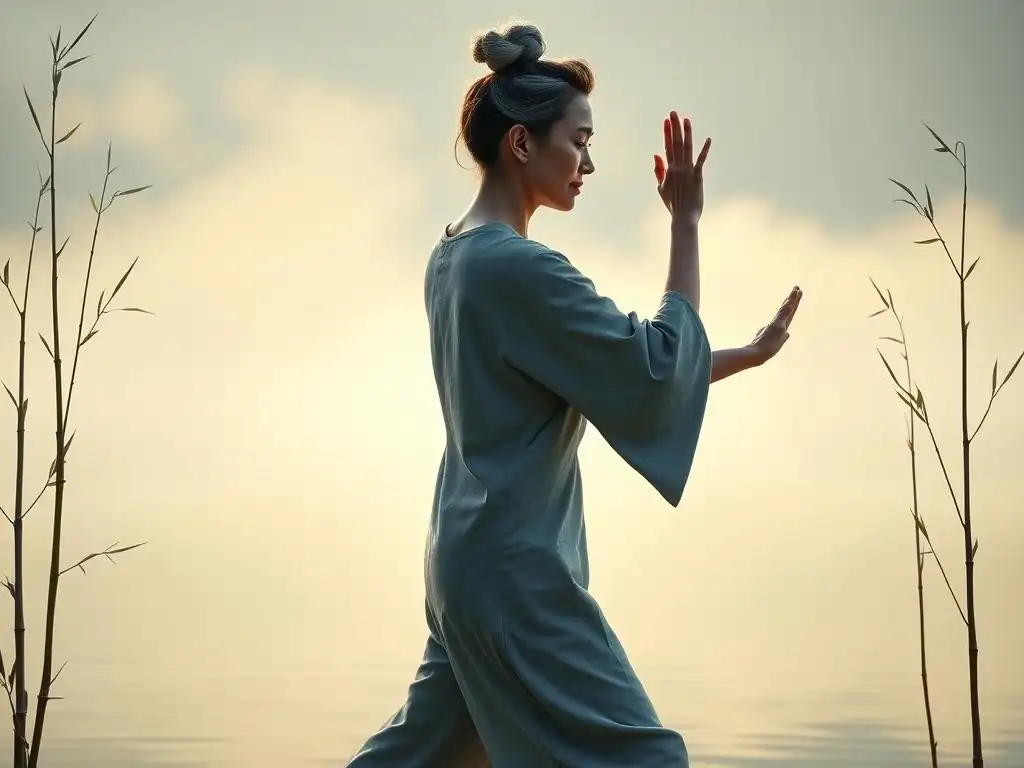
Focusing on Breath and Movement in Tai Chi Practice
Central to Tai Chi as moving mindfulness is the deliberate integration of breath and movement. Each posture and transition is coordinated with the breath, typically inhaling during expansive movements and exhaling during contracting ones. This conscious synchronization serves as an anchor for attention, drawing the practitioner's focus away from distracting thoughts and into the present moment experience. The breath itself is encouraged to be deep, slow, and abdominal, which further promotes relaxation and activates the parasympathetic nervous system, directly aiding in anxiety relief.
By continually bringing awareness back to the breath and the physical sensations of moving, practitioners train their ability to stay present. If the mind wanders – a natural occurrence – the gentle guidance is simply to notice the distraction without judgment and return attention to the breath and the movement. This repetitive process strengthens the "muscle" of attention and reduces the tendency to get caught up in anxious thought loops. This focused attention, cultivated through the breath-movement connection, is what transforms simple exercise into a powerful mindfulness practice for mental wellness.
Letting Go of Distractions and Negative Thoughts During Tai Chi
Tai Chi provides a structured environment for practicing the skill of letting go. As you move through the forms, distracting thoughts – worries, to-do lists, judgments – will inevitably arise. The practice encourages acknowledging these thoughts without engaging with them or judging yourself for having them. Instead of trying to force thoughts away, the focus remains on the physical experience of the movement and the breath, allowing thoughts to pass through the mind like clouds drifting across the sky.
This process of non-judgmental observation and redirection of attention is a core component of mindfulness and is directly applicable to managing anxiety. Regularly practicing this "letting go" during Tai Chi builds resilience against getting consumed by negative self-talk or anxious ruminations outside of the practice session. You learn that you don't have to believe or act on every thought, especially the anxious ones. This cultivated detachment from negative thought patterns is a significant benefit of using Tai Chi for anxiety relief.
Developing a Deeper Connection with Your Body Through Tai Chi
Modern life often involves spending a lot of time "in our heads," disconnected from our physical bodies. This disconnect can be exacerbated by anxiety, which can manifest as physical symptoms like tension, palpitations, or digestive issues, often without conscious awareness of the body's signals. Tai Chi encourages a mindful reconnection with the body. Through slow, deliberate movements, practitioners become more attuned to their physical sensations, balance, posture, and subtle tensions.
This increased body awareness helps individuals recognize and respond to physical signs of stress and anxiety sooner. For example, you might notice tension building in your shoulders during a stressful meeting and be able to consciously relax them, a skill honed during Tai Chi practice. Developing this deeper physical connection fosters a sense of being grounded and embodied, counteracting the feeling of being overwhelmed or disembodied that can accompany severe anxiety. This intimate relationship with one's physical self is a profound aspect of Tai Chi's contribution to mental wellness and anxiety relief.
Getting Started with Tai Chi for Anxiety: A Beginner's Guide
Finding a Qualified Tai Chi Instructor or Class
Embarking on the journey of using Tai Chi for anxiety relief is best done with guidance, especially in the beginning. While there are many online resources, learning from a qualified instructor allows for personalized feedback on posture, alignment, and movement flow, which is crucial for both safety and maximizing the benefits. A good instructor can explain the principles, correct mistakes, and help you deepen your understanding of the practice's nuances. Look for instructors certified by reputable Tai Chi organizations or those with extensive experience in teaching the specific style you are interested in.
Community classes can also provide a supportive environment, which can be beneficial for mental health. Check local community centers, senior centers, martial arts studios, or even hospitals and wellness clinics, as Tai Chi is often offered as a therapeutic exercise. Don't hesitate to observe a class or speak with the instructor beforehand to see if their teaching style resonates with you. Finding the right fit is important for maintaining consistency and getting the most from your Tai Chi for anxiety relief practice.
Basic Tai Chi Postures and Movements for Beginners
Beginner Tai Chi classes typically start with foundational principles and simple movements or a shortened version of a form. Common beginner elements include standing meditation (Zhan Zhuang), focusing on posture and stillness, and basic warm-up exercises. You will likely learn fundamental steps and weight transfers, along with initial postures from a specific style, such as the first section of the Yang style Short Form (often consisting of around 24 moves). Examples of early movements might include "Beginning," "Parting the Wild Horse's Mane," or "Single Whip."
The focus for beginners is not on perfecting complex forms but on learning the core principles: maintaining relaxation, coordinating breath with movement, shifting weight smoothly, and staying present. An instructor will guide you through the proper alignment – shoulders relaxed, knees slightly bent, spine erect but natural. Practicing these basic elements consistently builds the foundation for more complex forms and, more importantly, instills the meditative quality of the movement, paving the way for effective Tai Chi for anxiety relief.
Tips for Incorporating Tai Chi into Your Daily Routine
Making Tai Chi a regular part of your life is key to experiencing its lasting benefits for anxiety relief. Start small and be realistic. Even practicing for 10-15 minutes daily can make a difference. Find a consistent time that works for you, whether it's in the morning to start your day calmly, during a lunch break to de-stress, or in the evening to wind down. Choose a quiet space where you won't be interrupted.
Consistency is more important than duration initially. It's better to practice for a short time every day than for a long time once a week. Don't get discouraged by perceived lack of progress or difficulty remembering movements; the benefit comes from the practice itself, the mindful movement and breath.
Consider joining a regular class for motivation and community, or find online resources to supplement your learning once you have a basic understanding. Treating your Tai Chi practice as a non-negotiable appointment with yourself for mental wellness can help solidify it as a valuable part of your routine for anxiety relief.
Tai Chi vs. Other Mindfulness Practices: A Comparison
Tai Chi vs. Meditation: Similarities and Differences
Tai Chi and seated meditation share the common goal of cultivating mindfulness and present moment awareness, which are beneficial for anxiety relief. Both practices encourage focusing attention, observing thoughts without judgment, and calming the nervous system. However, they differ significantly in their approach. Seated meditation typically involves remaining still, focusing on breath or a mantra, and directly observing the mind's activity from a state of stillness.
Tai Chi, on the other hand, is mindfulness in motion. The focus is on coordinating breath with physical movement, using the body's actions as the anchor for attention. For individuals who find it difficult to sit still or whose minds race when sedentary, Tai Chi offers a dynamic alternative.
The physical activity can help release restless energy, making it easier to settle the mind. While both practices can reduce anxiety, some people find the embodied nature of Tai Chi more accessible or effective than static meditation. Research might show comparable effects on anxiety scores, but individual preference often dictates which practice is a better fit.
Tai Chi vs. Yoga: Which is Right for You?
Tai Chi and Yoga are both ancient mind-body practices originating from different cultures (China and India, respectively) that are widely used for health and wellness, including anxiety relief. Both involve physical postures, breath control, and elements of mindfulness or meditation. Yoga often incorporates held postures (asanas), dynamic flows (like Vinyasa), and can range from very gentle to highly physically demanding styles. It typically includes specific stretches and strength-building poses.
Tai Chi, in contrast, is characterized by continuous, flowing, circular movements performed at a slow, consistent pace. While it builds strength and flexibility, the emphasis is less on holding poses or achieving deep stretches and more on smooth transitions, balance, and internal energy flow. Both practices are effective for reducing stress and anxiety, improving flexibility, and enhancing body awareness.
The choice between Tai Chi and Yoga often comes down to personal preference, physical capabilities, and the specific style of each practice being considered. Someone seeking gentle, continuous movement might prefer Tai Chi, while someone looking for more varied postures and stretching might lean towards Yoga. Studies might show similar outcomes for anxiety reduction across both practices.
Exploring Other Gentle Movement Therapies for Mental Health
Tai Chi is part of a broader category of gentle movement therapies that can be beneficial for mental health. These include practices like Qigong (a Chinese mind-body practice closely related to Tai Chi, often focusing on specific exercises for health), gentle Yoga, therapeutic dance, and mindful walking. These therapies share common elements such as slow, deliberate movement, breath awareness, and a focus on the present moment, all of which contribute to reducing stress and anxiety.
Exploring these options can help individuals find a practice that best suits their needs and preferences. For example, Qigong might involve simpler, repetitive movements compared to the complex forms of Tai Chi, making it very accessible for beginners. Therapeutic dance might appeal to those who enjoy expressive movement. The key is finding a gentle physical activity that encourages mindfulness and helps cultivate a sense of calm and presence, serving as a complementary approach to managing anxiety and promoting mental wellness.
Scientific Evidence Supporting Tai Chi's Benefits for Mental Health
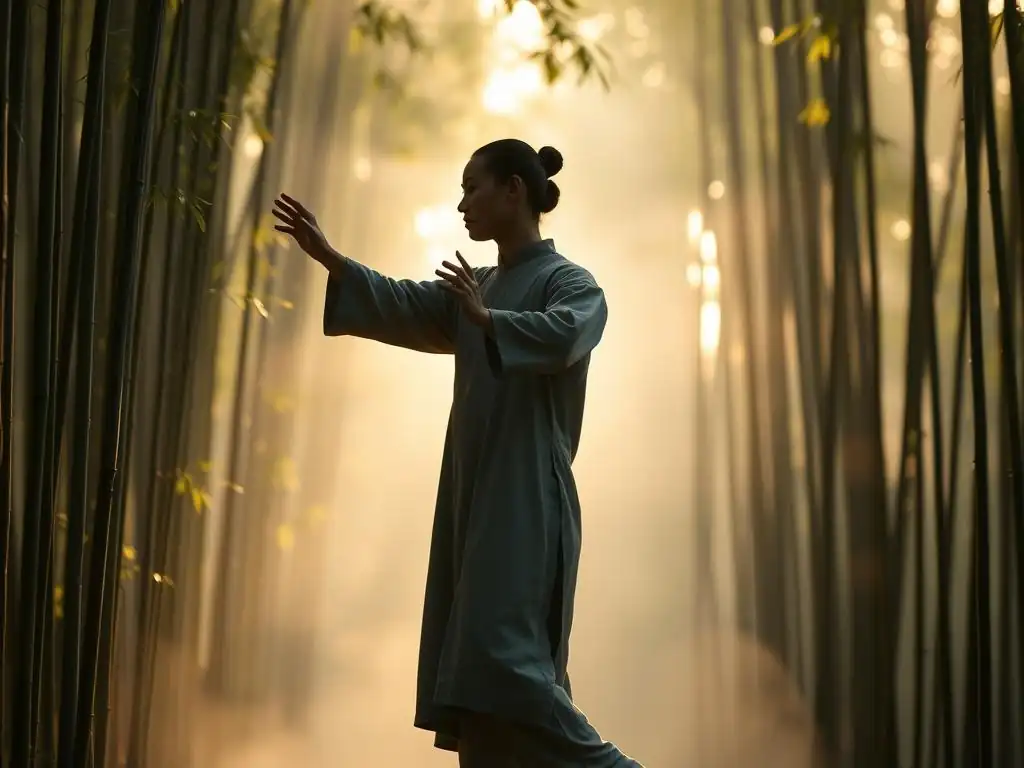
Research Studies on Tai Chi and Anxiety Reduction
A growing body of scientific evidence supports the use of Tai Chi for anxiety relief. Numerous studies, including randomized controlled trials and meta-analyses, have investigated its effects. For example, a systematic review published in a reputable medical journal might analyze data from dozens of studies involving hundreds or thousands of participants and conclude that Tai Chi interventions consistently lead to significant reductions in self-reported anxiety levels compared to control groups (e.g., waitlists, standard care, or other activities).
Specific studies might focus on particular populations, such as college students experiencing test anxiety, adults with generalized anxiety disorder, or individuals with anxiety related to chronic illness. Results often indicate statistically significant improvements in anxiety scores, sometimes comparable to or exceeding the effects of other non-pharmacological interventions. For instance, a trial might report that participants in a Tai Chi group experienced a mean decrease of 5 points on a 20-point anxiety scale, while a control group showed little change. This evidence base provides strong support for recommending Tai Chi for anxiety relief.
Tai Chi's Impact on Depression Symptoms: Evidence-Based Findings
Beyond anxiety, Tai Chi has also shown promise in alleviating symptoms of depression. While the focus of this article is primarily on anxiety relief, the interconnectedness of these conditions means that practices beneficial for one often help the other. Research suggests that Tai Chi can improve mood, increase energy levels, and reduce feelings of hopelessness or sadness, which are common symptoms of depression.
Studies using standardized depression scales, such as the Beck Depression Inventory (BDI) or the Patient Health Questionnaire (PHQ-9), have reported significant reductions in depression scores among individuals practicing Tai Chi regularly. A meta-analysis might find that Tai Chi has a moderate effect size on reducing depressive symptoms, similar to or slightly less than its effect on anxiety. The gentle physical activity, social interaction in classes, and the cultivation of mindfulness all likely contribute to these positive effects on mood, making Tai Chi a valuable tool for overall mental health, including for those experiencing co-occurring anxiety and depression.
The Role of Tai Chi in Managing PTSD and Trauma
Tai Chi is increasingly being explored as a complementary therapy for individuals managing post-traumatic stress disorder (PTSD) and trauma. Trauma can leave individuals feeling disconnected from their bodies, hypervigilant, and easily triggered by physical or emotional sensations. Tai Chi's emphasis on gentle, controlled movement, body awareness, and present moment focus can be particularly beneficial for these individuals.
By providing a safe way to reconnect with the body, Tai Chi can help individuals process trauma-related tension and dysregulation. The predictable, rhythmic nature of the movements can be grounding and help regulate the nervous system, which is often dysregulated in PTSD.
While research in this area is still developing compared to studies on general anxiety, pilot studies and anecdotal reports suggest that Tai Chi can help reduce hyperarousal, improve sleep, and decrease avoidance behaviors in trauma survivors. The non-aggressive nature of the practice and the focus on internal peace make it a potentially well-suited therapy for individuals seeking gentle ways to heal from trauma and find anxiety relief related to their experiences.
Advanced Tai Chi Techniques for Deeper Mental Wellness
Exploring Different Styles of Tai Chi (e.g., Yang, Chen)
Once a practitioner has gained a basic understanding of Tai Chi principles and perhaps learned a beginner form, they may wish to explore different styles to deepen their practice and understanding. The major styles of Tai Chi – Yang, Chen, Wu, Sun – each have their unique characteristics and emphasis. The Yang style is perhaps the most widely practiced globally, known for its gentle, expansive, and even movements, making it particularly popular for health and relaxation, and often recommended for Tai Chi for anxiety relief.
The Chen style, considered the oldest, is characterized by alternating slow, flowing movements with bursts of explosive power (Fa Jin) and incorporates more complex footwork and spiral movements. Wu and Sun styles also have distinct features, such as smaller, more compact movements (Wu) or agile steps and unique hand techniques (Sun). Exploring different styles can offer new challenges, deepen the connection to the principles, and provide varied physical and mental benefits, allowing practitioners to find a style that resonates most deeply with their goals for mental wellness.
Integrating Tai Chi Principles into Daily Life for Sustained Well-being
The true power of Tai Chi for sustained mental wellness and anxiety relief comes from integrating its principles beyond the formal practice session. The focus on present moment awareness cultivated during the forms can be applied to everyday activities, whether washing dishes, walking, or talking with others. Practicing mindful breathing throughout the day can help manage stress in real-time.
Maintaining relaxed posture and smooth, economical movements learned in Tai Chi can reduce physical tension accumulation. The principle of "separating Yin and Yang" (distributing weight consciously) can improve physical balance and also serve as a metaphor for finding balance in life's demands. By consciously applying these principles – relaxation, balance, mindfulness, smooth flow – to daily tasks and interactions, individuals can maintain a state of calm and presence that significantly reduces the impact of daily stressors and provides ongoing anxiety relief.
Using Tai Chi as a Tool for Self-Discovery and Personal Growth
Beyond its therapeutic benefits, Tai Chi can become a profound tool for self-discovery and personal growth. The practice encourages introspection and awareness of one's physical and emotional patterns. As practitioners become more attuned to their bodies and minds, they may uncover habitual tensions, emotional blockages, or limiting beliefs. The non-judgmental nature of mindfulness practiced in Tai Chi provides a safe space to observe these aspects of the self.
The discipline and patience required for learning and refining Tai Chi forms can also foster resilience and perseverance. Overcoming challenges in the practice can build confidence that translates to other areas of life. By engaging deeply with the principles and the physical experience, Tai Chi can facilitate a journey inward, leading to greater self-understanding, acceptance, and personal transformation, contributing to a deeper sense of well-being that goes hand-in-hand with effective anxiety relief.
Maintaining a Consistent Tai Chi Practice for Long-Term Mental Health
Setting Realistic Goals and Expectations for Tai Chi
Embarking on Tai Chi for anxiety relief requires setting realistic goals and expectations. Tai Chi is not a quick fix; its benefits accumulate over time with consistent practice. Don't expect to eliminate all anxiety overnight. Instead, focus on the process and the small improvements you notice, such as feeling slightly calmer after a session, sleeping a little better, or having moments where you feel truly present.
Start with a manageable practice schedule, perhaps 2-3 times per week, and gradually increase frequency or duration as it feels comfortable. Recognize that progress isn't linear; there will be days when practice feels easier and days when it feels challenging. Setting goals like "practice for 15 minutes daily" or "attend one class per week" is more achievable than aiming for perfection or complete absence of anxiety. Patience and persistence are key to unlocking the long-term benefits of Tai Chi for mental wellness.
Overcoming Challenges and Staying Motivated in Your Tai Chi Journey
Like any new habit, maintaining a consistent Tai Chi practice can present challenges. You might face time constraints, lack of motivation, physical discomfort, or difficulty remembering the movements. It's important to anticipate these hurdles and develop strategies to overcome them. If time is an issue, break your practice into shorter sessions. If motivation wanes, remind yourself of the reasons you started – the desire for anxiety relief and greater peace.
Joining a class or practicing with a friend can provide accountability and social support. Don't be afraid to modify movements if you experience discomfort; listen to your body. If you forget a sequence, pause, breathe, and pick up where you can, or simply repeat a section you know. Focusing on the feeling of the movement and the breath is more important than perfect execution. Viewing challenges as part of the learning process rather than failures can help you stay motivated and committed to your Tai Chi for anxiety relief journey.
The Importance of Patience and Self-Compassion in Tai Chi
Patience and self-compassion are fundamental attitudes to cultivate in Tai Chi practice, particularly when using it for anxiety relief. Learning Tai Chi takes time and repetition; mastering the forms and principles is a lifelong endeavor. Avoid comparing your progress to others or criticizing yourself for mistakes or perceived lack of skill. The goal is not performance, but presence and well-being.
Anxiety itself can be accompanied by self-criticism and impatience. Tai Chi offers an opportunity to practice treating yourself with kindness and understanding. When your mind wanders, gently guide it back without judgment. When a movement feels awkward, approach it with curiosity rather than frustration. This cultivation of patience and self-compassion within the practice extends outwards, fostering a more compassionate relationship with yourself and your experiences of anxiety, making the journey toward relief more gentle and sustainable.
Conclusion: Embracing Tai Chi for Lasting Anxiety Relief and Mental Clarity
The Power of Tai Chi in Cultivating a Mindful and Balanced Life
Tai Chi stands out as a powerful, holistic practice for cultivating a mindful and balanced life, serving as an effective method for anxiety relief and enhanced mental wellness. By integrating gentle physical movement, deep breathing, and focused attention, it addresses the interconnectedness of the mind and body. It provides a practical way to calm the nervous system, reduce stress hormones like cortisol, improve mood, and enhance sleep quality.
More than just exercise, Tai Chi is moving mindfulness, teaching practitioners to anchor their awareness in the present moment, observe thoughts without judgment, and reconnect with their physical selves. This cultivated presence builds resilience against anxious rumination and reactivity, fostering a sense of calm and control. Whether exploring basic forms or delving into advanced techniques, the consistent practice of Tai Chi offers a pathway to greater peace, clarity, and a more balanced approach to life's challenges, significantly contributing to lasting anxiety relief.
Resources for Further Exploration of Tai Chi and Mental Health
For those interested in exploring Tai Chi for anxiety relief and mental wellness further, numerous resources are available. Many books delve into the philosophy and practice of Tai Chi, often tailored for health benefits. Online platforms offer instructional videos and classes, though in-person instruction from a qualified teacher is highly recommended, especially for beginners, to ensure proper form and understanding.
Seeking out local Tai Chi schools, community centers, or wellness programs can lead to finding experienced instructors and supportive practice communities. Organizations dedicated to Tai Chi and Qigong often list certified instructors and schools. Additionally, mental health organizations and wellness websites frequently provide information on the benefits of mind-body practices like Tai Chi for managing conditions such as anxiety and stress, offering guidance on how to get started and integrate the practice into a comprehensive mental wellness plan.
Frequently Asked Questions
What is Tai Chi and how does it relate to mental well-being?
Tai Chi is a gentle form of exercise and moving meditation that originated in China. It promotes mental well-being by fostering mindfulness and reducing stress.
How can Tai Chi specifically help with anxiety relief?
Tai Chi can help with anxiety by calming the nervous system, promoting deep breathing, and encouraging a present moment awareness, which counteracts anxious thoughts.
How often should I practice Tai Chi to experience anxiety relief benefits?
While individual results vary, practicing Tai Chi for at least 2-3 times per week for 30-60 minutes is generally recommended to experience significant anxiety reduction.
Are there any specific styles of Tai Chi that are more effective for anxiety relief?
While all styles can be beneficial, Yang style is often recommended for beginners due to its slower pace and emphasis on relaxation, making it suitable for anxiety management.
Are there any potential risks or contraindications associated with practicing Tai Chi?
Tai Chi is generally safe, but individuals with pre-existing health conditions, such as joint problems or heart conditions, should consult with a healthcare professional before starting.
Final Reflection: Embracing the Stillness Within for a Calmer You
The ancient practice of Tai Chi Chuan offers a powerful antidote to the frenetic pace of modern life, providing a tangible pathway to reduce anxiety and cultivate inner peace. In a world increasingly dominated by stress and uncertainty, the gentle movements and mindful breathing of Tai Chi offer a refreshing counterpoint, a sanctuary for the mind and body to reconnect and restore balance. This is not merely a trend; it's a rediscovery of an age-old wisdom perfectly suited to the challenges of our time.
The profound impact of Tai Chi on my own journey toward mental wellness has been nothing short of transformative. The slow, deliberate movements have not only eased physical tension but have also fostered a deeper awareness of my breath and my inner landscape. This mindful movement has helped me to quiet the incessant chatter of my mind, replacing anxious thoughts with a sense of calm presence. The journey of a thousand miles begins with a single step.
– Lao Tzu. This ancient wisdom perfectly encapsulates the essence of Tai Chi – a journey of self-discovery and healing that begins with each gentle movement.
Now, consider your own journey. What small step can you take today to incorporate the principles of mindful movement into your life? Perhaps it's a five-minute Tai Chi routine in the morning, or simply taking a few deep, conscious breaths throughout your day. Embrace the stillness within, allow yourself to be present in the moment, and discover the transformative power of Tai Chi in cultivating a calmer, more resilient you. The path to inner peace begins with a single, mindful breath.
Unveil Your Inner Calm: Take the Next Step Towards Mindfulness
Thank you for taking the time to explore the powerful connection between Tai Chi and mental wellness. We hope you found practical insights into cultivating presence and reducing stress. Now, it's time to put these insights into action!
- Begin your Tai Chi journey: Find a local class, an online video tutorial, or even just dedicate 10 minutes a day to practicing the gentle movements described in the article. This is your first step towards a calmer, more centered you.
- Share your experience: Let others know about the benefits of incorporating Tai Chi into your life. Share this article on social media or discuss your experience with a friend – inspiring others is a rewarding part of the journey.
- Explore deeper: Dive further into the world of mindfulness practices. Look for complementary techniques like meditation or mindful breathing to enhance your journey towards mental wellbeing.
Ready to experience the transformative power of mindful movement? What small step will you take today to nurture your inner peace?