
Is Exposure Therapy Right for Your Phobia?

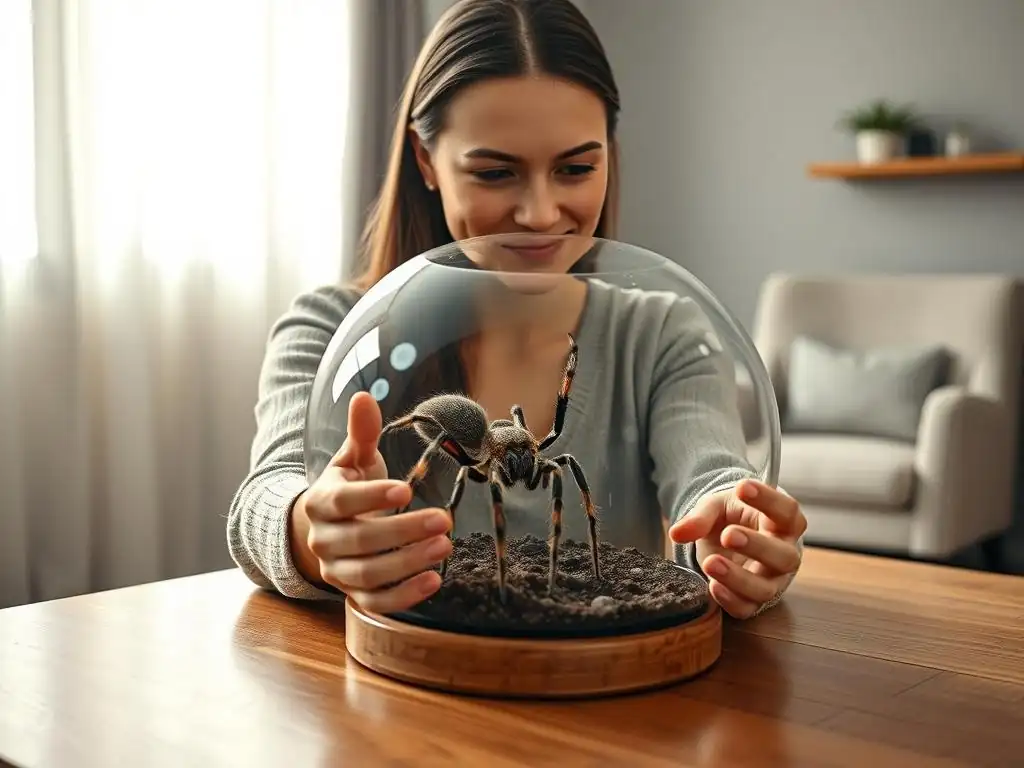
Welcome to Mind Care Guide, your trusted resource for navigating the complexities of mental well-being. Feeling overwhelmed by a phobia? You're not alone. Many struggle with intense fears, and finding the right path to recovery can feel daunting. Our latest article, " Is Exposure Therapy Right for Your Phobia?", delves into this powerful treatment option, exploring its potential benefits and helping you understand if it might be the key to unlocking a life free from crippling anxiety. Curious to know if facing your fears could be the answer you've been searching for? Let's explore together...
Is Exposure Therapy Right for Your Phobia? A Mind Care Guide
- Understanding Phobias and Anxiety Disorders
- Exposure Therapy for Phobia Treatment: A Detailed Look
- Benefits of Exposure Therapy for Phobia Relief
- Is Exposure Therapy the Right Choice for Your Phobia?
- Potential Risks and Side Effects of Exposure Therapy
- Preparing for Exposure Therapy: What to Expect
- Alternatives to Exposure Therapy for Phobias
- Finding a Qualified Exposure Therapist
- Exposure Therapy for Specific Phobias: Examples and Success Stories
- Frequently Asked Questions
- Final Reflection: Facing Fears, Finding Freedom
- Conquer Your Fears: Start Your Journey Today!
Understanding Phobias and Anxiety Disorders
Defining Specific Phobias: A Mental Health Perspective
Specific phobias are a type of anxiety disorder characterized by an intense, irrational fear of a specific object or situation. Unlike general anxiety, the fear triggered by a phobia is disproportionate to the actual danger posed by the feared object or situation. This can include fears of animals (like spiders or snakes), natural environments (like heights or storms), blood-injection-injury situations, or specific situations (like flying or enclosed spaces). The diagnosis typically requires the fear to be persistent, lasting for six months or more, and causing significant distress or impairment in social, occupational, or other important areas of functioning.
These phobias are not simply dislikes or discomforts; they involve immediate and intense anxiety or panic attacks when exposed to the feared stimulus. Individuals often go to great lengths to avoid the phobic object or situation, and this avoidance behavior is a key feature that distinguishes phobias and often perpetuates the fear. While specific phobias are among the most common mental health conditions, affecting an estimated 7-9% of adults in the U.S. in any given year, many people do not seek treatment, often believing they can simply manage through avoidance.
The Impact of Phobias on Mental Well-being
The pervasive fear and avoidance associated with specific phobias can have a profound impact on an individual's mental well-being and daily life. For someone with arachnophobia, simply seeing a picture of a spider or knowing one might be in the house can trigger intense anxiety, leading to constant vigilance or avoidance of certain areas. Aviophobia, the fear of flying, can severely limit travel for work or pleasure, impacting careers and relationships. The anticipation of encountering the feared object or situation can also cause significant distress long before the actual exposure occurs.
Beyond the immediate anxiety response, living with a phobia can lead to feelings of embarrassment, isolation, and reduced self-esteem. The constant effort required to avoid triggers can be exhausting and limiting. In some cases, specific phobias can co-occur with other anxiety disorders, depression, or substance use disorders, further complicating mental health. For instance, a fear of public speaking (a type of social phobia) might prevent someone from pursuing career opportunities or participating in social events, leading to isolation and depressive symptoms. The cumulative effect of living with an untreated phobia can significantly diminish one's quality of life.
Overview of Anxiety Disorder Treatment Options
A range of effective treatments exists for anxiety disorders, including specific phobias, primarily focusing on psychotherapy, medication, or a combination of both. Psychotherapy, or talk therapy, is often recommended as a first-line treatment, particularly for phobias. Cognitive Behavioral Therapy (CBT) is a widely used approach that helps individuals identify and challenge negative thought patterns and behaviors contributing to their anxiety. Within CBT, techniques like exposure therapy are specifically designed to address phobic avoidance.
Medication, such as selective serotonin reuptake inhibitors (SSRIs) or benzodiazepines, may be prescribed to manage severe anxiety symptoms, although they are typically not the primary or sole treatment for specific phobias. Medications can help reduce overall anxiety levels, making it easier for individuals to engage in therapy. Other therapeutic approaches, including relaxation techniques, mindfulness, and applied tension (particularly for blood-injection-injury phobias), can also be valuable components of a comprehensive treatment plan, often used in conjunction with core therapies like exposure therapy phobia treatment.
Exposure Therapy for Phobia Treatment: A Detailed Look
What is Exposure Therapy? A Behavioral Therapy Approach
Exposure therapy is a well-established behavioral therapy technique specifically designed to help individuals confront their fears in a safe and controlled environment. The core principle is that by gradually and repeatedly exposing a person to the object or situation they fear, without the negative consequences they anticipate, the fear response will naturally decrease over time. This process is known as habituation, where the body's automatic fear reaction diminishes with repeated, non-threatening exposure. It operates on the understanding that avoidance, while providing temporary relief, reinforces the phobia in the long run.
The goal of exposure therapy phobia treatment is not to eliminate fear entirely, but to help individuals learn that they can tolerate the fear and that their feared outcomes are unlikely to occur. It helps break the cycle of avoidance and anxiety, allowing individuals to regain control over their lives. This therapeutic approach is highly evidence-based and considered one of the most effective treatments for specific phobias, as well as other anxiety disorders like Obsessive-Compulsive Disorder (OCD) and Post-Traumatic Stress Disorder (PTSD).
How Exposure Therapy Works: The Process Explained
The process of exposure therapy typically begins with a thorough assessment by a therapist to understand the nature and severity of the phobia. This involves identifying the specific triggers and the level of anxiety they provoke.
A crucial step is then collaboratively building a "fear hierarchy" or "fear ladder," which is a list of situations or objects related to the phobia, ranked from least anxiety-provoking to most anxiety-provoking. For example, someone with arachnophobia might list seeing a drawing of a spider as low anxiety, seeing a photo as moderate, seeing a real spider in a cage as high, and having a spider crawl on them as very high.
Once the hierarchy is established, the therapist guides the individual through gradual exposure, starting with the items that cause the least anxiety. This might involve looking at pictures, then watching videos, then being in the same room as the feared object (like a caged spider), and so on. The individual stays in the situation until their anxiety naturally decreases, learning that they can tolerate the discomfort and that their feared outcome doesn't happen.
This process is repeated for each step up the hierarchy, building confidence and reducing fear at each stage. The success of exposure therapy phobia treatment relies on consistent, planned exposure rather than random encounters.
Different Types of Exposure Therapy Techniques
Exposure therapy can be implemented in various ways, depending on the specific phobia, the individual's comfort level, and available resources. The common thread is the systematic confrontation of the feared stimulus. The choice of technique is often made in collaboration with a qualified therapist.
In Vivo Exposure: Facing Fears in Real Life
In vivo exposure involves directly confronting the feared object or situation in real life. This is often considered the most direct and powerful form of exposure therapy for phobia treatment. For example, someone with acrophobia (fear of heights) might start by standing on a low stool, then progress to looking out of a second-story window, then going up a tall building in a glass elevator, all under the guidance and support of their therapist or as planned homework assignments.
This method allows the individual to experience the feared stimulus in its true form, providing concrete evidence that their catastrophic predictions do not come true. A person afraid of dogs might begin by looking at a dog from a distance, then standing closer to a calm, friendly dog, then eventually petting a dog. The therapist helps the individual stay in the situation until anxiety subsides, reinforcing the learning that the situation is safe.
Imaginal Exposure: Visualizing Fearful Scenarios
Imaginal exposure involves vividly imagining the feared object or situation. This technique is particularly useful when in vivo exposure is impractical, impossible, or unethical. For example, someone with a fear of crashing in a plane might be guided to imagine a turbulent flight or even a crash scenario in detail. This allows them to process the fear and anxiety associated with the thoughts and images related to their phobia.
While not as direct as in vivo exposure, imaginal exposure can still be very effective in reducing the emotional response to phobic thoughts and mental images. It helps individuals confront the cognitive and emotional aspects of their fear, reducing the power that these internal representations hold over them. This method is often used in conjunction with other exposure techniques or as a preparatory step before in vivo exposure.
Virtual Reality Exposure Therapy (VRET): Immersive Simulations for Phobia Treatment
Virtual Reality Exposure Therapy (VRET) utilizes immersive virtual environments to simulate feared situations. Using VR headsets and specialized software, individuals can experience realistic simulations of scenarios that trigger their phobia, such as flying in a plane, standing on a tall building, or being in a crowded space. This technology allows for controlled, repeatable, and often more accessible exposure than real-world scenarios.
VRET offers several advantages: it can simulate situations that are difficult or expensive to recreate in real life (like flying or a natural disaster), it provides a high degree of control over the environment and the intensity of the stimulus, and some individuals may feel safer confronting fears in a virtual setting initially. Research suggests that VRET can be as effective as in vivo exposure for certain phobias, making it a valuable tool in modern exposure therapy phobia treatment, bridging the gap between imaginal and real-life exposure.
Benefits of Exposure Therapy for Phobia Relief
Overcoming Fear and Anxiety Through Exposure
The primary benefit of exposure therapy is its direct approach to dismantling the fear response associated with specific phobias. By repeatedly confronting the feared stimulus in a controlled manner, individuals learn that the anticipated catastrophic outcomes rarely, if ever, occur. This process of habituation leads to a significant reduction in the intensity of fear and anxiety experienced when encountering the phobic object or situation. It teaches the brain and body that the danger signals were false alarms.
Furthermore, exposure therapy helps individuals build self-efficacy – the belief in their ability to cope with challenging situations. Successfully navigating exposure exercises, even starting with small steps, demonstrates to the individual that they are capable of tolerating discomfort and managing their anxiety. This newfound confidence extends beyond the specific phobia, empowering individuals to face other challenges in their lives. This form of exposure therapy phobia treatment directly targets the avoidance behavior that maintains the phobia.
Long-Term Effectiveness of Exposure Therapy for Phobias
Exposure therapy is widely regarded as one of the most effective and long-lasting treatments for specific phobias. Clinical studies and meta-analyses consistently show significant reductions in phobic symptoms following a course of exposure therapy. While success rates can vary depending on the specific phobia and individual factors, research often indicates that 70-90% of individuals experience substantial improvement or complete remission of their specific phobia symptoms after engaging in exposure therapy.
A key factor contributing to the long-term effectiveness is the fundamental change in the fear response learned during therapy. Unlike treatments that only manage symptoms, exposure therapy addresses the root cause – the learned association between the stimulus and danger. The skills and new associations developed during therapy tend to persist over time. Follow-up studies often show that the benefits are maintained years after treatment completion, making exposure therapy phobia treatment a highly durable intervention.
Improving Quality of Life with Exposure Therapy
Successfully treating a phobia through exposure therapy can dramatically improve an individual's quality of life. The reduction in fear and avoidance allows people to engage in activities they previously couldn't or wouldn't. This might mean flying to visit family, accepting a job promotion that involves public speaking, walking in a park without fear of insects, or receiving necessary medical treatment (for blood-injection-injury phobias).
The freedom from the constraints of a phobia opens up new opportunities and reduces the daily burden of managing intense anxiety. It can lead to increased participation in social activities, improved relationships, enhanced career prospects, and a greater sense of independence and control. The emotional and psychological relief from living without constant fear is profound, highlighting the transformative potential of effective exposure therapy phobia treatment.
Is Exposure Therapy the Right Choice for Your Phobia?

Assessing Your Phobia Severity and Impact
Determining if exposure therapy is the right path begins with a careful assessment of your phobia's severity and how it impacts your daily life. Consider how intense your fear is when you encounter or anticipate the feared object or situation. Do you experience panic attacks or extreme physical symptoms? Equally important is evaluating the extent of your avoidance behavior. Are you missing out on important events, limiting your activities, or making significant life decisions based solely on avoiding your phobia trigger?
A qualified mental health professional can help you formally assess the severity using standardized questionnaires or clinical interviews. They will explore the history of your phobia, the specific situations that trigger it, and the degree to which it interferes with your social life, work, education, or other functional areas. Understanding this impact is crucial, as exposure therapy is most beneficial for phobias causing significant distress and impairment that avoidance behaviors are maintaining.
Considerations for Exposure Therapy Suitability
While highly effective, exposure therapy might not be suitable for everyone or every situation without modification. Factors a therapist will consider include any co-occurring mental health conditions, such as severe depression, psychosis, or certain personality disorders, which might need to be addressed first or concurrently. Substance use disorders can also impact the effectiveness of therapy. Additionally, an individual's overall physical health and ability to tolerate temporary anxiety are important considerations.
Motivation and commitment are also key. Exposure therapy requires active participation and a willingness to experience discomfort temporarily for long-term gain. It's not a passive treatment. The therapist will assess your readiness to confront your fears and your capacity to engage in the therapeutic process, including completing homework assignments. Open communication with your therapist about your concerns and comfort level is essential when considering exposure therapy phobia treatment.
The Role of a Therapist in Exposure Therapy Success
The guidance and support of a qualified therapist are absolutely critical for the success of exposure therapy. A therapist provides a safe and controlled environment for confronting fears, which is paramount. They have the expertise to correctly assess the phobia, develop a tailored fear hierarchy, and guide you through each step of the exposure process at an appropriate pace. They ensure that exposures are conducted safely and effectively, preventing experiences that could potentially reinforce the fear.
Furthermore, a therapist teaches essential coping skills and relaxation techniques to manage the anxiety experienced during exposures. They provide encouragement, psychoeducation about how fear and anxiety work, and help process the emotional responses that arise. They can adjust the treatment plan as needed and help troubleshoot challenges. Attempting exposure therapy without professional guidance can be ineffective or even counterproductive; the structured, supportive approach provided by a therapist is fundamental to achieving lasting relief through exposure therapy phobia treatment.
Potential Risks and Side Effects of Exposure Therapy
Understanding Temporary Anxiety Increase
It is important to understand that exposure therapy will likely cause a temporary increase in anxiety. The process requires confronting the very things that trigger intense fear, and experiencing that fear is a necessary part of learning that it is manageable and that the feared consequences do not materialize. This initial surge of anxiety, while uncomfortable, is a sign that the therapy is working and that the individual is engaging with the feared stimulus rather than avoiding it.
A qualified therapist will prepare you for this experience and teach you strategies to cope with the discomfort. They will also ensure that the exposure is conducted at a pace you can manage, starting with lower-level triggers before progressing to more intense ones. The goal is not to overwhelm you but to help you learn to tolerate the anxiety until it naturally decreases through habituation. This temporary discomfort is a necessary step towards long-term freedom from the phobia.
Managing Discomfort During Exposure Sessions
Therapists employ various techniques to help individuals manage the discomfort experienced during exposure sessions. This often includes teaching relaxation techniques, such as deep breathing exercises or progressive muscle relaxation, which can help calm the nervous system. Mindfulness techniques can also be beneficial, helping individuals stay present with their feelings without judgment and observe the anxiety as a temporary state.
Another key strategy is staying in the exposure situation until the anxiety naturally decreases, rather than escaping when it peaks. This is crucial for habituation to occur. The therapist provides support and encouragement throughout this process, reminding the individual that the feeling is temporary and they are safe. Discussing the experience afterward helps process the emotions and reinforce the learning that the feared outcome did not happen. Effective management of discomfort is integral to successful exposure therapy phobia treatment.
Addressing Potential Negative Reactions
While exposure therapy is generally safe and effective when conducted by a trained professional, it's important to be aware of potential negative reactions, although these are rare. Some individuals might experience intense initial distress that is difficult to manage, or in very rare cases, an improperly executed exposure might inadvertently reinforce fear. This is why working with a qualified therapist is paramount; they are trained to anticipate and manage such reactions, ensuring the process remains therapeutic and safe.
It's also possible that underlying issues or co-occurring conditions could be exacerbated if not properly assessed and managed alongside the phobia treatment. Open communication with your therapist is vital. If you experience unexpected or overwhelming negative reactions, such as prolonged panic, dissociation, or worsening depressive symptoms following a session, it's crucial to discuss this immediately with your therapist so they can adjust the treatment plan or provide additional support.
Preparing for Exposure Therapy: What to Expect
Initial Assessment and Treatment Planning
The first step in preparing for exposure therapy phobia treatment is the initial assessment with a qualified therapist. This involves a detailed discussion about your phobia, its history, the specific situations or objects you fear, and how it affects your life. The therapist will also inquire about your general mental and physical health, including any other diagnoses or medications. This comprehensive evaluation helps the therapist confirm that a specific phobia is the primary issue and determine if exposure therapy is the most appropriate treatment approach for you.
Based on this assessment, the therapist will collaborate with you to develop a personalized treatment plan. This plan will outline the goals of therapy, the specific type of exposure techniques that will be used, and a general timeline. It's also an opportunity to ask questions about the process, potential challenges, and what commitment is required from you. This planning phase ensures that therapy is tailored to your unique needs and helps you feel prepared for the journey ahead.
Building a Hierarchy of Fears
A critical preparatory step in exposure therapy is constructing a fear hierarchy, also known as a fear ladder or anxiety hierarchy. This is a list of situations or stimuli related to your phobia, ranked in order from the least anxiety-provoking to the most anxiety-provoking.
For someone with claustrophobia (fear of enclosed spaces), the hierarchy might start with standing in a small room with the door open (low anxiety), progress to standing in a small room with the door closed for one minute (moderate anxiety), then sitting in a small closet for five minutes (high anxiety), and climax with being in a crowded elevator for several floors (very high anxiety).
Creating this hierarchy allows for a systematic and gradual approach to exposure. You and your therapist will work together to identify specific steps, ensuring each step is challenging enough to evoke some anxiety but not so overwhelming that it leads to excessive distress or avoidance. This hierarchy serves as the roadmap for the exposure sessions, guiding the therapist on which situations to address and in what order, ensuring a controlled and progressive challenge to your fear.
Coping Mechanisms and Relaxation Techniques
Before beginning exposure exercises, a therapist will typically teach you various coping mechanisms and relaxation techniques. These tools are not meant to eliminate anxiety during exposure but to help you manage the temporary discomfort and prevent feeling overwhelmed. Techniques like diaphragmatic breathing can help regulate the physiological symptoms of anxiety, such as rapid heart rate and shortness of breath. Progressive muscle relaxation can help reduce overall physical tension.
Mindfulness skills, such such as grounding exercises, can also be taught to help you stay present in the moment during an exposure, rather than getting lost in catastrophic thoughts. These techniques provide you with practical skills to use when anxiety spikes during exposure sessions or even in real-life encounters with your phobia triggers. Learning these skills equips you with a sense of agency and control, reinforcing that you have the capacity to tolerate and navigate fearful situations as part of your exposure therapy phobia treatment.
Alternatives to Exposure Therapy for Phobias

Cognitive Behavioral Therapy (CBT) for Phobia Treatment
While exposure therapy is a core component of treating specific phobias, it is often delivered as part of a broader Cognitive Behavioral Therapy (CBT) framework. CBT for phobias typically includes components beyond just exposure. It helps individuals identify and challenge the irrational thoughts and beliefs that contribute to their fear. For example, someone with aviophobia might believe that every bump on a plane means it's about to crash; CBT helps them examine the evidence for and against this belief and develop more realistic thoughts about flying.
CBT also teaches behavioral strategies for managing anxiety and avoidance. While exposure is the primary behavioral intervention, CBT might also include skills training, problem-solving, and relapse prevention planning. For many people, a combination of cognitive restructuring (changing thoughts) and behavioral exposure is highly effective in treating specific phobias, making CBT, with exposure as a key element, a leading approach for exposure therapy phobia treatment.
Medication for Anxiety Disorders and Phobias
Medication is sometimes used in the treatment of specific phobias, although it is generally considered a secondary or adjunctive treatment rather than a standalone solution. Antidepressants, particularly SSRIs, may be prescribed to reduce overall anxiety levels, which can make it easier for individuals to engage in psychotherapy, including exposure therapy. Beta-blockers are sometimes used situationally to manage the physical symptoms of anxiety, such as trembling and rapid heartbeat, in anticipation of a feared event like public speaking or flying.
Benzodiazepines can provide rapid relief from acute anxiety or panic, but they are typically used cautiously and for short durations due to the risk of dependence and sedation, which can interfere with the learning process in exposure therapy. Medications do not cure the phobia itself, as they do not address the underlying learned fear response. They can be helpful tools for symptom management, particularly when anxiety is severe or when a phobia is part of a broader anxiety disorder, but psychotherapy like exposure therapy phobia treatment remains the most effective long-term solution for specific phobias.
Other Therapeutic Approaches: Relaxation Techniques, Mindfulness
Beyond CBT and medication, other therapeutic approaches can complement or serve as alternatives depending on the individual and the nature of the phobia, though they are often less effective as standalone treatments for specific phobias compared to exposure therapy. Relaxation techniques, such as progressive muscle relaxation or guided imagery, can help reduce general anxiety and provide coping tools, but they don't directly confront the phobic stimulus.
Mindfulness meditation involves focusing on the present moment without judgment. While it can help individuals become more aware of their thoughts and feelings and develop a different relationship with anxiety, it doesn't involve the systematic confrontation of the feared stimulus that is central to overcoming phobias through habituation. These approaches can be valuable for managing overall stress and anxiety or as preparatory steps for exposure, but they typically aren't sufficient on their own for eliminating the specific fear response targeted by exposure therapy phobia treatment.
Finding a Qualified Exposure Therapist
Credentials and Experience to Look For
When seeking a therapist for exposure therapy phobia treatment, it's crucial to find someone with specific training and experience in this technique and in treating anxiety disorders. Look for licensed mental health professionals, such as licensed psychologists (Psy.D. or Ph.D.), licensed clinical social workers (LCSW), licensed professional counselors (LPC), or licensed marriage and family therapists (LMFT). Ensure they are licensed to practice in your state or region.
Beyond basic licensure, inquire about their specialization in anxiety disorders and phobias and their training in evidence-based practices like CBT and exposure therapy. Ask about their experience treating your specific type of phobia. Therapists who are members of professional organizations focused on anxiety disorders, such as the Anxiety & Depression Association of America (ADAA), may have additional training or a commitment to using evidence-based methods. Experience matters; a therapist who has successfully guided others through exposure will be better equipped to support you.
Questions to Ask Potential Therapists
Before committing to a therapist, it's helpful to have an initial consultation or phone call and ask specific questions to gauge their suitability for providing exposure therapy phobia treatment. Consider asking:
- What is your experience treating specific phobias, particularly my type of phobia?
- What is your approach to treating phobias? Do you primarily use CBT and exposure therapy?
- How do you structure exposure therapy sessions?
- How long does treatment typically last for specific phobias?
- What is your success rate with exposure therapy for phobias, or what outcomes can I realistically expect?
- How do you handle potential challenges, like intense anxiety during sessions or resistance to exposure?
- What is the typical cost per session, and do you accept my insurance?
These questions will help you assess their expertise, therapeutic approach, and whether you feel comfortable with them. Finding a therapist you trust and feel safe with is paramount for the success of exposure therapy, as it requires vulnerability and a strong therapeutic alliance.
Resources for Locating Exposure Therapy Providers: Psychology Today, ADAA
Several reputable resources can help you locate qualified therapists specializing in exposure therapy phobia treatment. Online directories are often a good starting point. Psychology Today has a widely used therapist finder tool where you can filter by location, insurance, and areas of expertise, including specific phobias and therapeutic modalities like CBT and exposure therapy.
The Anxiety & Depression Association of America (ADAA) website also offers a "Find a Therapist" directory specifically focused on mental health professionals who specialize in anxiety, depression, and related disorders. Searching these resources allows you to find therapists who explicitly list exposure therapy as a technique they use and who have experience with phobias. Checking their profiles for credentials, years of experience, and stated areas of focus can help narrow down your options and find a provider well-suited to guide you through exposure therapy.
Exposure Therapy for Specific Phobias: Examples and Success Stories
Case Study: Overcoming Arachnophobia with Exposure Therapy
Illustrative Example: Sarah, a 32-year-old graphic designer, had severe arachnophobia that significantly impacted her life. She would panic at the sight of spiders, avoid basements and garages, and constantly check rooms, making it difficult to relax at home or visit friends in older houses. Her fear hierarchy started with looking at cartoon spider drawings (low anxiety), progressed to viewing realistic photos (moderate), watching videos of spiders moving (higher), being in the same room as a small, caged spider (high), and eventually, with the help of her therapist, allowing a harmless spider to crawl on a gloved hand (very high).
Over 10 weekly sessions of exposure therapy, Sarah worked through her hierarchy. During each exposure, she would stay with the stimulus until her anxiety dropped significantly, learning that the spiders were not dangerous and her panic response was manageable. She practiced relaxation techniques and challenged her thoughts about spiders being aggressive or harmful. By the end of therapy, Sarah could tolerate seeing spiders in her home without panicking, could enter previously avoided areas, and felt a profound sense of freedom and control. This demonstrates the power of systematic exposure therapy phobia treatment for specific fears.
Illustrative Example: David, a 25-year-old accountant, struggled with severe social anxiety disorder, which included a significant fear of public speaking and interacting with superiors at work. His anxiety made presentations terrifying and limited his career advancement. His exposure hierarchy included ordering food at a busy restaurant (low anxiety), asking a question in a small meeting (moderate), giving a brief presentation to colleagues he knew well (high), and finally, giving a presentation to senior management (very high).
Working with his therapist, David engaged in exposures both in session (role-playing interactions) and as homework assignments (practicing ordering food, asking questions). He learned to tolerate the physical symptoms of anxiety, like blushing and trembling, without letting them stop him. He also used cognitive restructuring to challenge fears about being judged or making mistakes. After several months of exposure therapy, David successfully delivered presentations, felt more confident in meetings, and even started attending social events he previously avoided, showing how exposure therapy phobia treatment can extend to complex anxiety disorders like social anxiety.
The Importance of Professional Guidance in Phobia Treatment
These examples, while illustrative of common scenarios, highlight a critical element: the presence and guidance of a trained professional. Exposure therapy, particularly for more severe or complex phobias, is most effective and safest when conducted under the supervision of a therapist experienced in this modality. They can correctly assess the phobia, build an appropriate hierarchy, manage distress during sessions, and tailor the approach to individual needs and responses.
A therapist ensures that exposures are conducted systematically, gradually, and safely, maximizing the chances of successful habituation and learning. They also provide the necessary emotional support and teach coping skills, empowering individuals to face their fears rather than being overwhelmed by them. Attempting exposure without professional guidance can be unpredictable and potentially counterproductive. Therefore, the success of exposure therapy phobia treatment relies heavily on finding and working closely with a qualified therapist.
Frequently Asked Questions
Is Exposure Therapy Always the First-Line Treatment for Phobias?
No, while effective, exposure therapy isn't always the first choice. Other options like cognitive behavioral therapy (CBT) or medication may be considered initially, depending on the severity of the phobia and individual circumstances.
What Types of Phobias Respond Best to Exposure Therapy?
Exposure therapy is particularly effective for specific phobias, such as fear of heights, spiders, or enclosed spaces. It can also be helpful for social anxiety and panic disorder when a phobia is involved.
How Does Exposure Therapy Actually Work?
Exposure therapy involves gradually exposing individuals to their feared stimuli in a safe and controlled environment. This repeated exposure helps to reduce anxiety and break the association between the stimulus and the fear response.
What Are the Potential Risks or Side Effects of Exposure Therapy?
While generally safe, exposure therapy can temporarily increase anxiety or distress. It's crucial to work with a qualified therapist who can manage these responses and ensure the process is gradual and supportive.
How Long Does Exposure Therapy Typically Take to Show Results?
The duration of exposure therapy varies depending on the individual and the severity of the phobia. Some people may experience noticeable improvements within a few sessions, while others may require several weeks or months of treatment.
Final Reflection: Facing Fears, Finding Freedom
The effectiveness of exposure therapy in conquering phobias remains a powerful and timely topic, particularly in a world increasingly focused on mental health and well-being. Understanding the mechanisms behind this treatment, and its potential benefits and limitations, is crucial for anyone grappling with the debilitating effects of a phobia. It's not just about conquering a fear; it's about reclaiming a life unburdened by unnecessary anxiety.
Exposure therapy's impact extends far beyond individual healing; it's reshaping our understanding of mental health treatment as a whole. Its emphasis on gradual desensitization and cognitive restructuring offers a powerful alternative to avoidance, a behavior that often exacerbates phobic responses. This approach underscores the importance of facing our fears, rather than running from them.
As Viktor Frankl wisely observed, >“Between stimulus and response there is a space. In that space is our power to choose our response. In our response lies our growth and our freedom.” This quote perfectly encapsulates the empowering nature of exposure therapy and its potential to foster personal growth.
You now possess a clearer understanding of exposure therapy and its potential to help you overcome your phobia. Consider the information presented, and reflect on whether this approach aligns with your needs and preferences. Don't hesitate to seek professional guidance to determine the best course of action for your specific situation. Remember, the journey to conquering a phobia is a personal one, but with the right tools and support, freedom from its grip is entirely possible. Take that first step, and begin your path towards a life less limited by fear.
Conquer Your Fears: Start Your Journey Today!
Thanks for taking the time to learn about exposure therapy. We hope this article shed light on how you can overcome your phobia and regain control of your life. Now it’s time to put that knowledge into action!
- Schedule a consultation with a therapist specializing in exposure therapy: This is the most crucial step towards overcoming your fear. They can tailor a treatment plan specific to your needs.
- Share this article with someone who might benefit: Helping others can be a powerful way to process your own experiences and build support.
- Explore relaxation techniques mentioned in the article: Practice these daily to build coping mechanisms and reduce anxiety.
What small step will you take this week to confront your phobia?