
The Power Nap Dilemma: How Napping Impacts Your Mental Health & Sleep Hygiene


Welcome to Mind Care Guide, your haven for navigating the complexities of mental well-being. Feeling overwhelmed or simply seeking ways to enhance your mental clarity? You're not alone. We understand the importance of small, sustainable steps. That's why we're diving into a topic that's been buzzing: the power of short naps.
But is it really all sunshine and mental rainbows? Let's explore the "Short naps boost mental health" – and uncover the truth about how napping truly impacts your mental health and sleep hygiene. Intrigued? Keep reading to find out if a midday snooze is your secret weapon or a sneaky saboteur.
The Power Nap Dilemma: How Napping Impacts Your Mental Health & Sleep Hygiene
- Understanding the Science of Napping and Mental Well-being
- Short Naps Boost Mental Health: The Potential Upsides
- The Dark Side of Napping: Potential Downsides for Sleep Hygiene
- Optimizing Your Napping Habits for Mental Health
- Who Should Avoid Napping? Assessing Your Individual Needs
- Integrating Short Naps into a Holistic Mental Health Strategy
- Beyond Napping: Cultivating a Healthy Sleep Routine for Mental Well-being
-
Frequently Asked Questions
- How can short naps boost mental health, according to Mind Care Guide?
- What is the "power nap dilemma" discussed by Mind Care Guide, and why is it important?
- How does Mind Care Guide recommend managing nap duration to avoid negative impacts on sleep?
- Does Mind Care Guide offer resources for individuals struggling with sleep hygiene related to napping habits?
- What mental health challenges does Mind Care Guide address in relation to poor sleep patterns caused by incorrect napping?
- Final Reflection: Reclaiming the Power Nap for a Healthier You
- Unlock Your Nap Potential: Boost Your Well-being Today!
Understanding the Science of Napping and Mental Well-being
What is a Power Nap and How Does it Affect Your Brain?
A power nap is typically defined as a short period of sleep, usually lasting between 10 and 30 minutes. The goal is to gain restorative benefits without entering deep sleep stages, which can lead to grogginess upon waking. When you take a power nap, your brain activity shifts from wakefulness to lighter stages of sleep, primarily Stage 1 and Stage 2 Non-Rapid Eye Movement (NREM) sleep. This brief dip into sleep allows the brain to perform quick restorative processes.
During this short sleep window, neural circuits involved in attention, working memory, and logical reasoning can reset or refresh. The brain can clear out adenosine, a chemical that builds up throughout the day and promotes sleepiness. By reducing adenosine levels, even a short nap can lead to increased alertness and reduced fatigue, helping to improve cognitive function and potentially demonstrating how short naps boost mental health by fighting off mental exhaustion.
The Role of Sleep Stages in Short Naps for Cognitive Function
Short naps primarily involve Stage 1 and Stage 2 of NREM sleep. Stage 1 is the transition from wakefulness to sleep, often lasting only a few minutes. Stage 2, which follows, is a slightly deeper sleep stage characterized by unique brainwave patterns called sleep spindles and K-complexes. These patterns are thought to play a crucial role in memory consolidation and processing sensory information.
Staying within these lighter stages is key to the power nap's effectiveness. If a nap extends beyond 30 minutes, there's a higher chance of entering Slow-Wave Sleep (SWS) or Stage 3 NREM. Waking up from SWS typically results in sleep inertia, the feeling of grogginess and disorientation. By keeping naps brief, you maximize the benefits of refreshing the brain without the downside of emerging from deep sleep, thereby supporting cognitive performance and overall mental well-being.
Exploring the Link Between Nap Length and Mental Health Benefits
The duration of a nap significantly influences its impact on mental health. A nap of around 20 minutes, often called a "power nap," is widely cited for its ability to improve alertness and performance without causing significant sleep inertia. This length allows most people to stay within Stage 1 and Stage 2 sleep, providing a quick cognitive reset. Research has shown that naps of this length can enhance vigilance and reaction time, critical components of effective cognitive function.
Longer naps, particularly those exceeding 30-60 minutes, can offer different benefits but come with increased risks. While a nap incorporating SWS (30-60 minutes) might offer benefits for declarative memory (facts and events), waking from this stage can lead to significant grogginess. Naps lasting 60-90 minutes might include REM sleep, beneficial for creative problem-solving and emotional processing.
However, longer naps are also more likely to interfere with nighttime sleep patterns, potentially disrupting overall sleep hygiene, which is foundational for stable mental health. The ideal length often depends on the desired outcome and individual sleep needs, but for a quick mental boost, shorter is generally better.
Short Naps Boost Mental Health: The Potential Upsides
Improved Alertness and Focus with Strategic Napping
One of the most immediate benefits of a short nap is a noticeable improvement in alertness and the ability to focus. When fatigue sets in, typically in the early afternoon, our capacity for sustained attention and concentration diminishes. A brief nap, ideally between 10 and 20 minutes, can effectively combat this dip. It's like hitting a reset button for the brain's vigilance systems.
Studies have indicated that a well-timed power nap can improve performance on tasks requiring sustained attention to a level comparable to or even better than caffeine. For instance, some research involving simulated driving tasks has shown that naps significantly reduce errors caused by drowsiness. This enhanced alertness translates directly to better performance in work, study, and daily activities, proving how short naps boost mental health by sharpening cognitive capabilities.
Enhancing Memory Consolidation Through Brief Daytime Sleep
While longer naps or nighttime sleep are crucial for complex memory consolidation, even brief naps can play a role, particularly in consolidating recently acquired information. During sleep, including short bouts of daytime sleep, the brain replays neural activity associated with recent learning experiences. This process helps to strengthen the connections between neurons, making memories more stable and accessible.
Even staying within Stage 2 sleep during a nap is believed to contribute to memory processing, especially for motor skills and perceptual learning. For example, studies have demonstrated that individuals who take short naps after learning a new skill perform better on subsequent tests of that skill compared to those who remain awake. This suggests that incorporating strategic short naps can be a valuable tool for students or anyone needing to absorb and retain new information, thereby supporting cognitive health and potentially boosting overall mental function.
Napping as a Mood Booster: Reducing Stress and Anxiety
Fatigue is a known contributor to irritability, stress, and heightened anxiety levels. When you're tired, your emotional regulation can be impaired, making you more susceptible to negative feelings. A short nap can act as a powerful mood regulator, offering a brief respite that allows your nervous system to calm down.
Taking a nap provides a physical and mental break from stressors. Emerging from a nap, even a short one, can leave you feeling more refreshed, patient, and better equipped to handle challenges. This reduction in stress and improved emotional state is a significant way that short naps boost mental health, helping to alleviate feelings of overwhelm and promoting a more positive outlook on the day.
Power Naps and Creativity: Unleashing Mental Potential
Beyond just improving alertness and memory, power naps can also unlock creative potential. REM sleep is strongly linked to creativity and insightful problem-solving, as it's a period when the brain makes novel connections between seemingly unrelated ideas. While very short naps might not include REM sleep, slightly longer naps (around 60-90 minutes) often do.
However, even briefer naps can indirectly support creativity by reducing mental fatigue and clearing cognitive clutter. When the brain is less burdened by tiredness, it has more resources available for divergent thinking and exploring new possibilities. Some anecdotal evidence and preliminary studies suggest that a quick nap can lead to an "aha!" moment or a fresh perspective on a problem, highlighting another way short naps can benefit mental processes, including creative thought.
The Dark Side of Napping: Potential Downsides for Sleep Hygiene
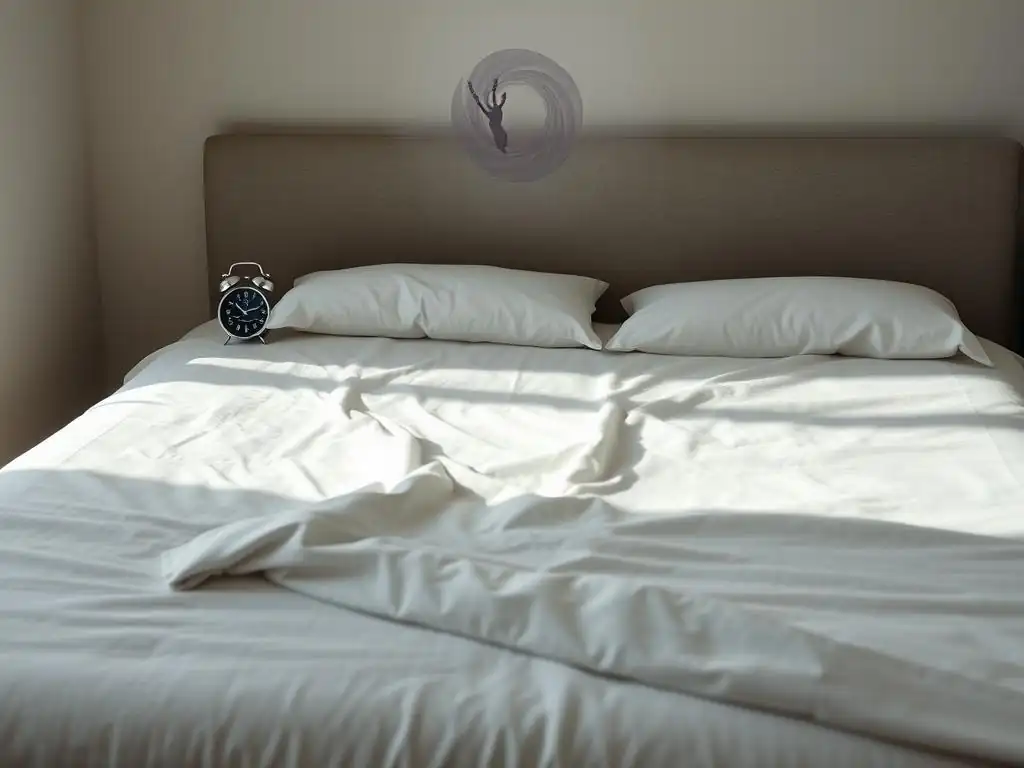
Disrupting Your Sleep Schedule: The Risk of Sleep Fragmentation
While short naps can be beneficial, poorly timed or excessively long naps can significantly disrupt your natural circadian rhythm and nighttime sleep schedule. Taking a long nap, especially late in the afternoon or evening, can reduce the homeostatic sleep drive – the body's increasing need for sleep the longer you're awake. This reduced drive makes it harder to fall asleep at your usual bedtime.
This disruption can lead to sleep fragmentation, where your nighttime sleep is broken into shorter, less restorative segments. Consistent sleep fragmentation prevents you from getting sufficient deep sleep and REM sleep, both crucial for physical and mental restoration. Over time, this can lead to chronic sleep deprivation, undermining overall sleep hygiene and negatively impacting mental health.
The Impact of Napping on Sleep Latency and Insomnia
Sleep latency refers to the amount of time it takes to fall asleep once you get into bed. For individuals who struggle with insomnia or difficulty falling asleep at night, napping can exacerbate these problems. A nap, even a relatively short one, can decrease the pressure to sleep that builds up throughout the day.
If this pressure is reduced too much by a nap, you may find yourself lying awake for a longer period when you go to bed, increasing frustration and anxiety about sleep. This cycle of difficulty falling asleep at night leading to daytime fatigue and then napping can perpetuate insomnia. Therefore, while short naps boost mental health for some, they can be counterproductive for others struggling with nighttime sleep onset issues.
Sleep Inertia: The Grogginess That Can Negate Nap Benefits
Sleep inertia is the feeling of grogginess, disorientation, and impaired performance that can occur immediately after waking from sleep, particularly from deeper stages of sleep (SWS). If a nap is too long (typically over 30 minutes), you are more likely to enter SWS. Waking up abruptly from SWS can result in significant sleep inertia, which can last anywhere from a few minutes to over an hour.
This post-nap grogginess can temporarily impair cognitive function, coordination, and decision-making. In some cases, the negative effects of sleep inertia can outweigh the potential benefits of the nap, negating the desired boost in alertness or focus. Managing nap length is crucial to minimize the risk of experiencing significant sleep inertia and ensure the nap is truly restorative.
When Napping Becomes a Problem: Recognizing Excessive Daytime Sleepiness
While occasional napping to combat fatigue is normal, excessive or uncontrollable daytime sleepiness (EDS) that requires frequent or long naps can be a sign of an underlying sleep disorder or medical condition. Conditions like sleep apnea, narcolepsy, chronic insomnia, or even certain medications can cause significant EDS.
Relying heavily on naps to get through the day, especially if you still feel unrefreshed after napping, is a red flag. It's important to distinguish between strategic napping for a boost and napping out of necessity due to overwhelming sleepiness. If you experience persistent, excessive daytime sleepiness despite adequate opportunity for nighttime sleep, it's crucial to consult a healthcare professional to identify and address the root cause.
Optimizing Your Napping Habits for Mental Health
Timing is Everything: The Best Time of Day for a Power Nap
The optimal time for a power nap is typically in the early afternoon, roughly 7-8 hours after waking up from your main night's sleep. This timing aligns with the natural dip in alertness that most people experience as part of their circadian rhythm. For someone who wakes at 7 AM, the ideal nap window might be between 2 PM and 3 PM.
Napping too late in the day, particularly within a few hours of your usual bedtime, is strongly discouraged. A late nap can significantly reduce your sleep drive, making it difficult to fall asleep at night and potentially disrupting your overall sleep architecture. Finding the right time for your nap is critical to ensuring it complements, rather than compromises, your nighttime sleep.
Duration Matters: Finding the Ideal Nap Length for Your Needs
As discussed, the length of your nap dictates which sleep stages you're likely to enter and, consequently, the benefits and potential downsides. For most people seeking improved alertness and performance without grogginess, a nap of 10-20 minutes is ideal. This duration allows you to enter Stage 1 and 2 NREM sleep but typically prevents you from falling into deeper SWS.
If you're seeking benefits related to memory consolidation or creative processing, a longer nap (60-90 minutes) that includes SWS and potentially REM sleep might be more effective. However, be prepared for potential sleep inertia upon waking from a longer nap. Experimenting with different durations within the recommended ranges can help you determine what works best for your individual needs and schedule. Setting an alarm is crucial for maintaining your chosen duration.
Creating a Conducive Napping Environment: Optimizing Your Sleep Space
Just like preparing for nighttime sleep, creating the right environment is essential for a successful nap. A dark, quiet, and cool space is most conducive to falling asleep quickly and achieving restorative rest. Minimize light exposure by using blackout curtains or an eye mask. Reduce noise distractions with earplugs or a white noise machine.
Ensure the temperature is comfortable; a slightly cooler room is often recommended for sleep. Lying down in a comfortable position, perhaps on a couch or bed, is generally more effective than trying to nap sitting upright at a desk. Taking a few moments to relax before attempting to nap can also help you transition into sleep more smoothly.
Nap Alternatives: Strategies for Combating Daytime Fatigue Without Napping
For those who find napping disruptive or simply prefer not to nap, there are effective alternatives for combating daytime fatigue. A short walk, even just 10-15 minutes, can boost circulation and alertness. Stepping outside into natural light can also help regulate your circadian rhythm and increase wakefulness.
Engaging in light physical activity, stretching, or even just standing up and moving around can fight off drowsiness. Listening to energizing music, splashing cold water on your face, or having a brief, stimulating conversation can also help. If you feel an energy dip, try one of these strategies first before considering a nap, especially if you have trouble sleeping at night.
Who Should Avoid Napping? Assessing Your Individual Needs

Napping and Pre-existing Sleep Disorders: A Word of Caution
While short naps boost mental health and alertness for many, they can be problematic for individuals with certain pre-existing sleep disorders, particularly chronic insomnia. If you struggle to fall asleep or stay asleep at night, napping during the day, even for a short period, can further reduce your sleep drive and make nighttime sleep even more challenging.
For people with conditions like sleep apnea, napping might not provide truly restorative sleep and could potentially mask the severity of the underlying disorder. If you have been diagnosed with a sleep disorder, or suspect you might have one, it is crucial to discuss your napping habits with your doctor or a sleep specialist. They can provide personalized guidance based on your specific condition and treatment plan.
Napping and Age: Considerations for Different Life Stages
Napping needs and patterns often change throughout the lifespan. Infants and young children require multiple naps per day as part of their rapid development. Toddlers and preschoolers typically transition to a single afternoon nap. School-aged children may or may not nap, depending on their individual needs and activity levels.
Adolescents often experience a natural shift in their circadian rhythm, making them prone to staying up late and wanting to sleep in, which can lead to daytime fatigue. While a short nap might seem appealing, it's important not to let it replace sufficient nighttime sleep. Older adults may experience changes in sleep architecture, including lighter sleep and more awakenings at night, which can lead to increased daytime sleepiness. Short, well-timed naps can be beneficial for some older adults, but long or late naps should be avoided to preserve nighttime sleep quality.
Listen to Your Body: Identifying Your Personal Napping Threshold
Ultimately, the decision of whether and how to nap should be guided by listening to your own body and observing how napping affects you. Pay attention to when you feel tired during the day and how a nap (or lack thereof) impacts your energy levels, mood, and ability to fall asleep at night.
Keep a sleep diary for a week or two, noting when you nap, for how long, how you feel upon waking, and how well you sleep that night. This can help you identify patterns and determine if napping is helping or hindering your overall sleep hygiene and mental well-being. Some people feel refreshed by a 15-minute nap, while others feel groggy from anything over 10 minutes. Your body will give you clues about what works best for you.
Integrating Short Naps into a Holistic Mental Health Strategy
Combining Napping with Other Sleep Hygiene Practices
For short naps to effectively boost mental health, they should be viewed as a supplement to, not a replacement for, healthy nighttime sleep. Integrating strategic napping means ensuring it fits within a broader framework of good sleep hygiene. This includes maintaining a consistent sleep schedule (even on weekends), creating a relaxing bedtime routine, and optimizing your bedroom environment for sleep.
If you choose to nap, make sure it doesn't compromise your ability to get 7-9 hours of quality sleep each night. Use naps strategically when you anticipate or experience a dip in alertness, rather than relying on them to catch up on chronic sleep debt. A well-executed nap can enhance the benefits of solid nighttime sleep, leading to improved overall mental function and resilience.
The Role of Napping in Managing Stress and Anxiety
As mentioned earlier, short naps can be a valuable tool in managing stress and anxiety. Taking a nap provides a necessary pause, a brief escape from the demands and pressures of the day. This period of rest allows your nervous system to settle down, reducing the physiological arousal associated with stress.
Furthermore, by improving alertness and cognitive function, naps can make you feel more capable of handling stressful situations. When you are well-rested, you are generally more patient, less reactive, and better able to problem-solve. Incorporating a power nap when feeling overwhelmed can be a proactive step in maintaining emotional equilibrium and preventing stress from escalating. This is a direct way that short naps boost mental health by acting as a buffer against daily pressures.
Using Naps as a Tool for Improved Cognitive Performance
Whether you're a student, a professional, or simply navigating daily life, optimal cognitive performance is key to productivity and well-being. Short, strategic naps can be a potent tool for enhancing various aspects of cognition. From improving vigilance and reaction time to aiding in memory consolidation and potentially boosting creative thinking, naps offer tangible mental benefits.
Think of a nap as a quick system reboot for your brain. When you feel your focus waning or your mind becoming foggy, a 20-minute nap can clear the cobwebs and restore your ability to concentrate effectively. By using naps judiciously to sharpen your cognitive edge, you can improve performance on tasks, reduce errors, and feel more mentally capable throughout the day.
Beyond Napping: Cultivating a Healthy Sleep Routine for Mental Well-being
Prioritizing Consistent Bedtimes and Wake Times
The cornerstone of good sleep hygiene is consistency. Going to bed and waking up around the same time every day, including weekends, helps regulate your body's internal clock, the circadian rhythm. A consistent schedule reinforces the sleep-wake cycle, making it easier to fall asleep when it's time and wake up feeling refreshed.
Disrupting this schedule, such as sleeping in significantly on weekends, can lead to "social jet lag," which mimics the effects of traveling across time zones and can negatively impact mood, energy levels, and overall mental health. While short naps boost mental health when timed correctly, they should support, not replace, the fundamental practice of consistent sleep timing.
Creating a Relaxing Bedtime Ritual for Better Sleep Quality
Preparing your mind and body for sleep is just as important as the sleep itself. Establishing a relaxing bedtime ritual signals to your brain that it's time to wind down. This ritual should involve calming activities in the hour or so before bed, such as reading a physical book, taking a warm bath, listening to soothing music, or practicing gentle stretching or meditation.
Avoid stimulating activities like working, engaging in intense discussions, or using electronic devices with blue light (phones, tablets, computers) close to bedtime, as blue light can interfere with melatonin production, a hormone crucial for sleep. A consistent, calming routine helps reduce stress and anxiety, making the transition into sleep smoother and promoting deeper, more restorative rest.
The Importance of a Healthy Diet and Exercise for Sleep
Your lifestyle choices during the day significantly impact your sleep quality at night. A balanced diet that includes plenty of fruits, vegetables, lean proteins, and whole grains supports overall health, including sleep regulation. Avoiding heavy meals, excessive caffeine, and alcohol close to bedtime is crucial, as these can disrupt sleep patterns.
Regular physical activity is also strongly linked to improved sleep quality. Exercise helps reduce stress and anxiety and can increase the amount of time spent in deep sleep. Aim for at least 30 minutes of moderate-intensity exercise most days of the week, but try to finish vigorous workouts at least a few hours before bedtime. While short naps boost mental health temporarily, consistent healthy habits provide a more sustainable foundation for sleep and well-being.
Seeking Professional Help for Persistent Sleep Problems
If you consistently struggle with falling asleep, staying asleep, excessive daytime sleepiness, or if your napping habits feel uncontrolled or necessary to function, it may be time to seek professional help. Persistent sleep problems can have significant negative impacts on both physical and mental health.
A healthcare provider or a sleep specialist can help identify the root cause of your sleep difficulties, which could range from behavioral factors to underlying medical or psychological conditions. They can offer effective strategies, such as Cognitive Behavioral Therapy for Insomnia (CBT-I), lifestyle adjustments, or medical treatments, to help you achieve healthier, more restorative sleep and improve your overall mental well-being. Do not hesitate to reach out if sleep feels like a constant struggle.
Frequently Asked Questions
How can short naps boost mental health, according to Mind Care Guide?
Short naps can improve cognitive function and mood. This temporary rest can lead to increased alertness and focus.
What is the "power nap dilemma" discussed by Mind Care Guide, and why is it important?
The dilemma refers to the fine line between beneficial short naps and disruptive longer naps. Understanding this balance is crucial for sleep hygiene and mental well-being.
How does Mind Care Guide recommend managing nap duration to avoid negative impacts on sleep?
Mind Care Guide suggests keeping naps under 30 minutes. This avoids entering deeper sleep stages, preventing sleep inertia upon waking.
Yes, Mind Care Guide provides information and resources on establishing healthy sleep routines. This includes guidance on optimal nap times and durations.
What mental health challenges does Mind Care Guide address in relation to poor sleep patterns caused by incorrect napping?
Mind Care Guide highlights potential links between poor sleep, including disruptive napping, and increased symptoms of anxiety and depression. This emphasizes the importance of sleep as a cornerstone of mental wellness.
Final Reflection: Reclaiming the Power Nap for a Healthier You
The pervasive myth of the unproductive nap needs debunking. Short, strategic naps aren't a sign of laziness; they're a powerful tool for enhancing mental well-being and optimizing cognitive function. This article has explored the science behind this often-misunderstood practice, revealing its potential benefits and highlighting the importance of mindful napping habits.
The impact of napping on our cultural landscape is subtle yet profound. For generations, napping has been stigmatized, associated with indolence and inefficiency. However, as we increasingly understand the importance of sleep for overall health, a shift in perspective is occurring. We're beginning to recognize the restorative power of even a brief period of rest. The afternoon nap is a luxury that few can afford, but it is a luxury that everyone needs.
This quote, though perhaps not directly about short naps, speaks to the underlying need for rest that our society often overlooks. The growing acceptance of napping as a legitimate tool for self-care reflects a broader cultural shift towards prioritizing mental and physical well-being.
Now, consider your own relationship with rest. Are you allowing yourself the opportunity to harness the power of the short nap? Experiment with incorporating short, strategic naps into your routine, paying close attention to how they impact your energy levels, mood, and cognitive performance. Remember, the key is mindful practice: find the optimal nap length for your individual needs and ensure it doesn't interfere with your nighttime sleep. Embrace the power of the pause, and discover the transformative potential of the short nap for a healthier, more productive, and ultimately happier you.
Unlock Your Nap Potential: Boost Your Well-being Today!
Thanks for diving into the world of power naps with us! You've now got the knowledge to harness the amazing benefits – and avoid the pitfalls – of midday rests. Ready to put this new understanding into practice?
- Schedule your perfect power nap: Experiment with different nap lengths (20 minutes is ideal for most!) to discover what works best for your energy levels and sleep cycle.
- Share your nap experiences: Tell us in the comments – what nap strategies work best for you? What challenges have you overcome?
- Track your nap progress: Keep a simple sleep journal for a week, noting how your naps impact your mood, focus, and overall sleep quality. This is key to optimizing your routine.
What small change will you make to your daily routine to incorporate the power of the nap?