
For the Curious: What to Look for in Your First Meditation App


Welcome to Mind Care Guide, a safe space dedicated to nurturing your mental well-being. Feeling overwhelmed by the thought of starting meditation? You're not alone. Finding the right tool can be transformative, and that's why we've created a comprehensive guide to help you navigate the world of meditation apps for beginners. Curious about what features truly matter? Let's unlock the potential of mindfulness, together.
For the Curious: What to Look for in Your First Meditation App
- Finding the Right Meditation App for Beginners: A Mind Care Guide
- Key Features to Consider in a Beginner-Friendly Meditation App
- Exploring Free vs. Paid Meditation Apps: What's Right for You?
- Specific Meditation Apps Recommended for Beginners
- Maximizing the Benefits of Your Meditation App: Tips for Beginners
- Conclusion: Embarking on Your Meditation Journey with Confidence
-
Frequently Asked Questions
- What are the key features to look for in a meditation app for beginners?
- Is a paid meditation app for beginners worth the investment?
- How important is the instructor's voice and style in a meditation app for beginners?
- Can a meditation app for beginners really help with anxiety and stress?
- How do I choose the right meditation app for beginners from so many options?
- Final Reflection: Finding Your Inner Peace, One App at a Time
- Unlock Your Inner Peace: Start Your Meditation Journey Today!
Finding the Right Meditation App for Beginners: A Mind Care Guide
Embarking on a journey towards greater mental well-being often involves exploring practices like meditation. For many, the sheer number of available resources can feel overwhelming, especially when starting out. This is where a well-chosen meditation app for beginners can serve as an invaluable guide, offering structure, support, and accessibility right from your smartphone or tablet. These digital tools are designed to demystify meditation, making it approachable even if you've never tried it before, providing guided sessions and foundational knowledge to build a consistent practice.
Selecting the ideal meditation app for beginners requires understanding what features are most beneficial when you're just starting. It's not just about finding an app; it's about finding one that resonates with your learning style, fits into your daily life, and helps you cultivate mindfulness without adding stress. We'll explore the key elements that distinguish a truly helpful app for newcomers, from the quality of guidance to the variety of content and the overall user experience, ensuring your initial steps into meditation are positive and sustainable.
Key Features to Consider in a Beginner-Friendly Meditation App
Guided Meditations: Your Pathway to Mindfulness
Guided meditations are arguably the most crucial feature for any meditation app for beginners. These sessions are led by an instructor whose voice guides you through the entire process, providing instructions on posture, breathing, and focusing your attention. This eliminates the guesswork and potential frustration that can arise when trying to meditate without direction, making the practice much more accessible and less intimidating for newcomers.
Effective guided meditations for beginners often start with foundational concepts, such as body scan meditations to build awareness or simple breath-following exercises. Look for apps that offer introductory series, often structured over several days or weeks, which gradually introduce different techniques and build a solid understanding of mindfulness principles. Many popular apps, for instance, feature multi-day courses specifically titled "Introduction to Meditation" or "Mindfulness Basics," providing a structured path forward.
Variety of Content: More Than Just Meditation
While guided meditation is central, a comprehensive meditation app for beginners should ideally offer a variety of content types to keep users engaged and cater to different needs and moods. This might include unguided meditation timers with customizable sounds, relaxing music or soundscapes (like nature sounds or white noise), and perhaps even sleep stories designed to help users fall asleep more easily.
Beyond core meditation practices, some apps provide mindfulness exercises that can be integrated into daily life, such as mindful eating prompts or walking meditations. Others include talks or lessons on the psychology of mindfulness, stress reduction, or emotional regulation. Having access to this broader range of resources ensures that the app can support various aspects of mental well-being, extending its utility beyond formal meditation sessions and offering different ways to engage with the principles of mindfulness.
Session Lengths: Fitting Meditation into Your Busy Schedule
For beginners, consistency is often more important than duration. A good meditation app for beginners recognizes this by offering a wide range of session lengths, from very short sessions of just 3-5 minutes up to longer sessions of 20-30 minutes or more. This flexibility allows users to fit meditation into even the busiest schedules, making it easier to establish a regular practice.
Starting with shorter sessions can feel less daunting and is often recommended for beginners who are new to sitting still or focusing their attention for extended periods. As comfort and concentration improve, users can gradually explore longer sessions. Apps that clearly label session durations and allow easy filtering by length make it simple to choose a practice that fits the time you have available on any given day, ensuring that meditation remains an achievable goal rather than another source of pressure.
User Interface and Experience (UI/UX): Simple and Intuitive Design
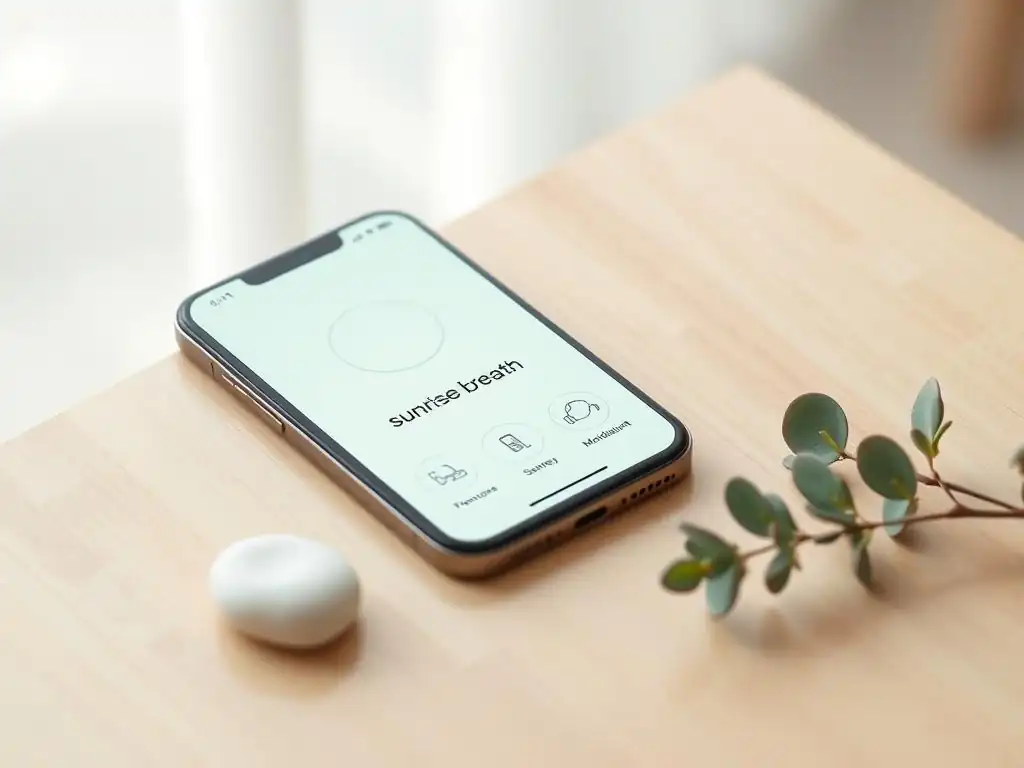
A clean, simple, and intuitive user interface (UI) and overall user experience (UX) are crucial for a meditation app for beginners. Navigating an app should be effortless, allowing users to easily find the type of meditation they're looking for, start a session with minimal taps, and understand the app's features without a steep learning curve. A cluttered or confusing interface can be a significant barrier, especially when you're already feeling hesitant about trying something new.
Look for apps with calming visuals, easy-to-read text, and logical navigation menus. Features like a prominent "Beginner" section, clear categories for different types of meditations (e.g., stress, sleep, focus), and simple playback controls contribute to a positive user experience. An app that feels pleasant and simple to use encourages regular engagement, making it easier to integrate meditation into your routine rather than feeling like a chore to navigate.
Progress Tracking and Goal Setting: Staying Motivated on Your Journey
Seeing your progress can be a powerful motivator when starting a new habit like meditation. Many meditation apps for beginners include features that track your sessions, showing you statistics like the total number of meditations completed, cumulative time spent meditating, and streaks of consecutive days. This provides a tangible record of your commitment and can encourage you to continue.
Some apps also allow you to set personal goals, such as meditating a certain number of days per week or for a specific total duration each month. While not essential for everyone, these features can provide a sense of accomplishment and help you stay accountable, especially in the early stages when building consistency can be challenging. For instance, an app might celebrate reaching a 7-day streak or completing your first 10 hours of meditation, offering positive reinforcement for your efforts.
Exploring Free vs. Paid Meditation Apps: What's Right for You?
The Benefits of Free Meditation Apps for Initial Exploration
For many beginners, starting with a free meditation app for beginners is an excellent way to dip your toes into the practice without any financial commitment. Free versions of popular apps or entirely free apps often provide access to foundational guided meditations, basic timers, and perhaps a limited selection of other content. This allows you to experience different styles of meditation and determine if it's something you want to pursue further before investing money.
Apps like Insight Timer, for example, offer tens of thousands of free guided meditations contributed by various teachers, alongside a free customizable timer for unguided practice. This vast library of free content makes it a popular choice for budget-conscious beginners or those who want maximum variety from the outset. Exploring free options allows you to find what resonates with you in terms of guidance style, content focus, and app interface before considering a paid subscription.
Paid meditation apps for beginners or the premium subscription tiers of freemium apps typically offer a significantly expanded library of content and advanced features. This often includes extensive multi-session courses on specific topics like managing anxiety, improving sleep, or cultivating compassion, which go beyond basic introductions. Paid versions might also offer offline access to meditations, higher audio quality, exclusive teacher content, or more sophisticated progress tracking.
For users who find that meditation truly benefits them and want to deepen their practice, a paid subscription can provide access to more specialized guidance and a wider range of techniques. Apps like Headspace and Calm operate primarily on a subscription model, offering a vast, curated library of content developed by their own experts. While requiring an investment (often around $10-15 per month or a discounted annual fee), the depth and breadth of content can be worthwhile for dedicated users seeking a comprehensive resource for their mental well-being journey.
Comparative Analysis: Free vs. Paid - Which Offers Better Value?
Deciding between a free or paid meditation app for beginners largely depends on your needs, budget, and how you plan to use the app. A free app is ideal for initial exploration, allowing you to try meditation and get comfortable with using an app as a tool. If you find that the free content meets your basic needs for regular practice and you're satisfied with the available sessions, there may be no need to pay.
However, if you are looking for structured, progressive learning paths, specialized courses on specific challenges (like panic attacks or chronic pain), or a wider variety of sleep aids and exclusive teacher content, a paid subscription often provides better value in the long run. Consider starting with a free trial or a free version to test the waters.
If you consistently use the app and feel you would benefit from more content or features, then exploring the paid options or a different subscription-based app might be the next step in finding the best meditation app for beginners for your personal growth.
Specific Meditation Apps Recommended for Beginners
Headspace: A Gentle Introduction to Mindfulness
Headspace is widely recognized as a top meditation app for beginners, known for its friendly, animated interface and clear, simple guidance narrated by co-founder Andy Puddicombe. The app's signature "Take 10" series, which provides 10-minute guided meditations over 10 days, is specifically designed to introduce newcomers to the core techniques and concepts of mindfulness in an accessible way. This structured approach helps build a solid foundation without feeling overwhelming.
Beyond the introductory series, Headspace offers hundreds of guided meditations covering a wide range of topics relevant to beginners, including stress, anxiety, sleep, focus, and relationships. They also provide "SOS" sessions for moments of crisis and short "mindful moments" that can be integrated into daily activities. The app's consistent style and progressive course structure make it an excellent choice for those who appreciate a clear, step-by-step path into meditation.
Calm: Your Oasis of Calm and Relaxation
Calm is another highly popular meditation app for beginners, often praised for its serene interface featuring nature scenes and soothing background sounds. While it offers guided meditations, Calm is particularly well-known for its extensive library of "Sleep Stories," narrated by celebrities and designed to help users fall asleep. This focus on sleep and relaxation makes it appealing to beginners whose primary goal is to reduce stress and improve rest.
The app includes guided meditation programs targeted at beginners, covering fundamentals like mindful breathing and body awareness. It also provides unguided meditation timers, calming music, and masterclasses on various mindfulness-related topics. Calm's broad appeal lies in its ability to serve not just as a meditation tool but as a comprehensive resource for relaxation and sleep, offering multiple pathways to finding peace and quiet in a busy world.
Insight Timer: A Treasure Trove of Free Meditations
Insight Timer stands out among meditation apps for beginners due to its incredibly large library of free content. It hosts tens of thousands of guided meditations and talks contributed by a diverse global community of meditation teachers, as well as music tracks and soundscapes. This vast selection means beginners can explore a wide variety of styles, lengths, and topics without any cost, making it highly accessible.
While the sheer volume of content can sometimes feel overwhelming, the app provides filters and search functions to help users find meditations relevant to their needs (e.g., "beginner meditation," "stress relief," "5 minutes"). It also includes a popular free customizable meditation timer for unguided practice, often used by experienced meditators but simple enough for beginners who want to try sitting in silence. Insight Timer's strength lies in its community-driven approach and the sheer abundance of free resources it offers.
Ten Percent Happier: Meditation for Fidgety Skeptics
The Ten Percent Happier meditation app for beginners is specifically designed for those who might be skeptical about meditation or find it challenging to sit still. Based on the book by Dan Harris, a journalist who came to meditation after a panic attack, the app features guided meditations and, uniquely, video interviews and talks with renowned meditation teachers and scientists. This content addresses common questions and doubts, helping beginners understand the 'why' behind the practice.
The app's approach is practical and down-to-earth, avoiding overly spiritual language and focusing on the scientifically supported benefits of meditation for stress, focus, and emotional regulation. It offers structured courses for beginners, often broken down into short, digestible segments. For beginners who appreciate a more intellectual or pragmatic entry point into mindfulness, Ten Percent Happier provides a reassuring and informative guide.
Simple Habit: Bite-Sized Mindfulness for Busy People
Simple Habit is a meditation app for beginners tailored for individuals with busy schedules who might feel they don't have time for meditation. Its core offering consists of short, guided meditations, often just 5 minutes long, designed to fit into small pockets of time throughout the day. The app provides guided sessions for specific situations, such as commuting, before a meeting, or when feeling stressed at work.
The app organizes its content around different goals and moments in your day, making it easy to find a relevant quick meditation. While it also offers longer sessions and courses, Simple Habit's emphasis on brief, targeted practices makes it particularly appealing to beginners who are looking for practical ways to integrate mindfulness into a hectic lifestyle without requiring significant time commitments. It demonstrates that even a few minutes of meditation can make a difference.
Maximizing the Benefits of Your Meditation App: Tips for Beginners
Setting Realistic Goals and Expectations: Start Small, Think Big
When you first start using a meditation app for beginners, it's essential to set realistic goals and manage your expectations. You won't likely achieve perfect stillness or complete absence of thoughts in your first few sessions. Instead, aim for consistency rather than perfection. A goal like meditating for 5-10 minutes three to four times a week is much more achievable and sustainable than aiming for 30 minutes daily right away.
Understand that the mind is designed to think, and thoughts will inevitably arise during meditation. The practice isn't about stopping thoughts but about learning to notice them without judgment and gently returning your attention to your chosen anchor, like the breath. Don't get discouraged if your mind wanders frequently; this is a normal part of the process. Each time you notice your mind has drifted and bring it back, you are strengthening your mindfulness muscle.
Establishing a Consistent Meditation Routine: Make it a Habit
Consistency is key to experiencing the long-term benefits of using a meditation app for beginners. Try to integrate meditation into your daily routine, perhaps by linking it to an existing habit. For example, you could meditate for 5 minutes immediately after waking up, before your first cup of coffee, or right before going to bed. Choosing the same time each day can help solidify the practice as a regular part of your schedule.
Even on days when you feel rushed or unmotivated, try to commit to just a very short session, perhaps 3 minutes. This helps maintain the habit streak and reinforces the commitment. Many meditation apps have features to help you track your consistency, like daily streaks, which can serve as a visual reminder and motivator to keep going, even when it feels challenging.
Being Patient and Kind to Yourself: The Journey is the Reward
Learning to meditate is a process, and like any new skill, it takes time and practice. There will be days when meditation feels easy and calming, and other days when it feels difficult and frustrating. It's important to approach your practice with patience and self-compassion. Avoid judging your performance or comparing your experience to others.
If you miss a day or a week, don't view it as a failure. Simply acknowledge it without self-criticism and gently return to your practice when you can. The benefits of meditation accumulate over time, and even short, imperfect sessions contribute to your overall well-being. Remember that using a meditation app for beginners is about cultivating a kinder relationship with yourself and your experiences, both on and off the cushion.
Conclusion: Embarking on Your Meditation Journey with Confidence
Frequently Asked Questions
What are the key features to look for in a meditation app for beginners?
A good beginner app should offer guided meditations, a user-friendly interface, and a variety of meditation types (e.g., mindfulness, breathwork). Look for features like progress tracking and reminders to help build a consistent practice.
Is a paid meditation app for beginners worth the investment?
While free apps exist, paid apps often offer more diverse content, experienced instructors, and ad-free experiences. Consider a free trial to see if the premium features align with your needs and goals.
How important is the instructor's voice and style in a meditation app for beginners?
The instructor's voice is crucial; it should be calming and reassuring. A style that resonates with you can significantly enhance your relaxation and focus during meditation.
Can a meditation app for beginners really help with anxiety and stress?
Yes, many studies show that regular meditation can reduce anxiety and stress levels. Apps provide structured guidance, making it easier to learn and practice these beneficial techniques.
How do I choose the right meditation app for beginners from so many options?
Start by identifying your specific needs (e.g., sleep, focus, stress relief). Read reviews, try free trials, and consider apps recommended by trusted sources like Mind Care Guide before making a decision.
Final Reflection: Finding Your Inner Peace, One App at a Time
The quest for mindfulness is no longer a niche pursuit; it's a mainstream movement, and the proliferation of meditation apps reflects this growing need for inner peace and self-care. The sheer number of apps available, however, can be overwhelming for beginners. This article aimed to cut through the noise, providing a clear guide to choosing the right app to support your journey.
The impact of readily available meditation resources is profound. We're witnessing a shift in societal attitudes towards mental health, with a greater acceptance of practices like meditation as tools for self-improvement and stress management. The time to repair the world is now. Let us begin.
– Rabbi Tarfon. This ancient wisdom resonates deeply today, as we actively seek ways to cultivate inner peace and contribute to a more compassionate world. The accessibility of meditation apps plays a crucial role in this collective effort.
Now, it's your turn. Don't let the abundance of choices paralyze you. Take what you've learned here, consider your personal needs and preferences, and embark on your meditation journey. Explore the apps mentioned, or delve into others that pique your interest. Remember, the most important aspect is consistency and finding a practice that truly resonates with you. Your inner peace awaits – begin your exploration today.
Unlock Your Inner Peace: Start Your Meditation Journey Today!
Thanks for taking the time to explore the world of meditation with us! We hope you gained valuable insights into choosing the right app for your needs. Ready to dive deeper?
- Download your chosen meditation app and begin a guided session right now. Even 5 minutes can make a difference!
- Share your experience! Tell us (and others!) which app you chose and what your first meditation was like. Your feedback helps others on their journey.
- Explore different meditation techniques within your chosen app—find what resonates most with you.
What unique benefits are you hoping to experience through meditation? Let's discuss!